Home › Sabarkantha › Polo Jain Temples
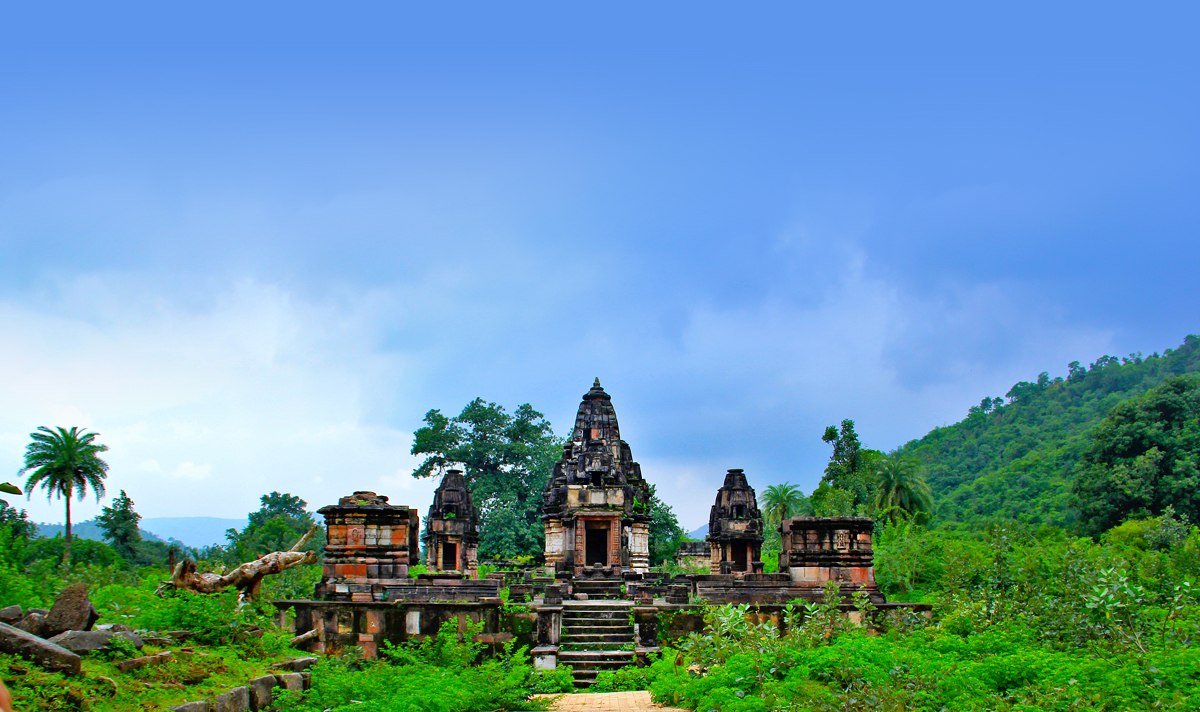
JAIN TEMPLES · 15TH CENTURY · FORESTJain shrines among the trees — the Jain temples of the Polo forest, finely carved 15th-century shrines standing in the Aravalli woodland, are among the most evocative monuments of the Polo heritage, where Jain devotion and forest beauty meet in atmospheric ruin.
Among the medieval monuments scattered through the Polo forest of Vijaynagar are its Jain temples — finely carved 15th-century shrines that stand, like the rest of the Polo heritage, among the trees of the Aravalli woodland, in a setting of great natural beauty and contemplative silence.
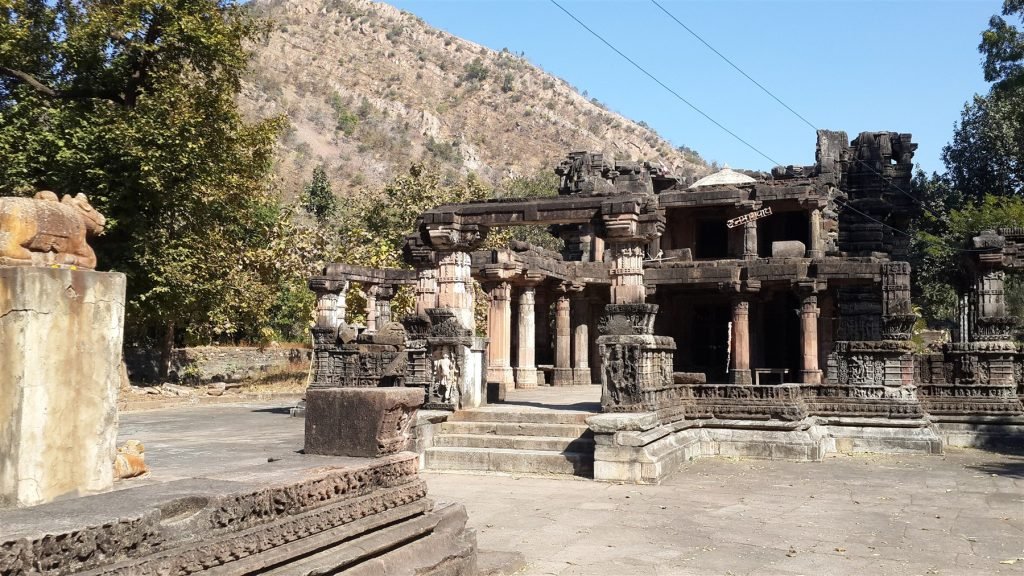
The Jain temples of Polo reflect the importance of the Jain community in the medieval settlement that flourished here. Built in the refined architectural and sculptural style of the period — with carved pillars, doorways and decorative work — they are now atmospheric ruins, some substantially preserved, others reduced to fragments, wrapped in forest and reached by walks through the woods.
For the Jain pilgrim and the lover of heritage, the special character of these temples is the encounter with significant medieval Jain architecture not in a museum setting but in living forest, beside the Harnav river. To come upon a carved Jain shrine standing among the trees is a memorable and moving experience — best explored slowly, with a guide, ideally when the forest is green after the monsoon.
Jain temples, Polo forest. Source: Wikimedia Commons.
Jain temples, Polo. Wikimedia Commons.
A thriving Jain community settled in the medieval town that once flourished in the Polo valley.
Finely carved Jain temples were raised in the refined architectural style of the period.
The settlement was abandoned and its shrines were slowly reclaimed by the Aravalli forest.
The temples survive as atmospheric ruins, reached by walks through the woods beside the Harnav.
15th-century shrines, finely carved and quietly devotional.
Fine medieval stonework on pillars, doorways and panels.
Shrines standing among the trees of the Aravalli woodland.
The forest river runs beside the Polo monuments.
Reached by walks through the woods, best with a guide.
Jain devotion in a setting of living forest beauty.
JAIN TEMPLESForest shrines — carved Jain temples among the trees.
THE RUINSMedieval stone from the settlement that flourished here.
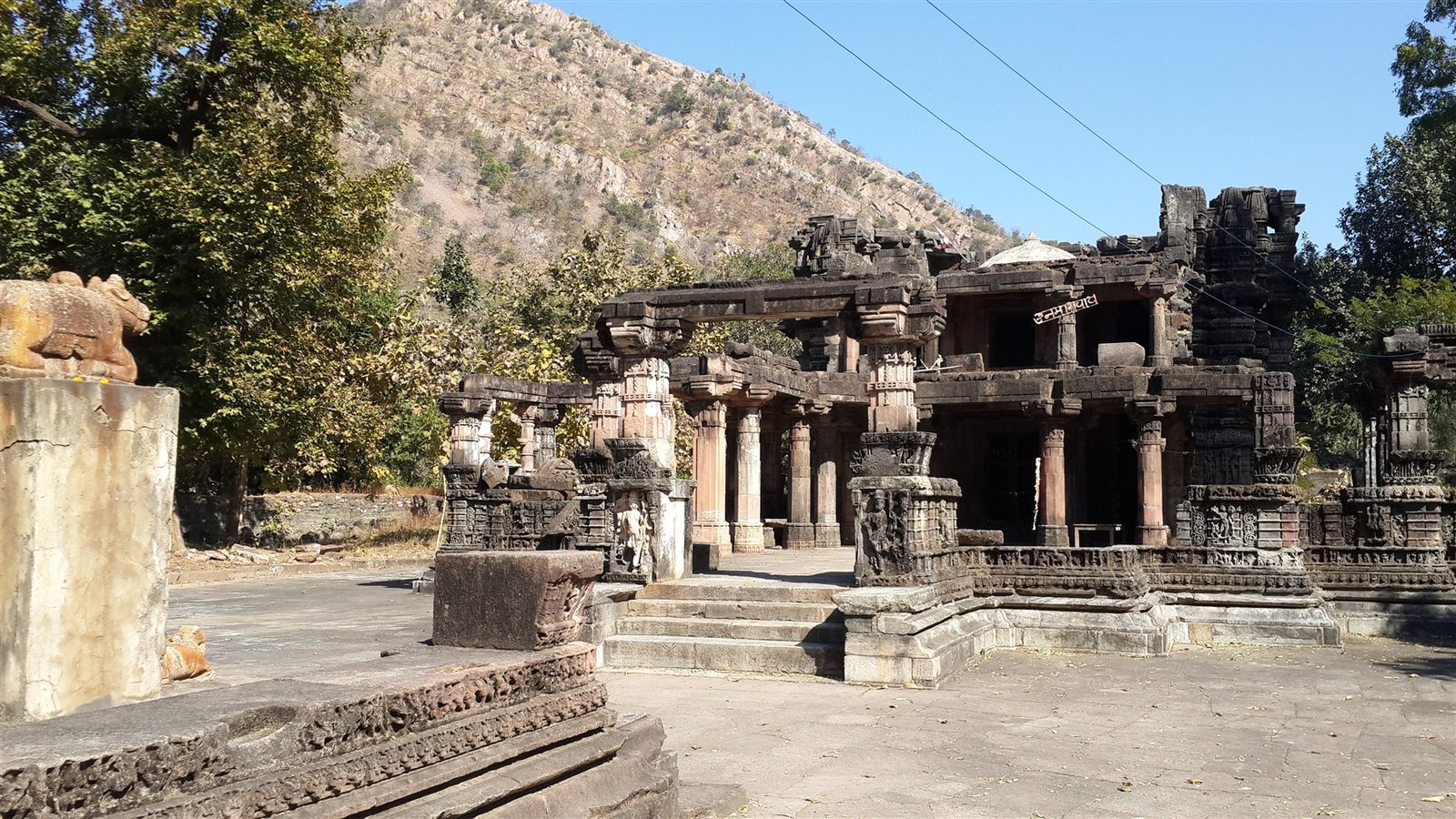
SHARNESHWARThe Shiva temple, an easy pairing with the Jain shrines.
CARVINGFine 15th-century pillars, doorways and decorative work.
FORESTAtmospheric ruins wrapped in green after the monsoon.
HARNAVShrines reached by forest walks beside the Harnav river.
Seek out the carved Jain shrines standing quietly among the trees of the Polo forest.
Look closely at the fine 15th-century pillars, doorways and decorative stonework.
The temples are reached by walks through the Aravalli woods — take your time.
Pair the Jain shrines with the nearby Sharneshwar Shiva temple for a fuller visit.
A local guide helps you find every scattered shrine and read its history.
Come when the forest is at its greenest, from monsoon through post-monsoon.
Jain temples, Polo. Wikimedia Commons.
The Jain temples of the Polo forest are finely carved 15th-century shrines reflecting the importance of the Jain community in the medieval settlement that once flourished here.
Built in the refined style of the period, they now stand as atmospheric ruins wrapped in Aravalli forest, beside the Harnav river, reached by walks through the woods. Some are substantially preserved, others reduced to fragments — Jain heritage temples best explored with a guide, when the forest is green.
Planning more of the area? Our Sabarkantha guide covers the whole district.
If this is what you travel for, browse temples across Gujarat.
Finely carved 15th-century Jain temples
Part of the medieval Polo settlement
Atmospheric shrines wrapped in Aravalli forest
Beside the Harnav river; reached by forest walks
Cool and clear — ideal. Comfortable all day for unhurried walks among the shrines.
The forest at its greenest. Showers are short and the woods come alive.
Hot; early morning best. Come right at first light to beat the heat.
⏰ The Polo forest temples are most beautiful after the monsoon, when the woods are green.
Ahmedabad's Sardar Vallabhbhai Patel International Airport is about 85 km away — the nearest major airport, roughly a 2.5-hour drive.
Himatnagar is the nearest railway station, from where road transport reaches Vijaynagar and the Polo forest.
Reached by road from Ahmedabad and Shamlaji via Vijaynagar; a car or taxi is the easiest way in.
FOREST HERITAGE
Come after the monsoon and shoot in the soft morning light filtering through the trees.
The carved pillars and doorways, the ruined shrines among the trees, and the Harnav river.
These are living Jain shrines — keep quiet, avoid clutter and don't disturb the stonework.
A wide lens frames the temples in their forest setting; sturdy shoes help on the forest walks.
Hilltop Jain shrines above the town
DAMQuiet backwaters rich in birdlife
TEMPLEA 15th-century Shiva shrine in Polo
DAMA calm reservoir amid the hills
PILGRIMA rare temple dedicated to Lord Brahma
A peaceful birding spot off the map
THALIComfort home cooking — an unlimited Gujarati thali near Vijaynagar.
DAIRYSabarkantha's famous cooperative milk and dairy products.
FARSANSavoury Gujarati snacks to pick up along the way.
Sabarkantha is strongly vegetarian — expect hearty thalis, farsan and fresh dairy.
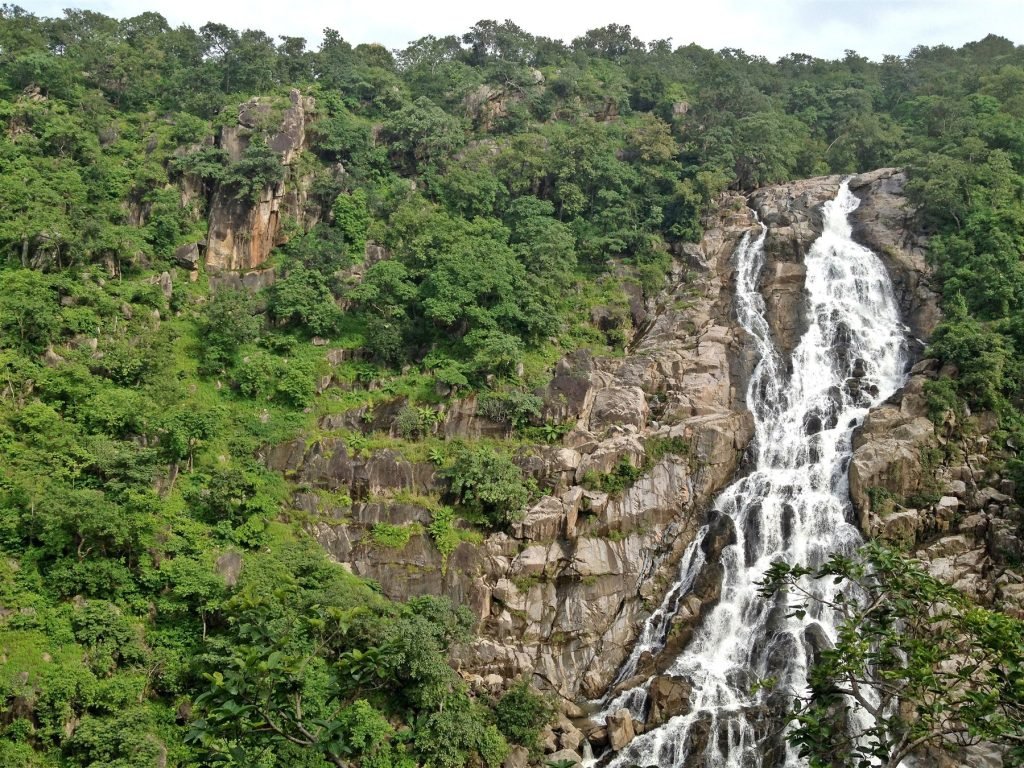
Finely carved 15th-century Jain temple shrines in the Polo forest of Vijaynagar, Sabarkantha.
Largely 15th century, from the medieval Polo settlement that once flourished here.
Some are substantially preserved; others survive only as fragments wrapped in forest.
By walks through the forest, ideally with a guide, from Vijaynagar in the Polo valley.
The Sharneshwar Shiva temple and other Polo monuments, plus the Polo forest itself.
Monsoon and post-monsoon, when the forest is green, through the cool winter months.
The temples themselves are free, though guide and forest-entry charges may apply.
Around 30–45 minutes at the shrines, more if you explore the wider Polo heritage.
2Sleep among the teak and bamboo of the highlands

Old shrines below the hill fort
TOWNA prosperous NRI Charotar town

A Gothic spiral in stone — the Borsad vav, a seven-storey medieval stepwell in the heart…
The bustling old market square
Sacred stones and spirit flags — the tribal shrines of Aravalli, where Bhil and Garasia Adivasi…
WHERE TO STAY
Compare live prices across the big booking sites and reserve in a few taps. Booking happens securely on the partner's site — we may earn a small commission at no extra cost to you.
Book directly on our partner sites — tap a provider to see live Gujarat hotels & prices:
SHOP THE REGION
Hand-picked crafts and trip gear, available on Amazon.
Published 24 June 2026 · Updated 24 August 2026
We’re an independent group of writers and travellers documenting every corner of Gujarat — one place, plate and festival at a time.
Search Gujarat Explorer
Find places, food, festivals and travel guides across Gujarat
Press Enter to search — or Esc to close
Plan Your Trip
Gujarat Explorer is an independent travel guide. We’re happy to help you shape an itinerary and point you to the right places, stays and experiences across Gujarat.
Book a Cab