
Home › Tapi › Tapti Mata Ghats
SACRED RIVER · GHATS · TAPTI MATATapti Mata Ghats
Sacred steps on the river goddess — the ghats of the Tapi, where the river is venerated as Tapti Mata, the daughter of the sun god, are the spiritual face of the great river that gives the district its name and its sacred heart.
The sacred banks of Tapti Mata
The Tapi is not only the great river of Tapi district — it is a sacred river, venerated in the Hindu tradition as Tapti Mata, the river goddess who, by myth, is the daughter of Surya the sun god. Along the river’s course through the district, ghats (steps leading to the water), riverside shrines and bathing places mark the sacred presence of the river goddess.
In Hindu tradition, Tapti is one of the holy rivers of India, and bathing in her waters and worshipping at her ghats is an act of devotion and purification. The myth of Tapti as the sun’s daughter gives the river a particular sacred character, and her ghats — where devotees gather to bathe, perform rituals for ancestors, and mark the festivals of the river calendar — are the spiritual heart of the riverside.
The ghats are most active at festival times and on auspicious days, and the everyday devotional life of the riverside — the small shrines, the bathing steps, the offerings to the river — continues throughout the year. For the visitor, the Tapti Mata ghats offer the spiritual face of the great river — a place where the natural and the sacred meet, best experienced in the quiet of early morning or at the festival gatherings.
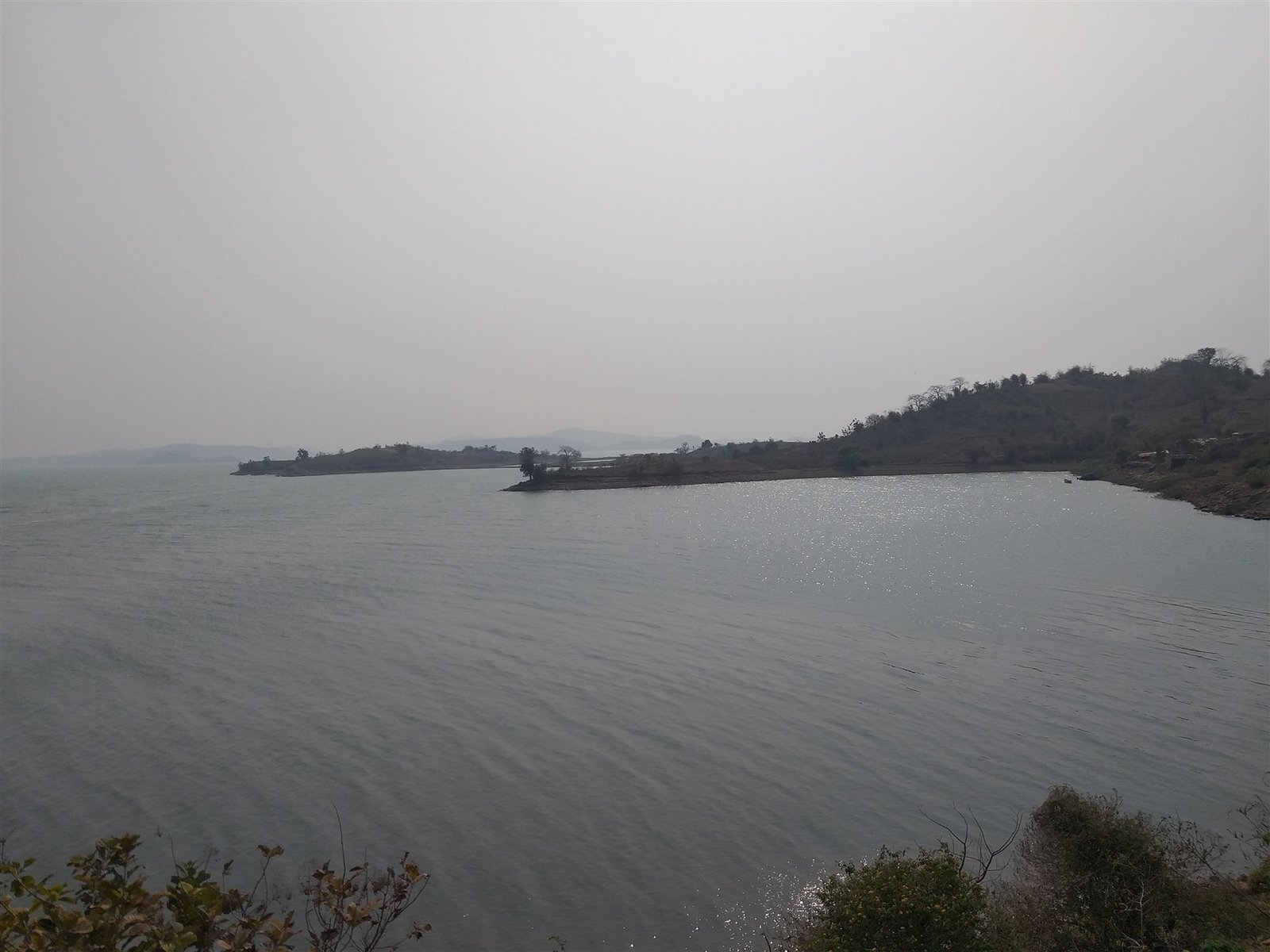
Tapi river. Source: Wikimedia Commons.
A river worshipped as the daughter of the sun
Tapi river. Wikimedia Commons.
In myth, the river Tapti is venerated as a goddess — the daughter of Surya the sun god — giving the water a particular sacred character.
The Tapi is counted among the holy rivers of India, worshipped all along its course through the district as a living goddess.
Steps leading down to the water, small riverside shrines and bathing places mark the sacred presence of the river goddess.
The everyday devotional life of the riverside continues year-round — offerings to the river, ritual bathing and the festivals of the river calendar.
Reasons to make the time
Sacred Tapti
A river goddess.
Surya's daughter
The river myth.
Ghats
Bathing and ritual.
Shrines
Along the banks.
Dawn
The best atmosphere.
Festivals
River gatherings.
What to look for inside
 THE RIVER
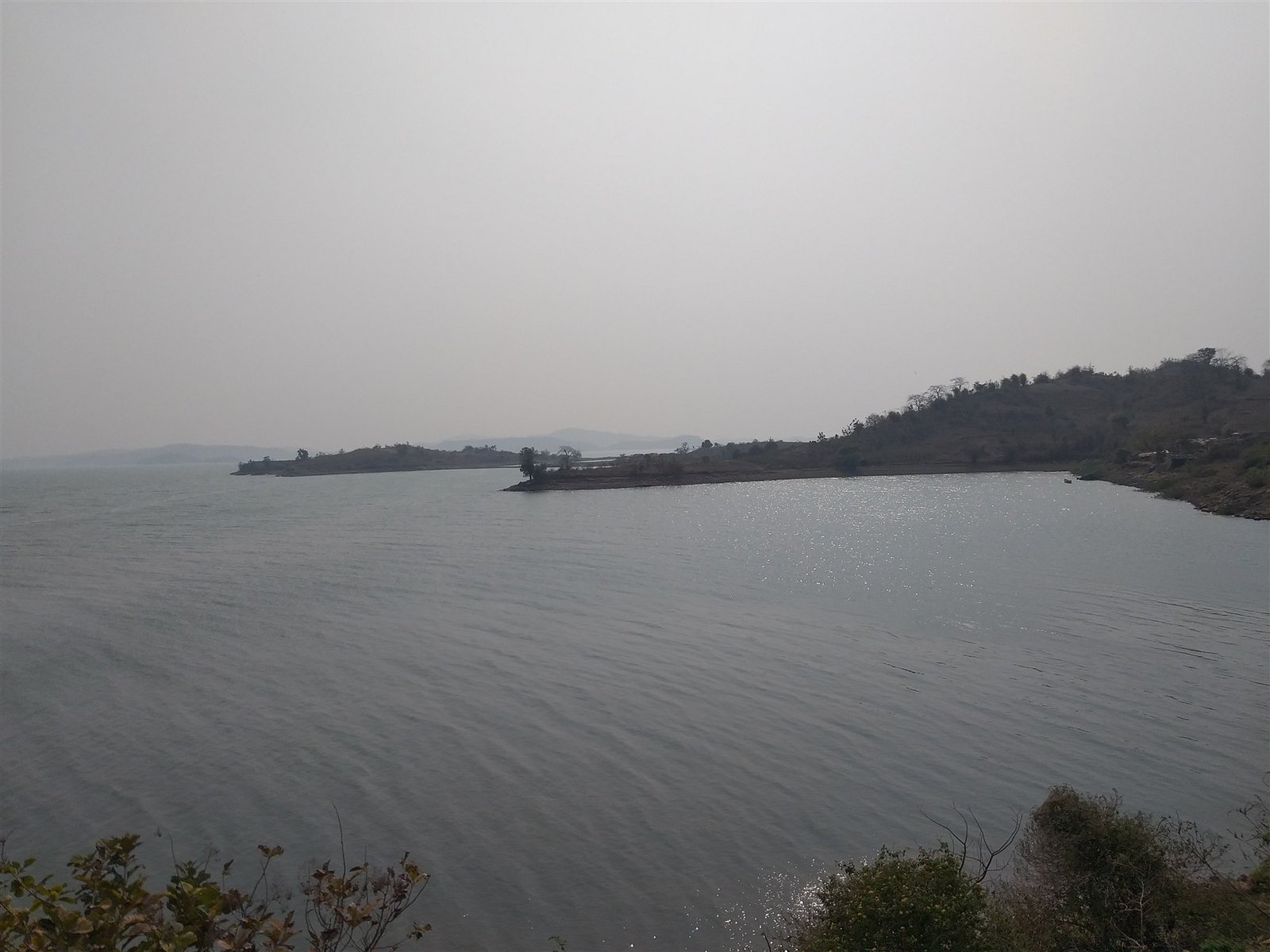
Tapti
Sacred and wide.
 THE GHATS
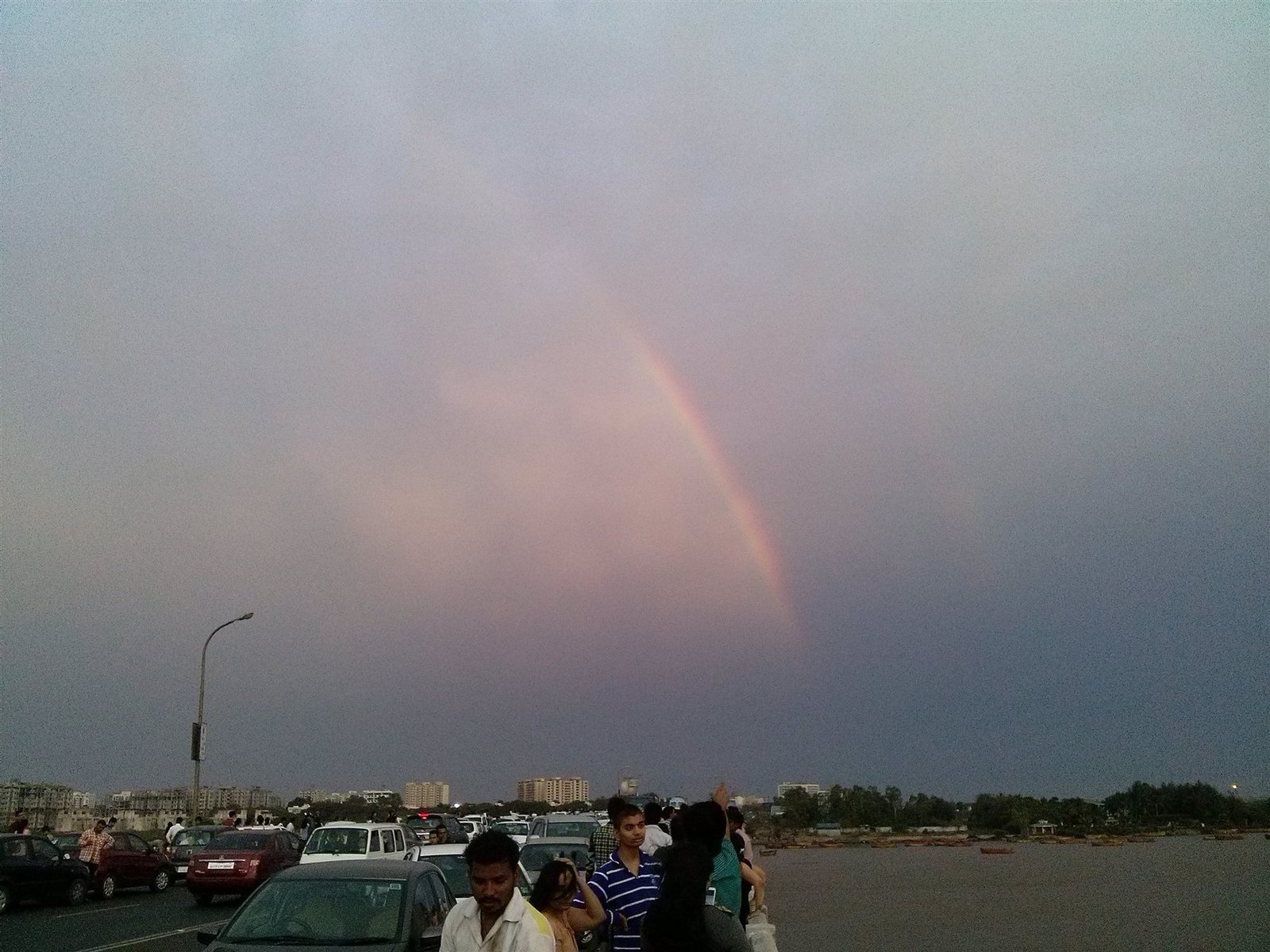
Riverside
Bathing and ritual.
How to spend an hour or two
Visit a river ghat
Descend the sacred steps to the Tapi, where devotees gather to bathe and perform ritual — the everyday devotional life of the river.
Learn the Tapti myth
Understand why the river is venerated as Tapti Mata, the goddess who by myth is the daughter of Surya the sun god.
See the riverside shrines
Small shrines dot the banks along the river's course, marking the sacred presence of the river goddess.
Watch a festival gathering
The ghats come most alive at festival times and on auspicious days, when devotees gather in numbers for river worship.
Go at dawn
Come in the quiet of early morning, when the light is soft and the riverside devotion is at its most atmospheric.
Respect the rituals
Remember this is a sacred river — keep a respectful distance from bathing and ritual, and let devotees worship undisturbed.
Tapi river. Wikimedia Commons.
Sacred ghats of the river goddess
The ghats of the Tapi are the spiritual face of the river venerated as Tapti Mata, the river goddess and, by myth, daughter of Surya the sun god — steps leading to the holy water, riverside shrines, and bathing places where devotees gather for ritual and purification.
The Tapti’s sacred character gives the district its spiritual heart, most vivid at dawn and on festival days. Sacred river ghats; respect bathing and ritual; best after the monsoon and at dawn.
More places to visit across the district are gathered in our Tapi travel guide.
Sacred ghats on the holy Tapi, venerated as Tapti Mata
The river goddess, by myth daughter of the sun god Surya
Riverside shrines, bathing and ritual
The spiritual heart of the river that names the district
When to go
Cool and clear — ideal. Comfortable all day and perfect for an unhurried visit to the riverside.
The great Shiva month — the most devotional season, when river worship and festival gatherings are at their peak.
Hot; early morning best. Still doable, but come right at dawn to avoid the heat of the day.
⏰ Shravan and Mahashivratri are most devotional; winter is most comfortable.
Timings & entry
- Cool, clear winter months are the most comfortable
- Shravan (Jul–Aug) and Mahashivratri are most devotional
- Early morning has the softest light and best atmosphere
- Allow 30–45 minutes for an unhurried visit
- No ticket required to visit the river ghats
- This is a sacred, living river — respect bathing and ritual
- Keep a respectful distance from worshippers
- Best experienced after the monsoon and at dawn
Getting there
By Air
The nearest airport is at Surat, roughly 70 km away, with domestic connections and onward road travel into Tapi district.
By Rail
Vyara and Songadh railway stations serve the district, with connections onward to the riverside ghats by road.
By Road
The ghats are reached from Surat via the national highway, with local roads leading to the riverside towns of Tapi district.
Shooting the ghats
DAWN FRIENDLY
Soft early light on the sacred river and its steps
Best light
Come at dawn — the low sun on the water and the quiet riverside give the calmest, most atmospheric frames.
What to shoot
The bathing steps, the small riverside shrines, reflections on the Tapi and the gathering of devotees at festival times.
Be respectful
This is a sacred, living river — photograph devotion discreetly and never intrude on bathing or ritual.
Festival days
Shravan and Mahashivratri bring the largest gatherings — the most colourful, but also the most crowded, time to shoot.
Know before you go
More to see close by
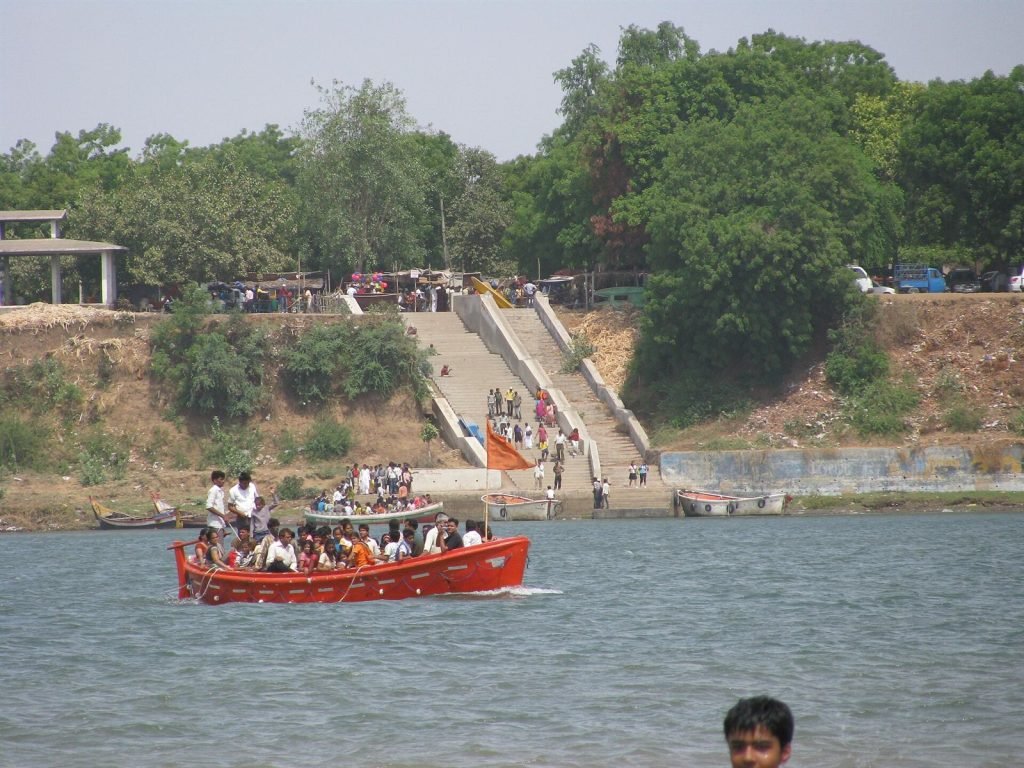
Tapi River
The Tapi River is one of the larger rivers running across south Gujarat, and it gives…
 RESERVOIR
Doswada
The huge lake behind the Ukai Dam

Unai-area Shrines
Pilgrim spots near the forest edge
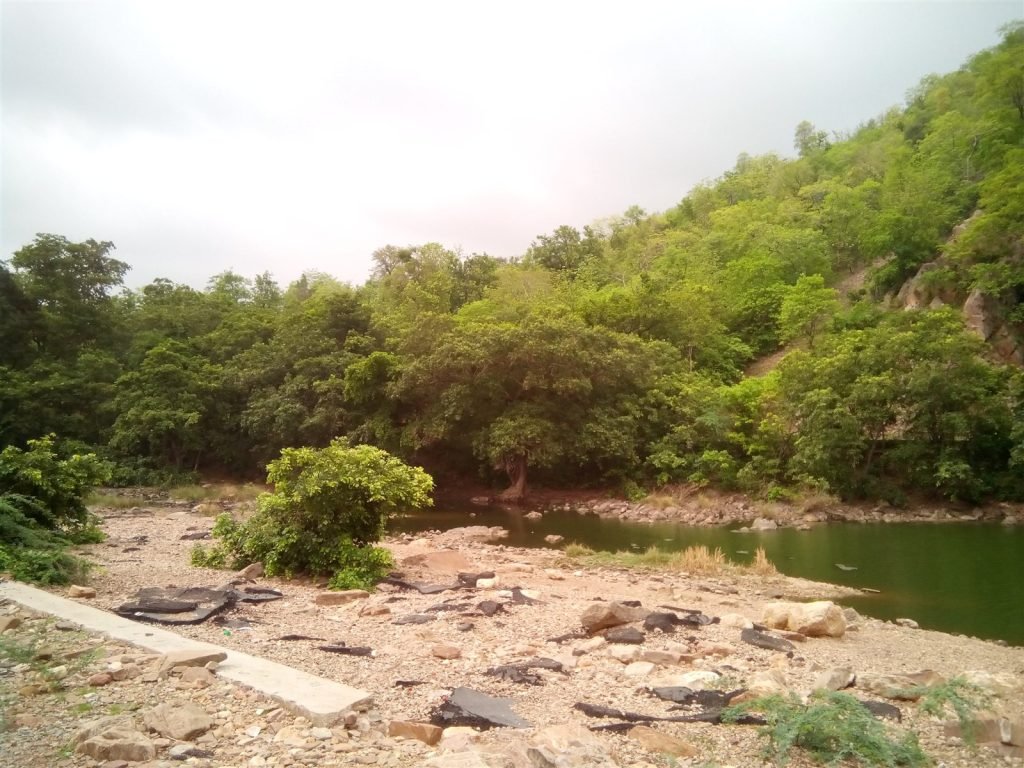 ECO-CAMP
Padmadungari
A forest eco-tourism campsite
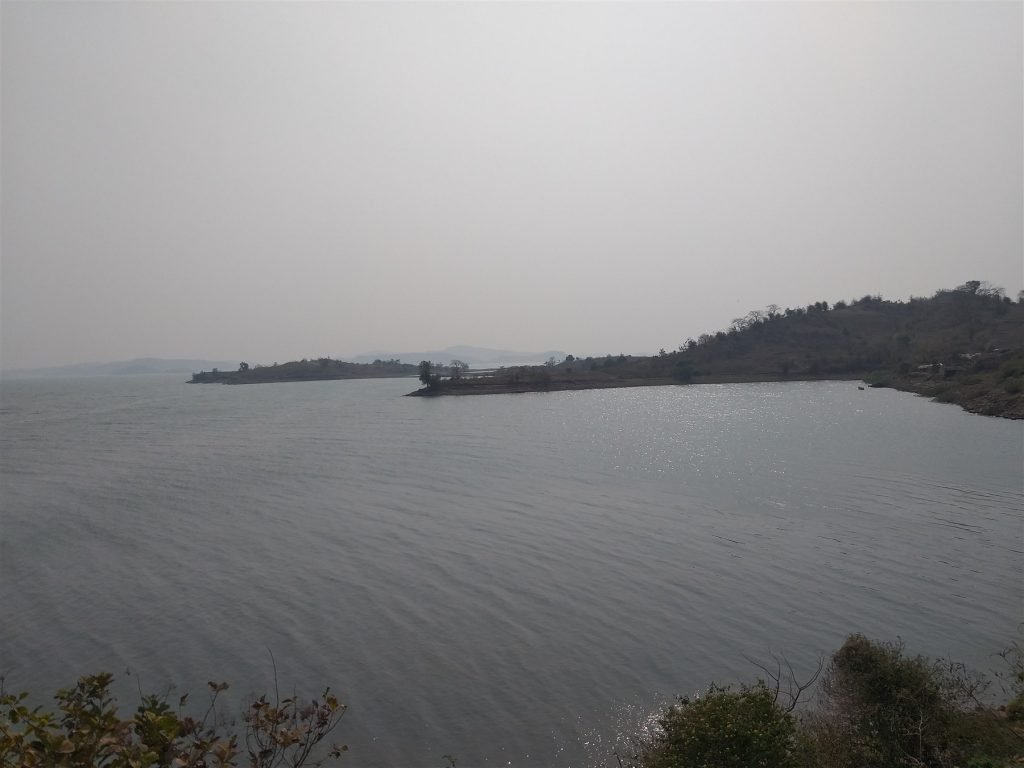 5
5Kakrapar Backwaters
Peaceful birdwatching along the weir

Vyara Mandirs
Town temples at the district heart
Where to eat near Tapti Mata Ghats
Gujarati Thali
Comfort home cooking — an unlimited vegetarian spread of dal, rotli, sabzi and sweets.
Tribal food
Rice and forest produce — the everyday cooking of Tapi's Adivasi communities.
Nagli rotla
The millet staple — hearty finger-millet flatbread, a cornerstone of the local diet.
Forest & millet flavours
Tapi's food is simple and local — expect Gujarati thalis, tribal rice dishes, nagli rotla and forest honey from Adivasi villages.
Tapti Mata Ghats FAQ
Who is Tapti Mata?
The river goddess of the Tapi, by myth a daughter of Surya the sun god.
Are the ghats sacred?
Yes — the Tapi is a holy river venerated with ghats and shrines all along its course.
What happens at the ghats?
Bathing, ritual, offerings and festival gatherings — the everyday devotional life of the sacred river.
What is the best time to visit?
Dawn for atmosphere; festival days such as Shravan and Mahashivratri for the biggest gatherings.
Where does the Tapi go?
From Madhya Pradesh through Tapi district to the Arabian Sea at Surat.
How should visitors behave?
Respect the bathing and rituals of a sacred river — keep a respectful distance and photograph discreetly.
Is there an entry fee?
No. Visiting the river ghats is free for everyone.
How long should I plan?
About 30–45 minutes is enough for an unhurried visit to the riverside.
What is the best season?
October to March, when the weather is cool and the river is full after the monsoon.
How do I get there?
Via Surat by road on the national highway, or by rail to Vyara or Songadh stations.
Related places across Gujarat
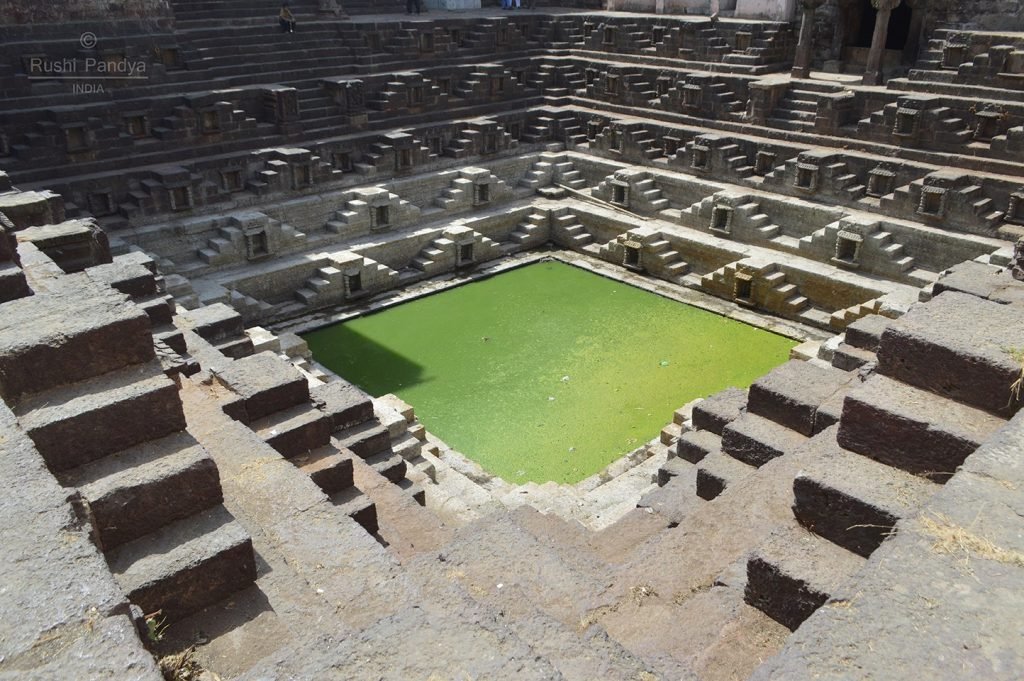 OLD TOWN
Kapadvanj
Ancient torans and a carved stepwell
 WILDLIFE
Sakkarbaug Zoo
India’s third-oldest zoo, home to Asiatic lions
 4
4Kapadvanj Torans
Ancient ornamental gateways of a faded town
 BAZAAR
Green Chowk Clock Tower
The bustling old market square

Dudheshwar Mahadev
An old Shiva temple by the town tank
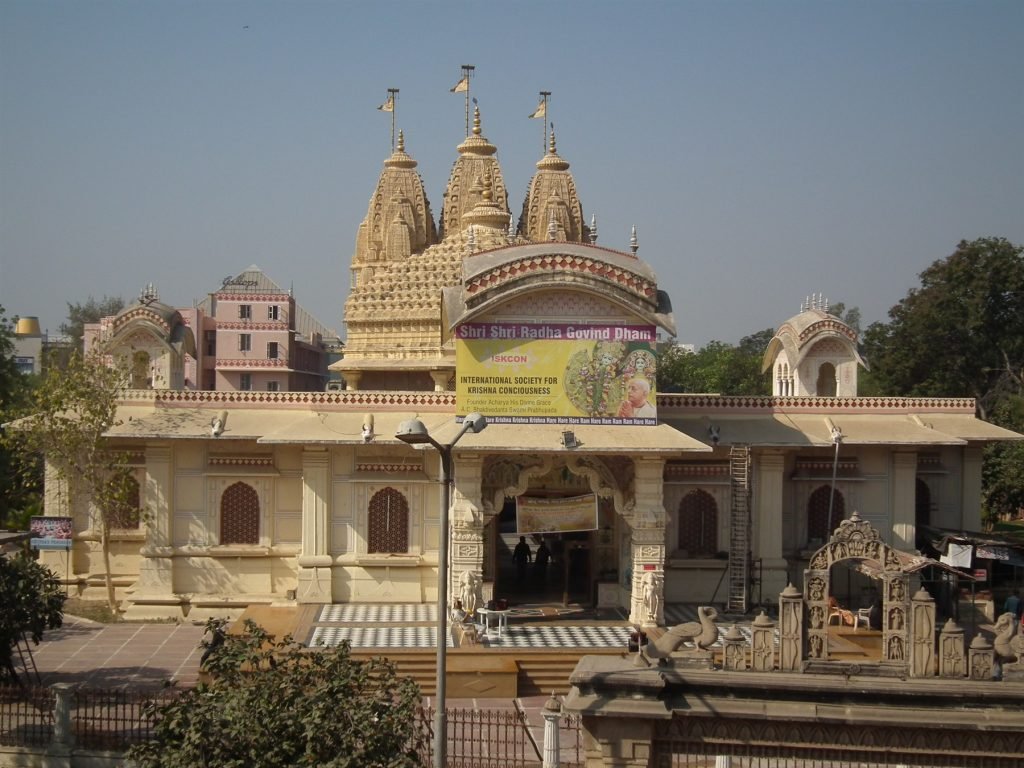
ISKCON Ahmedabad
Shri Shri Radha Govind Dham — a serene sandstone Krishna temple on SG Highway, alive with…
WHERE TO STAY
Find your stay in Gujarat
Compare live prices across the big booking sites and reserve in a few taps. Booking happens securely on the partner's site — we may earn a small commission at no extra cost to you.
Book directly on our partner sites — tap a provider to see live Gujarat hotels & prices:
SHOP THE REGION
Bring home Gujarat — & travel essentials
Hand-picked crafts and trip gear, available on Amazon.
Published 24 June 2026 · Updated 24 August 2026
We’re an independent group of writers and travellers documenting every corner of Gujarat — one place, plate and festival at a time.