
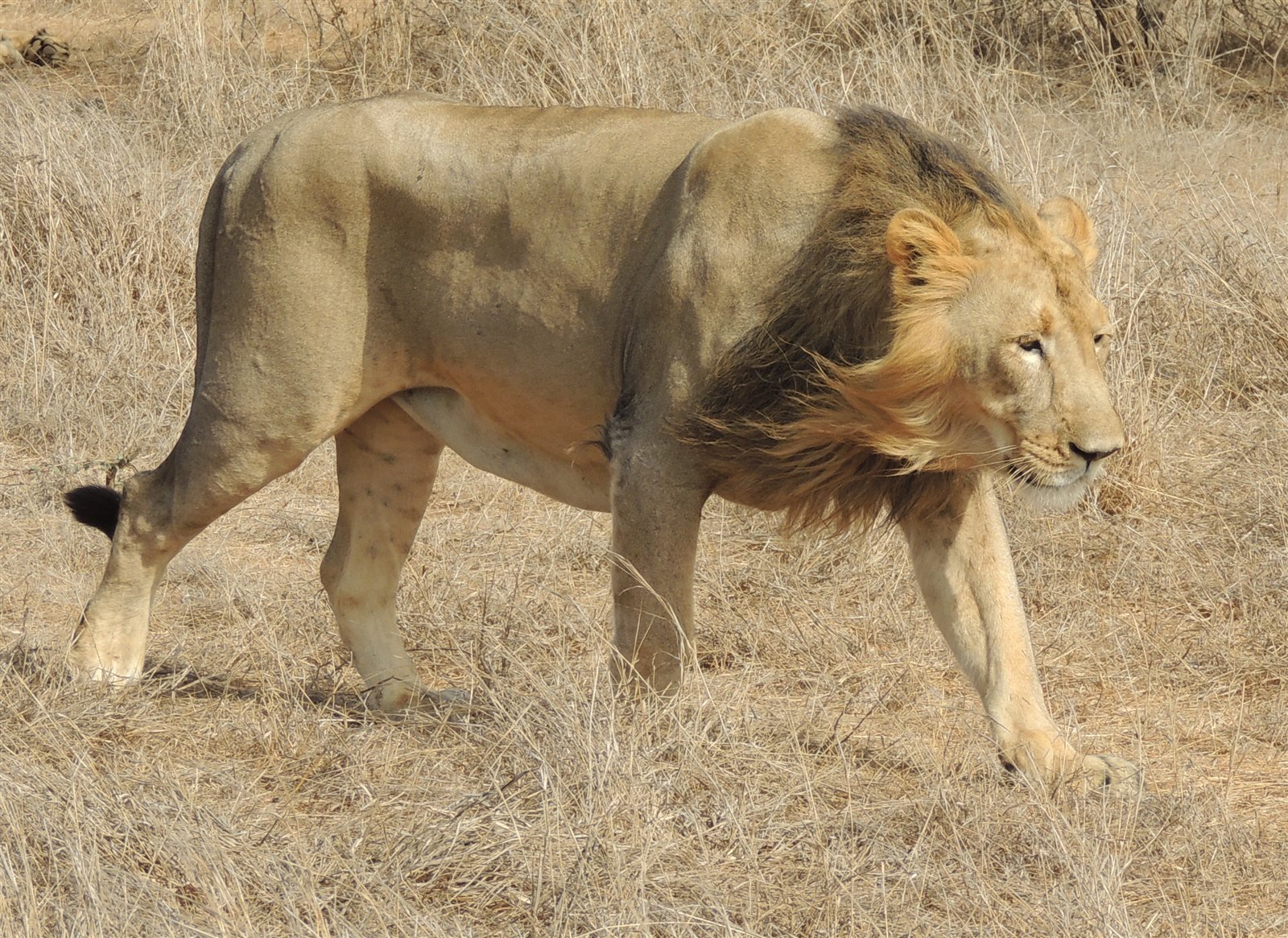
Guardian of the Asiatic lion
Established by the Nawab of Junagadh in 1863, Sakkarbaug Zoological Garden is the oldest zoo in Gujarat and among the oldest in India. It holds a special place in conservation: it is a leading centre for the captive breeding of the Asiatic lion — the rare big cat that survives in the wild only in nearby Gir — and has supplied lions to zoos and reintroduction programmes across the country and beyond.
Sakkarbaug’s conservation role runs quietly on: the zoo manages breeding stock that supplies Asiatic lions to institutions across India and abroad, holding an insurance population against any disaster in Gir. The grounds also carry a natural-history museum and generous shade, so a half day passes easily; mornings give the animals at their most active.
November to February gives the pleasantest walking, and mornings the liveliest animals; the natural-history museum inside the grounds adds a rainy-day hour to the visit.
Sakkarbaug’s role runs far beyond display: as the world’s principal Asiatic-lion breeding centre it manages the studbook, supplies zoos worldwide, and holds the insurance population against catastrophe in Gir — so the lions a visitor watches here are working conservation, not exhibits. The 200-acre grounds carry the collection well beyond the cats: leopards and hyenas, a strong deer and antelope range, crocodiles, and an aviary list that rewards slow walking.
Set aside a half day, come at opening for the animals’ active hour, and pair the zoo with Junagadh’s fort and maqbara — the Nawabs’ town in one sweep. The zoo generally closes one day a week; check locally.
Spread over leafy grounds, the zoo is home to lions, leopards, deer, antelope, crocodiles and a wealth of birds, alongside a natural-history museum. Enclosures have been steadily modernised toward more naturalistic habitats.
For families, and for anyone fascinated by the Asiatic lion’s fight for survival, Sakkarbaug is both an enjoyable outing and a window into one of India’s great conservation stories — a fitting prelude or sequel to a safari in Gir itself.
Asiatic lions, the zoo’s pride.
The Nawab's zoo that saved the Asiatic lion
A pioneer of lion conservation.
The Nawab of Junagadh founds the zoo — Gujarat's oldest.
It becomes a key Asiatic-lion breeding centre.
Sakkarbaug lions help stock zoos and reintroductions.
A modernising zoo with a natural-history museum.
Reasons to make the time
Asiatic lions
See the rare big cat up close.
Oldest zoo
Gujarat's first, from 1863.
Breeding centre
A conservation success story.
Varied wildlife
Leopards, deer, crocs and birds.
Museum
A natural-history collection.
Family outing
Leafy, walkable grounds.
What to look for inside
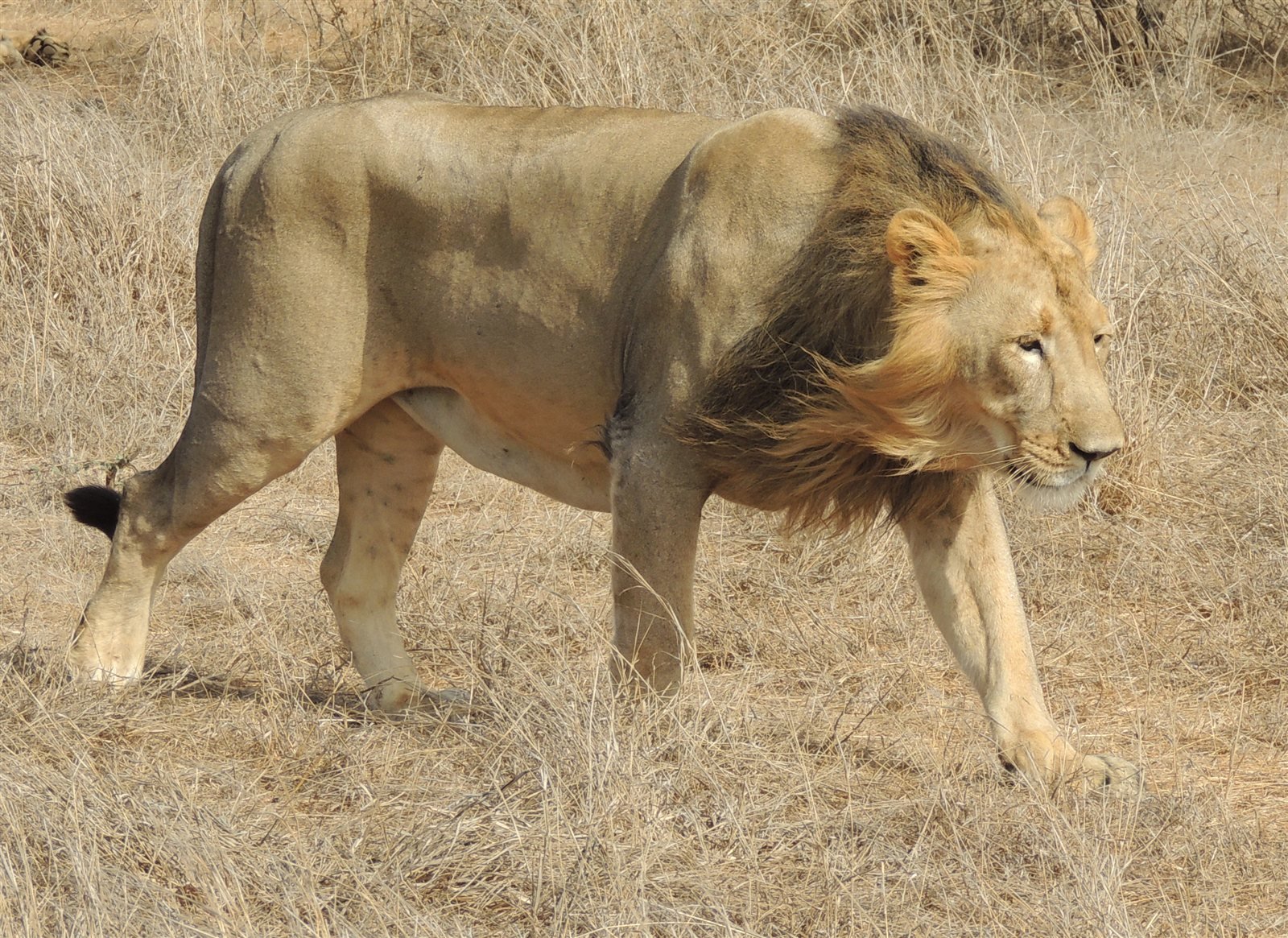
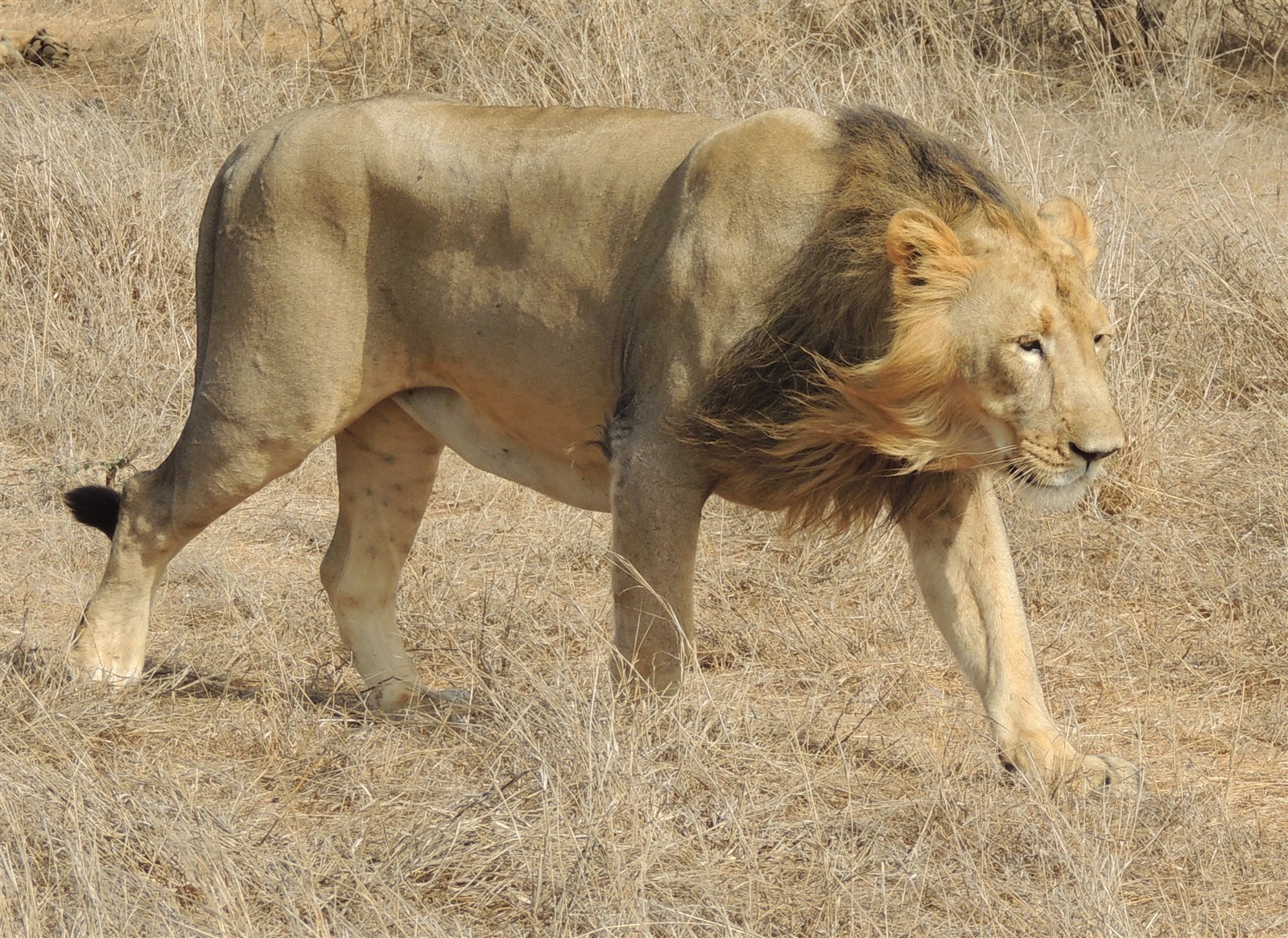 BIG CATS
Asiatic lions
The zoo's celebrated pride.
 THE GROUNDS
Leafy gardens
Habitats and a museum.
How to spend an hour or two
See the lions
Visit the Asiatic-lion enclosures.
Spot the cats
Look for leopards and more.
Walk the gardens
Stroll the leafy grounds.
Visit the museum
See the natural-history collection.
Learn conservation
The lion-breeding story.
Bring the family
An easy, enjoyable day out.
Naturalistic habitats and gardens.
Leafy grounds at Girnar's foot
Sakkarbaug is laid out as a spacious garden zoo at the foot of Girnar, its winding paths linking enclosures, water bodies and shaded groves. Once built to older menagerie standards, it has been progressively redeveloped toward larger, more naturalistic habitats, particularly for its big cats.
Alongside the animal enclosures sit a natural-history museum and conservation-breeding facilities that have made the zoo internationally important for the Asiatic lion — function and parkland combined.
For everything else the district holds, see our Junagadh travel guide.
This belongs to a wider story: wildlife across Gujarat.
Founded 1863 — oldest in Gujarat
Asiatic-lion breeding centre
Leafy garden layout
Natural-history museum
When to go
Cool and clear — ideal for the zoo, fort and Girnar.
Girnar turns lush green; the city is fresh.
Hot — sightsee early; Kesar mango season.
⏰ Go early in the cool of the morning, when the animals are most active; the zoo is usually closed on Wednesdays.
Timings & entry
- Open daytime; usually closed Wednesdays
- Animals are most active early
- Allow 2–3 hours to walk the grounds
- Carry water and sun protection
- A zoo entry ticket is charged
- Extra for cameras/vehicles may apply
- Do not feed or disturb the animals
- Combine it with Uparkot and Girnar
Getting there
By Air
Keshod Airport (~40 km) is nearest.
By Rail
Junagadh station is a short ride away.
By Road
In Junagadh, on the Girnar side of the city.
At the zoo
LIONS & GARDENS
The Asiatic lion in leafy grounds
What to shoot
The Asiatic lions (respect glass/fences).
Setting
The leafy garden enclosures.
Variety
Birds, deer and other residents.
Best light
Early morning, when animals are active.
Know before you go
More to see close by
 NATURE
Willingdon Dam
A scenic reservoir beneath Girnar’s peaks
 JAIN
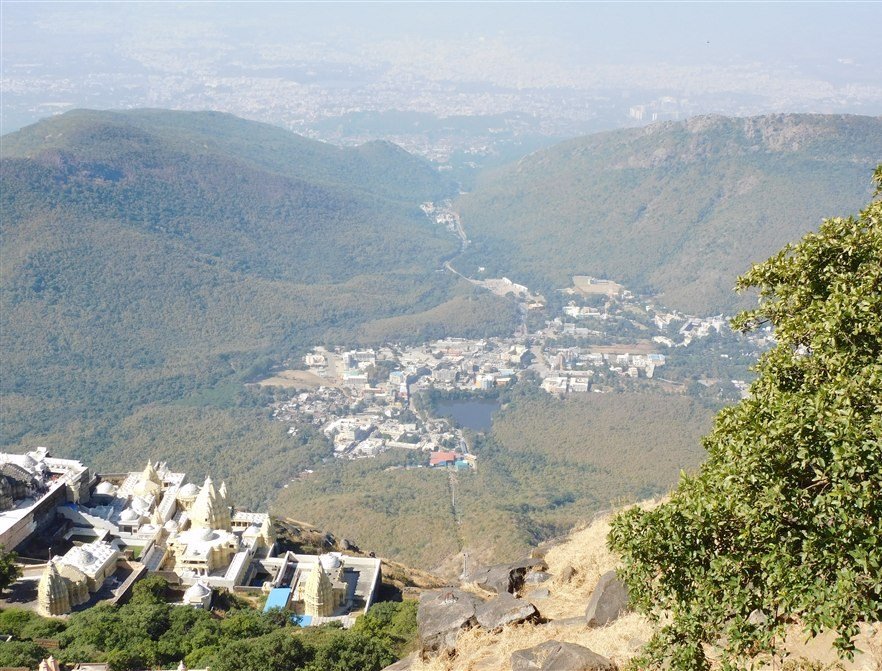
JAINGirnar Jain Temples
Marble temple cluster high on the mountain
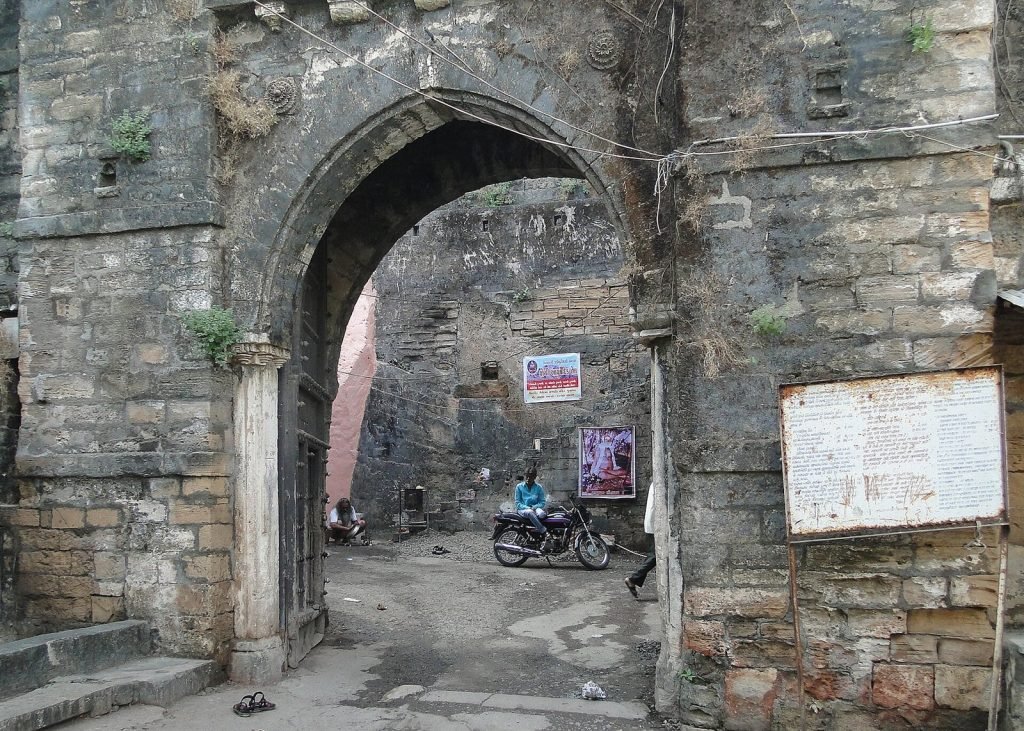
Old City Gates
◐ Bazaars & bustle
 CAVES
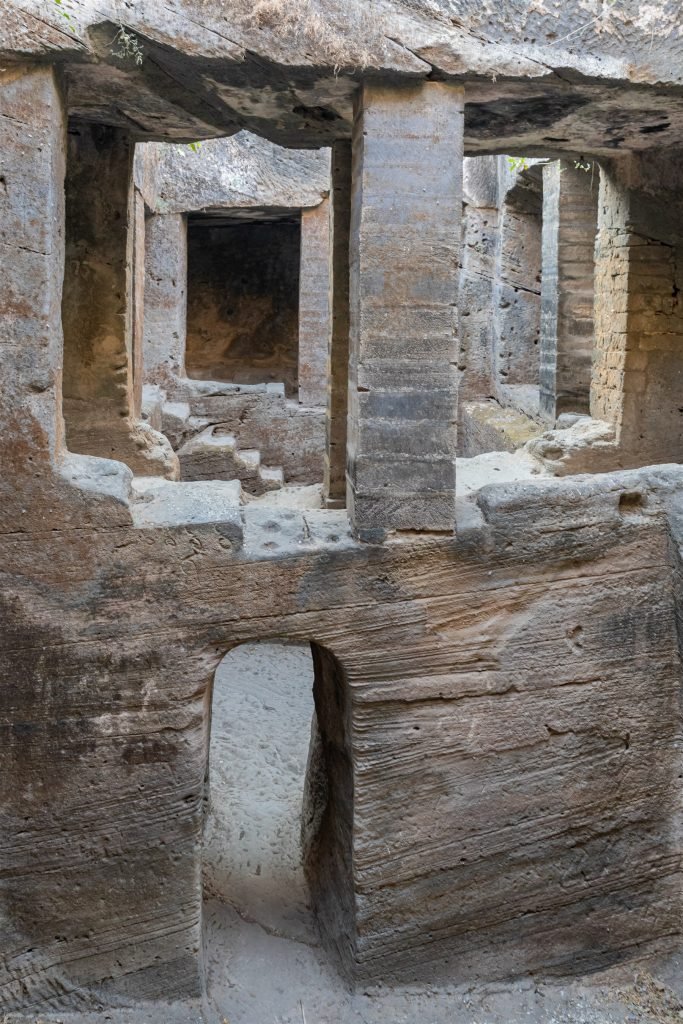
CAVESKhapra Kodiya Caves
Buddhist rock-cut monastic caves
 NATURE
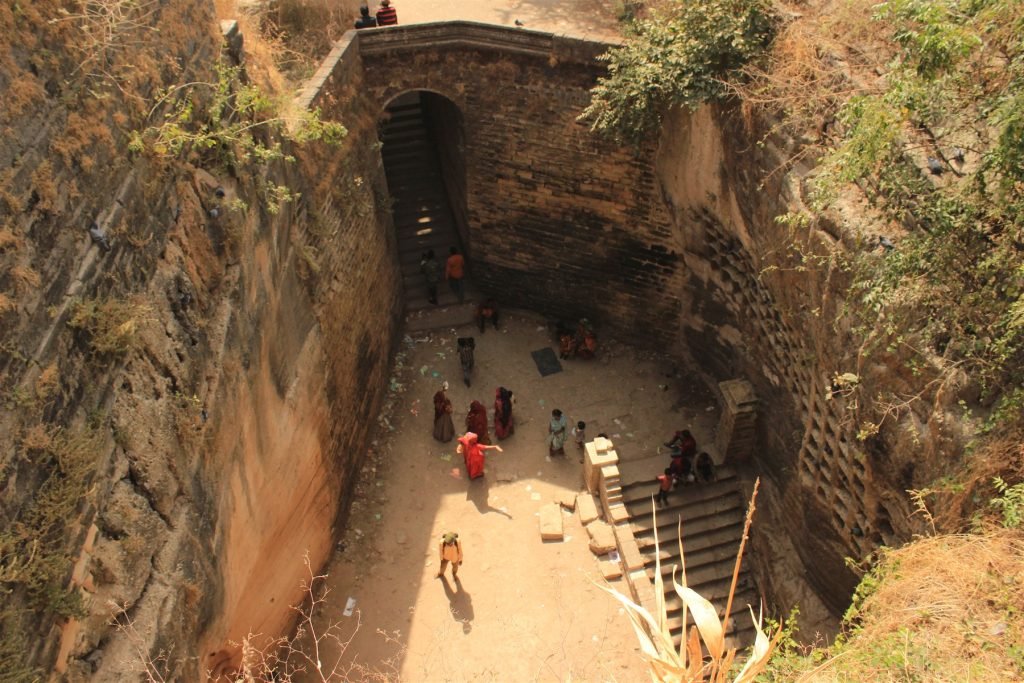
Navghan Kuvo
Birdlife and still water below the massif
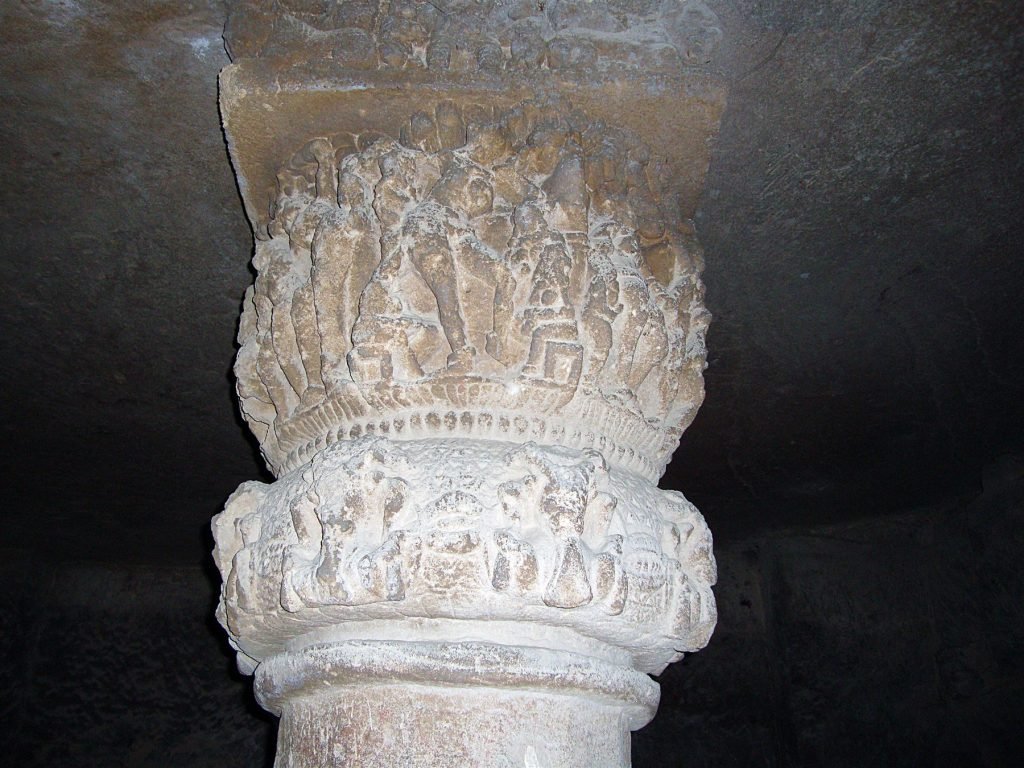 ARCHITECTURE
Uparkot Buddhist Caves
A pillared mosque within the old fort
Where to eat near Sakkarbaug Zoo
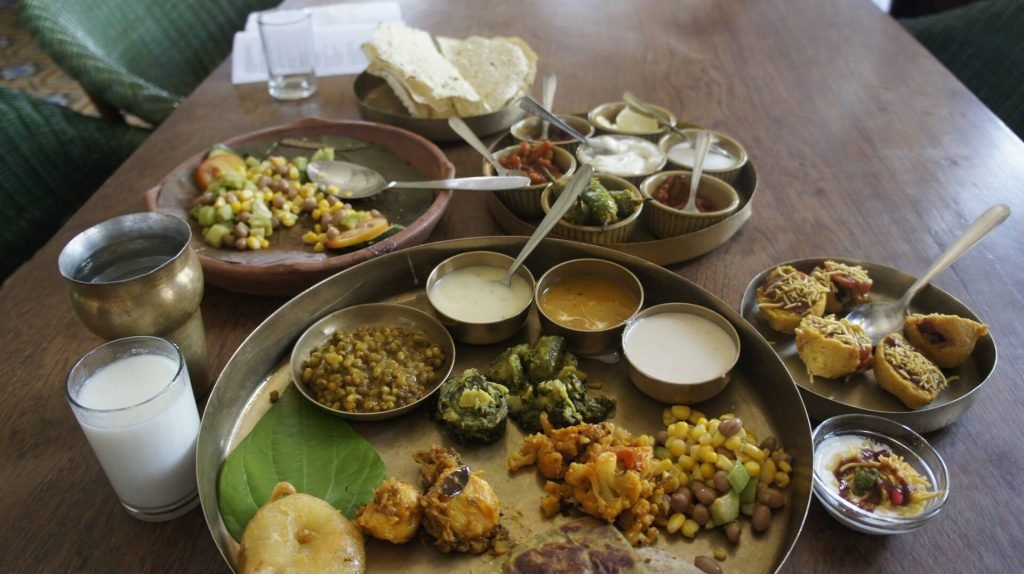
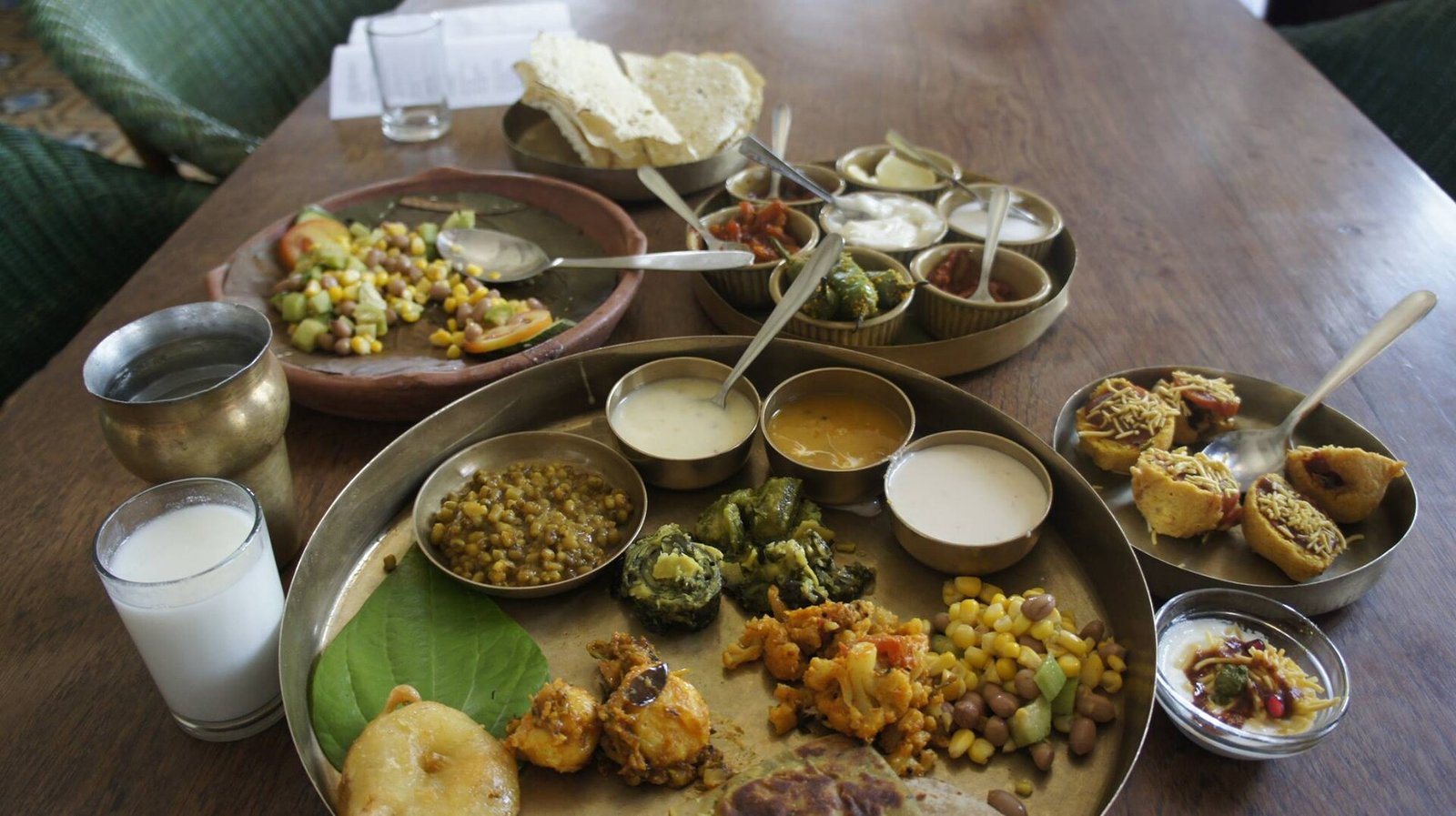 THALI
THALIKathiawadi Thali
Rotla, kadhi, shaak and ghee-rich fare.
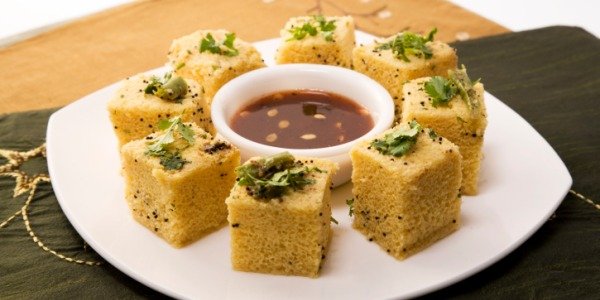 SNACKS
Ganthiya & farsan
Saurashtra's beloved fried snacks.
 STREET FOOD
Chaat & kachori
Bustling old-city bazaar bites.
Kesar mangoes
Junagadh's Girnar-grown Kesar mango is famed (summer).
Sakkarbaug Zoo FAQ
What is Sakkarbaug Zoo?
Gujarat's oldest zoo, founded in 1863 in Junagadh, famous for Asiatic lions.
Why is it important?
It is a leading captive-breeding centre for the endangered Asiatic lion.
What animals can I see?
Asiatic lions, leopards, deer, antelope, crocodiles and many birds, plus a museum.
Is there an entry fee?
Yes, a zoo ticket; it's usually closed on Wednesdays.
When should I visit?
Early morning, when the animals are most active.
How long should I spend?
About 2–3 hours.
How does it relate to Gir?
Its lions descend from the same wild population that survives in nearby Gir.
Is it family-friendly?
Yes — leafy, walkable and enjoyable for all ages.
Related places across Gujarat
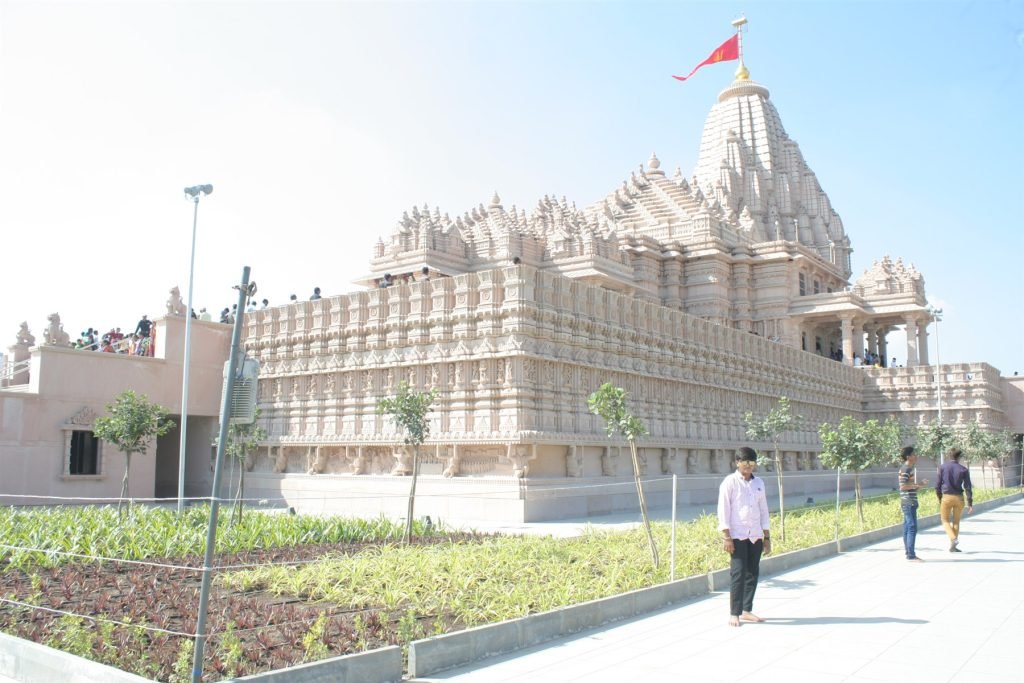
Khodaldham Kagvad
A vast, gleaming modern temple to Khodiyar Mata at Kagvad — Khodaldham, the grand spiritual seat…
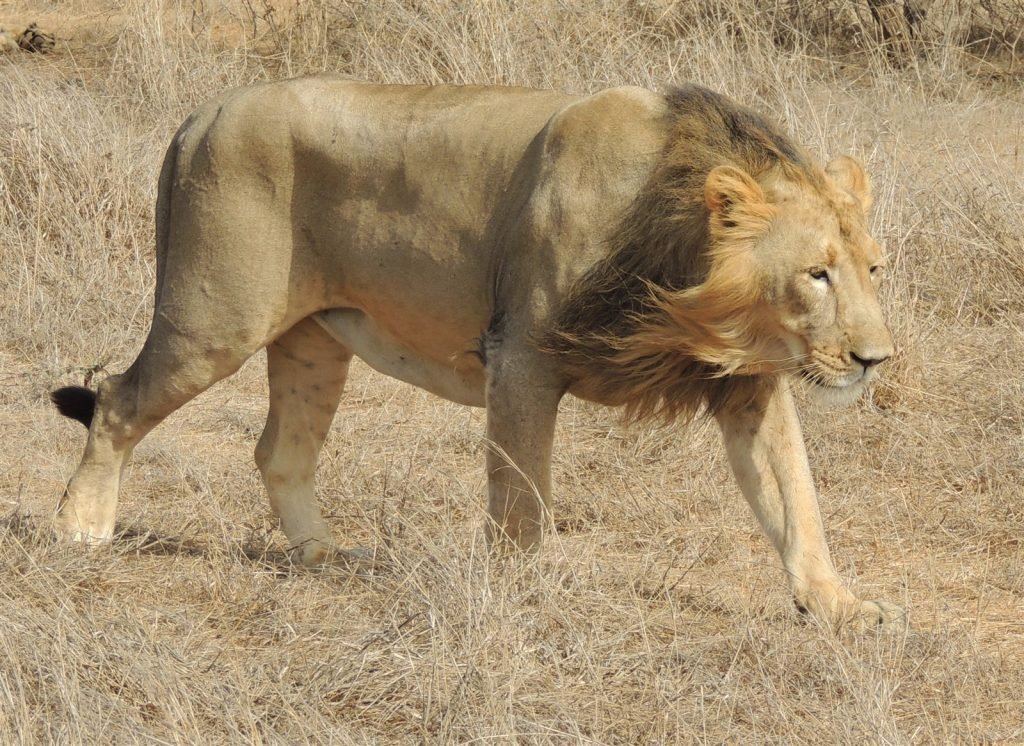
Asiatic Lion
◐ Gir / Sakkarbaug
 HERITAGE
Kirti Mandir
The memorial beside Gandhi’s birth-house
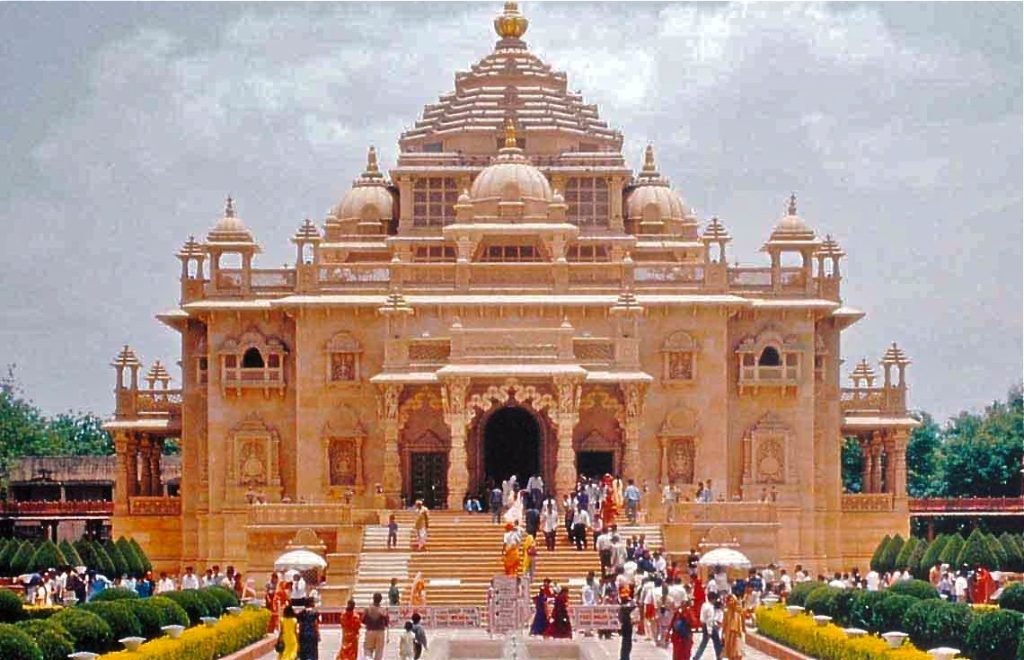
Sai Baba Temple
A peaceful seaside shrine at Tithal
 COUNTRYSIDE
Rural Botad
Timeless fields & farming hamlets

Narmada Ghats
A revered Dattatreya temple on the Narmada
WHERE TO STAY
Find your stay in Gujarat
Compare live prices across the big booking sites and reserve in a few taps. Booking happens securely on the partner's site — we may earn a small commission at no extra cost to you.
Book directly on our partner sites — tap a provider to see live Gujarat hotels & prices:
SHOP THE REGION
Bring home Gujarat — & travel essentials
Hand-picked crafts and trip gear, available on Amazon.
Published 24 June 2026 · Updated 24 August 2026
We’re an independent group of writers and travellers documenting every corner of Gujarat — one place, plate and festival at a time.