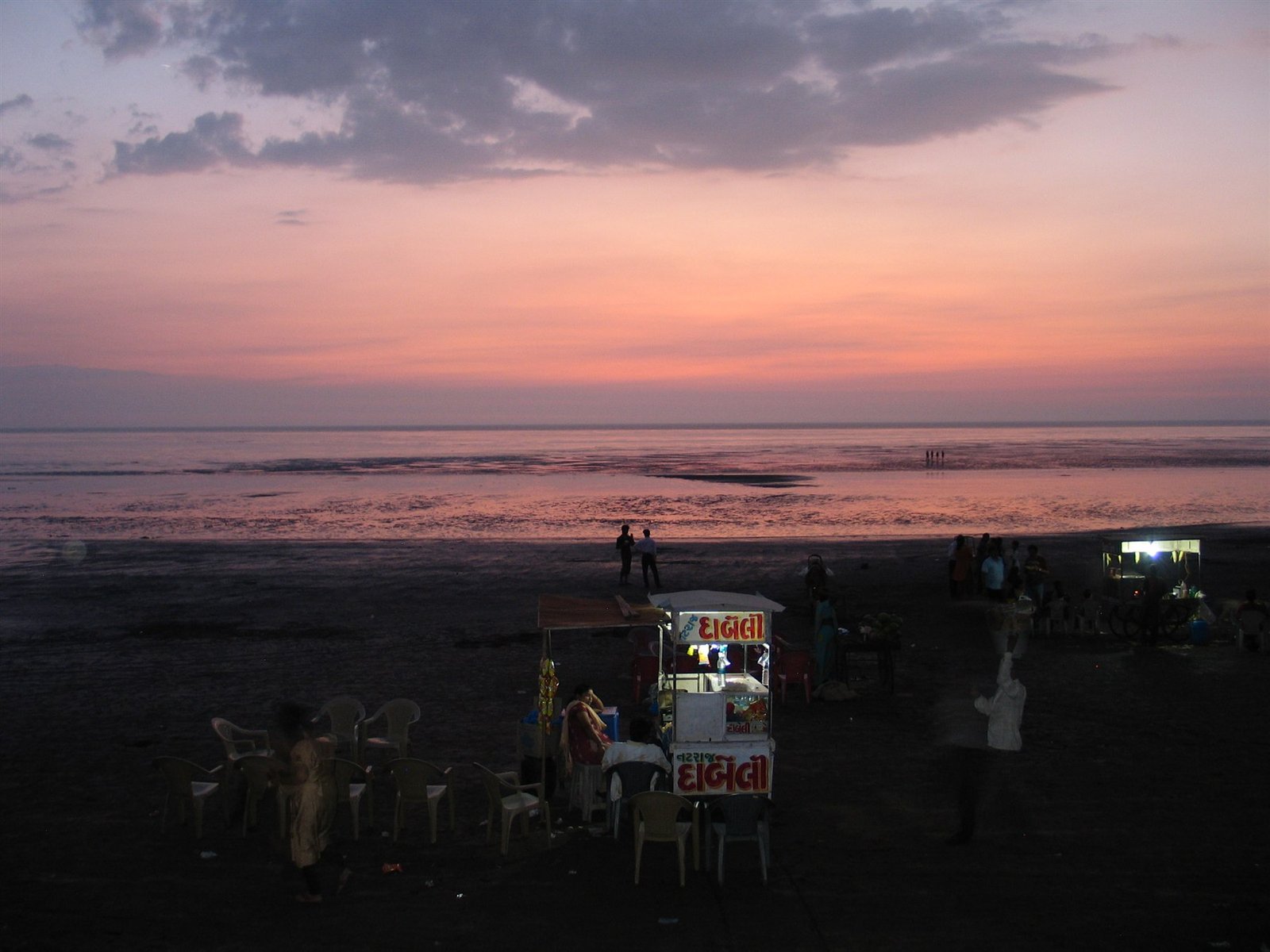
Valsad — the ‘mango city’, famous for its Alphonso (Hafus) orchards — sits close to the Arabian Sea, and its coast is one of the defining features of the region. The seafront, centred on nearby Tithal and the stretches of dark-sand beach, fishing hamlets, creeks and seaside temples, gives the town its relaxed coastal character.
Sunsets over the sea, the cool breeze, the catch coming in at fishing villages, and the gardens and promenades along the shore make the Valsad coast a pleasant escape — closely tied to the life of a region shaped by the sea, the orchards and the railway.
The gentle coastal edge of the mango city. (A coastal stretch; swimming can be unsafe.)
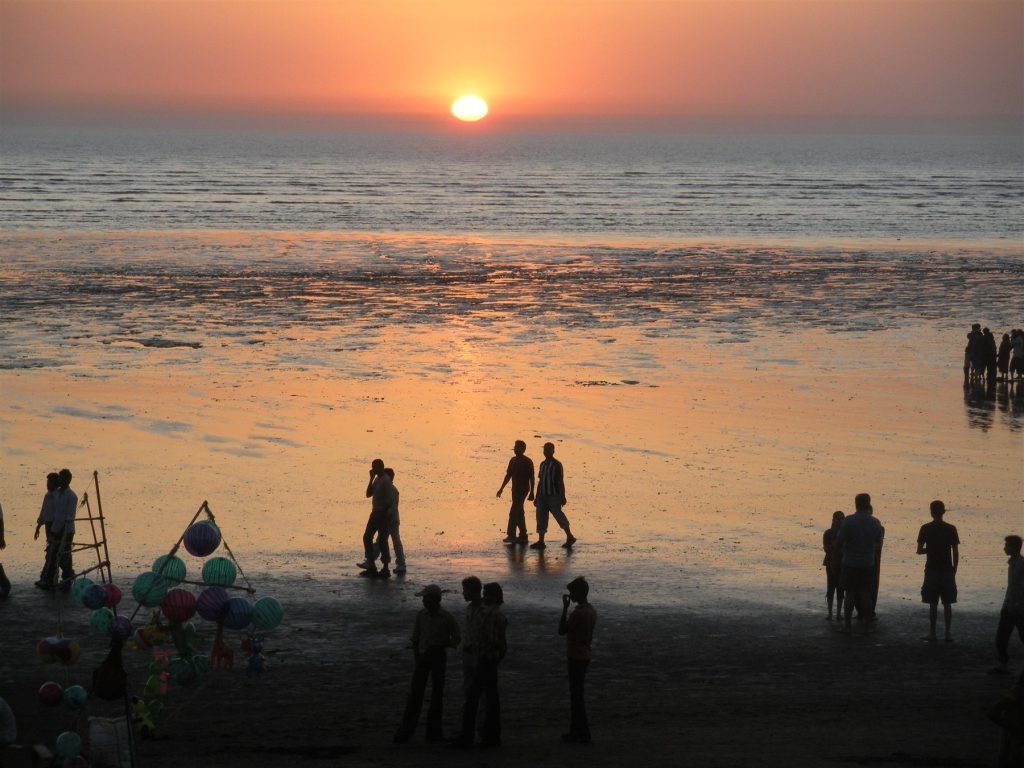
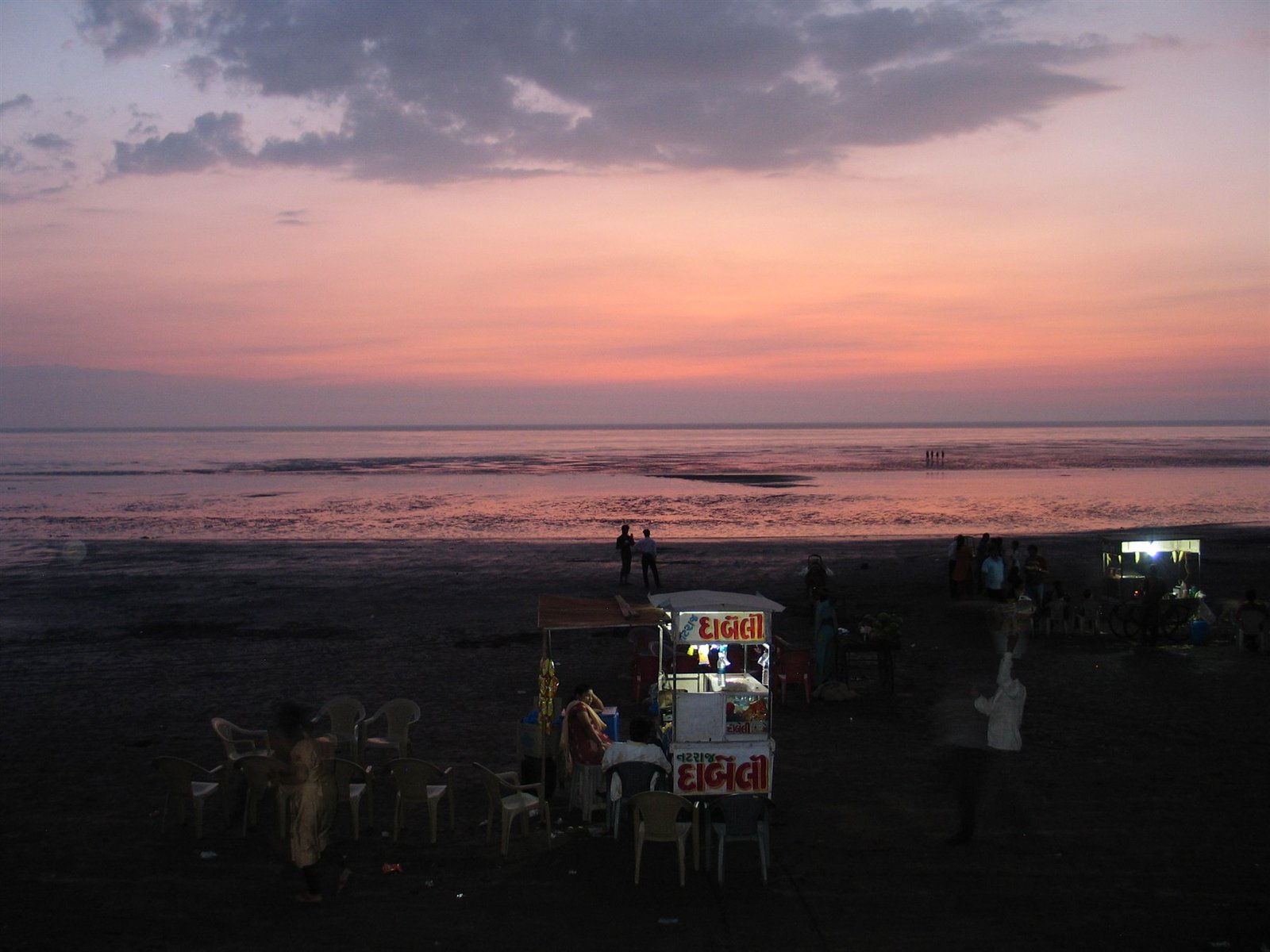
The Valsad coast at sunset.
The Tithal coast.
Valsad is known across India as mango country. The Alphonso and Kesar orchards of the surrounding belt define the district's economy and give the town its nickname.
The Arabian Sea lies a few kilometres west, and the coast road links a string of beaches, creek mouths and fishing settlements along the district's edge.
The sand here is dark, almost black in places — a volcanic-derived sediment carried down by the rivers off the Ghats, and quite unlike the pale beaches of Saurashtra.
The fishing fleet works out of Umbergaon, Nargol and the smaller hamlets, and the catch comes ashore in the late afternoon.
The coastline is the town's outlet — where Valsad goes in the evening, and what gives it a milder climate than the inland districts.
Tithal, 5 km west of town, is the main beach, with a promenade, food stalls and two well-known temples on the shore.
Fishing is still the working life of this coast, and the boats, nets and landings are visible along most of it.
Gardens and a promenade run along parts of the shore, busiest in the hour before sunset.
West-facing across the Arabian Sea, the whole coast gets the sunset, and it is the single best reason to be here in the evening.
The mango orchards start immediately inland, so the coast and the groves can easily be seen in the same day.
THE COASTA wide, flat shoreline with shallow water and a long tidal range — good for walking, poor for swimming.
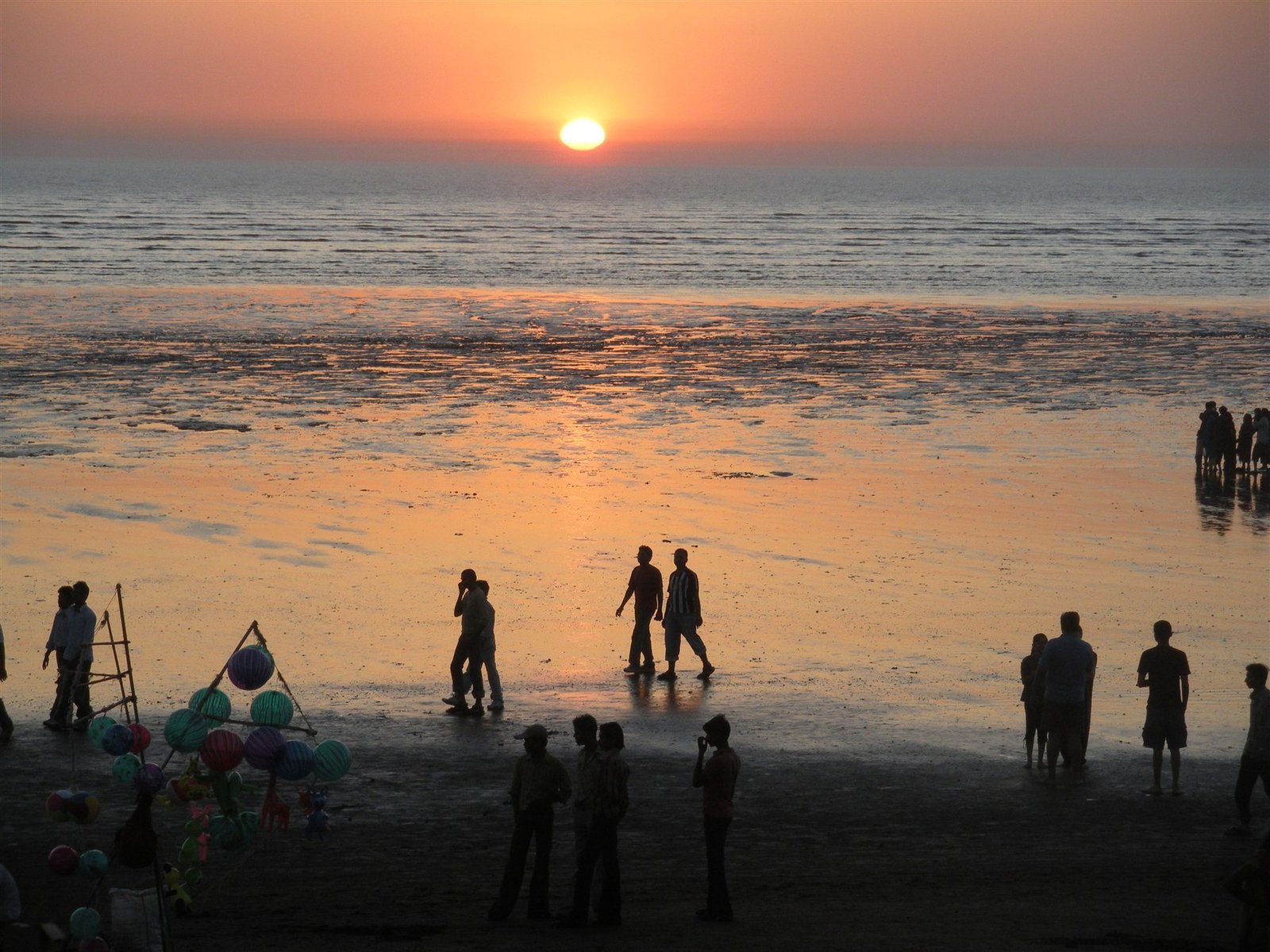
THE BEACHThe dark sand is the coast's most distinctive feature, and it looks quite different from Gujarat's other beaches.
Drive the coast road between Tithal and the southern fishing villages, stopping at the creek mouths along the way.
Be on the shore for sunset. The coast faces due west and it is comfortably the best hour of the day here.
Go down to a fishing landing in the late afternoon when the boats come in and the catch is sorted and sold on the sand.
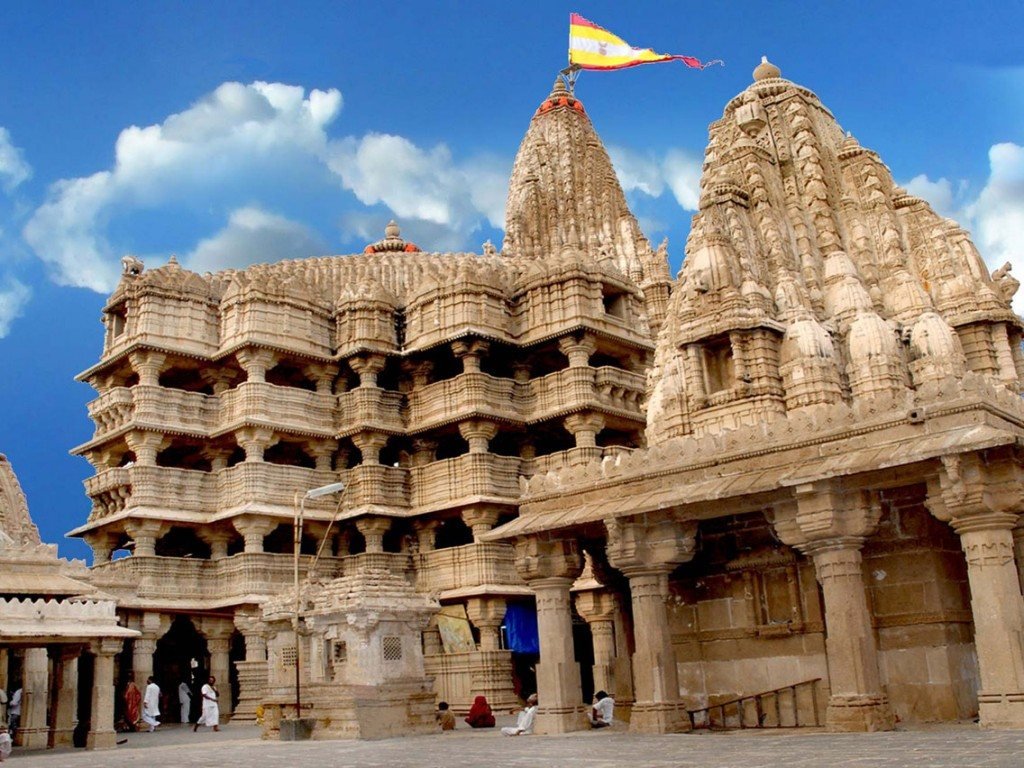
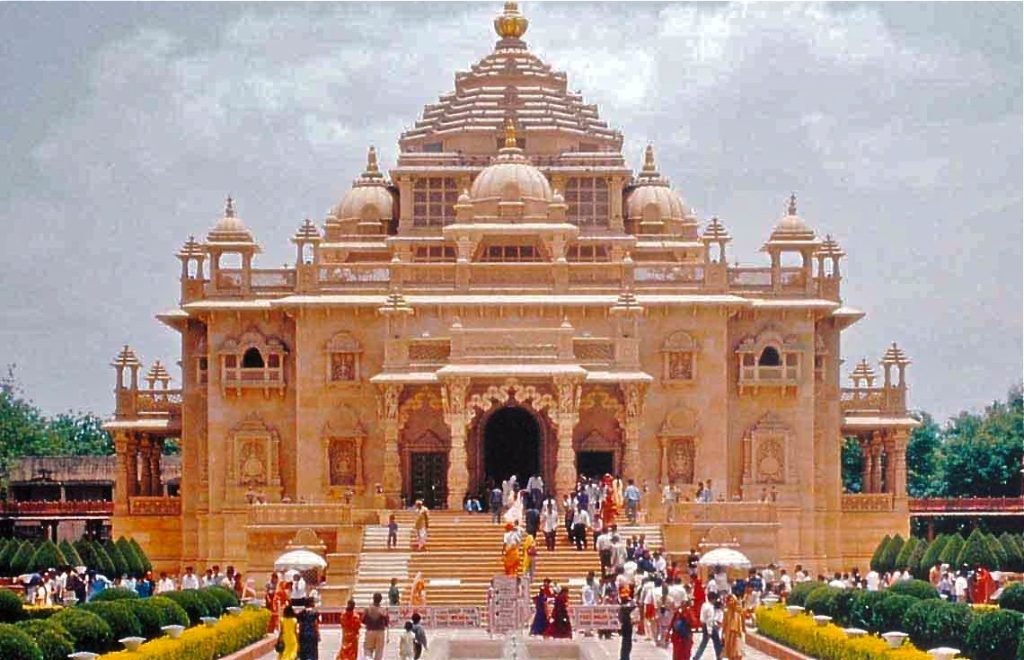
Spend an hour at Tithal, the main beach, and see the Sai Baba and Swaminarayan temples that stand on it.
Take the sea air — it is noticeably cooler and fresher here than a few kilometres inland, which is why the town uses it.
Treat the water with caution. The currents around the creek mouths are strong and this is not a swimming coast.
The Valsad seafront.
Valsad — the ‘mango city’ of Alphonso orchards — sits by the Arabian Sea, its coast centred on Tithal’s dark-sand beaches, fishing hamlets, creeks and seaside temples, with sunsets, sea breeze and shore promenades giving the town its relaxed coastal character. The gentle edge of the mango city. (Swimming can be unsafe.)
See what else is nearby in our guide to Valsad.
More of the same kind is gathered in beaches across Gujarat.
The Arabian Sea coast
Dark-sand Tithal beaches
Fishing villages & creeks
Seaside temples & sunsets
Cool, dry and pleasant.
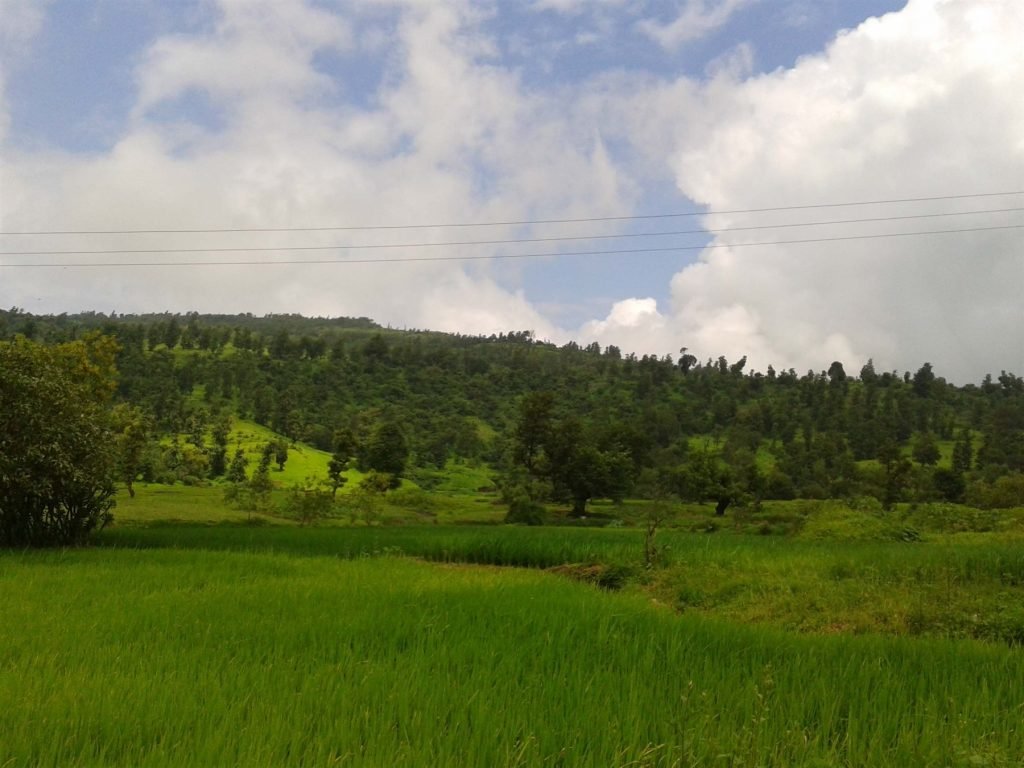
Green and atmospheric.
Hot; mango season.
⏰ Visit in the cool, dry winter; the coast is lovely at sunset and the hills greenest after the monsoon.
Surat airport (~90 km).
Valsad / Vapi Junction.
Valsad / Vapi.
COAST & SUNSET
The wide flat shore at low tide, with wet sand reflecting the sky, gives the strongest wide frames.
Sunset over the Arabian Sea, ideally with a boat or a figure on the sand for scale.
The fishing hamlets — boats, nets and the landing — are the most interesting subject on this coast.
The dark sand itself, shot close and against the surf line, where the contrast reads properly.
SACREDIndia’s oldest Zoroastrian holy fire

A peaceful seaside shrine at Tithal
INDUSTRYA bustling industrial gateway town
A lush forest cascade near Dharampur

A serene riverside forest shrine

Small working shore shrines along the Valsad coast, from Tithal to the fishing villages at Umbergaon,…
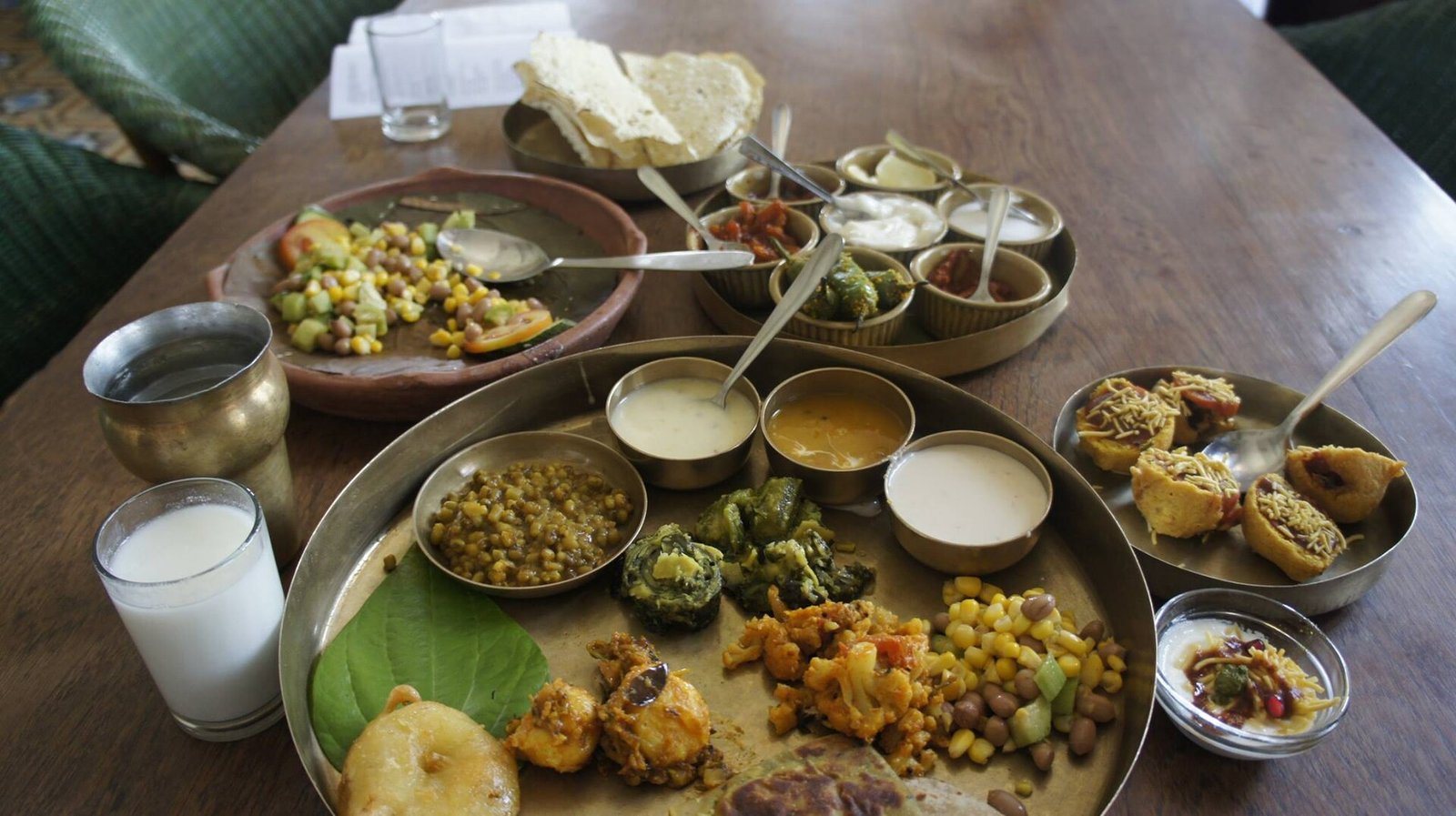
THALISouth-Gujarat meals.
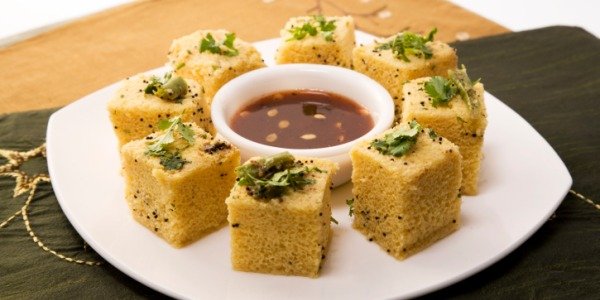
FARSANSteamed snacks.
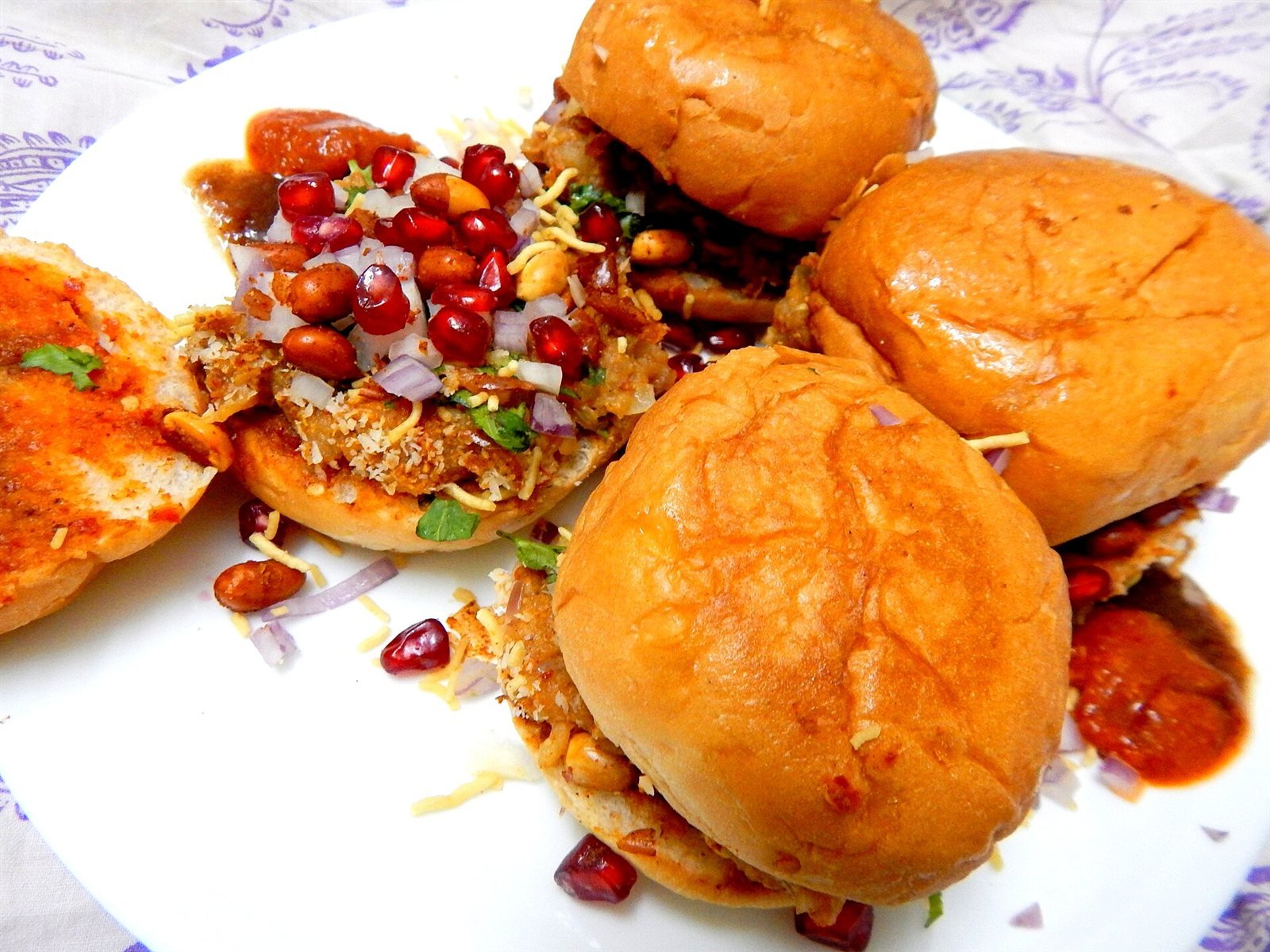
STREETBy the beach.
Famous Alphonso (Hafus) mango, chikoo & Parsi fare.
Valsad — the 'mango city', famous for its Alphonso (Hafus) orchards — sits close to the Arabian Sea, and its coast is one of the defining features of the region. The seafront, centred on nearby Tithal and the stretches of dark-sand beach, fishing hamlets, creeks and seaside temples, gives the town its relaxed coastal character.
Valsad.
Free.
October to March, the cool, dry season.
Tithal, Udvada, Wilson Hills and Parnera.
About 2 hours.
MUSEUMSculptures from Somnath’s older temples
PALACEA hilltop fantasy of Indo-European design
1Watch herds of wild ass gallop across the Rann

Hilltop shrine famed for feeding jackals
DAMQuiet backwaters rich in birdlife
CRAFT TOWNA famed ceramics & pottery centre
WHERE TO STAY
Compare live prices across the big booking sites and reserve in a few taps. Booking happens securely on the partner's site — we may earn a small commission at no extra cost to you.
Book directly on our partner sites — tap a provider to see live Gujarat hotels & prices:
SHOP THE REGION
Hand-picked crafts and trip gear, available on Amazon.
Published 24 June 2026 · Updated 24 August 2026
We’re an independent group of writers and travellers documenting every corner of Gujarat — one place, plate and festival at a time.
Search Gujarat Explorer
Find places, food, festivals and travel guides across Gujarat
Press Enter to search — or Esc to close
Plan Your Trip
Gujarat Explorer is an independent travel guide. We’re happy to help you shape an itinerary and point you to the right places, stays and experiences across Gujarat.
Book a Cab