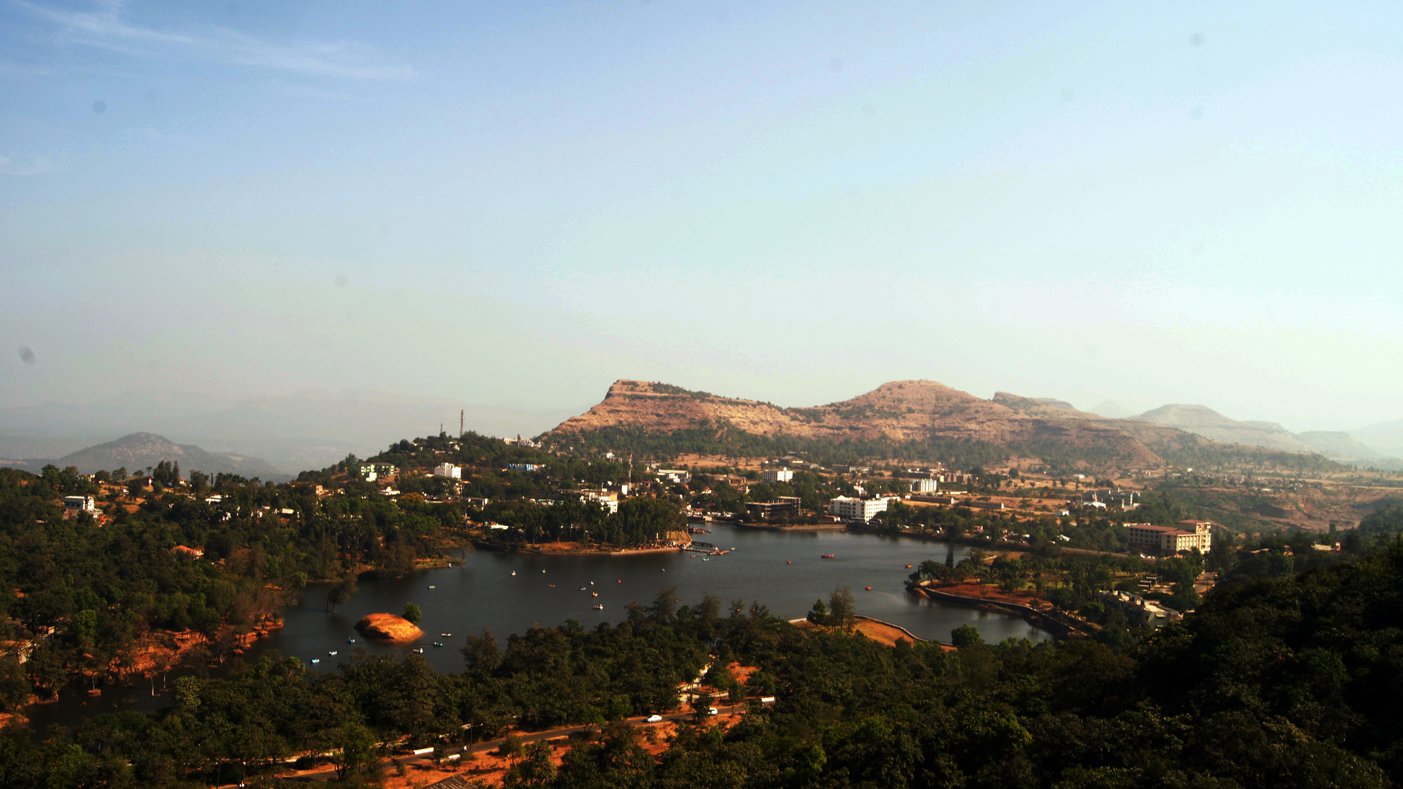
Gujarat has one hill station everybody knows and one almost nobody does, and they are about thirty kilometres apart. Saputara has a lake with pedal boats, a ropeway, a museum, viewpoints with railings and a strip of hotels that fills up every monsoon weekend. Don is slightly higher, has a village, a handful of homestays, some unmarked forest paths and a view, and on most days you will meet nobody at all.
Don Hill sits in the Dangs, the small forested district where the Western Ghats push into Gujarat's far south-east, at around a thousand metres. Development has been deliberately restrained — the state has promoted it as an eco-tourism and community-tourism destination rather than building a resort strip — which means what you get is a hill, a forest, and Adivasi families who will feed you and walk you around it. For a certain kind of traveller that is a substantially better proposition than a pedal boat.
What is actually up there
Don is a ridge and a village rather than a town. There are sunrise and sunset viewpoints looking out over the folded green country of the Dangs, forest paths through teak and bamboo, streams and small unnamed cascades that run in the monsoon, and a scatter of shrines. There is no market, no ropeway, no lake and no evening promenade. The formal list of things to do is short, which is exactly the point: what you do at Don is walk, look and sit.
The elevation matters more than the numbers suggest. At around a thousand metres, marginally higher than Saputara, the air is noticeably cooler than the coastal plain and genuinely cold on winter mornings, and the mist that comes down over the ridges in the monsoon transforms the place. In September the forest is dripping and loud with water; in January the air is dry and clear and the long views are at their best. Both are worth having, and they are very different visits.
Local tradition connects the hill to the Ramayana and specifically to Hanuman, with stories tying Don to episodes in that narrative and to Anjani, Hanuman's mother. There is no monument that presents this to you; it exists in what people tell you, which is one of several reasons to stay with a local family rather than driving up for a look. Your hosts will tell it better than any signboard, and there are no signboards.
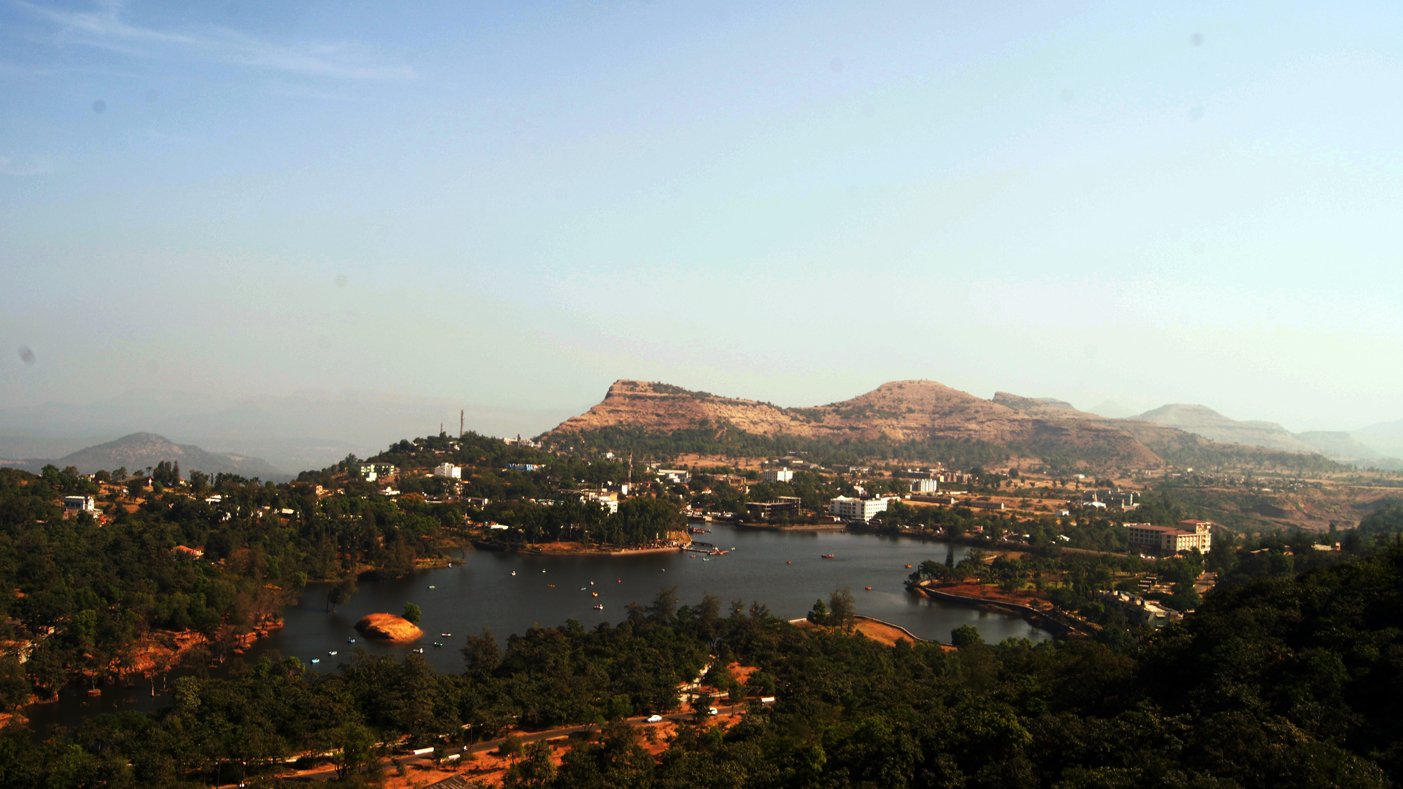
Higher than Saputara, and with none of the boating, ropeways or bazaars.
Staying with the people who live there
Accommodation at Don means homestays and simple eco-camps run by Adivasi families, plus occasional forest department options. Expect a basic room or a tent, a simple bathroom, home-cooked Dangi food — millet rotla, local vegetables, rice, whatever is in season — and hosts who can take you out on the forest paths. It is inexpensive, it is not comfortable in a hotel sense, and it is the best thing about the destination.
There are no signboards explaining the Ramayana connection, which is one good reason to stay with somebody who can tell you about it
The community-tourism arrangement here is not a marketing phrase. The money goes to the households providing the beds and the food, the guiding is done by people who grew up on these paths, and the scale of the whole operation is small enough that it has not yet reshaped the village. That is a genuinely unusual thing to find in Indian hill tourism, where the standard trajectory runs from village to guesthouse to resort strip within a couple of decades — the trajectory Saputara has already completed.
It does mean booking properly and in advance. There are very few beds, they go early for monsoon weekends and the winter holidays, and there is no walk-up option worth gambling on. Arrange your transfer at the same time as your room: hosts routinely organise pick-ups from Ahwa or Waghai, and there is no useful bus service to the village. Agree the walks you want when you book, so somebody is free to take you.
Walking, and what to expect from it
The trekking around Don is the main activity and it is genuinely good — forest tracks along ridges and down into valleys, streams to cross, viewpoints, and enough elevation change to feel like exercise without requiring any technical ability. It is not a waymarked trail network. Paths are unsignposted, they braid and fade, and the sensible arrangement is to walk with your hosts rather than setting out with a phone map and optimism.
Two practical notes. In the monsoon, from July to October, expect leeches on forest paths, mud, and rock that is slippery where streams cross — grippy footwear and a tolerance for wet feet are the price of admission, and the reward is the forest at its most spectacular. In winter, mornings are cold enough to want a proper layer at dawn on the ridge, which is where you want to be. Carry water either way; there is nothing to buy once you leave the village.
Fitting Don into a Dangs trip
Don works best as one leg of three days in the district rather than a standalone destination. Girmal, the tallest waterfall in Gujarat at around thirty metres, is in the same hills and runs from August to October. Gira falls, wider and easier, sits near Waghai. The hundred-and-ten-year-old narrow-gauge railway climbs from Bilimora on the coast up to Waghai and is a lovely slow ride if it is running. Saputara has the facilities, the lake and the hotels if you want a night of comfort in the middle.
Access is from the south Gujarat coast. Surat has the nearest airport and a main-line railway station and is about 160 km from Saputara; Bilimora, Navsari, Valsad and Vapi are all railheads on the Mumbai–Delhi line; Nashik and Mumbai are within reach from the Maharashtra side. Once in the district you need a vehicle or a transfer arranged by your homestay. Come in September for green and water, or between November and February for clear air and cold dawns, and avoid March to June entirely, when the forest is brown and there is little reason to make the journey.
If you go
- Book a homestay months ahead and arrange the transfer from Ahwa or Waghai at the same time — there is no bus and no walk-up option.
- Walk with your hosts. The paths are unsignposted and the guiding is half the value of staying locally.
- Come in September for green forest and running streams, or November to February for clear views and cold, bright mornings.
- Expect basic rooms and home cooking, and grippy shoes plus a tolerance for leeches in the monsoon.
- Build it into three days in the Dangs with Girmal falls, Gira and the narrow-gauge railway from Bilimora.
Don is what Saputara was several decades ago and, for the moment, still is: a thousand-metre ridge in the Dangs with forest paths, a sunrise viewpoint, Ramayana stories that exist only in the telling, and a handful of Adivasi families who will put you up and walk you out. Book months ahead, arrange the transfer, come in September or in the cold clear weeks of January, and get up for the dawn. Do not expect a pedal boat.