Twenty kilometres south-west of Surat, where the Tapi finishes its business with the Arabian Sea, there is a beach that most guidebooks either ignore or describe as haunted. Both approaches miss what Dumas actually is. Go there at half past five on a January evening and you find a long line of food stalls firing up, families arriving in numbers, camels standing about looking unimpressed, children on dark grey sand, and a wide flat sunset going down over the water.
Dumas is not a swimming beach and it is not beautiful in any conventional sense. It is one of the great pieces of ordinary urban leisure in western India — the place a fast, wealthy, unsentimental city of six million goes to walk about and eat in the evening. Understood that way it is thoroughly enjoyable, and it is the correct end to a day spent eating your way through Surat.
Why the sand is dark
The first thing everyone asks is whether the black sand is volcanic. It is not. The colour comes from the sediment this coast is made of — material carried down by the Tapi and the other south Gujarat rivers, mixed with the dark silts and clays of the estuary — and the same phenomenon produces the dark shores at Suvali just along the coast and at Tithal further south near Valsad. It is a river-and-estuary effect, not a geological curiosity.
What it does give you is a distinctive look. Against a bright sky or a low sun, a wide expanse of wet grey-black sand with the tide a long way out is genuinely striking, and Dumas photographs far better than its reputation suggests. The tidal range on the Gulf of Khambhat is large, which means that at low water the flats stretch a considerable distance and the sea becomes a distant line — atmospheric, and also the reason the beach does not work for swimming.
That last point deserves to be stated plainly, because it is the single most useful piece of information about Dumas. The combination of a big tidal range, unpredictable currents, soft mud in places and effectively no lifeguarding makes going into the water a bad idea. People do wade, and people do occasionally get into trouble. Treat the sea here as scenery.
Grey-black sand, a very wide tidal flat, and half of Surat out for a walk.
The stalls, which are the actual attraction
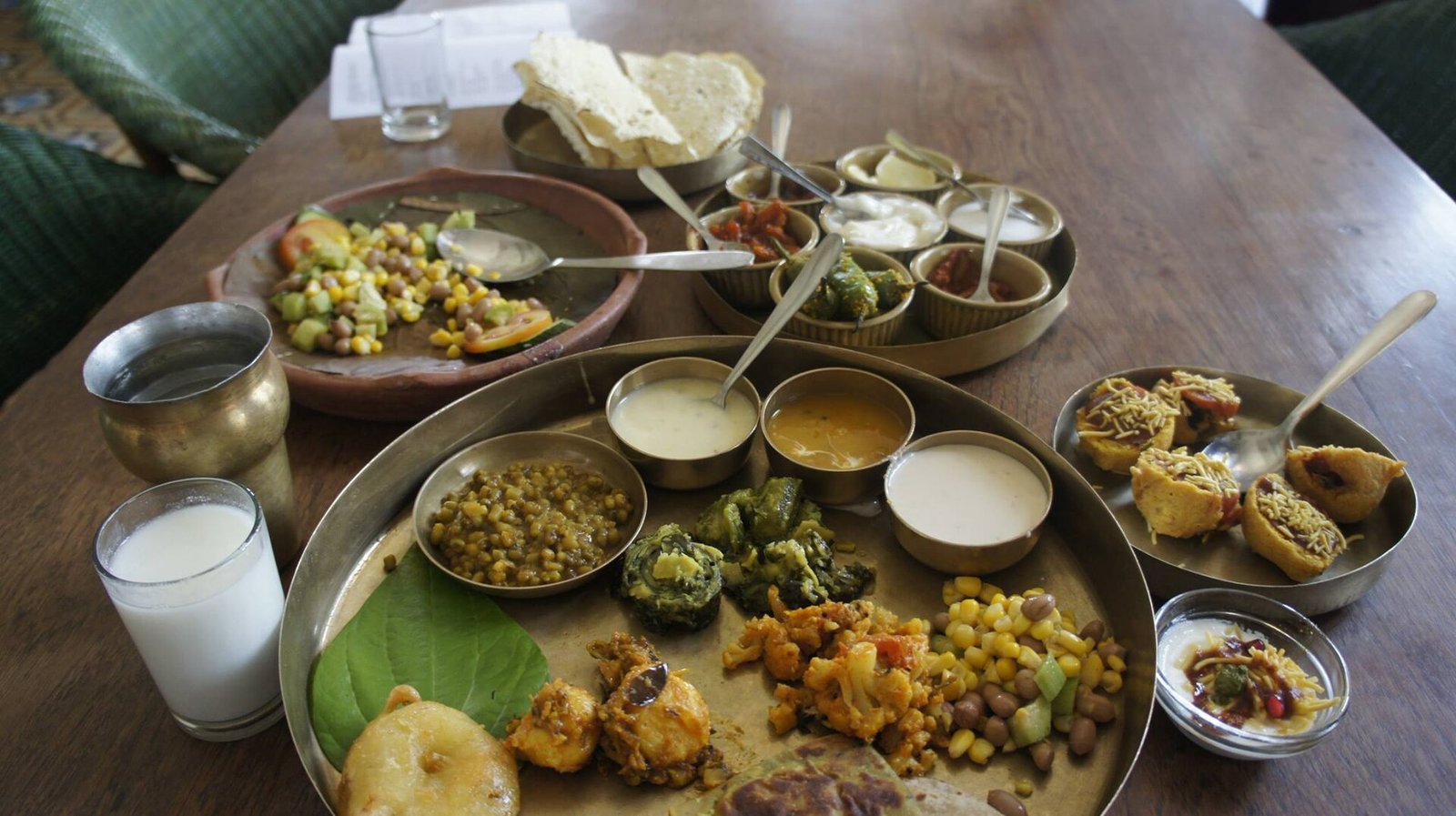
From mid-afternoon a long line of vendors sets up along the approach road and the front, and this is what people come for. Bhajiya of several kinds, roasted corn brushed with lime and masala, chaat, pav bhaji, dabeli, ice cream, kulfi, sugarcane juice, coconut water, and tea in small glasses. It is not refined and it is not expensive, and on a winter evening working slowly along it with a paper plate in your hand is a very good way to spend an hour.
The sea here is scenery, not a swimming pool. What you actually come for is a paper plate of bhajiya and a long flat sunset
The correct plan is to arrive an hour or two before sunset. Earlier than about four in the afternoon and there is nothing happening: the stalls are shut, the sun is hard, the sand is hot and the whole place looks abandoned and slightly grim, which is where a good deal of Dumas's poor reputation among visitors comes from. Arrive at five, and it is a different location entirely.
Weekends and public holidays bring very large crowds from Surat, with the traffic and parking difficulties that follow. If you want the sand and the stalls without the crush, come on a weekday. If you want the full spectacle of a Gujarati city at leisure, come on a Sunday and accept the queue. Suvali, a short distance along the coast, is the quiet alternative — the same dark sand, a fraction of the people, and correspondingly fewer stalls.
The ghost story, and why it will not leave
Dumas has one of the most persistent haunted reputations in India, sustained almost entirely online: stories of voices heard on the sand at night, of dogs behaving strangely, of visitors warned back by disembodied instruction, and the frequently repeated claim that the darkness of the sand is somehow connected to the cremation ground that historically operated in the area. It appears on every list of haunted places in India and generates a steady stream of video content.
None of it has any verifiable basis, and the sand's colour has a straightforward sedimentary explanation. What the folklore does illustrate is how a genuinely unremarkable fact — there was a cremation ground near a beach, which is true of a great many Indian beaches — can compound into a whole industry of internet spookiness. If you enjoy that sort of thing, it adds a little colour to the visit. It should not be a reason to come, and it should certainly not be a reason to be on an unlit tidal flat after dark, which is a bad idea for entirely practical reasons.
Fitting it around Surat
Dumas only really makes sense as the last item on a Surat day, and Surat's day is about food. The city is the best eating in Gujarat, with specialities that exist nowhere else in the same form — locho, the soft steamed gram-flour dish that began as a failed batch of khaman; Surti khaman itself, wetter and more generously dressed than versions elsewhere; sev khamani; ponk in its brief winter season; Surti undhiyu in the cold months; and ghari, the dense milk-and-ghee sweet eaten in quantity at Chandni Padva just after Diwali.
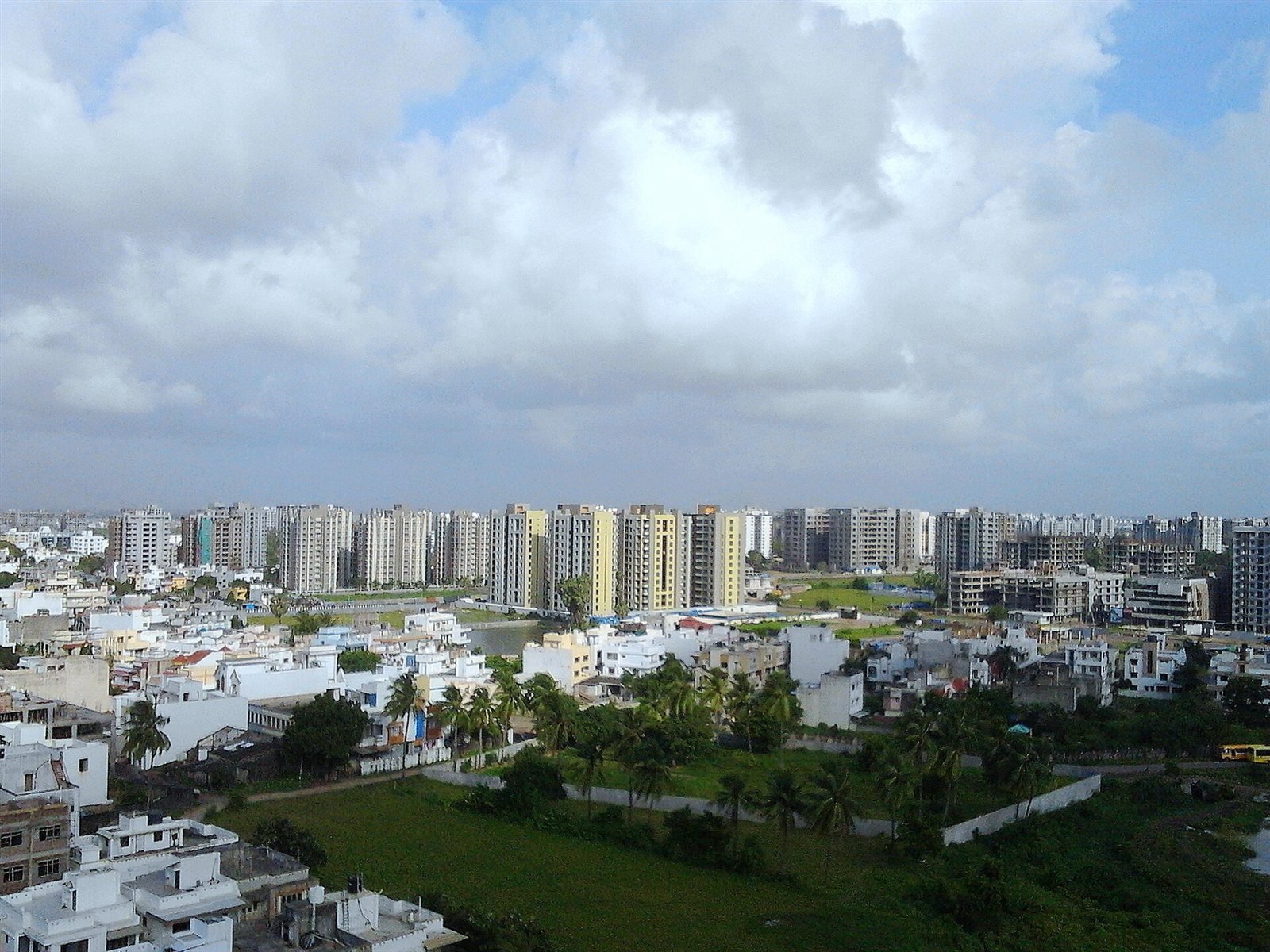
So the shape of a visit is: arrive in Surat, spend the day on a food crawl through the old city and Rander with local guidance, and drive out to Dumas at about five for the stalls and the sunset. Getting to Surat is trivial — an airport with domestic flights, a station on the main Mumbai–Delhi line with constant expresses, 270 km from Ahmedabad and 280 from Mumbai. Come between November and February, and note that Surat airport is on the Dumas side of the city, which makes the beach an easy last stop before a flight.
If you go
- Arrive an hour or two before sunset. Dumas in the middle of the day is genuinely bleak; at five it is excellent.
- Do not swim. The tidal range, currents and soft mud make it dangerous and there is no meaningful lifeguarding.
- Come November to February, and on a weekday if you want space on the sand.
- Try Suvali nearby for the same dark sand with a fraction of the crowd.
- Treat it as the end of a Surat food day rather than a destination in itself — and skip the haunted-beach hype.
Dumas is a beach that gets written up badly because people visit it at the wrong hour and expect the wrong thing. Come at five on a winter evening after a day eating locho and khaman in Surat, work your way along the stall line, walk out on the dark grey sand while the tide is a long way off, watch the sun go flat into the Arabian Sea, and stay out of the water. Judged as an evening rather than as a beach, it is one of the more enjoyable things in south Gujarat.