Home › Aravalli Festivals › Bhil Culture
ADIVASI · BHIL · LIVING CULTUREThe people of the Aravalli hills — the Bhils, one of India's largest tribal communities, give eastern Aravalli its distinctive culture of dance, music, fairs and a deep bond with the land.
The Bhils are one of the largest and oldest Adivasi (tribal) communities of India, and they give the eastern, hilly part of Aravalli district its distinctive cultural character. Living across the Aravalli hills and the wider tribal belt of eastern Gujarat, Rajasthan and Madhya Pradesh, the Bhils have a rich heritage of folk dance and music, vivid festivals and fairs, distinctive dress and ornament, and a deep, ancestral relationship with the forest and land. Their dances — energetic, communal, performed to drums — and their participation in great fairs like Shamlaji are central to the cultural life of the region. Bhil deities, customs and oral traditions form a living culture distinct from, yet interwoven with, mainstream Hinduism. The Bhils have also a proud history, including figures and folk-heroes of the freedom struggle and resistance. To encounter Bhil culture — at a fair, a village, or a cultural event — is to glimpse one of India’s deep-rooted indigenous traditions. For the visitor, an awareness of Bhil culture enriches any trip to Aravalli — best and most respectfully experienced at the region’s tribal fairs and through local guidance. (The living Adivasi culture of the Aravalli hills; experience at fairs and with respect; a distinct indigenous tradition.)
Bhil culture, Aravalli. Source: Wikimedia Commons.
Bhil culture. Wikimedia Commons.
The Bhils are among the largest and oldest Adivasi communities in India, with a presence across the Aravalli belt long predating recorded state history.
Their homeland straddles the borders of Gujarat, Rajasthan and Madhya Pradesh, and the Aravalli hills of eastern Gujarat sit at the heart of it.
Aravalli district's hill country is where that culture is most visible in Gujarat — in dress, ornament, festival and fair.
It remains a living tradition rather than a preserved one: the dances, songs and observances are performed by the communities for themselves.
Bhil dance is communal and physically demanding — long lines and circles that build over hours to drum and shehnai.
Drums drive everything, with the dhol and thali setting the pace at every gathering.
The Shamlaji Kartik Purnima fair is the largest Bhil gathering in Gujarat, drawing tens of thousands over three days.
Silver ornament is worn heavily and is a marker of community identity as much as of wealth.
Bhil life is forest-shaped — the calendar, the deities and the material culture all follow from that.
Oral literature, song cycles and ritual practice run deep and are only now being systematically documented.
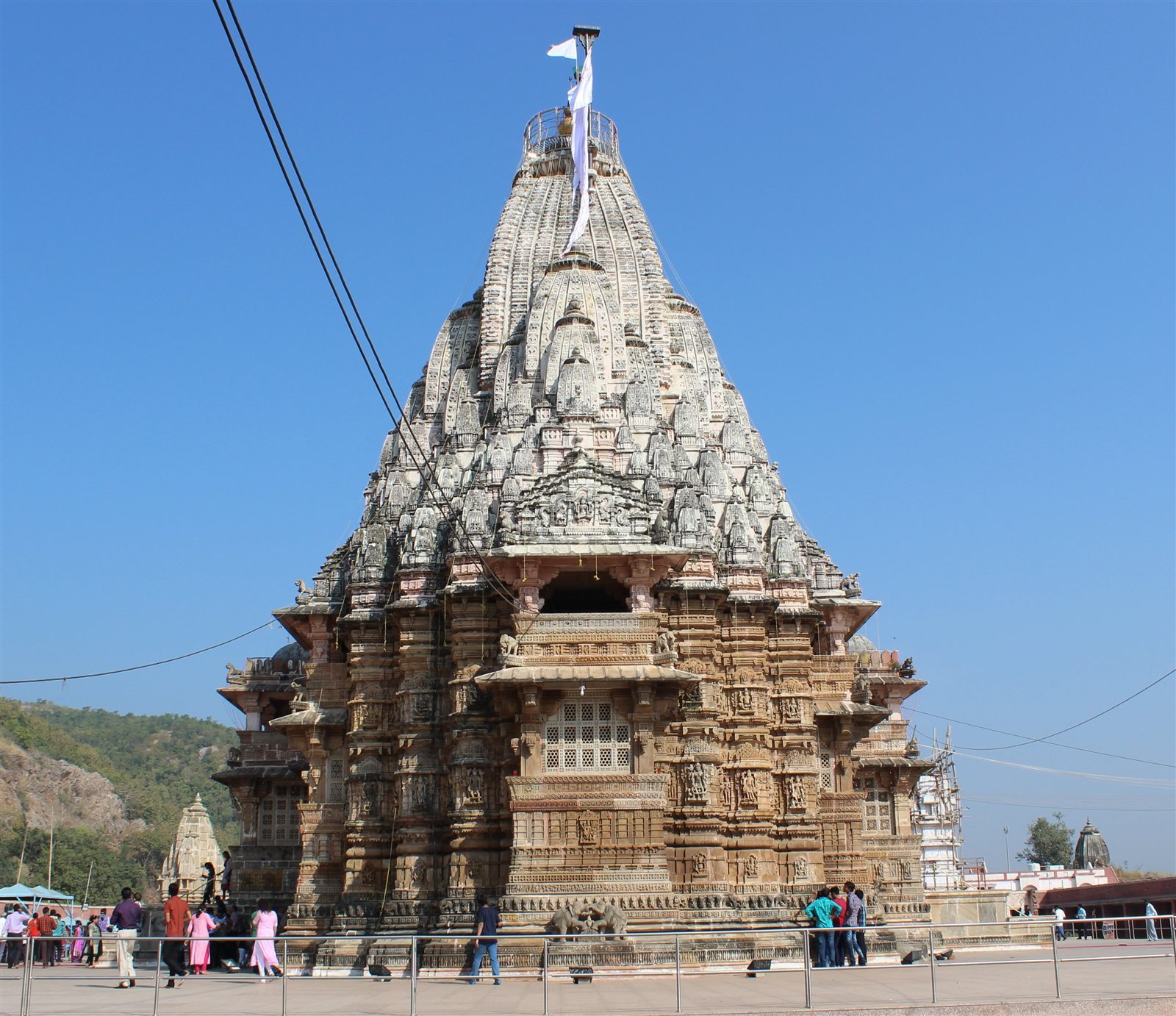
THE PEOPLEThe Bhil communities of the Aravalli hills in eastern Gujarat.
THE FAIRShamlaji, where the largest Bhil gathering in the state takes place each Kartik.
Learn who the Bhils are before you travel the belt; the region makes far more sense with that context.
See the dance at a fair rather than a staged performance — it is communal and participatory by nature.
Time a visit to the Shamlaji fair at Kartik Purnima, the year's largest gathering.
Look at the dress and silver ornament, which differ between communities and carry real meaning.
Visit the Adivasi Academy at Tejgadh for the documentation work on Adivasi languages and art.
Ask before photographing people. These are communities, not exhibits.
Bhil culture. Wikimedia Commons.
The Bhils are among India’s largest and oldest Adivasi communities, giving the Aravalli hills their distinctive culture — folk dance and music, vivid fairs (like Shamlaji), distinctive dress and a deep bond with forest and land. Their traditions, deities and oral heritage form a living indigenous culture, best experienced respectfully at the region’s tribal fairs. (The living Adivasi culture of the Aravalli hills; experience at fairs and with respect; a distinct indigenous tradition.)
The rest of the district is covered in our Dahod travel guide.
One of India’s largest Adivasi communities
The cultural heart of the Aravalli hills
Rich folk dance, music and fairs
A deep ancestral bond with forest and land
Cool and clear — ideal.
Fairs & melas.
Hot; go early.
⏰ Best experienced at the region's tribal fairs; winter is most comfortable.
Ahmedabad (~110 km).
Himatnagar / Shamlaji rd.
On NH-48 (Ahmedabad–Udaipur).
KARTIK POONAM
Shamlaji Fair
One of Gujarat’s largest tribal pilgrim melas. Explore →
SEP – OCT
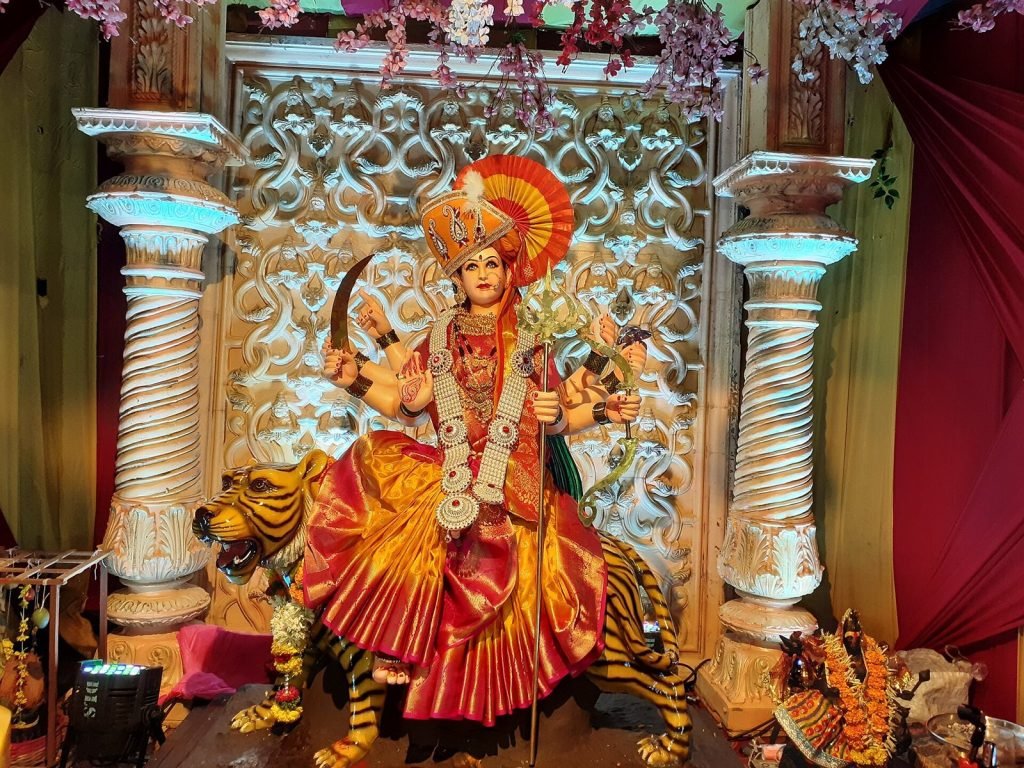
Navratri
Nine nights of garba Explore →
HERITAGE
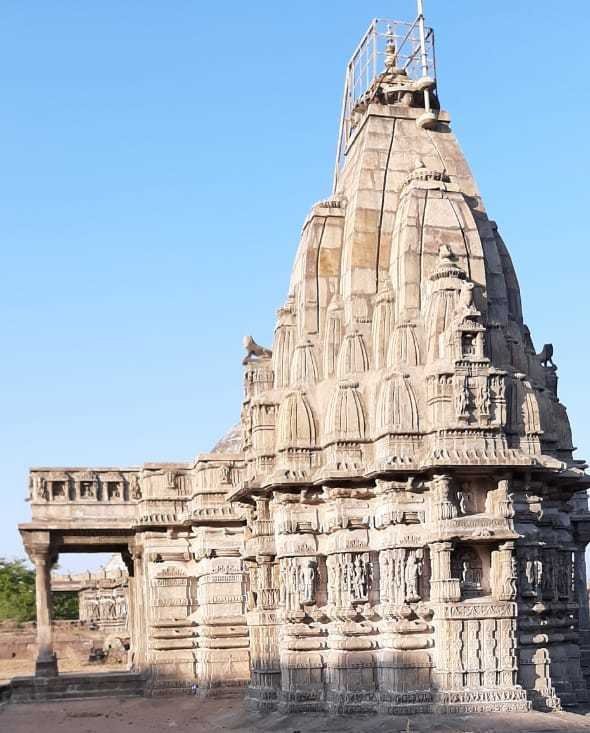
Dev ni Mori
A Buddhist treasure of the Aravallis — Dev ni Mori, an ancient Buddhist site near Shamlaji, yielded a great stupa and a casket of relics, a remarkable window into Gujarat’s Buddhist past. Explore →
FAIR
Cattle Melas
Where the hills come to trade — the cattle melas of Aravalli gather farmers and tribal herders to buy, sell and celebrate, blending livestock trade with folk culture and festivity. Explore →
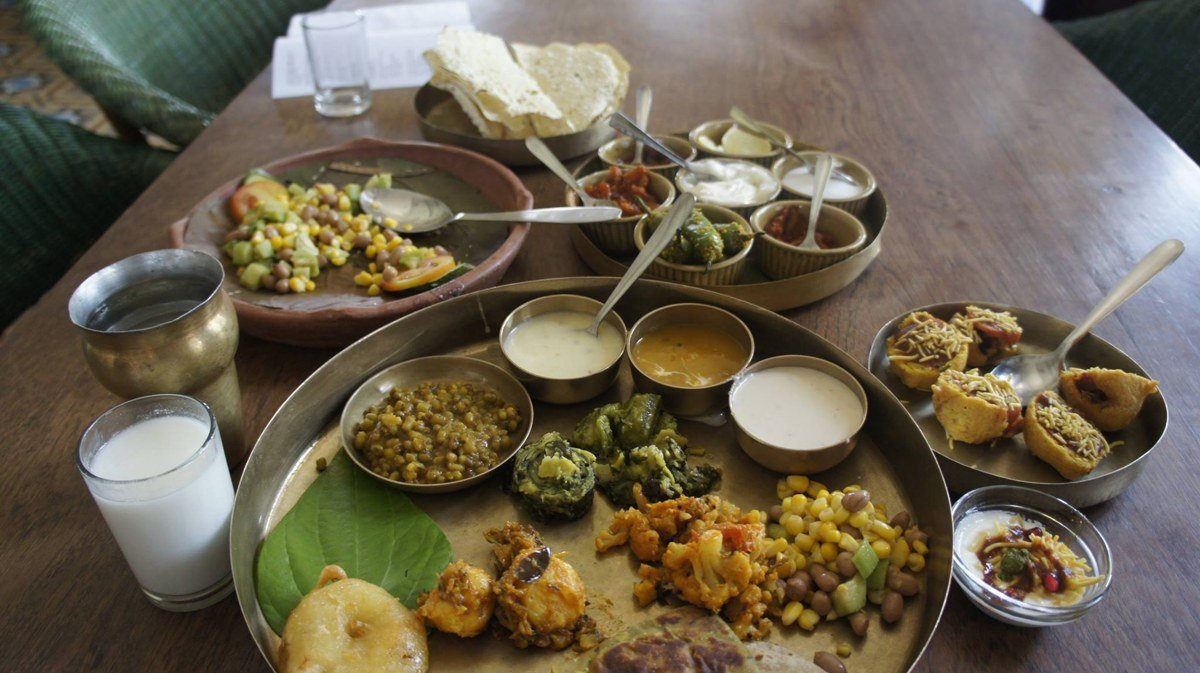
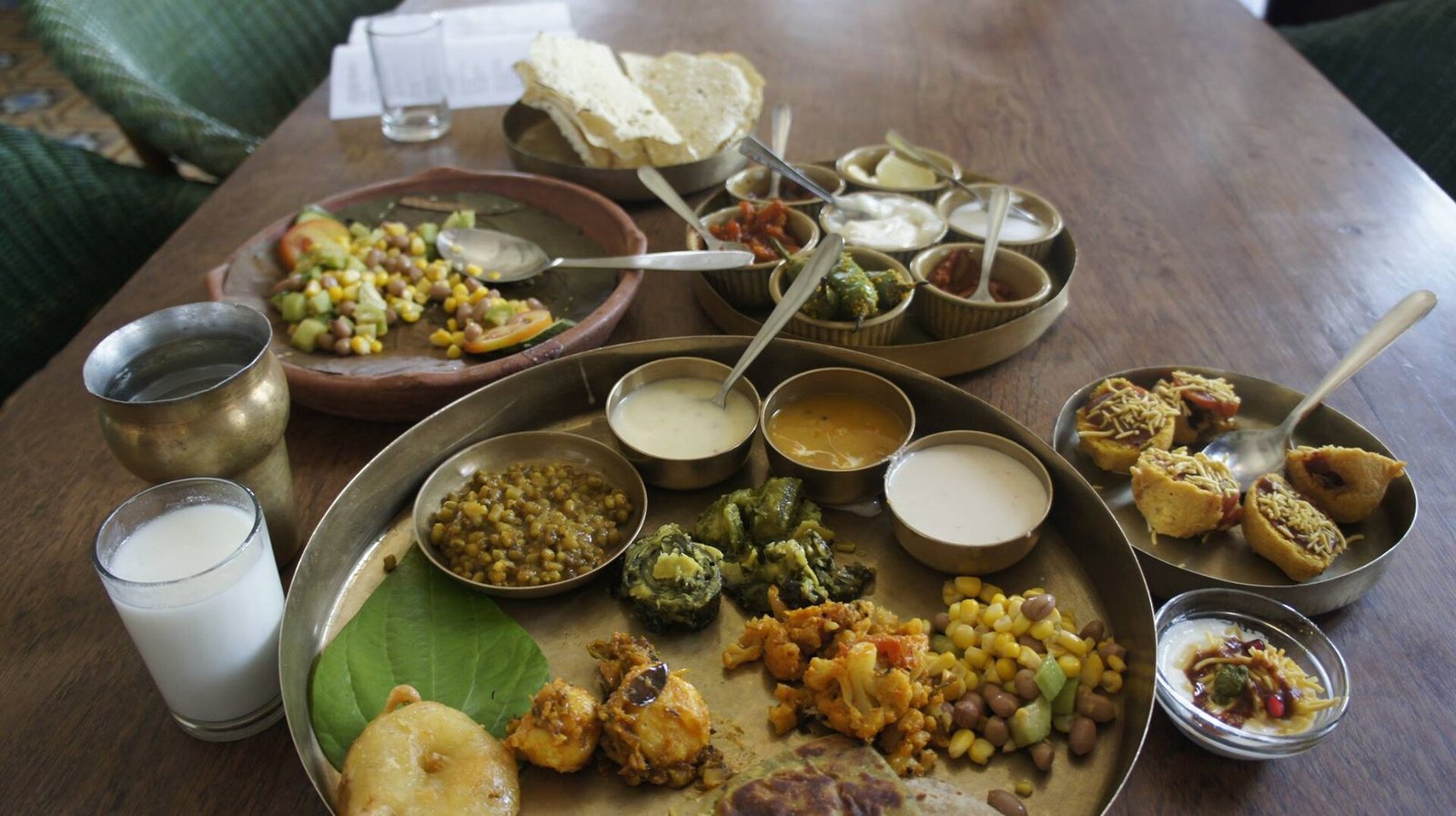
THALIHearty home cooking.
TRIBALMaize & forest produce.
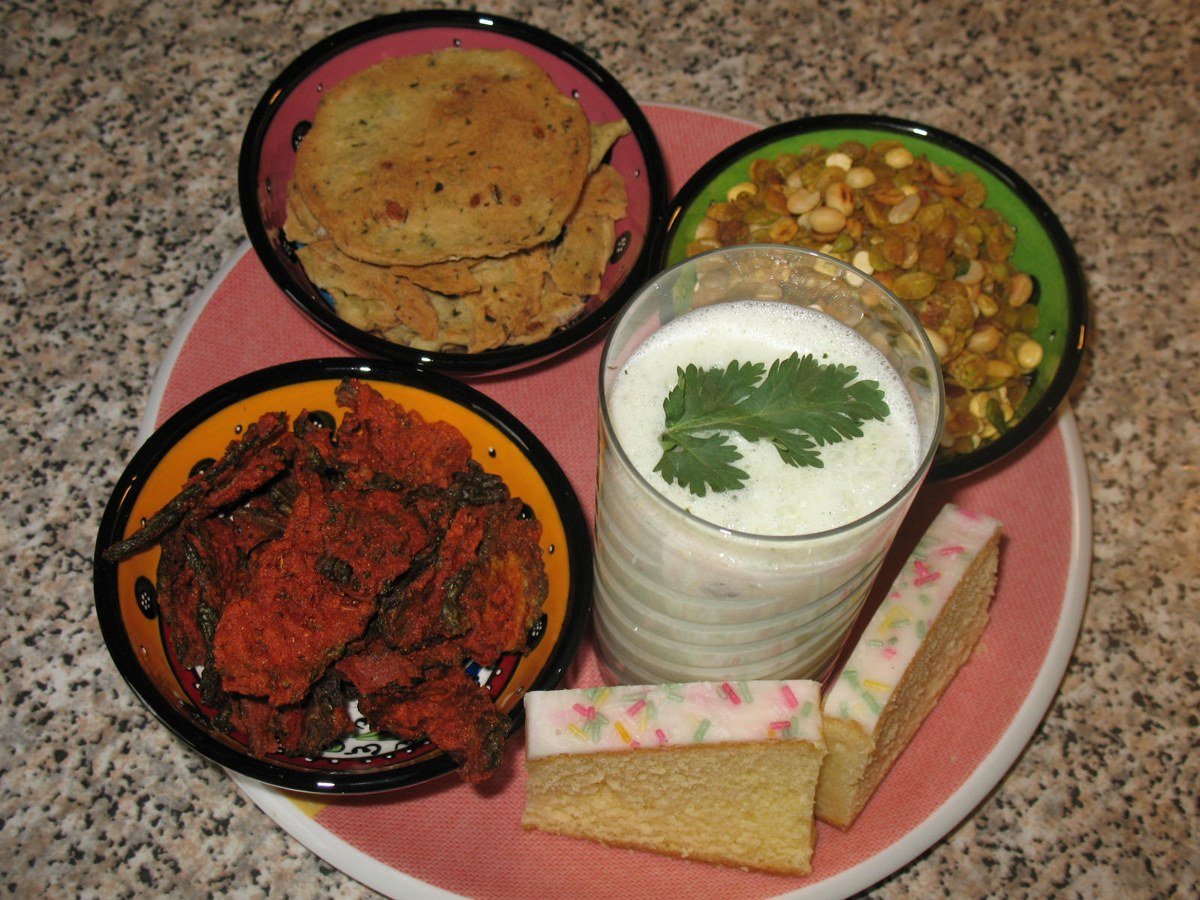
MAIZEMaize flatbread.
CHAASSpiced buttermilk.
One of India's largest and oldest Adivasi (tribal) communities.
Across the Aravalli hills and the wider tribal belt.
Rich in folk dance, music, fairs, dress and forest heritage.
At tribal fairs like Shamlaji, and in villages, respectfully.
Distinct, yet interwoven over centuries.
Around the fairs; the cooler months for travel.

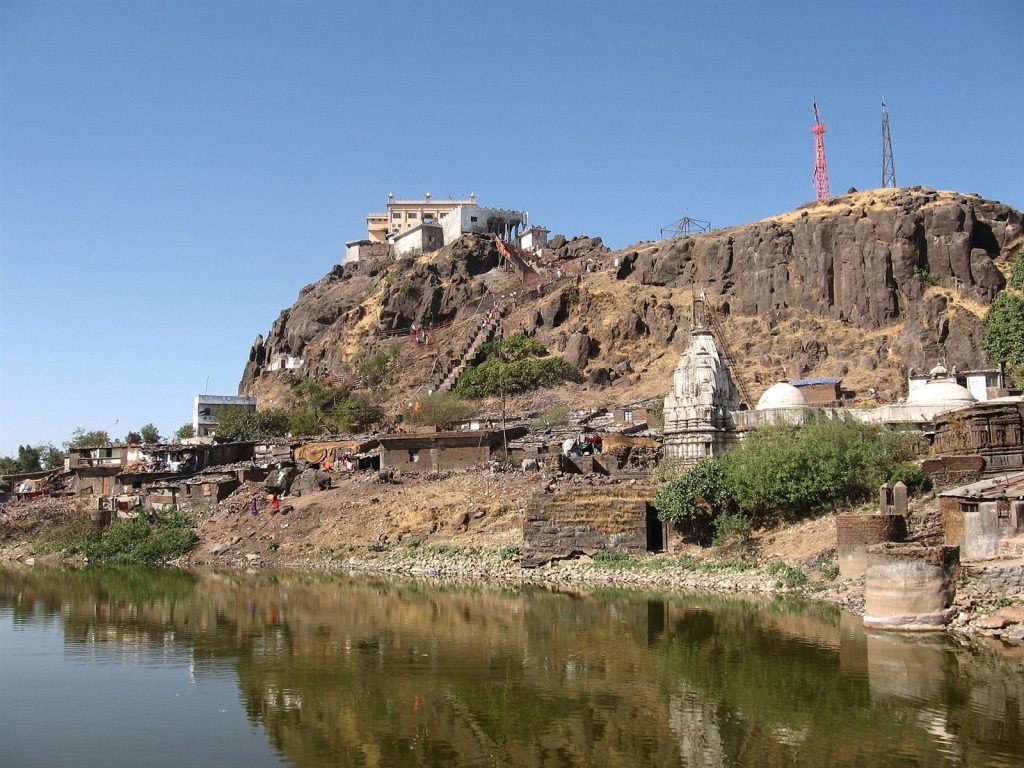
The Pavagadh summit is topped by a much-revered temple that draws a steady stream of pilgrims,…
WEAVINGGateway to Patan’s double-ikat silk

Relics of Surat’s trading-port era
BEACHThe city’s breezy seafront & Chowpaty
6Living tribal culture deep in the Ghats
Peaceful shrines by the bird lake
WHERE TO STAY
Compare live prices across the big booking sites and reserve in a few taps. Booking happens securely on the partner's site — we may earn a small commission at no extra cost to you.
Book directly on our partner sites — tap a provider to see live Gujarat hotels & prices:
SHOP THE REGION
Hand-picked crafts and trip gear, available on Amazon.
Published 24 June 2026 · Updated 3 July 2026
We’re an independent group of writers and travellers documenting every corner of Gujarat — one place, plate and festival at a time.
Search Gujarat Explorer
Find places, food, festivals and travel guides across Gujarat
Press Enter to search — or Esc to close
Plan Your Trip
Gujarat Explorer is an independent travel guide. We’re happy to help you shape an itinerary and point you to the right places, stays and experiences across Gujarat.
Book a Cab