Home › Morbi Festivals › Ceramic Pride
CRAFT · CERAMICS · MORBIMorbi is the ceramics capital of India — a town of a thousand kilns whose tiles, sanitaryware and crockery reach markets across the world, alongside its old fame for clocks.
Morbi is one of the world’s largest ceramic clusters — an industrial town whose vast belt of factories produces the tiles, sanitaryware, crockery and ceramic goods that floor and fit homes across India and far beyond. The trade grew from local clay and enterprise into a global export powerhouse. Morbi is also remembered as India’s old wall-clock capital, a reminder of the town’s long knack for manufacturing.
Morbi sits on clay. Local deposits gave the town its raw material, and the ceramic trade grew out of what was already under the ground.
The town had an industrial habit long before tiles — Morbi was India's wall-clock capital for decades, and that manufacturing base fed the later industry.
Ceramics expanded through the late twentieth century from crockery and sanitaryware into wall and floor tiles at very large volume.
Morbi is now one of the largest ceramic clusters in the world, with several hundred units and a substantial share of global tile exports.
Tile output here runs to enormous volumes — Morbi supplies the bulk of India's tiles and a large slice of world demand.
Exports go across Asia, Africa, the Gulf and Europe, and the cluster competes directly with the Chinese and Italian industries.
The range runs well beyond tiles: sanitaryware, crockery, industrial ceramics and technical ware are all made here.
Hundreds of units line the roads out of town, and the factory belt runs for kilometres in every direction.
Wall clocks made Morbi's name first, and a few makers of that older trade survive alongside the ceramic plants.
This is a single-industry town in the fullest sense — the cluster shapes the local economy, the roads and the skyline.
THE TRADEOne of the largest ceramic clusters anywhere, supplying tiles and sanitaryware worldwide.
THE TOWNKilns, clay and a factory belt that runs for kilometres out of town.
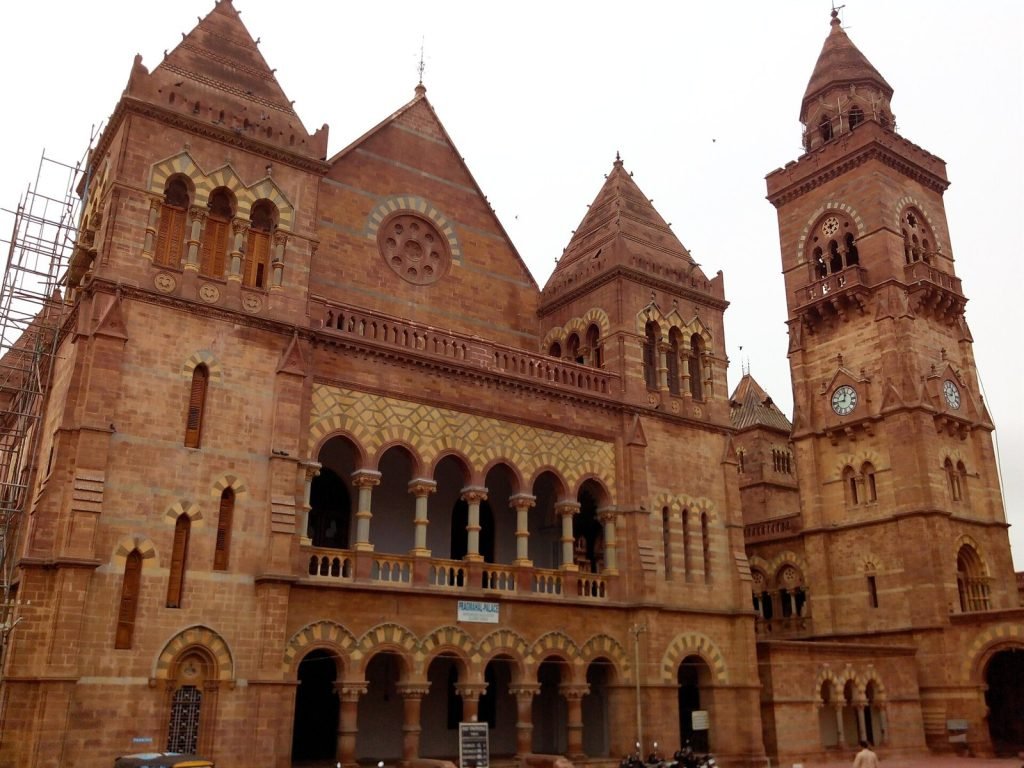
Drive the factory belt to grasp the scale — the units run continuously along the roads out of Morbi.
Arrange a plant visit if you can. Watching tile bodies pressed, glazed and fired is genuinely interesting.
Look at the range of designs and finishes; the variety is a large part of how the cluster competes.
Understand the position: this is not a local industry but a world-scale one, exporting across continents.
Ask about the old clock trade, which made Morbi's name before ceramics did.
Follow the chain from local clay through kiln to export container — it is all visible within a few kilometres.
Few towns illustrate Gujarat’s entrepreneurial spirit as vividly as Morbi. From a base in local clay and a tradition of tinkering — it once led India in wall clocks — it built a ceramics industry of global scale, employing lakhs and exporting to dozens of countries. For the traveller interested in how modern India makes things, Morbi’s humming factory belt is a story in itself.
It sits within Morbi district — browse more places to visit in Morbi.
The plants run all year on weekdays; visit during working hours if you want to see anything in production.
November to February is the comfortable season for moving around the factory belt.
April to June is hot, and near the kilns it is considerably hotter still.
⏰ The ceramic cluster runs on weekdays; visit during working hours, ideally in the cooler months.
Rajkot (~65 km).
Morbi station.
The factory belt.
PRINCELY LEGACY
Royal Morbi
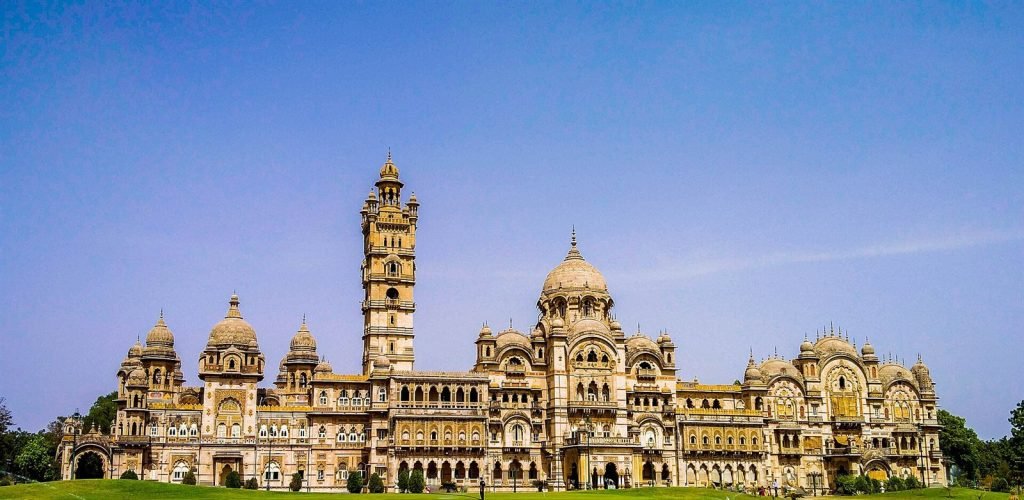
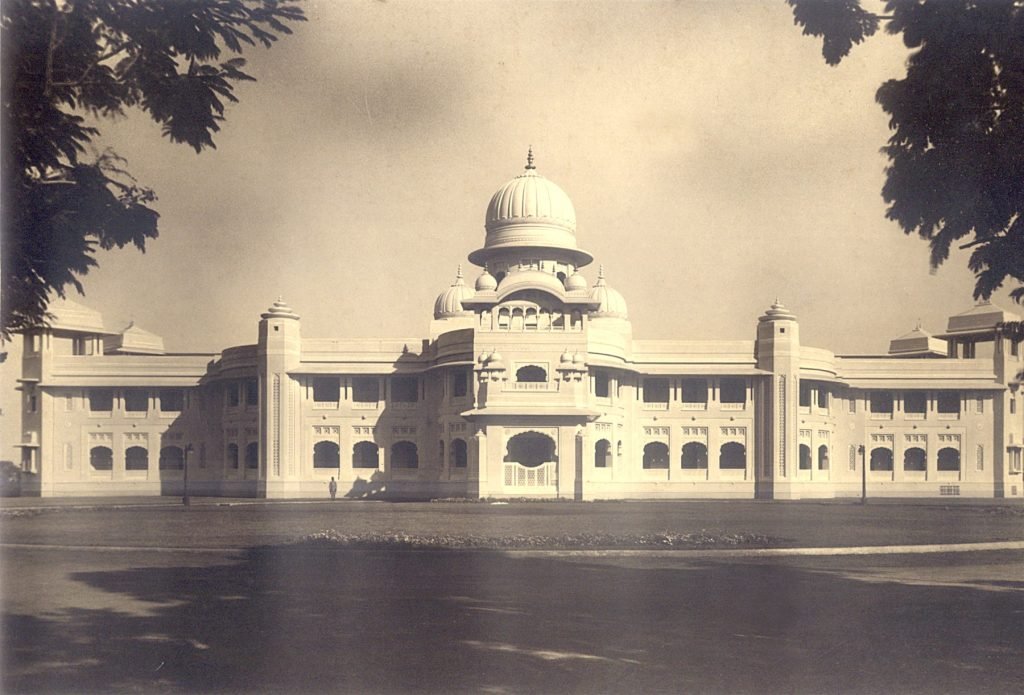
Art-deco palaces of art-loving Thakors. Explore →
FOLK
Garba & Dayro
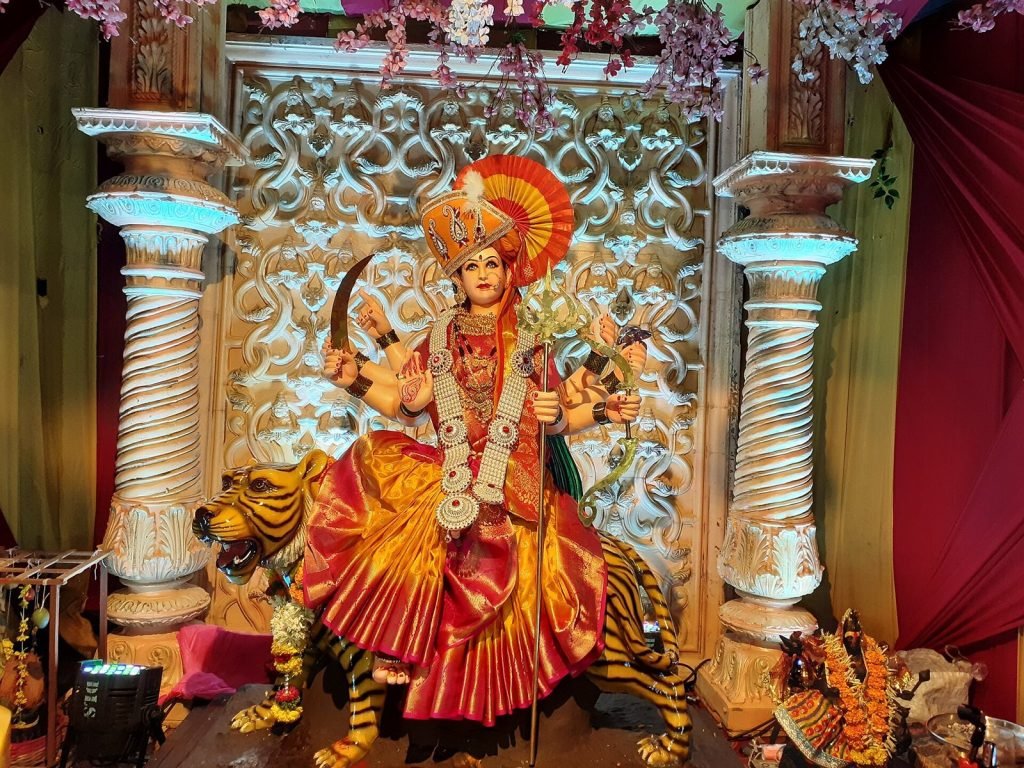
Morbi keeps the Saurashtra night alive — circling garba and paired-stick raas, and the beloved dayro, where a folk singer’s voice can hold a whole village until the small hours. Explore →
REFORM
Arya Samaj
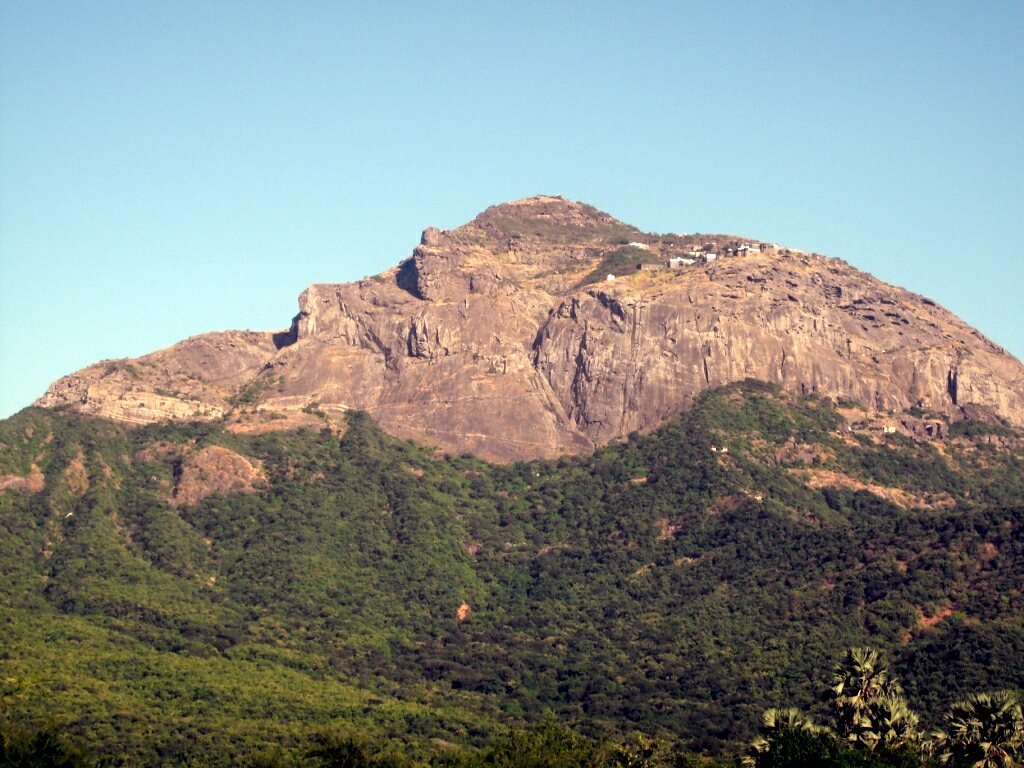
The town of Tankara in Morbi gave India a giant of reform — Maharshi Dayanand Saraswati, founder of the Arya Samaj, whose call of “back to the Vedas” reshaped modern Hindu thought. Explore →
FAIR
Saurashtra Melas
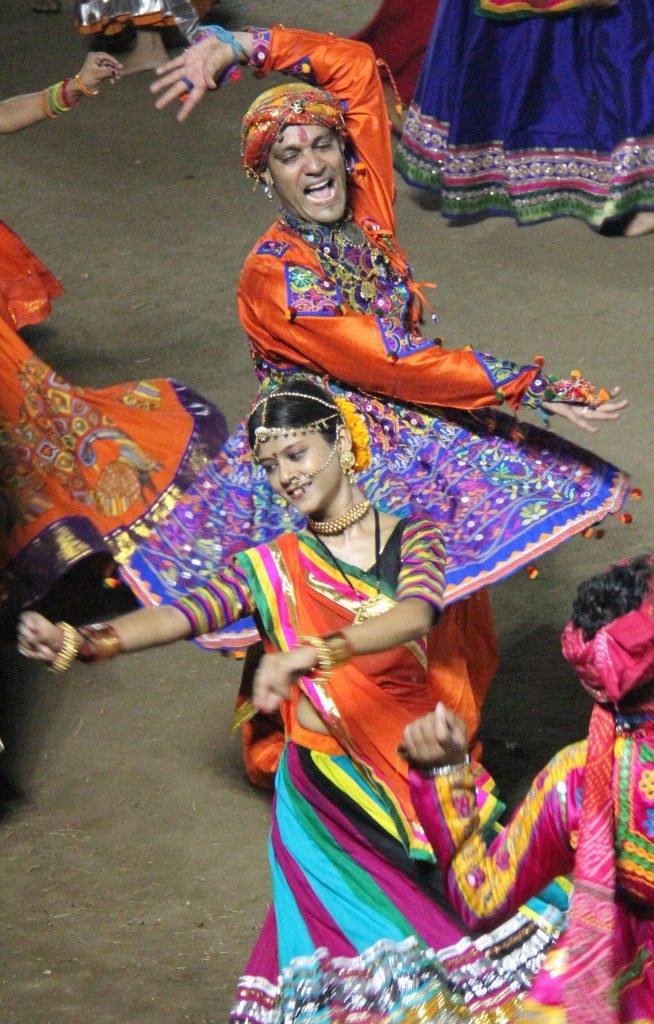
Across the Morbi countryside, the old rhythm of the Saurashtra mela endures — village fairs of cattle and craft, folk song and colour, where rural life gathers to trade and celebrate. Explore →
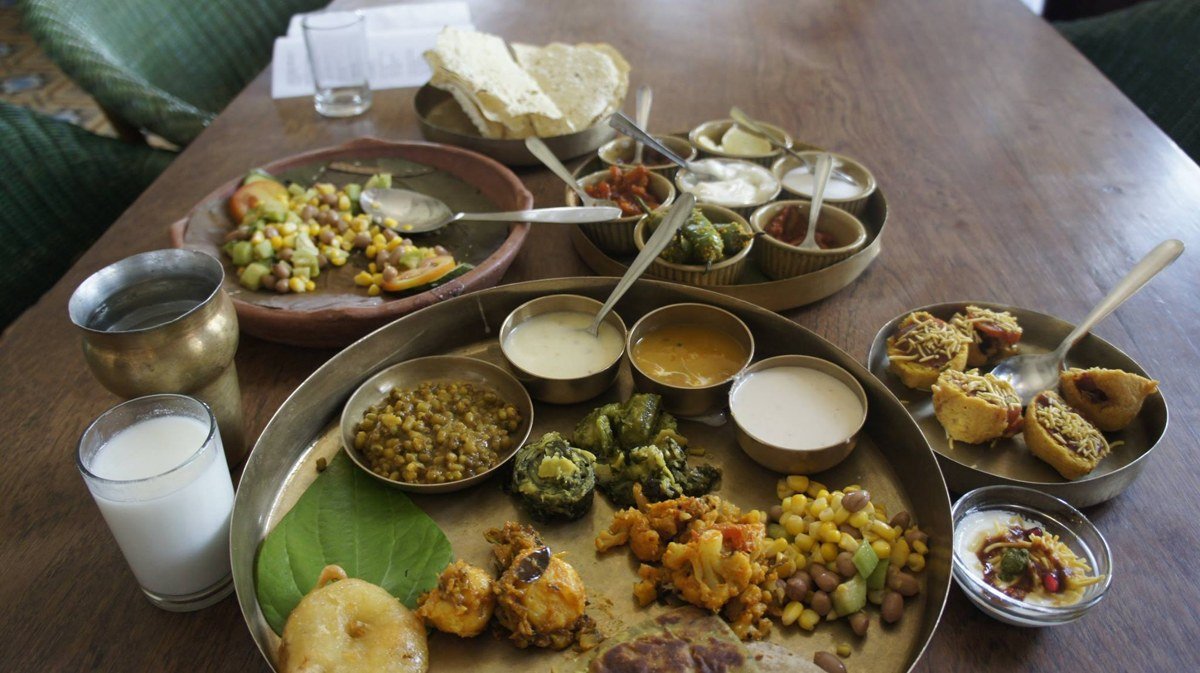
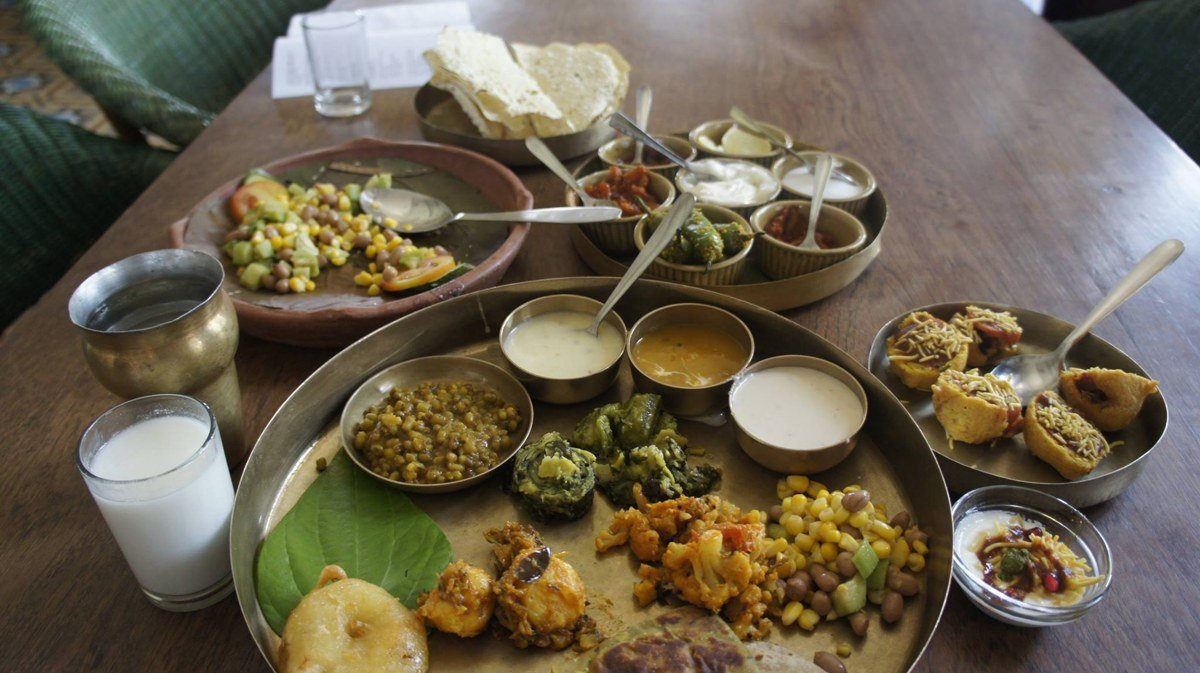
THALISaurashtra spread.
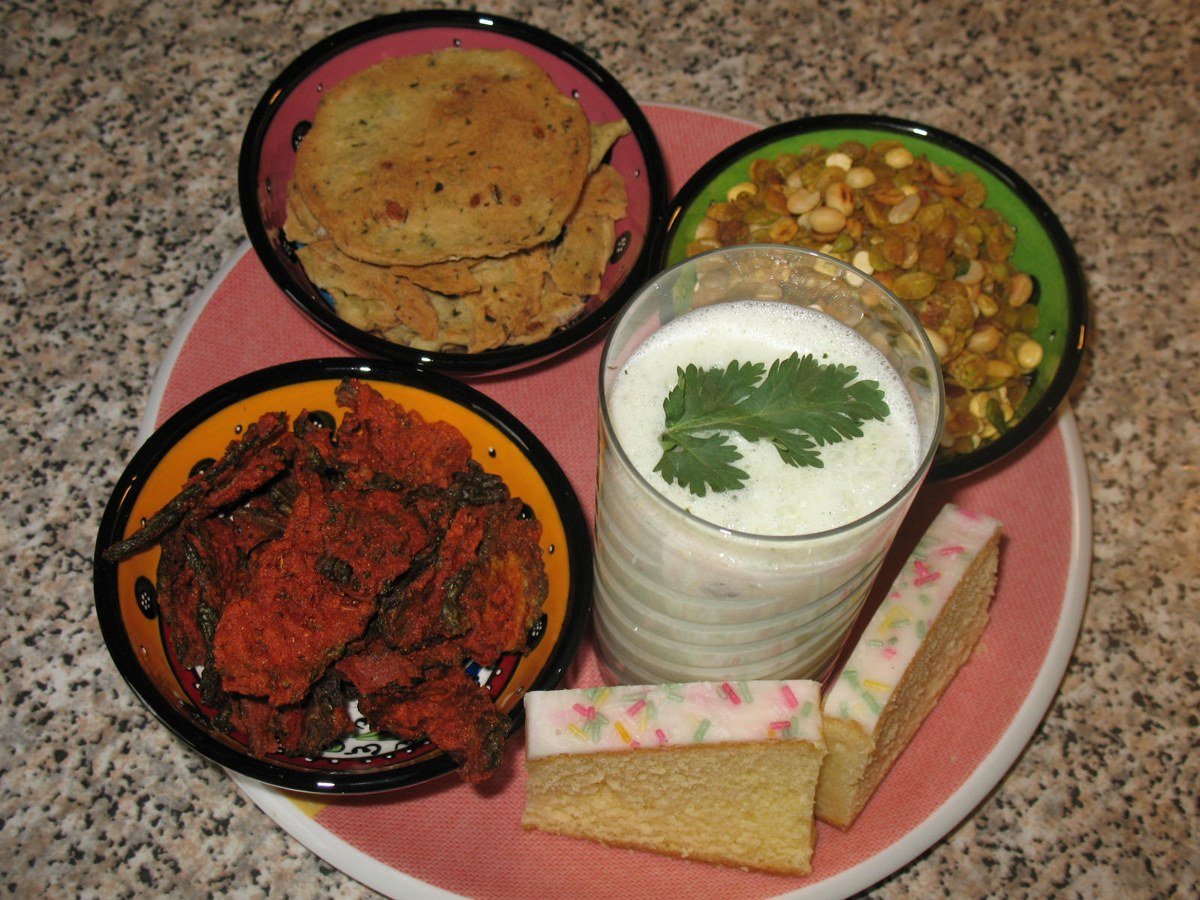
FARSANSavoury snacks.
SWEETSRegional treats.
CHAASSpiced buttermilk.
It is one of the world’s largest ceramic clusters, producing tiles, sanitaryware and crockery on a vast scale.
Ceramic tiles, sanitaryware and related goods to markets across the globe.
Yes — it was long India’s wall-clock capital before ceramics became dominant.
Many units and showrooms can be visited; the cluster is busiest on weekdays.
In Saurashtra, about 65 km from Rajkot.
It employs vast numbers and is a leading global centre for ceramic production.

An ornate palace-temple of carved stone
JAINMarble temple cluster high on the mountain
SANCTUARYA tribal wildlife sanctuary of hills & forest

Relics of Surat’s trading-port era
TOWNThe district’s bustling headquarters

A revered Shakti Peeth of the goddess
WHERE TO STAY
Compare live prices across the big booking sites and reserve in a few taps. Booking happens securely on the partner's site — we may earn a small commission at no extra cost to you.
Book directly on our partner sites — tap a provider to see live Gujarat hotels & prices:
SHOP THE REGION
Hand-picked crafts and trip gear, available on Amazon.
Published 24 June 2026 · Updated 3 July 2026
We’re an independent group of writers and travellers documenting every corner of Gujarat — one place, plate and festival at a time.
Search Gujarat Explorer
Find places, food, festivals and travel guides across Gujarat
Press Enter to search — or Esc to close
Plan Your Trip
Gujarat Explorer is an independent travel guide. We’re happy to help you shape an itinerary and point you to the right places, stays and experiences across Gujarat.
Book a Cab