Home › Navsari Festivals › Navroz
PARSI · NEW YEAR · NAVSARINavroz, the Parsi New Year, glows in Navsari — one of India's oldest Zoroastrian centres — with prayers at the ancient fire temple, new clothes, feasting and warm community cheer.
Navroz is the New Year of the Parsis — India’s Zoroastrian community — and few places feel it as deeply as Navsari, a historic seat of the Zoroastrian priesthood. The day opens with prayers at the venerable Vadi Dar-e-Meher fire temple, followed by new clothes, festive meals and visits among family and friends across the old Parsi quarters.
Navsari's Zoroastrian roots run to the twelfth century, when Parsis settled here from Sanjan.
The town became a seat of the priesthood — the Bhagarsath lineage — and a centre of Parsi learning.
Dadabhai Naoroji was born here, and the Tata family's story begins in Navsari too.
Navroz, the new year, remains the community's most joyful day — prayers, new clothes and feasting.
The Vadi Dar-e-Meher and the town's fire temples are among the oldest Zoroastrian institutions in India.
Navroz begins with prayers — the sacred start before the celebration.
Parsi cuisine is the festival's second religion: dhansak, sali boti and the sweets.
The old Parsi quarters — Mota Falia and the lanes around it — keep their period character.
Navsari-born Dadabhai Naoroji became the first Indian in the British Parliament.
The celebration is warm and close-knit — family visits, greetings and open tables.
THE DAYThe Parsi new year — prayers, new clothes and feasting.
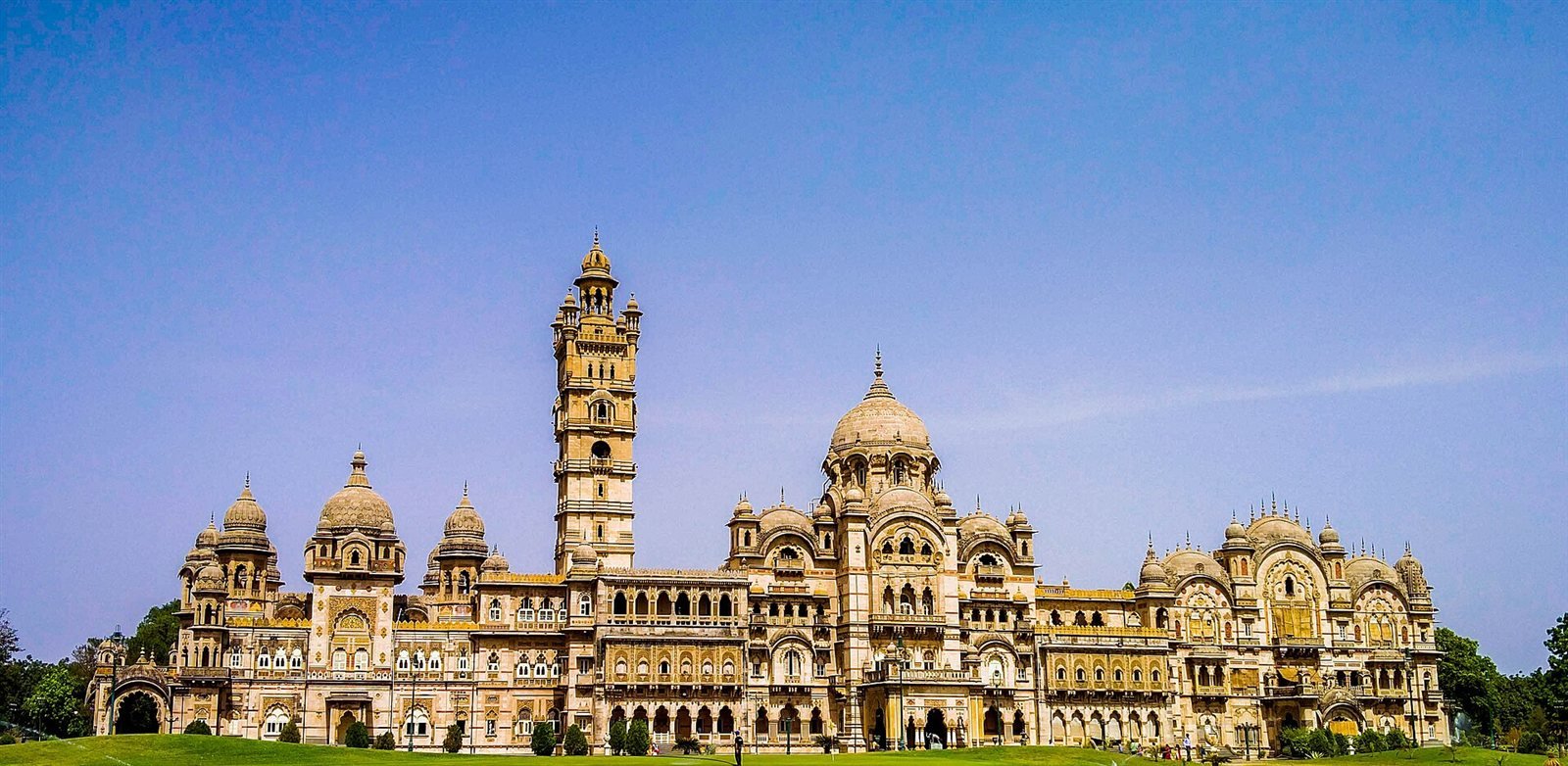
THE PLACEOne of India's oldest Zoroastrian seats.
See the town dressed for the day — new clothes and garlanded doorways mark Navroz.
Note the temple-going: the community's day begins with prayers at the fire temples.
Find a Parsi meal — the festive spread is the festival's heart for guests.
Try the classic dishes: dhansak, sali boti, ravo and lagan nu custard.
Feel the new-year cheer in the Parsi quarters, where greetings run all day.
Wish 'Navroz Mubarak' — the greeting opens every door a little wider.
Navsari is one of the oldest and most important Parsi centres in India — the ancestral home of the Tata family and birthplace of Dadabhai Naoroji, the “Grand Old Man of India”. Its fire temple and old wooden houses make Navroz here feel richly rooted in centuries of Zoroastrian heritage.
See what else is nearby in our guide to Navsari.
The Shahenshahi Navroz usually falls in August, and it is the day itself that matters.
October to March is the comfortable season for exploring Navsari's heritage generally.
August is green and mild on this coast — monsoon weather, but rarely an obstacle.
⏰ The Shahenshahi Parsi Navroz usually falls in August; Jamshedi Navroz is also marked at the spring equinox in March.
Surat (~40 km).
Navsari station.
On the NH48.
12 MARCH 1930
Dandi March
Where Gandhi’s salt defiance shook an empire. Explore →
TRIBAL
Dangi Culture
In the forested uplands around Vansda, the tribal culture of Navsari comes alive — dhol-driven dances, colourful fairs and folk custom set among the teak woods of Vansda National Park. Explore →
HARVEST
Mango Festival
Each summer the orchards of the Navsari–Gandevi belt ripen with Alphonso and Kesar mangoes, and a mango festival celebrates the king of fruits with tastings, stalls and orchard visits. Explore →
NATIONAL
Dandi Day
At Dandi today, the nation remembers the Salt March at the National Salt Satyagraha Memorial and Saifee Villa, where Gandhi stayed the night before making salt on 6 April 1930. Explore →
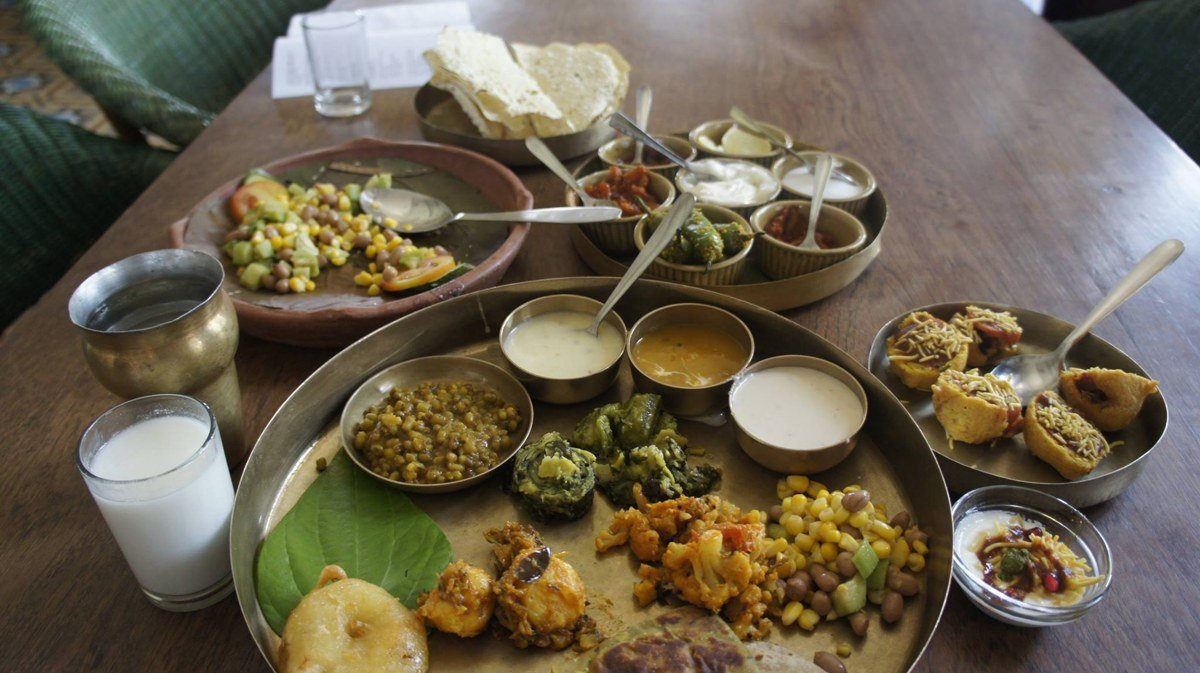
PARSIThe classic dish.
SWEETFestive semolina.
EGGA Parsi favourite.
CUSTARDBaked custard.
The Parsi (Zoroastrian) New Year, marked with prayers at the fire temples, new clothes, festive meals and family visits — the community's most joyful day.
Navsari is one of India's oldest and most important Parsi centres — a historic seat of the priesthood since the twelfth century, when Parsis settled here from Sanjan.
The Shahenshahi-calendar Navroz usually falls in August; Jamshedi Navroz is also marked at the spring equinox in March.
Prayers at the fire temple, new clothes, festive Parsi meals — dhansak, sali boti, ravo — and rounds of visits among family and friends.
Dadabhai Naoroji, the Grand Old Man of India and the first Indian elected to the British Parliament; the town is also the ancestral home of the Tata family.
The town's Parsi heritage — the old quarters, the institutions, the food — can be enjoyed year-round. The fire temples themselves are open only to Parsis, and that boundary should be respected.
HERITAGEA perfectly preserved pol square
STEPWELLCarved stepwells scattered across the district
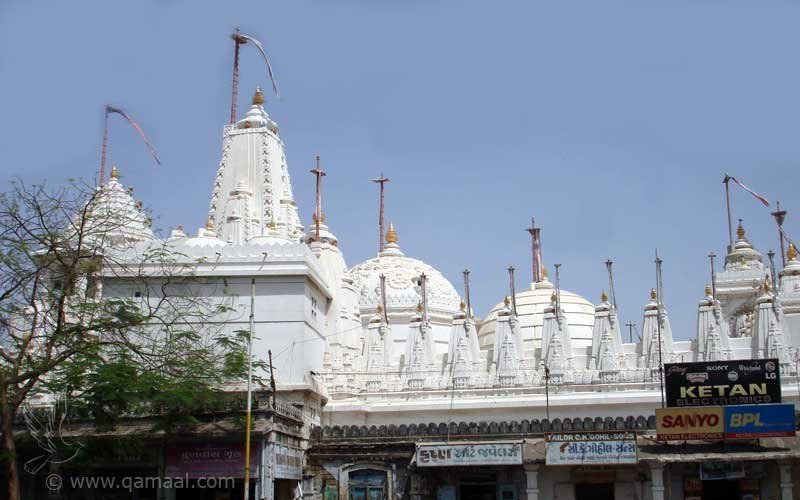
SPIRITUALOrnate Shwetambar temples in the old town
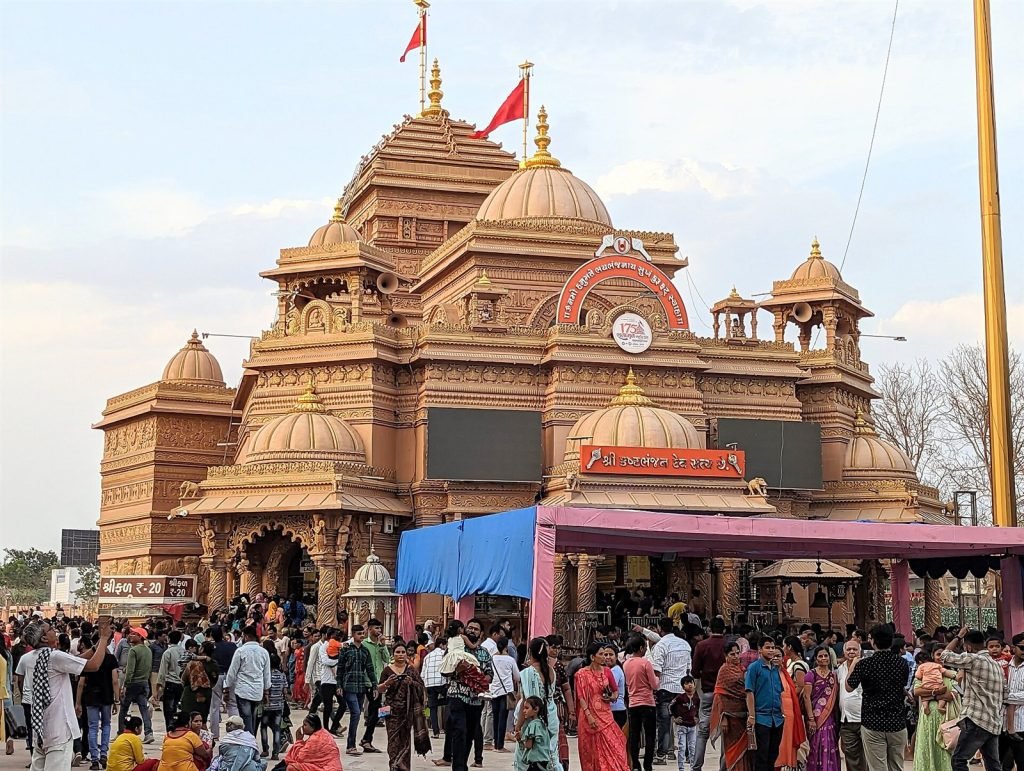
Small working shore shrines along the Valsad coast, from Tithal to the fishing villages at Umbergaon,…
LAKEA scenic lake below Idar’s rocks
A sacred natural spring tucked into the forest
WHERE TO STAY
Compare live prices across the big booking sites and reserve in a few taps. Booking happens securely on the partner's site — we may earn a small commission at no extra cost to you.
Book directly on our partner sites — tap a provider to see live Gujarat hotels & prices:
SHOP THE REGION
Hand-picked crafts and trip gear, available on Amazon.
Published 24 June 2026 · Updated 3 July 2026
We’re an independent group of writers and travellers documenting every corner of Gujarat — one place, plate and festival at a time.
Search Gujarat Explorer
Find places, food, festivals and travel guides across Gujarat
Press Enter to search — or Esc to close
Plan Your Trip
Gujarat Explorer is an independent travel guide. We’re happy to help you shape an itinerary and point you to the right places, stays and experiences across Gujarat.
Book a Cab