Home › Patan Festivals › Solanki Legacy
HISTORY · CAPITAL · SOLANKIPatan was the capital of the Solanki dynasty that ruled Gujarat for centuries — and its crowning glory is Rani ki Vav, the UNESCO-listed stepwell so fine it graces the ₹100 note.
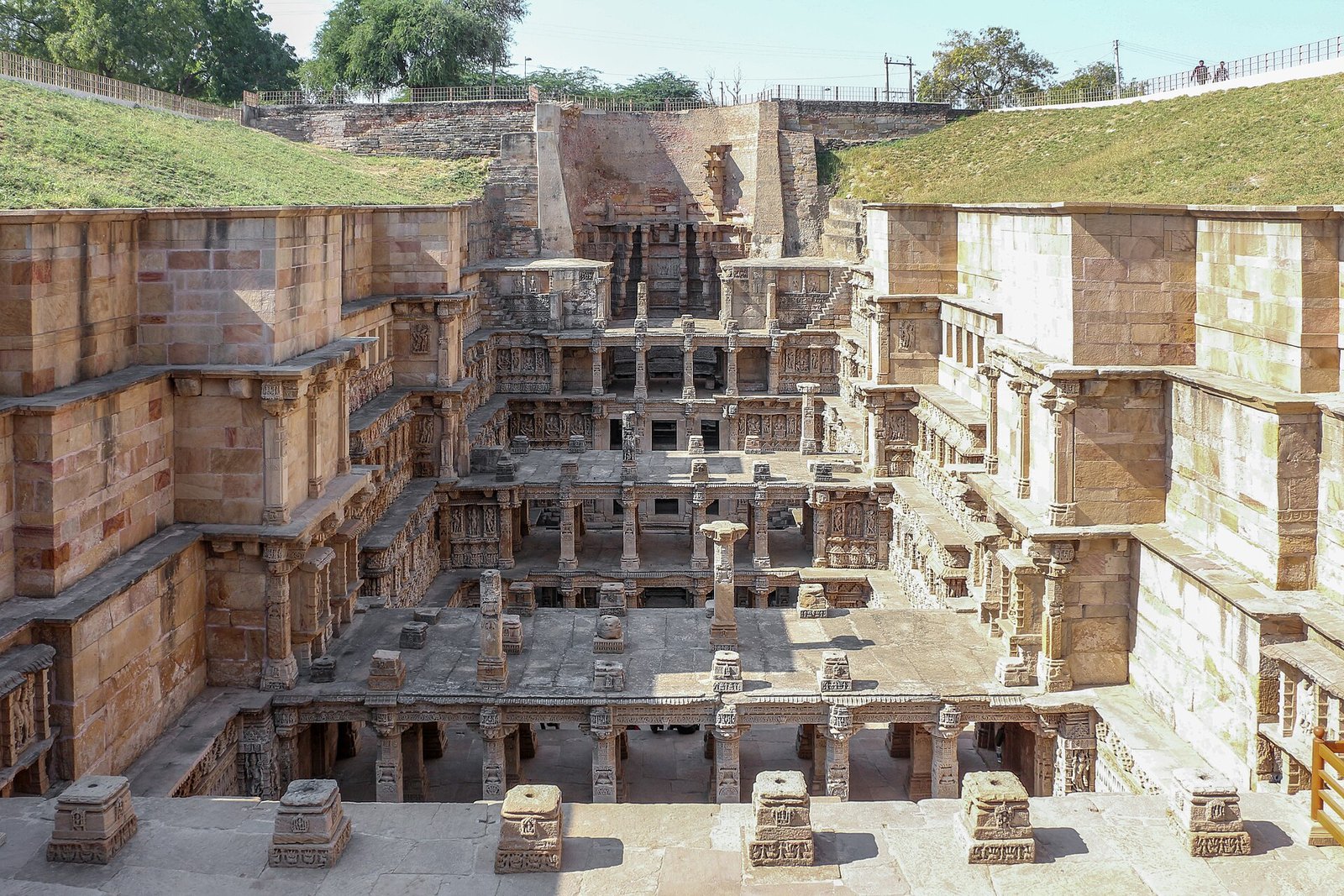
Patan — historically Anhilwad Patan — was the capital of the Chaulukya, or Solanki, dynasty that ruled Gujarat from the 8th to the 13th centuries. Its greatest surviving masterpiece is Rani ki Vav, an 11th-century stepwell built by Queen Udayamati in memory of her husband. Descending in tiers lined with hundreds of sculptures, it is a UNESCO World Heritage Site and so celebrated that it features on the ₹100 currency note.
Anhilwad Patan was the Solanki capital, ruling Gujarat from the eighth to the thirteenth centuries.
Rani ki Vav was built in the eleventh century by Queen Udayamati in her husband's memory.
The Sahastralinga tank displayed the same dynasty's water engineering at city scale.
Rani ki Vav is now a UNESCO World Heritage Site, and Patan's emblem.
The queen's stepwell descends seven storeys, carved from top to bottom.
UNESCO inscribed it in 2014 as the apogee of the stepwell form.
More than five hundred major sculptures line its walls, most of Vishnu's forms.
The vav appears on India's hundred-rupee note — the country's own tribute.
Sahastralinga Talav, the thousand-linga tank, survives as evocative ruin.
All of it belongs to the old capital — a city that once led western India.
THE STEPWELLThe queen's stepwell, UNESCO-listed and carved through.
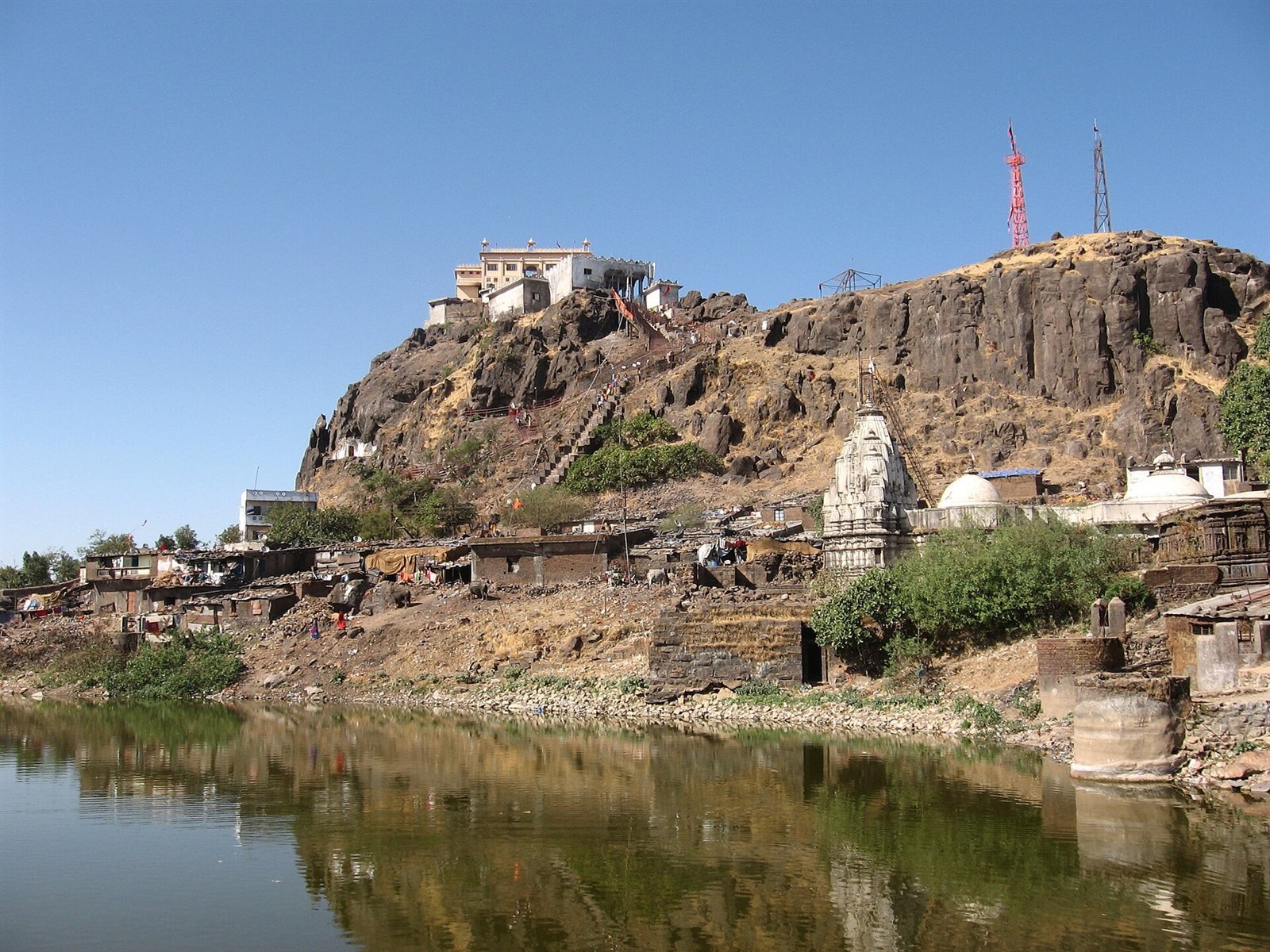
THE TANKThe ruined great tank of the Solanki capital.
Descend Rani ki Vav tier by tier; the carving deepens as you go down.
Study the hundreds of figures — Vishnu's avatars above all.
Recognise it from the hundred-rupee note, and see why it was chosen.
Walk out to Sahastralinga Talav, the capital's ruined great tank.
Read Patan as the Solanki capital — the wealth explains the monuments.
Take the vav as it was meant: a queen's memorial to a king.
The Solankis presided over a golden age of Gujarati architecture, and Patan’s monuments show their mastery of water. Rani ki Vav is an inverted temple in stone, its stepped corridor descending seven storeys past panels of gods and celestial maidens. Nearby, the ruined Sahastralinga Talav was a vast man-made tank fed by a canal, engineered to hold and sanctify water — twin expressions of an age that prized both beauty and utility.
It sits within Patan district — browse more places to visit in Patan.
October to February is the best season, and early morning the best hour for the carvings.
March is warm but clear; the descent stays cool inside the vav.
The monsoon greens the surrounds and the site stays open.
⏰ Rani ki Vav is open year-round; visit in the cooler months and go early to enjoy the carvings in soft light.
Ahmedabad (~130 km).
Patan / Mehsana.
Patan town.
LIVING CRAFT
Patan Patola
Double-ikat silk so intricate, one sari can take months. Explore →
PILGRIM
Kartik Fairs
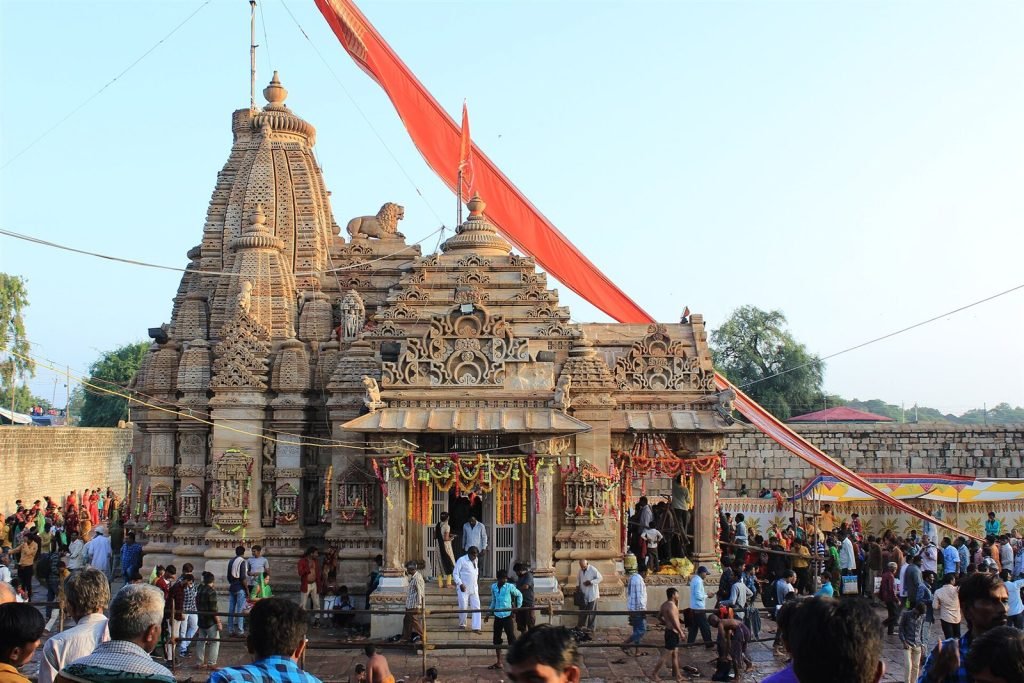
On the full moon of Kartik, the Patan region fills with pilgrim fairs — days of ritual bathing, temple visits and country-fair life under the November moon. Explore →
CRAFT
Mashru Weaving
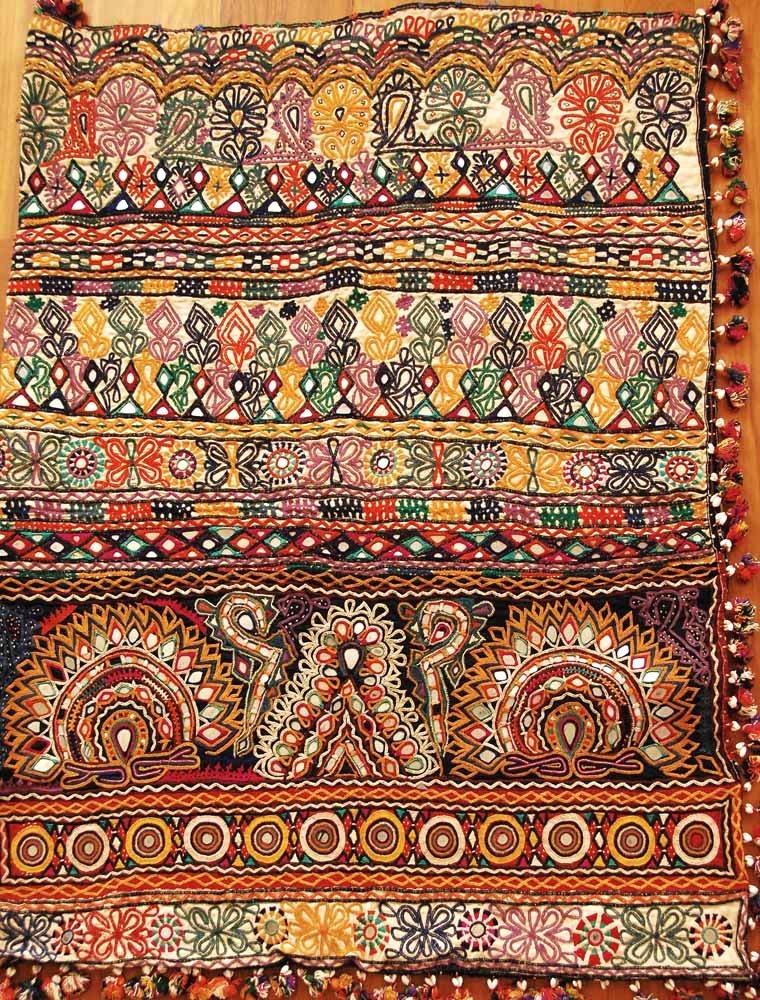
Mashru is Patan’s glossy striped cloth — a silk-faced, cotton-backed handloom fabric, once a clever answer to custom and now a craft being revived. Explore →
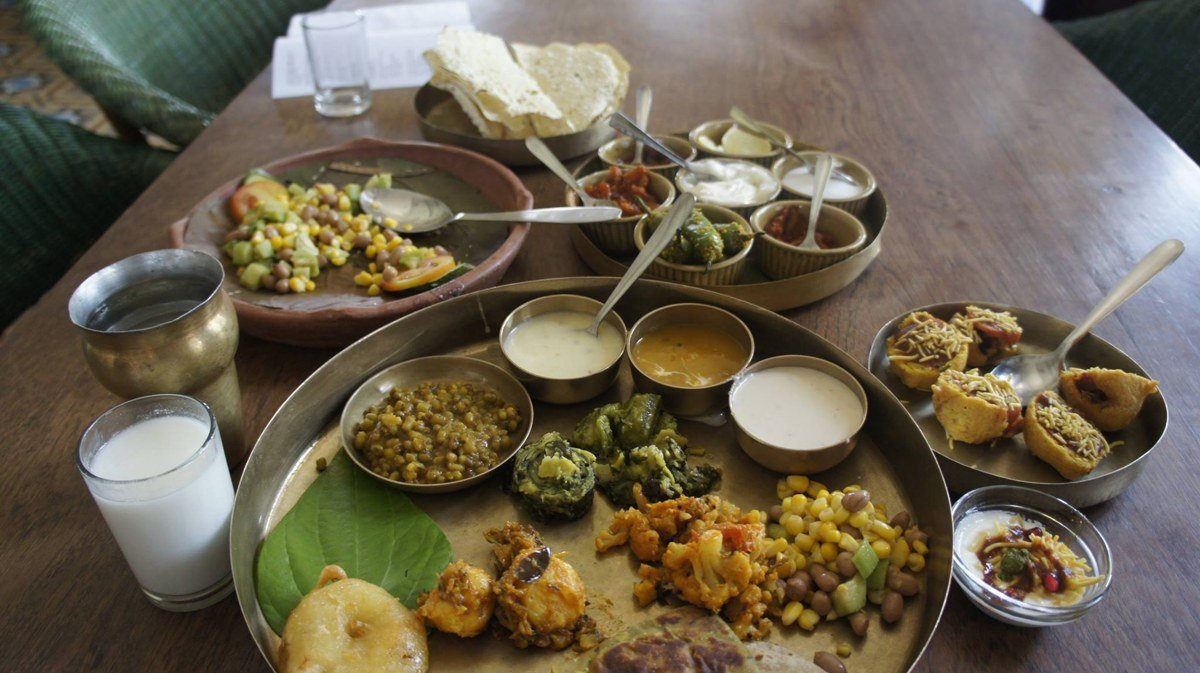
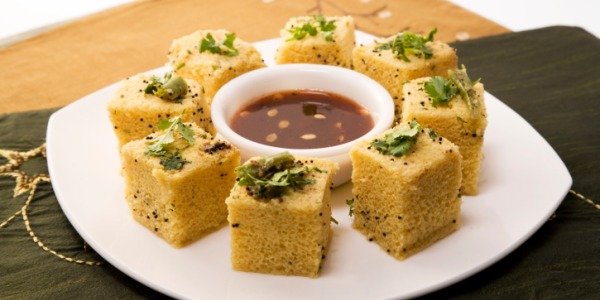
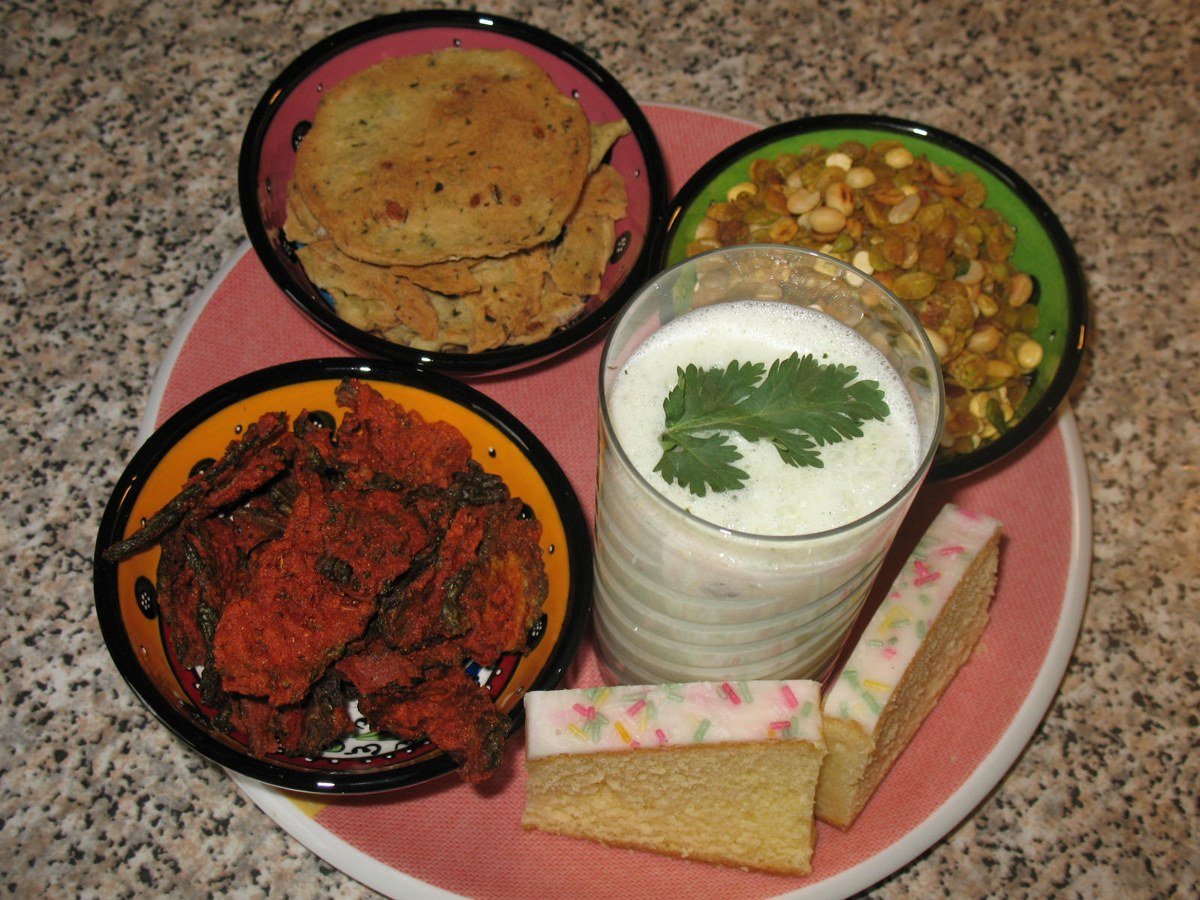
THALIA hearty spread.
SWEETA festive treat.
FARSANSavoury snacks.
CHAASSpiced buttermilk.
Patan was the capital of the Solanki (Chaulukya) dynasty that ruled Gujarat from the eighth to the thirteenth centuries — the age that built its great monuments.
An eleventh-century stepwell built by Queen Udayamati in memory of King Bhima I — seven carved storeys descending to the water, now a UNESCO World Heritage Site.
Its exceptional sculpture and heritage standing earned it a place on India's hundred-rupee currency note.
A ruined medieval water tank at Patan — the 'tank of a thousand lingas' — once a masterpiece of Solanki water engineering serving the whole capital.
The Chaulukya, or Solanki, kings — whose capital Anhilwad Patan was among the great cities of its age, and whose patronage also built Modhera.
In the cooler months, October to February, and early in the day, when soft light reaches the carvings in the upper tiers.
HERITAGEIndia’s famed Faculty of Fine Arts campus
Peaceful shrines by the bird lake
BEACH & PALACEGolden sands beside the royal Vijay Vilas Palace
MUSEUMSaurashtra’s history, sculpture & relics
FORESTA forest-edge town near eastern Gir

A graceful sampraday shrine in town
WHERE TO STAY
Compare live prices across the big booking sites and reserve in a few taps. Booking happens securely on the partner's site — we may earn a small commission at no extra cost to you.
Book directly on our partner sites — tap a provider to see live Gujarat hotels & prices:
SHOP THE REGION
Hand-picked crafts and trip gear, available on Amazon.
Published 24 June 2026 · Updated 3 July 2026
We’re an independent group of writers and travellers documenting every corner of Gujarat — one place, plate and festival at a time.
Search Gujarat Explorer
Find places, food, festivals and travel guides across Gujarat
Press Enter to search — or Esc to close
Plan Your Trip
Gujarat Explorer is an independent travel guide. We’re happy to help you shape an itinerary and point you to the right places, stays and experiences across Gujarat.
Book a Cab