Home › Patan Festivals › Mashru Weaving
CRAFT · SILK-COTTON · MASHRUMashru is Patan’s glossy striped cloth — a silk-faced, cotton-backed handloom fabric, once a clever answer to custom and now a craft being revived.
Mashru is a traditional Patan fabric woven with a silk warp floating over a cotton weft, giving it a lustrous silk face and a soft cotton back. The satin-weave structure, usually in bright stripes, keeps the silk on the surface while cotton rests against the skin. Historically this made Mashru popular where custom discouraged wearing pure silk next to the body — a fading handloom craft that has seen a welcome revival in recent years.
Mashru puts silk on the surface — a glossy warp face that catches the light.
Underneath runs cotton, soft against the skin — the weave's whole ingenuity.
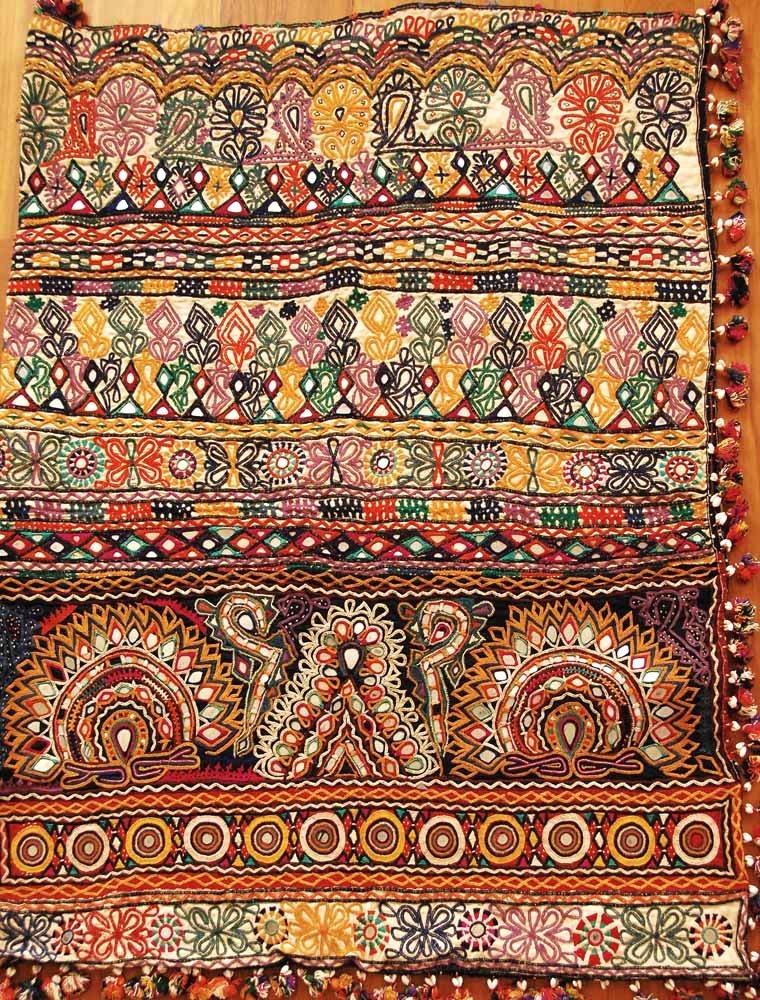
Glossy stripes in strong colours are the classic mashru look.
The craft faded almost to nothing, and has been renewed by Patan's handloom weavers.
The face is glossy silk, taking colour with a lacquered depth.
The back is cotton — soft, breathable and comfortable to wear.
The satin weave is what floats the silk over the cotton.
It is woven by hand, on pit looms, as it always was.
Mashru is a cloth of custom — 'permitted' is what the name means.
The revival is recent and real, but the active looms are few.
THE CLOTHThe silk-cotton weave of Patan.
THE LOOMHandloom craft, revived.
See the loom at work; the satin float is best understood watching it.
Understand the construction — silk warp over cotton weft.
Feel both faces: sheen on one side, softness on the other.
Look at the striped satin patterns, the classic mashru vocabulary.
Meet the keepers of the craft, the handful of weaving families.
Buy a piece; the revival lives on exactly such purchases.
Mashru is a small masterpiece of practical weaving. By floating the silk warp over a cotton ground, the weaver puts richness on show while keeping the comfort and modesty of cotton against the skin — its very name is linked to the idea of something permitted. Once woven widely across Gujarat and Kutch, it dwindled with the times, but a new appreciation for handloom heritage has brought Patan’s Mashru weavers back to their looms.
This is one of many places worth seeing here — the full guide to Patan has the rest.
October to February is the comfortable season for Patan.
March is still pleasant for workshop visits.
The monsoon is green and cool; the looms run year-round.
⏰ Mashru weaving continues year-round; visit workshops in the cooler months and call ahead, as active looms are few.
Ahmedabad (~130 km).
Patan / Mehsana.
Patan town.
LIVING CRAFT
Patan Patola
Double-ikat silk so intricate, one sari can take months. Explore →
HISTORY
Solanki Legacy
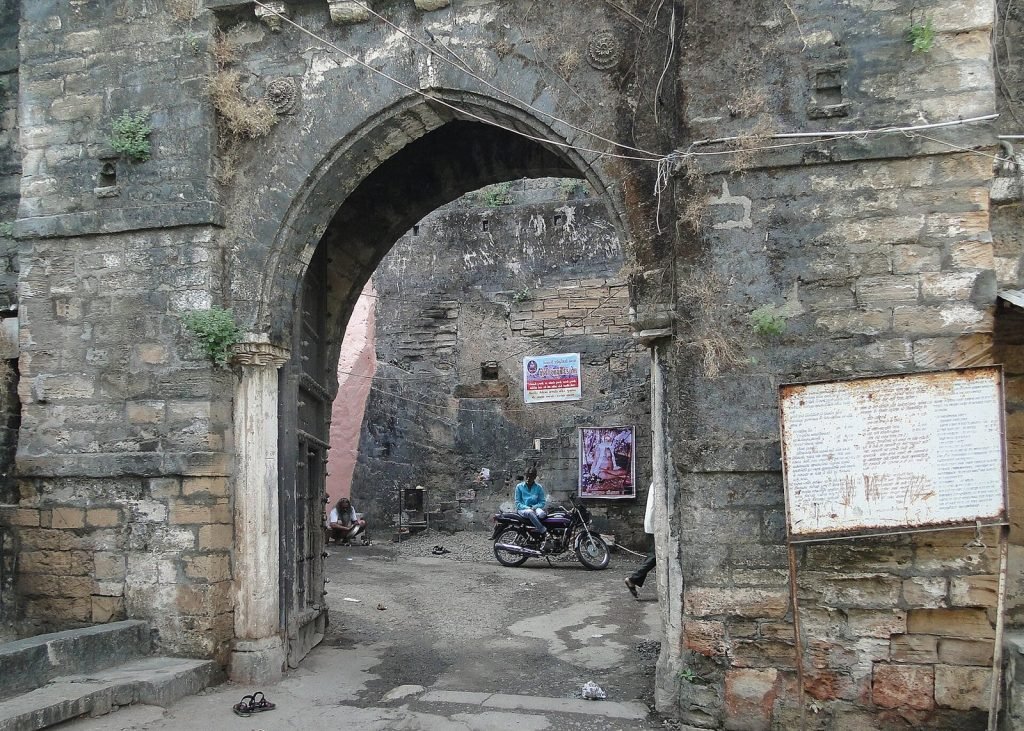
Patan was the capital of the Solanki dynasty that ruled Gujarat for centuries — and its crowning glory is Rani ki Vav, the UNESCO-listed stepwell so fine it graces the ₹100 note. Explore →
PILGRIM
Kartik Fairs
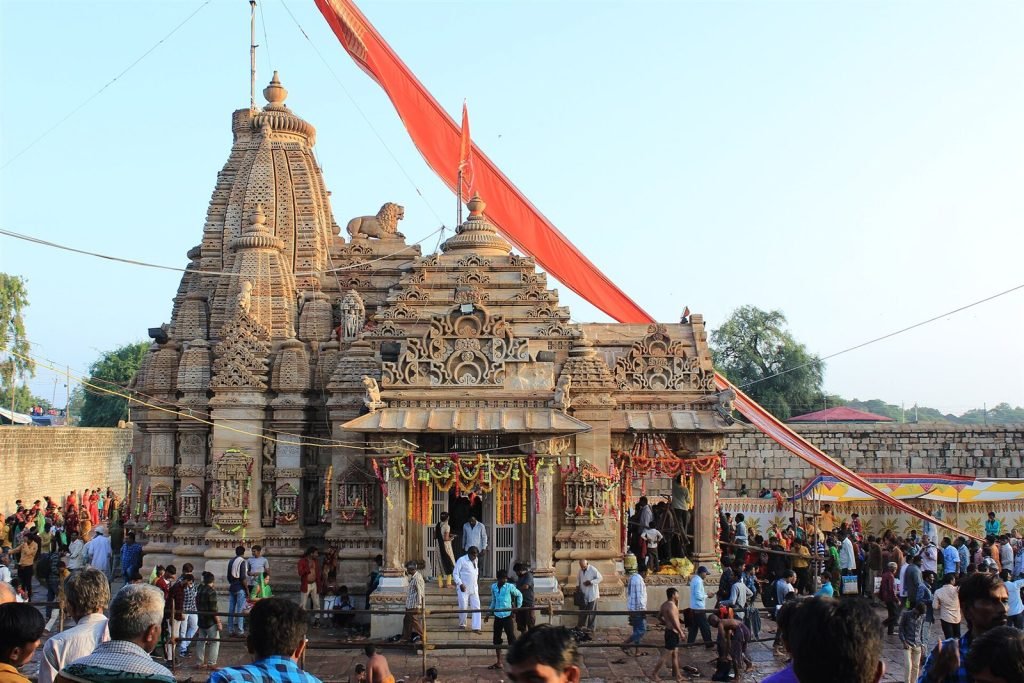
On the full moon of Kartik, the Patan region fills with pilgrim fairs — days of ritual bathing, temple visits and country-fair life under the November moon. Explore →
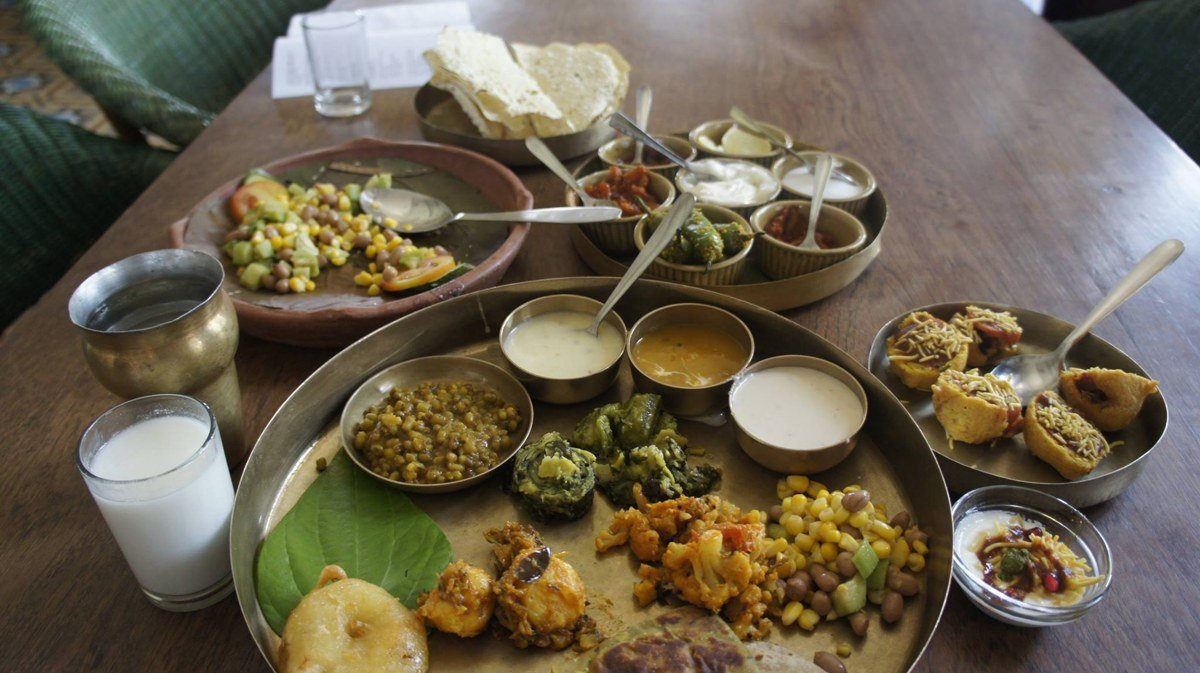
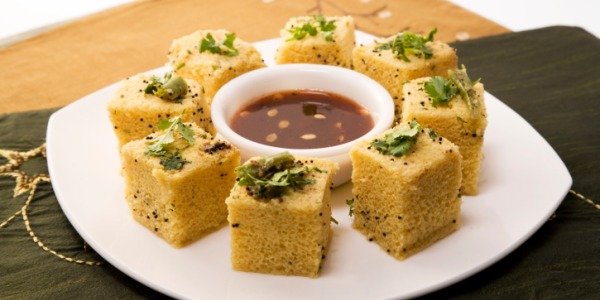
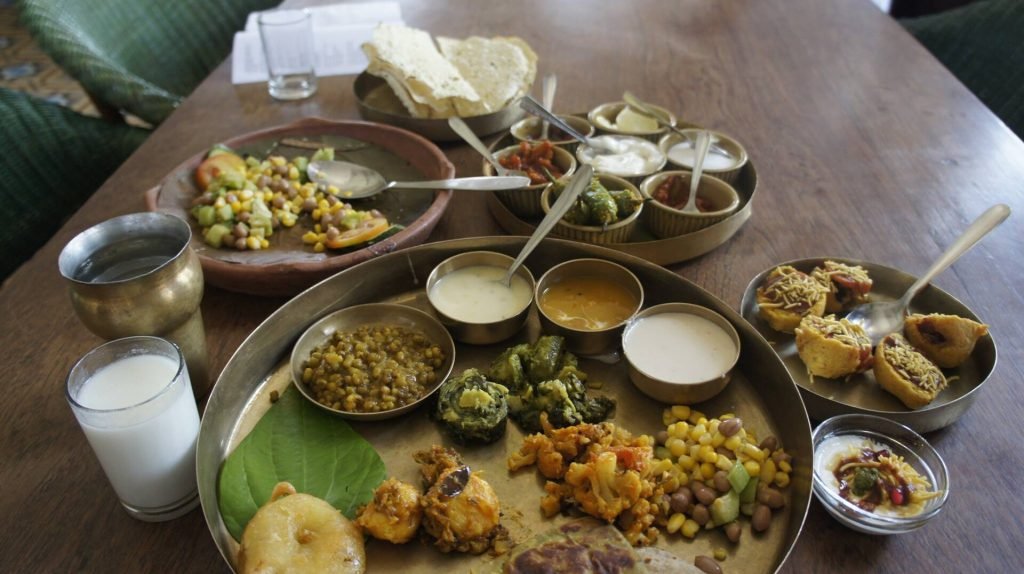
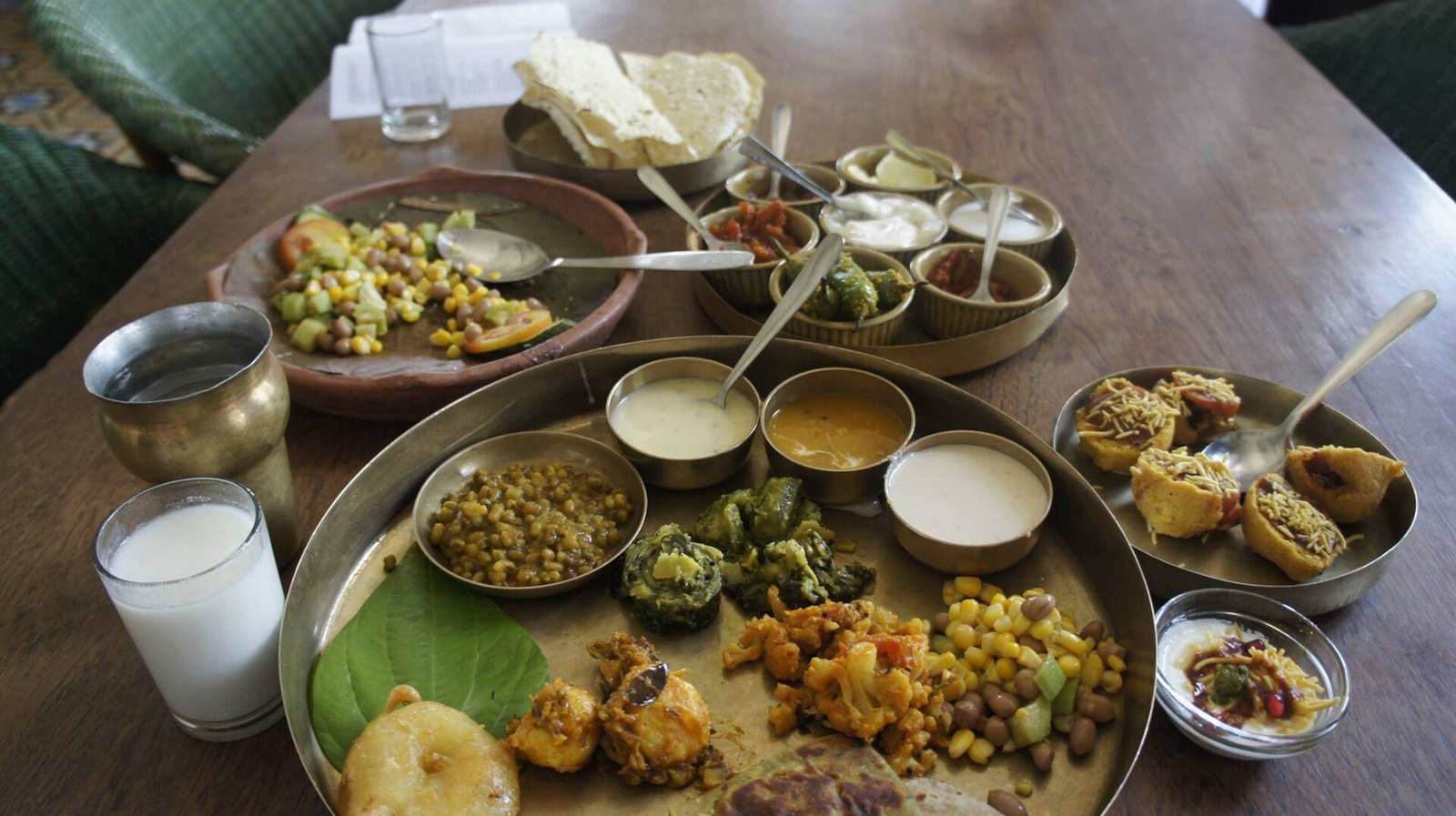
THALIA hearty spread.
SWEETA festive treat.
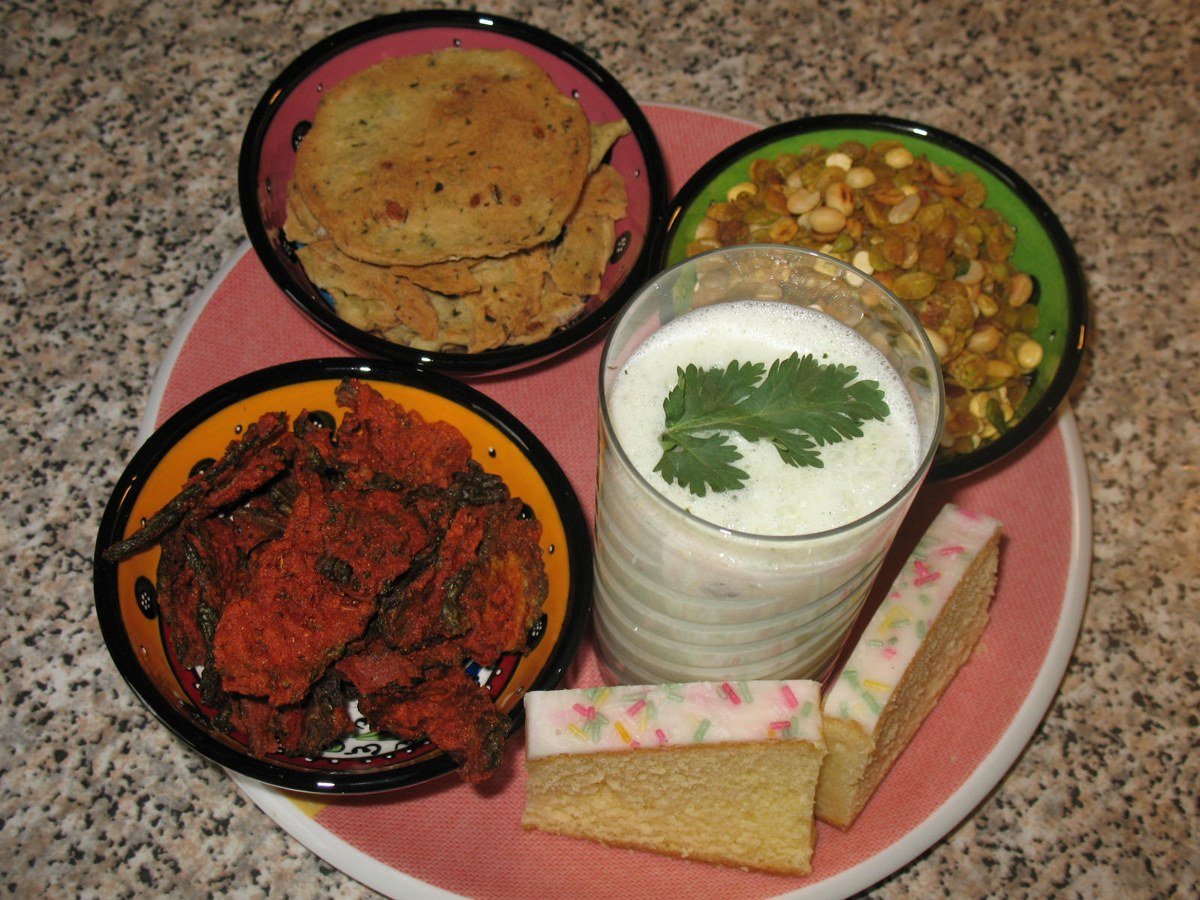
FARSANSavoury snacks.
CHAASSpiced buttermilk.
A traditional Patan fabric woven with a silk warp floating over a cotton weft — a glossy silk face with a soft cotton back, usually in bold stripes.
It let wearers enjoy a silk surface while only cotton touched the skin — 'mashru' means permitted, and the cloth answered customs that discouraged pure silk against the body.
A striped satin-weave cloth with a lustrous sheen on the face and a matte cotton reverse, in strong traditional colours.
It had faded almost to extinction, and has been revived in recent years by handloom weavers in Patan working with designers and craft bodies.
At handloom workshops in Patan — call ahead, as the active looms are few and the weavers' time is their living.
In the cooler months, October to February, folded into a Patan day with Rani ki Vav and the patola houses.

Tribal shrines among the teak woods
A hilltop temple within the old fort

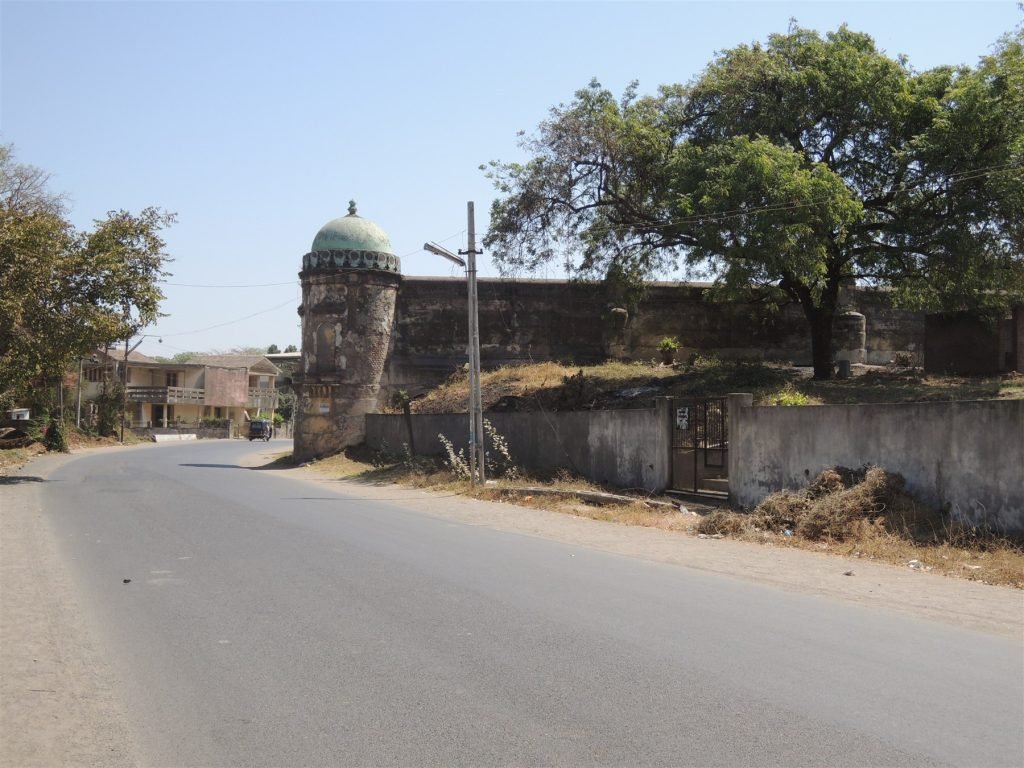
The walls of ancient Broach — Bharuch Fort, the old hilltop citadel above the Narmada, whose…
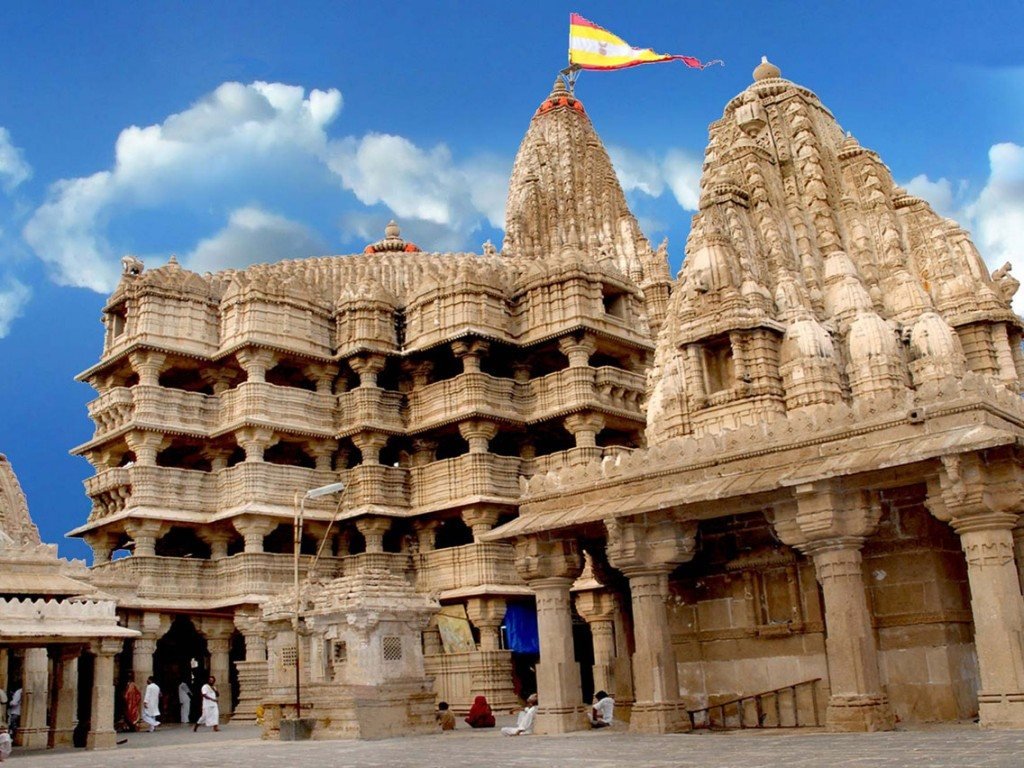
CHAR DHAMKrishna’s grand five-storey temple on the Gomti
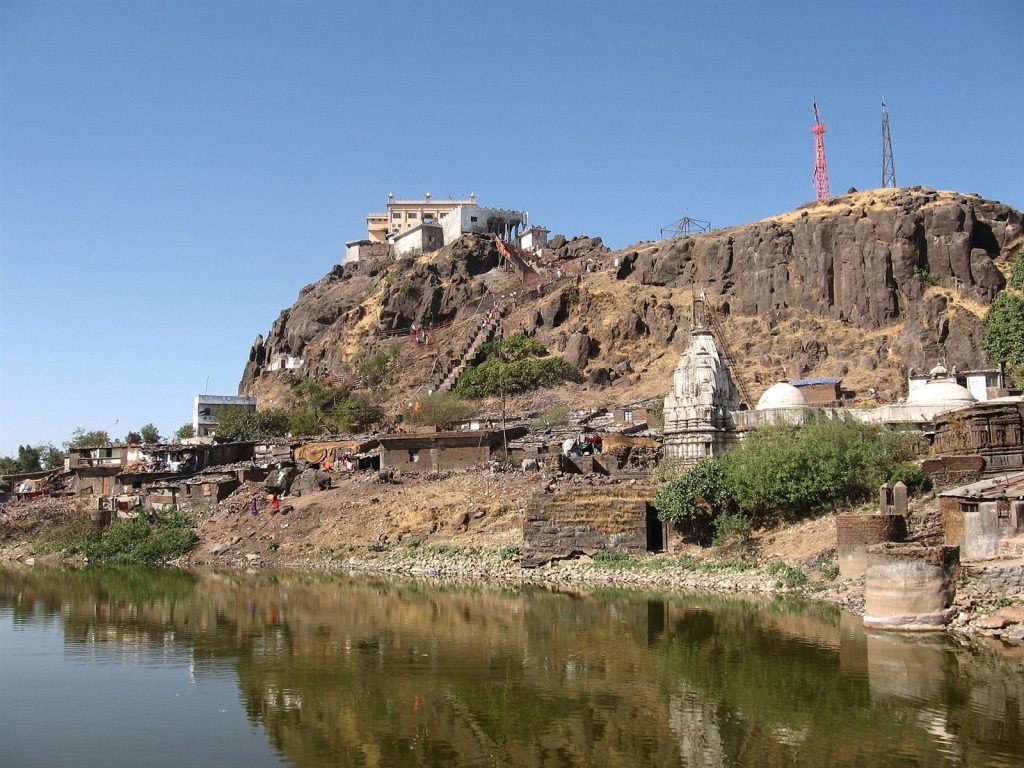
RIDEA cable-car glide to the temple top

An ancient Shiva temple by the river
WHERE TO STAY
Compare live prices across the big booking sites and reserve in a few taps. Booking happens securely on the partner's site — we may earn a small commission at no extra cost to you.
Book directly on our partner sites — tap a provider to see live Gujarat hotels & prices:
SHOP THE REGION
Hand-picked crafts and trip gear, available on Amazon.
Published 24 June 2026 · Updated 3 July 2026
We’re an independent group of writers and travellers documenting every corner of Gujarat — one place, plate and festival at a time.
Search Gujarat Explorer
Find places, food, festivals and travel guides across Gujarat
Press Enter to search — or Esc to close
Plan Your Trip
Gujarat Explorer is an independent travel guide. We’re happy to help you shape an itinerary and point you to the right places, stays and experiences across Gujarat.
Book a Cab