Best time
October to March
Cheap wins
Thalis, GSRTC buses, dharamshalas
Note
Dry state — no alcohol budget needed
Typical day
Modest by Indian standards
Gujarat is one of the cheaper Indian states to travel in, and for reasons that are slightly unusual. It has an extensive and genuinely useful state bus network, an enormous stock of pilgrim accommodation that is open to anyone, a food culture built around the unlimited thali, low or nominal entry fees at most monuments, and — because it is a dry state — no drinks bill at all. The state is also not on the main international backpacker circuit, which keeps prices honest.
What it lacks is a hostel-and-cafe infrastructure of the kind found in Rajasthan or Kerala, which means budget travel here involves using Indian systems rather than traveller-oriented ones. This guide covers what things cost in relative terms, how to use the buses and trains, where to sleep cheaply, how to eat extremely well for very little, and the specific places where being frugal is a false economy.
Why Gujarat is good value
Because the two biggest line items are cheap. Food, first: the Gujarati thali is unlimited, vegetarian, served in every town, and among the best-value meals in India — a full lunch of dal, kadhi, two or three vegetable preparations, rotli, rice, farsan, chutneys and a sweet, refilled until you stop, for a modest fixed price. Add street farsan — khaman, khandvi, dhokla, fafda, locho in Surat — and you can eat superbly all day for very little.
Accommodation, second. Gujarat has an unusually large stock of dharamshalas, trust guesthouses and pilgrim hotels around its temple towns — Dwarka, Somnath, Ambaji, Dakor, Palitana, Shamlaji — which are clean, functional, extremely cheap and generally open to any respectful traveller. Add ordinary Indian business hotels in the cities and Gujarat Tourism properties at the sites, and a budget traveller has real options. Entry fees at ASI monuments and sanctuaries are low, and many of the best things — the Ahmedabad heritage walk area, Sabarmati Ashram, the Sidhpur streets, most temples — are free or nominal.
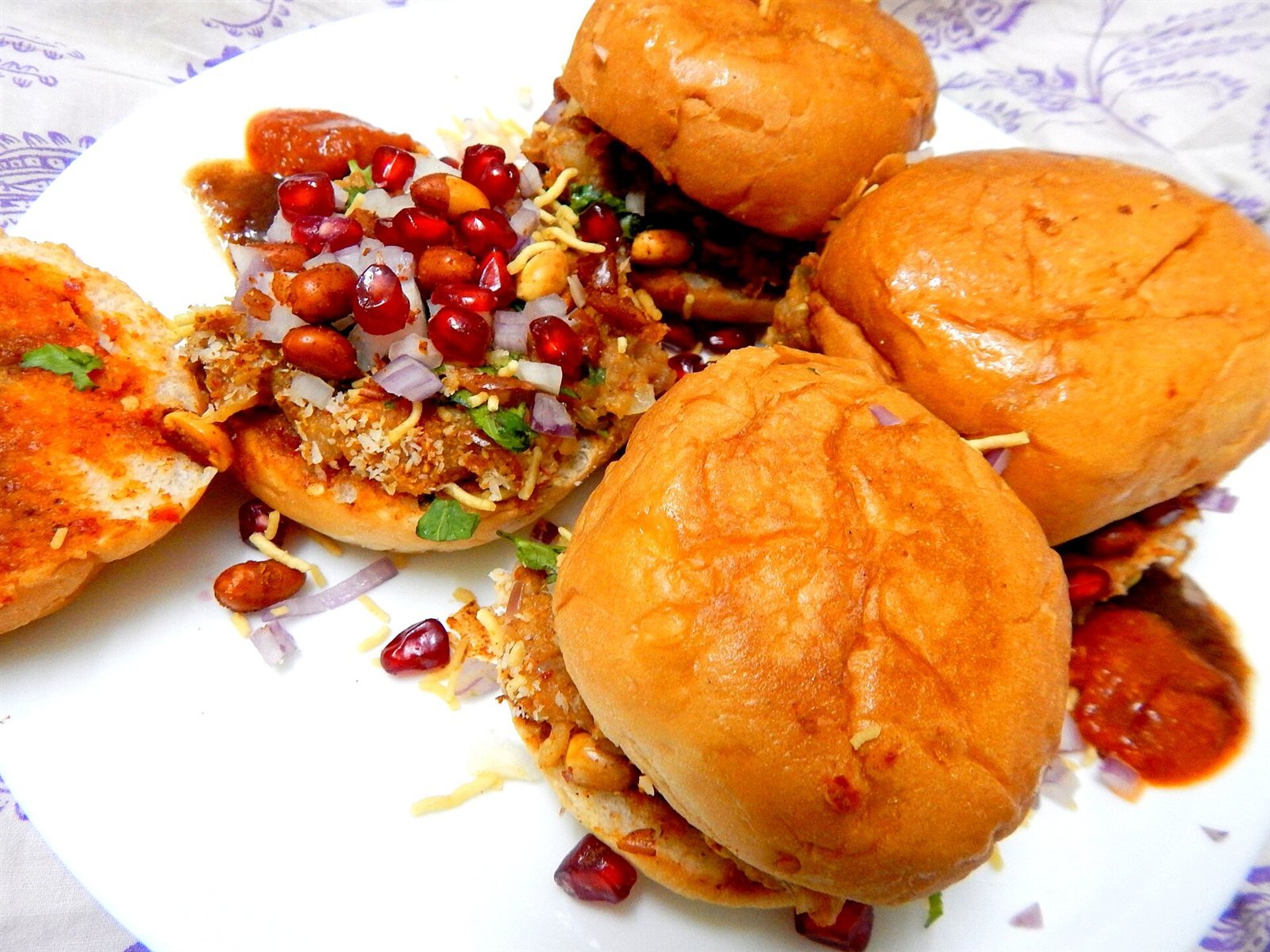
The unlimited thali is the single best value in Indian food, and it is everywhere here.
How to travel cheaply here
- Use GSRTC buses for the long hopsThe state bus corporation runs an extensive network connecting essentially every town, cheaply. Express and sleeper services cover the long routes; ordinary services stop everywhere. Private operators run comfortable overnight coaches on the main corridors.
- Use trains where the line goes your wayAhmedabad–Bhuj, Ahmedabad–Dwarka/Okha, and the Mumbai–Delhi corridor through Vadodara, Bharuch, Surat and Valsad are all well served and cheap in sleeper class. Book ahead on IRCTC where you can.
- Sleep in dharamshalas in temple townsCheap, clean, functional and open to respectful visitors. Expect simple rooms, early gates and vegetarian food nearby. Best in Dwarka, Somnath, Palitana, Ambaji, Dakor and Shamlaji.
- Eat the unlimited thali once a dayIt is the single best value meal in India and it will get you through to evening. Supplement with street farsan rather than restaurant dinners.
- Share taxis for the last mileShared jeeps and autos cover the gaps buses leave — to Sasan Gir, to craft villages in Kutch, to beach fronts. Ask at the bus stand rather than booking privately.
- Know where not to economiseGir safari permits, the Narara reef guide, a Velavadar dusk drive and a night at Dholavira are the trip. Cutting these to save money means travelling a long way to miss the point.
Getting around on a budget
Buses and trains do the intercity work well. Ahmedabad is the hub for both, with the airport, the main railway station and the biggest bus terminus; Vadodara, Surat, Rajkot, Bhavnagar, Jamnagar and Bhuj are the regional nodes. Overnight buses and sleeper trains save both a night's accommodation and a day of travel, which is the classic budget double win — Ahmedabad to Bhuj, Ahmedabad to Dwarka and Ahmedabad to Diu-area destinations all work this way.
Where public transport genuinely fails is the last stretch to the things worth seeing: Velavadar's gate, Dholavira, Narara reef, the Kutch craft villages, the Dang waterfalls, Gopnath. For these, shared jeeps and autos get you part of the way and a negotiated local vehicle does the rest. Two or three travellers sharing a hired car for a specific day is often cheaper than a series of individual compromises, and it is worth doing for the high-value sites.
Where to sleep cheaply
Dharamshalas and trust guesthouses in the temple towns are the budget backbone, and they are a genuine bargain. Beyond them, every Gujarati town of any size has ordinary Indian budget hotels around the bus stand and railway station — variable, functional and cheap — and Gujarat Tourism runs properties at many of the sites which are mid-range but reliable. Ahmedabad has a small hostel scene, and Bhuj and Diu have a few travel-oriented guesthouses.
Two specific recommendations. In Kutch, village homestays in the Banni — Hodka, Dhordo, Ludiya — are inexpensive, run by craft families, and dramatically better value than the Rann Utsav tent city. In the Dangs, Adivasi homestays around Don Hill are cheap and among the best experiences in the state. Both need booking ahead. Conversely, avoid economising on accommodation at Dholavira and near Velavadar, where the whole point is being on site at dawn.
Best time for a budget trip
October to March for the weather, but with a caveat about cost. December and January are peak season, which pushes prices up sharply in Kutch during Rann Utsav, along the coast at Diu and Tithal over Christmas and New Year, and in the temple towns at major festivals. Rooms that are cheap in November can triple over those dates.
The value sweet spots are late October to November and late February to March: good weather, everything open, and noticeably lower demand. If you can tolerate heat, April and May are cheap everywhere but genuinely hard going in Kutch and the interior — and sanctuaries including Gir close for the monsoon from about mid-June to mid-October, so a rainy-season trip should be built around the Dangs, the cities and the temple circuit rather than wildlife.
Practical tips
- Eat one unlimited thali a day and fill the gaps with street farsan; it is both the cheapest and the best way to eat here.
- Take overnight buses or sleeper trains on long routes to save a night's accommodation as well as a travel day.
- Use dharamshalas in temple towns, and book Banni and Don Hill homestays ahead — cheap and far better than the alternatives.
- Share a hired car for the specific days where public transport cannot reach the sight.
- Travel late October to November or late February to March to avoid peak-season pricing in Kutch and on the coast.
Frequently asked questions
Is Gujarat cheap to travel in?
Yes, comparatively. Food, buses, trains and pilgrim accommodation are all inexpensive, monument entry fees are low, and because it is a dry state there is no alcohol expenditure.
What is the cheapest way to get around Gujarat?
GSRTC state buses for most routes and sleeper-class trains on the main corridors, with shared jeeps and autos for the last stretch. Overnight services save a night's accommodation too.
Can tourists stay in dharamshalas in Gujarat?
Generally yes — trust guesthouses and dharamshalas in temple towns such as Dwarka, Somnath, Palitana, Ambaji and Dakor accept respectful visitors and are very cheap.
What should I not skimp on in Gujarat?
Gir safari permits, a guided Narara reef walk, a dusk drive at Velavadar and a night at Dholavira. These are the experiences you travelled for.
When is the cheapest time to visit Gujarat?
Late October to November and late February to March offer good weather with lower demand. December and January are peak and considerably more expensive.
Gujarat is cheap if you travel it the way Gujaratis do: state buses and sleeper trains between towns, a dharamshala in the temple towns, one unlimited thali a day and street farsan around it, and a shared car only for the days when the bus genuinely cannot reach the thing you came for. Save the money there and spend it where it counts — a Gir permit, a reef guide, a dusk at Velavadar and a night on Khadir Bet.