Best time
November to March; falls best Jul–Oct
Area
About 600 sq km
Good for
Sloth bear, waterfalls, forest drives
Nearest base
Kevadia / Rajpipla
Almost everyone who comes to Narmada district comes for one thing: the Statue of Unity, the 182-metre figure of Sardar Patel that stands beside the Sardar Sarovar dam and draws millions of visitors a year. Very few of them realise that immediately to the south and east lies one of the largest protected forests in Gujarat — roughly 600 square kilometres of hill country, dense deciduous woodland, gorges and streams, running along the Narmada and up into the Satpura foothills.
Shoolpaneshwar Wildlife Sanctuary is named for an ancient Shiva shrine, holds one of Gujarat's better sloth bear populations along with leopard, hyena, four-horned antelope, barking deer, pangolin and a long bird list, and contains the waterfall at Zarwani, which is the single most popular reason to enter it. This guide covers when to go for wildlife versus waterfalls, how access works, and how to fit it around Kevadia.
Why Shoolpaneshwar is worth the detour
Because of its sheer scale and its wildness. This is not a manicured park — it is a large tract of hill forest with tribal villages, forest roads, river gorges and genuine remoteness, and it protects an ecosystem that continues east into Madhya Pradesh. For sloth bear in particular it is one of the more reliable areas in Gujarat, and the bird list runs from paradise flycatchers and hornbills through to a strong showing of raptors and forest species.
And because of the water. Zarwani falls, on a tributary stream in the sanctuary's western part, is a genuine monsoon-and-after spectacle: a stepped cascade in a wooded amphitheatre, with an eco-campsite nearby run in partnership with local communities. The Narmada gorge country here, the reservoir backwaters behind Sardar Sarovar and a scatter of smaller streams and falls make the whole sanctuary unusually green by Gujarat standards. It is the perfect counterweight to a day of monumental concrete at Kevadia.
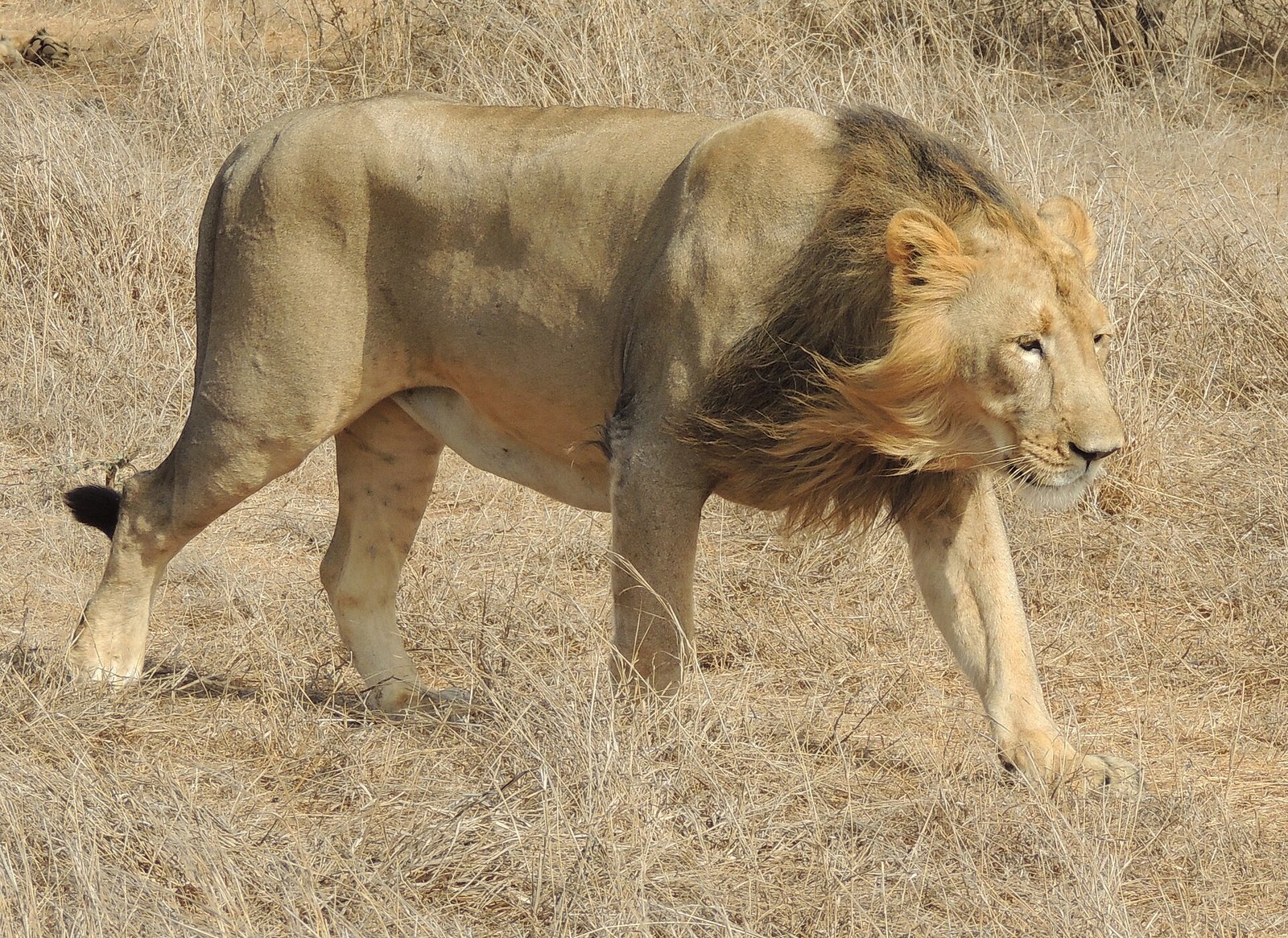
Six hundred square kilometres of hill forest, immediately south of the Sardar Sarovar dam.
How to plan the visit
- Decide: wildlife or waterfallsThese want different seasons. For sloth bear and general wildlife, come November to March. For Zarwani and the streams in full flow, come from the monsoon through October.
- Clear access with the forest departmentShoolpaneshwar is a large sanctuary with restricted zones, and permitted routes, timings and eco-campsite bookings run through the Gujarat forest department locally. Check first.
- Base yourself at Kevadia or RajpiplaKevadia has grown enormous amounts of accommodation around the Statue of Unity; Rajpipla is the older, quieter district town. Either puts you within reach of the sanctuary.
- Book the eco-campsite for ZarwaniThe community-run eco-tourism camp near Zarwani is the atmospheric way to do the falls, and it needs booking in advance, especially in season and at weekends.
- Take a local guideThe sanctuary is big, the tracks are confusing and the wildlife is genuinely hard to find. A forest guide is worth far more here than in a small park.
- Add the Kevadia attractions deliberatelyStatue of Unity, the dam, the Valley of Flowers, the jungle safari park and the cactus garden are all right there. Decide what you actually want rather than absorbing the whole package.
How to get there
The sanctuary lies in Narmada district, immediately south and east of the Sardar Sarovar dam at Kevadia. Vadodara is the main gateway, roughly 90 km from Kevadia, with an airport and a major railway station; Bharuch and Ankleshwar are the nearest towns on the main Mumbai–Delhi rail and road corridor, about 70 to 80 km away. Kevadia now has its own railway station with direct services.
Once you are in the area, a hired car is essential — the sanctuary's roads and the drives to Zarwani and the forest zones are not served by public transport. The roads around Kevadia have been substantially upgraded to handle Statue of Unity traffic, so access from Vadodara or the expressway is straightforward; the interior forest tracks are a different matter and can be rough or seasonally impassable.
Where to stay
Kevadia has been transformed by the Statue of Unity and now offers everything from tent city accommodation and mid-range hotels to upmarket resorts, which makes it the easy choice, if not the atmospheric one. Rajpipla, the former princely capital about 30 km away, is quieter, has some heritage character and a small spread of hotels, and feels much more like a real town.
For the sanctuary itself, the forest department's eco-campsite near Zarwani is the pick if you want to wake up inside the forest, and there are forest rest houses in the area that can be booked through the department. All of these are simple and all need advance arrangement. Weekends see heavy domestic tourism across the whole Kevadia area, so book ahead and consider midweek if you want the forest to yourself.
Best time to visit
For wildlife, November to March. Cool weather, comfortable forest drives, and a dry season that concentrates animals near the remaining water. February and March give thinner cover and better visibility, which helps with sloth bear. April to June is hot but can be productive at waterholes very early in the day.
For waterfalls and scenery, the picture reverses. Zarwani and the smaller streams need rain, so July through October is when the sanctuary is at its most beautiful — green, loud with water, and dramatic. The trade-off is leeches, difficult tracks, restricted access to parts of the sanctuary and poor wildlife visibility. Many people find late September and October the best compromise: water still running, tracks drying out, forest still green.
Practical tips
- Pick your season by purpose — sloth bear in winter, Zarwani falls after the monsoon. You cannot optimise for both.
- Confirm permitted zones, timings and campsite bookings with the forest department before you travel.
- Hire a local guide. The sanctuary is large and confusing, and unguided visits usually amount to a drive in the woods.
- Carry water, sturdy shoes and rain protection in season; the falls area involves walking on wet rock.
- Decide in advance how much of the Kevadia attraction complex you actually want, or it will absorb your whole trip.
Frequently asked questions
What wildlife is in Shoolpaneshwar Wildlife Sanctuary?
Sloth bear — one of Gujarat's better populations — along with leopard, striped hyena, four-horned antelope, barking deer, pangolin and a wide range of forest birds.
Where is Shoolpaneshwar Sanctuary?
In Narmada district, immediately south and east of the Sardar Sarovar dam and the Statue of Unity at Kevadia, about 90 km from Vadodara.
When is Zarwani waterfall best?
During and after the monsoon, roughly July to October. Late September and October offer running water with drying tracks.
Can I combine Shoolpaneshwar with the Statue of Unity?
Yes, easily — the sanctuary begins just beyond Kevadia, and the forest makes a good contrast to a day at the monument and dam.
Do I need permission to enter the sanctuary?
Yes. Access routes, timings and eco-campsite stays are controlled by the Gujarat forest department, and some zones are restricted. Check locally in advance.
Shoolpaneshwar is what the Statue of Unity is standing in front of, and hardly anyone turns around to look. Six hundred square kilometres of hill forest with sloth bears in it, a stepped waterfall at Zarwani that runs hard after the rains, and a community eco-camp where you can sleep in the middle of it. Choose your season by whether you want water or wildlife, clear your access with the forest department, hire a guide, and give it more than an afternoon.