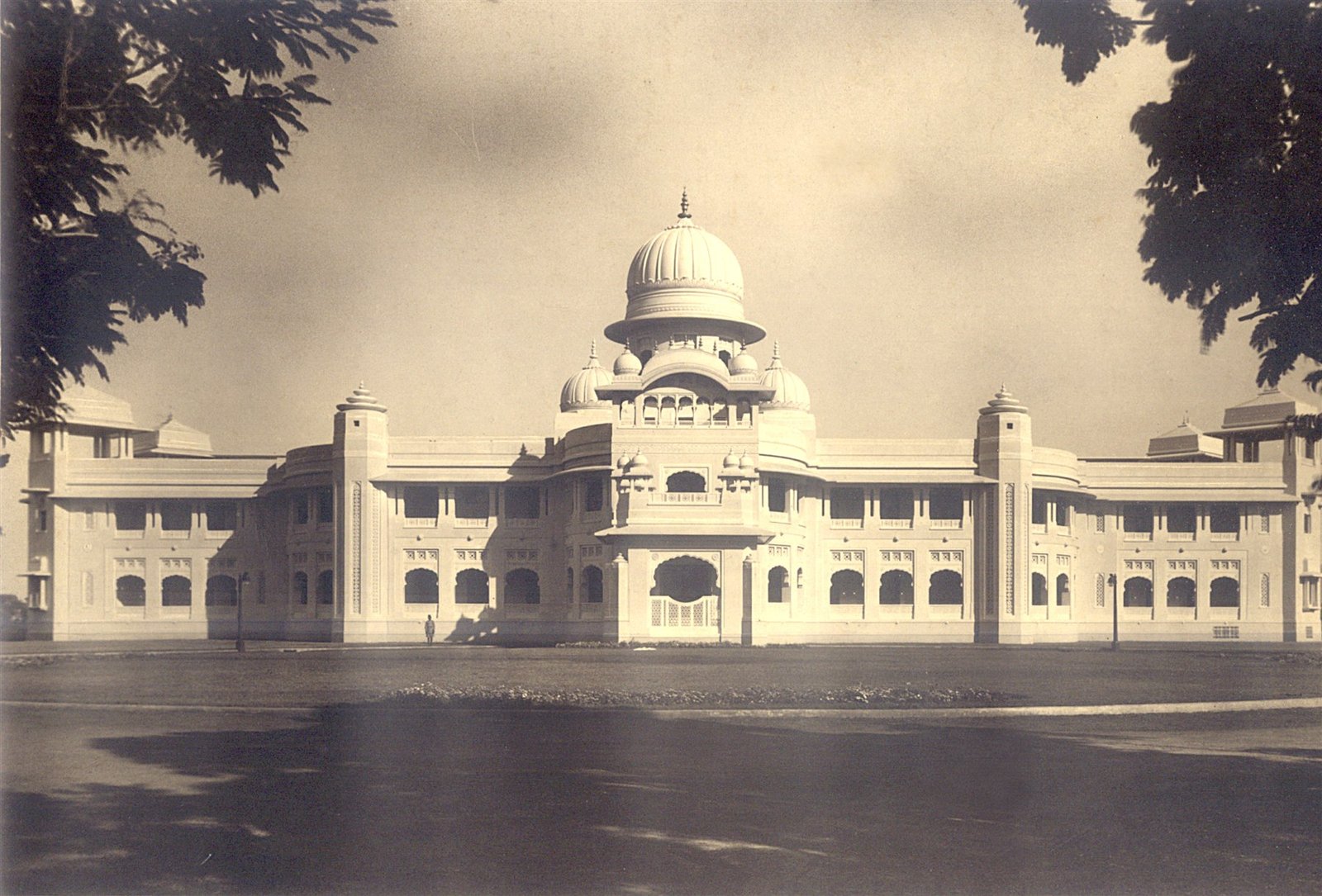
Rajpipla is the historic heart of Narmada district — for centuries the capital of the Rajpipla princely state, ruled by the Gohil Rajputs, and today a town rich in royal heritage.
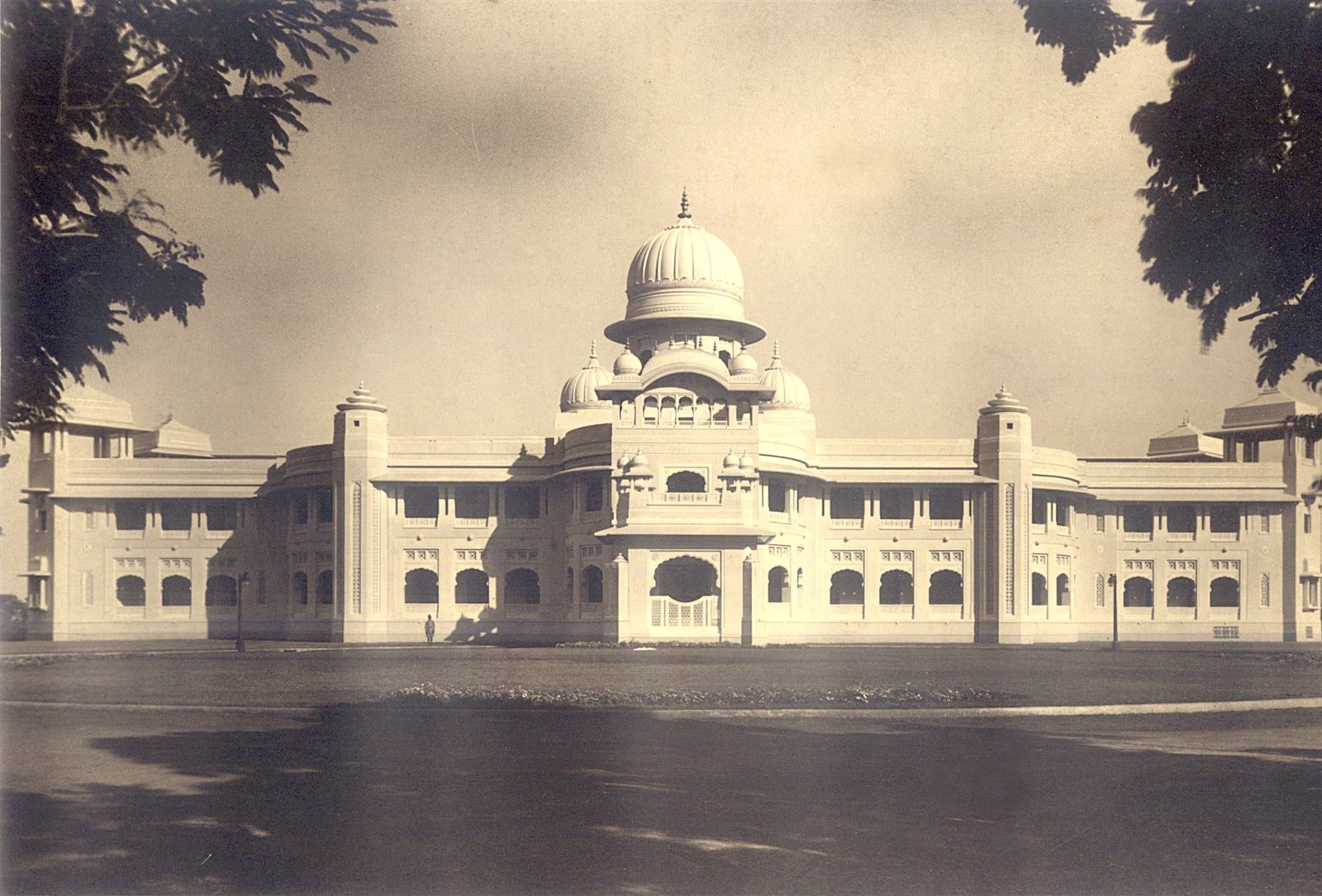
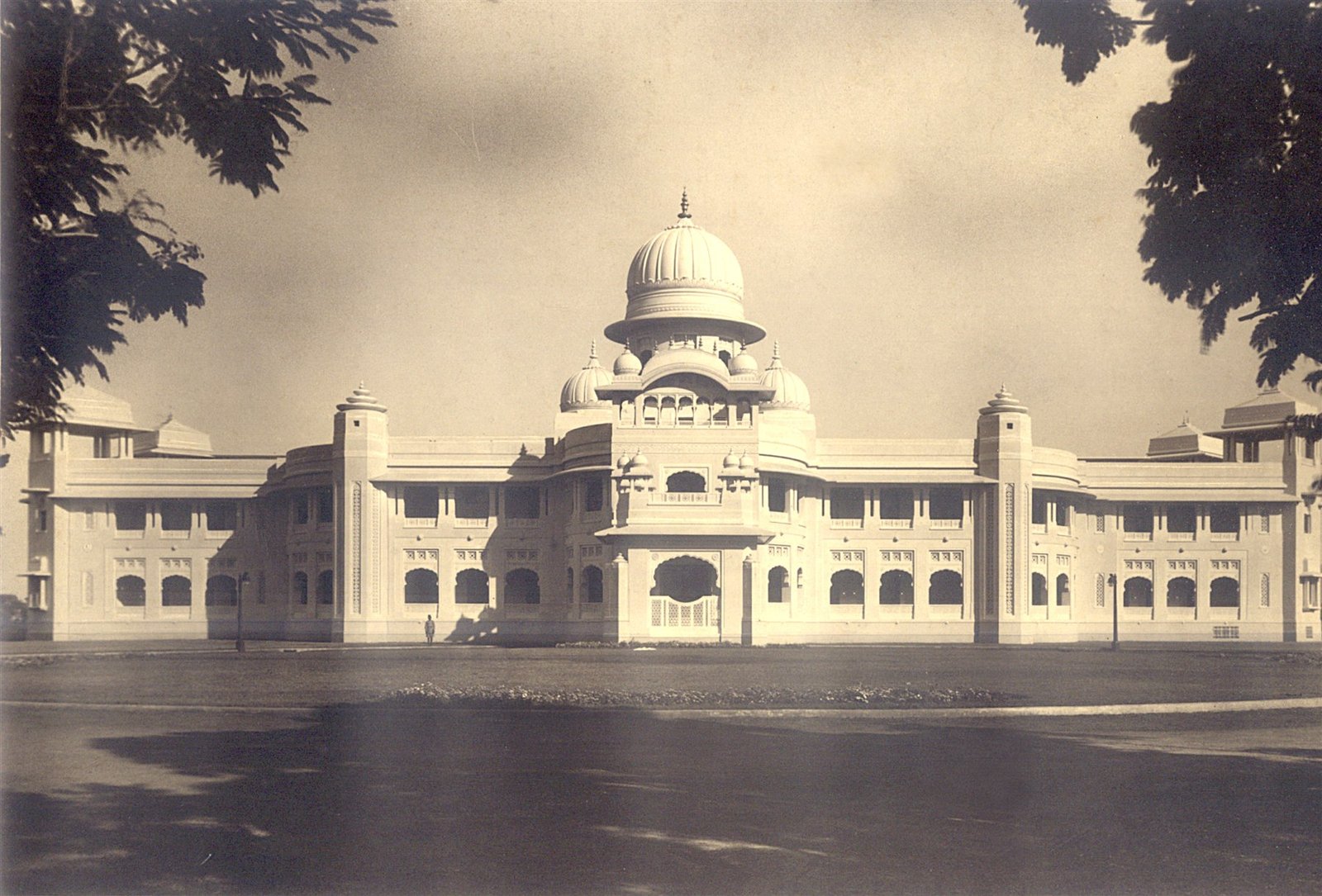
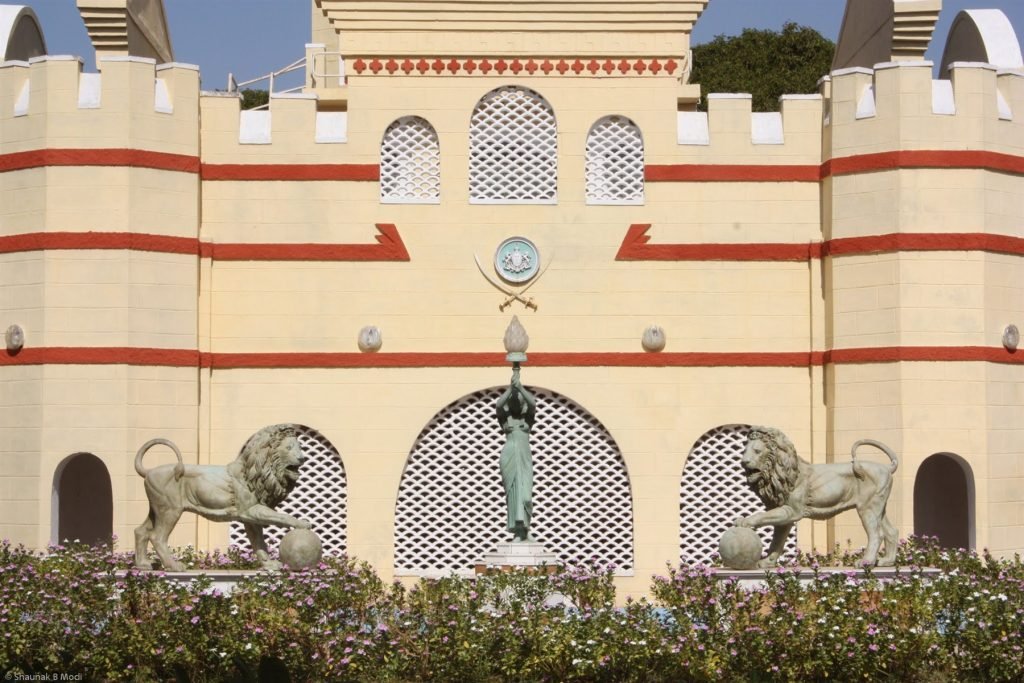
Its grandest legacy is a clutch of early-20th-century palaces built by the Maharajas, blending European and Indian styles: the imposing Vijay Palace, the elegant Indrajit-Padmini Mahal and others, set amid gardens and avenues. Long popular as film-shoot locations for their cinematic grandeur, the palaces — some still owned by the royal family — speak of an age of princely wealth and taste.
The town also offers temples, the Karjan river and a relaxed small-town charm — a graceful counterpoint to nearby Kevadia. Some palaces are private or run as heritage stays, so check access before you go.
A Rajpipla palace.
Rajpipla’s royal architecture.
Rajpipla was the seat of a Gohil Rajput princely state that survived until accession to the Indian Union in 1948, with the ruling family still resident in the town.
The great building phase came in the early twentieth century, when the Maharajas raised Vijay Palace, the Indrajit-Padmini Mahal and a series of smaller residences and garden buildings.
The style is deliberately hybrid — classical European porticos, domes and colonnades set against Indian jharokhas, chhatris and carved detail, the standard princely idiom of the period.
Since the 1990s the palaces have been in near-constant use as film locations, and several now operate as heritage accommodation.
Vijay Palace is the largest and most theatrical of the group; the Indrajit-Padmini Mahal is smaller, better proportioned and the more satisfying building.
The Gohils ruled here for centuries, and Rajpipla remained a princely capital until 1948 — the town's plan and public buildings still follow from that.
Domes, porticos and colonnades sit alongside jharokhas and chhatris, sometimes on the same elevation, which is the whole character of the place.
Bollywood has used these palaces repeatedly, which is why they look familiar to many Indian visitors who have never been here.
Gardens, avenues and tanks were laid out with the palaces and still define the shape of the town centre.
Rajpipla is a quiet counterweight to Kevadia and the Statue of Unity, about 25 km away and entirely different in character.
THE PALACEEarly-20th-c. grandeur.
THE TOWNA princely capital.
Start with Vijay Palace, the grandest of the group, and take in the scale of the frontage before looking at anything in detail.
See the Indrajit-Padmini Mahal, smaller and more elegant, and generally the building people remember afterwards.
Look for where the two architectural languages meet — a European pediment above an Indian bracket is the signature of the period.
Walk the gardens and avenues laid out with the palaces, which are as much a part of the plan as the buildings.
Check access before you travel. Some palaces are private family property, some are heritage hotels, and opening arrangements vary.
Combine Rajpipla with the Narmada ghats, the Karjan river and Kevadia for a full and varied day in the district.
A Rajpipla palace.
Rajpipla, capital of a Gohil Rajput princely state, is rich in early-20th-century palaces — the imposing Vijay Palace and elegant Indrajit-Padmini Mahal among them — blending European and Indian styles, long popular as film locations. A graceful royal town near Kevadia. (Some palaces private; check access.)
More places to visit across the district are gathered in our Narmada travel guide.
Capital of a princely state
Grand early-20th-c. palaces
European-Indian fusion
Popular film locations
Cool and pleasant — the ideal season.
Lush, green and full waterfalls.
Hot — start early.
⏰ Visit in the cooler months; the waterfalls are fullest just after the monsoon.
Vadodara airport (~90 km).
Ekta Nagar (Kevadia) station.
Kevadia / Rajpipla.
PALACE & ROYALTY
The palaces.
Fusion architecture.
Gardens & avenues.
Facades at golden hour.
GARDENA riverside garden in bloom below the statue
BOATINGRiver cruises & a sea-plane to the statue
A serene ashram on the Narmada banks
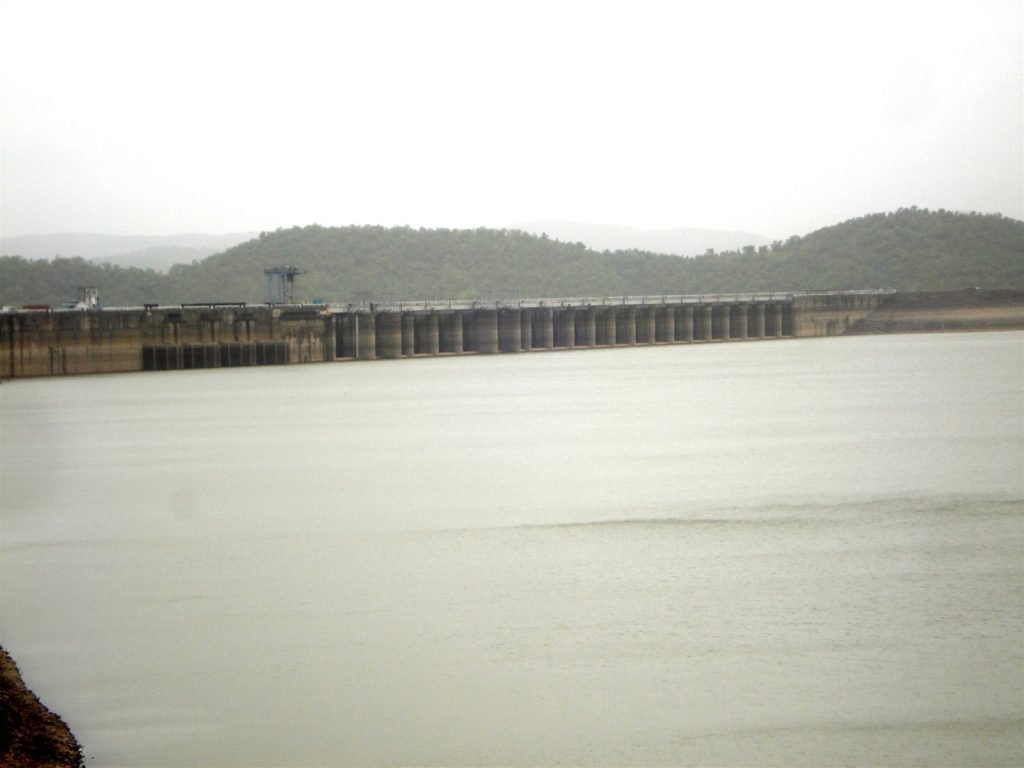
DAMA colossal dam across the Narmada river
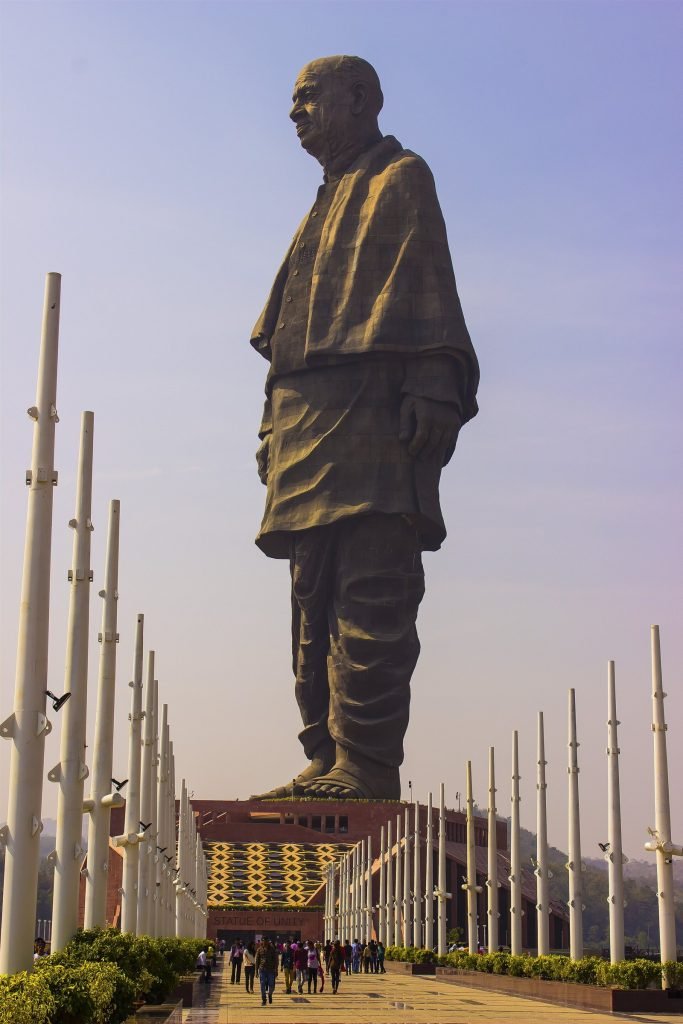
ICONICThe world’s tallest statue — 182 m of Sardar Patel
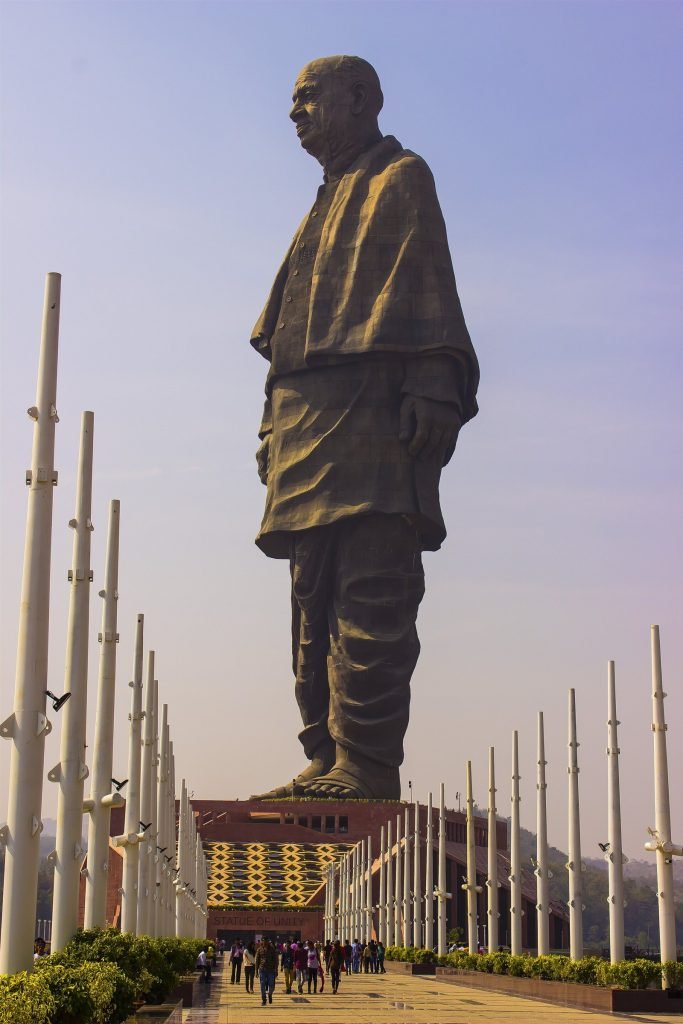
VIEWPOINTA gallery at the statue’s chest, 153 m up
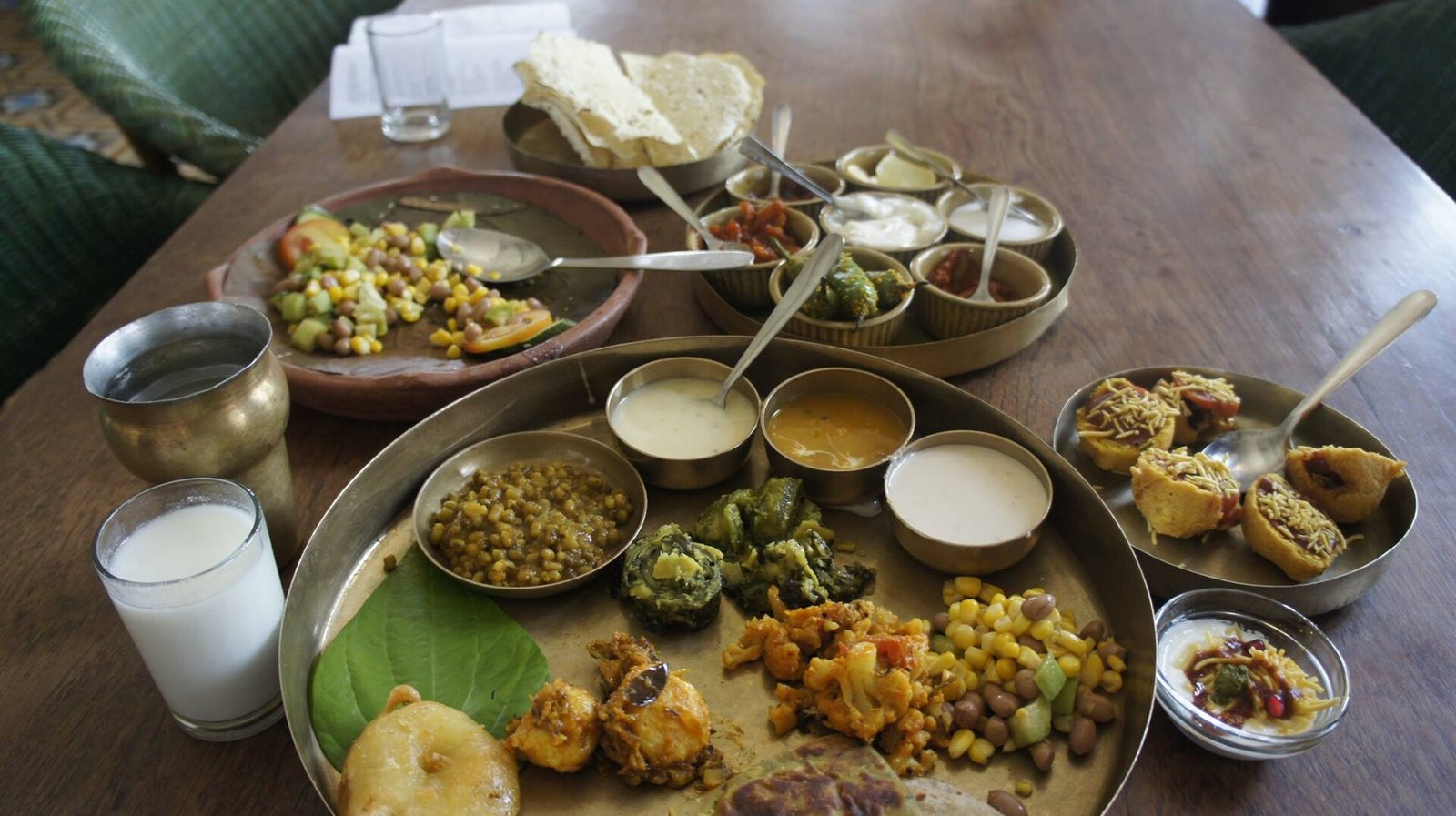
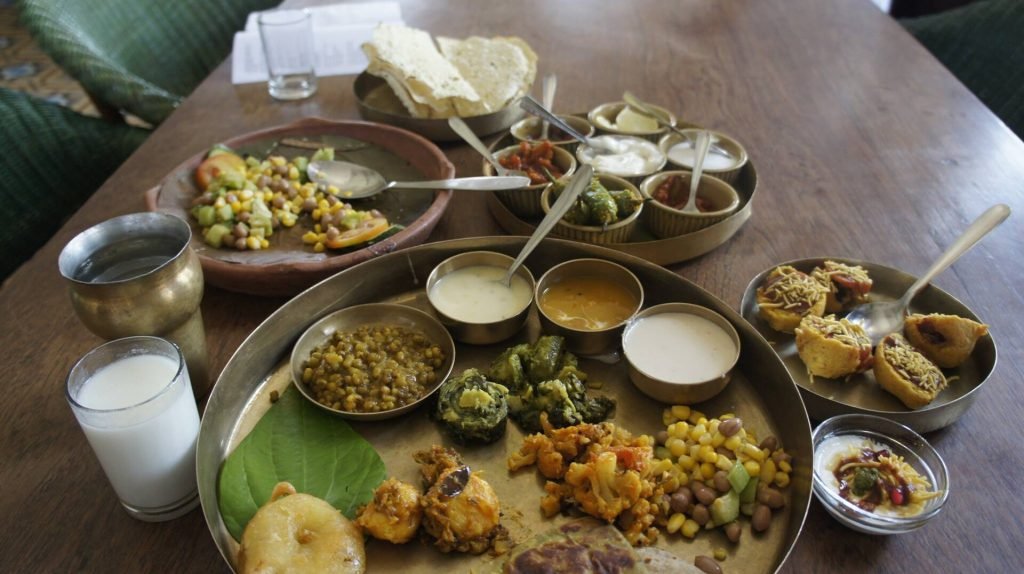
THALIFull sweet-savoury meals.
FARSANSteamed snacks.
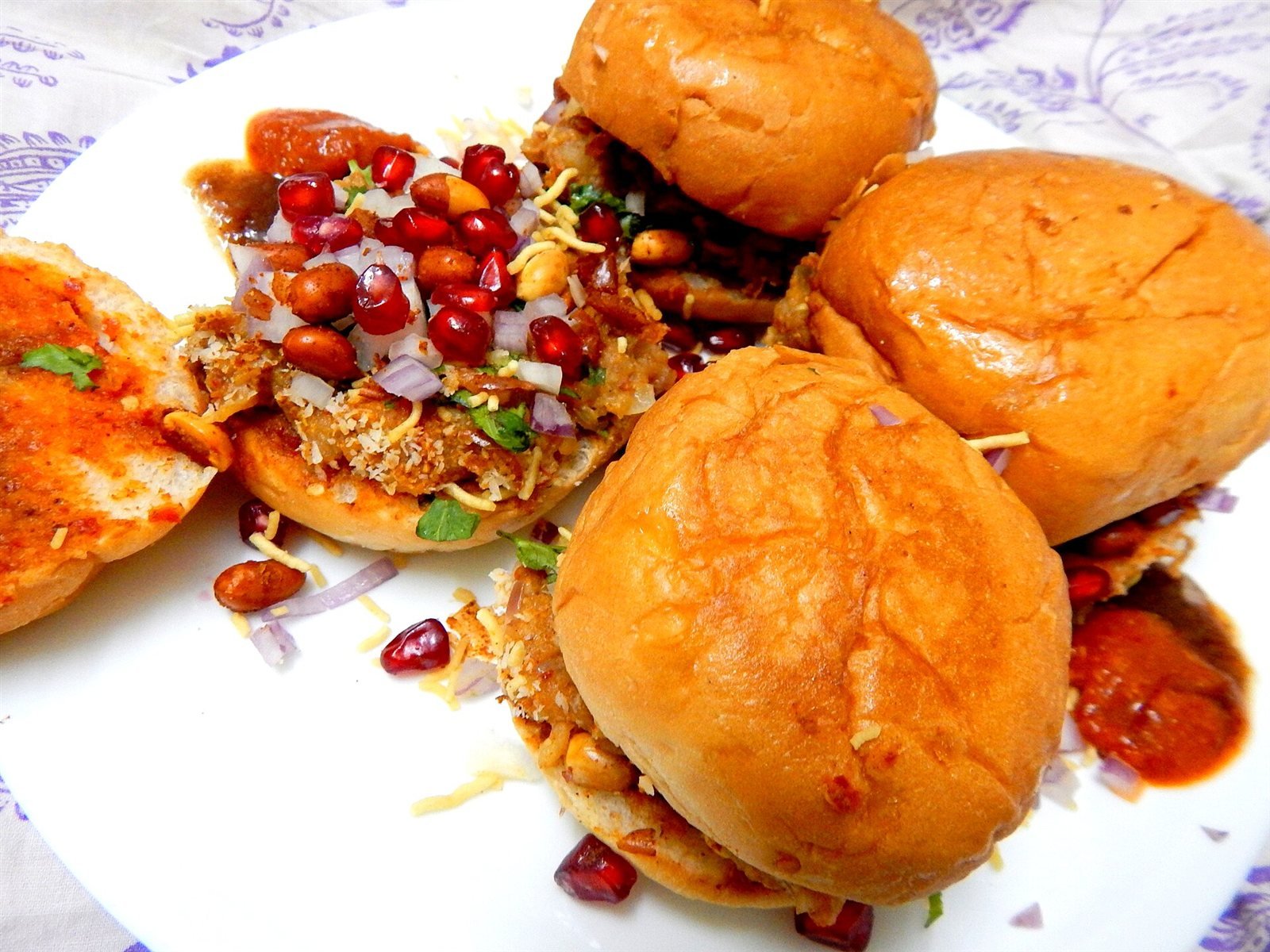
STREETSnacks for visitors.
Gujarati & tribal food; Kevadia food courts.
Rajpipla is the historic heart of Narmada district — for centuries the capital of the Rajpipla princely state, ruled by the Gohil Rajputs, and today a town rich in royal heritage. Its grandest legacy is a clutch of early-20th-century palaces built by the Maharajas, blending European and Indian styles: the imposing Vijay Palace, the elegant Indrajit-Padmini Mahal and others, set amid gardens and avenues.
Rajpipla, Narmada district.
Varies.
October to March; waterfalls after the monsoon.
The Statue of Unity, Sardar Sarovar Dam and Kevadia.
1–2 hours.
WATERA peaceful rural reservoir
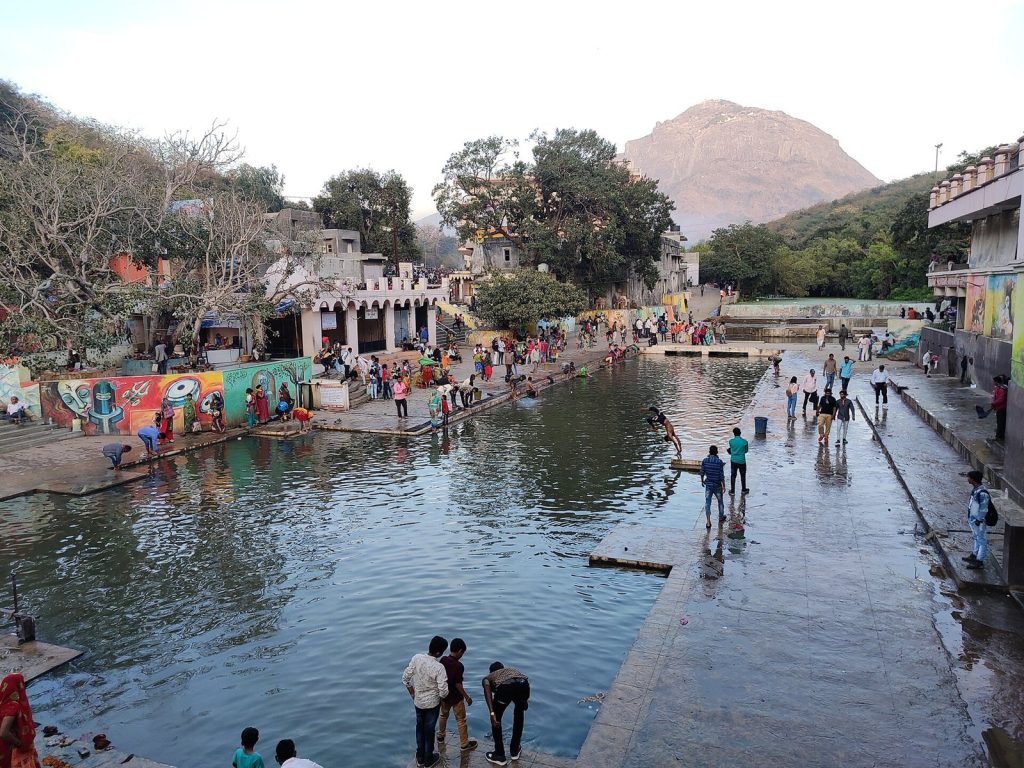
SACREDA holy bathing tank at the foot of Girnar
One of the world’s great private car collections — vintage Rolls-Royces, Bentleys and maharaja-era classics under…
LANDMARKA historic hanging bridge over the Machchhu
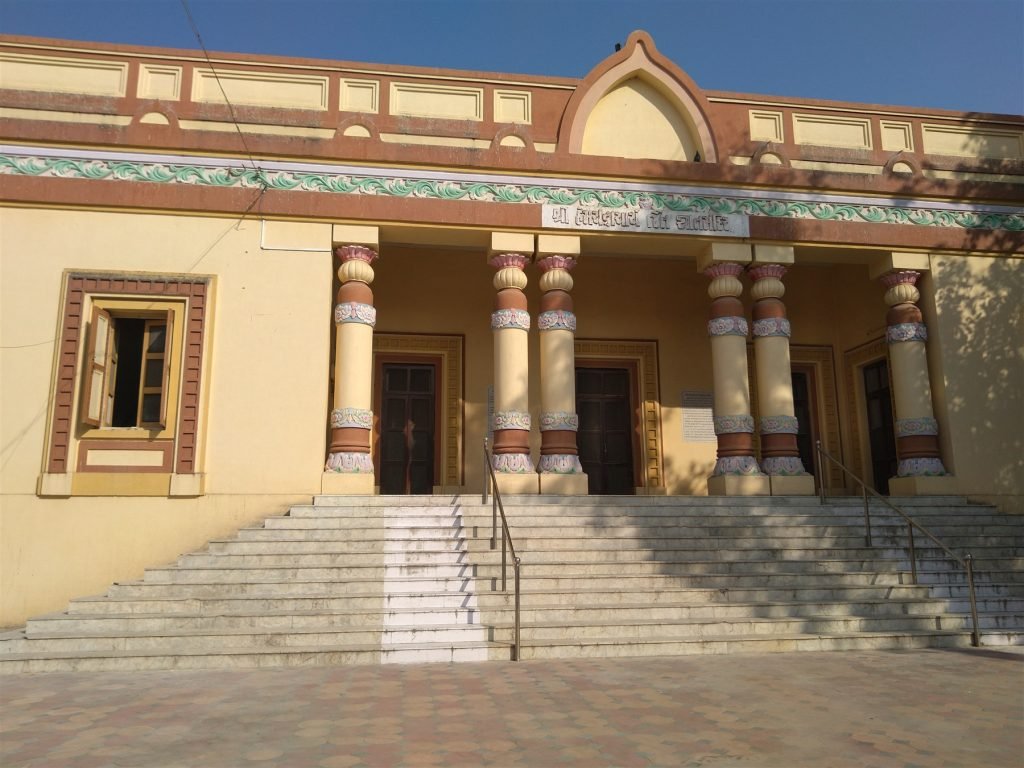
HERITAGEA treasury of ancient Jain manuscripts
TEMPLEThe mighty Hanuman temple of Salangpur
WHERE TO STAY
Compare live prices across the big booking sites and reserve in a few taps. Booking happens securely on the partner's site — we may earn a small commission at no extra cost to you.
Book directly on our partner sites — tap a provider to see live Gujarat hotels & prices:
SHOP THE REGION
Hand-picked crafts and trip gear, available on Amazon.
Published 24 June 2026 · Updated 24 August 2026
We’re an independent group of writers and travellers documenting every corner of Gujarat — one place, plate and festival at a time.
Search Gujarat Explorers
Find places, food, festivals and travel guides across Gujarat
Press Enter to search — or Esc to close
Plan Your Trip
Gujarat Explorers is an independent travel guide. We’re happy to help you shape an itinerary and point you to the right places, stays and experiences across Gujarat.
Book a Cab