Twenty kilometres inland from Bhavnagar, in a small town that was the capital of the Gohil Rajputs before they moved to the coast and founded Bhavnagar in 1723, there are workshops where men beat sheets of bell metal into bowls, plates and cooking vessels with hammers. The noise is the first thing you notice: a continuous, irregular, ringing clatter coming out of doorways along a lane.
Sihor is a metal town. Its craft is kansa — bell metal, an alloy of copper and tin — along with brass, worked into the traditional Indian vessels that have been used for cooking, eating and storage for centuries, and which are now enjoying a modest revival among urban buyers who have decided that non-stick coatings are a mistake. It is not a tourist destination in any sense, and it is one of the more interesting hours in Saurashtra.
What kansa is and why it matters
Bell metal — kansa in Gujarati and Hindi — is a bronze alloy of copper and tin, and it has been used in India for cooking and eating vessels, and for bells and gongs, for a very long time. It is valued for its ring, its durability, and in Ayurvedic tradition for properties attributed to eating from it. The working of it is a specialised skill: the alloy is cast or sheet-formed, then beaten, turned, filed and polished, and the shaping of a good thali or a deep vessel by hammer is genuinely difficult.
Sihor's metal workshops make exactly these things — thalis, bowls, tumblers, cooking pots, ladles and larger storage vessels — in kansa and in brass, and supply them to traders across Gujarat and beyond. Some workshops also do temple items and bells. The trade sits in a wider Gujarati metalworking geography that includes Jamnagar's brass industry to the west and the copper bell-makers of Nirona in Kutch, each with its own specialisation.
It has been a difficult century for all of it. Stainless steel, aluminium and non-stick cookware pushed traditional metal vessels out of ordinary kitchens from the mid-twentieth century, and the number of working artisan families across India fell sharply. What has helped recently is a revival of interest — driven partly by health claims about traditional metals, partly by design and heritage markets, partly by Indian urban consumers rediscovering their grandmothers' cookware — and Sihor has benefited from that.
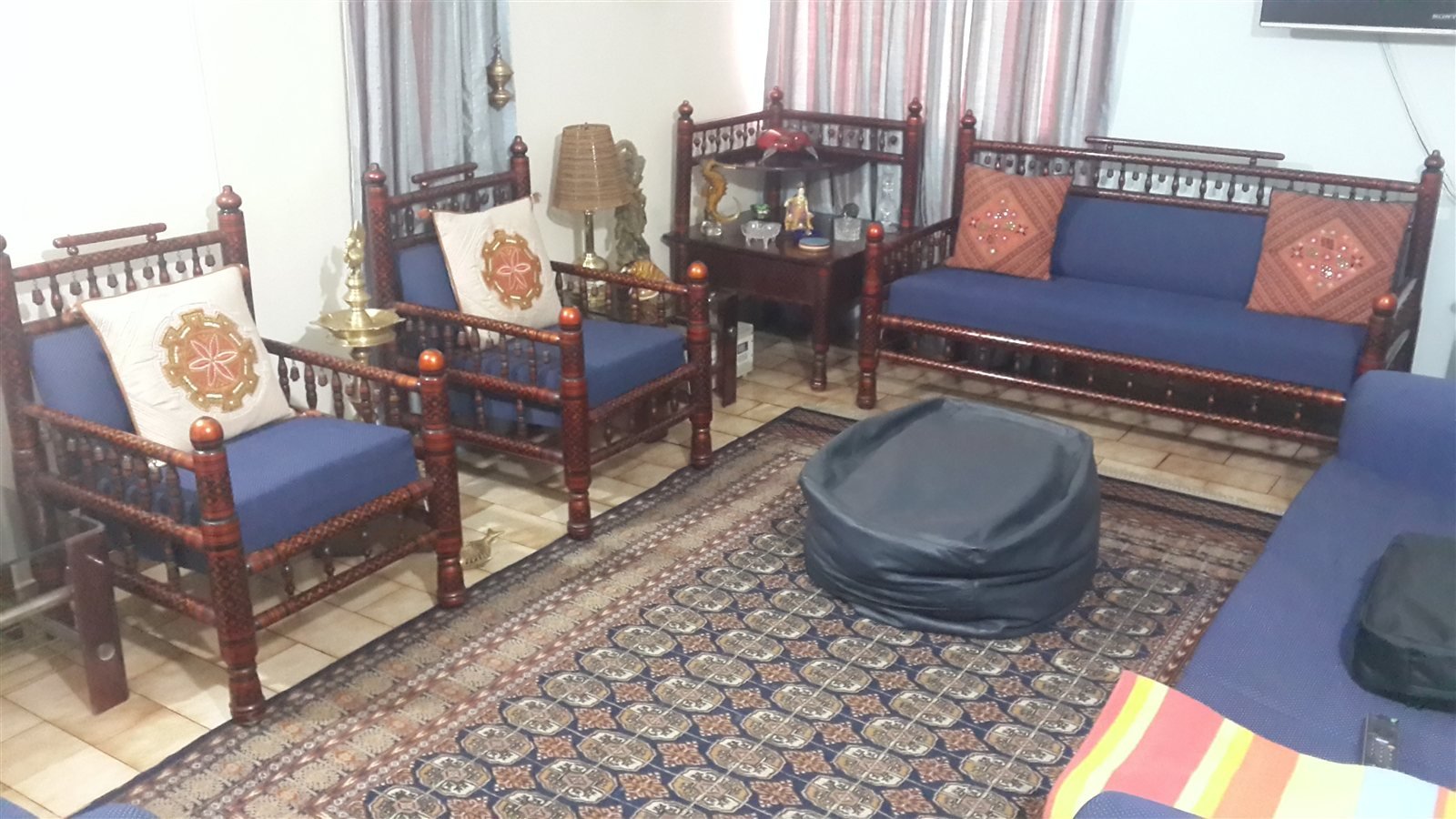
Kansa — bell metal — beaten into vessels in workshops that have been at it for generations.
Visiting the workshops
There is no visitor infrastructure at all: no craft centre, no demonstration workshop, no signposted trail. What there is, is a working metal quarter in a small town, and the way to see it is to go there, ask, and be polite. Most workshops will let you watch from the doorway or inside, some will explain what they are doing, and a good many are perfectly happy to sell directly. A few words of Gujarati or Hindi help enormously; a local guide or a driver who knows the town helps more.
No craft centre, no demonstration workshop — just a lane of doorways with hammering coming out of them
The usual courtesies matter more here than at a managed site. Ask before photographing anyone. Do not get in the way — these are people on piece rates working with hot metal and heavy hammers. Do not haggle hard; the margins are thin and the work is skilled. And if you want to buy, buy properly: a good kansa thali or bowl is a genuinely fine object, it will last for decades, and buying it in the workshop means the maker gets the money rather than a retailer three cities away.
A practical note on buying and using kansa: it tarnishes, and it needs periodic cleaning with tamarind, lemon or a traditional paste rather than harsh abrasives. Traditional advice is against storing very acidic food in it for long periods. Ask the workshop how to care for what you buy — they will tell you, and it is the sort of information that does not survive being repeated on the internet.
The rest of Sihor
Sihor was the Gohil seat before Bhavnagar, and there is a residue of that: a darbargadh, old buildings, gateways, and the general shape of a town that was once more important than it is. The most notable religious site is Gautameshwar Mahadev, a Shiva temple with an associated tank in a pleasant setting, and there is a Brahma Kund — a stepped tank — of some local standing. None of these are major monuments; collectively they make the town worth a walk after the workshops.
The surrounding country is unremarkable Saurashtra farmland, and Sihor's real value is as an add-on. It is twenty kilometres from Bhavnagar, which makes it a comfortable half-day, and it pairs naturally with anything else you are doing in the district — Victoria Park and Takhteshwar in the city, Palitana's temple hill, Velavadar's grasslands, Gopnath's cliffs, Alang's salvage market. For anyone interested in Gujarati craft specifically, it belongs on the same list as Bhujodi's weavers, Nirona's bell-makers and Patan's patola.
Practicalities
Sihor is about 20 km from Bhavnagar, twenty-five to thirty minutes by road, and Bhavnagar is the base — airport, railway station, full range of hotels including the Nilambag Palace. Sihor has a railway station on the Bhavnagar line and buses run frequently, so it is one of the more accessible craft towns in Gujarat if you do not have a car; an auto-rickshaw covers the town itself.
Go on a weekday morning, because that is when the workshops are working; Sundays and holidays will find them shut and the visit pointless. October to March is the comfortable season, as everywhere in Saurashtra. There is no reason to stay in Sihor and little accommodation worth using; Bhavnagar is half an hour away and has everything. Allow two to three hours: the metal lanes, Gautameshwar, a walk through the old town, and a purchase.
The wider metal geography of Gujarat
Sihor is one node in a metalworking map that covers most of the state, and seeing two or three of them together is far more interesting than seeing one. Jamnagar, on the other coast, is a major brass centre — an industrial cluster rather than an artisan one, turning out components and fittings at scale, with brass bazaars in the old town. Nirona in Kutch is the opposite extreme: a village where a handful of families make copper bells, tuned by hand and finished with a bronze coating, for cattle and now for buyers who hang them in doorways.
Add the silversmiths who work the Adivasi markets of eastern Gujarat, the temple bell and lamp makers, and the utensil traders of every district bazaar, and a picture emerges of a state where metalworking has been a serious economic activity for a very long time, organised by community and by town, each with a specialism. Sihor's contribution is kansa cookware. Once you have watched a thali being raised from a flat disc by hammer, the stacks of them in every Gujarati bazaar stop being background.
If you go
- Go on a weekday morning — the workshops are shut on Sundays and holidays and there is nothing to see.
- Ask before entering or photographing, stay out of the way of hot metal and hammers, and don't haggle hard.
- Buy directly from a workshop; a good kansa thali or bowl lasts decades and the maker keeps the money.
- Ask how to care for it — tamarind or lemon rather than harsh abrasives, and no long storage of very acidic food.
- Base in Bhavnagar half an hour away, and combine with Victoria Park, Palitana, Velavadar or Alang.
Sihor is a lane of doorways with hammering coming out of them, in a town that was a capital before Bhavnagar existed, and it has no visitor infrastructure whatsoever. That is the appeal. Go on a weekday morning, ask permission, watch bell metal being beaten into a thali by someone whose family has done it for generations, buy one properly and learn how to look after it. Then drive half an hour back to Bhavnagar for lunch.