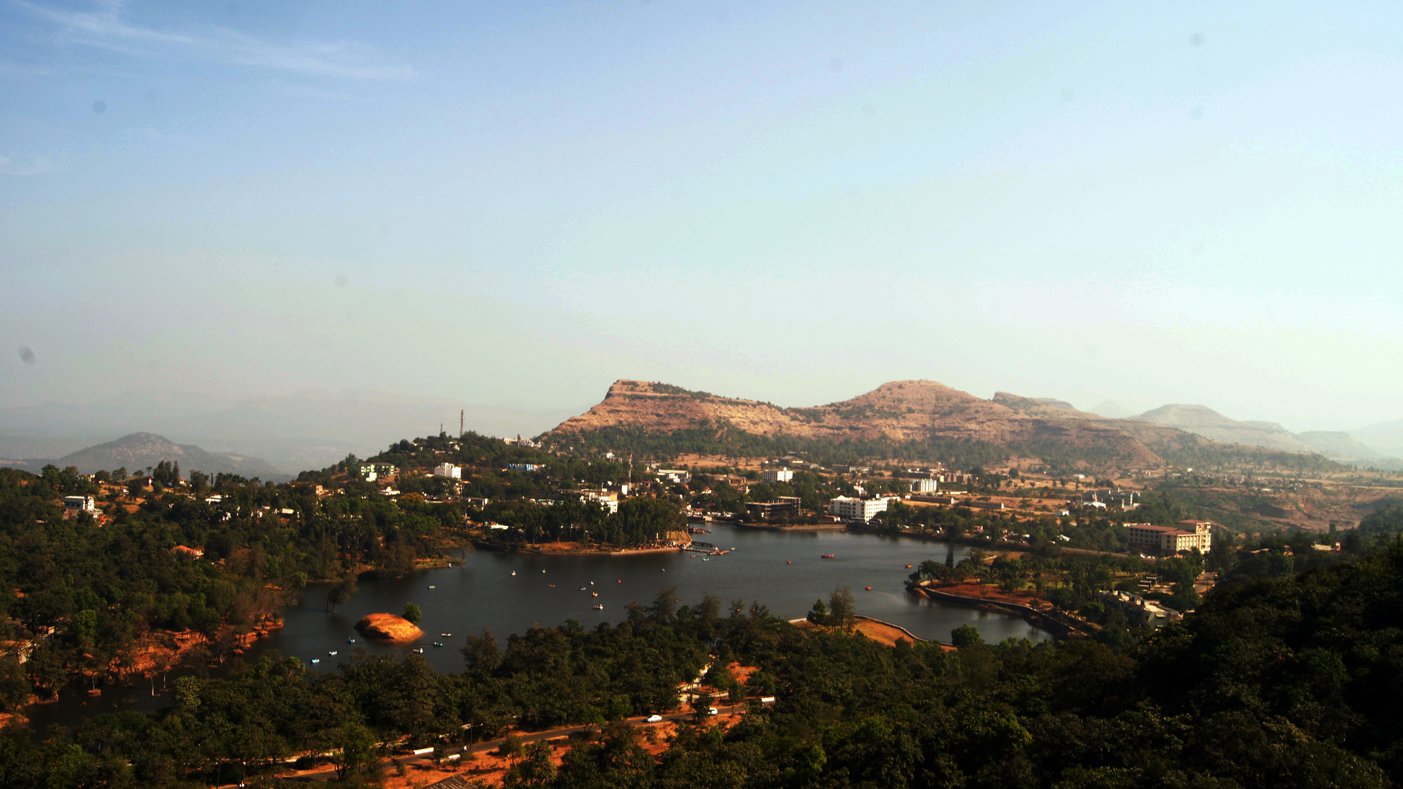
Everybody in India argues about mangoes, and the arguments follow geography. Uttar Pradesh will tell you about Dasheri and Langra. Bihar has Maldah. Andhra and Telangana have Banganapalli. Gujarat's own contribution to the canon is Gir Kesar, the saffron-fleshed mango of Saurashtra with its GI tag. But there is a second, quieter mango belt in the far south of the state, along the coast from Valsad up through Gandevi to Navsari, and what grows there is Alphonso.
This is the northern end of the same coastal Alphonso country that runs down through Dahanu and Palghar into the Konkan, and in a good year the fruit off these orchards is as good as anything in India. The season is short and specific — roughly April into June, peaking in May — and a trip timed to it turns south Gujarat from a district you drive through into a genuine destination.
Why this coast grows Alphonso
Alphonso is a fussy tree and it wants particular conditions: warm humid coastal air, laterite or well-drained soils, a dry spell at flowering, and no unseasonal rain while the fruit is on the tree. The narrow coastal strip of Valsad and Navsari districts provides that, which is why the belt runs the way it does — parallel to the sea, hemmed in between the coast and the hills, continuing south across the Maharashtra border into the Konkan where Ratnagiri and Devgad Alphonso are famous.
The tree came into the region historically along the west coast, and the name itself is a Portuguese inheritance — from Afonso de Albuquerque, by the usual account — which tells you something about the routes fruit varieties travelled. Grafting and orchard cultivation spread it along this littoral, and by the twentieth century Valsad and Gandevi had substantial commercial orchards supplying Bombay and beyond, helped enormously by sitting directly on the main railway line north from Bombay.
The other fruit of this belt is chikoo, the sapota, grown in quantity around Gholvad and the Valsad coast and much less celebrated than it should be. Chikoo season runs largely through the cooler months, which usefully gives the district a second fruit calendar. Coconut, banana and sugarcane fill out the agricultural landscape, and the whole strip is green and dense in a way that the rest of Gujarat is not.
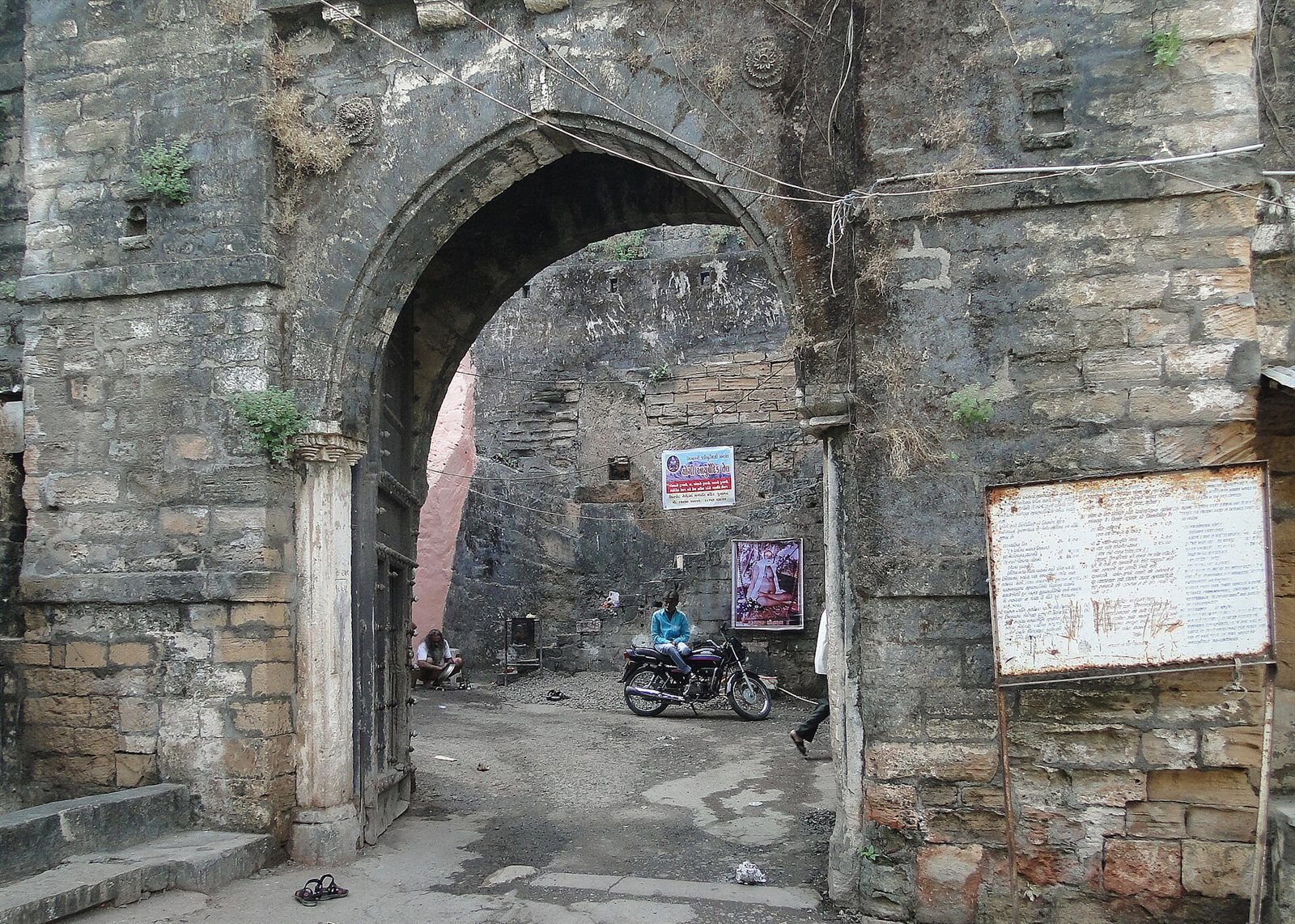
Alphonso country: the coastal belt from Valsad through Gandevi to Navsari.
Timing a mango trip, and buying properly
The window is the whole thing. Flowering happens in the cool months, the fruit sets and swells through the spring, and harvesting runs roughly from April into June with May the reliable peak. Come in March and there is nothing ripe; come in July and the season is over and the monsoon has arrived. Within the season, timing also varies year to year with the weather — an unseasonal spell of rain or an unusually warm winter can shift or damage the crop, and growers will tell you frankly whether it has been a good year.
Come in March and nothing is ripe; come in July and it is over. Alphonso gives you about six weeks, and May is the middle of them
Buying is where visitors go wrong. The good fruit does not generally reach roadside stalls; it is graded and boxed for wholesale markets and increasingly sold direct by growers, often on order well before the season. The way to eat properly here is to go to a farm — a number of orchards in the Valsad, Gandevi and Navsari belt receive visitors, sell direct and will let you see the packing — or to buy from an established local dealer rather than from whoever is selling by the highway.
Two things to know. First, carbide ripening is illegal and still occurs; fruit that is uniformly yellow, hard and scentless has probably been forced, and naturally ripened Alphonso is fragrant, gives slightly to the thumb and is unevenly coloured. Second, mangoes travel badly. If you are buying a box to take home, buy it slightly under-ripe, keep it out of the refrigerator until ripe, and do not expect it to survive a week of Indian summer in a car boot.
What to do with a mango day
A farm visit is the core of it. Several growers in the belt have opened up to visitors over the last decade, with orchard walks, tastings, an explanation of grading and packing, and direct sales; some offer meals and a few offer farm stays. This is not a slick agri-tourism industry — arrangements are informal and vary year to year — so the practical approach is to ask locally, ask your hotel, or contact growers ahead of your dates. Weekends in May are the busiest.
Around it, build the rest of a south Gujarat itinerary. Tithal beach is 5 km from Valsad with hotels on the sand. Wilson Hills above Dharampur, about 50 km inland, has viewpoints and the excellent Lady Wilson Museum. Dandi, where the Salt March ended, is up the coast near Navsari, and Navsari itself has the Parsi quarter and the manuscript library. Udvada, holding the Iranshah fire, is on the coast to the south. That is a comfortable three or four days, with mangoes as the reason for the timing.
Practicalities, and the heat
Access is easy. Valsad is on the main Mumbai–Delhi railway line with frequent expresses, roughly 200 km from Mumbai and 90 km from Surat, and Navsari, Bilimora and Vapi are all on the same line. Surat has the nearest airport. Within the district a car is useful for orchards and for Wilson Hills, but the coastal towns are all rail-accessible.
The unavoidable catch is the weather. Mango season is the hot season, and May in south Gujarat is hot and humid — this is not the November-to-February climate that the rest of Gujarat travel is planned around. Accept it, structure your days around early mornings and evenings, stay somewhere with air conditioning, and use the middle of the day for indoor things or for sitting under a fan eating mangoes, which is after all the point. Accommodation is available at Tithal beach, in Valsad and Vapi, and at a few farm stays; book ahead for May weekends.
If you go
- Come in May. The season runs roughly April to June and May is the reliable peak; March and July are wasted trips.
- Buy from a farm or an established local dealer, not a highway stall — the graded fruit does not reach the roadside.
- Learn to spot forced ripening: naturally ripened Alphonso is fragrant, uneven in colour and gives slightly to the thumb.
- Contact growers ahead of your dates; orchard visits here are informal and arrangements vary year to year.
- Plan around the heat — early mornings and evenings, air conditioning at night — and add Tithal beach and Wilson Hills.
Valsad is the reason to break the rule about visiting Gujarat in winter. For about six weeks from April into June the coastal belt from Valsad through Gandevi to Navsari produces Alphonso as good as anywhere in India, and the way to eat it is to go to an orchard, watch the grading, buy direct and then sit somewhere cool with a plate and a spoon. Come in May, accept the heat, and put Tithal beach and Wilson Hills either side of it.