
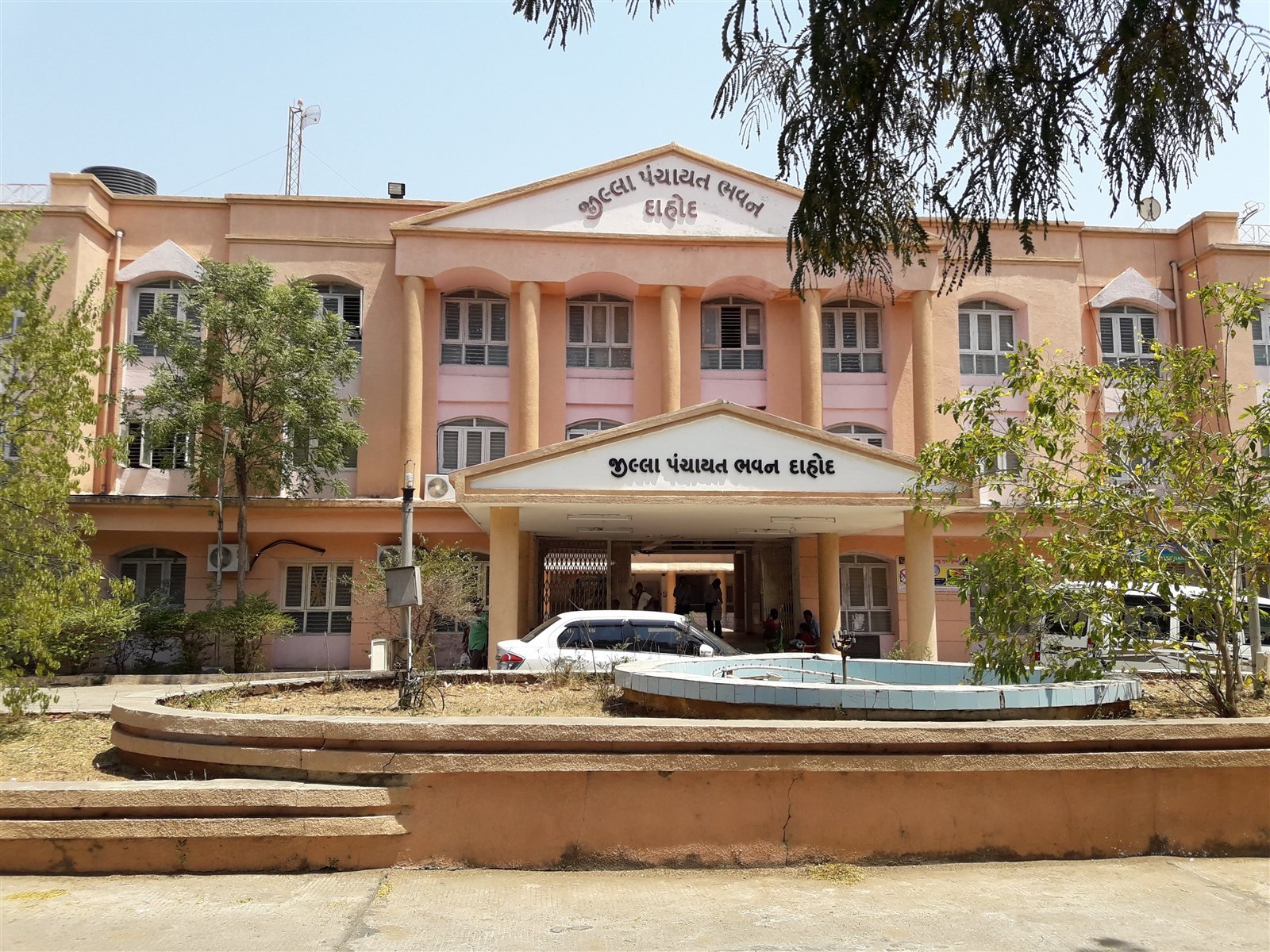
Dahod Town
A historic town on the old highway east — Dahod, a busy junction town in the far east of Gujarat near the Madhya Pradesh border, carries layers of history from the Mughal era to the railway age, its bazaars, old quarters and tribal-market character making it the lively gateway to the district.
The historic eastern gateway town
Dahod is the principal town and administrative headquarters of the district — a busy, historic junction settlement in the far east of Gujarat, close to the border with Madhya Pradesh, that has long been a meeting point of routes, communities and cultures.
The town carries a notable layer of Mughal-era history: it is traditionally identified as the birthplace of the Mughal emperor Aurangzeb, born here in 1618 while his father Shah Jahan was governing the region — a connection that places Dahod on the map of imperial Indian history. The old quarters of the town retain traces of this past alongside the more recent layers of the colonial railway age, when Dahod became an important junction on the Mumbai–Delhi line.
Today Dahod is a lively, growing town with busy bazaars, a strong tribal-market character (the surrounding district is heavily Adivasi), and the everyday energy of a regional centre. It serves as the natural base and gateway for exploring the district — Ratanmahal, Devgadh Baria, the rivers and the tribal country. For the visitor, Dahod offers the experience of a working eastern Gujarat town — its bazaars, its history, its mix of communities, and its role as the hub of a fascinating tribal district.
An imperial birthplace that became a junction
Dahod town.
Traditionally Aurangzeb's birthplace, born here while Shah Jahan governed the region.
A regional administrative centre under the Mughals.
A junction on the trunk line, an important stop on the Mumbai–Delhi railway.
The district's lively hub — busy bazaars and the gateway to the tribal country.
Reasons to make the time
History
Mughal-era roots.
Junction
Major rail hub.
Bazaars
Lively markets.
Gateway
Base for the district.
Communities
A tribal-market town.
Food
Regional flavours.
What to look for inside
Dahod
Historic junction.
Markets
Tribal-market town.
How to spend an hour or two
Walk the bazaars
The town's energy.
Explore the old quarters
Traces of the past.
Learn the history
Aurangzeb's birthplace.
Use it as a base
For the district.
Eat at local spots
Regional food.
Watch the market days
Tribal trade.
A working eastern Gujarat town
Dahod is a layered town — Mughal-era history (traditionally the birthplace of Aurangzeb in 1618), colonial railway-age importance as a junction on the Mumbai–Delhi line, and a contemporary character as the lively, tribal-market hub of an Adivasi district. The bazaars and old quarters are the heart of the town. (A working town and transport hub; the bazaars are the highlight; use it as a base.)
This is one of many places worth seeing here — the full guide to Dahod has the rest.
Traditionally the birthplace of Emperor Aurangzeb (1618)
Major junction on the Mumbai–Delhi rail line
Lively bazaars with a tribal-market character
The natural base and gateway for the district
When to go
Cool and clear — the best season.
Forests and falls at their best.
Hot; early morning best.
⏰ Winter is the most comfortable season across Dahod district.
Getting there
By Air
Vadodara (~155 km) or Indore.
By Rail
Dahod Junction — major station.
By Road
NH-47; buses from Godhra.
Know before you go
More to see close by
 6
6Tribal Haats
Colourful weekly markets of the Bhil belt
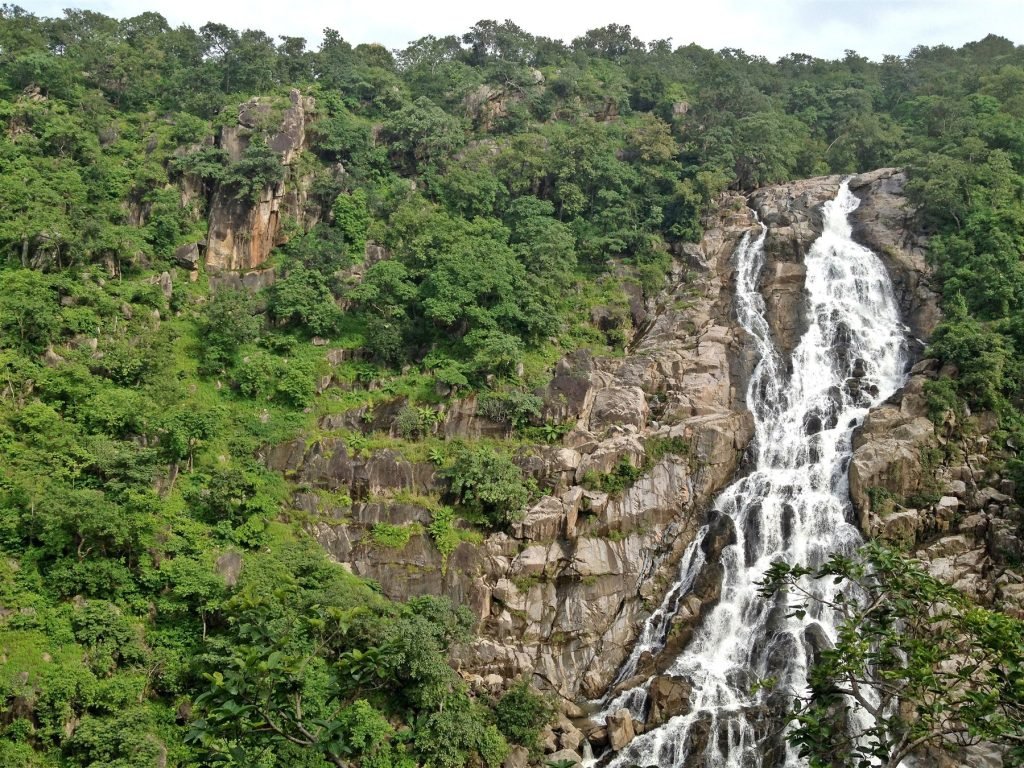 2
2Machan Eco-Camp
Sleep among the teak and bamboo of the highlands
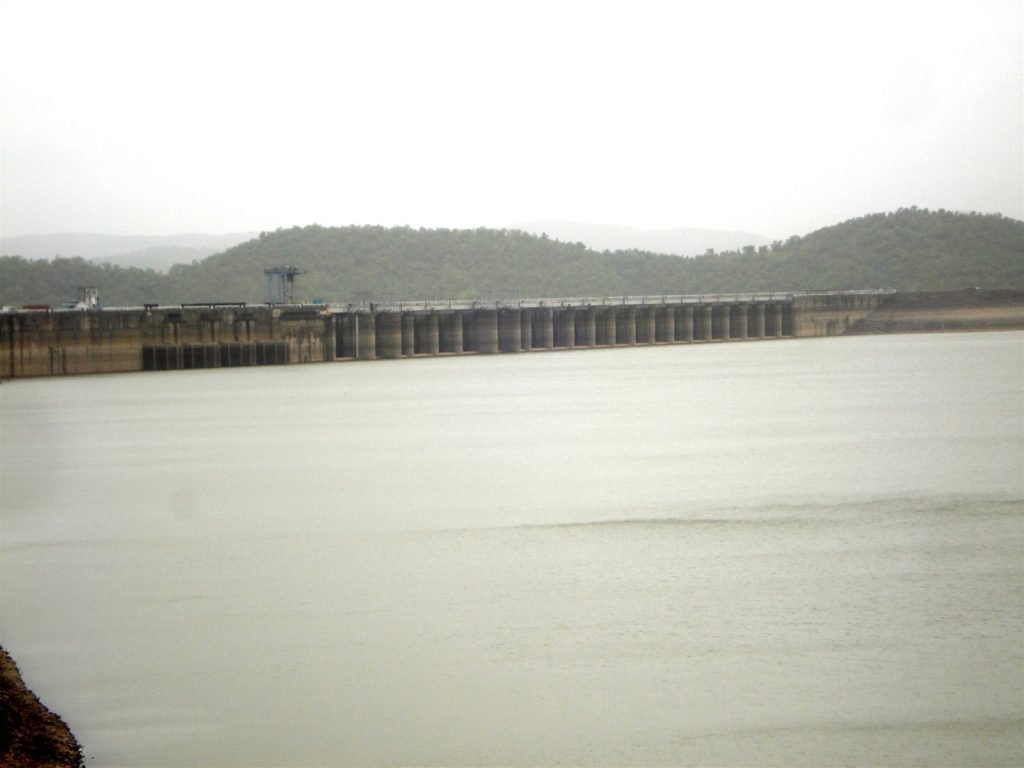 WATER
WATERKali Talavadi
A peaceful rural reservoir
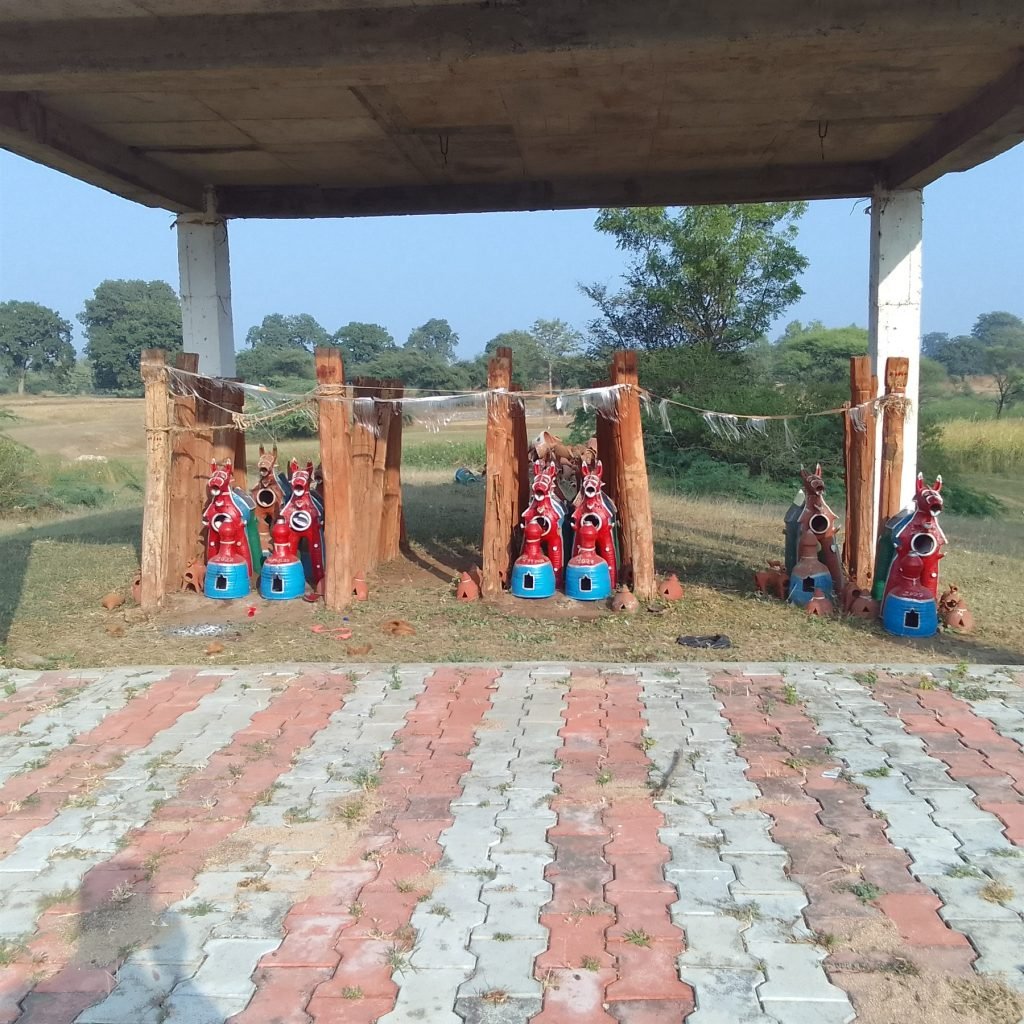 VILLAGES
Garbada Tribal Belt
Living Bhil tribal hamlets

Chhab Lake Shrines
Lakeside temples in Dahod
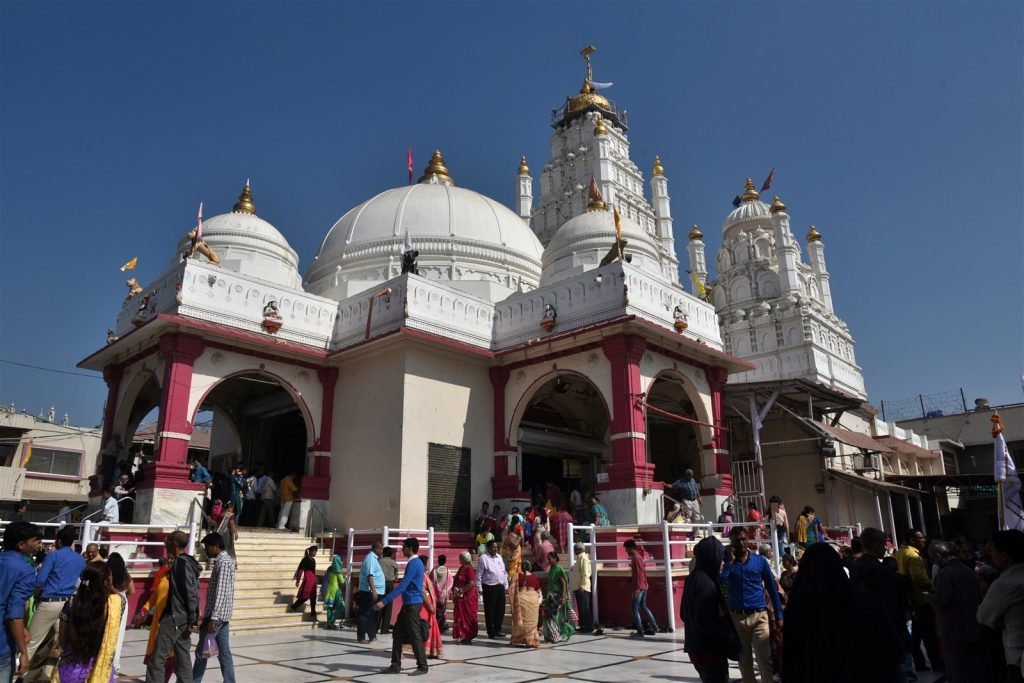
Kedareshwar Mahadev
A revered old Shiva temple near Dahod
Where to eat near Dahod Town
Gujarati Thali
Comfort home cooking.
Tribal food
Forest produce & maize.
Makai
The maize staple.
Dal-bati
A rustic favourite.
What to eat
Hearty regional and tribal cooking — Gujarati thalis, maize staples and rustic dal-bati.
Dahod Town FAQ
What is Dahod known for?
Its history, junction status and tribal-market character.
Is it really Aurangzeb's birthplace?
Yes — traditionally identified as such, born here in 1618.
What can I do there?
Explore the bazaars and old quarters; use it as a base.
How do I reach Dahod?
By rail — it is a major junction — or road via NH-47.
Is it a tourist town?
No — a working regional hub; the appeal is authentic.
What is nearby?
Ratanmahal, Devgadh Baria and the tribal country.
Related places across Gujarat
 HERITAGE
Kheda Satyagraha Memorial
Site of Gandhi’s 1918 farmer revolt
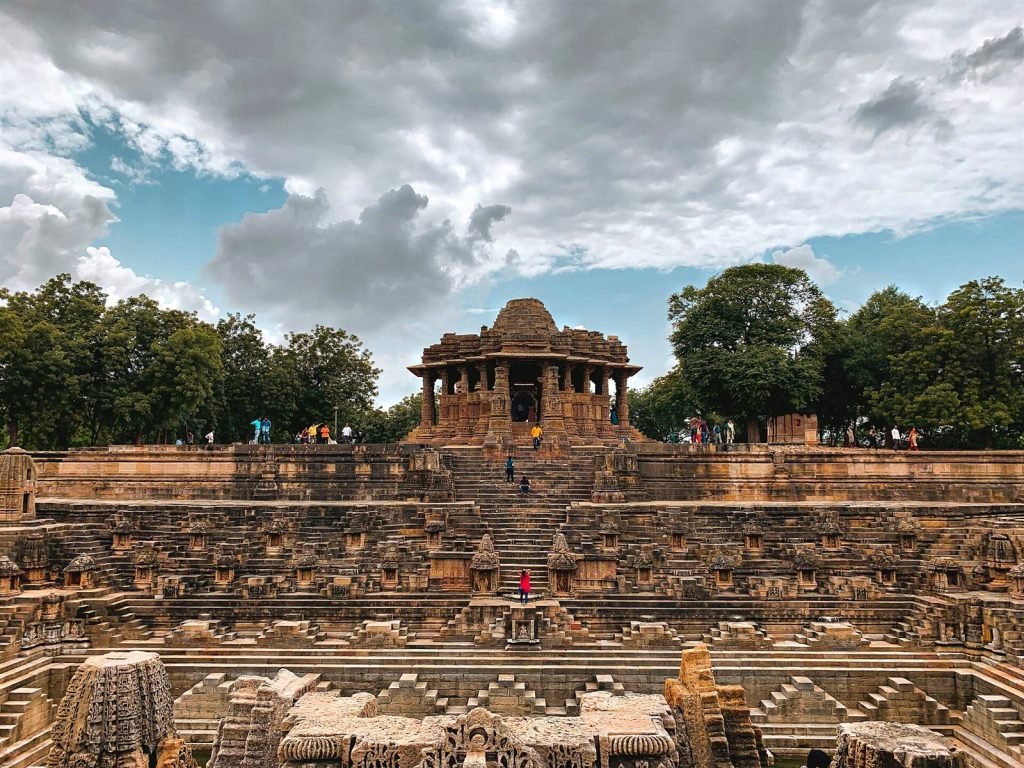
Modhera by Night
◐ The January light show
 WILDERNESS
Aliabet
A remote estuary island alive with migratory birds
 PILGRIM
Shuklatirth
Shukleshwar Mahadev on the riverbank
 TEMPLE
Ranakdevi Temple
An old shrine in royal Wadhwan
 SACRED
Navsari Atash Behram
One of India’s holiest Parsi fires
WHERE TO STAY
Find your stay in Gujarat
Compare live prices across the big booking sites and reserve in a few taps. Booking happens securely on the partner's site — we may earn a small commission at no extra cost to you.
Book directly on our partner sites — tap a provider to see live Gujarat hotels & prices:
SHOP THE REGION
Bring home Gujarat — & travel essentials
Hand-picked crafts and trip gear, available on Amazon.
Published 24 June 2026 · Updated 24 August 2026
We’re an independent group of writers and travellers documenting every corner of Gujarat — one place, plate and festival at a time.