
An island at the Narmada's mouth
Aliabet is a large, flat estuarine island lying at the mouth of the Narmada, where Gujarat’s holiest river finally empties into the Gulf of Khambhat below Bharuch. It is a remote, windswept world of mudflats, tidal creeks, fishing and big skies — one of the least-visited corners of the Bharuch coast.
The island sits at the meeting of river and sea, and its character is shaped by the tides: vast mudflats exposed at low water, channels threading through, and the comings and goings of fishing boats. The estuary is rich in birdlife, drawing waders, gulls and migratory waterbirds, especially in winter, and the wide, empty horizons have a stark beauty.
Aliabet has also figured in the region’s modern story as a site of oil and gas exploration in the Narmada estuary, but for the visitor its appeal is the raw estuarine landscape — the river’s grand finale, the tides, the birds and the fishing life at the very edge of the land. For the traveller drawn to wild, off-the-map coastal places, Aliabet offers a remote estuary experience at the mouth of the Narmada — best in the cool, clear months of winter.
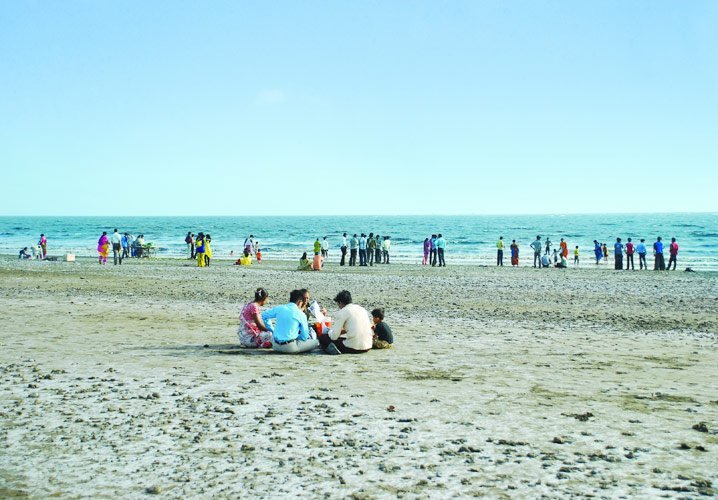
Narmada estuary coast. Source: Wikimedia Commons.
An island shaped by river, tide and oil
Narmada estuary. Wikimedia Commons.
Aliabet sits at the point where the Narmada finishes its journey across India and empties into the Gulf of Khambhat, a few kilometres below Bharuch.
Fishing is the island's livelihood — the creeks and the estuary shallows are worked by small boats from the settlements along the shore.
The estuary carries oil and gas infrastructure, and the installations offshore are part of the view from the island's edge.
It has stayed a genuinely wild coastal edge — flat, windswept and almost entirely undeveloped for visitors.
Reasons to make the time
Estuary
This is where one of India's most sacred rivers finally reaches the sea, which gives the place its significance beyond the scenery.
Birdlife
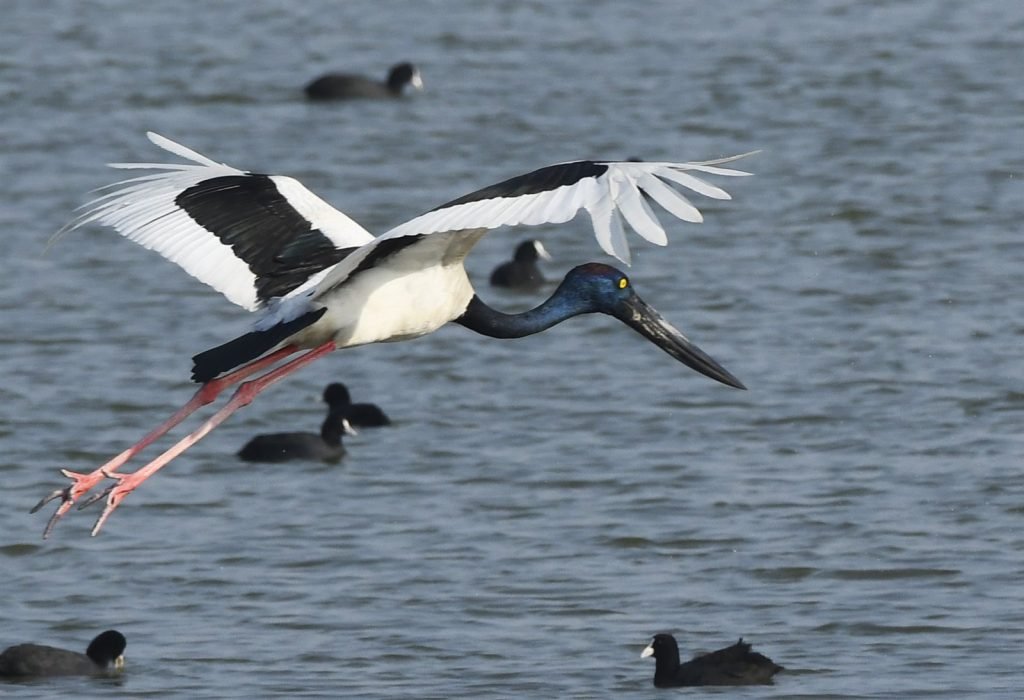
Waders work the mudflats in numbers, and the estuary pulls in migratory birds through the winter months.
Island
The island is flat, low and remote, with big skies and very little on it — that emptiness is the whole character.
Fishing
Fishing families work the creeks, and their boats and nets are most of the human presence here.
Horizons
The horizon runs unbroken in every direction, which is unusual even on the Gujarat coast.
Off the map
Almost nobody comes. There is no infrastructure, no signage and no facilities of any kind.
What to look for inside
 THE ISLAND
Aliabet
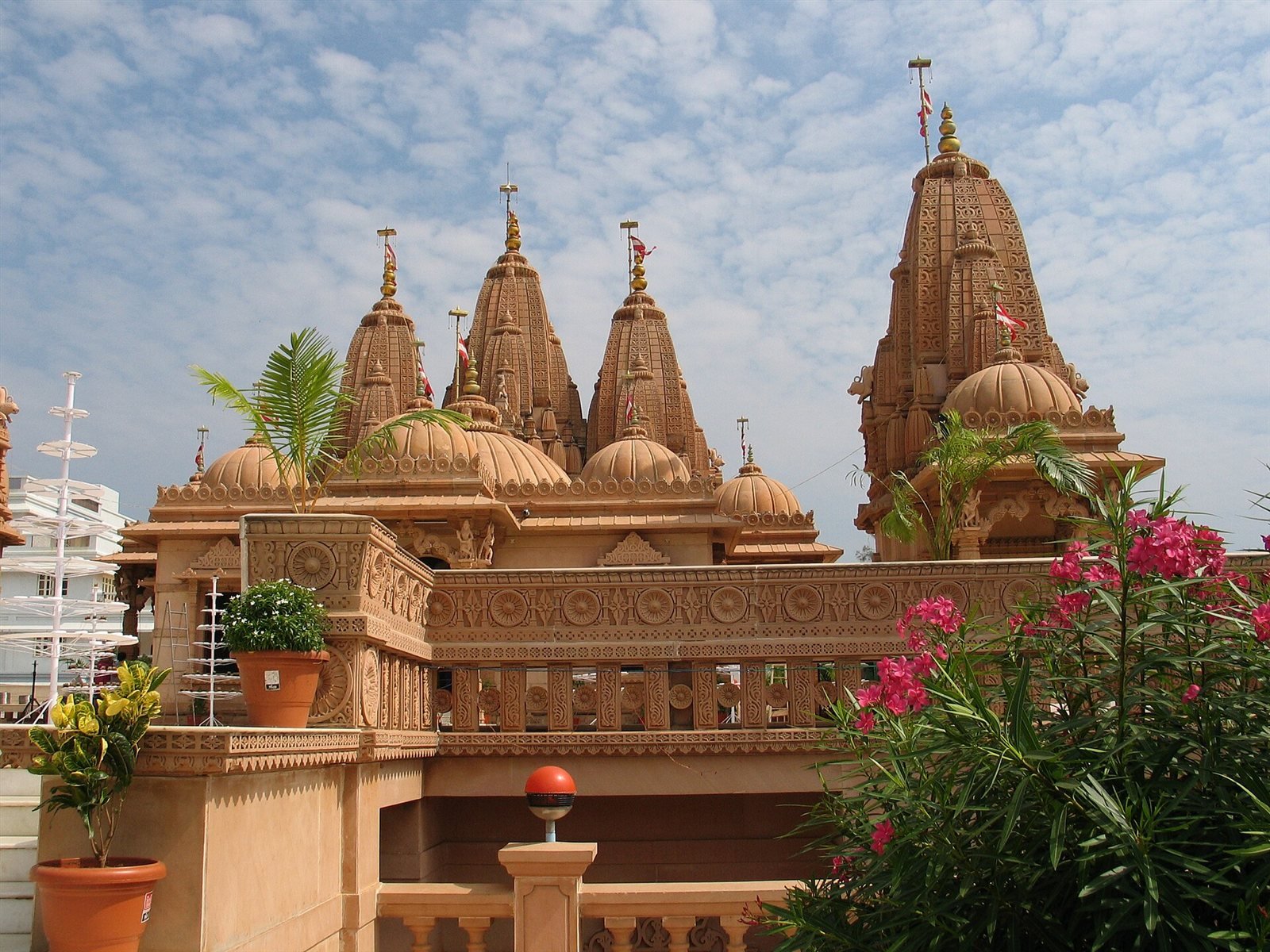
Estuarine mudflats and tidal creeks at the Narmada's mouth.
 THE RIVER
Narmada
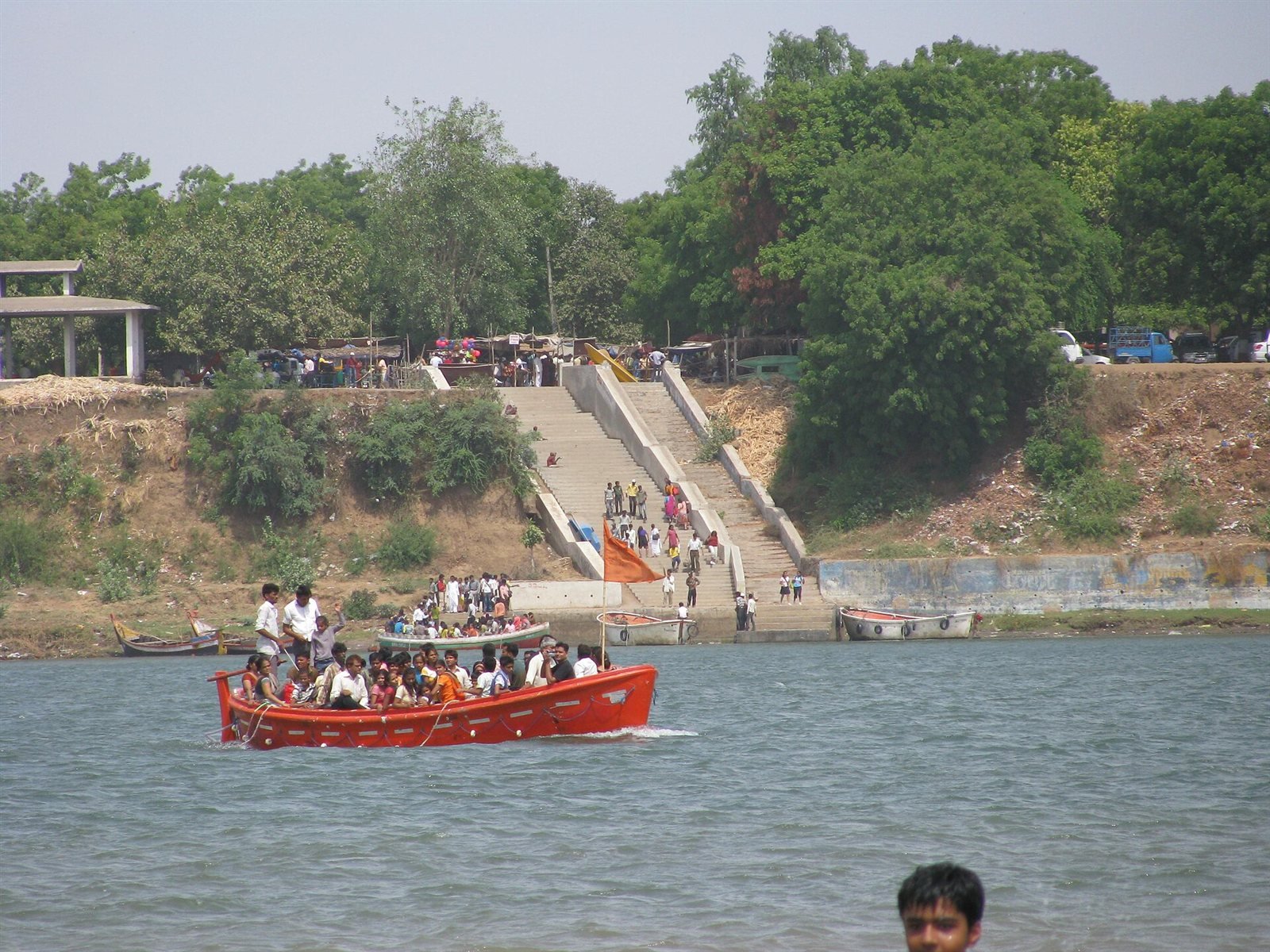
The Narmada completing its course into the Gulf of Khambhat.
How to spend an hour or two
See the estuary
Go out to the point where the river meets the gulf — that confluence is the reason to make the trip.
Watch the birdlife
Bring binoculars. The waders and winter migrants on these flats are the island's real draw.
Experience the tides
Walk the mudflats at low tide, when they run out a long way and the birds concentrate on them.
Watch the fishing
Watch the fishing boats working the creeks, which is how the island still makes its living.
Take in the horizons
Come at dawn or dusk for the light; the flatness makes both ends of the day exceptional here.
Visit in winter
Plan the logistics carefully — access depends on tides and local boats, and there is nothing on the island.
Narmada estuary. Wikimedia Commons.
A Narmada-mouth island
Aliabet is a flat estuarine island at the mouth of the Narmada, where the river empties into the Gulf of Khambhat — a remote world of mudflats, tidal creeks, fishing and rich birdlife, especially in winter. Long a site of estuary oil-and-gas exploration, its appeal for the visitor is the raw, windswept landscape of the river’s grand finale. (A remote estuary island; reach with local arrangement from the Bharuch/Hansot coast; best in winter; basic facilities.)
Planning more of the area? Our Bharuch guide covers the whole district.
A large island at the mouth of the Narmada
Mudflats, tidal creeks and rich estuary birdlife
Where the holy river meets the Gulf of Khambhat
A remote, wild, little-visited coastal edge
When to go
Cool, clear, best birding.
River in spate.
Hot and hazy.
⏰ Winter is best — cool weather and peak estuary birdlife.
Getting there
By Air
Vadodara/Surat (~90 km).
By Rail
Bharuch Junction.
By Road
To the Hansot coast, then boat.
Know before you go
More to see close by

Broach Clock Tower
Time in old Broach — the historic clock tower of Bharuch, a British-era civic landmark that…
 LANDMARK
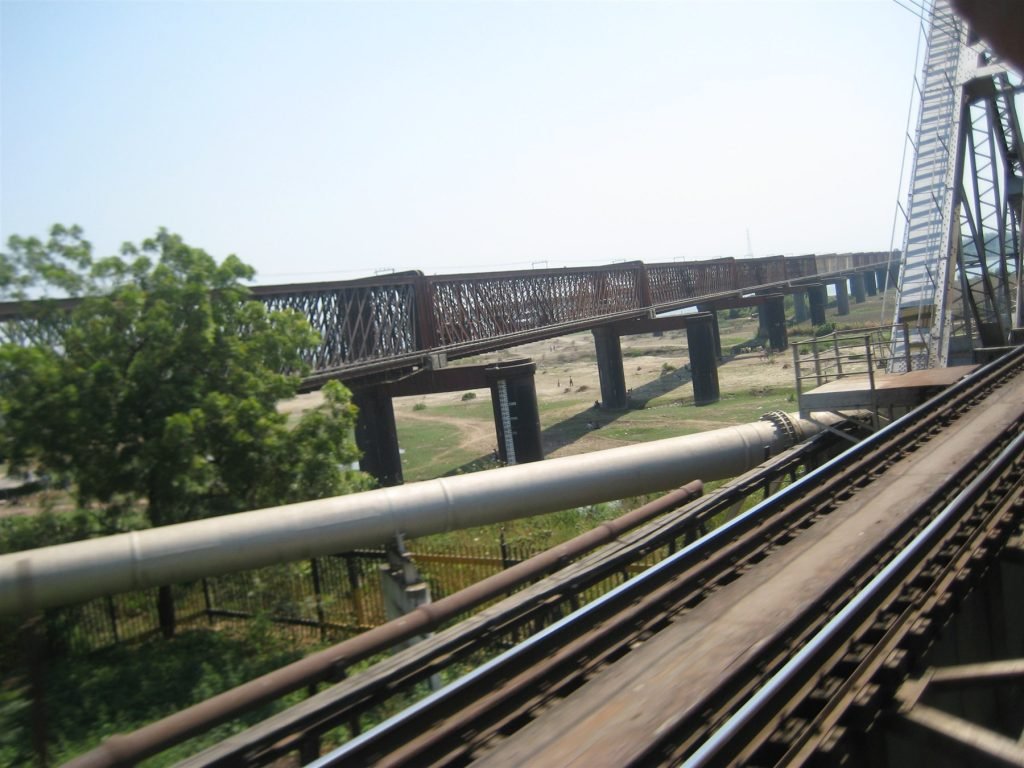
Golden Bridge
The grand colonial-era Narmada crossing
 LANDMARK
Sardar Bridge
The modern span over the Narmada
 ESTUARY
Narmada Mouth
Where the sacred river meets the Gulf of Khambhat
Shukleshwar Mahadev
The ancient Shiva temple at Shuklatirth
 INDUSTRY
Ankleshwar
Gujarat’s storied industrial hub
Where to eat near Aliabet
Sukhdi
Wheat-jaggery sweet.
Khaman
Soft steamed snack.
Coastal catch
Fresh estuary fish.
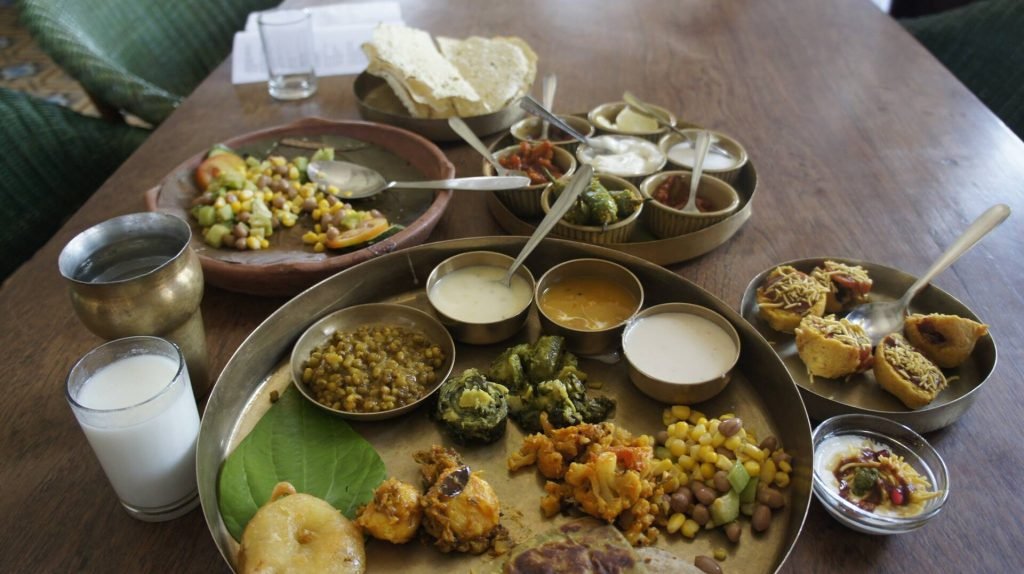
Gujarati Thali
Comfort cooking.
Coastal & Gujarati
Expect simple Gujarati fare and fresh estuary seafood near the coast.
Aliabet FAQ
What is Aliabet?
A large estuary island at the mouth of the Narmada in Bharuch district.
What is it known for?
Mudflats, tidal creeks, fishing and rich winter birdlife.
How do I reach it?
With local boat arrangement from the Bharuch/Hansot coast.
Best time to visit?
Winter — cool, clear and best for birds.
Is it developed?
No — a remote, wild estuarine island.
What is nearby?
Kabirvad, the Golden Bridge and the Narmada ghats.
Related places across Gujarat
 WATERFALL
Gira & Girmal
Gujarat’s mightiest cascades, in full monsoon roar
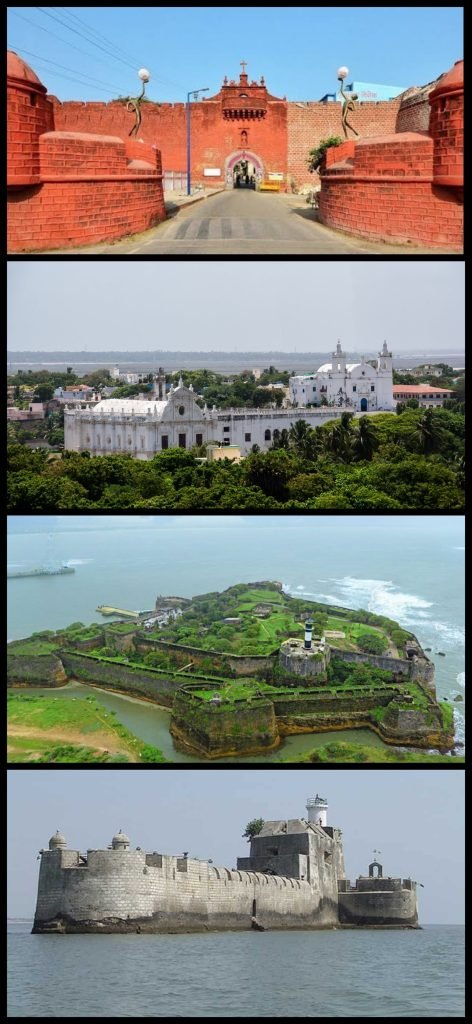
Khambhat Port
Khambhat Port sits at the head of the gulf that shares its name, and for centuries…
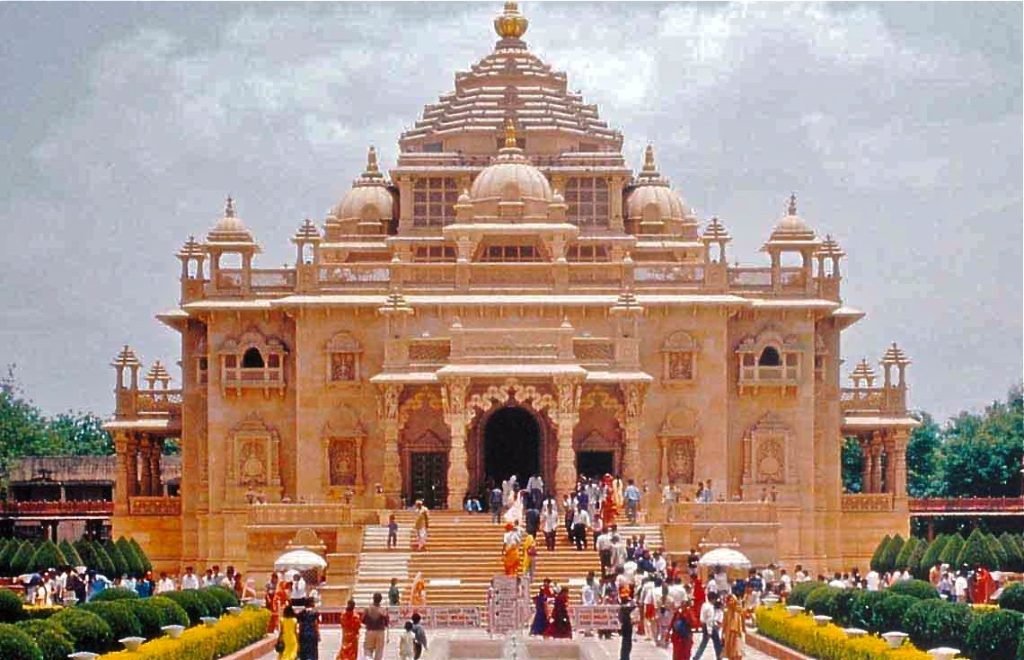
ISKCON & Akshardham
Major Vaishnav & modern temple complexes
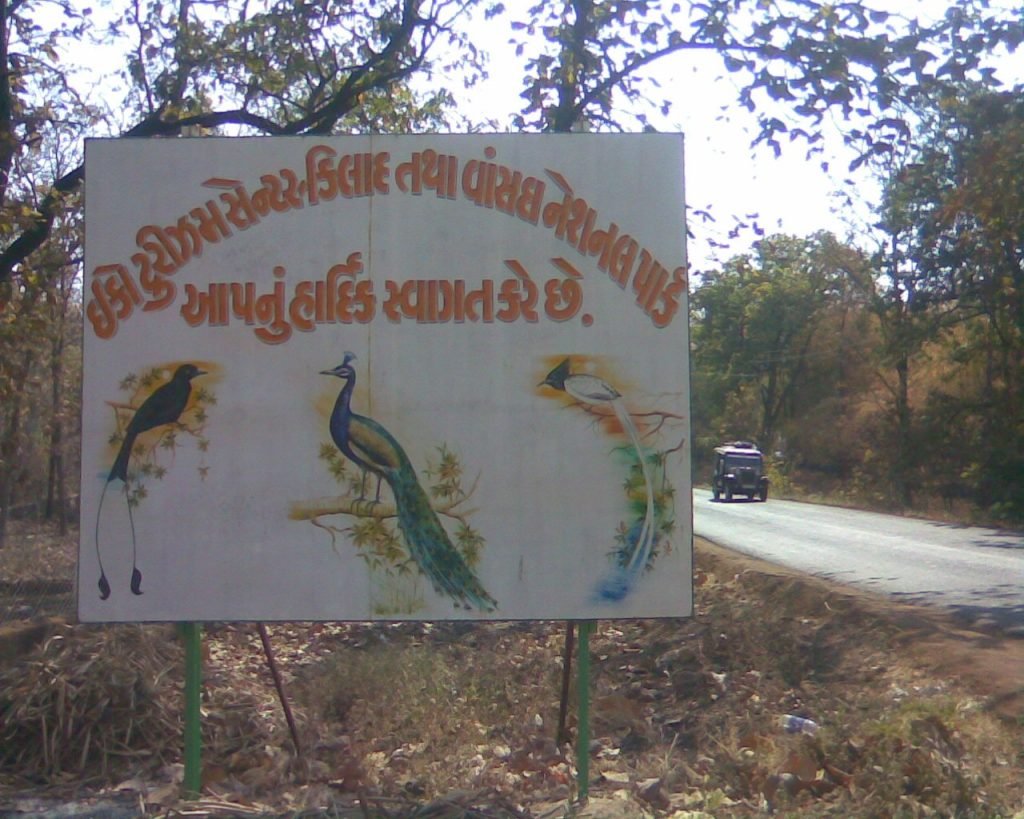 2
2Vansda Night Safari
Spot leopards & owls in the deep teak woods
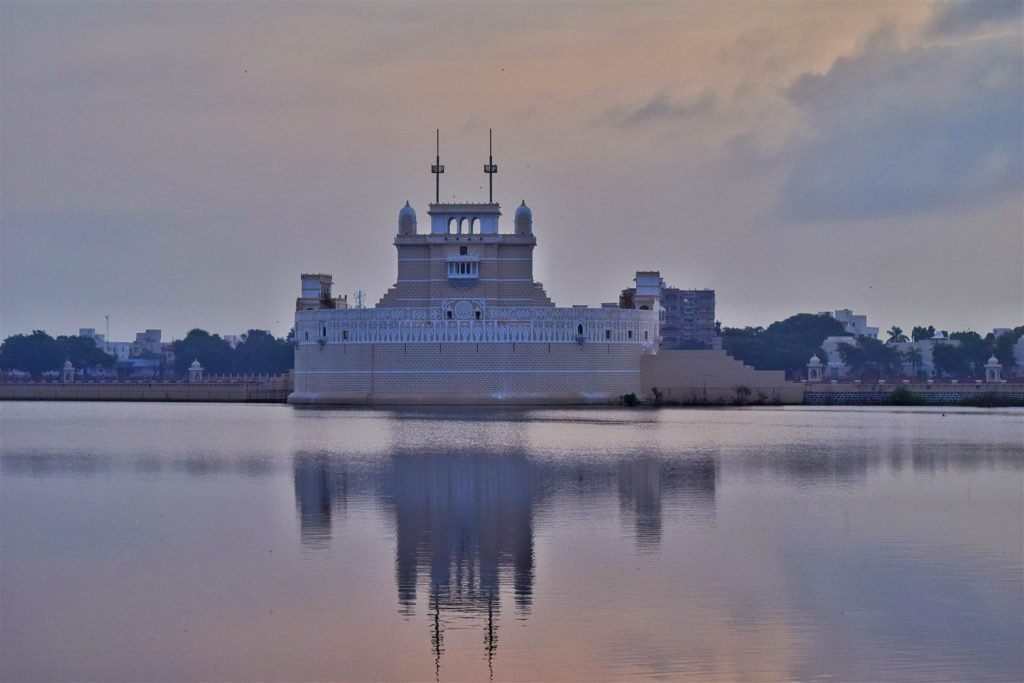 FORT
FORTLakhota Lake & Palace
An island fort-museum in the middle of Ranmal Lake
 2
2Shamlaji Carvings
Marvel at the temple’s intricate sculptural panels
WHERE TO STAY
Find your stay in Gujarat
Compare live prices across the big booking sites and reserve in a few taps. Booking happens securely on the partner's site — we may earn a small commission at no extra cost to you.
Book directly on our partner sites — tap a provider to see live Gujarat hotels & prices:
SHOP THE REGION
Bring home Gujarat — & travel essentials
Hand-picked crafts and trip gear, available on Amazon.
Published 24 June 2026 · Updated 24 August 2026
We’re an independent group of writers and travellers documenting every corner of Gujarat — one place, plate and festival at a time.