India's Parsi story is usually told through Bombay: the shipbuilders and traders, the Tatas and the Wadias, the Art Deco apartment blocks and the fire temples of Fort. But the Parsis did not arrive in Bombay. They arrived on the coast of south Gujarat somewhere around the eighth to tenth centuries, fleeing the Islamic conquest of Persia, and they spent something like a thousand years in the small towns of this coast before Bombay existed as anything much at all.
Navsari is the most important of those towns. It became the principal centre of the Parsi priesthood, it holds an Atash Behram — the highest grade of Zoroastrian fire temple, of which there are only a handful in the world — and it produced an extraordinary number of the people who built modern Indian industry, including Jamsetji Tata and Dadabhai Naoroji. It is 30 km from Surat, on the main railway line, and hardly anyone stops.
A thousand years before Bombay
The traditional account has the first Zoroastrian refugees landing at Sanjan on the south Gujarat coast, negotiating with the local ruler for permission to settle, and establishing the sacred fire that became known as the Iranshah. Over the following centuries, as political conditions shifted, that fire was moved repeatedly for safekeeping — to Bahrot caves, to Vansda, to Navsari, and eventually to Udvada, where it burns today and where it is the holiest site in the Indian Zoroastrian world.
Navsari's period as the guardian of the Iranshah, running for several centuries from the sixteenth, cemented its position as the intellectual and priestly capital of the community. The town's priestly families produced much of the scholarship, ritual practice and religious authority of Indian Zoroastrianism, and the divisions and disputes among them shaped the community's institutions in ways that still matter. When the fire eventually moved on to Udvada, Navsari remained the priestly heartland.
What that history has left is a townscape: a Parsi quarter of quiet lanes and characteristic houses with verandahs and shuttered windows, agiaries, community institutions, and the Navsari Atash Behram, consecrated in the eighteenth century. Non-Zoroastrians cannot enter fire temples — this is absolute, not negotiable, and applies at every agiary and Atash Behram in India — so the visit is necessarily an external and contextual one. That is worth knowing before you arrive rather than after.
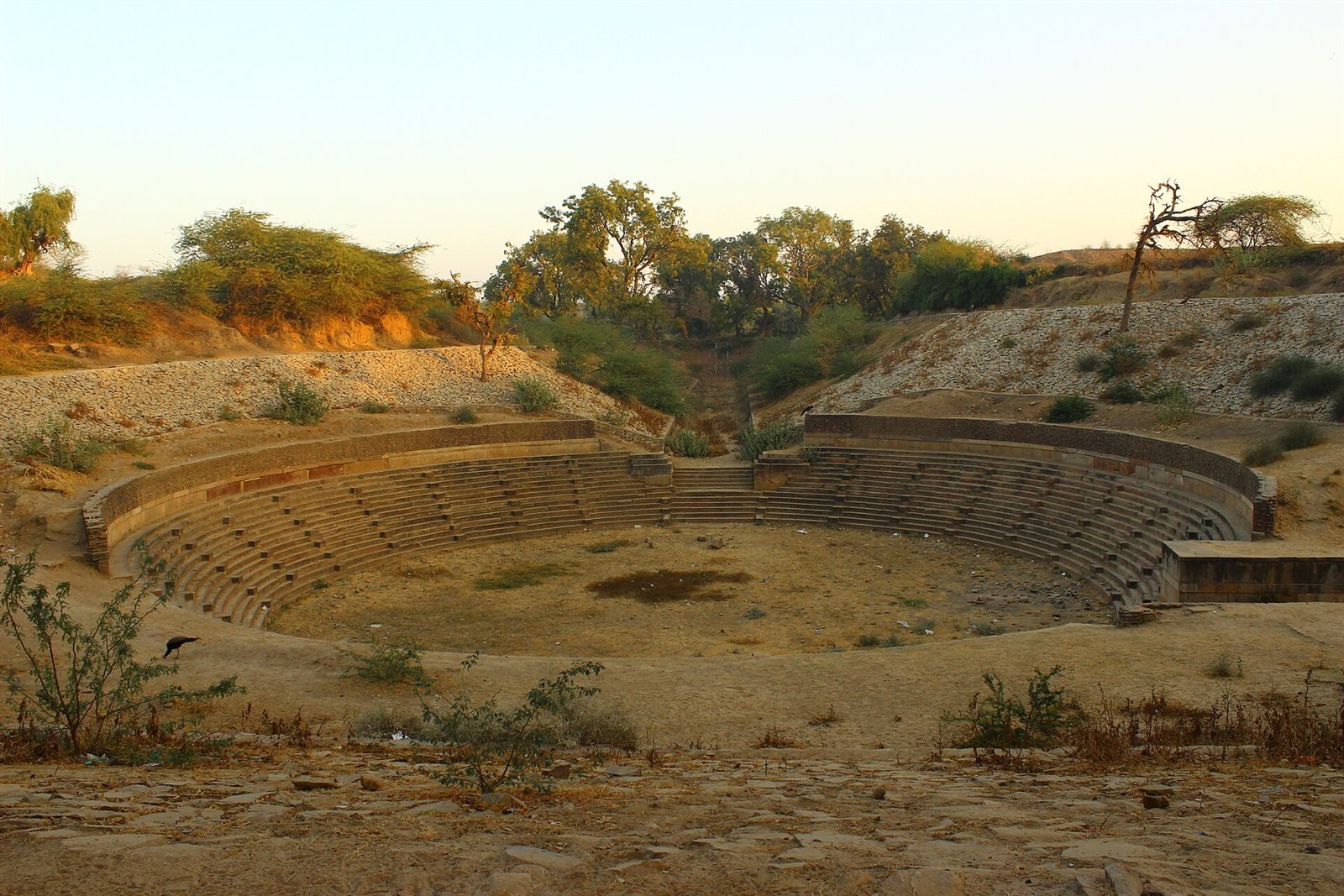
One of the oldest continuous Zoroastrian settlements in India, in a town most people drive past.
The library, and the people who came from here
The single most remarkable institution in Navsari is the First Dastoor Meherjirana Library, founded in the nineteenth century and holding one of the world's most important collections of Zoroastrian manuscripts — Avestan, Pahlavi, Persian and Gujarati texts, some of them very old and very rare, along with a substantial general collection. It is a working scholarly library rather than a museum, and access for researchers is arranged rather than assumed; casual visitors may be able to see something of it with advance enquiry and courtesy.
Jamsetji Tata was born here in 1839, and Dadabhai Naoroji here too — a town of forty thousand that helped build modern Indian industry and politics
The other thing Navsari produced was people. Jamsetji Tata, founder of the Tata group, was born here in 1839, and the house associated with his birth is preserved. Dadabhai Naoroji — the economist and nationalist who was the first Asian elected to the British House of Commons, and who articulated the influential 'drain theory' of colonial extraction — was also from Navsari. Sir Jamsetjee Jejeebhoy, the merchant and philanthropist whose name is on institutions all over Mumbai, was born in the town as well.
That concentration is not a coincidence. The Parsi community of south Gujarat was small, literate, commercially active and closely networked, and when Bombay's opportunities opened up under British trade it was these families who moved and prospered. Navsari is, in a very direct sense, one of the places modern Indian capitalism came from — and the local sense of that is quiet but real.
Walking the town, and eating in it
Navsari is best done on foot in a morning. The Parsi quarter is the heart of it, with its lanes, houses and institutions, and it is a residential neighbourhood rather than a heritage precinct, so the usual manners apply: photograph buildings, not through windows; ask before photographing people; keep your voice down. Beyond it there is a busy bazaar, the Dudhia Talav tank, temples and mosques, and the general texture of a prosperous south Gujarati market town.
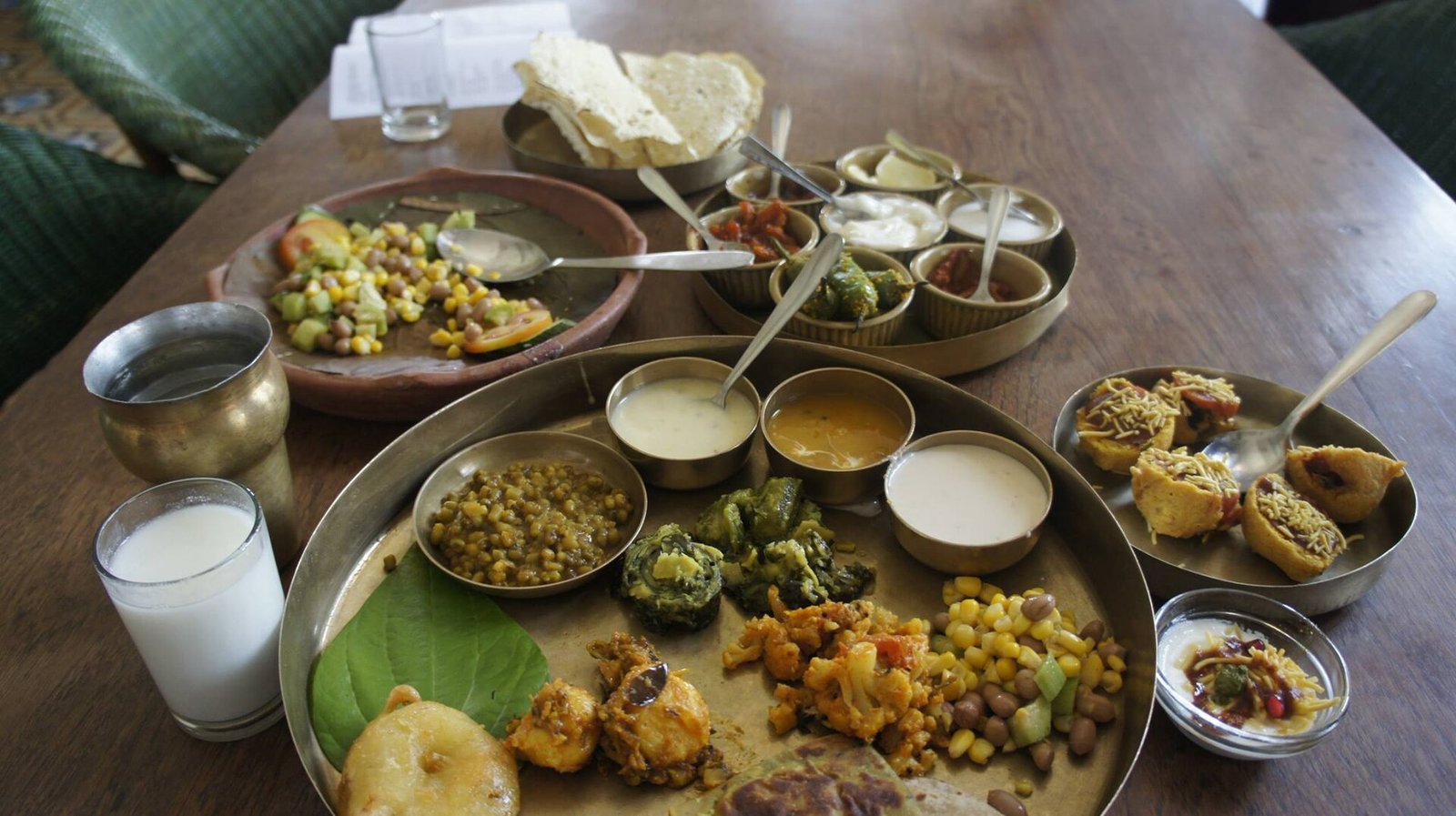
Food is a genuine reason to come. Parsi cooking is one of India's great hybrid cuisines — Persian technique and Gujarati ingredients, with Portuguese and British layers on top — and while the celebrated restaurants are in Mumbai, south Gujarat is where it comes from. Look for dhansak, patra ni machhi (fish steamed in banana leaf with green chutney), sali boti, akuri, lagan nu custard and, if you are extremely lucky and well-connected, an invitation to a lagan nu bhonu, the wedding feast. Bakeries in the region also do the biscuits and breads that Parsi bakeries are known for.
Udvada, Sanjan and the wider circuit
Navsari is one stop on a coastal Parsi route that is worth doing properly. Udvada, about 70 km south in Valsad district, holds the Iranshah fire and is the community's holiest place; the town has a heritage streetscape, a Zoroastrian museum and a small number of Parsi-run guesthouses and eateries, and is much the most atmospheric of these places. Sanjan, further south, is where tradition places the original landing, and has a memorial column. Bahrot caves, inland, is where the fire was hidden.
Practically, Navsari is on the main Mumbai–Delhi railway line with excellent connections, roughly 30 km from Surat, 250 km from Mumbai and 290 km from Ahmedabad. Surat has the nearest airport. October to March is the comfortable season on this humid coast. Accommodation in Navsari is basic business-town stock; Surat has the range, and Udvada has the character. Dandi, where the Salt March ended, is only about 15 km from Navsari and pairs naturally into the same day.
If you go
- Understand before arriving that non-Zoroastrians may not enter fire temples anywhere in India, including Navsari's Atash Behram.
- Enquire in advance and with courtesy about the Meherjirana Library — it is a working scholarly institution, not an attraction.
- Walk the Parsi quarter in the morning, and treat it as the residential neighbourhood it is.
- Seek out Parsi food in the region — dhansak, patra ni machhi, sali boti — and the local bakeries.
- Combine Navsari with Udvada 70 km south for the Iranshah fire and streetscape, and with Dandi 15 km away.
Navsari is where the story of Indian Zoroastrianism actually happened, a thousand years before Bombay. You cannot go into the fire temples, and that is not a defect of the visit — what you can do is walk a quarter of quiet Parsi lanes, look at the house where Jamsetji Tata was born, enquire your way towards one of the world's great collections of Avestan manuscripts, eat properly, and then drive 70 km south to Udvada where the fire from Persia is still burning.