Season
Approx. November to March
Base
Dhordo tent city, 80 km from Bhuj
Good for
Full-moon nights, culture, families
Book
Months ahead for full-moon dates
Rann Utsav is Gujarat's biggest tourism event and the reason most visitors ever see the white Rann of Kutch. It is a seasonal festival built around a temporary tent city at Dhordo, roughly 80 km north of Bhuj, where the Great Rann's salt crust hardens each winter into a flat white plain that runs to the horizon. The festival runs broadly from November to March, with the exact dates announced each year, and it packages accommodation, food, cultural programmes, craft stalls, camel carts and access to the salt into a single bookable trip.
It is enormously popular and it is not for everyone. If you want organised comfort within walking distance of an extraordinary landscape, it is excellent value for the logistics alone. If you want solitude in a wilderness, you will be unhappy, and you should look at village homestays instead. This guide covers dates and booking, tent categories and costs, permits, what is actually included, and the alternatives.
Why people come — and the honest caveat
The landscape is the reason, and it earns it. The Great Rann is a salt marsh that floods every monsoon and dries through the autumn, leaving a crust of salt across thousands of square kilometres. By December it is a level white plain with no vegetation, no landmarks and no reliable horizon. Walking out onto it on a full-moon night, when the moon is bright enough to read by and the ground glows, is one of the genuinely unusual experiences available anywhere in India. Sunset and sunrise are both extraordinary.
The honest caveat is scale and character. This is a large, organised, ticketed festival aimed principally at domestic family tourism, with amplified cultural programmes, food courts, adventure activities and, at peak times, several thousand people at the same viewpoint watching the same sunset. Nothing about it is remote or accidental. Knowing that in advance is the difference between a great trip and a disappointed one — and there is a simple fix, which is to walk out onto the salt again later, after the crowds have gone in to dinner.
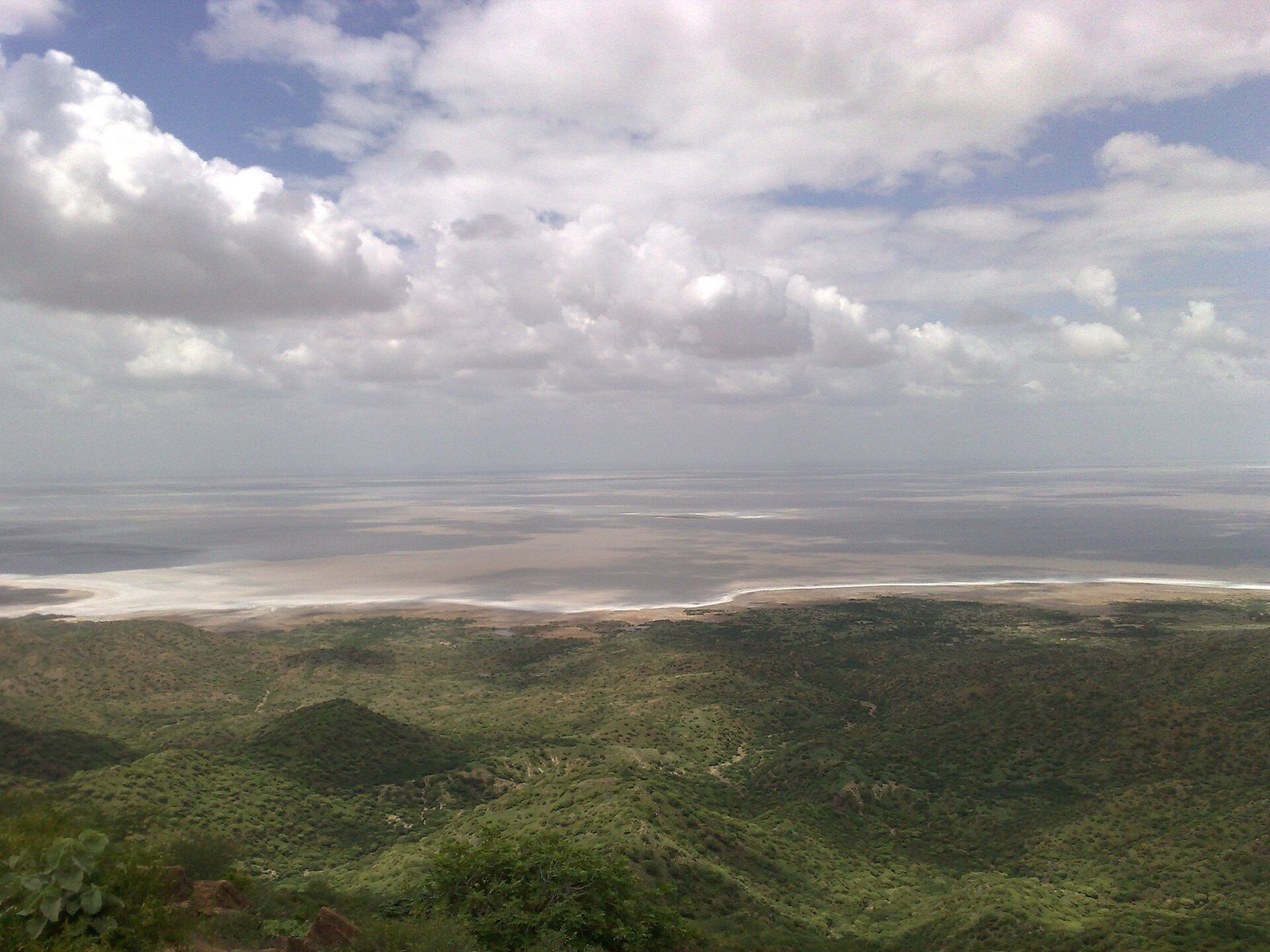
The festival exists because of a seasonal accident: a flooded marsh that dries into a plain of salt.
How to plan a Rann Utsav trip
- Check this year's dates firstThe festival window shifts annually and is announced ahead of the season, usually running from around November into February or March. Confirm the current dates before booking flights.
- Target a full moon, and book earlyFull-moon nights are the peak experience and the peak demand. These dates sell out months in advance, so decide early and book directly through the official Rann Utsav channels or an established operator.
- Choose your tent category deliberatelyTents range from basic non-AC through comfortable to premium and luxury, with corresponding jumps in price. All have attached bathrooms; the differences are size, furnishing, location within the camp and inclusions.
- Understand what the package coversMost packages bundle accommodation, meals, cultural programmes and some activities, with extras like camel carts, ATVs, tent-to-Rann transfers and excursions charged separately. Get the inclusions in writing.
- Sort the border permitThe Rann is a border area and access requires a permit, taken at the Bhirandiyara checkpoint or arranged by your camp. Carry photo ID for every person in the vehicle; foreign nationals should carry passports and allow extra time.
- Build in the rest of KutchDhordo alone is a thin trip. Plan two or three extra nights for Bhuj's palaces and museum, the craft villages at Nirona, Khavda, Hodka and Ludiya, and Mandvi's beach and shipyard.
How to get there
Bhuj is the gateway. It has an airport with flights from Mumbai and Ahmedabad, a railway station with services from Ahmedabad and beyond, and it is the point from which everything in Kutch is organised. Dhordo is about 80 km north, roughly an hour and a half by road via Bhirandiyara, where the permits are issued and where the roadside mawa and buttermilk stalls are something of an institution.
During the festival there are organised transfers from Bhuj to the tent city, and most packages will arrange them. Outside the transfer system a hired car with a driver is the practical choice, and it is much the better option if you intend to stop at craft villages along the way. Ahmedabad is around 400 km from Bhuj if you are driving the whole way, which is a long day but a feasible one.
Where to stay
The main option is the tent city itself, which is a full temporary resort of several hundred tents with attached bathrooms, hot water, electricity, dining halls, a stage and a viewing area at the salt's edge. It is comfortable, well run and entirely artificial, and it is taken down at the end of each season. Book through official channels rather than intermediaries where possible.
The alternatives are increasingly good. A number of smaller independent camps and family-run homestays operate around Dhordo, Hodka and the Banni villages, several of them owned and staffed by local craft communities; Hodka's village-run resort is the best known. These offer quieter nights, better food in many cases, and a far more personal introduction to Kutch, at the cost of the festival's scale and facilities. They are limited in number and need booking well ahead. Bhuj hotels are the third option, with day trips out to the Rann.
Best time to visit
December and January are the peak: the salt crust is fully formed, temperatures are pleasant by day and genuinely cold at night, and the festival is in full operation. This is also when the crowds and prices are at their highest, and when full-moon dates sell out furthest in advance. November and February or March, at the shoulders of the season, can be a good compromise — slightly fewer people, still a proper white Rann.
Outside the window there is no visit to be had, and this is worth stating plainly: from roughly April the heat becomes extreme, and through the monsoon and early autumn the Rann is under water. There is no white salt desert in August. Whatever your schedule prefers, the landscape only exists for a few months a year, and the festival is built around exactly that constraint.
Practical tips
- Book a full-moon date months ahead — it is the single biggest upgrade to the experience and the first thing to sell out.
- Carry photo ID for everyone in your vehicle for the border permit; foreign nationals need passports and extra time.
- Pack genuinely warm clothing. Desert nights in December and January are cold, and the salt flat is windy after dark.
- Go out onto the Rann twice — once for the crowded sunset, and again late once everyone has gone in for dinner.
- Add two or three nights for Bhuj, the craft villages and Mandvi. Dhordo on its own does not justify the journey.
Frequently asked questions
When is Rann Utsav held?
Broadly from November to February or March each year, with exact dates announced ahead of the season. December and January are the peak.
Where is the Rann Utsav tent city?
At Dhordo, about 80 km north of Bhuj in Kutch, at the edge of the Great Rann's white salt flats.
Do I need a permit for the white Rann?
Yes. It is a border area; permits are issued at the Bhirandiyara checkpoint or arranged by your camp, and everyone needs photo ID. Foreign nationals should carry passports.
Is Rann Utsav worth it?
Yes if you want organised comfort beside an extraordinary landscape, especially on a full moon. Less so if you are looking for solitude — it is a large, busy, family-oriented festival.
Can I see the white Rann outside Rann Utsav?
Yes, within the same broad winter season, staying at village homestays or in Bhuj and driving out. Outside roughly November to March the Rann floods and the salt is gone.
Rann Utsav is the packaged, comfortable, unashamedly popular way to reach one of the strangest landscapes on the subcontinent, and it does that job well. Check this year's dates, book a full moon early, keep your ID in your pocket, pack for a cold night, and give Kutch three or four more nights beyond the tent city. Then walk out onto the salt a second time after the crowds have gone, which is when the place finally becomes what you came for.