Home › Kheda Festivals › Kheda Satyagraha
HISTORY · 1918 · SATYAGRAHAIn 1918, the peasants of Kheda refused to pay a crushing tax after their crops failed — a Gandhi-led satyagraha that forged Sardar Patel as a leader and helped shape India’s freedom struggle.
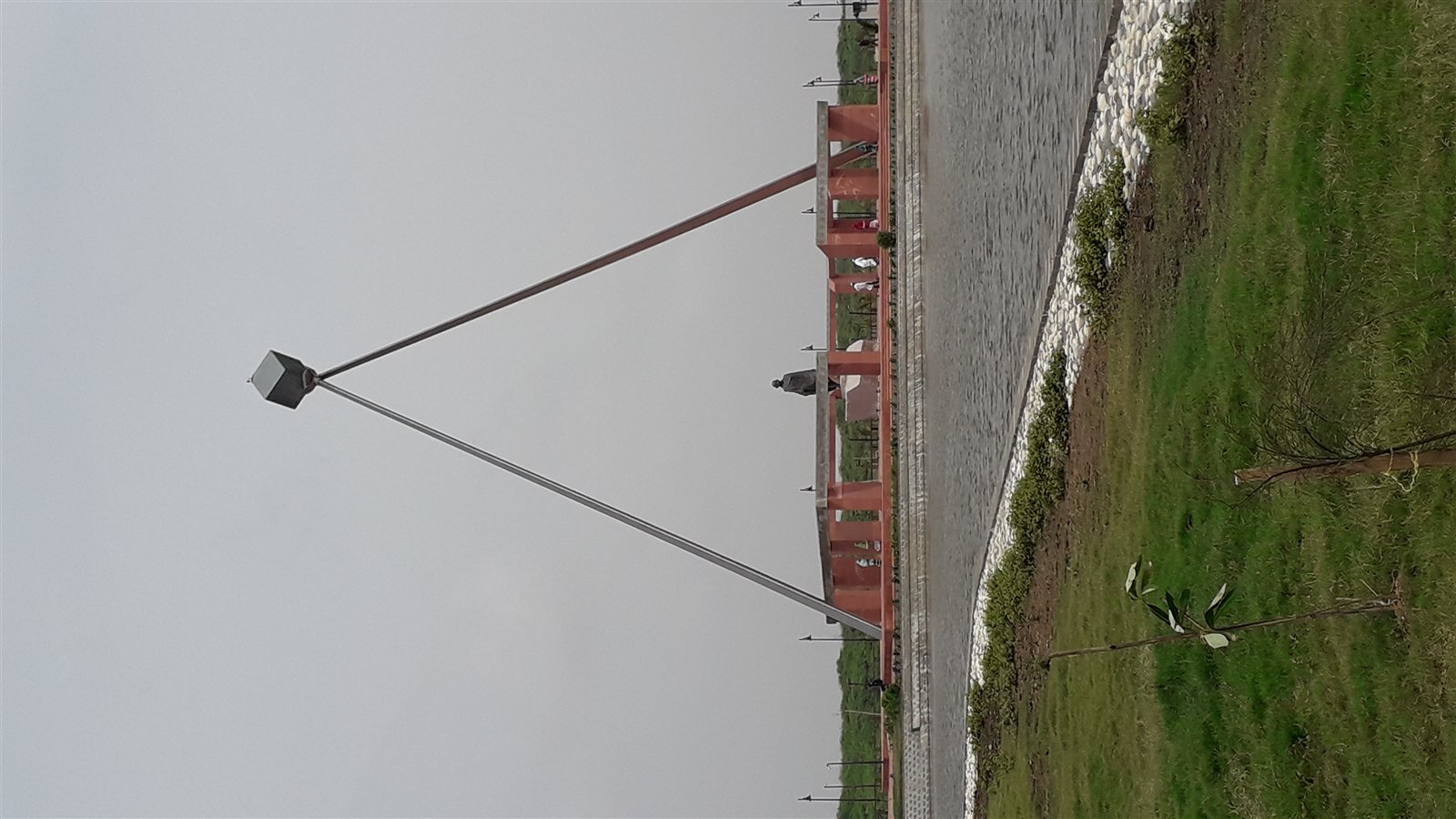
In 1918, after failed harvests, the farmers of Kheda were pressed to pay land revenue they could not afford. Under Mahatma Gandhi’s guidance — and with the young Vallabhbhai Patel organising the villages — they launched a satyagraha, a disciplined campaign of non-payment and non-violent resistance. The struggle ended in relief for the peasants, and it lifted Patel to national prominence as the “Sardar” of the people.
In 1918 Kheda's harvests failed, yet the administration demanded the full land revenue regardless.
The peasants refused to pay — collectively, openly and without violence.
Gandhi guided the campaign, and a young lawyer named Vallabhbhai Patel organised the villages.
The demand was eased, and India had seen one of its first mass satyagrahas.
Kheda was a peasant satyagraha — farmers as the movement, not the audience.
Non-violent refusal, openly declared, was the whole method.
Patel's organising genius was forged here, village by village.
The tax demand was eased — a real, measurable victory.
It stands as a key early chapter of the freedom struggle.
The Charotar's villages, where it happened, are still there to see.
THE STANDThe peasants united in refusal.
THE LEADERThe leader Kheda made.
Learn the 1918 struggle — crop failure, tax demand, and organised refusal.
Follow the Gandhi and Patel partnership that ran it.
Understand satyagraha as it worked here: truth-force as practical politics.
Visit Kheda's towns and villages, which keep the memory.
Trace Patel's arc — from Ahmedabad lawyer to the Sardar of Bardoli and beyond, starting here.
Take it as a people's story; the courage was the villagers' own.
The Kheda Satyagraha was one of Gandhi’s early experiments with mass non-violent resistance on Indian soil, alongside Champaran and Ahmedabad. Its lasting significance lies partly in the leader it forged: Vallabhbhai Patel, the Kheda-region lawyer who gave up his practice to organise the villages and would go on to become the “Iron Man” who united India.
It sits within Kheda district — browse more places to visit in Kheda.
October to March is comfortable for touring the Charotar's towns and villages.
The history can be traced year-round through the district's sites and memorials.
April to June is hot in Charotar; keep the touring to mornings.
⏰ The history can be explored year-round; national days like Patel's birth anniversary (31 Oct) add resonance.
Ahmedabad / Vadodara.
Nadiad / Anand.
Across Kheda district.
SHARAD POONAM
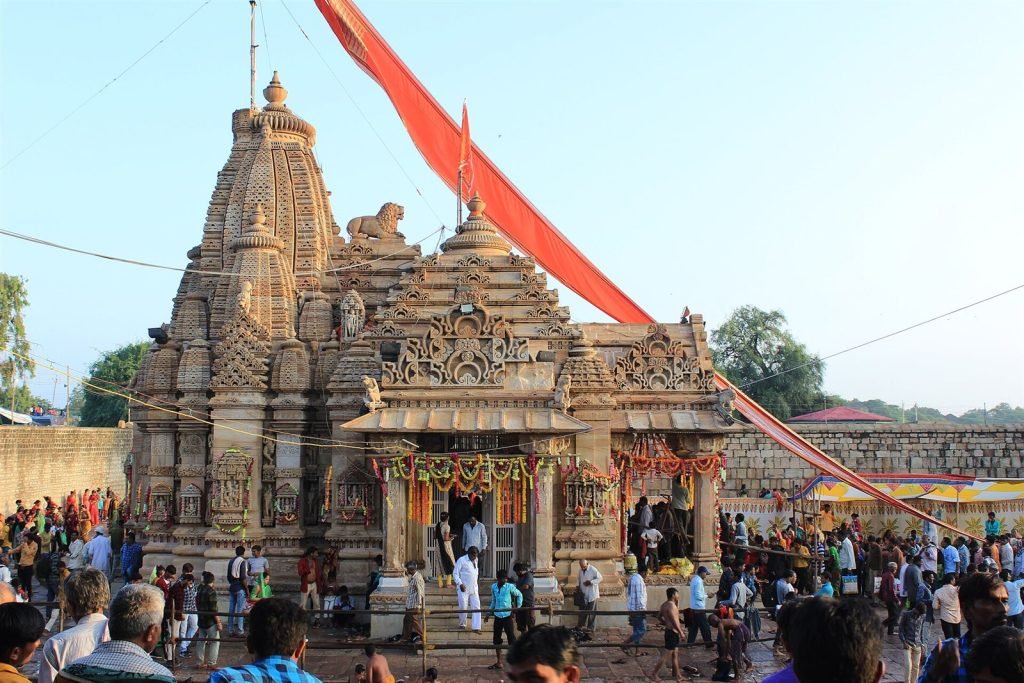
Dakor Mela
Lakhs of pilgrims walk to Dakor on full-moon nights. Explore →
FESTIVAL
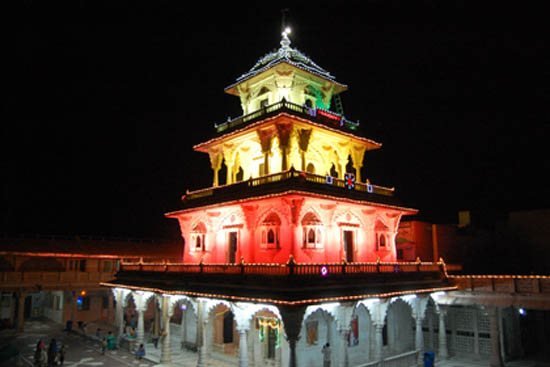
Vadtal Utsav
Vadtal is one of Swaminarayan tradition’s holiest seats — a lotus-shaped temple where festivals like Annakut and Patotsav fill the courtyards with colour, song and towering food offerings. Explore →
FAIR
Santram Mela
The Santram Mandir in Nadiad is the beating heart of a devoted following — its annual fair and daily free kitchen draw crowds to honour the saint Santram Maharaj. Explore →
LITERARY
Nadiad Writers
Nadiad earned the name “city of the learned” — birthplace of Govardhanram Tripathi, author of the great Gujarati novel Saraswatichandra, and a cradle of the language’s modern literature. Explore →
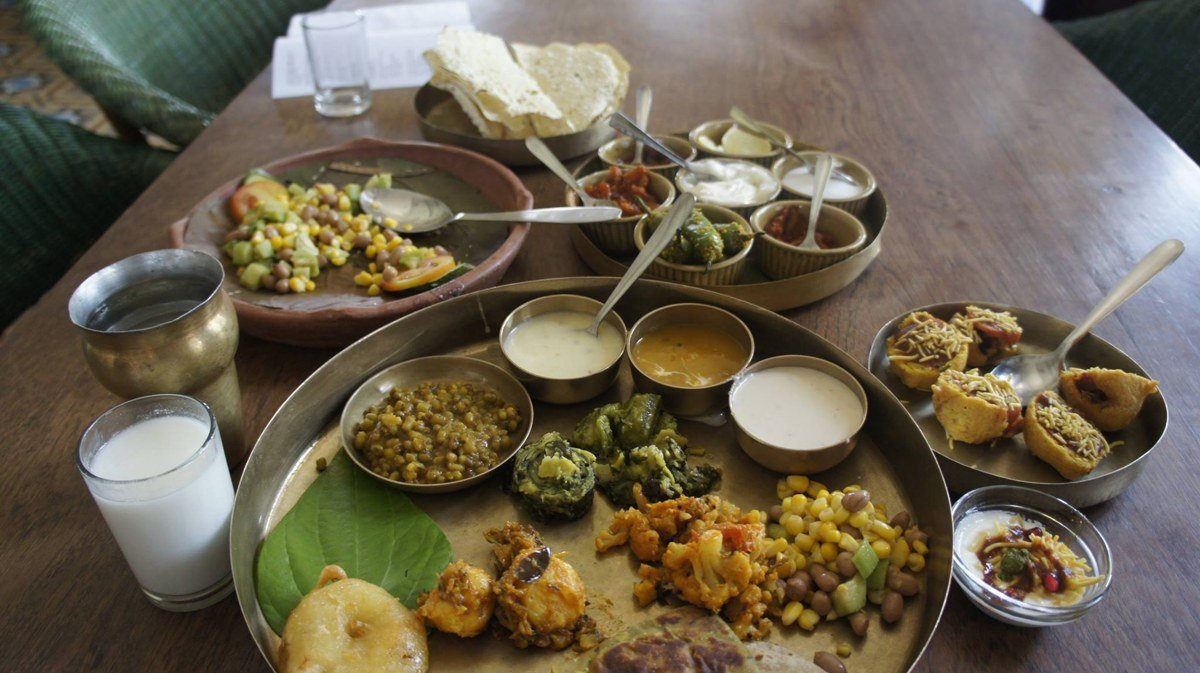
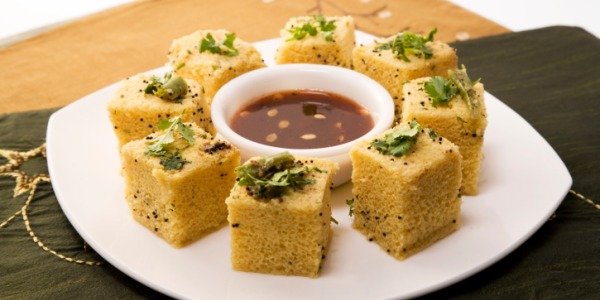
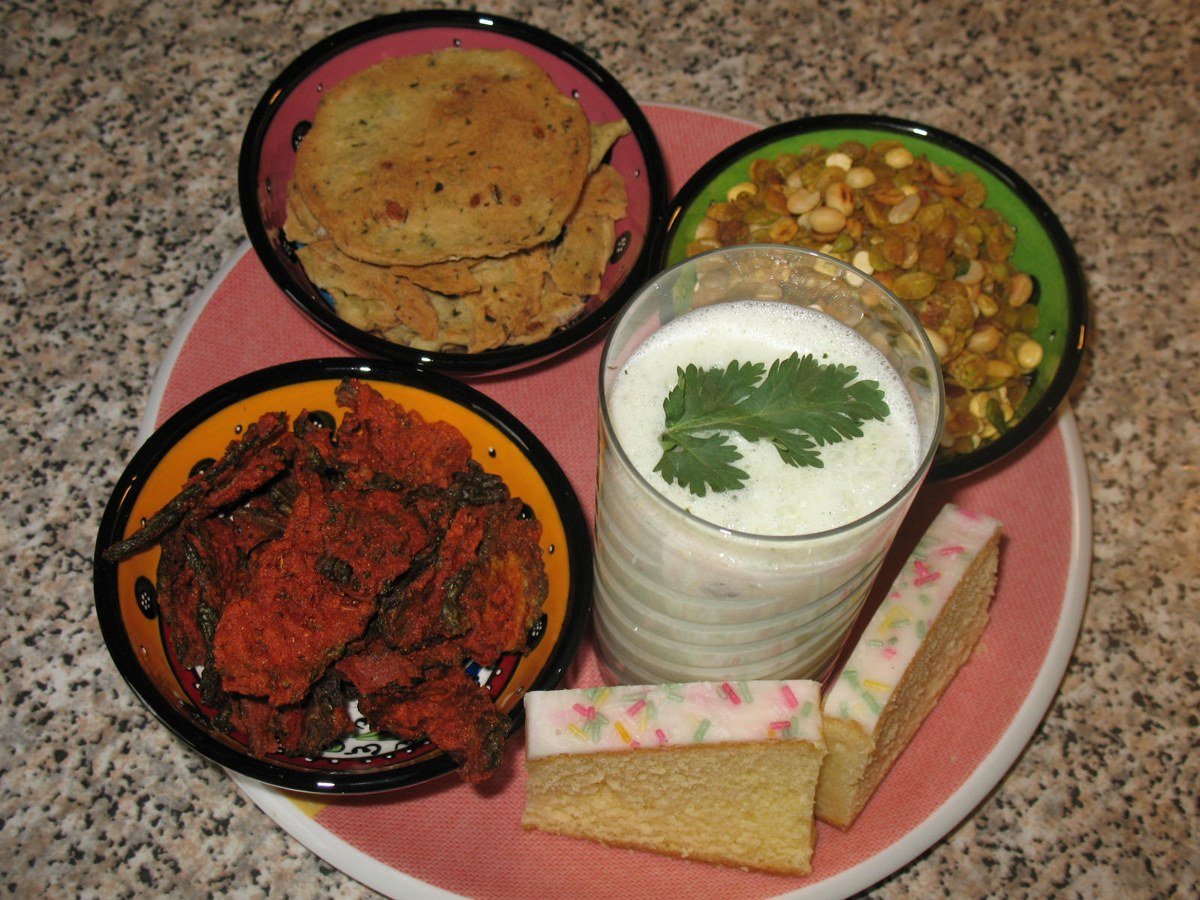
THALICharotar fare.
FARSANRegional snacks.
DUDHPAKSweet milk pudding.
CHAASSpiced buttermilk.
A 1918 non-violent campaign in which Kheda's peasants collectively refused to pay land revenue after crop failures — one of the first mass satyagrahas on Indian soil, led by Gandhi with Vallabhbhai Patel organising on the ground.
Harvests had failed, yet the authorities demanded the full land tax. The farmers, unable to pay without ruin, sought relief through open, organised, non-violent refusal.
Mahatma Gandhi guided the campaign's principles while Vallabhbhai Patel — then a successful Ahmedabad lawyer — gave up his practice to organise the villages, his first great political work.
The peasants won relief on the demand, and Patel emerged as a national figure — the organising force who would later lead Bardoli and become the Sardar.
It proved mass satyagraha could work on Indian soil — a formative rehearsal for everything from Bardoli to the Salt March.
Across Kheda district in central Gujarat — the Charotar region, whose prosperous villages were the campaign's ground.

Vaishnav temple beside Damodar Kund
SERENEA peaceful 12th-c. shrine outside town
6Flamingos and waders on the Rann’s quiet edge
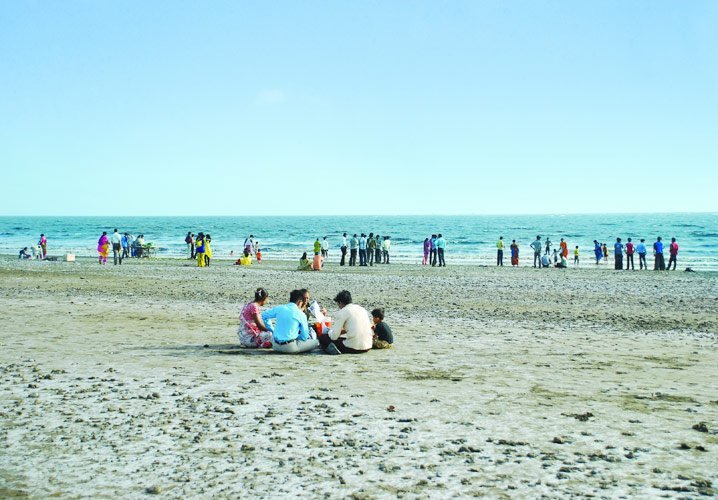
ESTUARYWhere the sacred river meets the Gulf of Khambhat
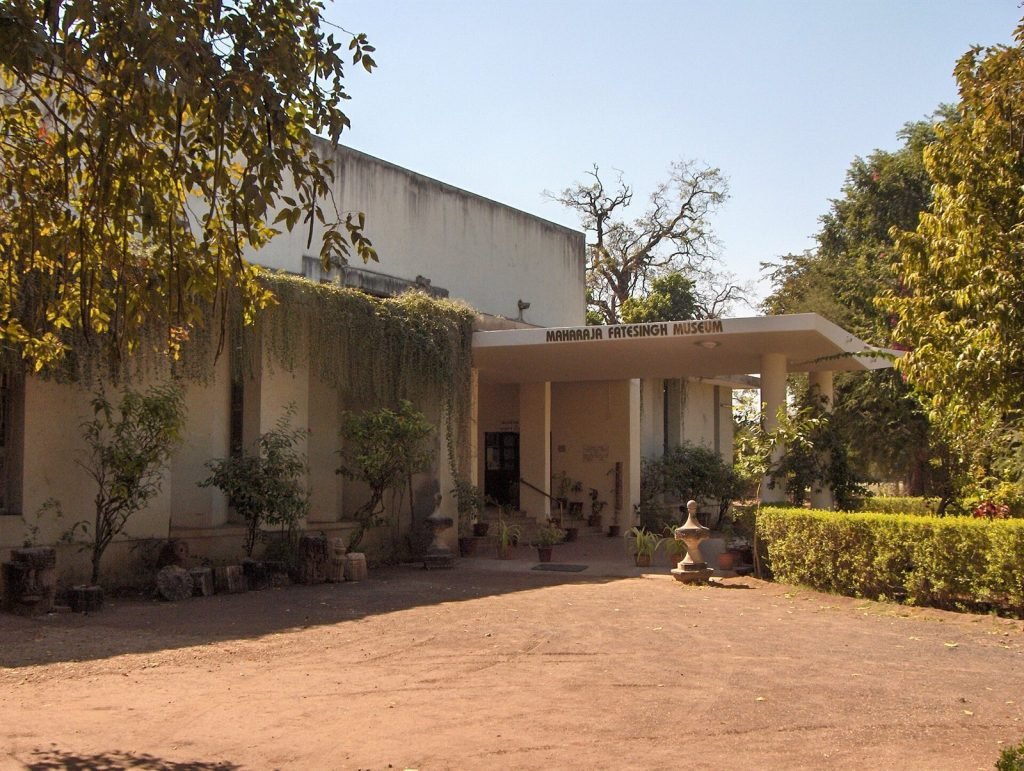
MUSEUMRoyal art collection inside the palace grounds
The serene lake at the heart of Dahod
WHERE TO STAY
Compare live prices across the big booking sites and reserve in a few taps. Booking happens securely on the partner's site — we may earn a small commission at no extra cost to you.
Book directly on our partner sites — tap a provider to see live Gujarat hotels & prices:
SHOP THE REGION
Hand-picked crafts and trip gear, available on Amazon.
Published 24 June 2026 · Updated 3 July 2026
We’re an independent group of writers and travellers documenting every corner of Gujarat — one place, plate and festival at a time.
Search Gujarat Explorer
Find places, food, festivals and travel guides across Gujarat
Press Enter to search — or Esc to close
Plan Your Trip
Gujarat Explorer is an independent travel guide. We’re happy to help you shape an itinerary and point you to the right places, stays and experiences across Gujarat.
Book a Cab