
Home › Panchmahal › Khajuri Masjid
UNESCO · MOSQUE · CHAMPANERKhajuri Masjid
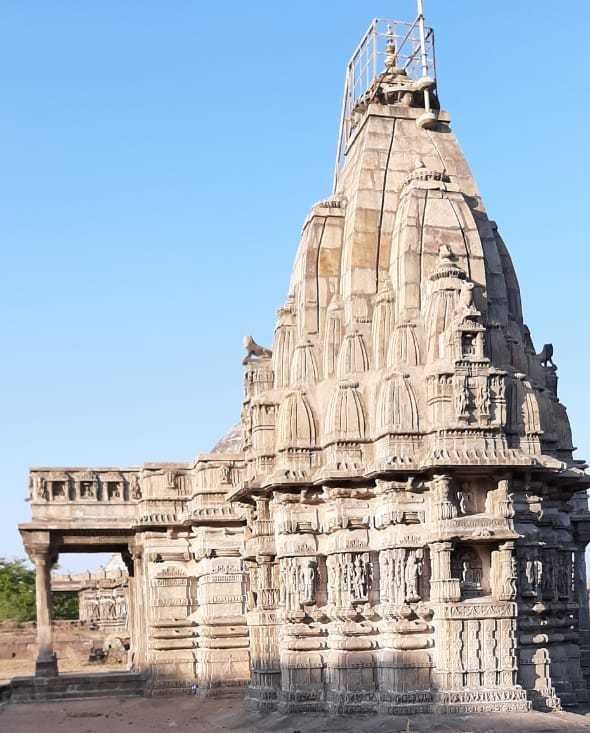
A mosque by the date palms — the Khajuri Masjid of Champaner, a lesser-known Sultanate mosque among the ruins, its name recalling the date palms (khajur) that once grew here.
A forgotten corner
The Khajuri Masjid is one of the smaller, lesser-known mosques scattered through the ruins of medieval Champaner, its name derived from the khajur (date palm) trees once found in the area. Built in the Gujarat Sultanate style like the city’s grander mosques, it shares their characteristic carved mihrabs, domes and blend of Islamic and local motifs, on a more intimate scale.
Set among the fields and ruins of the old city within the Champaner-Pavagadh UNESCO park, it is one of the quieter monuments that reward the traveller who explores beyond the famous Jami Masjid, offering a sense of the once-great city’s many forgotten corners. A quiet relic of the lost city.
An intimate mosque among the ruins
The name comes from the khajur, the date palm, once common in this part of the city — a reminder that Champaner was a lived-in place with its own landmarks.
It carries the standard Gujarat Sultanate vocabulary: carved mihrabs, shallow domes over the prayer hall, and ornament drawn from local temple craft.
It is a neighbourhood mosque rather than a congregational one — built for the quarter around it, not for the whole city.
It stands among the ruins of the abandoned capital, largely untouched since Champaner was left behind in the sixteenth century.
Reasons to make the time
Lesser-known
Small, quiet and well off the main visitor route through the archaeological park.
Date-palm name
Named for the date palms that once grew here, which is unusually specific for a Champaner monument.
Carved mihrabs
The same Sultanate style as the great mosques, executed at neighbourhood scale and with less elaboration.
Intimate scale
Its modest size makes the architecture easier to read than at the Jami Masjid, where scale dominates.
Among the ruins
It is part of the wider evidence that Champaner was a complete working city, not just a set of monuments.
Quiet corner
Almost no one comes here, so you will generally have it entirely to yourself.
How to spend an hour or two
Find the mosque
Find it among the ruins — it takes some looking, and that is part of the appeal.
See the carving
Look at the mihrabs and the domes, the same Sultanate forms as the great mosques at a quarter of the scale.
Sense the quiet
Notice how far it sits from the main visitor route, and how little traffic it gets.
Explore the ruins
Read it as part of a real city: neighbourhood mosques like this are what made Champaner a place people lived.
Learn the name
Note the name and its origin in the date palms that grew here.
Pair with the great mosques
Set it against the Jami Masjid and Nagina Masjid to see the range of scale across the city.
A lesser-known mosque
The Khajuri Masjid — named for the date palms once found here — is a smaller, lesser-known Sultanate mosque among the ruins of medieval Champaner, sharing the city’s carved mihrabs and domes on an intimate scale, a quiet relic for those who explore beyond the Jami Masjid.
Our Panchmahal travel guide maps out the other places worth your time here.
If this is what you travel for, browse temples across Gujarat.
A lesser-known mosque
Named for date palms
Gujarat Sultanate style
Among the city ruins
When to go
November to February is the season — the Champaner monuments are spread out and the walking between them is unshaded.
The monsoon greens the site and the hill behind it, though the paths through the ruins get muddy.
April to June is hot and exposed; start at opening or skip the middle of the day entirely.
⏰ Visit in the cooler months; seek out the lesser-known mosques on a walk through the UNESCO city.
Timings & entry
- Open in daytime hours
- Best in the cool season
- Within the UNESCO park
- Pair with Pavagadh
- Often free, quiet ruins
- Modest dress
- Explore beyond the main mosque
- Carry water
Getting there
By Air
Vadodara airport (~50 km).
By Rail
Champaner Road / Godhra.
By Road
Halol / Champaner.
At Khajuri Masjid
STONE & RUIN
A mosque among the ruins
What to shoot
The mosque.
Detail
Carved mihrabs.
Setting
The ruins.
Best light
Morning.
Know before you go
More to see close by
 TEMPLE
Kalika Mata Temple
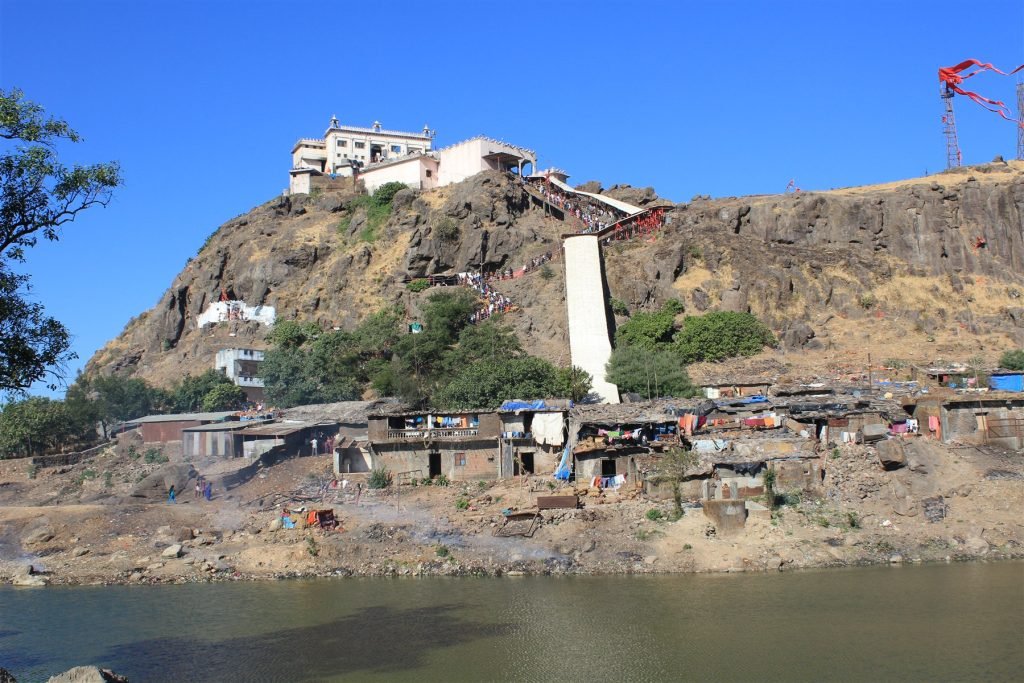
The revered Shakti shrine on the summit
 LAKE
LAKEVada Talav
The serene lake below Champaner

Champaner Temples
Ancient shrines within the heritage city
 WILDLIFE
Jambughoda Sanctuary
Teak forests, lakes & leopards
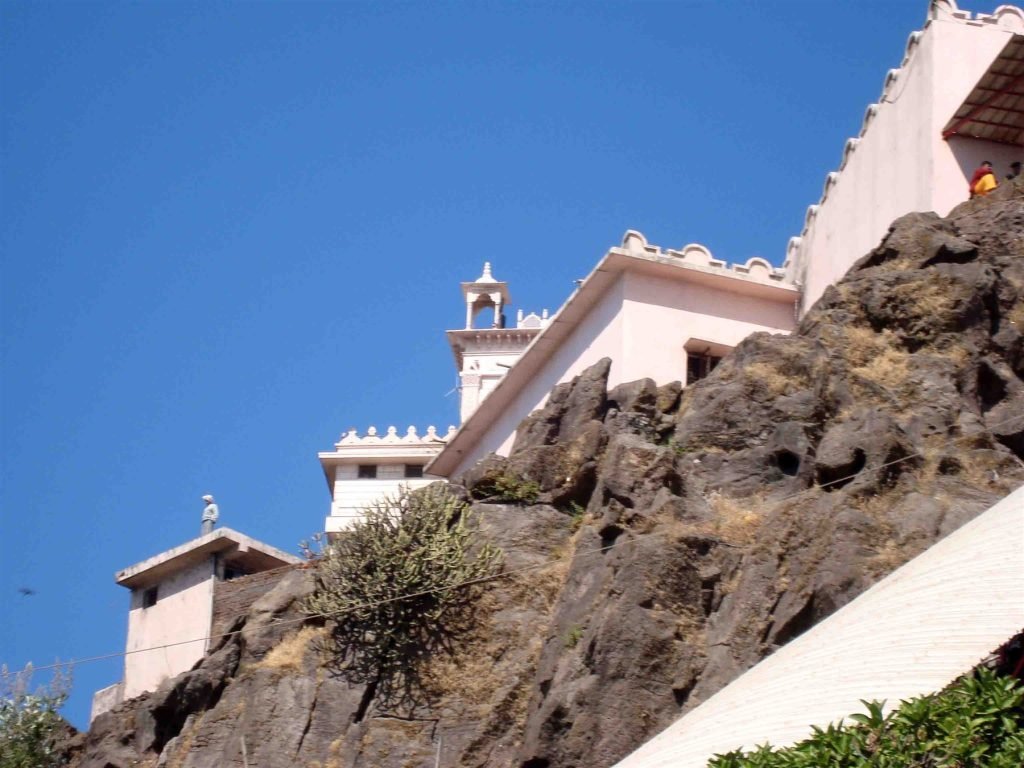
Pavagadh Jain Temples
Carved Digambar shrines along the climb
Lakulisha Temple
A rare 10th-century Shaivite shrine on the hill
Khajuri Masjid FAQ
What is Khajuri Masjid?
The Khajuri Masjid is one of the smaller, lesser-known mosques scattered through the ruins of medieval Champaner, its name derived from the khajur (date palm) trees once found in the area. Built in the Gujarat Sultanate style like the city's grander mosques, it shares their characteristic carved mihrabs, domes and blend of Islamic and local motifs, on a more intimate scale.
Where is it?
Champaner, Panchmahal.
Is there an entry fee?
Free / ASI.
When should I visit?
October to March, in the cooler season.
What's nearby?
Pavagadh, the Champaner mosques and stepwells.
How long does it take?
30 minutes.
Related places across Gujarat
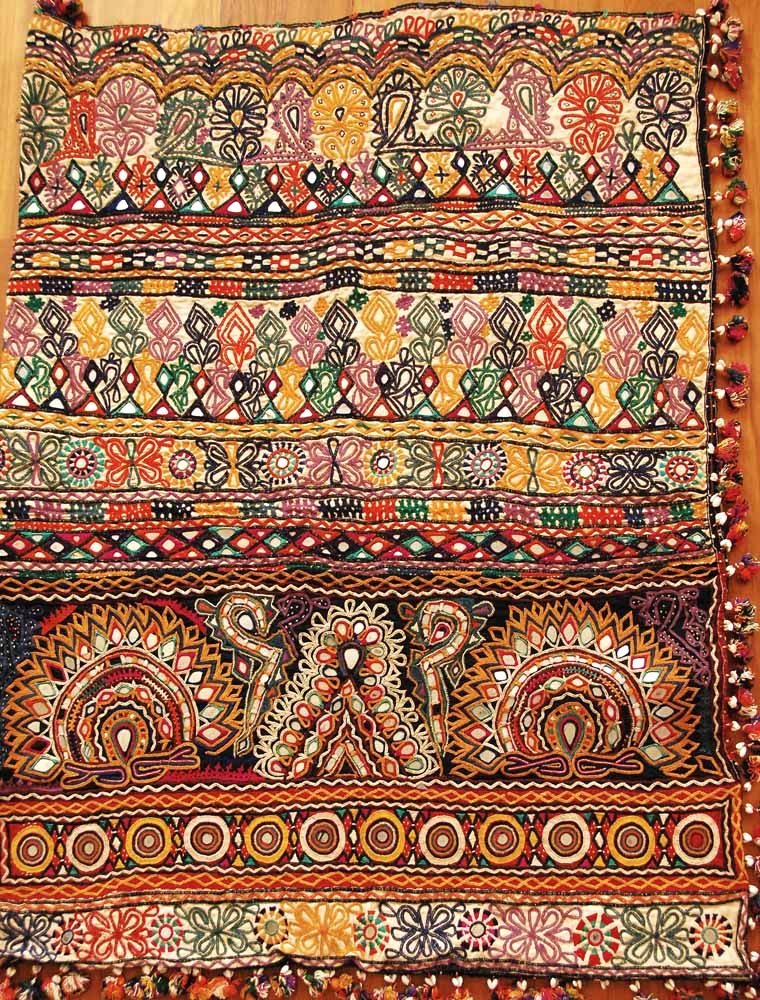 FRONTIER
Bhujodi
India’s last temple before the Pakistan border
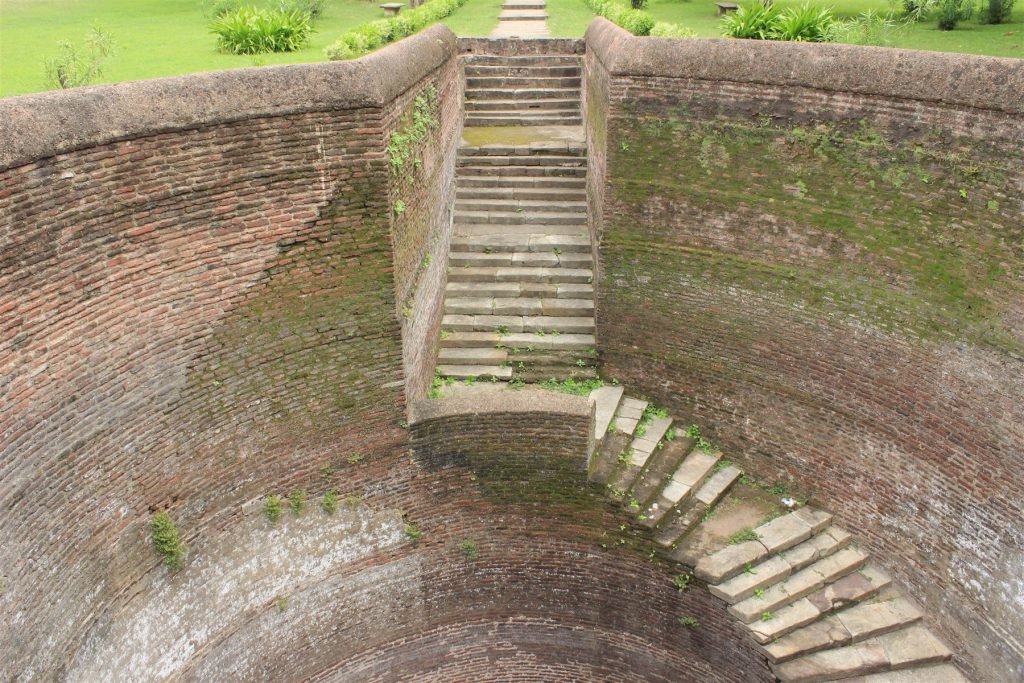 STEPWELL
Helical Stepwell
A rare spiralling water structure
 COLONIAL
Connaught Hall
Stately British-era civic architecture
 HERITAGE
Old Port & City
Stone havelis & the historic harbour

Hastagiri Jain Tirth
A serene Jain pilgrimage nearby
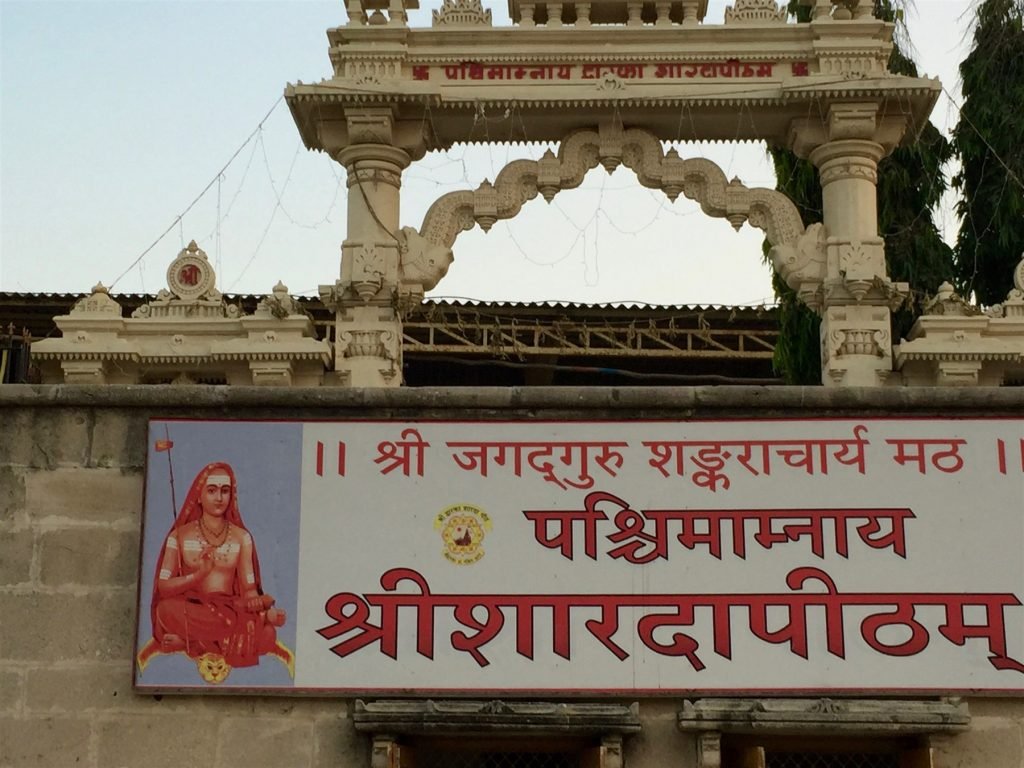
Dwarka Math (Sharada Peeth)
One of the twelve sacred Jyotirlingas
WHERE TO STAY
Find your stay in Gujarat
Compare live prices across the big booking sites and reserve in a few taps. Booking happens securely on the partner's site — we may earn a small commission at no extra cost to you.
Book directly on our partner sites — tap a provider to see live Gujarat hotels & prices:
SHOP THE REGION
Bring home Gujarat — & travel essentials
Hand-picked crafts and trip gear, available on Amazon.
Published 24 June 2026 · Updated 24 August 2026
We’re an independent group of writers and travellers documenting every corner of Gujarat — one place, plate and festival at a time.