
Seven centuries on one rock
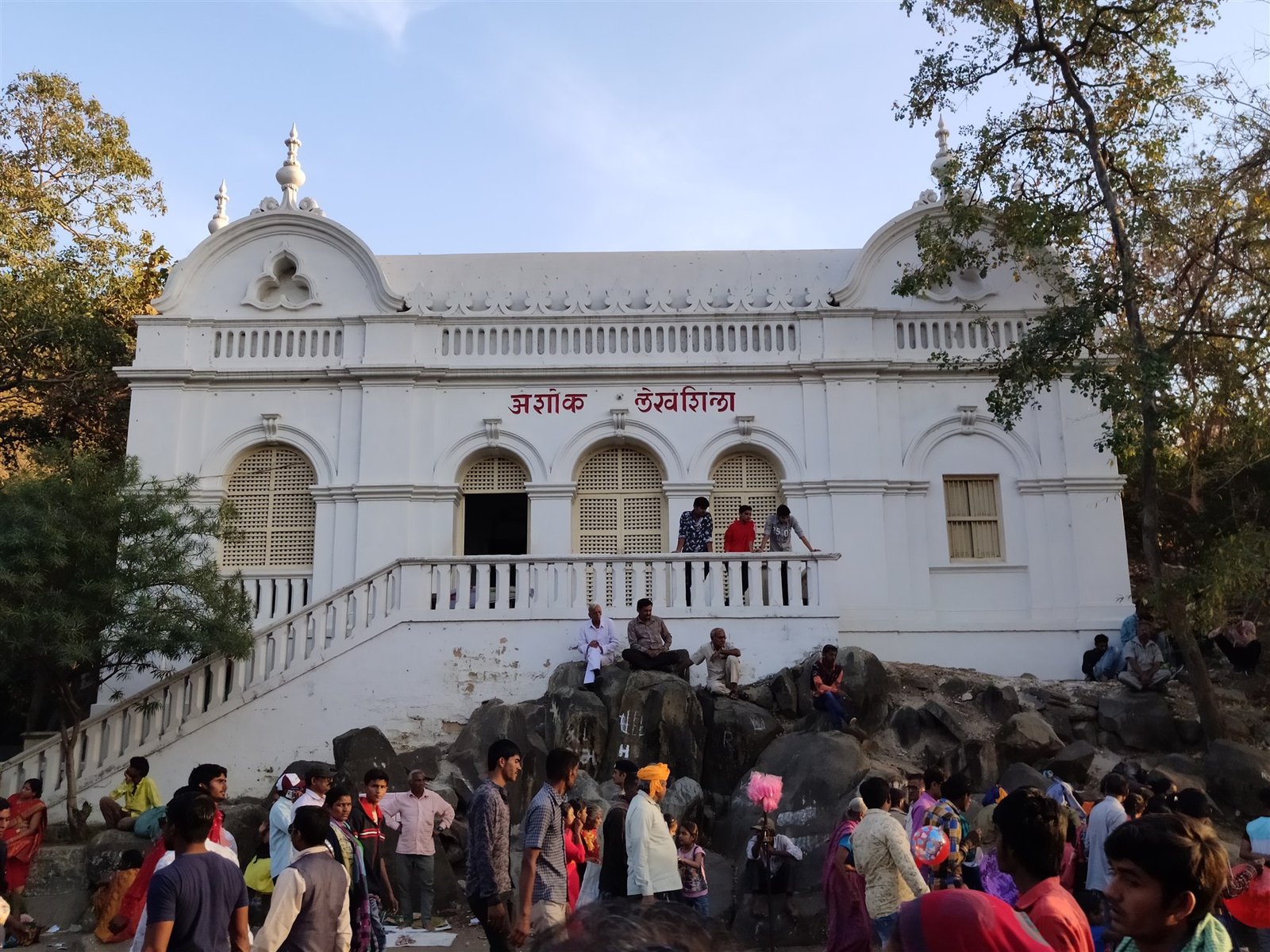
On the road from Junagadh toward Girnar, sheltered inside a domed pavilion, sits an unassuming granite boulder that is one of India’s most important historical objects. Around 250 BCE, the Mauryan emperor Ashoka had fourteen of his Major Rock Edicts engraved on it in the Brahmi script — proclamations of dhamma (righteous conduct), compassion to animals, religious tolerance and public welfare, issued across his vast empire.
Remarkably, the same rock carries two later landmark inscriptions: one of the Western Satrap ruler Rudradaman (2nd century CE), among the earliest long inscriptions in classical Sanskrit, and another of the Gupta emperor Skandagupta (5th century CE), describing repairs to a nearby lake. Together they make this single boulder a continuous record of Indian history across some seven centuries.
Quiet and easily missed, it is a place of real wonder for anyone who loves the past.
The edict boulder in its pavilion.
Three dynasties wrote on the same rock
Brahmi and Sanskrit, side by side.
Around 250 BCE the emperor Ashoka had fourteen of his Major Rock Edicts cut into this granite boulder in Prakrit, using the Brahmi script.
Some four centuries later the Western Kshatrapa ruler Rudradaman added his own inscription — among the earliest substantial texts in classical Sanskrit anywhere.
In the fifth century a Gupta-era inscription recorded repairs to the Sudarshana lake, whose dam had burst and been rebuilt more than once.
The rock now sits under a protective shelter and remains one of the most important single historical sources in India.
Reasons to make the time
Ashoka's edicts
Ashoka's edicts set out his moral policy after the Kalinga war — tolerance, non-violence and the welfare of subjects.
Brahmi script
The Brahmi script here is among the oldest deciphered writing in India, and the ancestor of most Indian scripts today.
Rudradaman
Rudradaman's text is a landmark in the history of Sanskrit, the point where it appears in formal public inscription.
One rock, 7 centuries
Three dynasties across roughly seven centuries wrote on the same stone, which is what makes the site extraordinary.
On the Girnar road
It sits on the Junagadh–Girnar road, so it costs almost nothing to add to a Girnar day.
History wonder
It is quiet, easy to miss and almost never crowded, which is remarkable for a site of this importance.
What to look for inside
 THE ROCK
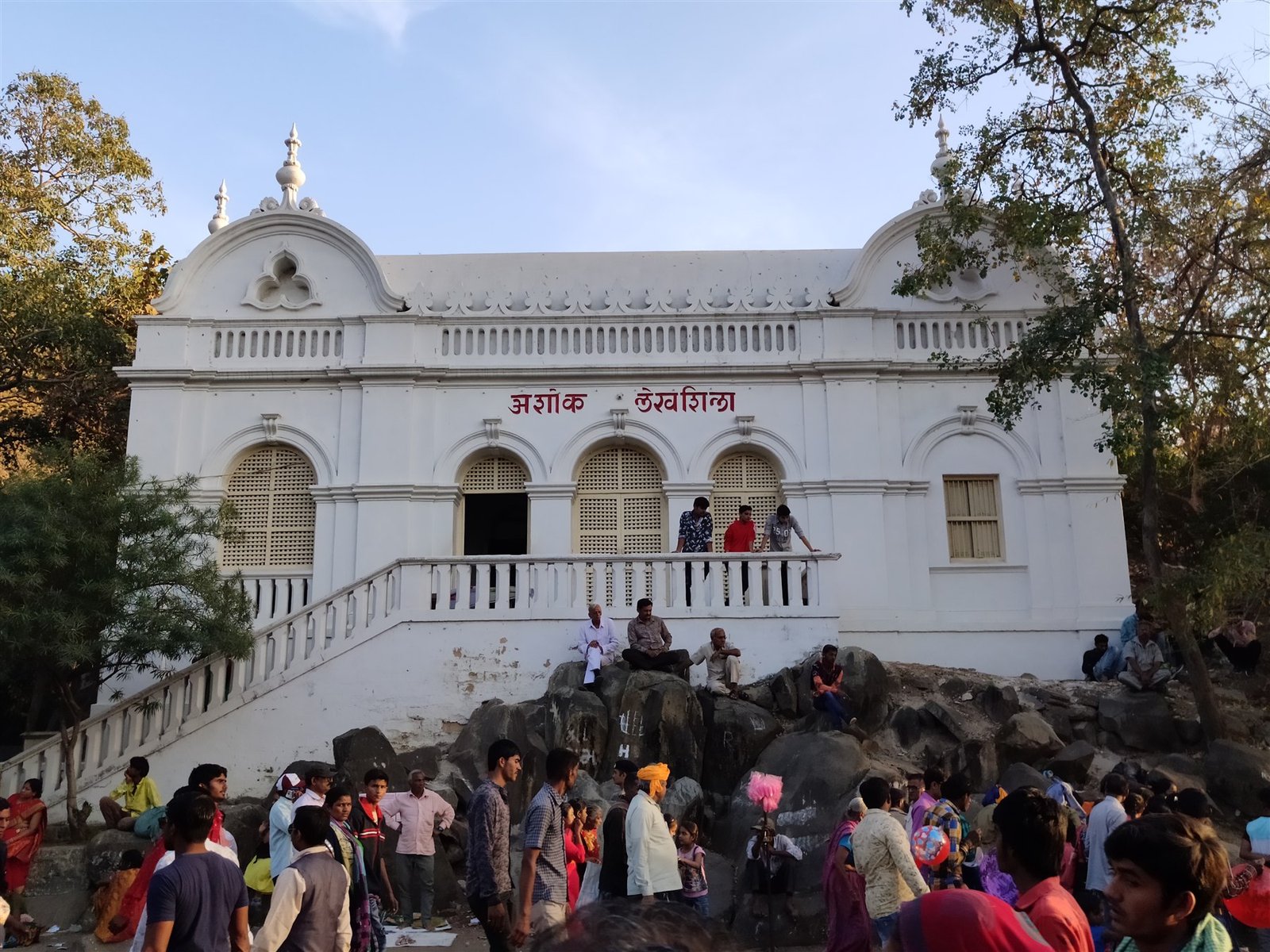
Ashoka's edicts
Fourteen Major Rock Edicts cut into a granite boulder around 250 BCE.
 THE PAVILION
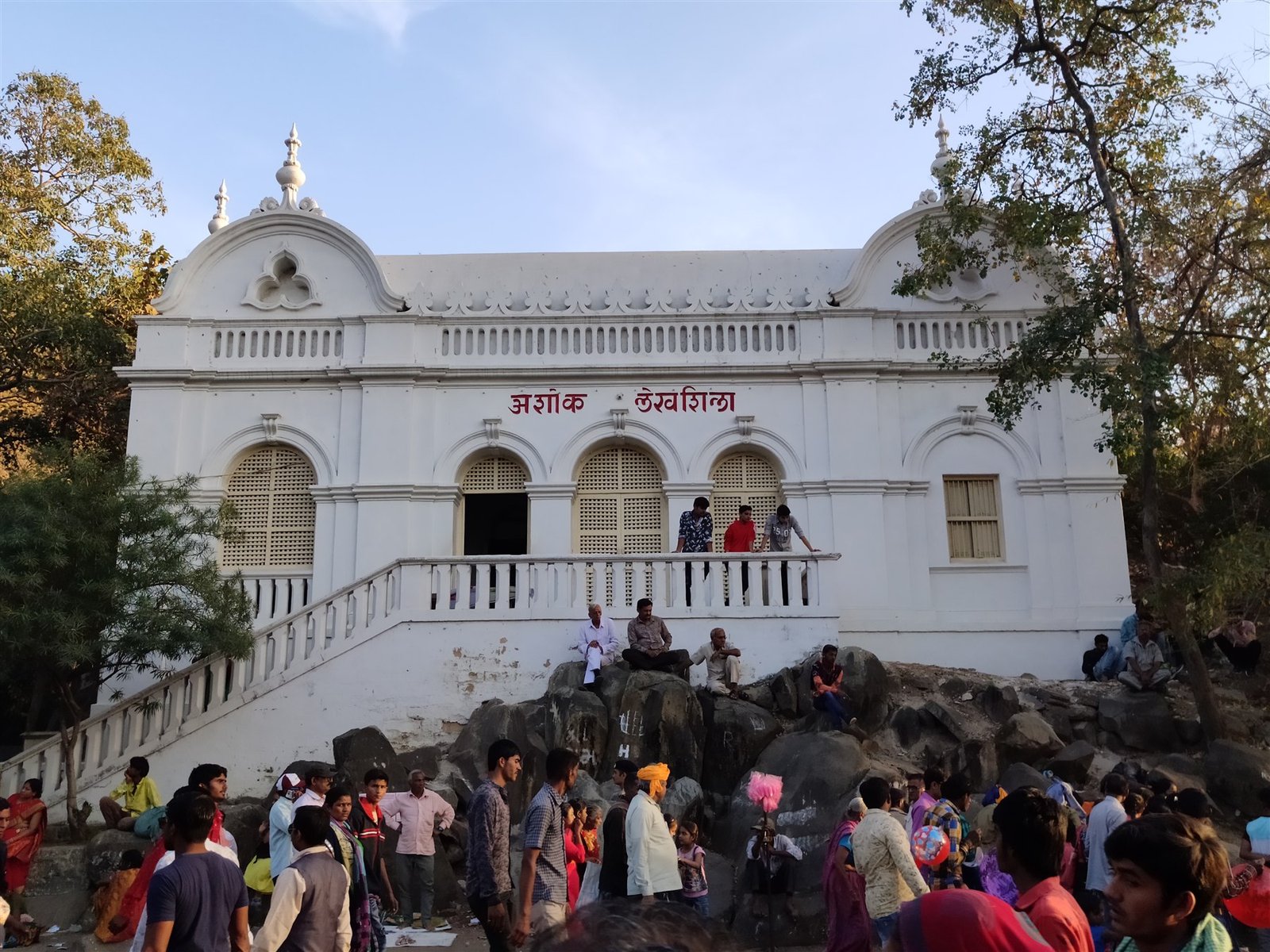
The shelter
The domed building raised over the rock to protect the inscriptions from weather.
How to spend an hour or two
See the boulder
Look at the boulder itself first — an unshaped block of granite covered in writing, with no monument around it.
Find the edicts
Trace the Brahmi lines of Ashoka's edicts, which run in bands across the rock face.
Spot later texts
Find the later Rudradaman and Gupta inscriptions and see how differently the scripts are cut.
Read the panels
Read what the edicts actually say; the interpretive panels give the translations and they are worth the time.
Reflect on time
Take in the span — roughly seven centuries of Indian history recorded on a single stone.
Continue to Girnar
Carry on up the road to Girnar, which is only a little further and is the obvious pairing.
A protected granite inscription.
A boulder under a dome
The monument is essentially the rock itself — a large, rounded granite boulder, its surface covered in lines of ancient script — now protected within a simple domed pavilion built to shield it from the elements. There is no grand architecture here; the significance is entirely in the stone and its inscriptions, which span Mauryan Prakrit, classical Sanskrit and Gupta-era records.
The rest of the district is covered in our Junagadh travel guide.
Interpretive panels help visitors read what the carvings, worn but legible, have preserved for over two millennia.
Large inscribed granite boulder
Ashokan Brahmi edicts
Rudradaman & Skandagupta texts
Protective domed pavilion
When to go
November to February is the season in Junagadh, and the right time to combine the rock with a Girnar climb.
The monsoon turns Girnar green and the approach road is at its best, though the shelter keeps the rock dry either way.
March to June is hot; go early. It is also Kesar mango season around Junagadh, which is its own reason to come.
⏰ Pair it with your Girnar trip — it sits on the same road; read the panels to make sense of the worn script.
Timings & entry
- Open during the day
- On the Junagadh–Girnar road
- Read the interpretive panels
- Allow about 30 minutes
- A modest ticket is charged
- Do not touch the fragile inscription
- Photography is usually allowed
- Combine it with Girnar
Getting there
By Air
Keshod Airport (~45 km) is nearest.
By Rail
Junagadh station, then road toward Girnar.
By Road
On the Girnar road, ~3 km from the city centre.
At the edicts
STONE & SCRIPT
Ancient lines on weathered granite
What to shoot
The inscribed boulder and the bands of script across it.
Setting
The domed shelter and the short approach to it.
Detail
Close detail of the Brahmi letters, which are shallow and worn.
Be careful
Photograph without touching — the surface is fragile and irreplaceable.
Know before you go
More to see close by
 MONUMENT
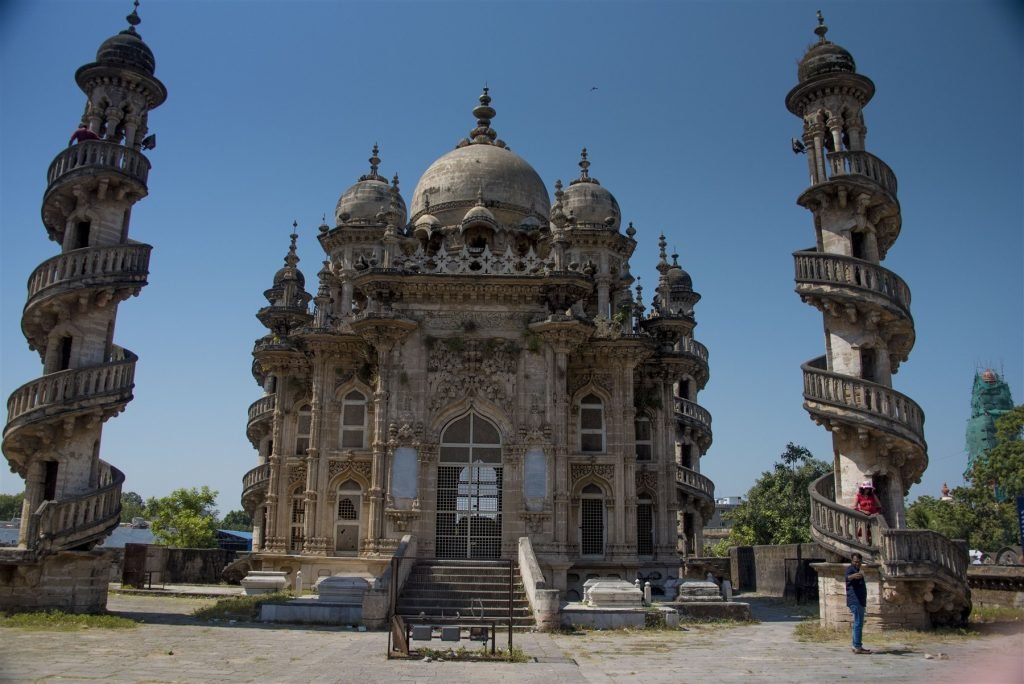
Mahabat Maqbara
A fantastical Indo-Islamic royal mausoleum
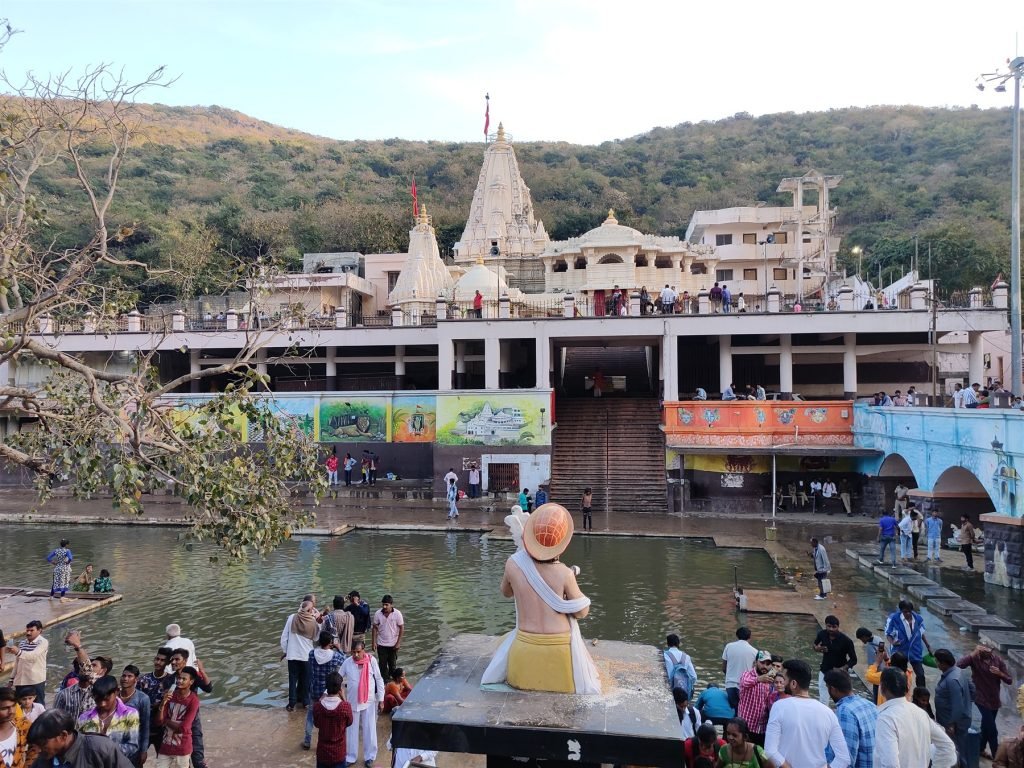
Damodar Kund
Vaishnav temple beside Damodar Kund
 FORT
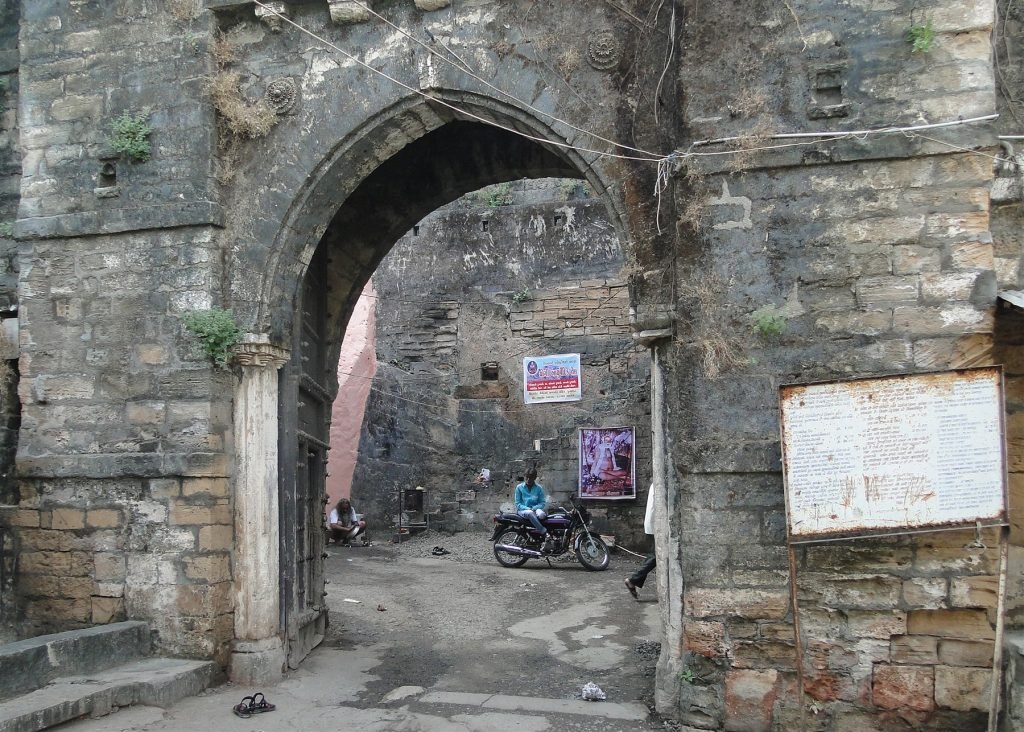
FORTUparkot Fort
Ancient citadel with stepwells, caves & cannons
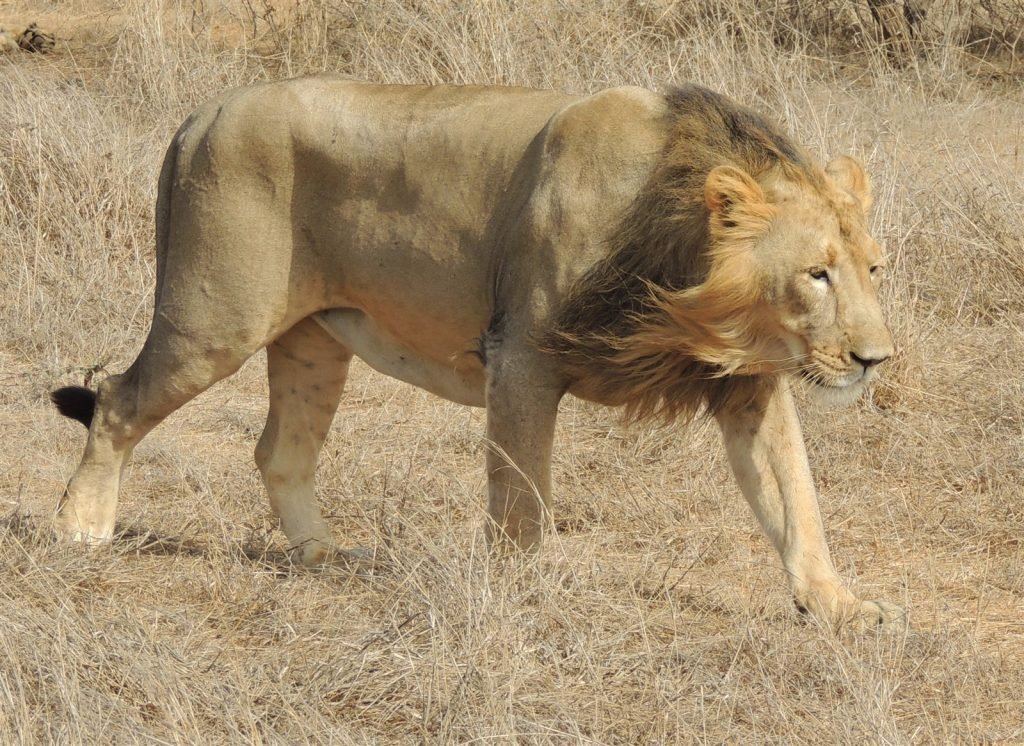
Asiatic Lion
◐ Gir / Sakkarbaug
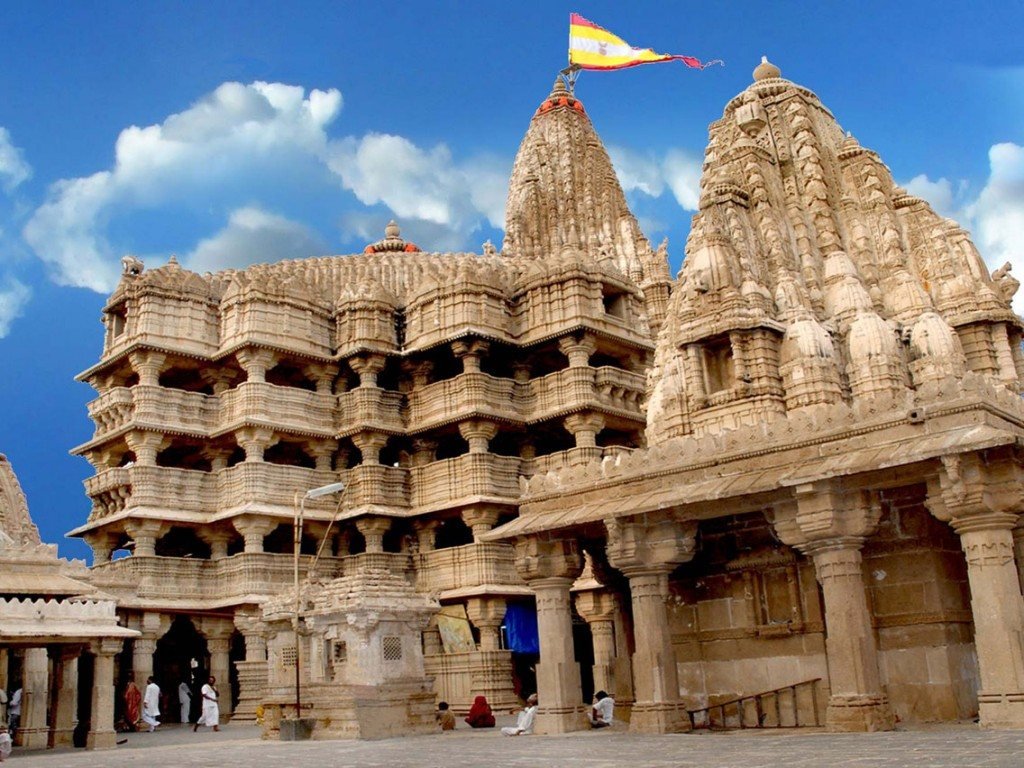
Amba Mata Temple
Hindu shrines crowning Girnar’s summits
 SUFI
SUFIDatar Hill
A hilltop Sufi shrine with sweeping valley views
Where to eat near Ashokan Rock Edicts
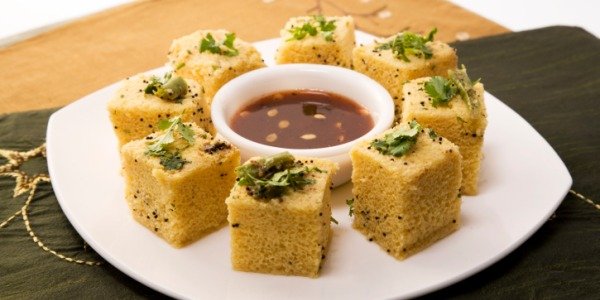
 THALI
THALIKathiawadi Thali
Rotla, kadhi, shaak and ghee-rich fare.
 SNACKS
Ganthiya & farsan
Saurashtra's beloved fried snacks.
 STREET FOOD
Chaat & kachori
Bustling old-city bazaar bites.
Kesar mangoes
Junagadh's Girnar-grown Kesar mango is famed (summer).
Ashokan Rock Edicts FAQ
What are the Ashokan Rock Edicts?
Fourteen Major Rock Edicts of the emperor Ashoka, carved around 250 BCE into a granite boulder on the Junagadh–Girnar road. They set out his policy of dhamma after the Kalinga war — non-violence, religious tolerance and the welfare of his subjects.
What language are they in?
Prakrit, written in the ancient Brahmi script — among the oldest deciphered writing in India and the ancestor of most modern Indian scripts.
What else is on the rock?
Yes. Rudradaman added a Sanskrit inscription roughly four centuries after Ashoka, and a Gupta-era text records later repairs to the Sudarshana lake dam nearby.
Why is it important?
Because roughly seven centuries of Indian history are recorded on one stone, by three separate dynasties. Very few single objects anywhere carry that much of the record.
Where is it?
On the Junagadh–Girnar road, about 3 km from the city, and directly on the way to the mountain. Look for the domed shelter set back from the road.
Is there an entry fee?
Yes, there is a small entry ticket. The site is maintained and the rock is housed under a protective structure.
Can I photograph it?
Usually yes, but never touch the surface. The inscriptions are shallow, worn and extremely fragile.
How long should I spend?
About thirty minutes for the rock and the panels. It fits easily into the start or end of a Girnar day.
Related places across Gujarat
Amba Mata Temple
Hindu shrines crowning Girnar’s summits
Saurashtra Village
A Saurashtra village offers a close look at rural life in the Kathiawad heartland of Gujarat,…
 QUIRKY
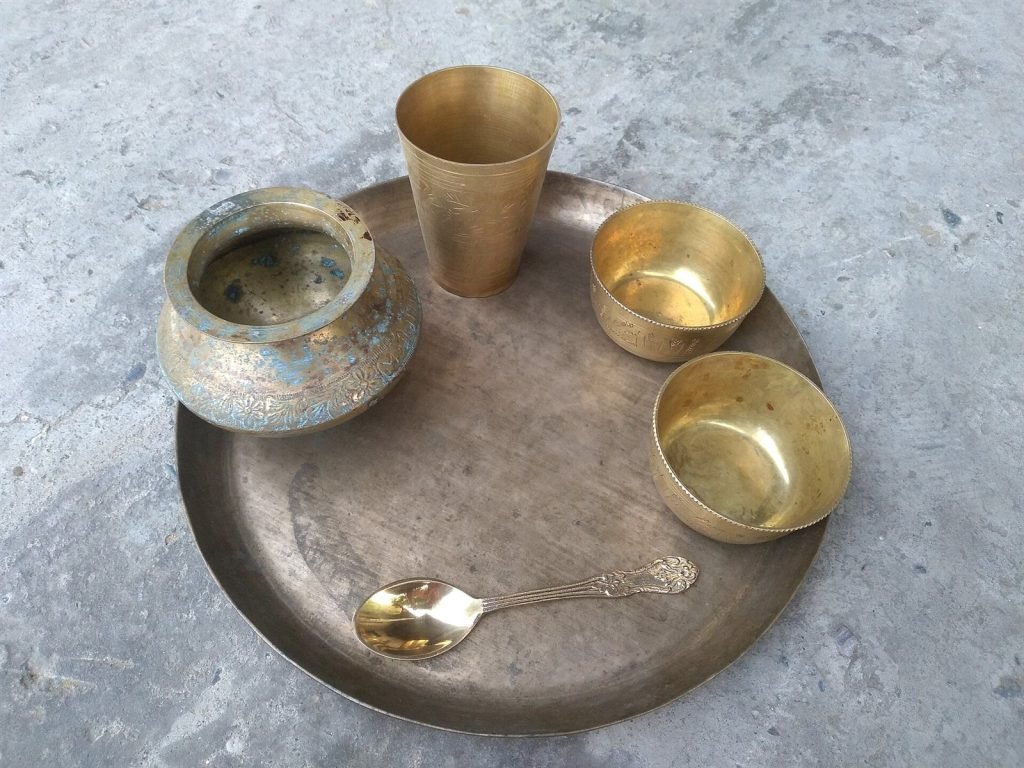
Vechaar Utensils Museum
Thousands of traditional utensils
 TOWN
TOWNBodeli
A bustling market town of the belt
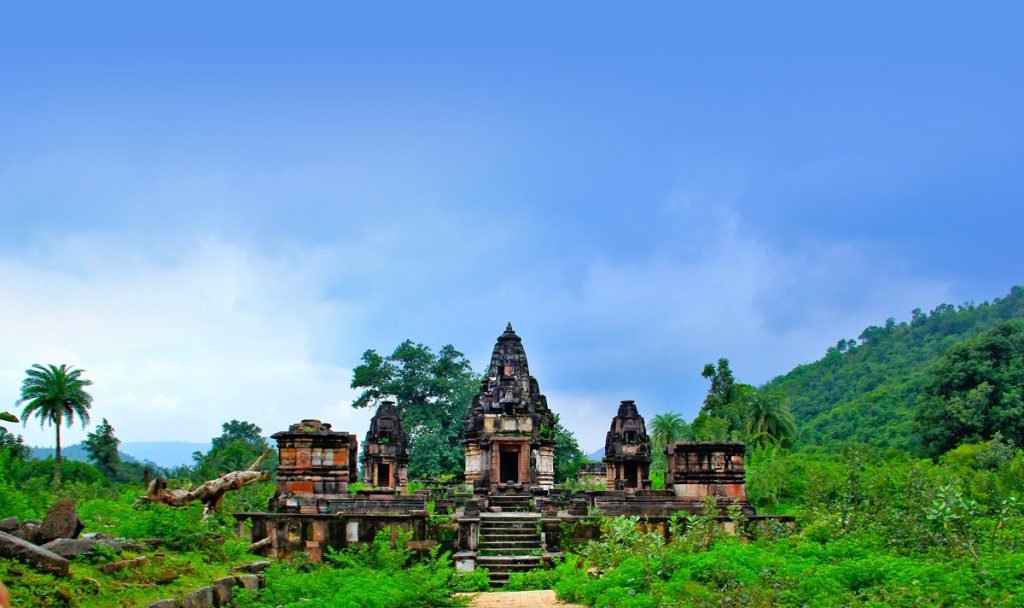
Polo Jain Temples
Carved Jain ruins amid the jungle
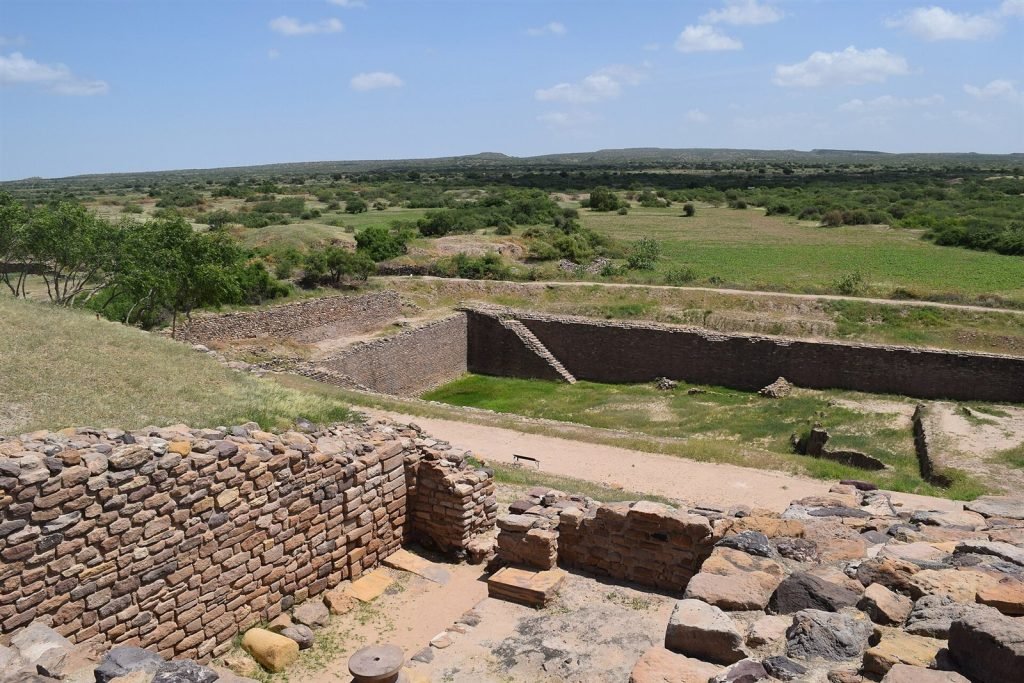
Nareshwar Dham
A serene ashram on the Narmada banks
WHERE TO STAY
Find your stay in Gujarat
Compare live prices across the big booking sites and reserve in a few taps. Booking happens securely on the partner's site — we may earn a small commission at no extra cost to you.
Book directly on our partner sites — tap a provider to see live Gujarat hotels & prices:
SHOP THE REGION
Bring home Gujarat — & travel essentials
Hand-picked crafts and trip gear, available on Amazon.
Published 24 June 2026 · Updated 24 August 2026
We’re an independent group of writers and travellers documenting every corner of Gujarat — one place, plate and festival at a time.