Khambhat — the ancient Cambay — was one of the great ports of the medieval Indian Ocean world, thriving from the 9th to the 16th centuries as a conduit for silk, spices, agate and carnelian, visited by Arab, Persian, Chinese and European traders and noted by Marco Polo.
The agate trade is the thread that survived everything else: lapidaries in the town’s workshops still cut and polish the banded stone brought from the Rajpipla hills, working a craft this region has practised for some five thousand years. Watching the wheels turn — and buying beads or bowls at the source — is the visit’s most rewarding half hour.
The city’s silting harbour eventually ended its maritime pre-eminence, but Khambhat’s craftsmen have continued for centuries to work the beautiful agate and carnelian stones washed in from the Narmada estuary, producing the famous Khambhat gem-polishing tradition.
The old city retains its historic mosques (some with repurposed temple columns reflecting the layered history) and the centuries-old craft workshops that still cut, polish and bead the brilliant stones. A city of ancient trade and living craft.
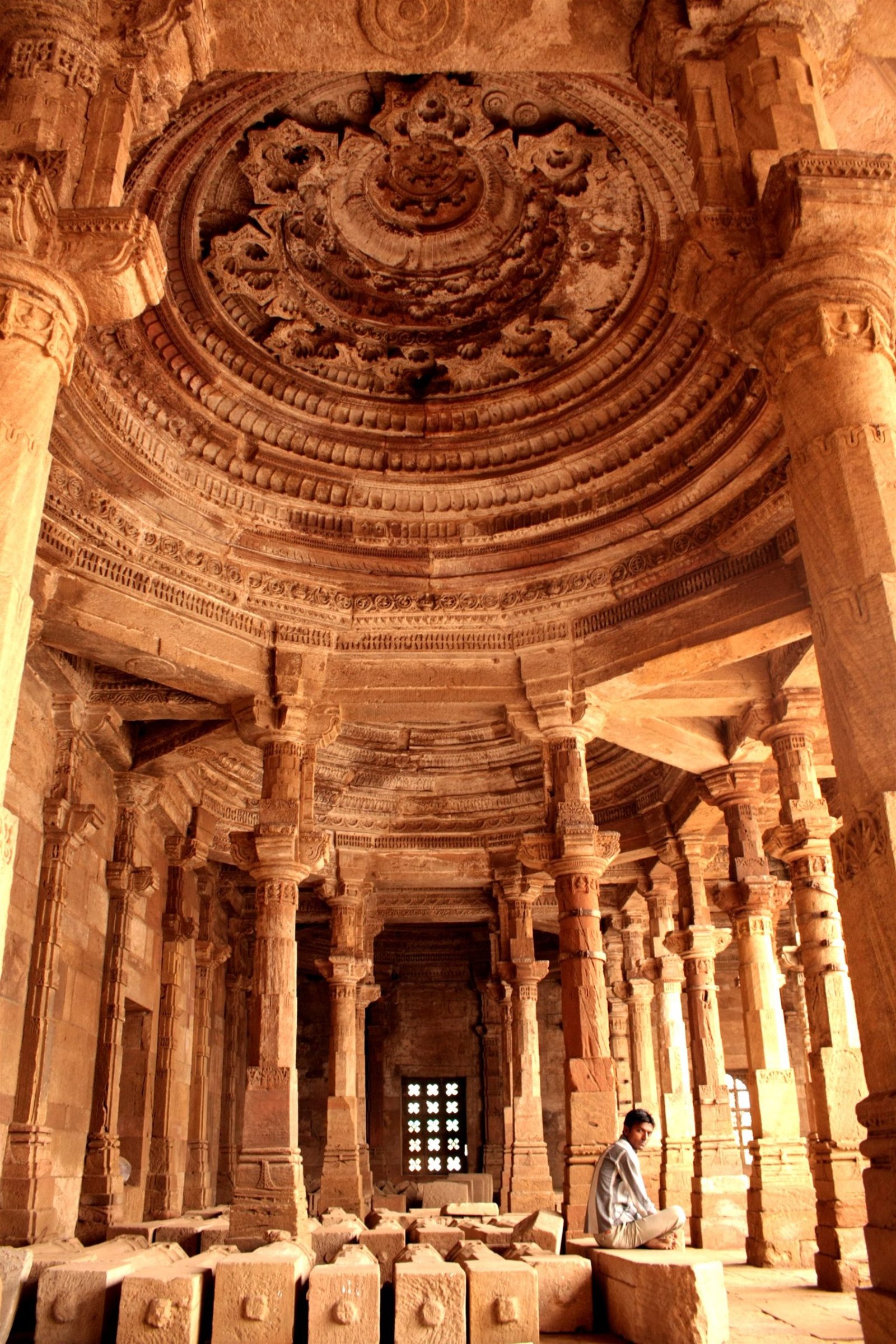
A morning covers the essentials in a natural loop: the Jami Masjid of 1325 first, its pillared hall assembled from older carved stone; then the lanes of the old quarter with their havelis and derasars; and finally an agate workshop, where the polishing wheels and bead-drills continue a craft the Harappans would recognise. The stones themselves — banded agates, deep carnelians — come from the Narmada gravels as they always have, heat-treated to raise the colour before cutting.
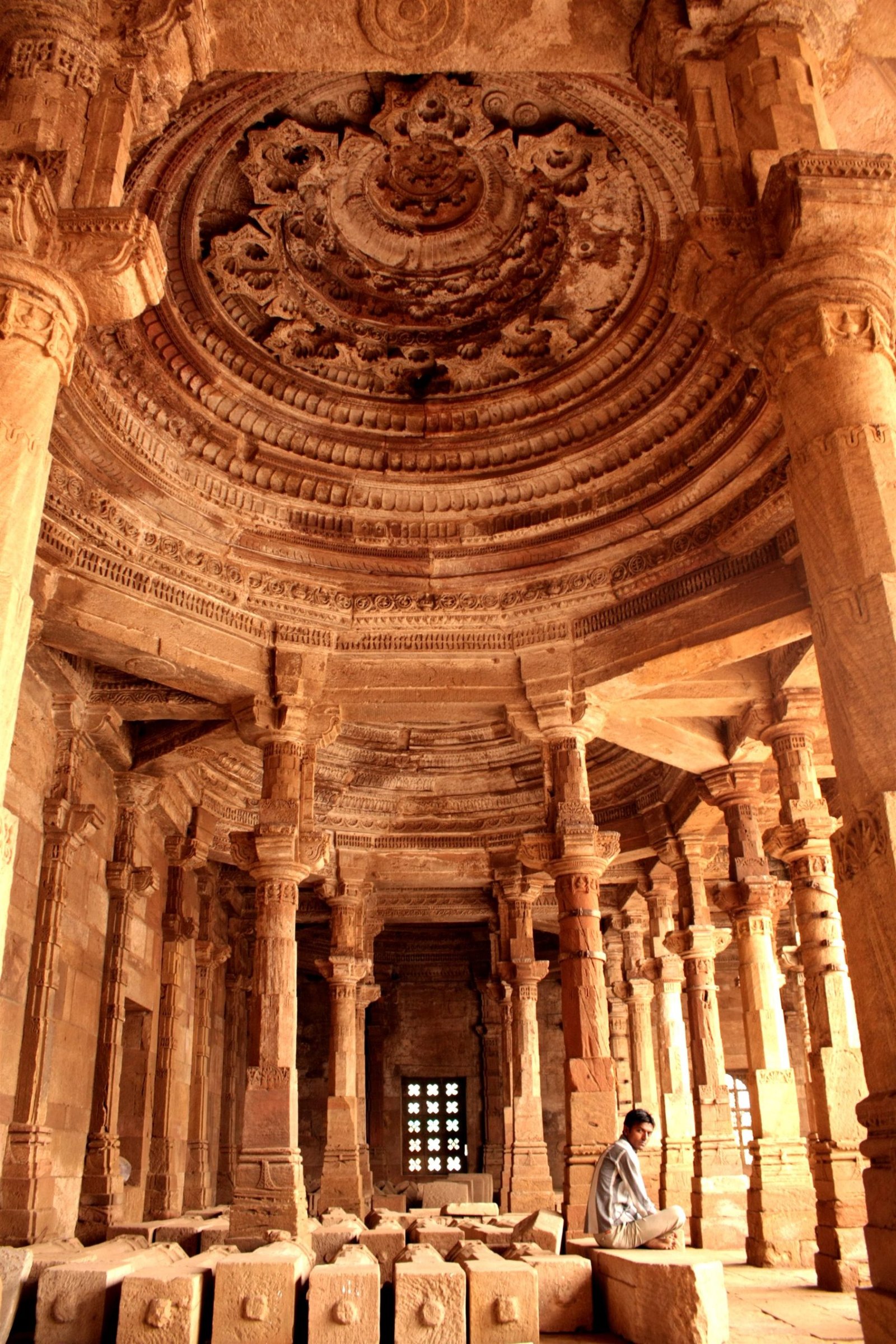
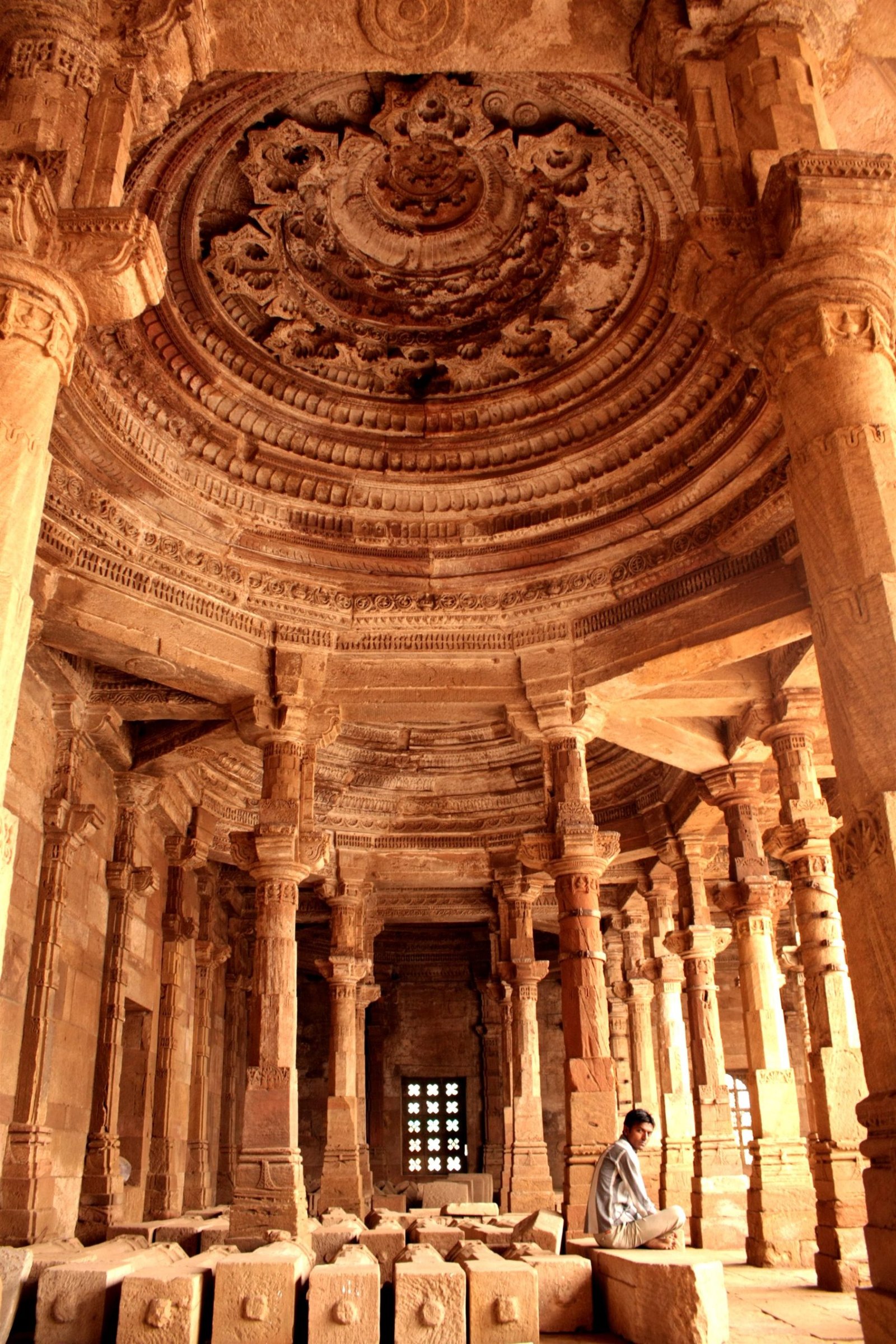
The Jami Masjid interior, Khambhat.
Carved pillars of the Jami Masjid.
From the ninth to the sixteenth centuries, Cambay ranked among the Indian Ocean's great ports.
Marco Polo noted its wealth; Arab and Persian geographers wrote it into their charts.
The gem trade made it a byword — agate and carnelian cut here reached three continents.
Then the harbour silted, and the trade moved on to Surat and the sea's new ports.
The agate craft is a living tradition, worked today as for centuries.
The medieval heritage stands in mosque, tomb and lane.
This is Marco Polo's Cambay — a city travellers wrote home about.
The workshops welcome watchers; the craft is done openly.
Old lanes and monuments reward slow walking.
The estuary that made and unmade the port lies just beyond.
THE MOSQUEKhambhat's great mosque.
THE CRAFTA living tradition.
See the Jami Masjid's carved pillars, reused from older shrines.
Watch agate and carnelian being cut and polished by hand.
Walk the old lanes and markets of the port quarter.
Stand where Marco Polo's port once received the ocean's trade.
Buy beads and stones directly from the craftsmen.
Look out over the silted harbour that ended the story.
Jami Masjid, Khambhat.
Khambhat (ancient Cambay) was one of the great medieval Indian Ocean ports, noted by Marco Polo, thriving on trade in silk, spices and agate until its harbour silted in the 16th century.
Its craftsmen still work the brilliant agate and carnelian stones, and its old mosques (with repurposed temple columns) reflect its layered, cosmopolitan history. A city of ancient trade and living craft.
Our Anand travel guide maps out the other places worth your time here.
Ancient port noted by Marco Polo
Thrived 9th–16th centuries
Living agate & carnelian craft
Old mosques with temple columns
Cool and pleasant — the ideal season.
Lush but humid.
Hot and dry — start early.
⏰ Visit in the cool months; pair the old city with the gem workshops in one unhurried morning.
Ahmedabad airport (~70 km).
Anand Junction.
NH-48 / Anand.
STONE & CITY
The great mosque and its pillared hall.
Agate gems at the polishing wheel.
The old city's lanes and gates.
Morning light on the port quarter.
A world-class agricultural university — Anand Agricultural University (AAU), heir to a century-old tradition of agronomic…
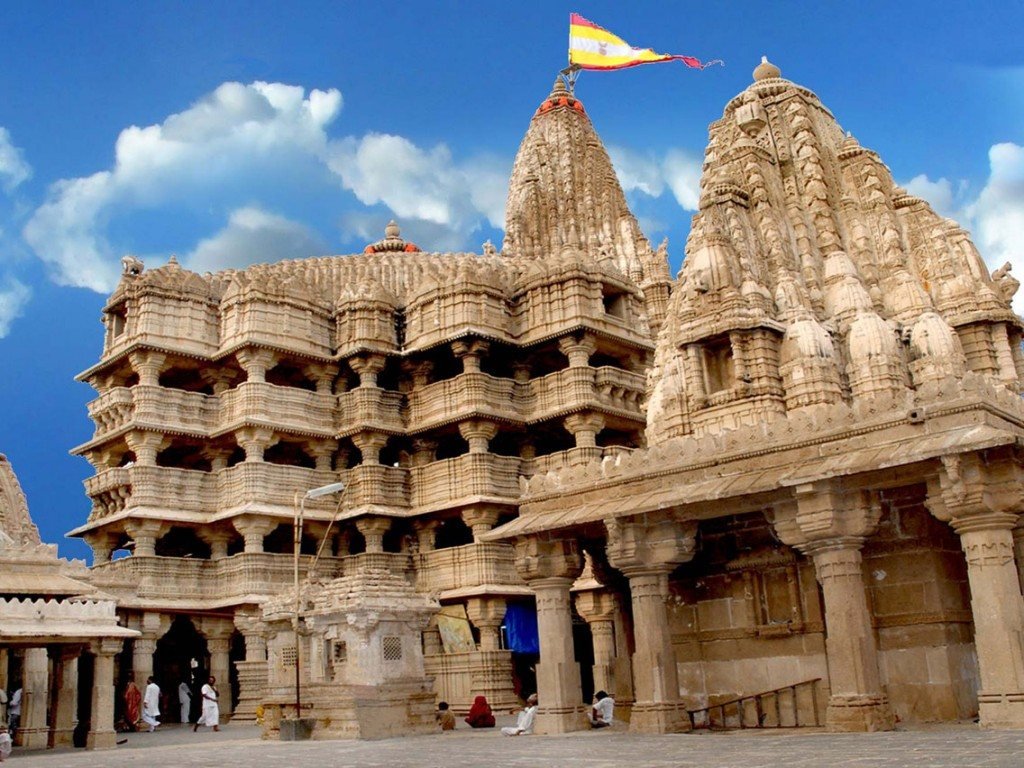
A graceful Krishna temple in the city
An old market town of the Charotar
TOWNSHIPA green university town of the Charotar
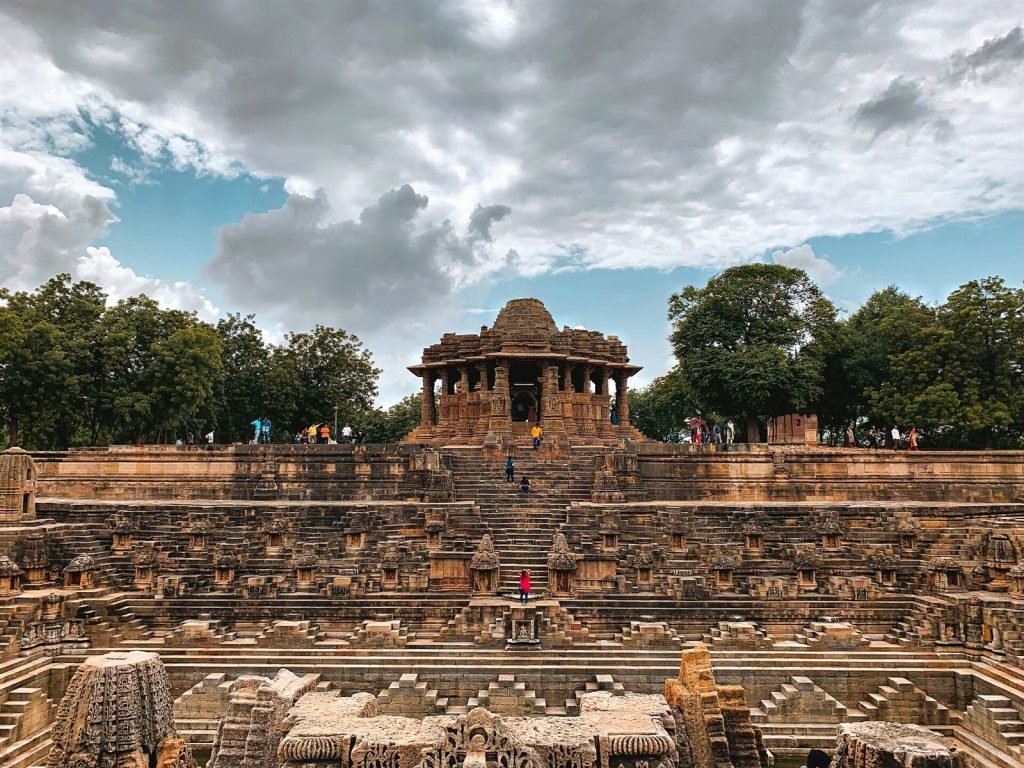
A constellation of historic derasars
The white marble of the Akshar tradition — Swaminarayan Temple in Anand, of the BAPS tradition,…
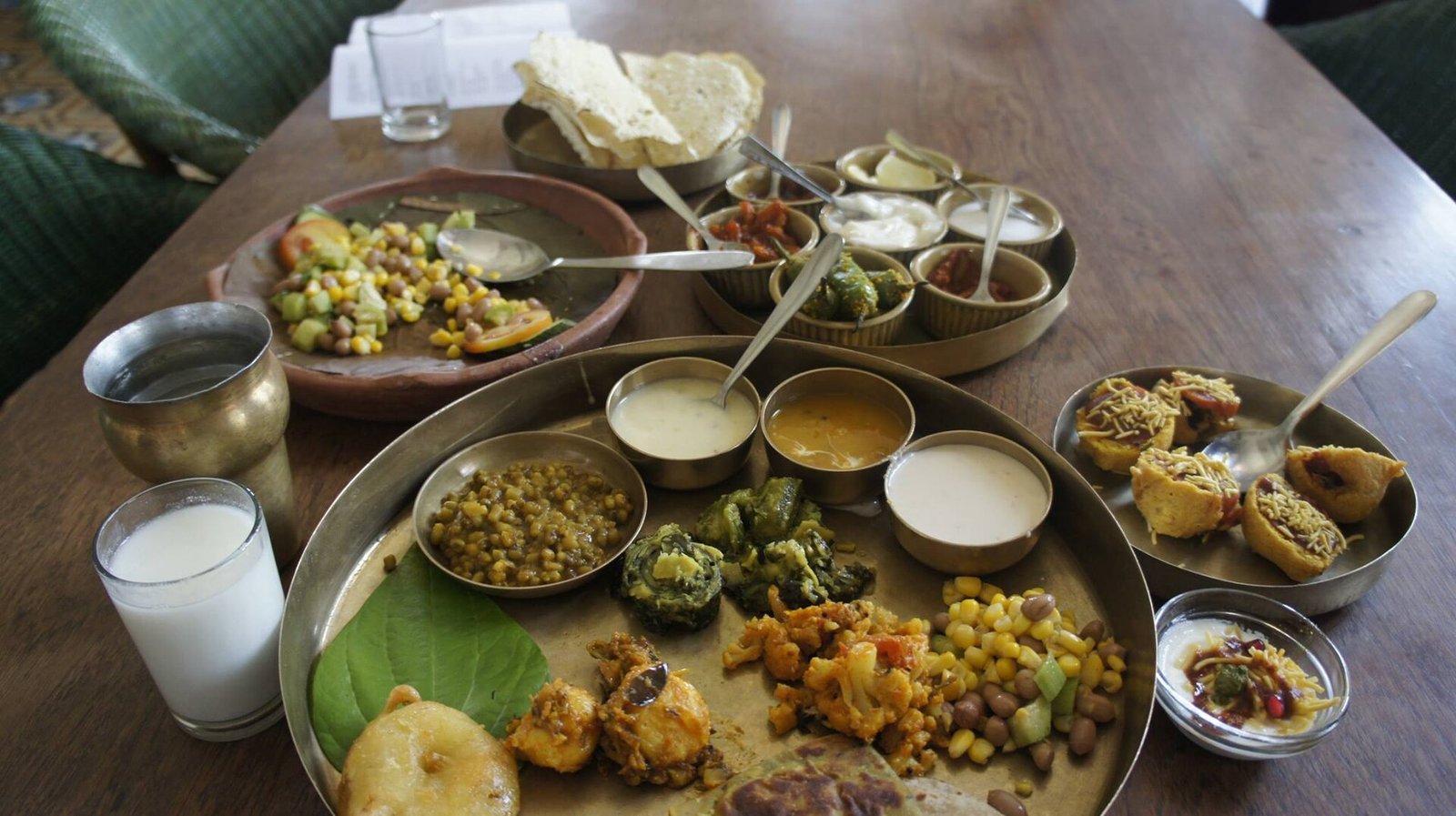
THALIHearty Charotar meals.
FARSANSteamed snacks.
STREETStreet food in the city.
Famous for fresh milk sweets — shrikhand, basundi, doodh pak.
Khambhat — the ancient Cambay — was one of the great ports of the medieval Indian Ocean world, thriving from the 9th to the 16th centuries as a conduit for silk, spices, agate and carnelian, visited by Arab, Persian, Chinese and European traders and noted by Marco Polo. The city's silting harbour eventually ended its maritime pre-eminence, but Khambhat's craftsmen have continued for centuries to work the beautiful agate and carnelian stones washed in from the Narmada estuary, producing the famous Khambhat gem-polishing tradition.
Khambhat, Anand.
Free.
October to March, the cool season.
The Amul dairy, Vallabh Vidyanagar, Karamsad and Borsad.
Half a day.
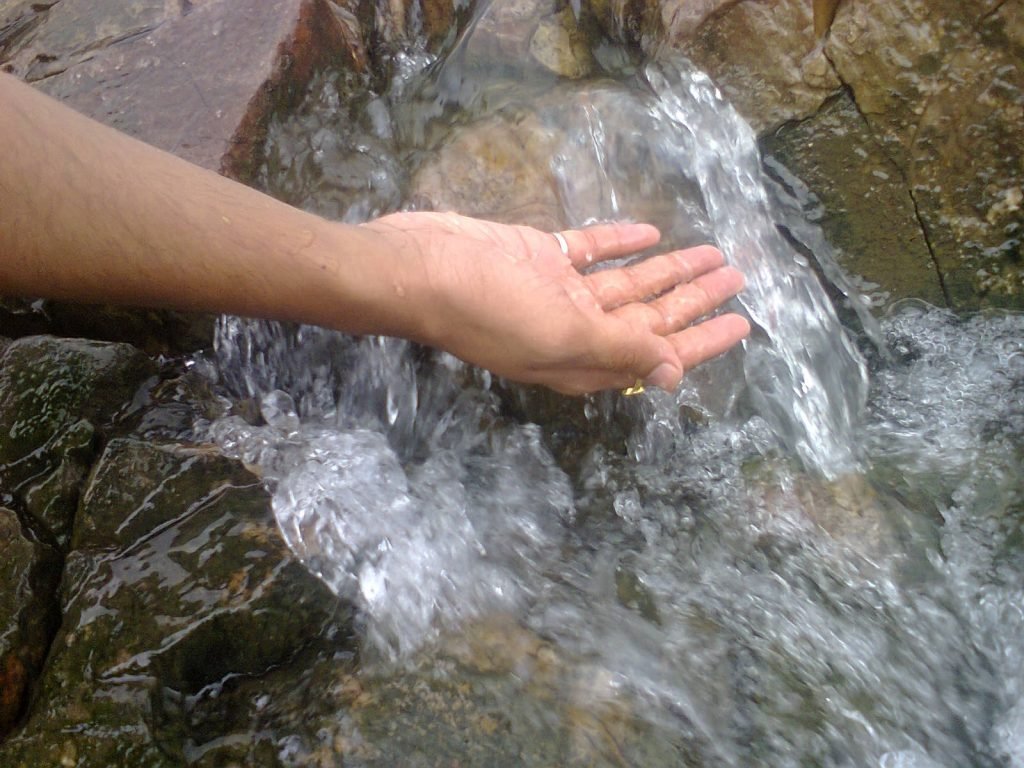
5A serene stream winding through tribal country
QUIRKYOver 1,500 dolls from across the world
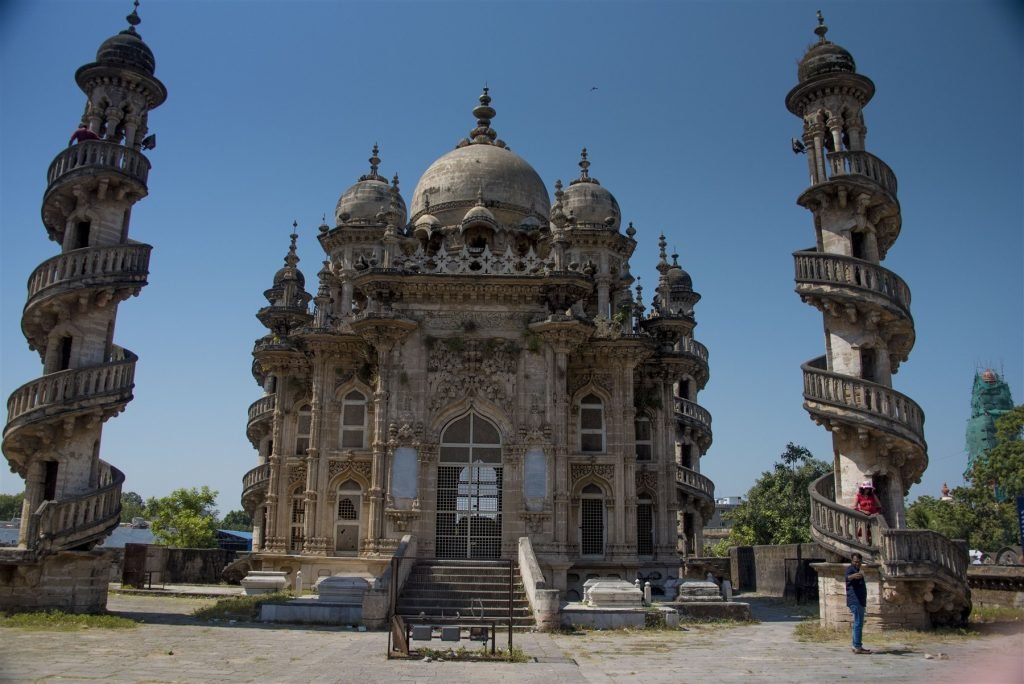
MONUMENTA fantastical Indo-Islamic royal mausoleum
A traditional Saurashtra village
Hilltop Jain shrines above the town

Hindu shrines crowning Girnar’s summits
WHERE TO STAY
Compare live prices across the big booking sites and reserve in a few taps. Booking happens securely on the partner's site — we may earn a small commission at no extra cost to you.
Book directly on our partner sites — tap a provider to see live Gujarat hotels & prices:
SHOP THE REGION
Hand-picked crafts and trip gear, available on Amazon.
Published 24 June 2026 · Updated 24 August 2026
We’re an independent group of writers and travellers documenting every corner of Gujarat — one place, plate and festival at a time.
Search Gujarat Explorer
Find places, food, festivals and travel guides across Gujarat
Press Enter to search — or Esc to close
Plan Your Trip
Gujarat Explorer is an independent travel guide. We’re happy to help you shape an itinerary and point you to the right places, stays and experiences across Gujarat.
Book a Cab