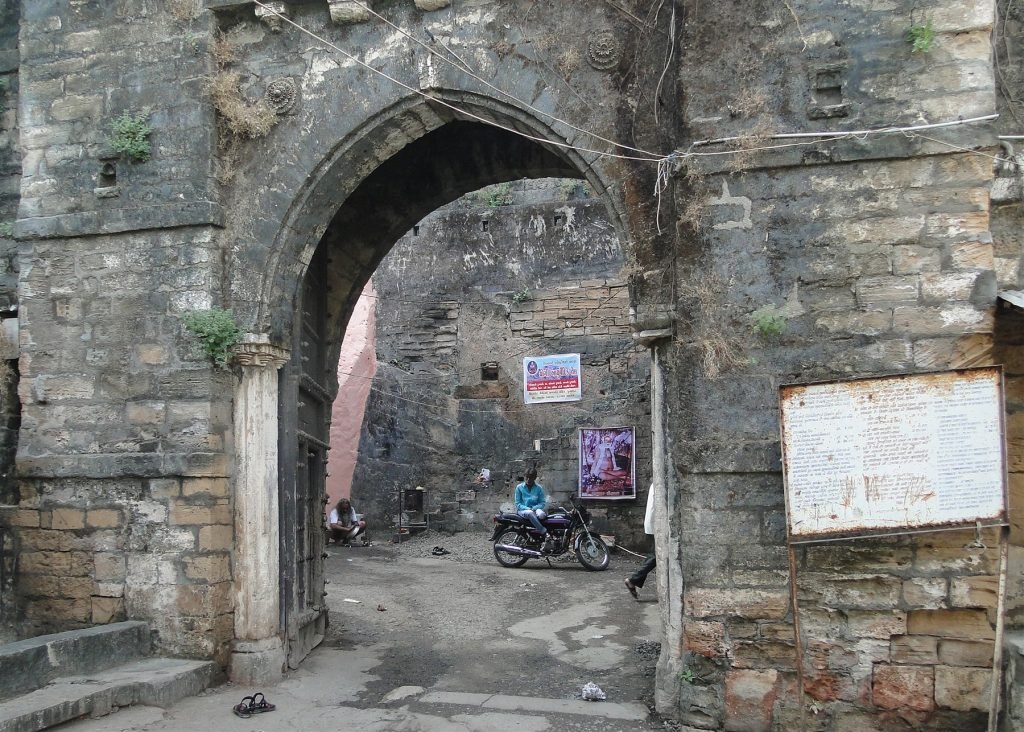
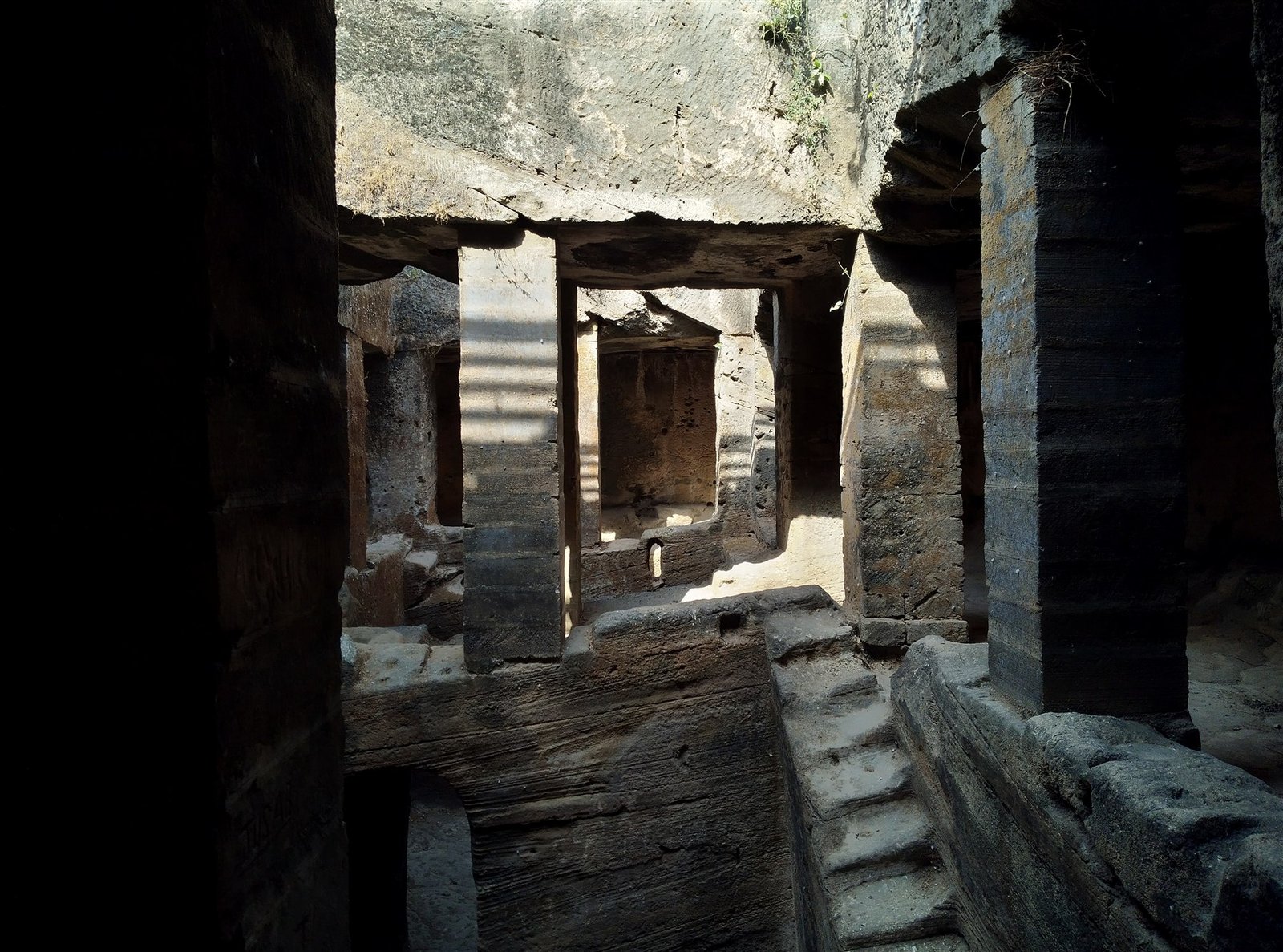
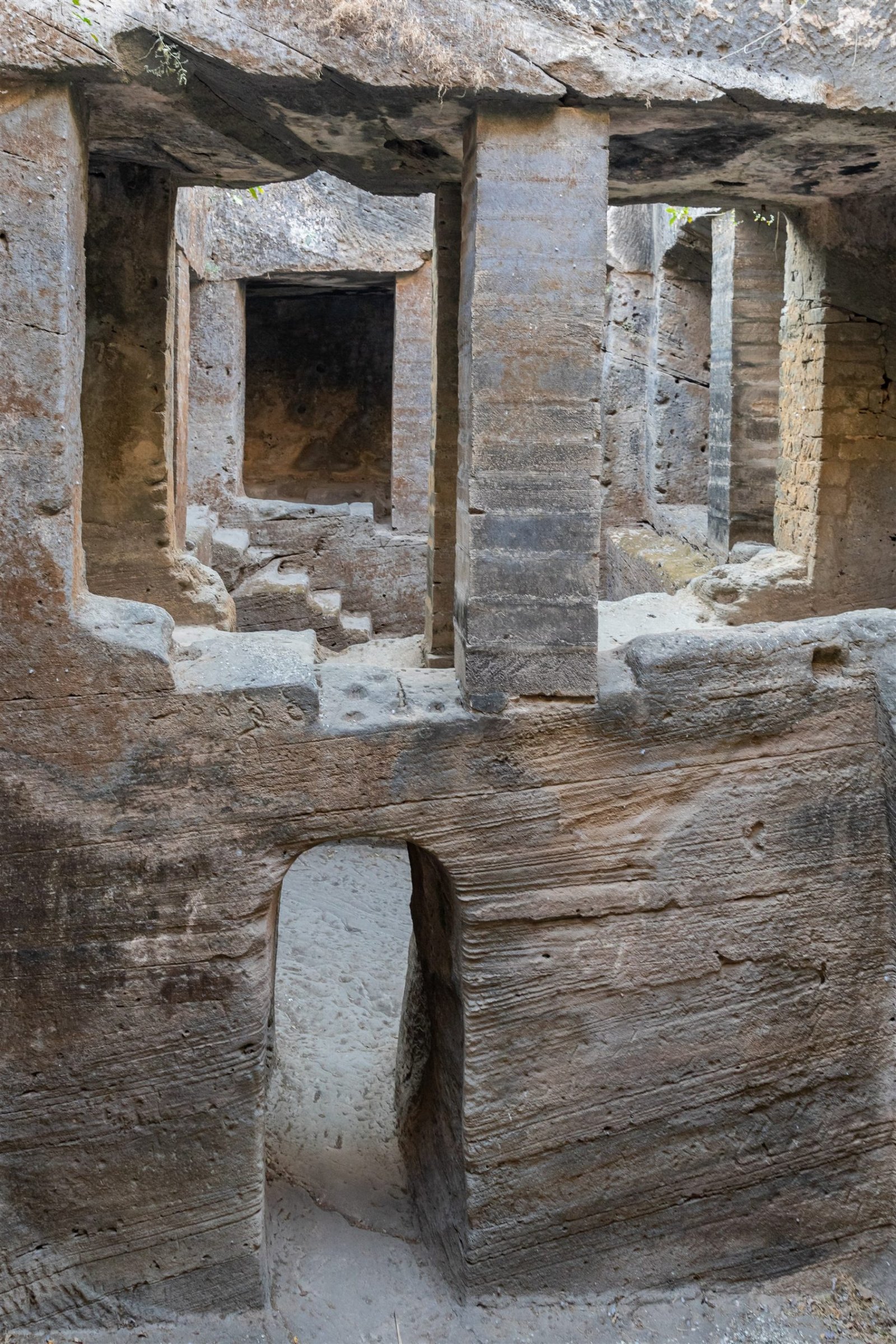
Among the lesser-known but historically priceless monuments of Junagadh are the Khapra Kodiya caves, believed to be the oldest Buddhist rock-cut caves in Gujarat, dating to around the 3rd century BCE in the time of Emperor Ashoka and the Mauryas. Cut into a low ridge of living rock, these austere caves are not ornate temples but plain monastic dwellings (viharas) — long cells, an L-shaped wing and an unusual sunken courtyard with a water cistern, where wandering Buddhist monks once meditated and sheltered during the rains.
Their stark simplicity, great antiquity and quiet setting make them an evocative window into the early Buddhist presence in Gujarat. Complementing the nearby (and more elaborate) Uparkot and Baba Pyare caves, Khapra Kodiya is a remarkable, low-key treasure for history-lovers. (An ASI-protected site; entry by ticket.)
Inside the Khapra Kodiya caves.
The rock-cut caves, Junagadh.
The caves are cut into a low ridge of living rock and are generally dated to around the third century BCE, in the Mauryan period.
They were made as a vihara — a monastic residence — with long cells, an L-shaped wing and a sunken court, all plain and functional.
That makes them among the earliest Buddhist rock-cut excavations in Gujarat, predating the more elaborate Uparkot and Baba Pyare caves nearby.
The site is protected by the Archaeological Survey of India and sits within the wider Junagadh monument group.
Probably the oldest Buddhist rock-cut caves in Gujarat, cut when the Mauryan empire still governed the region.
These are dwellings, not shrines — cells for monks rather than a chaitya hall for worship.
Everything is cut from the living rock: cells, benches, court and drainage, with nothing built up.
The excavation is arranged around a sunken open court, which gave the cells light and air.
At over two thousand years old this is among the oldest human-made structures you can walk into in Gujarat.
Almost nobody visits, even though Junagadh's other monuments a short distance away draw steady crowds.
THE CELLSPlain rock-cut cells, entirely unornamented, cut for use rather than display.
THE SITEAustere Mauryan-era excavation, the earliest Buddhist work in the state.
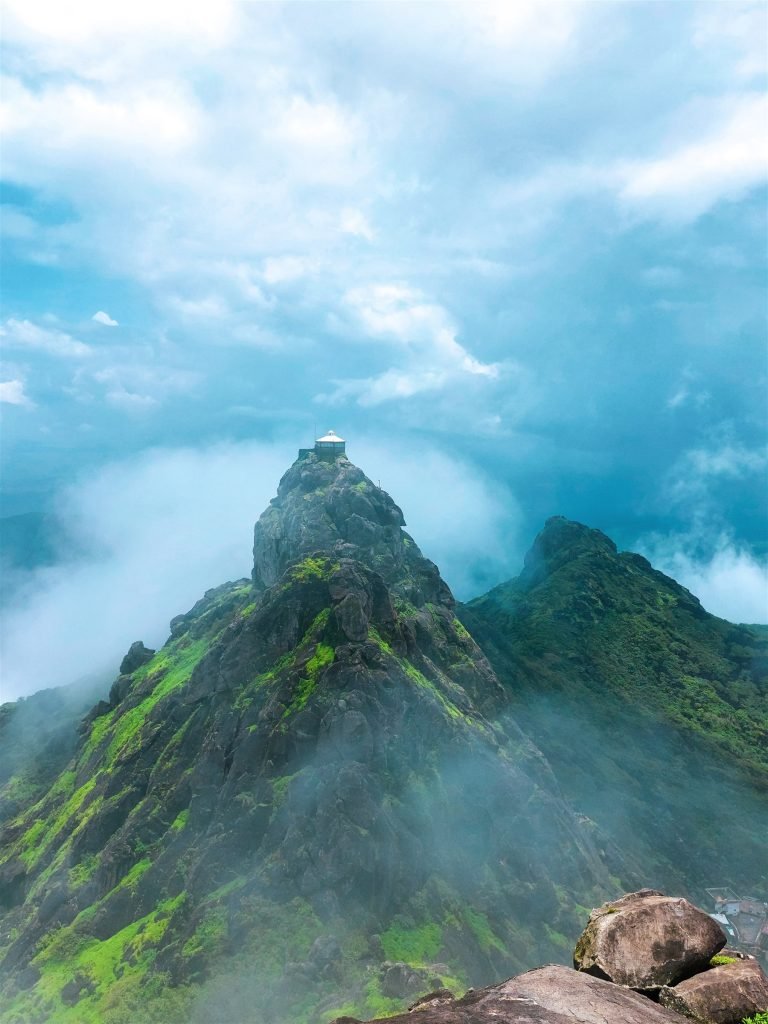
Go into the monastic cells and note how plain they are — this was accommodation, not a temple.
Stand in the sunken court, which organised the whole excavation and gave the cells their light.
Consider the date. These cells were cut while the Mauryan empire still ran this part of India.
Set them in Gujarat's Buddhist history alongside Devni Mori, Kadia Dungar and the Junagadh caves.
Compare them with the later Uparkot and Baba Pyare caves nearby, which are far more elaborate.
Look at the rock-cutting itself — tool marks and the austerity of the lines are the whole aesthetic here.
The austere rock-cut caves.
Khapra Kodiya is a group of plain Buddhist rock-cut caves — long monastic cells, an L-shaped wing and a sunken courtyard with a water cistern — carved into a low rock ridge in the Mauryan era. Unadorned and austere, they are the oldest such caves in Gujarat, an evocative trace of the early Buddhist monastic presence beneath Girnar. (An ASI-protected site; entry by ticket.)
For everything else the district holds, see our Junagadh travel guide.
Oldest Buddhist caves in Gujarat
Mauryan-era (3rd c. BCE)
Plain monastic cells (viharas)
Sunken court with cistern
Cool and pleasant — the ideal season.
Green and atmospheric after rain.
Hot and dry — start early.
⏰ Visit in the morning and combine Khapra Kodiya with the Uparkot and Baba Pyare caves for the full Buddhist circuit.
Keshod / Rajkot airports.
Junagadh station.
In Junagadh, near Uparkot.
ROCK & TIME
The rock-cut cells.
The cistern court.
Shadow and stone.
Austere antiquity.
PILGRIMAGE~9,999 steps to cliff-top Jain & Hindu temples
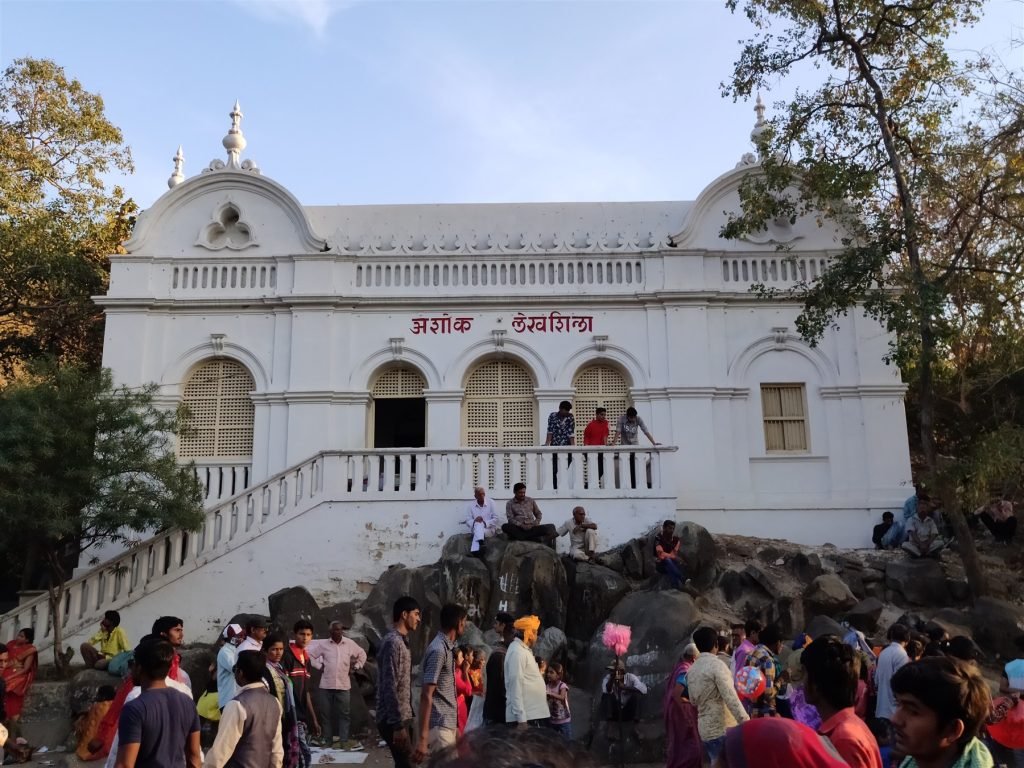
ANCIENTEmperor Ashoka’s edicts carved ~250 BCE
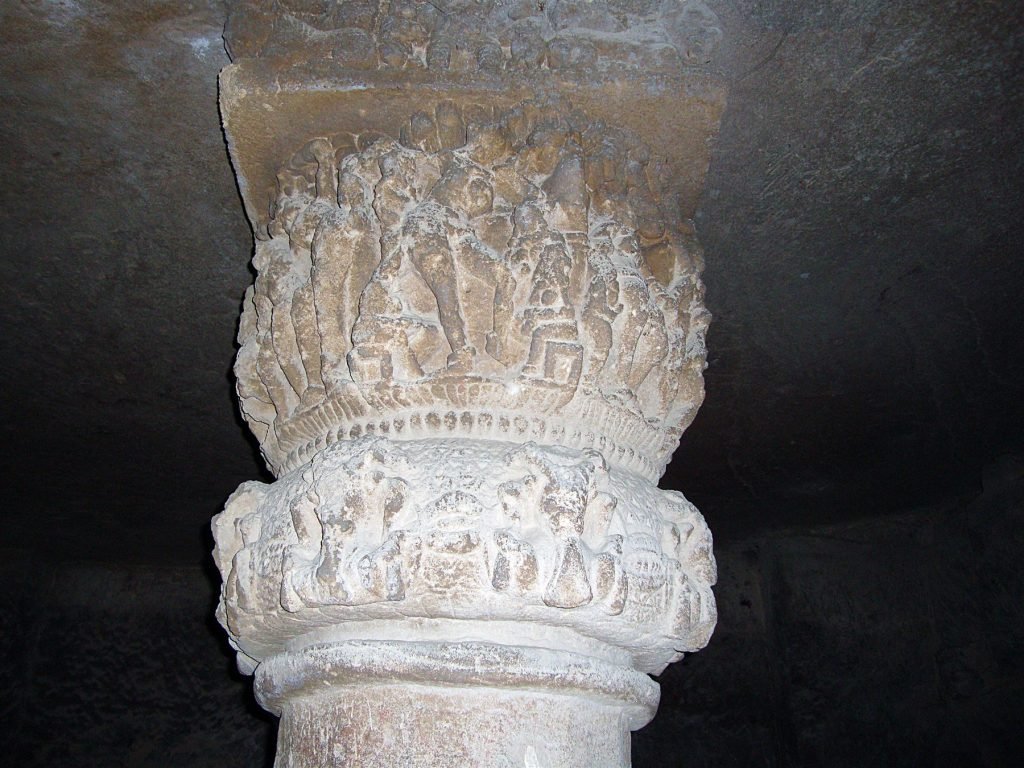
ARCHITECTUREA pillared mosque within the old fort
FORTAncient citadel with stepwells, caves & cannons
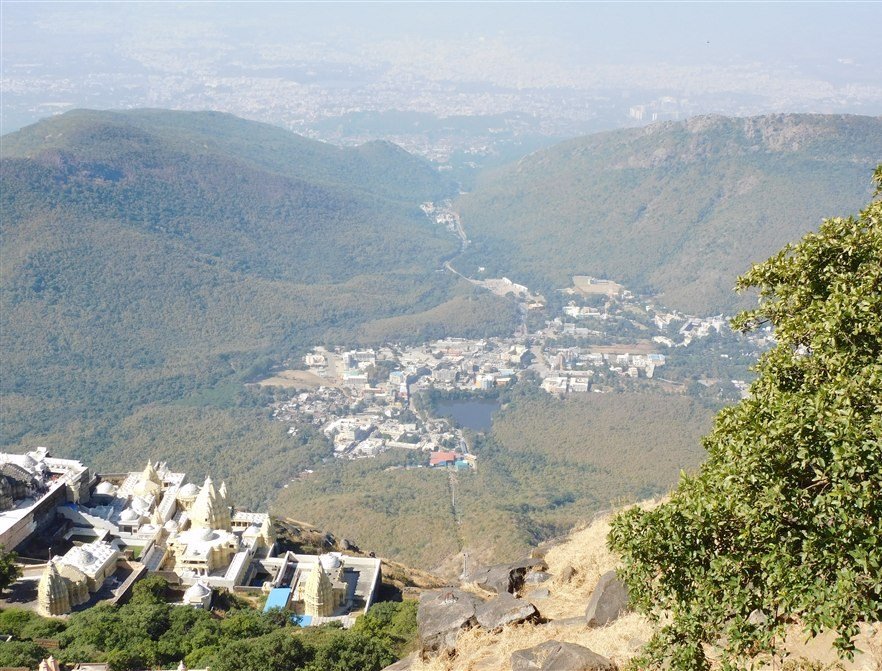
JAINMarble temple cluster high on the mountain
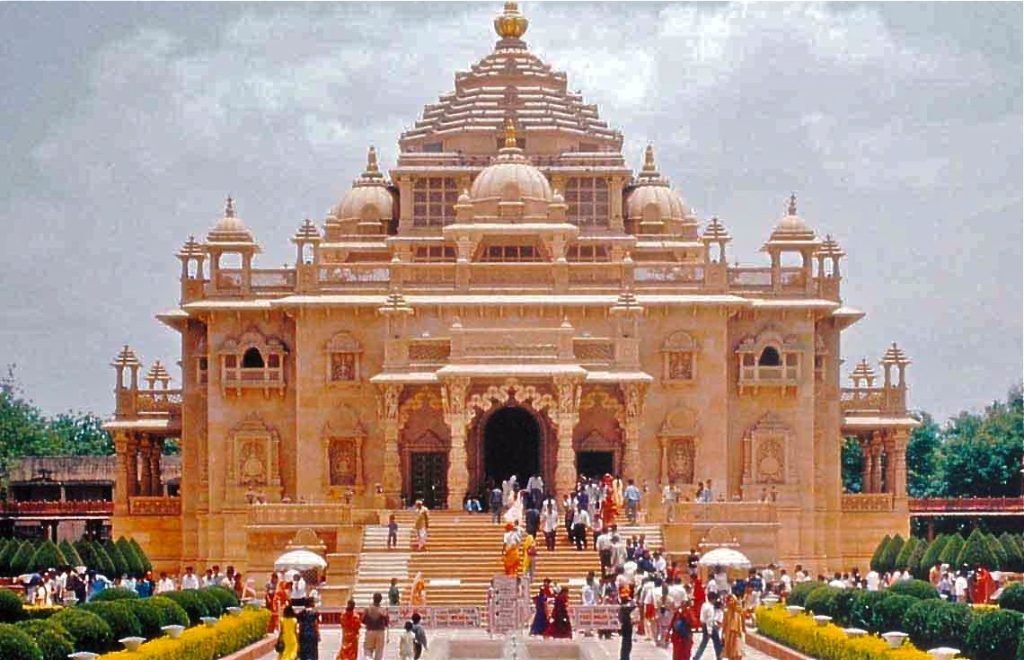
A pillared mosque within the old fort
THALISpicy Saurashtra meals.
FARSANFried and steamed snacks.
STREETLively bazaar snacks.
Famous Girnar-region Kesar mango & farsan.
The oldest Buddhist rock-cut caves in Gujarat, at Junagadh, from the Mauryan era.
Around the 3rd century BCE — over 2,000 years old.
Plain monastic cells (viharas) with a sunken court and water cistern, not ornate temples.
Yes, a modest ASI ticket.
The Uparkot and Baba Pyare caves and Uparkot fort.
In Junagadh, near Uparkot.
About thirty minutes.
October to March, in the morning.
WATERA peaceful rural reservoir
WILDLIFEA rugged refuge of the Indian sloth bear
A traditional Saurashtra village

The guardian goddess of Ahmedabad — a revered Shakti shrine set within the very Bhadra fort…
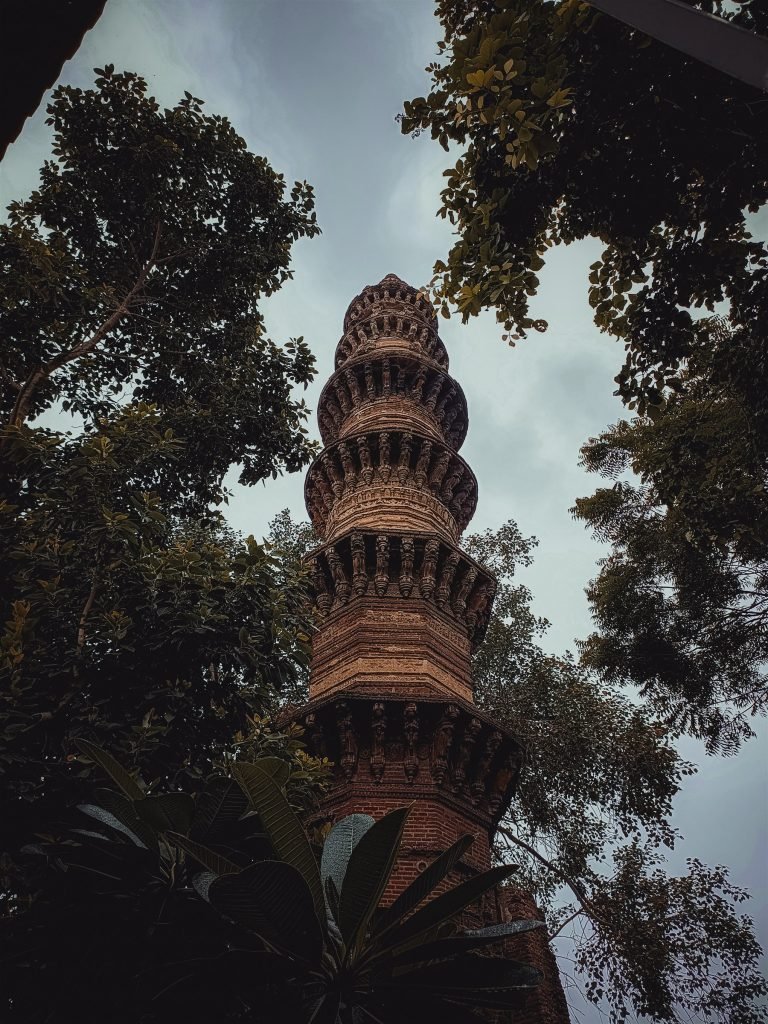
CURIOSITYThe mysterious ‘shaking minarets’
DAMA vast dam on the holy Tapi river
WHERE TO STAY
Compare live prices across the big booking sites and reserve in a few taps. Booking happens securely on the partner's site — we may earn a small commission at no extra cost to you.
Book directly on our partner sites — tap a provider to see live Gujarat hotels & prices:
SHOP THE REGION
Hand-picked crafts and trip gear, available on Amazon.
Published 24 June 2026 · Updated 24 August 2026
We’re an independent group of writers and travellers documenting every corner of Gujarat — one place, plate and festival at a time.
Search Gujarat Explorer
Find places, food, festivals and travel guides across Gujarat
Press Enter to search — or Esc to close
Plan Your Trip
Gujarat Explorer is an independent travel guide. We’re happy to help you shape an itinerary and point you to the right places, stays and experiences across Gujarat.
Book a Cab