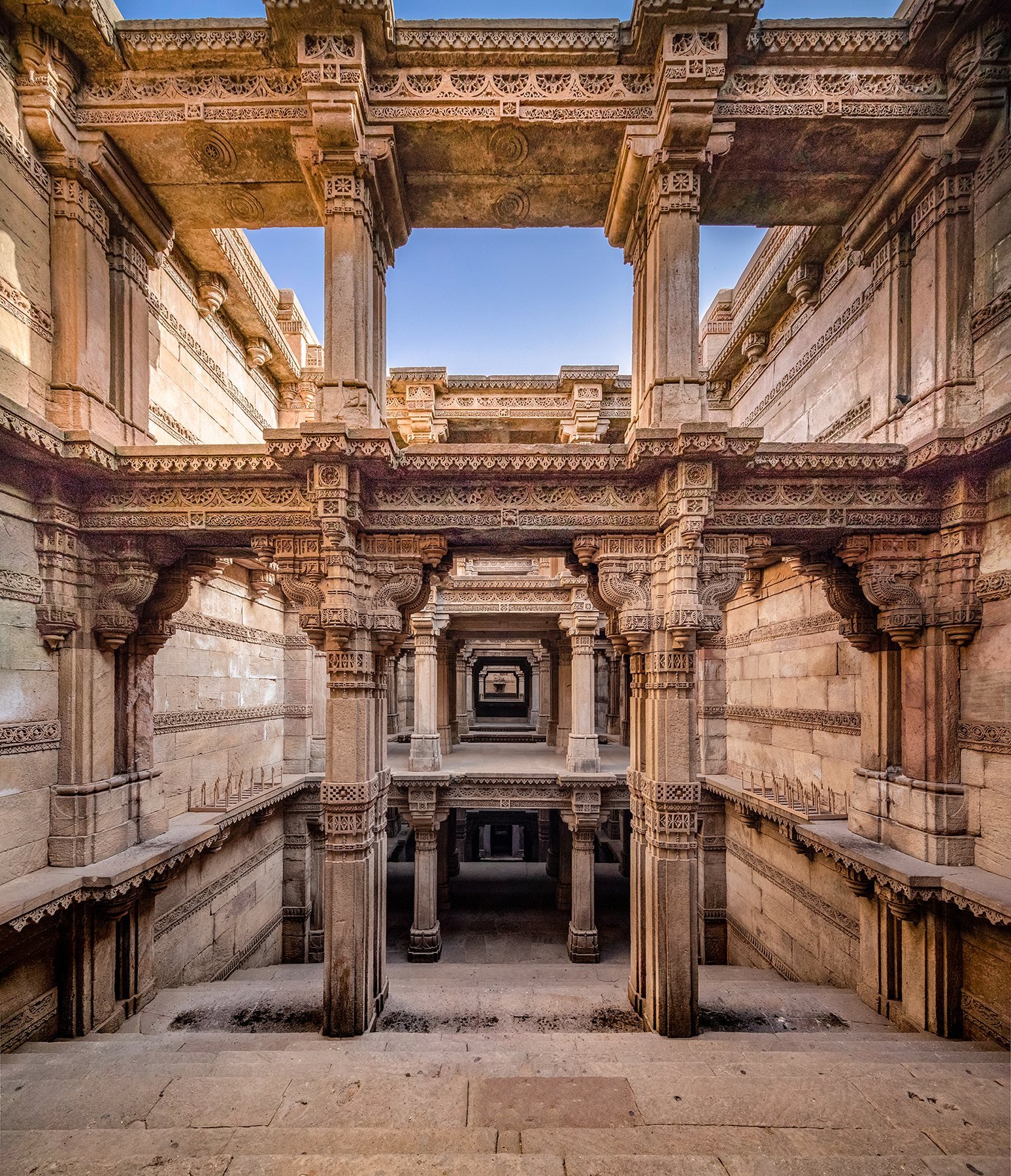
Navlakhi Vav is one of Vadodara’s historic stepwells — a ‘vav’ of descending stone stairs and pillared galleries built to reach groundwater and provide a cool retreat in the heat. Like the great stepwells found across Gujarat, it is both a piece of practical water engineering and a work of architecture, its levels of stairs and landings descending into the cool earth where the water once gathered.
Quiet and atmospheric, it speaks of the ingenuity with which earlier generations harvested and stored water in a dry land. A lesser-known heritage corner of the palace city, it rewards those who seek it out.
Stepped galleries.
The vav was cut to reach the water table, giving the neighbourhood a supply that held through the dry months when open tanks and wells failed.
It belongs to a building tradition that runs across Gujarat and Rajasthan from roughly the eleventh century onwards, of which Rani ki Vav at Patan is the supreme example.
A long flight of steps descends through successive pillared landings to the well shaft, each level cooler and darker than the one above it.
Piped water made the stepwell redundant and it fell out of daily use, which is why it survives quietly in the middle of a busy city.
A stepped corridor descends through several storeys of pillared landings to the water — the defining form of the Gujarati vav.
Stepwells solved a real problem: they reached water that had dropped below the reach of a bucket, and kept it shaded and cool.
The temperature drops noticeably as you go down. The lower landings were used as much for shelter from the heat as for drawing water.
Gujarat has more surviving stepwells than any other Indian state, from the vast royal vavs to small neighbourhood wells like this one.
It sits away from the usual Vadodara circuit and takes some finding, which keeps it quiet.
The receding arches and the shaft of light down the stair make it one of the more photogenic corners of the city.
THE STEPSThe main stair, dropping in flights through pillared landings towards the shaft at the far end.
THE VAVThe lower galleries, where the stone stays cool through the day and the noise of the city above disappears.
Go down as far as the structure allows and notice the temperature change — it is the clearest demonstration of why these were built.
Look at the pillared landings on each level, and at how the openings are placed to bring light down the shaft.
Stand at the bottom and look back up the stair — the receding frames are the classic stepwell view.
Set it against the other Gujarati vavs: Adalaj, Rani ki Vav, Dada Harir. This is the everyday version of the same idea.
Shoot the geometry. The repeating arches and the sharp division of light and shade do most of the work.
Combine it with Laxmi Vilas Palace, Sayaji Baug and the older quarters of central Vadodara.
Navlakhi Vav is a historic Vadodara stepwell — descending stone stairs and pillared galleries built to reach groundwater and offer a cool retreat, in the great Gujarat tradition of vav architecture. A quiet, atmospheric heritage corner of the palace city.
Planning more of the area? Our Vadodara guide covers the whole district.
If this is what you travel for, browse the stepwells of Gujarat.
A historic stepwell (vav)
Descending stepped galleries
Built to reach groundwater
Part of Gujarat’s vav tradition
Cool and pleasant — the ideal season.
Green and atmospheric after rain.
Hot and dry — start early.
⏰ Visit in the cooler months and combine it with Vadodara's palaces and gardens nearby.
Vadodara airport (~9 km).
Vadodara Junction.
In/around Vadodara.
STONE & DEPTH
The stepped galleries from the bottom looking up — receding arches make the strongest single frame here.
Pillars and landings in cross-light, where the shaft opening throws hard shadow across the stone.
Shoot straight down the stair to compress the levels and show how far the structure descends.
Work with the daylight coming from above; midday puts light deepest into the well, though the contrast is high.
PALACEThe Gaekwads’ colossal Indo-Saracenic residence
GARDENWestern India’s largest park, with a zoo & museum
A much-loved modern city shrine
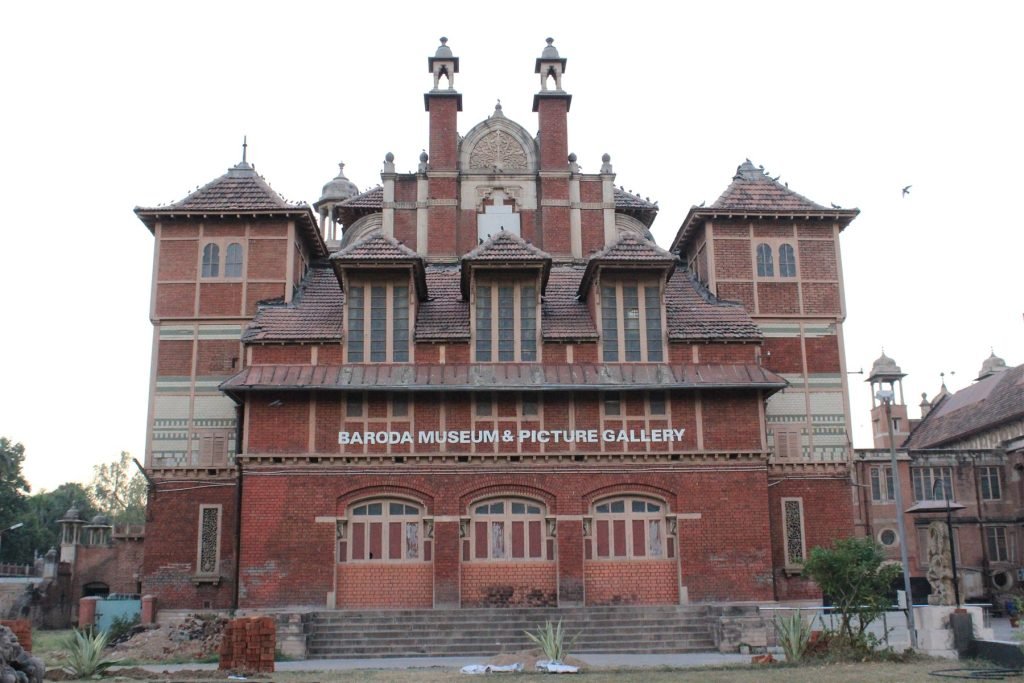
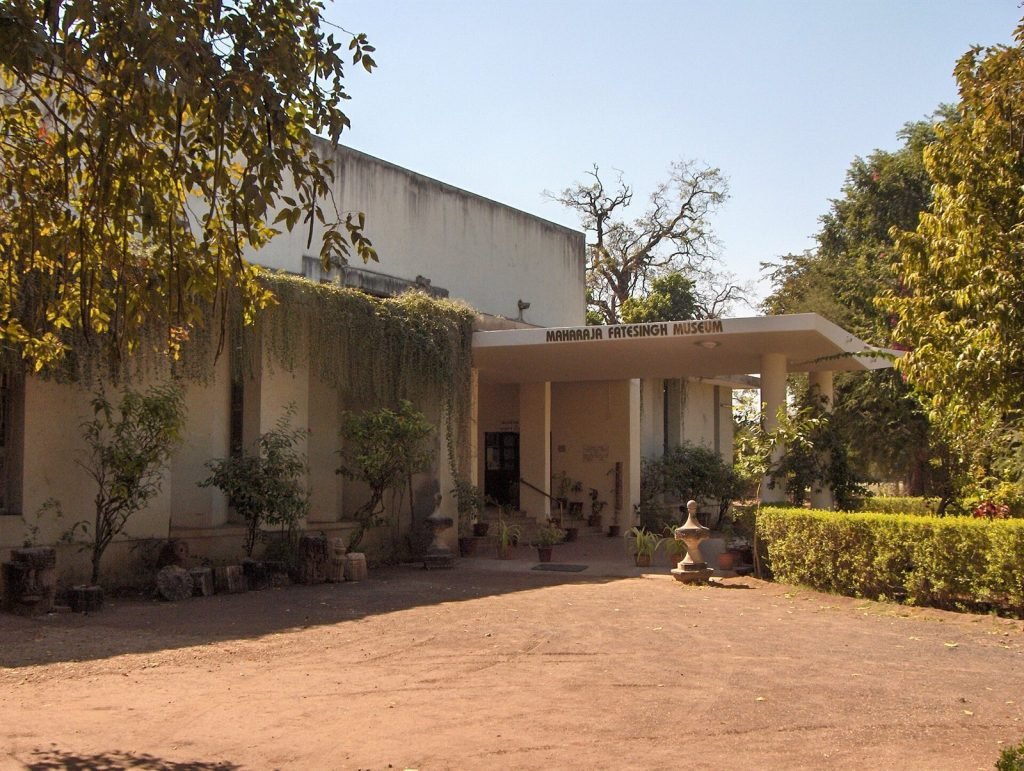
MUSEUMRoyal art collection inside the palace grounds

A serene Krishna temple & cultural hub
GALLERYArt & picture gallery in Sayaji Baug
THALISweet-savoury full meals.
FARSANBaroda's spicy snack.
STREETFamous Baroda street food.
Famous for sev usal, lilo chevdo & farsan.
Navlakhi Vav is one of Vadodara's historic stepwells — a 'vav' of descending stone stairs and pillared galleries built to reach groundwater and provide a cool retreat in the heat. Like the great stepwells found across Gujarat, it is both a piece of practical water engineering and a work of architecture, its levels of stairs and landings descending into the cool earth where the water once gathered.
Vadodara.
Free to view.
October to March, in the cooler season.
Vadodara's palaces, gardens and Champaner.
About 30 minutes.
PILGRIMSite of the great riverside mela
HILLSMisty Ghat plateau above Dharampur
FORTAncient citadel with stepwells, caves & cannons
A long, clean beach near Diu
HERITAGEExquisitely carved wooden mansions
FAMILYRides & green play spaces for families
WHERE TO STAY
Compare live prices across the big booking sites and reserve in a few taps. Booking happens securely on the partner's site — we may earn a small commission at no extra cost to you.
Book directly on our partner sites — tap a provider to see live Gujarat hotels & prices:
SHOP THE REGION
Hand-picked crafts and trip gear, available on Amazon.
Published 24 June 2026 · Updated 24 August 2026
We’re an independent group of writers and travellers documenting every corner of Gujarat — one place, plate and festival at a time.
Search Gujarat Explorer
Find places, food, festivals and travel guides across Gujarat
Press Enter to search — or Esc to close
Plan Your Trip
Gujarat Explorer is an independent travel guide. We’re happy to help you shape an itinerary and point you to the right places, stays and experiences across Gujarat.
Book a Cab