
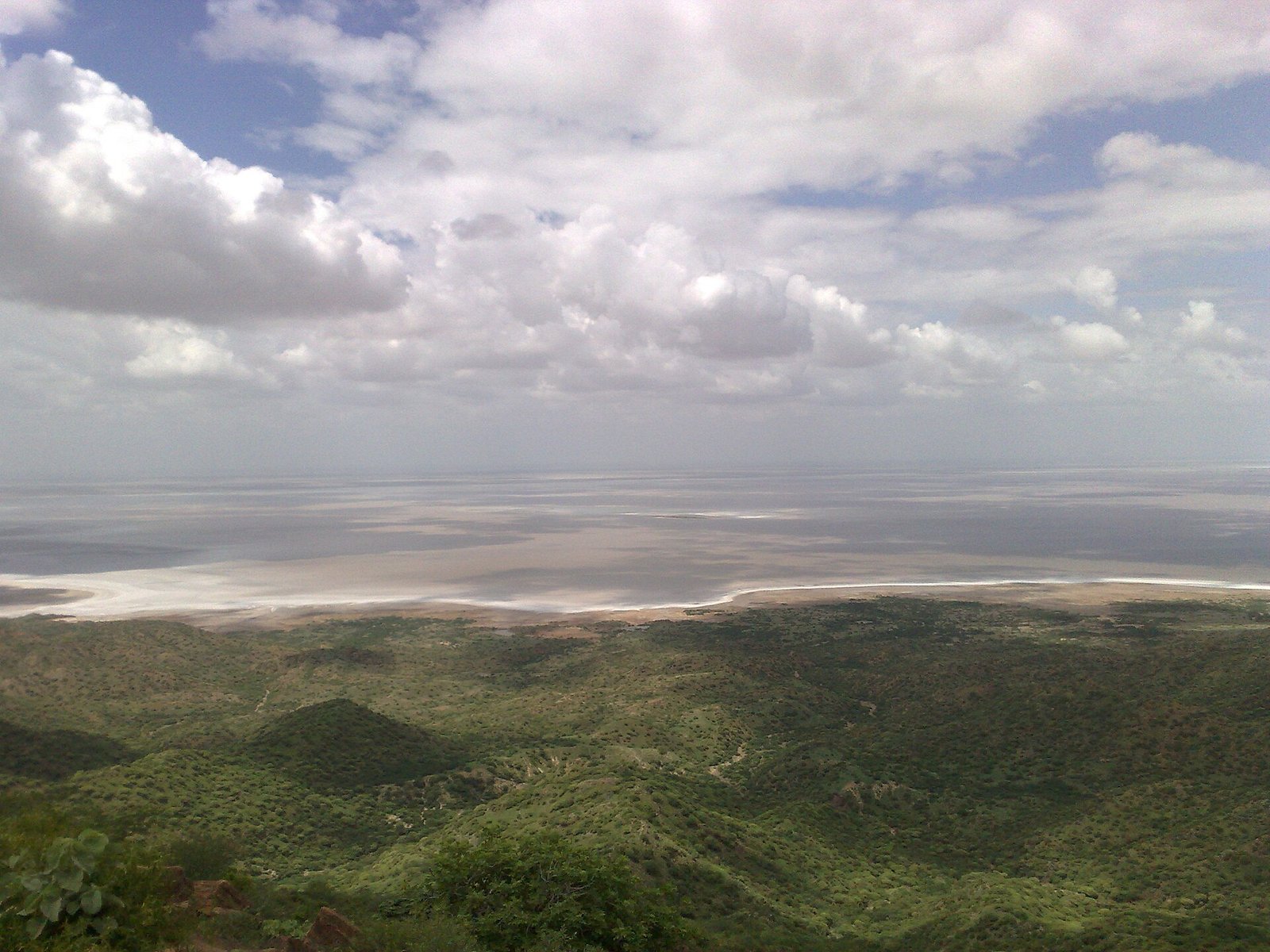
A horizon of pure white salt
Few landscapes on earth feel as unreal as the Great Rann of Kutch. For half the year it is a shallow marsh; then, through winter, the water dries to a vast, blinding crust of white salt that reaches flat and unbroken to every horizon. Stand in the middle of it at dusk and the world seems to dissolve into light.
The Rann comes alive each winter with the Rann Utsav, a tented festival city at Dhordo offering folk music, Kutchi handicrafts, camel rides and comfortable desert stays. By day the salt dazzles; by night, under a full moon, the whole plain shimmers silver — the experience most visitors remember above all.
It is also a living frontier: home to herders, salt-pan workers, flamingos and the wild ass, and edged by craft villages whose embroidery and lacquerwork are famous worldwide.
The Great Rann stretches white to the horizon.
An old sea floor that became a white frontier
A seasonal marsh that turns to white salt.
The Rann was once a navigable arm of the Arabian Sea. Tectonic uplift along the Kutch fault and centuries of silt from the Indus system gradually cut it off, leaving a basin that sits barely above sea level and floods each monsoon.
Caravan routes crossed the dry crust between Sindh and the Gujarat ports, and the flats became a natural frontier — hard to cross, impossible to farm, and defensible precisely because nothing grows on them.
Salt-farming families, the Agariyas, work the pans through the dry months, while Maldhari and Rabari herders graze the grassy edges. Both livelihoods depend on the same seasonal cycle of flood and evaporation.
Since the mid-2000s the winter Rann Utsav at Dhordo has turned a remote frontier into one of India's signature landscapes, bringing tented accommodation and infrastructure to a place that had almost none.
Reasons to make the time
Full-moon nights
On the nights around a full moon the salt reflects enough light to walk by, and the plain turns a pale silver that photographs unlike anything else in India.
Endless sunsets
With no vegetation, buildings or hills to interrupt it, the horizon is a clean line in every direction — which makes sunrise, sunset and storm skies unusually dramatic.
Rann Utsav
The Rann Utsav runs a full tented town at Dhordo from November to March, with folk performance, Kutchi food and heated tents at a range of prices.
Desert life
Camel carts, folk musicians from the Langha and Manganiyar traditions, and artisans demonstrating bandhani, Rogan and lacquer work operate through the season.
Wildlife edges
Greater and lesser flamingos breed in the Rann's shallow lagoons, and the Little Rann to the south holds the world's last population of the Indian wild ass.
Craft villages
The villages on the Rann's southern edge — Nirona, Bhujodi, Ajrakhpur, Hodka — are among the most concentrated craft centres in India, several practising techniques found nowhere else.
What to look for inside
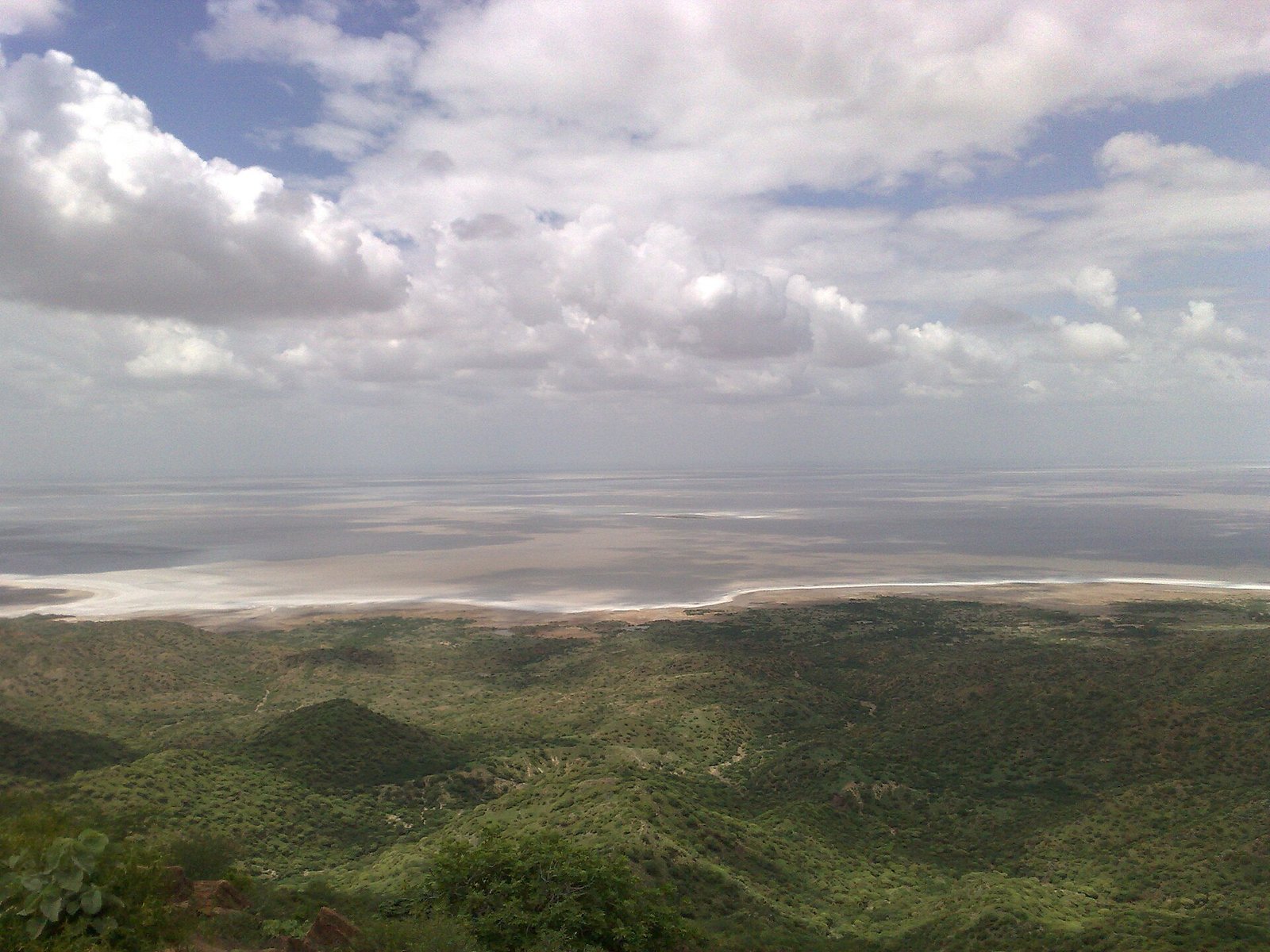 THE WHITE RANN
Salt to the horizon
At Dhordo the crust runs unbroken to the horizon, cracked into the hexagonal polygons that form as brine evaporates and the surface contracts.
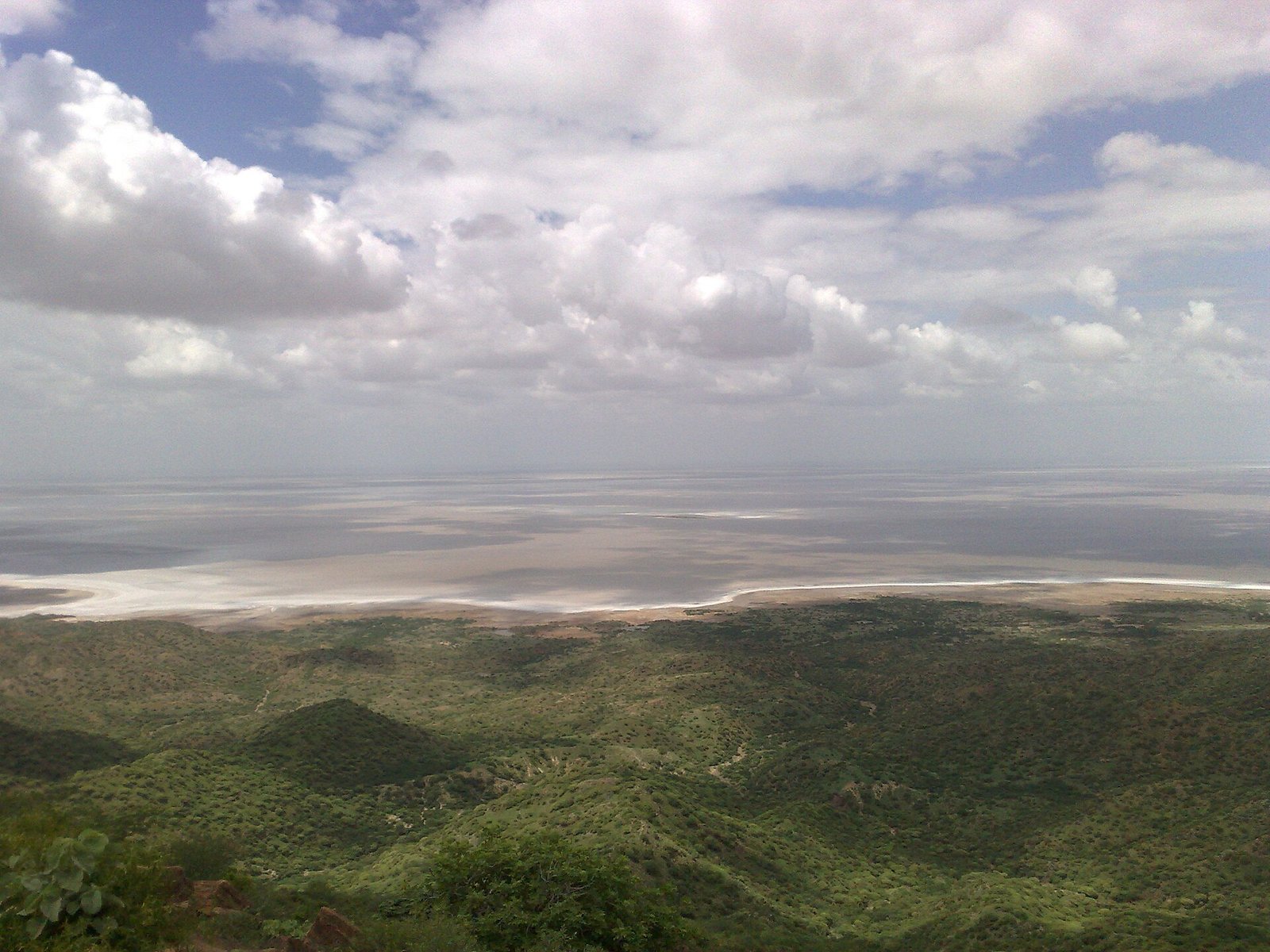 FULL MOON
Silver nights
Moonlight on wet or freshly dried salt produces a diffuse silver glow; the effect peaks in the two or three nights either side of the full moon.
How to spend an hour or two
Walk into the white
Walk out onto the salt at Dhordo in the last hour of daylight, when the low sun turns the crust warm-toned and the heat has gone out of the day.
Stay for the moon
Check the lunar calendar before booking. A full-moon night is the single biggest difference between a good Rann trip and an unforgettable one.
Catch the sunset
Stay through sunset rather than leaving with the tour buses — the twenty minutes after the sun drops are the best light the Rann gives.
Ride a camel
Take a camel cart out from the tent city; it is slow, which is the point, and it puts distance between you and the crowds at the viewing platform.
Enjoy the Utsav
Give the Utsav's cultural programme an evening — the folk musicians and the craft demonstrations are the real thing, not a staged approximation.
Visit craft villages
Set aside a full day for the craft villages. Nirona for Rogan painting and copper bells, Bhujodi for weaving, Ajrakhpur for block-printed ajrakh.
A flat, cracked crust of seasonal salt.
The largest salt desert of its kind
The Great Rann is one of the largest salt deserts on the planet — a seasonal wetland that floods in the monsoon and bakes to a hard salt crust through the dry months. Its surface cracks into endless white polygons, broken only by the curve of the earth and the odd mirage.
This is a fragile, dynamic ecosystem rather than a built site: hand-worked salt pans, shallow lagoons that draw flamingos, and edge grasslands grazed by the Indian wild ass. Understanding it as a living frontier — between land and sea, India and the horizon — is part of its wonder.
The white surface is seasonal, not permanent, and understanding the cycle explains everything about visiting. Through the monsoon the basin fills with a shallow sheet of water from the rivers and the sea, turning roughly 7,500 square kilometres into a marsh. From October the water begins to evaporate, leaving dissolved salts behind; by December the crust is thick enough to walk and drive on, and it keeps hardening and whitening until the pre-monsoon heat arrives. Come in August and there is no white desert at all — only mud, water and closed roads.
It is also an inhabited working landscape rather than a wilderness. The Agariya salt-farmers move onto the flats for the dry season, pumping brine into shallow pans and raking the crystals by hand over several months, living out on the salt in temporary shelters. Maldhari and Rabari pastoralists graze buffalo and camels along the vegetated fringes. The craft villages on the southern edge — Nirona, Hodka, Bhujodi, Ajrakhpur — survive on skills that are genuinely rare: Rogan painting, now practised by a single family, ajrakh block-printing, and Kutchi embroidery in a dozen distinct community styles.
Practicalities matter more here than at most Gujarat sites. The white Rann sits in a border district, so foreign and Indian visitors alike need a permit, issued at the Bhirandiyara checkpost on the road up from Bhuj; carry photo ID. Dhordo is about 80 km from Bhuj, roughly ninety minutes by road, and there is no fuel, food or reliable mobile signal for the last stretch. Winter nights on the salt drop close to single figures, so bring more warm clothing than a desert would suggest, and the daytime glare off the crust is strong enough to warrant proper sunglasses.
This is one of many places worth seeing here — the full guide to Kutch has the rest.
For the full practical breakdown, read our Rann Utsav travel guide.
Vast seasonal salt marsh
Hexagon-cracked white crust
Flamingo lagoons & wild ass
Edged by Kutchi craft villages
When to go
Cool, dry and clear — by far the best window for Kutch.
Green but humid; the Rann floods and some sites are hard to reach.
Fierce desert heat, often 45°C; only for the very early or hardy.
⏰ Plan around a full moon, Nov–Feb, and stay for both sunset and moonrise — the two finest hours on the Rann.
Timings & entry
- Best from November to February
- Permit issued at the Bhirandiyara checkpost
- Sunset and full-moon nights are the highlights
- Carry ID; foreigners need permit formalities
- A small permit/vehicle fee applies
- Rann Utsav stays are booked separately
- No facilities on the salt — carry water
- Respect the fragile salt-marsh environment
Getting there
By Air
Bhuj Airport (~80 km) is nearest, with flights from Mumbai/Ahmedabad.
By Rail
Bhuj is the railhead; the Rann is ~80 km north by road.
By Road
Drive from Bhuj via Bhirandiyara to Dhordo; taxis and tours are easy.
Shooting the Rann
LIGHT & EMPTINESS
White salt, big skies and silver moonlight
Best light
Sunset and the blue hour that follows set the salt glowing; for night work, plan around the full moon and expect long exposures.
Use scale
Put a figure, camel or cart in the frame — without something for scale, the flatness reads as empty rather than vast.
Look for water
Where a thin film of water still lies on the crust, the plain mirrors the sky almost perfectly; look for these patches early in the season.
Night mode
Bring a tripod. Moonlight over salt at thirty seconds produces frames that look lit from below.
Know before you go
More to see close by
 HERITAGE
Bhuj
The walled royal capital — palaces, bazaars & museums
 SACRED
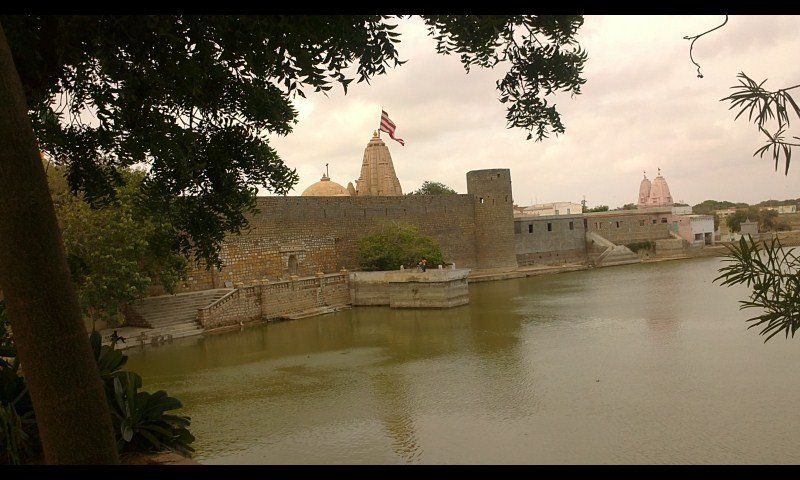
Narayan Sarovar
One of Hinduism’s five holy lakes, by Koteshwar
 LIVING CRAFT
Mandvi Shipbuilding
Where wooden dhows are still built entirely by hand
 WETLAND
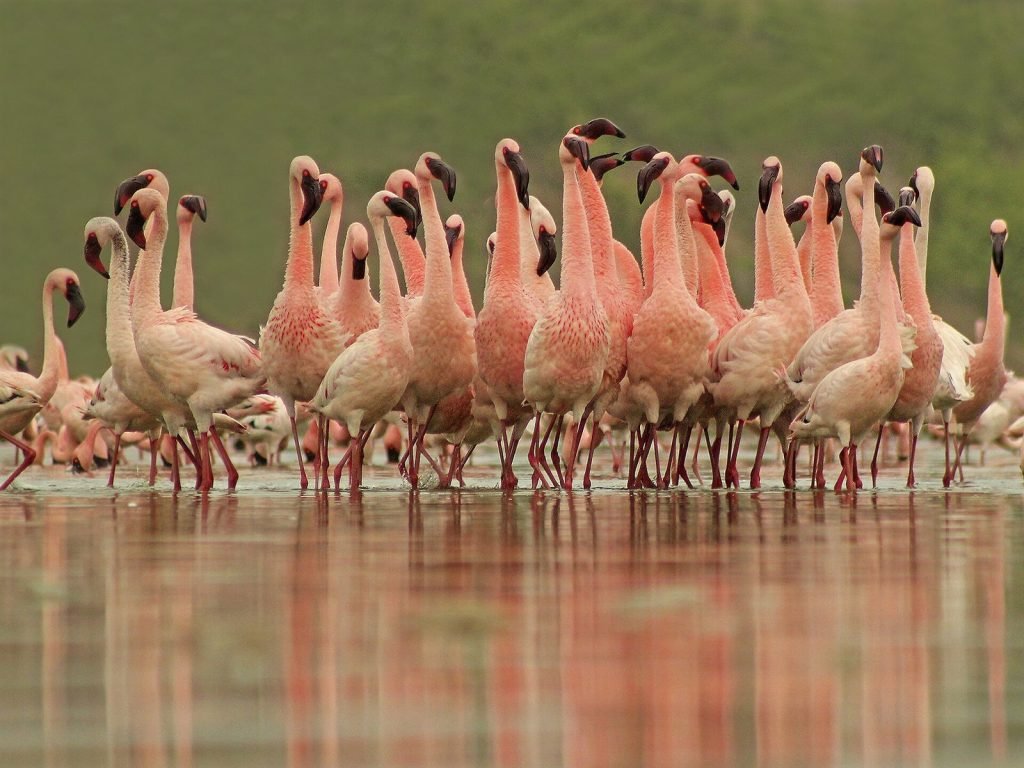
Chari Dhand
Seasonal wetland of flamingos, pelicans & raptors
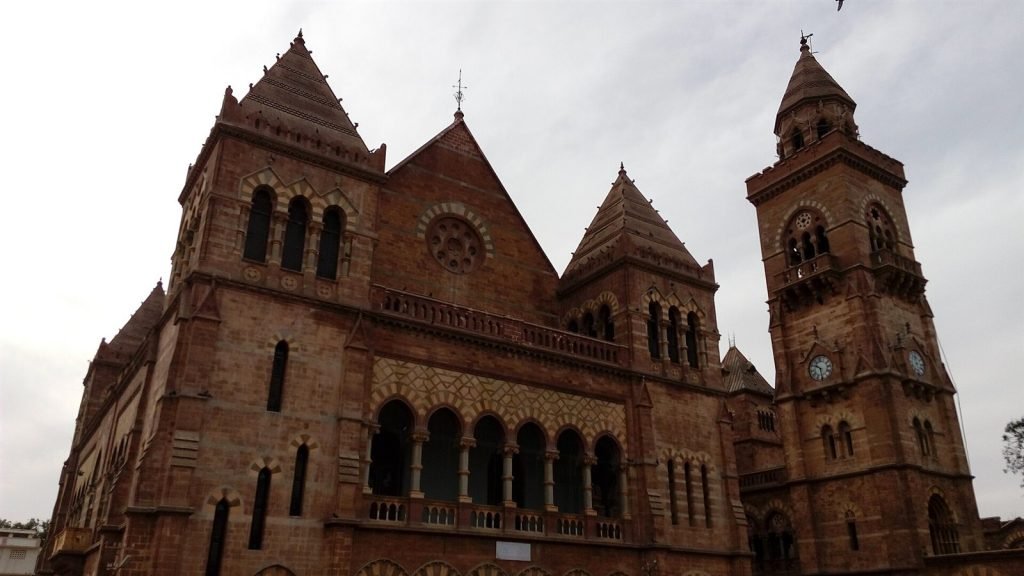
 PALACE
Prag Mahal
Italian-Gothic palace with a clock-tower climb
 SPIRITUAL
Swaminarayan Temple, Bhuj
A dazzling marble-and-gold temple in Bhuj
Where to eat near Rann of Kutch
 STREET FOOD
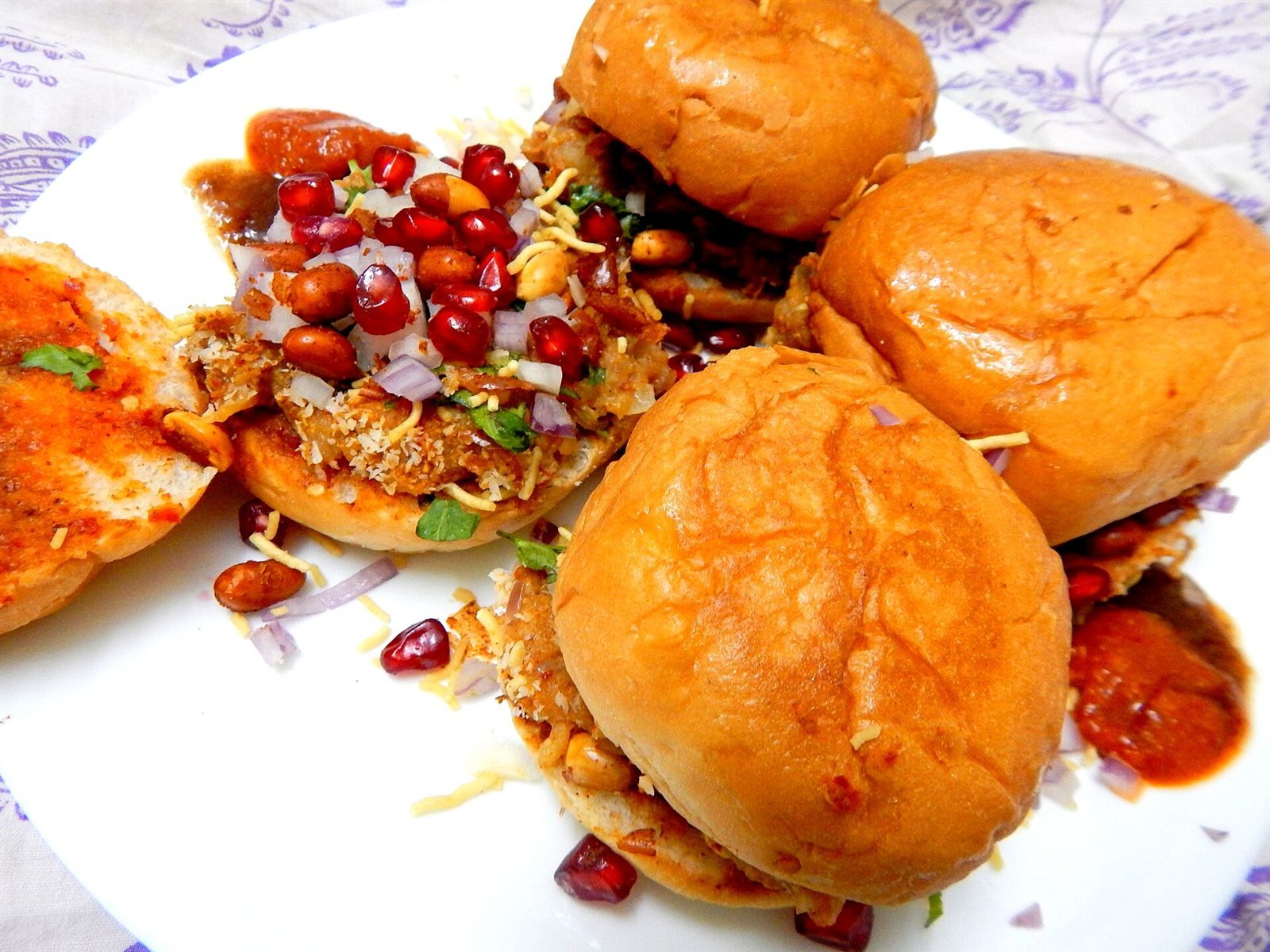
Kutchi Dabeli
The spicy-sweet potato bun born in Mandvi.
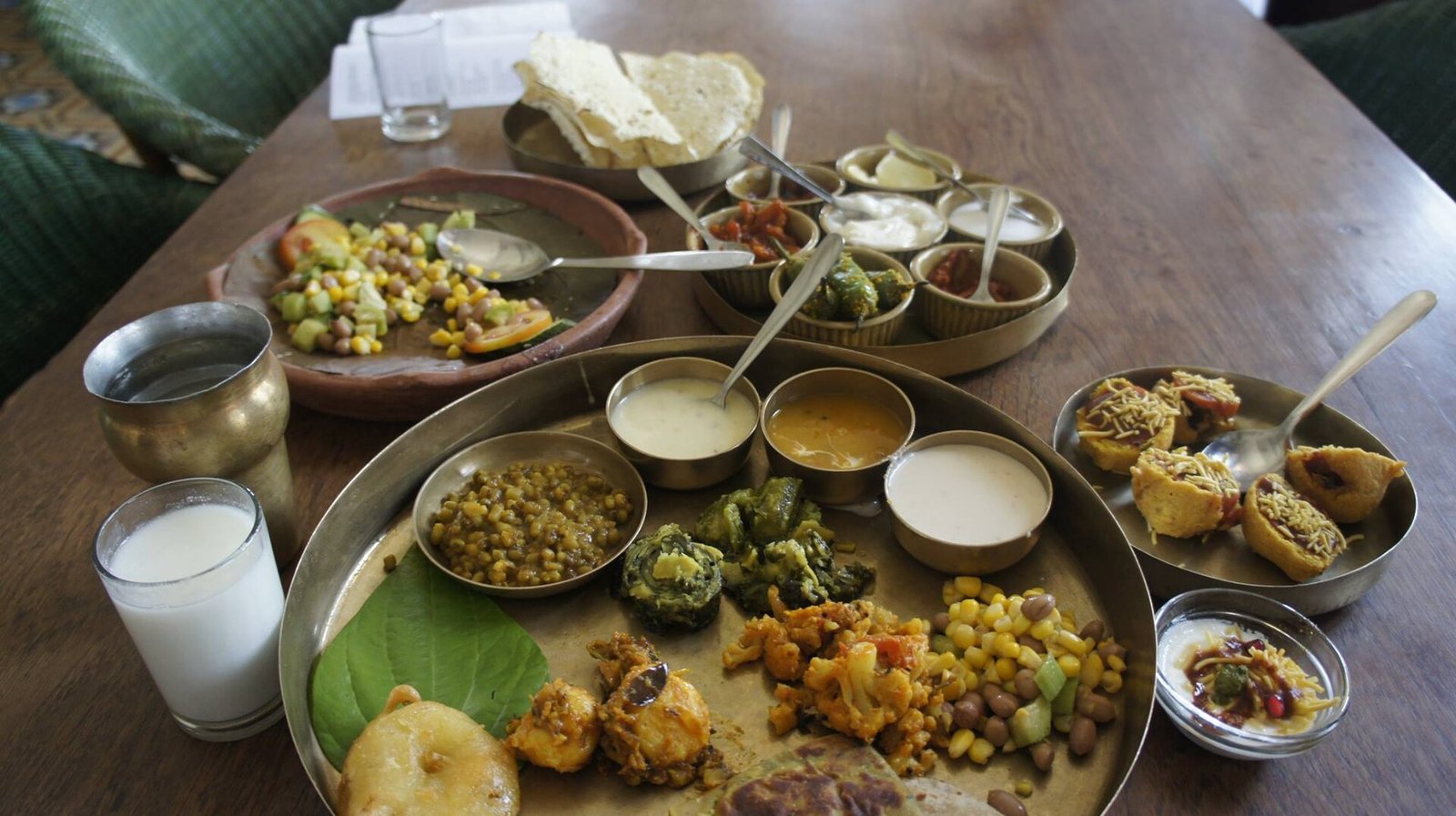 THALI
THALIKachchhi Thali
Bajra rotla, kadhi and ghee-rich local fare.
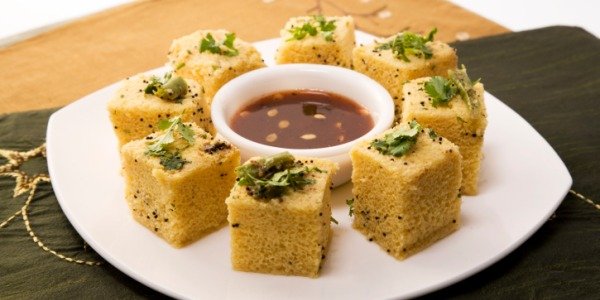 SNACKS
Farsan & sweets
Dabeli, bhungra-bateta and Kutchi sweets.
Largely vegetarian
Kutch is mostly veg — carry water on desert trips.
Rann of Kutch FAQ
Where is the Rann of Kutch?
In northern Kutch, ~80 km from Bhuj; the main white-Rann access is at Dhordo.
What is the best time to visit?
November to February, ideally around a full moon, during the Rann Utsav.
What is the Rann Utsav?
A winter festival with a tented city at Dhordo offering stays, food and crafts.
Do I need a permit?
Yes, issued at the Bhirandiyara checkpost; carry ID.
Why is it white?
It's a salt marsh; as monsoon water dries it leaves a white salt crust.
Can I see it under a full moon?
Yes — moonlit nights are the signature experience.
How do I get there?
Fly or train to Bhuj, then drive ~80 km north to Dhordo.
Is there food on the Rann?
No — carry water; food and stays are at the Utsav city and villages.
What should I wear?
Light covering clothes by day; warm layers for cold nights.
What else can I combine?
Kalo Dungar, Dholavira and the craft villages.
Related places across Gujarat
 HERITAGE
Sandipani Ashram
Where Krishna & Sudama are said to have studied
 COAST
COASTGulf Coast & Beaches
Quiet shores & flamingo-rich mudflats
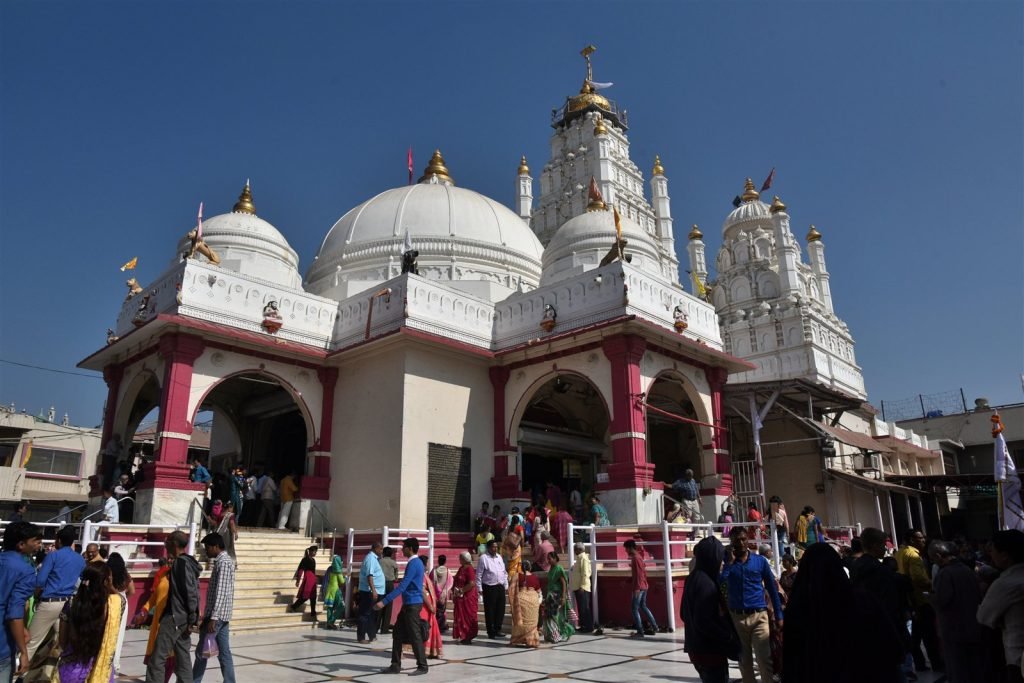
Gadhada Gopinath
Swaminarayan’s sandstone temple at Gadhpur
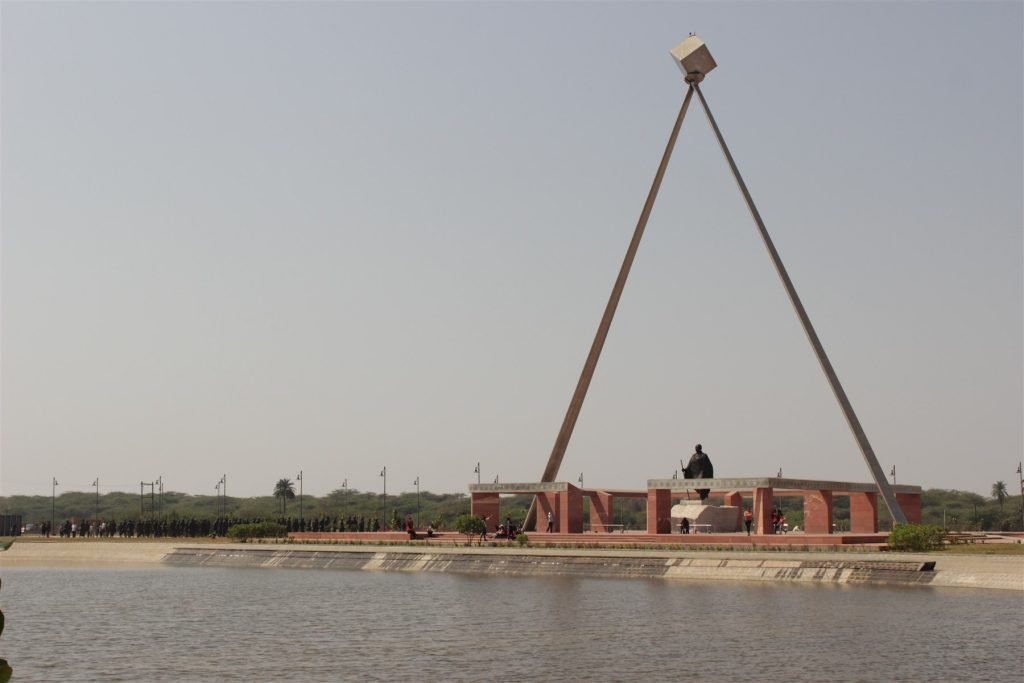 MEMORIAL
National Salt Satyagraha Memorial
The grand national monument at Dandi
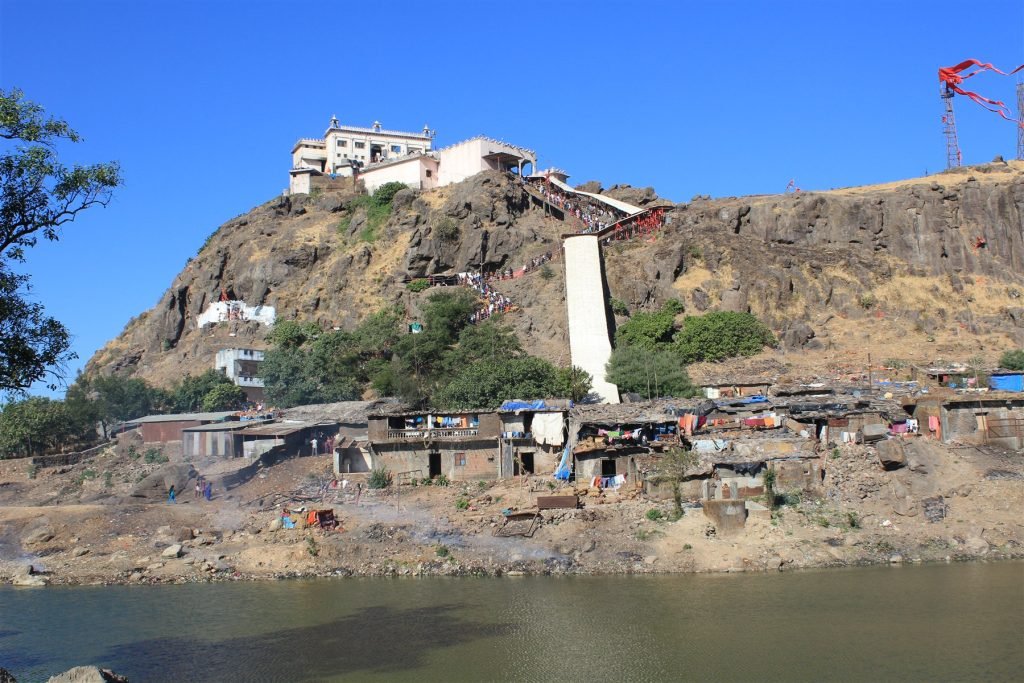 TEMPLE
Kalika Mata Temple
The revered Shakti shrine on the summit
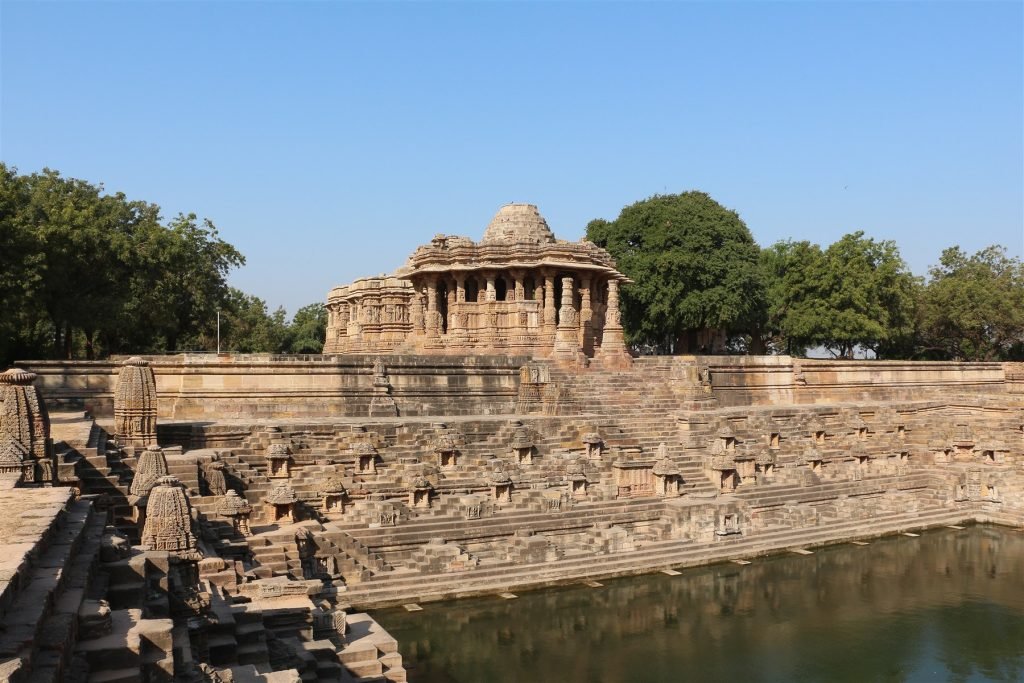
Modhera Sun Temple
India’s finest 11th-century solar temple
WHERE TO STAY
Find your stay in Gujarat
Compare live prices across the big booking sites and reserve in a few taps. Booking happens securely on the partner's site — we may earn a small commission at no extra cost to you.
Book directly on our partner sites — tap a provider to see live Gujarat hotels & prices:
SHOP THE REGION
Bring home Gujarat — & travel essentials
Hand-picked crafts and trip gear, available on Amazon.
Published 24 June 2026 · Updated 24 August 2026
We’re an independent group of writers and travellers documenting every corner of Gujarat — one place, plate and festival at a time.