Home › Dahod Festivals › Aurangzeb’s Birthplace
MUGHAL HISTORY · 1618 · HERITAGEAn unexpected Mughal footnote — Dahod is the birthplace of Aurangzeb, the powerful Mughal emperor, born here in 1618, a surprising thread of imperial history in this tribal district.
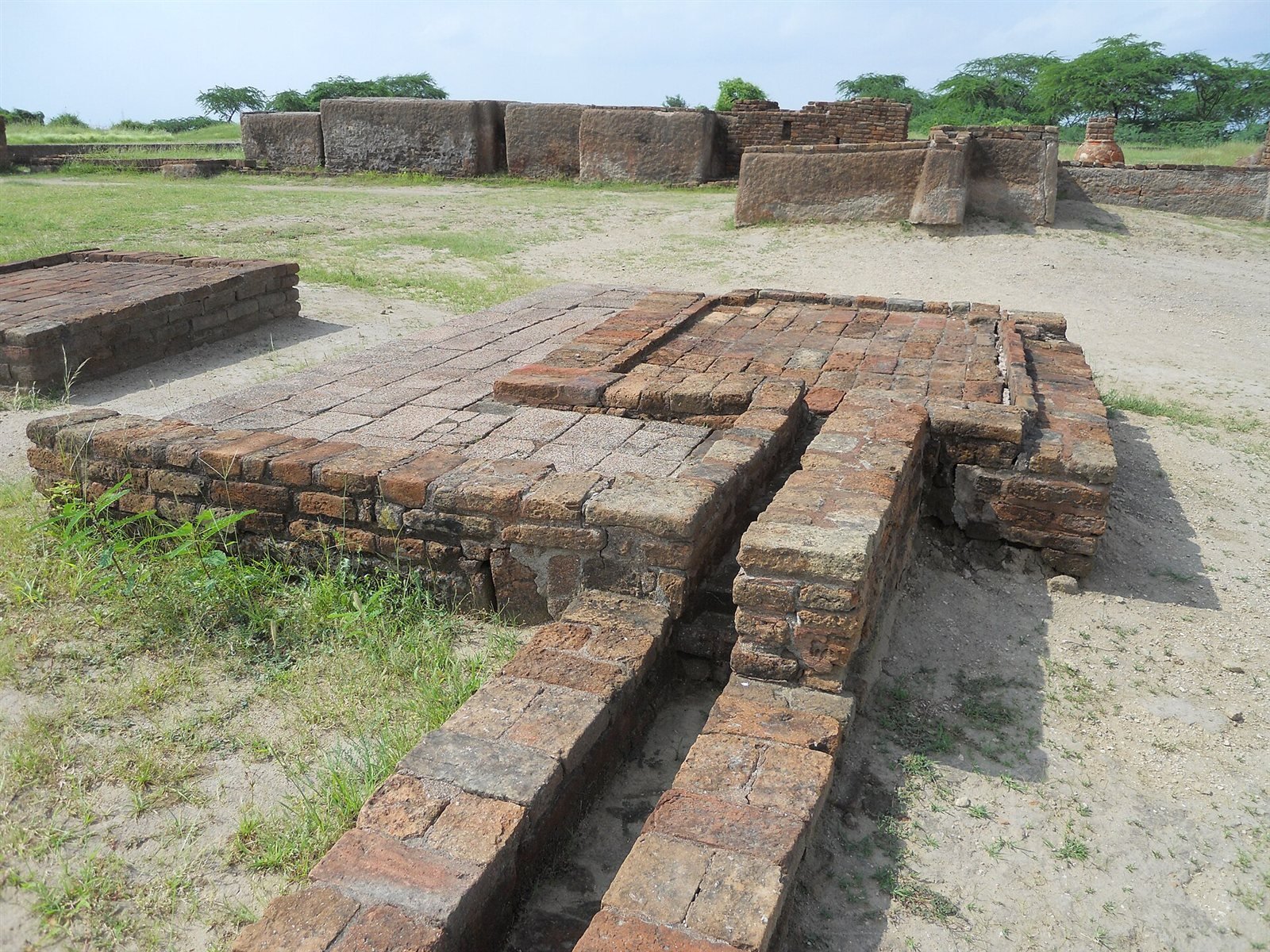
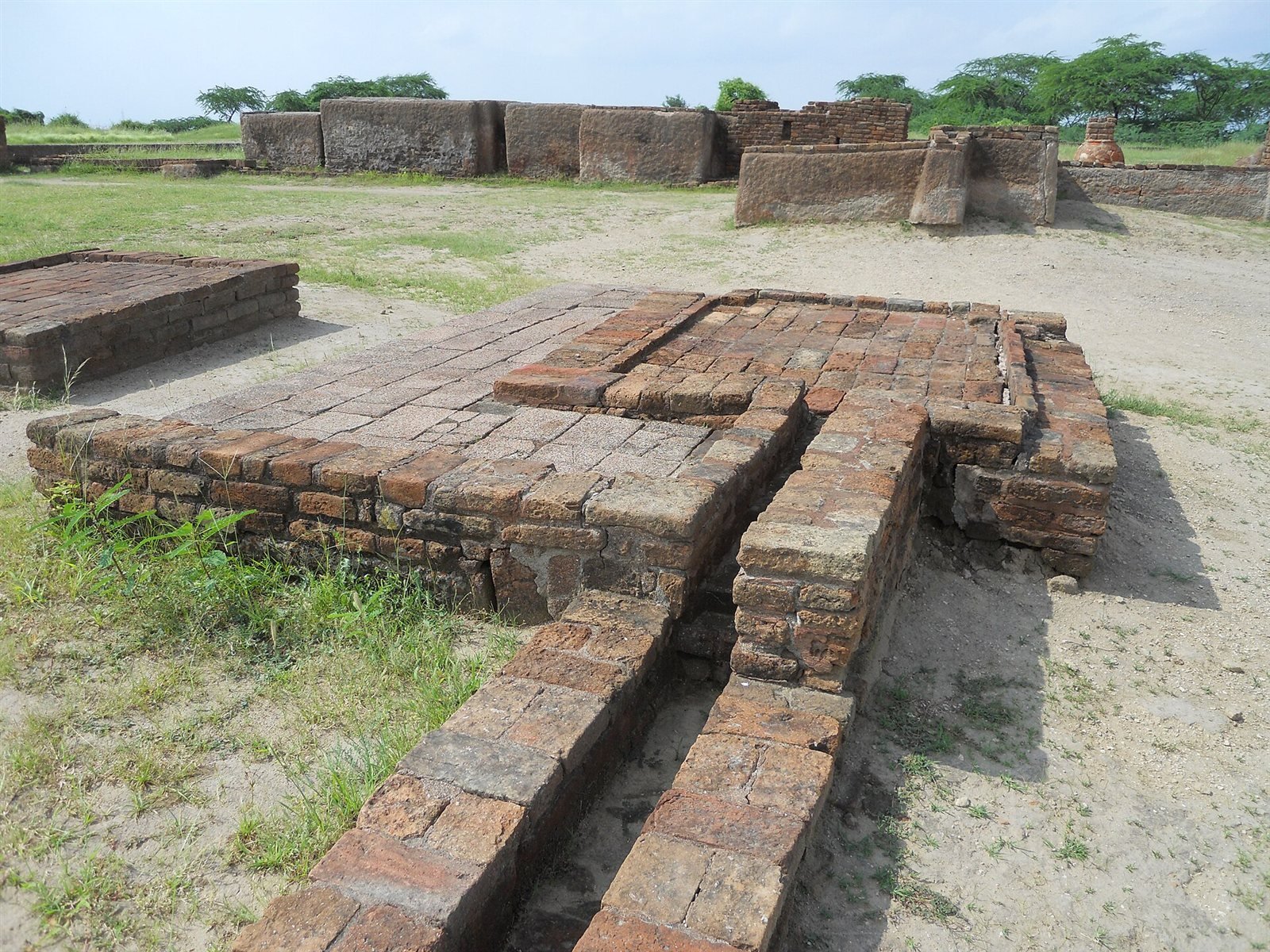
Among the surprises of Dahod’s history is that this tribal town in eastern Gujarat was the birthplace of Aurangzeb — the sixth and one of the most powerful (and controversial) Mughal emperors — born here in 1618. At the time, Dahod lay on an important route, and the Mughal prince Shah Jahan (then governor of Gujarat) was passing through when his son Muhi-ud-din, the future Aurangzeb, was born in the town. Aurangzeb would go on to rule the Mughal Empire at its greatest territorial extent for nearly fifty years. This connection gives Dahod an unexpected place in the grand sweep of Indian imperial history, and the town preserves the memory of the event. For a district otherwise defined by its vivid tribal culture, the Aurangzeb link is an intriguing historical footnote — a reminder of the many layers of India’s past that even small towns can hold, and of Dahod’s location on the old routes between Gujarat and the north. For the visitor interested in history, the Aurangzeb connection adds a distinctive thread to a Dahod visit — best appreciated as part of the town’s story. (Dahod as the 1618 birthplace of the Mughal emperor Aurangzeb; a historical heritage note of the town.)
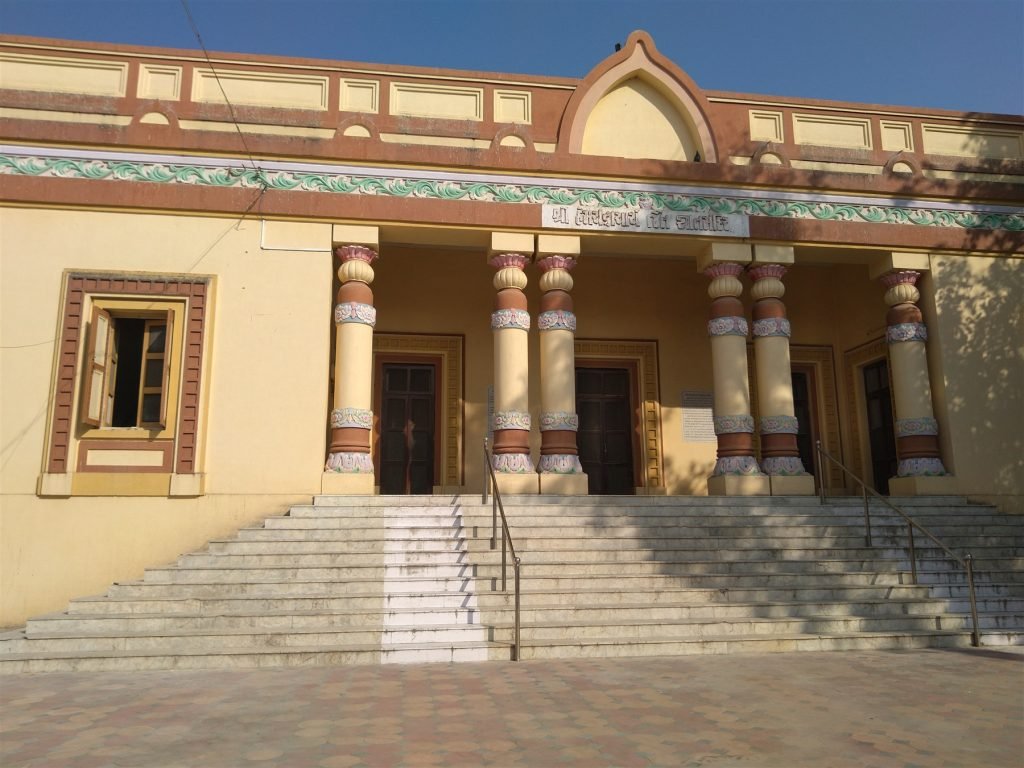
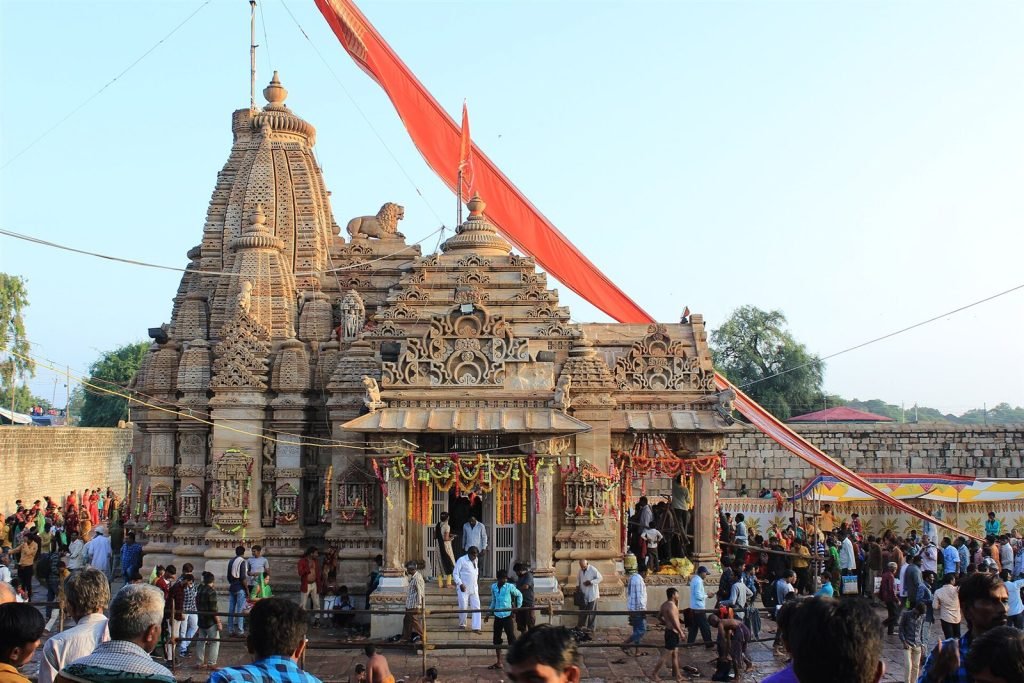
Dahod heritage. Source: Wikimedia Commons.
Dahod heritage. Wikimedia Commons.
Aurangzeb, the sixth Mughal emperor, was born at Dahod in 1618 — an unlikely birthplace for a figure of that consequence.
His father, then Prince Khurram and later the emperor Shah Jahan, was serving as governor of Gujarat at the time.
Aurangzeb went on to rule for roughly half a century, the longest reign of any Mughal emperor.
The connection is a matter of record rather than of monuments; what survives at Dahod is the memory of it.
Aurangzeb was among the most consequential and most contested rulers in Indian history, and his reign reshaped the subcontinent.
He was born here in 1618, while the Mughal court's business happened to bring his father to this part of Gujarat.
It gives a small eastern Gujarat town a direct thread into the imperial history of India.
Gujarat was a Mughal province at the time, governed from Ahmedabad, and Dahod sat on the route east.
Dahod remembers the association locally, though there is little standing to see from the period.
The contrast is the point — an emperor's birthplace in a district that is overwhelmingly Adivasi.
THE LINKThe sixth Mughal emperor, born at Dahod in 1618.
THE DISTRICTAn eastern Gujarat town, Adivasi in character and imperial in this one respect.
Learn the basic fact first: Aurangzeb was born here in 1618, which surprises most visitors.
Understand why — his father was governing Gujarat for the Mughal court at the time.
Ask locally about how the event is remembered; the association is carried in the town's own account of itself.
Place it in the wider sweep. Gujarat was a Mughal province, and Dahod sat on the road east out of it.
Read Dahod as a layered place — Adivasi heartland, Mughal footnote and railway town all at once.
Combine the history with the district's living culture: the haats, the Holi fairs and the Bhil villages.
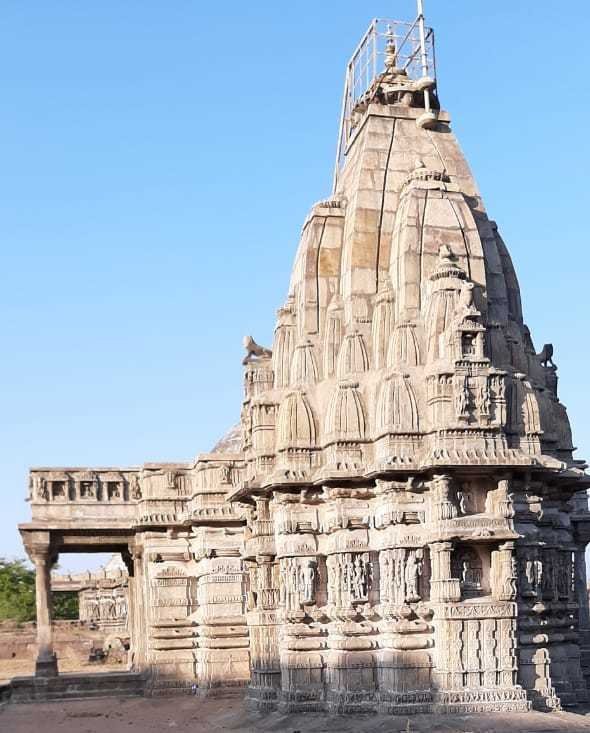
Dahod heritage. Wikimedia Commons.
Dahod was the birthplace of Aurangzeb, the powerful Mughal emperor, born here in 1618 while his father Shah Jahan (then governor of Gujarat) was passing through. Aurangzeb went on to rule the Mughal Empire at its greatest extent for nearly fifty years — an unexpected thread of imperial history in this otherwise tribal district, on the old routes between Gujarat and the north. (Dahod as the 1618 birthplace of the Mughal emperor Aurangzeb; a historical heritage note of the town.)
See what else is nearby in our guide to Dahod.
Dahod is the 1618 birthplace of Aurangzeb
Born while Shah Jahan governed Gujarat
Aurangzeb ruled the Mughal Empire ~50 years
A surprising imperial thread in a tribal district
October to March is the comfortable season in Dahod, and the best window for exploring the town and district.
The Holi fairs in March are the district's great event, and the best time to see Dahod at its liveliest.
April to June is hot in eastern Gujarat; keep any walking to the early morning.
⏰ A year-round historical note; pleasant to explore Dahod in the cooler months.
Vadodara / Indore.
Dahod Junction.
On the Vadodara–Indore NH.
TRIBAL
Bhil Culture
The people of the Aravalli hills — the Bhils, one of India’s largest tribal communities, give eastern Aravalli its distinctive culture of dance, music, fairs and a deep bond with the land. Explore →
FESTIVAL
Tribal Holi
Holi as the tribes celebrate it — in Dahod, the festival of colour becomes a days-long explosion of tribal dance, costume and fairs, as Bhil villagers gather in their finest to mark the great spring festival. Explore →
MARKET
Weekly Haats
Where the tribal week turns — the weekly haats of Chhota Udaipur gather Adivasi villagers to trade, meet and celebrate, vibrant rural markets that are the social hub of tribal life. Explore →
DANCE
Bhil Folk Dance
The dancing spirit of the Bhils — the folk dances of Dahod, performed in swirling circles to the thunder of drums at fairs and festivals, are the joyous, communal heartbeat of tribal life. Explore →
TRIBALMaize, rice & forest produce.
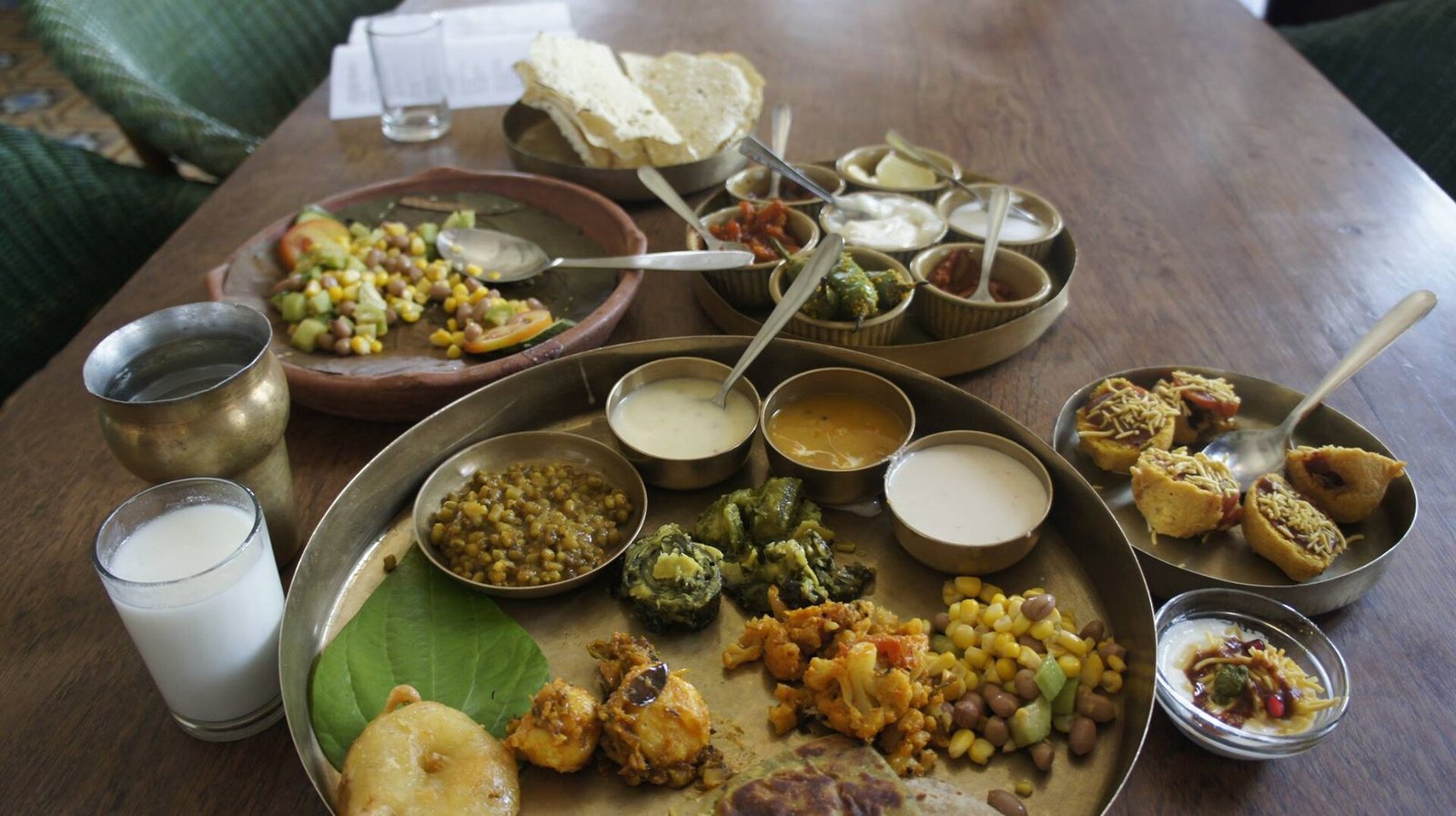
MAIZEMaize flatbread.
THALIComfort cooking.
CHAASSpiced buttermilk.
Aurangzeb, the sixth Mughal emperor, was born at Dahod in 1618.
His father — then Prince Khurram, later the emperor Shah Jahan — was serving as the Mughal governor of Gujarat at the time, which is what brought the family to this part of the province.
One of the most powerful and most debated rulers in Indian history. He reigned for roughly fifty years, the longest of any Mughal emperor, and his policies remain argued over to this day.
Yes, and that is much of what makes it interesting — a direct thread to the Mughal court running through a district that is overwhelmingly Adivasi in character.
Chiefly the town's own memory of the event. There is little standing architecture from the period, so this is a piece of history to know rather than a monument to tour.
Because it places a small eastern Gujarat town directly into the grand sweep of Indian history, and because that juxtaposition tells you something real about how far the Mughal administration reached.
HISTORYTraces of the great Solanki capital
FORESTQuiet woodlands & hill trails
SACREDA holy bathing tank at the foot of Girnar
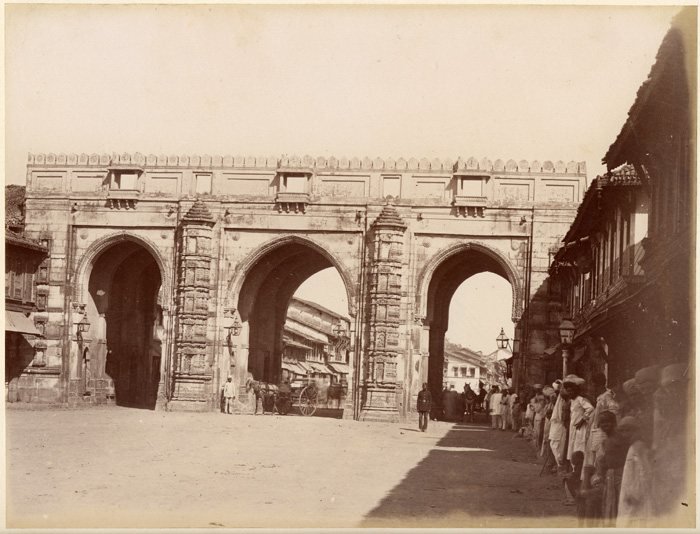
HISTORICThe city’s 1411 triple gateway & bazaar
Pilgrim spots near the forest edge
WILDLIFEA refuge for the Indian sloth bear
WHERE TO STAY
Compare live prices across the big booking sites and reserve in a few taps. Booking happens securely on the partner's site — we may earn a small commission at no extra cost to you.
Book directly on our partner sites — tap a provider to see live Gujarat hotels & prices:
SHOP THE REGION
Hand-picked crafts and trip gear, available on Amazon.
Published 24 June 2026 · Updated 3 July 2026
We’re an independent group of writers and travellers documenting every corner of Gujarat — one place, plate and festival at a time.
Search Gujarat Explorer
Find places, food, festivals and travel guides across Gujarat
Press Enter to search — or Esc to close
Plan Your Trip
Gujarat Explorer is an independent travel guide. We’re happy to help you shape an itinerary and point you to the right places, stays and experiences across Gujarat.
Book a Cab