Home › Chhota Udaipur Festivals › Weekly Haats
TRIBAL MARKETS · HAAT · COMMUNITYWhere the tribal week turns — the weekly haats of Chhota Udaipur gather Adivasi villagers to trade, meet and celebrate, vibrant rural markets that are the social hub of tribal life.
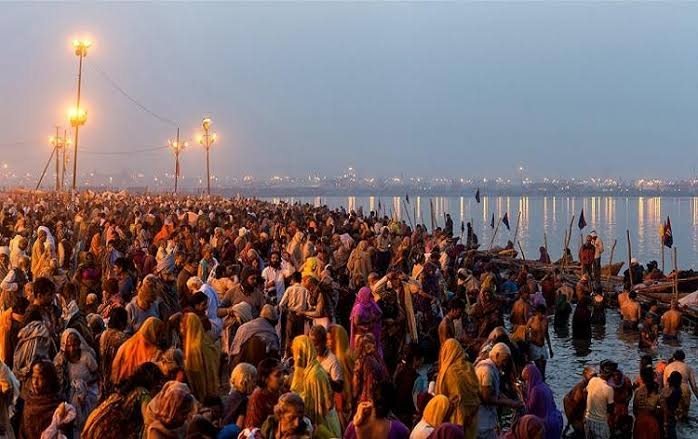
The weekly haat (market) is the beating social and economic heart of tribal life in Chhota Udaipur — and a vivid, colourful experience for the visitor. On a fixed day each week, the haat springs up in a town or large village, drawing Adivasi people — Rathwa, Bhil and others — from the surrounding hamlets. They come to buy and sell: farm produce, grain, vegetables, forest produce, livestock, pots, tools, cloth, ornaments and everyday goods. But the haat is far more than a market — it is the great weekly gathering, a place to meet relatives and friends, exchange news, arrange marriages, and simply be part of the community. The colour of the crowds in traditional dress, the heaps of produce, the bartering and the buzz make it a living tableau of rural tribal Gujarat. For the Adivasi communities, the rhythm of the weekly haats structures life across the region, each town having its own market day. They offer an authentic, unstaged window into tribal society. For the visitor, a Chhota Udaipur haat is a wonderful, immersive experience — best caught on the local market day, browsed with respect and a camera. (The weekly tribal markets of Chhota Udaipur; trade and social gathering; each town has its market day.)
Weekly haat, Chhota Udaipur. Source: Wikimedia Commons.
Weekly haat. Wikimedia Commons.
The haat is a weekly market, and in the villages of Chhota Udaipur it is the fixed point the week is built around.
It is as much a meeting as a market — trade happens, but so does everything else the community needs to do together.
Each town and large village has its own market day, so somewhere in the district a haat is running most days of the week.
It remains entirely unstaged. Nothing here is arranged for visitors, which is exactly why it is worth going.
Farm produce, forest produce, livestock, tools, cloth, ornament and household goods all change hands in the same ground.
For scattered hill villages the haat is the one reliable time the whole community is in one place.
What is sold comes off the land — grain, vegetables, mahua, honey, tamarind and whatever the season has produced.
Rathwa and Bhil dress and silver ornament are worn properly here, not for display, and it is the best place to see them.
News travels, disputes are settled and marriages are arranged at the haat as much as anything is bought or sold.
It is ordinary life rather than a cultural show, and visitors are tolerated rather than catered for.
THE HAATTrade, produce and the week's business, in a village ground.
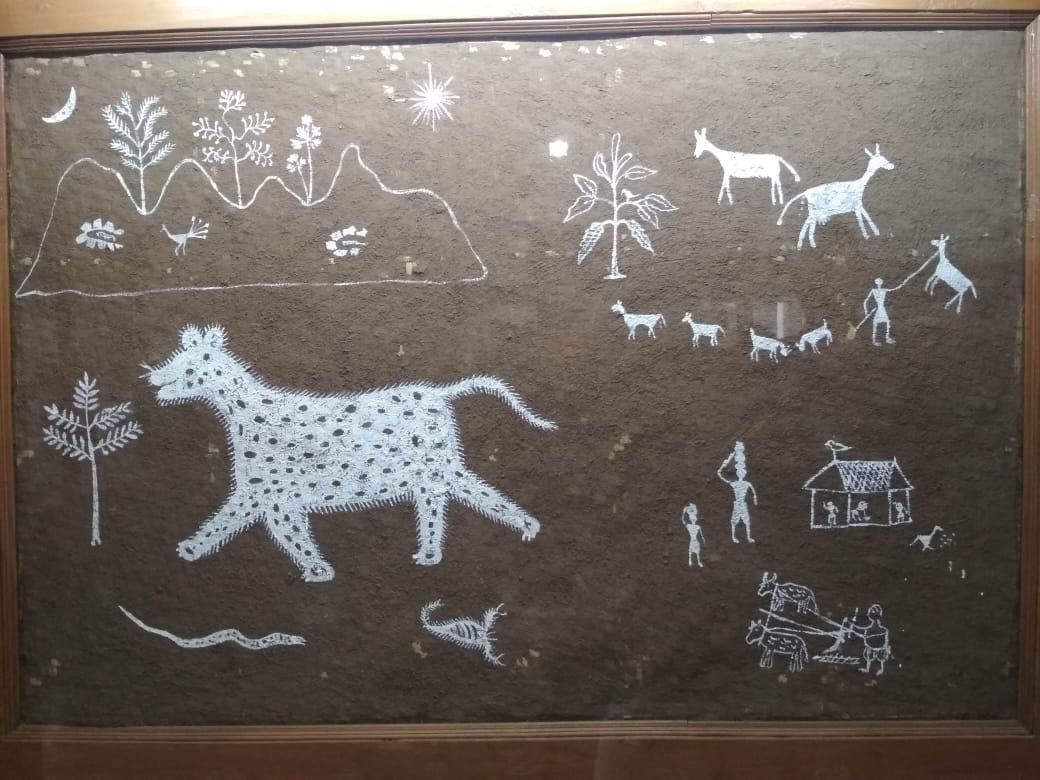
THE PEOPLEThe Adivasi communities whose week the haat organises.
Find the local market day before you travel. Each town has its own, and on the wrong day there is nothing to see.
Look at what is being sold — farm and forest produce tell you the season better than any calendar.
Notice the dress and silver ornament, worn as everyday clothing rather than costume.
Watch the gathering rather than only the trading; most of what happens at a haat is not commerce.
Buy something. Spending directly with the villagers is the most useful thing a visitor does here.
Ask before you photograph anyone. These are people at work, not subjects, and the answer is usually yes if you ask.
Weekly haat. Wikimedia Commons.
The weekly haat is the social and economic heart of tribal Chhota Udaipur — on a fixed day each week, Adivasi villagers gather in a town to trade farm and forest produce, livestock and goods, and, just as importantly, to meet, exchange news and arrange marriages. The colour, the heaps of produce and the buzz make it a living tableau of rural tribal Gujarat. (The weekly tribal markets of Chhota Udaipur; trade and social gathering; each town has its market day.)
See what else is nearby in our guide to Dahod.
The weekly tribal markets of Chhota Udaipur
Adivasi villagers trade produce and goods
The great weekly social gathering
An authentic window into tribal society
November to February is the most comfortable season for the district, and the haats run through it as normal.
The weeks after the rains bring the fullest markets, with forest produce and the harvest both coming in.
April to June is hot and the ground is open with little shade; arrive early, as the haat thins by midday.
⏰ Held weekly — find the local market day; winter is most comfortable.
Vadodara (~105 km).
Chhota Udaipur station.
From Vadodara via NH.
RATHWA ART
Pithora Painting
Sacred horse-paintings adorning village walls. Explore →
FAIR
Kawant Holi
The most spectacular tribal Holi — at Kawant, the days after Holi explode into a riot of colour, costume and the swirling Gher dance, as Rathwa and Bhil villagers gather for one of Gujarat’s great tribal fairs. Explore →
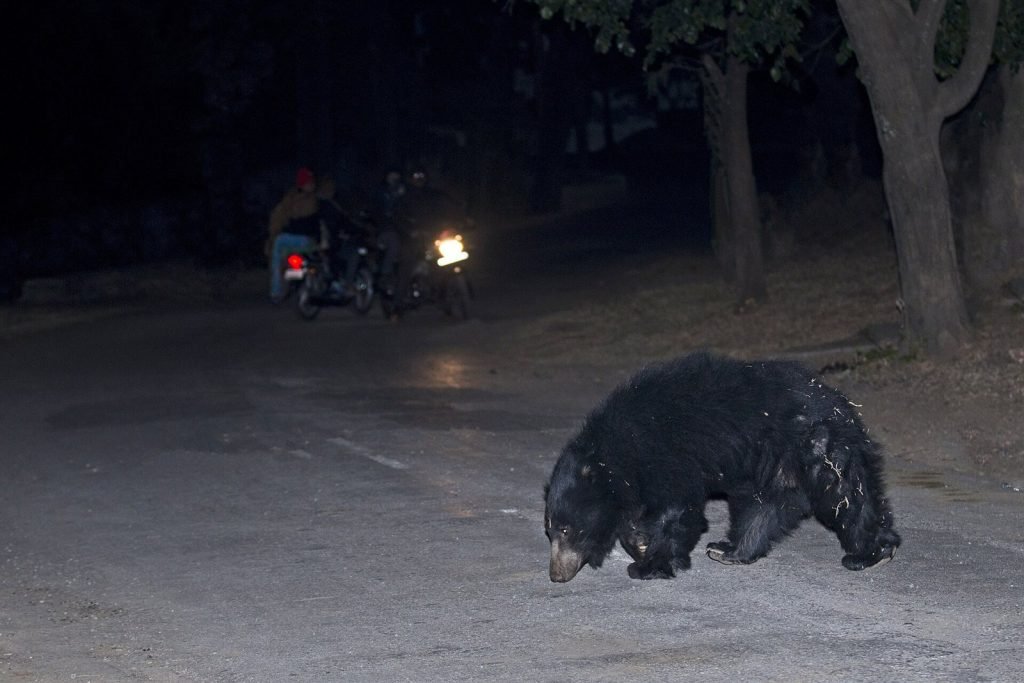
DANCE
Tribal Dances
The rhythm of the Adivasi heartland — the tribal dances of Chhota Udaipur, performed to drums and folk pipes at fairs and festivals, are the joyous, communal heartbeat of Rathwa and Bhil culture. Explore →
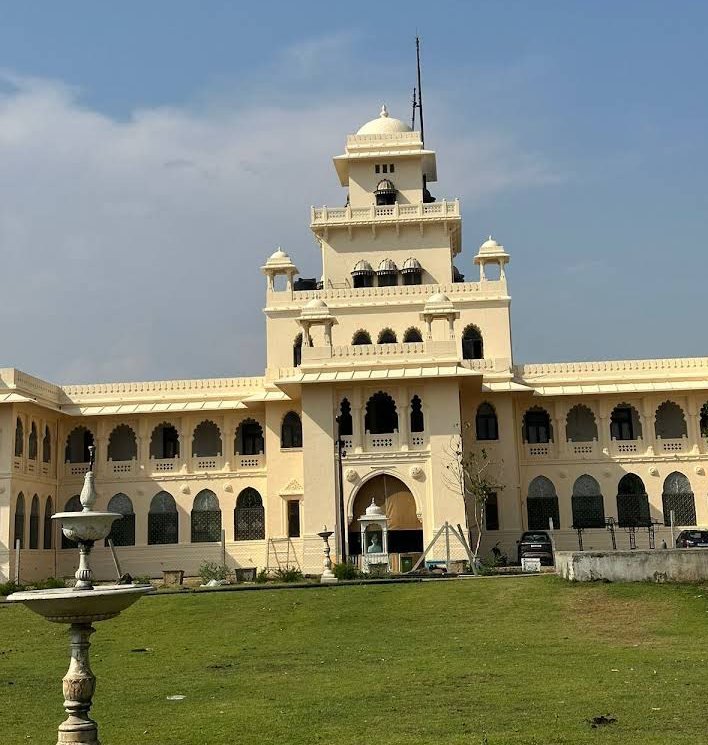
HERITAGE
Adivasi Museum
The story of a people, kept — the Adivasi museum and academy near Chhota Udaipur preserve and celebrate the art, language and life of Gujarat’s tribal communities, a centre of living heritage. Explore →
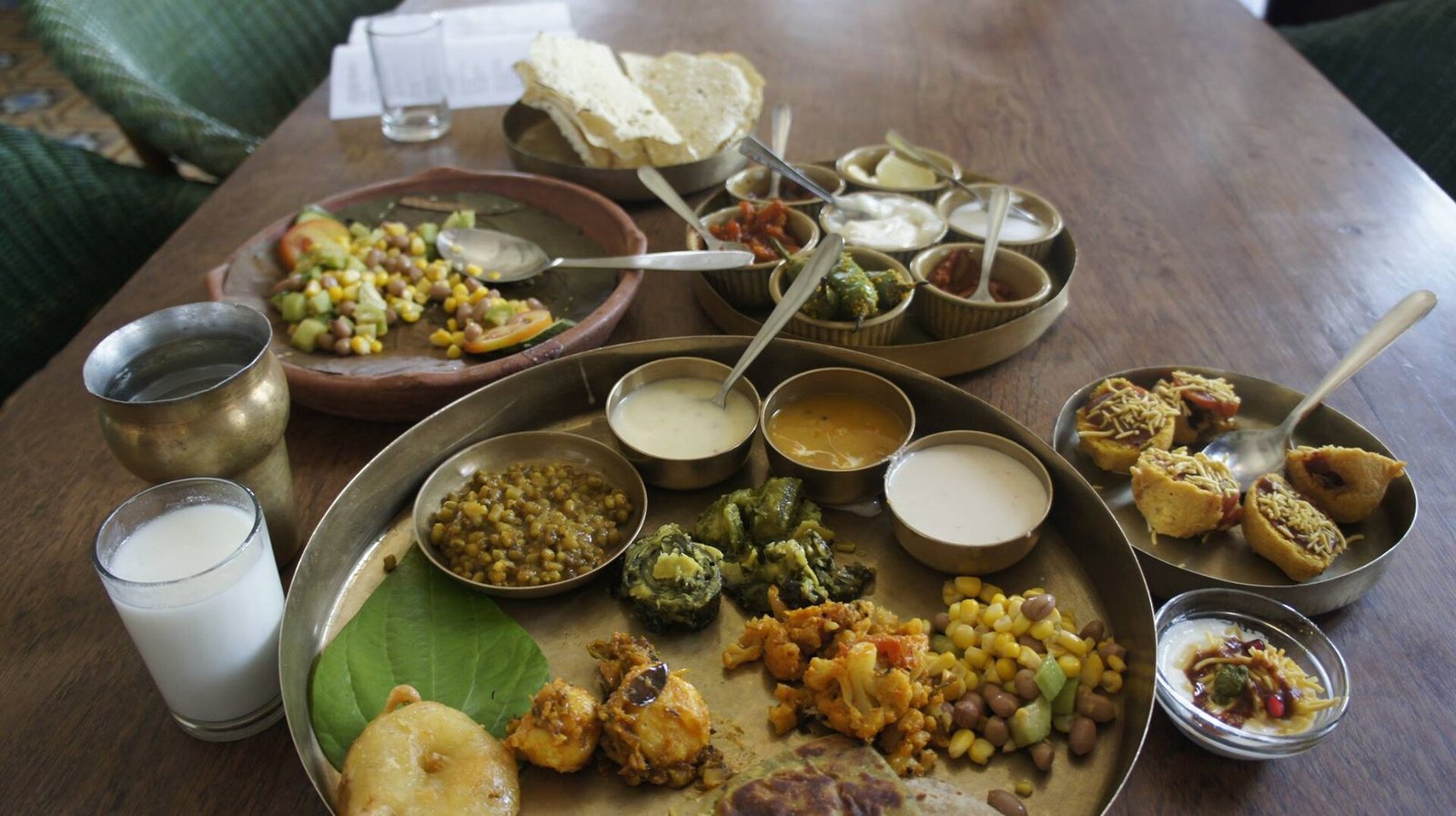
TRIBALMaize, rice & forest produce.
MAIZEMaize flatbread.
THALIComfort cooking.
FORESTA forest-flower delicacy.
A weekly market held in a town or large village of Chhota Udaipur district. Somewhere in the district one runs most days of the week — each place has its own fixed market day.
Adivasi villagers from the surrounding hills — Rathwa, Bhil, Naika and others — who come in to trade, to buy what they cannot produce and to see everyone else.
Farm and forest produce, livestock, tools, cloth, silver ornament, household goods and food. What is on sale changes considerably with the season.
No. It is the week's principal social gathering as much as a market — news is exchanged, disputes settled and marriages arranged there.
Weekly, on a day fixed for each town or village. Ask locally which day applies where you are going, because getting it wrong means arriving at an empty ground.
Because it is entirely unstaged. Nothing at a haat is arranged for visitors, and it is the most direct look at Adivasi life in eastern Gujarat that a traveller can get.
ARCHITECTUREA pillared mosque within the old fort
WILDLIFEThe last wild home of the Asiatic lion
ISLANDCoral reefs & mangroves in the Gulf

One of the world’s great private car collections — vintage Rolls-Royces, Bentleys and maharaja-era classics under…
Pilgrim spots near the forest edge

◐ Temple detail & ritual
WHERE TO STAY
Compare live prices across the big booking sites and reserve in a few taps. Booking happens securely on the partner's site — we may earn a small commission at no extra cost to you.
Book directly on our partner sites — tap a provider to see live Gujarat hotels & prices:
SHOP THE REGION
Hand-picked crafts and trip gear, available on Amazon.
Published 24 June 2026 · Updated 3 July 2026
We’re an independent group of writers and travellers documenting every corner of Gujarat — one place, plate and festival at a time.
Search Gujarat Explorer
Find places, food, festivals and travel guides across Gujarat
Press Enter to search — or Esc to close
Plan Your Trip
Gujarat Explorer is an independent travel guide. We’re happy to help you shape an itinerary and point you to the right places, stays and experiences across Gujarat.
Book a Cab