Home › Panchmahal Festivals › Champaner Days
HERITAGE · UNESCO · CHAMPANERAt the foot of Pavagadh lies Champaner — a UNESCO World Heritage Site of grand mosques, fort walls and stepwells, the 15th-century capital where Hindu and Islamic craft meet in stone.
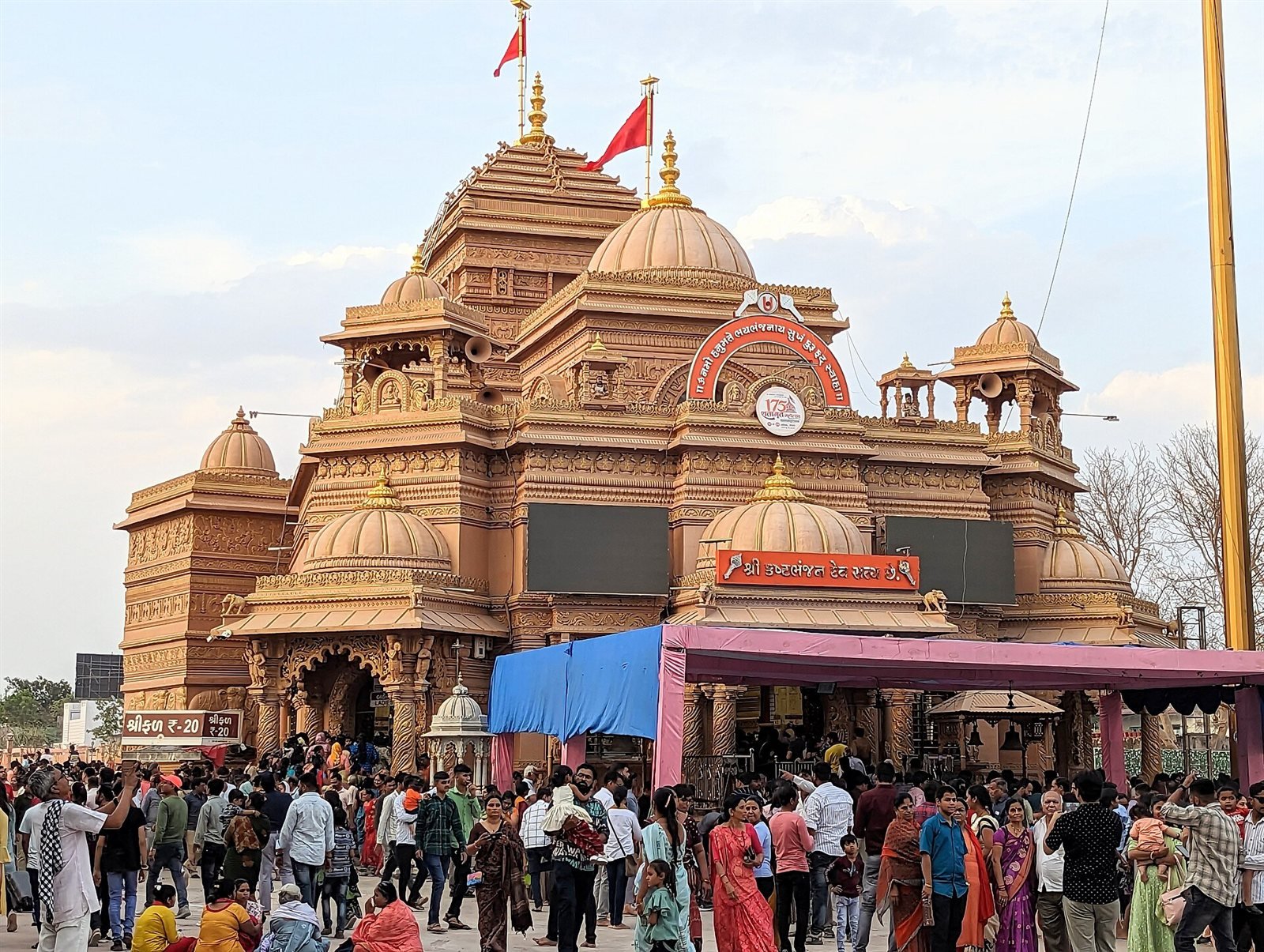
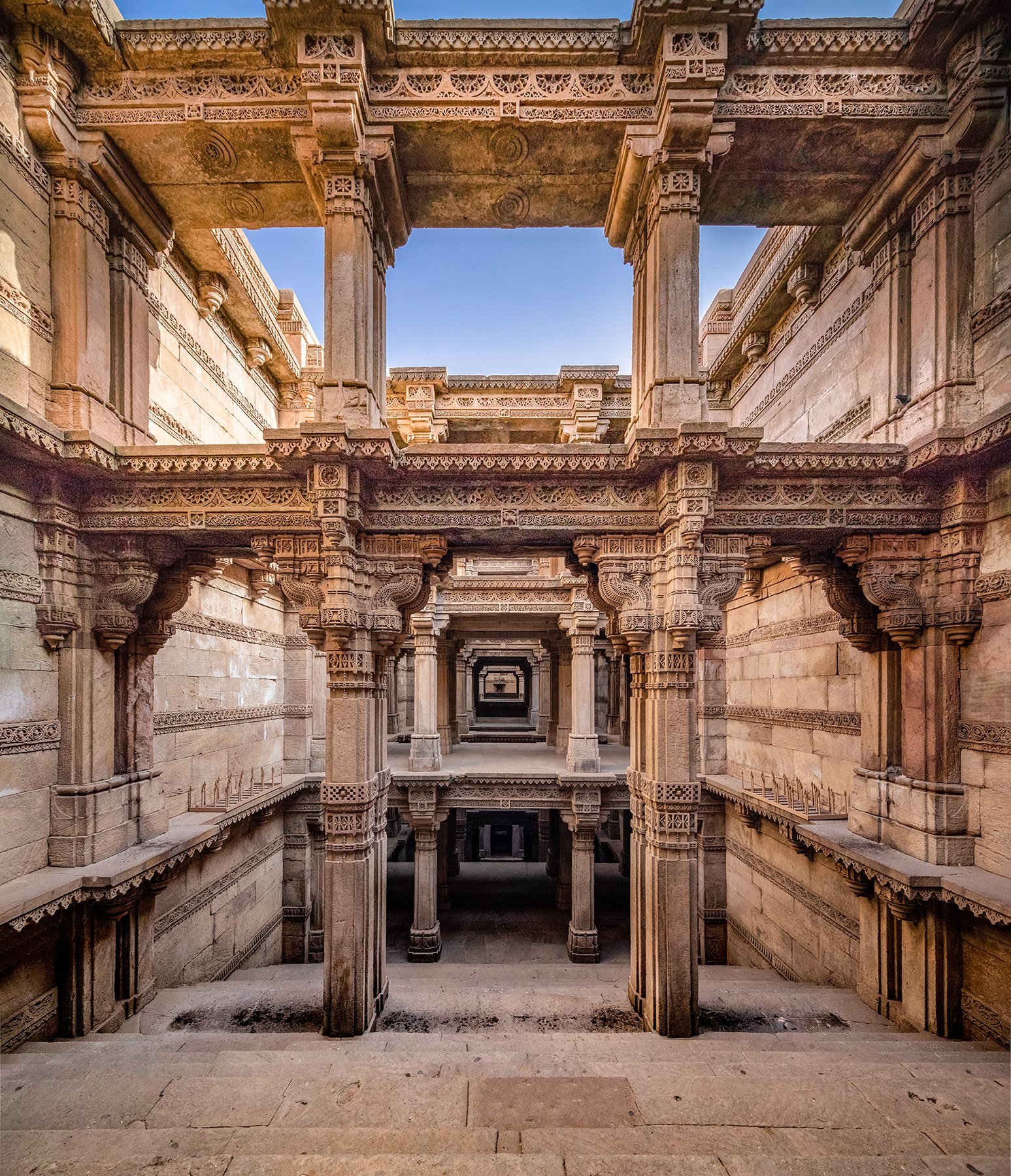
Champaner is one of India’s most complete medieval townscapes — a UNESCO World Heritage Site that preserves the 15th-century capital of Sultan Mahmud Begada. Spread beneath Pavagadh hill are grand mosques, fortified gates and walls, palaces, stepwells and temples, many still standing in remarkable detail. Its architecture blends Hindu and Islamic craft into a single Gujarati style, making a walk through the ruins a lesson in how two traditions shaped one city.
A well-planned Champaner day runs in sequence: the citadel gates and Saher ki Masjid first, the Jama Masjid at mid-morning before the coaches, then the outlying Kevada and Nagina mosques for the site at its emptiest and most atmospheric. The afternoon belongs to Pavagadh — ropeway up, darshan at Kalika Mata, and the descent past the hill’s gates and tanks as the light lowers over the whole lost capital.
Carry water, wear real shoes and hire a local guide or auto for the scattered outlying monuments; the site spreads over several kilometres and the gaps defeat casual walking. An ASI ticket covers the principal monuments, and the November-to-February months turn the whole park into Gujarat’s best heritage walking.
Mahmud Begada built his new capital here in the 1480s, below the conquered hill.
Mosques, forts and waterworks rose on a royal scale for half a century.
Then the court moved on after Humayun's sack, and the forest closed over the city.
UNESCO listed the whole landscape in 2004 — India's only unchanged pre-Mughal capital.
The Jama Masjid is the grand mosque, a masterpiece of the sultanate age.
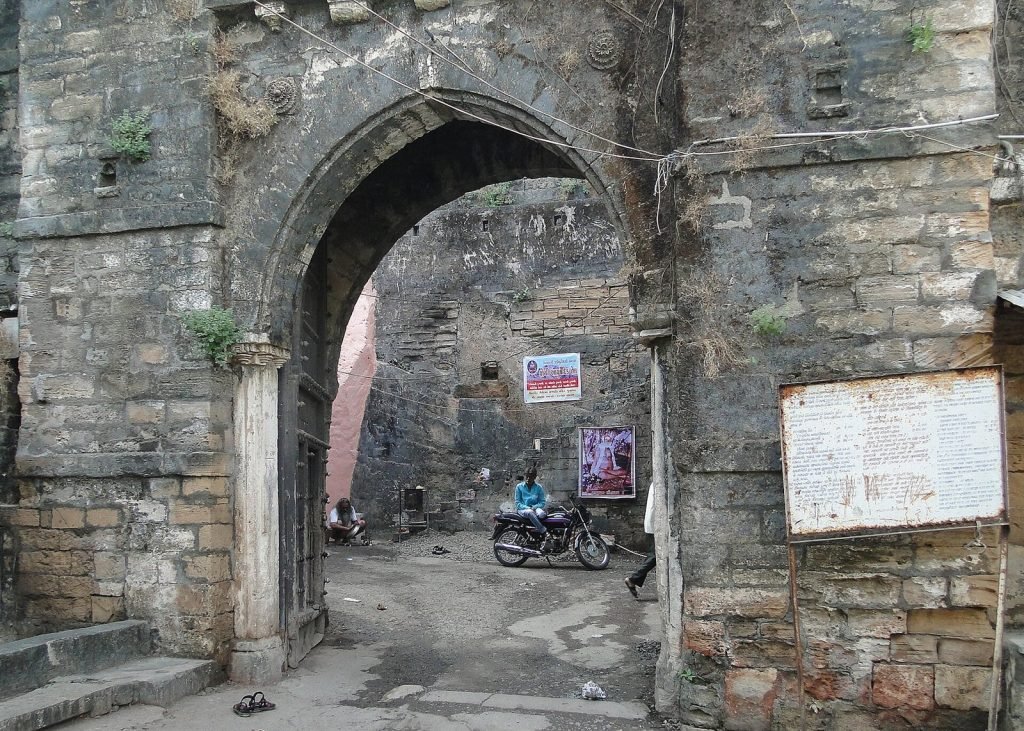
Gates and bastions ring the citadel and the old city's line.
The pillared halls stay cool and carved behind their screens.
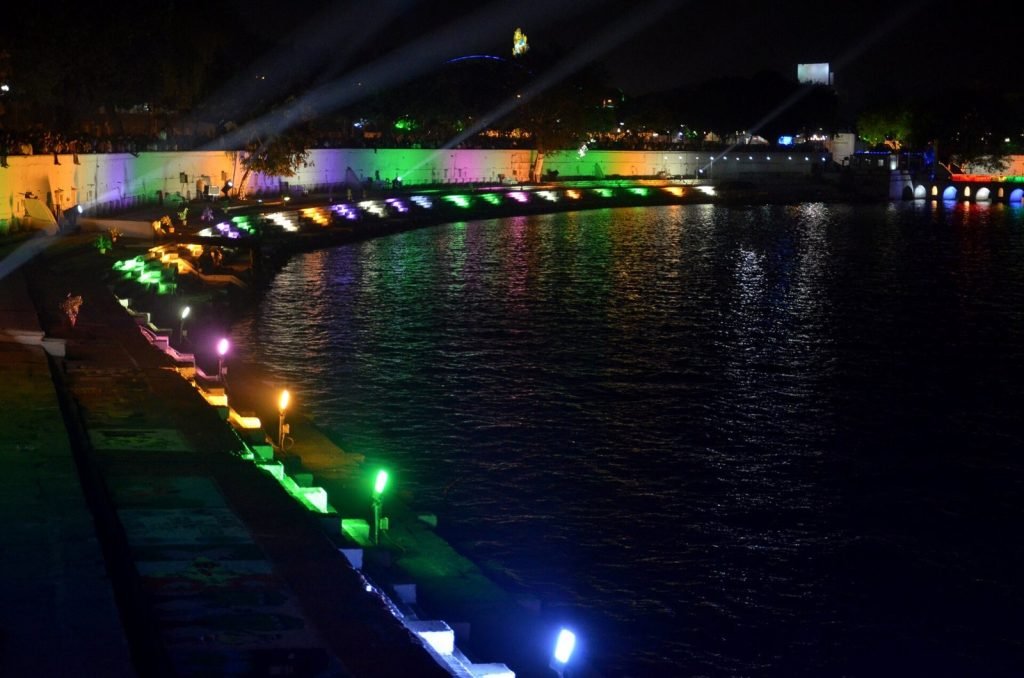
The royal past is legible in every wall and water tank.
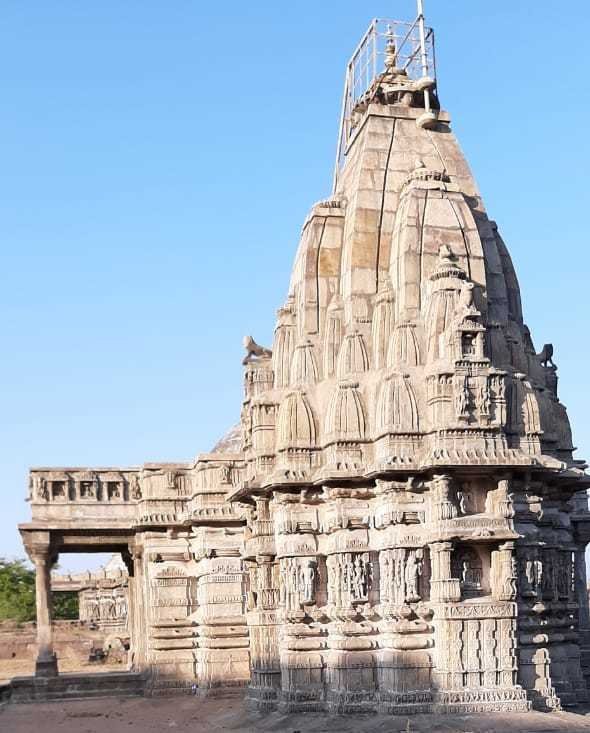
Hindu and Islamic craft blend through all the carving.
UNESCO ranks the site with India's greatest.
THE SITEA lost capital.
THE MOSQUECarved in stone.
Enter through the old fort gates that still control the site.
Give the great Jama Masjid the time it deserves.
Feel the carved halls stay cool at midday.
Find the palaces, stepwells and shrines beyond the mosque.
Read the two styles working as one throughout.
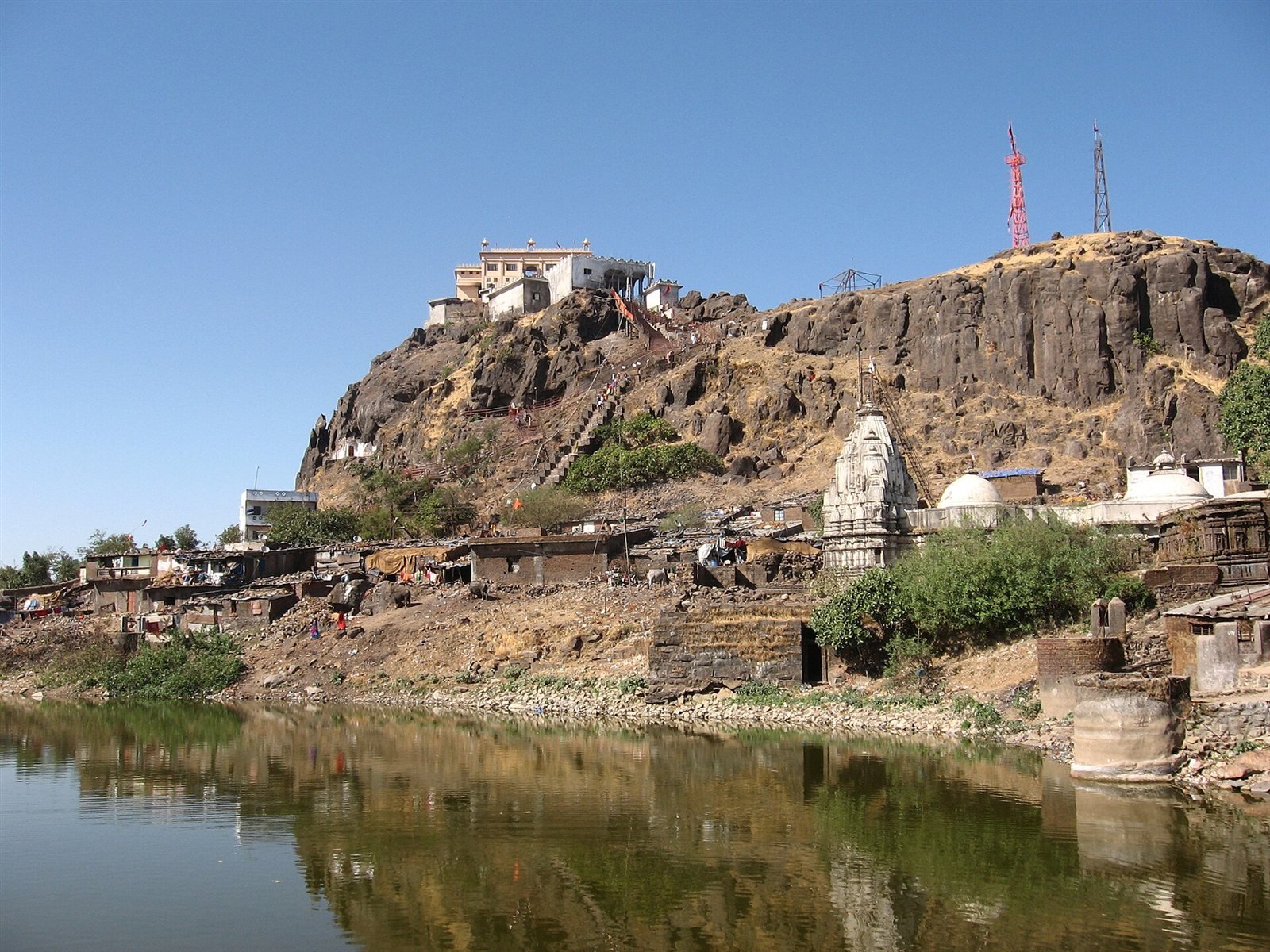
Look up at Pavagadh hill, the capital's fortress and shrine.
What makes Champaner exceptional is its fusion. Its builders drew on the carving skills of Gujarat’s temple masons and set them to work on mosques, gateways and wells, producing a style that is neither purely Hindu nor purely Islamic but distinctly local. Because the city was abandoned rather than rebuilt, it survives as a rare, unaltered record of that medieval synthesis — a whole town frozen at its 15th-century peak.
This is one of many places worth seeing here — the full guide to Panchmahal has the rest.
Ideal for walking.
Green and dramatic.
Hot at midday.
⏰ Champaner is an open archaeological park; the cooler months of November to February are best for exploring on foot.
Vadodara (~45 km).
Vadodara / Godhra.
Halol / Pavagadh.
SEP–OCT
Navratri Garba
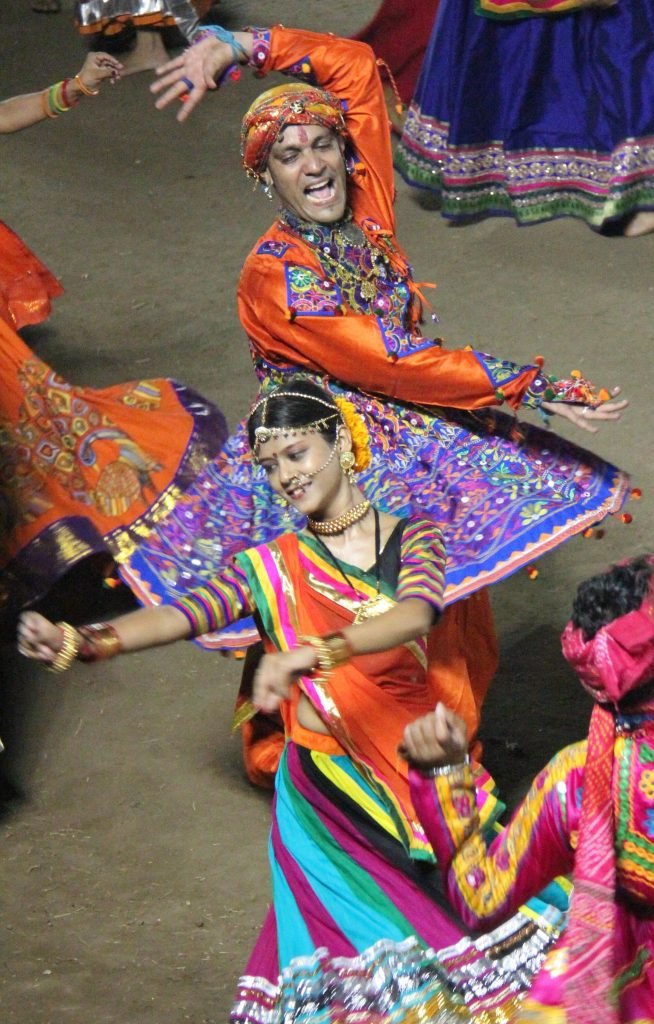
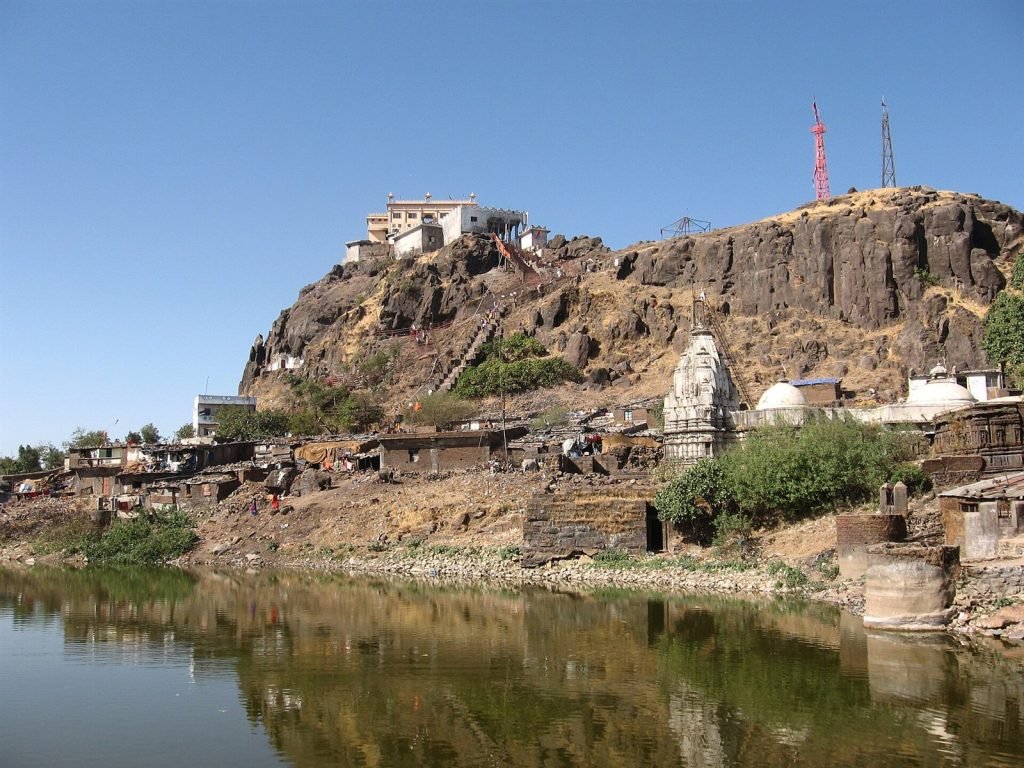
For nine autumn nights, Panchmahal spins to garba and dandiya-raas — circle dances that fill village grounds and town squares with drums, colour and devotion to the Mother Goddess. Explore →
NAVRATRI
Kalika Yatra
Lakhs climb Pavagadh to the Mother Goddess. Explore →
TRIBAL
Pithora Art
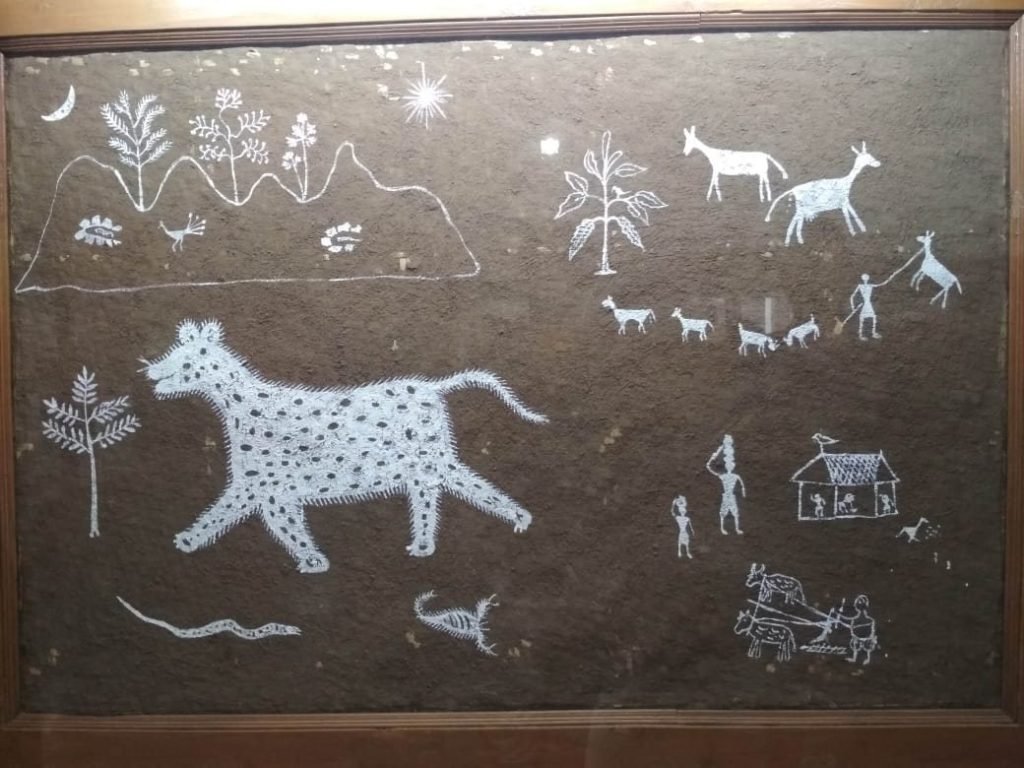
Pithora is sacred wall painting — rows of colourful horses and figures brushed onto house walls by the Rathwa and Bhil tribes as vows fulfilled and thanks given. Explore →
PILGRIM
Chaitra Fair
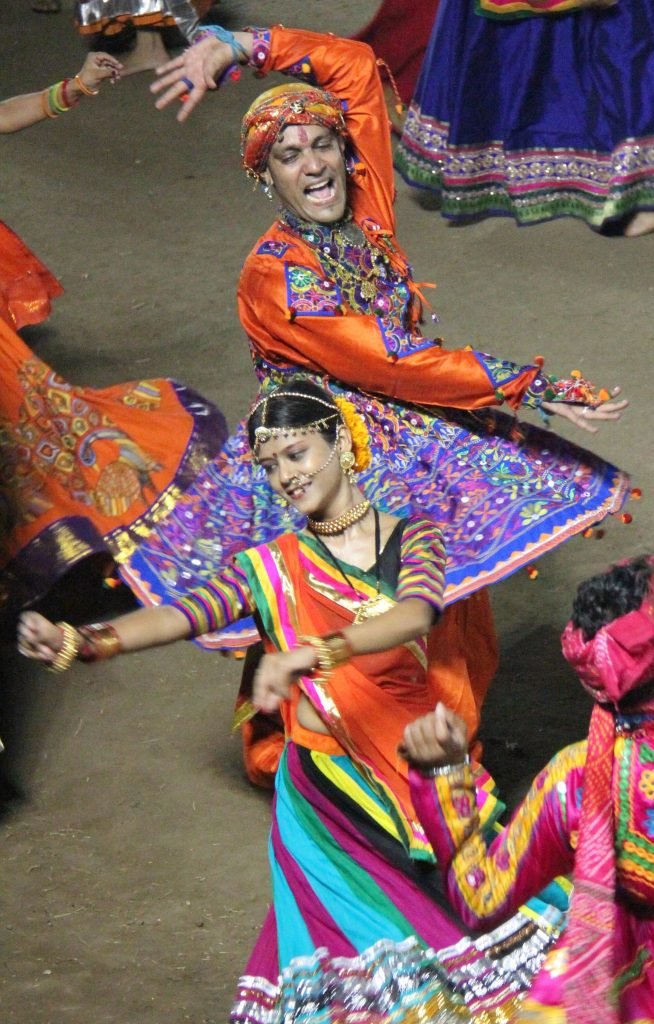
On Chaitri Purnima, Pavagadh-Champaner fills with a great pilgrim fair — a spring gathering to the goddess Kalika Mata in the month of Chaitra, drawing devotees from across Gujarat. Explore →
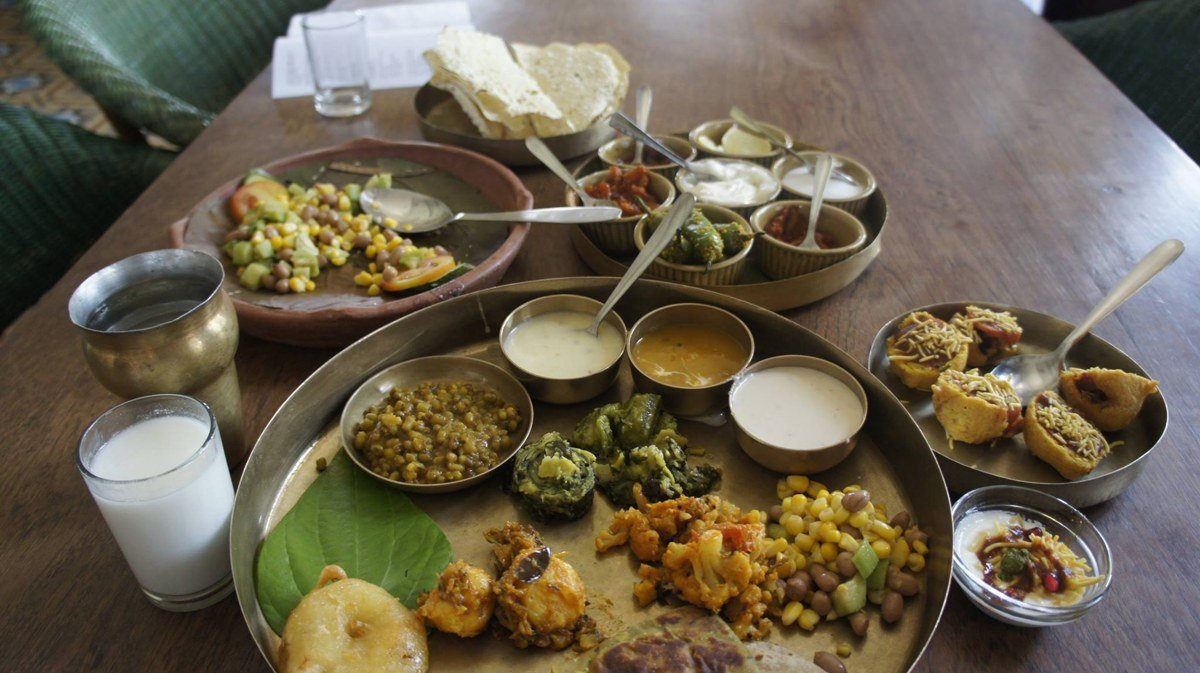
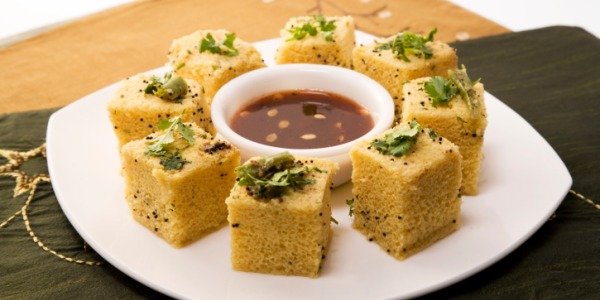
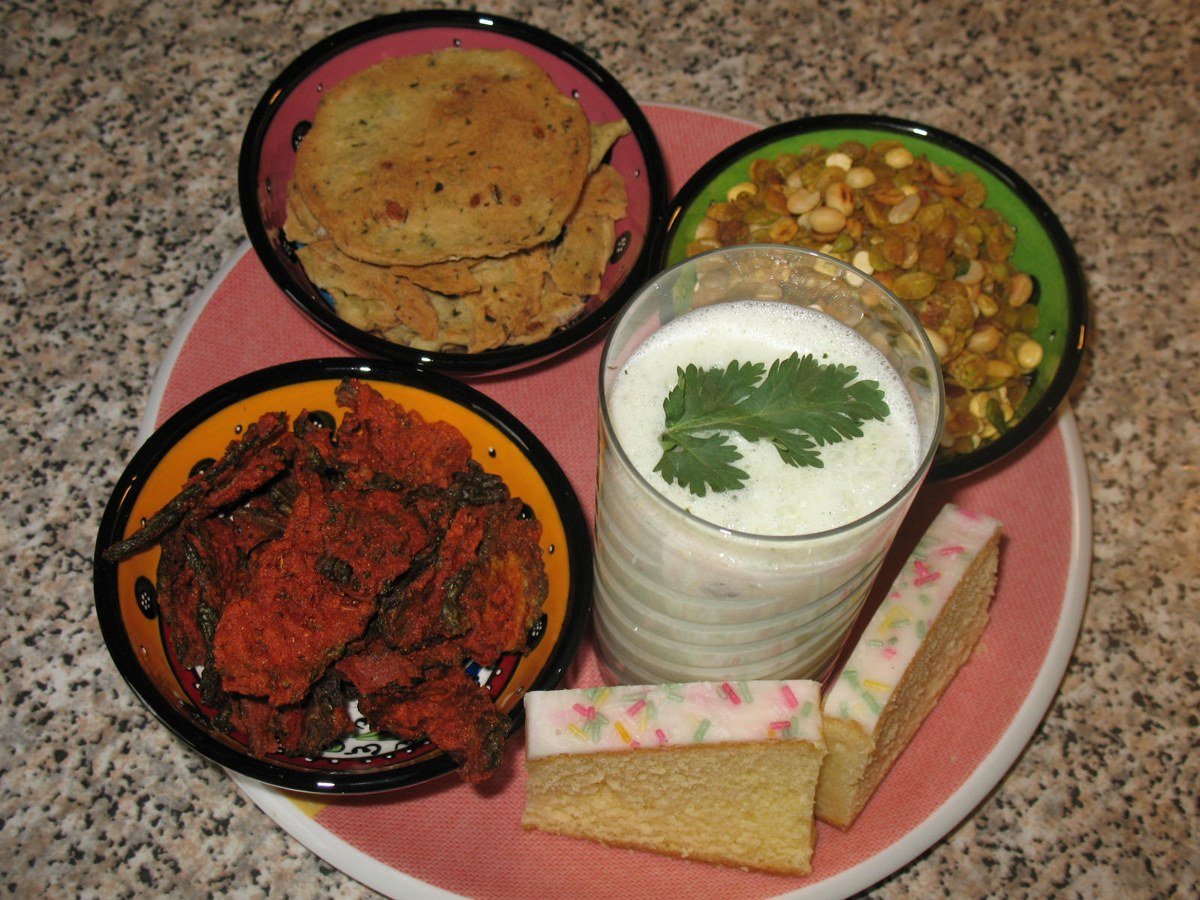
THALIA hearty spread.
LOCALPanchmahal flavours.
FARSANSavoury snacks.
CHAASSpiced buttermilk.
A UNESCO World Heritage Site in Panchmahal — the 15th-century capital of Sultan Mahmud Begada, below Pavagadh hill.
It preserves a complete medieval city of mosques, forts, stepwells and temples blending Hindu and Islamic craft.
Champaner’s grand congregational mosque, a masterpiece of carved stone and one of the site’s highlights.
A half to full day to see the main mosques, walls and stepwells; longer if you also climb Pavagadh.
Near Halol in Panchmahal district, about 45 km from Vadodara.
Yes — the Kalika Mata shrine sits atop the hill directly above the ruins.
FAMILYLakefront with zoo, toy train & balloon
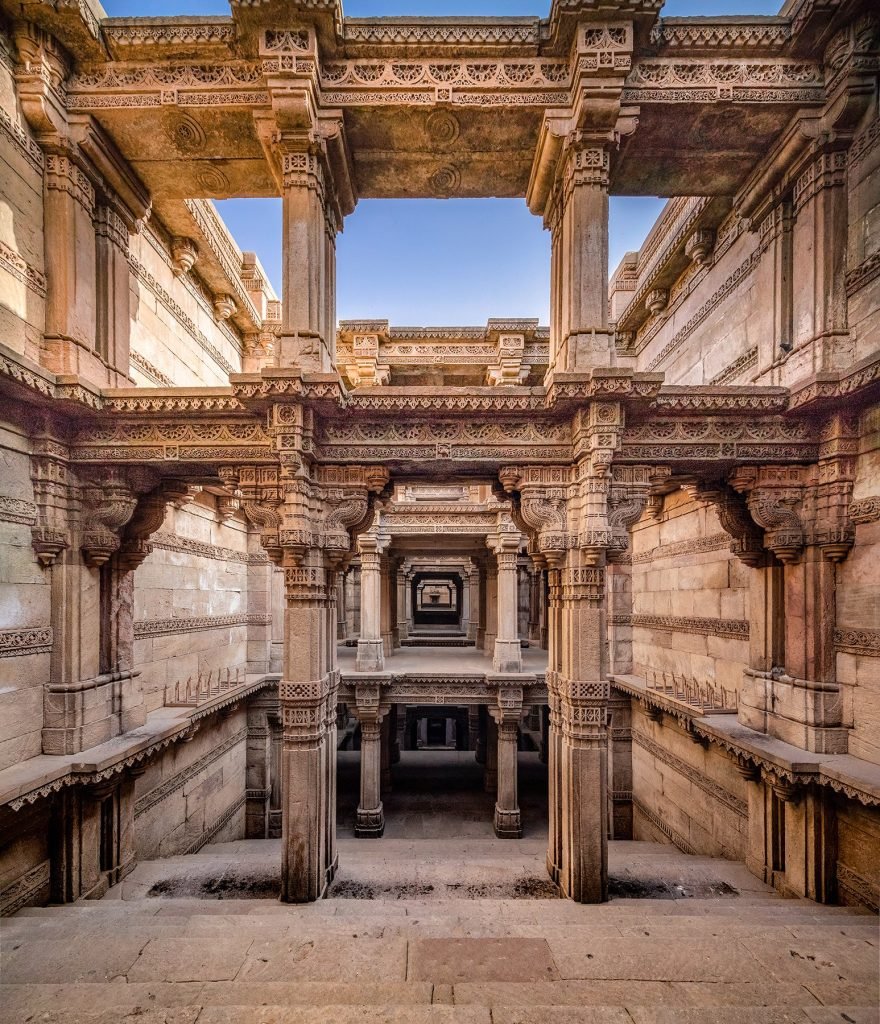
STEPWELLCarved stepwells scattered across the district
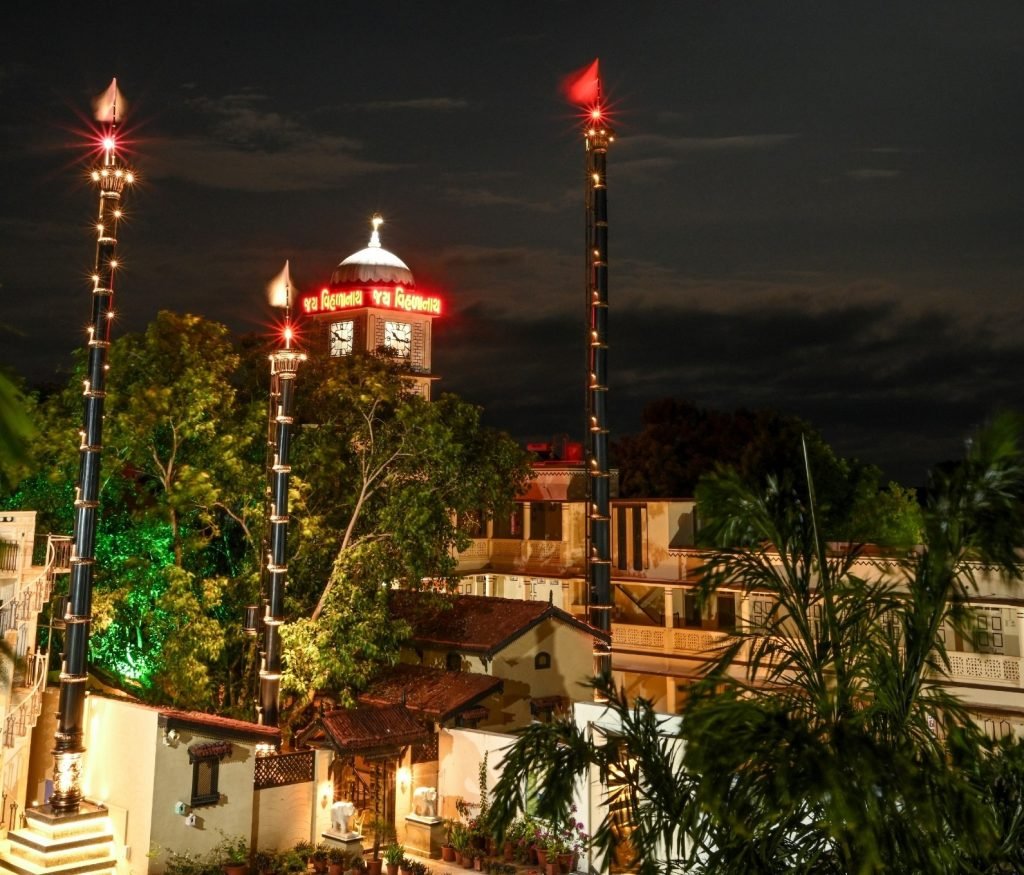
A revered Khodiyar Mata shrine at Paliyad — the Vihat dham of the crocodile-riding goddess, crowned…
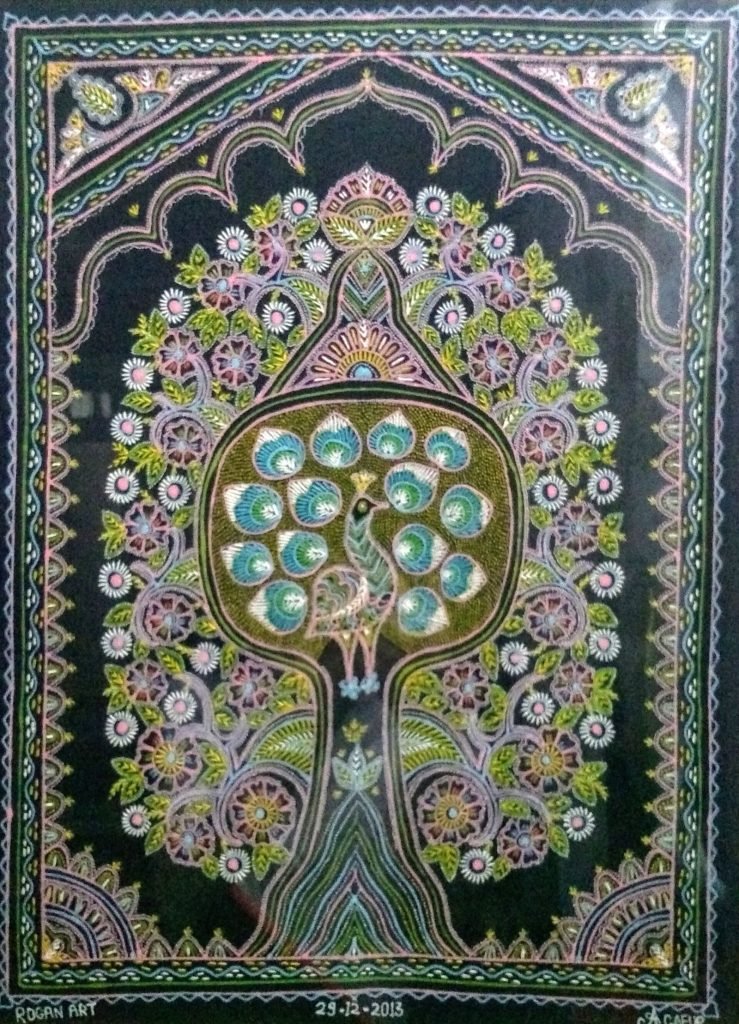
ARTISANSRogan art, copper bells & lacquer woodwork
Pilgrim spots near the forest edge

A graceful sampraday shrine in town
WHERE TO STAY
Compare live prices across the big booking sites and reserve in a few taps. Booking happens securely on the partner's site — we may earn a small commission at no extra cost to you.
Book directly on our partner sites — tap a provider to see live Gujarat hotels & prices:
SHOP THE REGION
Hand-picked crafts and trip gear, available on Amazon.
Published 24 June 2026 · Updated 3 July 2026
We’re an independent group of writers and travellers documenting every corner of Gujarat — one place, plate and festival at a time.
Search Gujarat Explorer
Find places, food, festivals and travel guides across Gujarat
Press Enter to search — or Esc to close
Plan Your Trip
Gujarat Explorer is an independent travel guide. We’re happy to help you shape an itinerary and point you to the right places, stays and experiences across Gujarat.
Book a Cab