Home › Kutch Festivals › Living Crafts
YEAR-ROUND · CRAFT VILLAGES · KUTCHFew regions on earth are as rich in living craft as Kutch — village upon village of embroiderers, weavers, block-printers and dyers, each keeping a distinct tradition alive by hand.
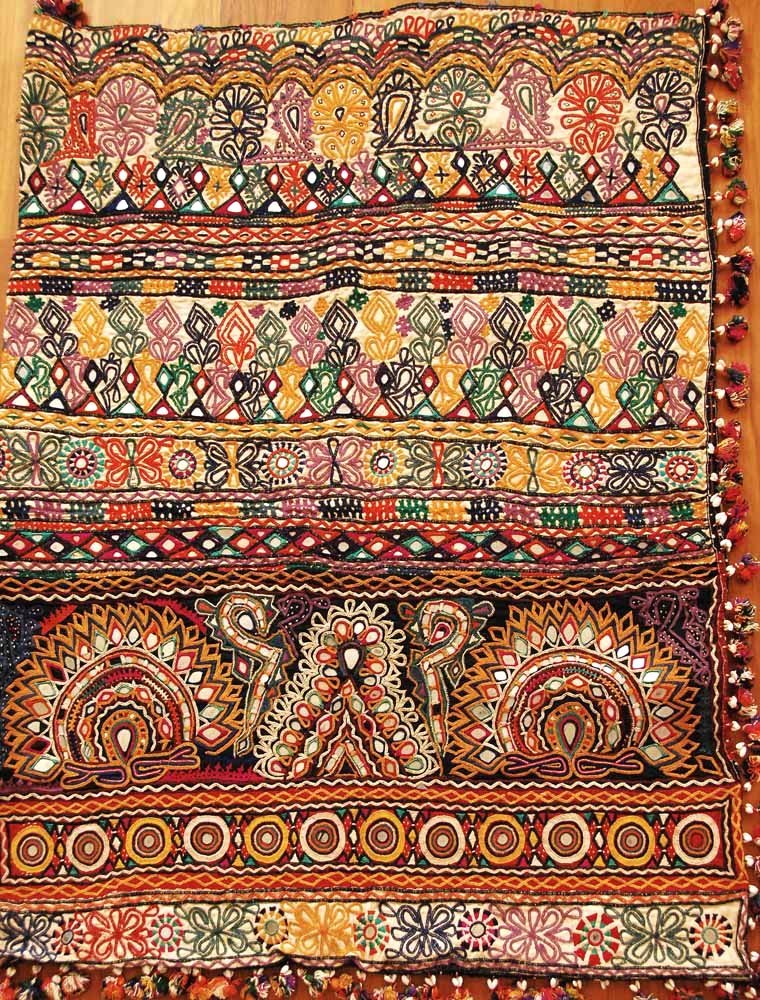
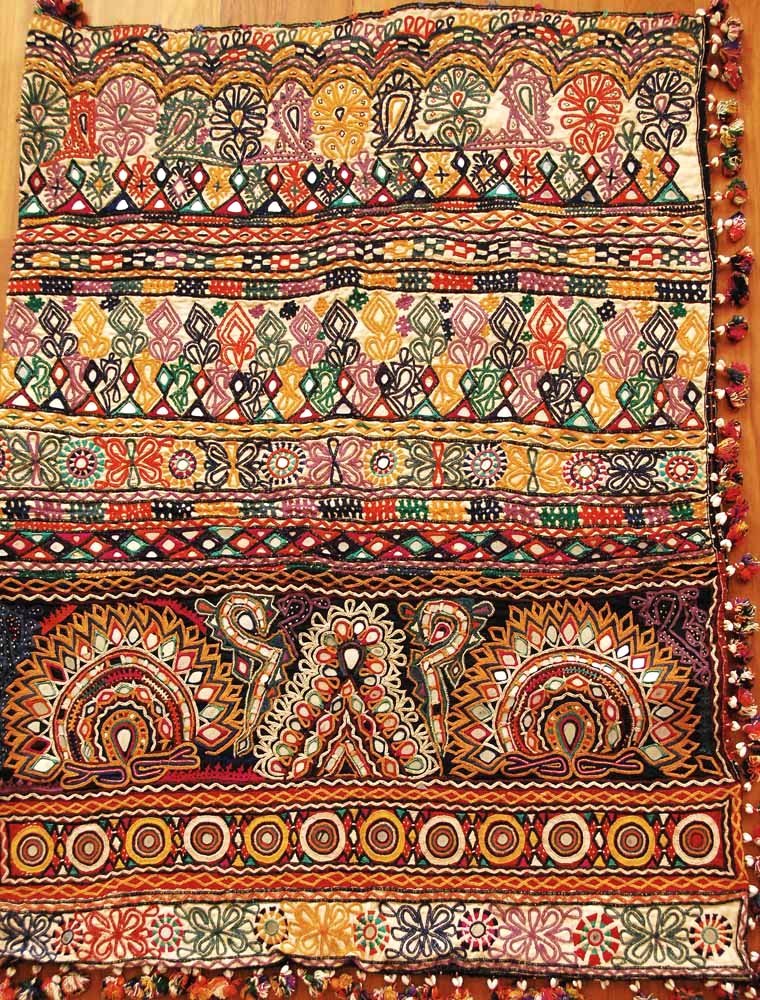
Kutch is often called an open-air museum of Indian craft. Across its villages, communities practise a dazzling range of traditions: dozens of distinct embroidery styles, Ajrakh block-printing, Bhujodi weaving, bandhani tie-dye, leather-work, bell-making and more. What makes it special is that these are living crafts — worn, used and sold by the families who make them — and that you can meet the artisans in their own villages, watching skills passed down for generations.
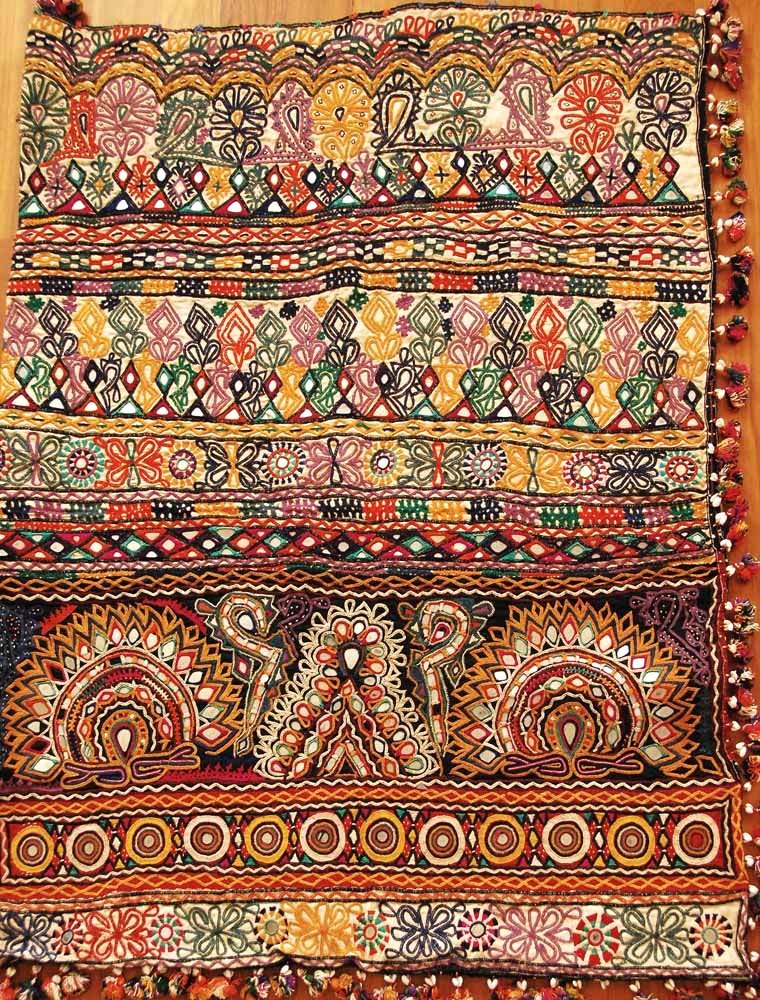
What separates Kutch from every other craft region is the depth of the bench. The embroidery alone splits into a dozen living grammars — Rabari mirrors, Ahir circles, Sodha counted-thread work — each still stitched for the community’s own dowries before any tourist sees a piece. The dyed and printed cloths run from Ajrakhpur’s sixteen-stage ajrakh to Bhuj’s bandhani ateliers; the hard crafts add copper bells, lacquered wood, leather and the astonishing Rogan — castor-oil paint drawn into thread-fine lines by one Nirona family. Trusts like Shrujan and Kala Raksha, and the design school at Adipur, have turned that inheritance into sustainable income without flattening it into souvenir style.
For the traveller the promise is proximity: nearly every tradition can be watched at the maker’s bench within an hour of Bhuj, and the LLDC crafts museum at Ajrakhpur gives the whole map in one building. Go in the winter working season, buy signed work at the source, and the purchase becomes part of the tradition’s future rather than a copy of its past.
Every community settled in Kutch brought or bred a craft of its own.
Mothers taught daughters and fathers taught sons, workshop by workshop.
Design collaborations and fair-trade trusts opened national markets.
The skills remain daily livelihood, not museum performance.
Dozens of embroidery styles, each a community's signature.
Bhujodi's pit looms weave the famous Kutchi shawls.
Ajrakh block-printing builds indigo and madder over sixteen stages.
Bandhani ties thousands of resist dots into wedding silks.
Nirona keeps Rogan painting's last working family.
Workshops welcome visitors to watch and buy at the source.
THE CRAFTMade by hand, worn in daily life, sold by the maker.
THE VILLAGESCraft by craft.
Gateway to the villages.
Weavers' village.
Ahir, Rabari and more.
Block-printing by hand.
In their homes.
Support the makers.
In Kutch, craft is bound up with identity — different communities are known for different skills, and the motifs of an embroidery or the pattern of a weave can speak of who made it and where. After the 2001 earthquake, craft also became a vital route to rebuilding livelihoods, and today artisan cooperatives and design partnerships help these traditions thrive in modern markets while keeping their roots intact.
More places to visit across the district are gathered in our Kutch travel guide.
Cool for village tours.
Craft on show too.
Very hot in Kutch.
⏰ Craft villages welcome visitors year-round, but the cool winter (Nov–Feb), overlapping the Rann Utsav, is ideal.
Bhuj Airport.
Bhuj / Gandhidham.
Villages around Bhuj.
NOV – FEB
Rann Utsav
A months-long desert carnival on the white salt — crafts, folk music and full-moon nights under the stars. Explore →
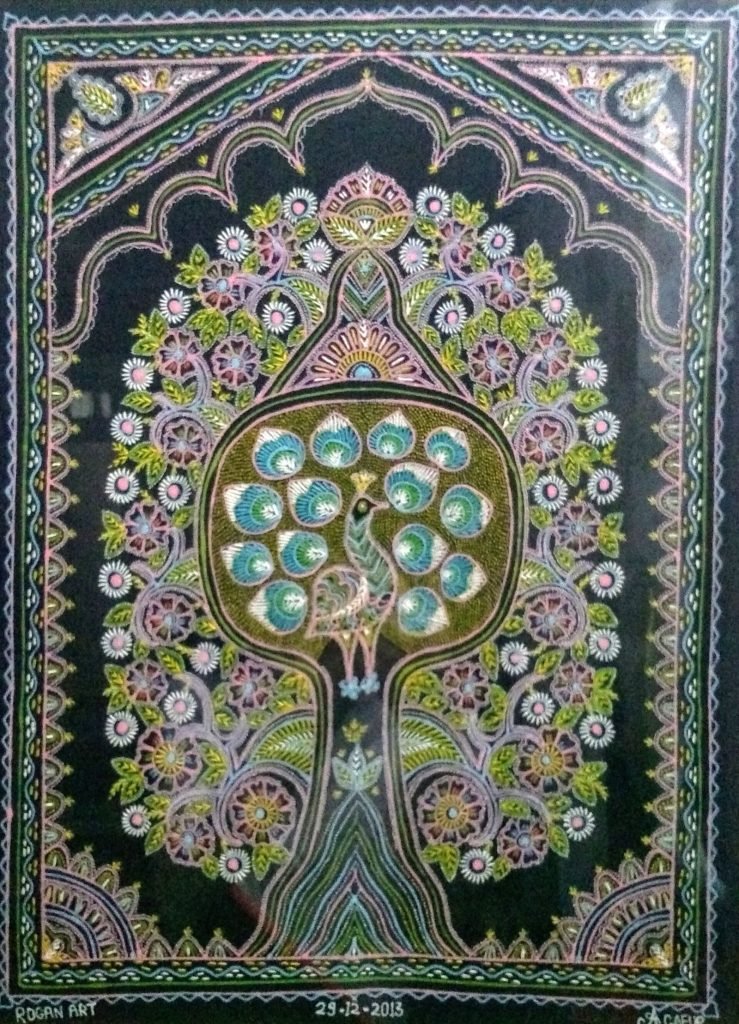
HERITAGE
Rogan & Lacquer
In the village of Nirona survives Rogan — a rare craft of painting cloth with threads of boiled-oil paint, kept alive by a single family, alongside Kutch’s glowing lacquer-turned woodwork. Explore →
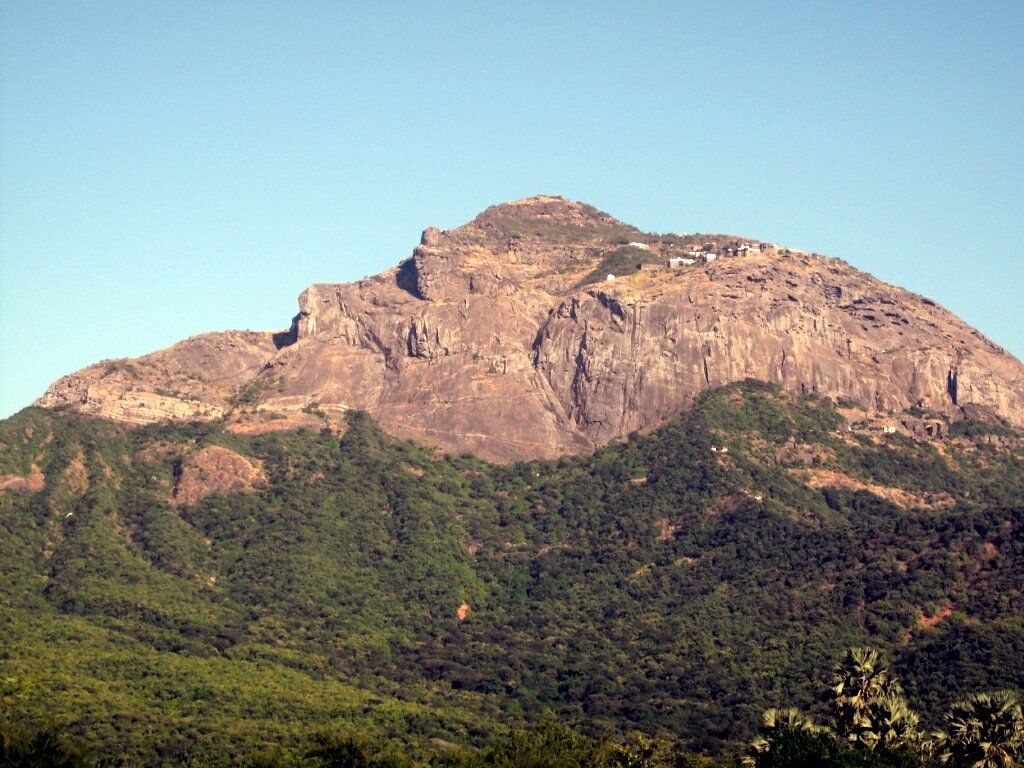
FOLK
Music & Dance
Kutch sings in many voices — the haunting Sufi strains of desert balladeers, the beat of the drum-driven dhamal, and folk dances that turn a festival night into pure rhythm. Explore →
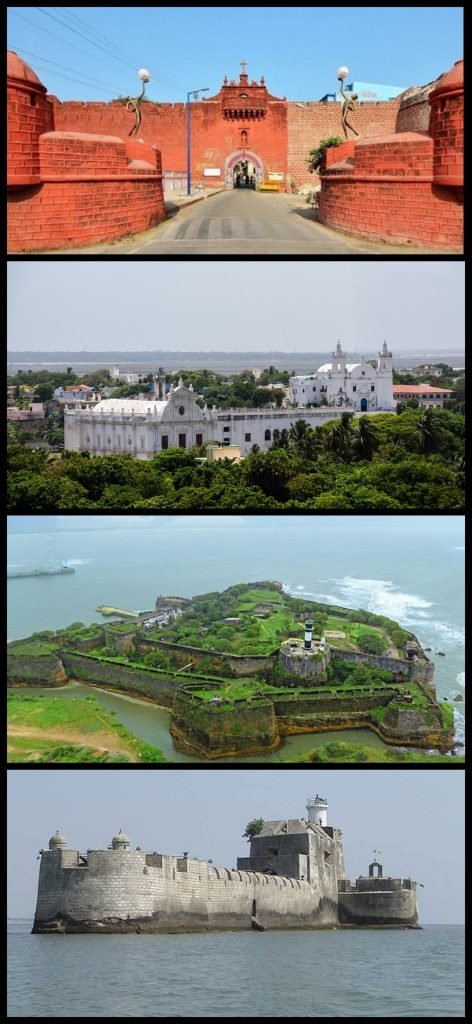
COAST
Mandvi by the Sea
Mandvi is Kutch by the sea — a breezy beach town of the old shipbuilders, where wooden dhows still take shape by hand and the Vijay Vilas palace looks out over the Arabian waves. Explore →
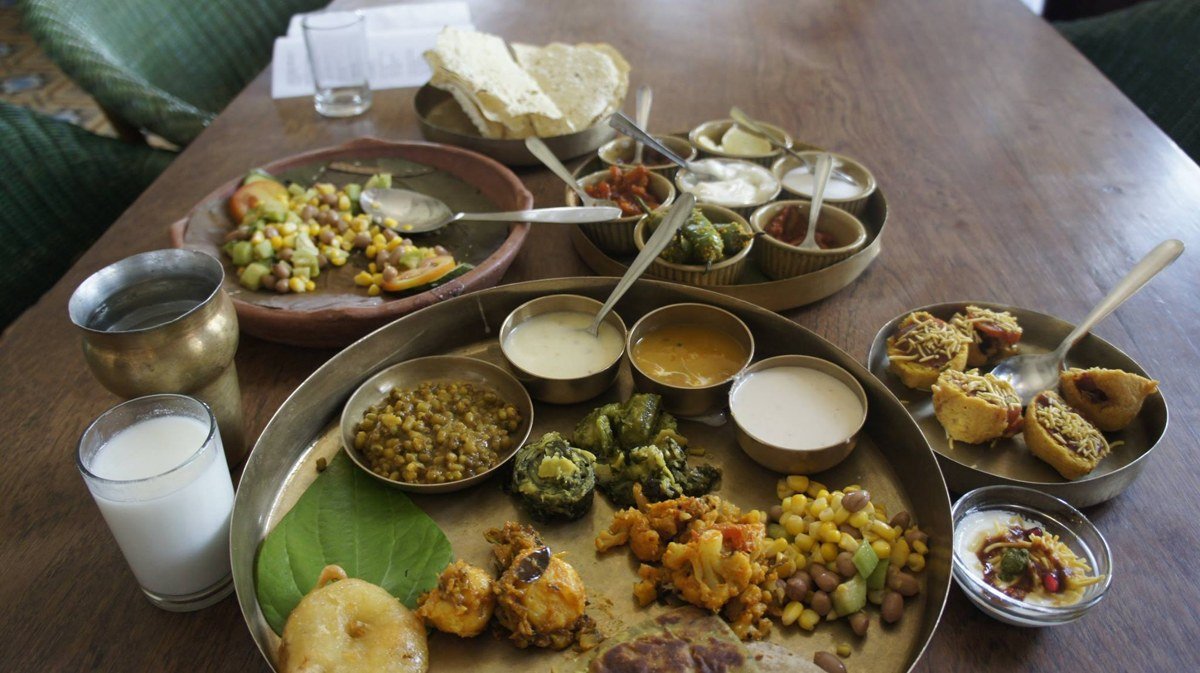
THALIRegional spread.
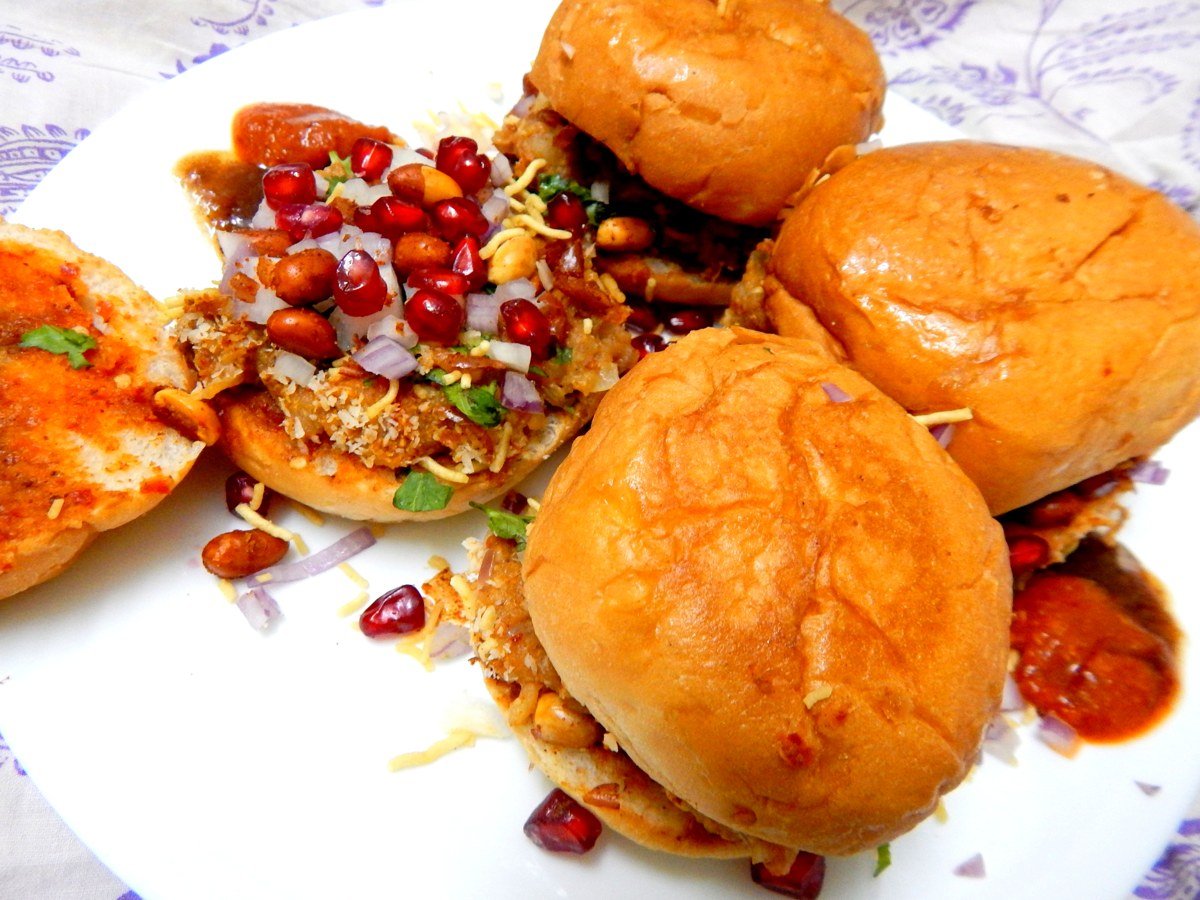
DABELISpiced potato bun.
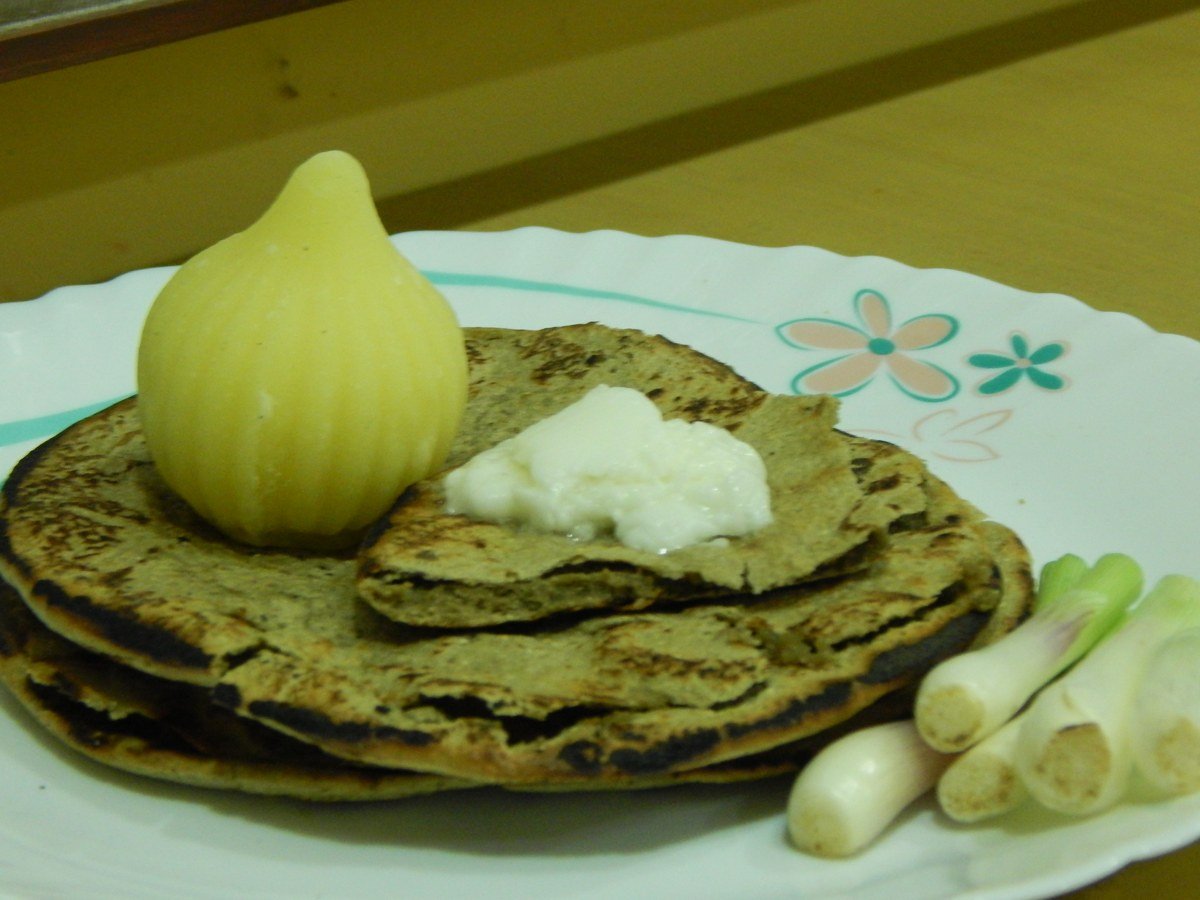
ROTLOWith butter & ghee.
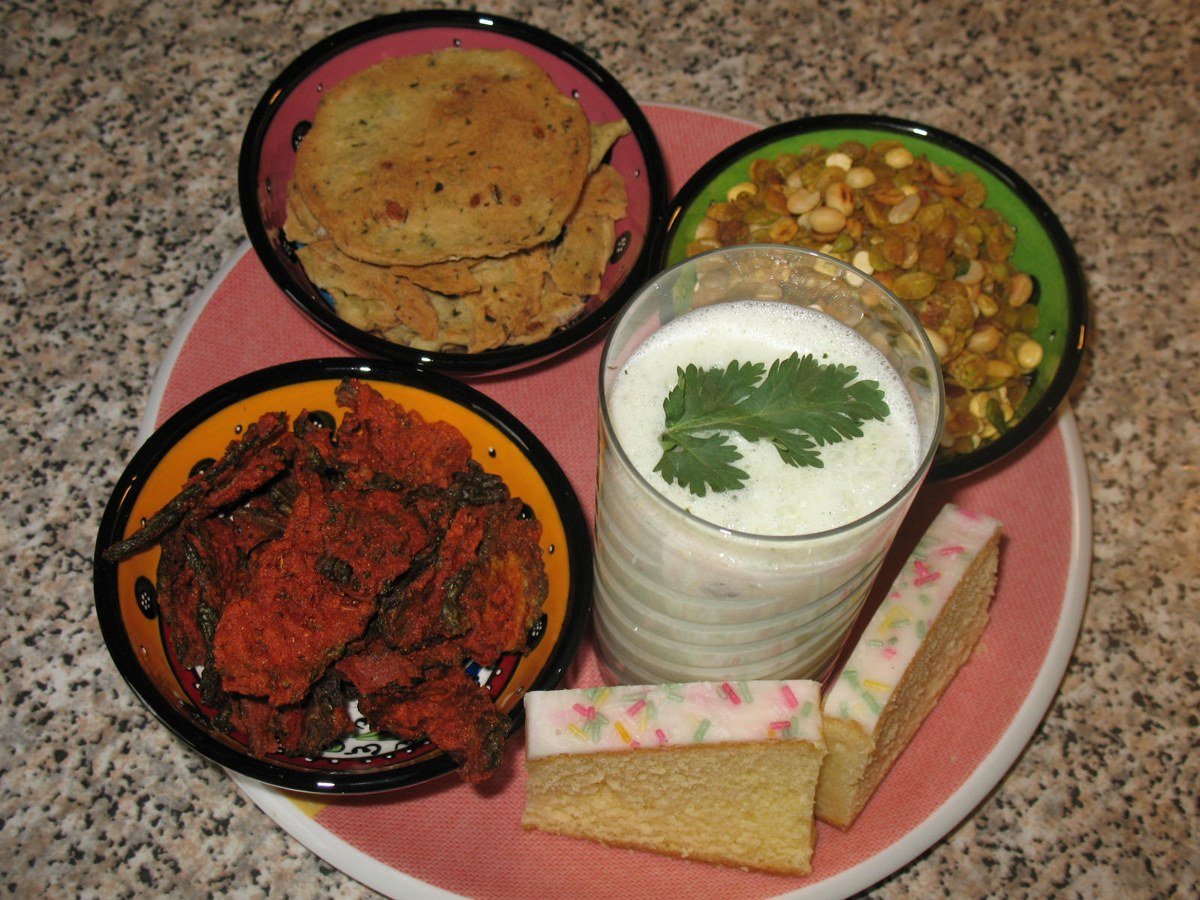
CHAASSpiced buttermilk.
Dozens of embroidery styles, Ajrakh block-printing, Bhujodi weaving, bandhani tie-dye, leatherwork and copper-bell making, among others.
In craft villages around Bhuj such as Bhujodi and Nirona, where artisans work in their own homes.
Yes — buying at source supports the artisans and often gets you authentic work at fair prices.
Yes — they are actively made, worn and sold by the communities that keep them.
The cool winter months, which also coincide with the Rann Utsav.
Craft became an important route to rebuilding livelihoods, supported by cooperatives and design partnerships.
Serene waters around the royal town
5Watch tiles and clay-ware take shape by hand
LANDMARKA grand convention & exhibition complex
TEMPLEA revered Shiva shrine of the region
5Trace the romantic poet’s gentle hometown
SACREDA Dattatreya shrine on the Narmada
WHERE TO STAY
Compare live prices across the big booking sites and reserve in a few taps. Booking happens securely on the partner's site — we may earn a small commission at no extra cost to you.
Book directly on our partner sites — tap a provider to see live Gujarat hotels & prices:
SHOP THE REGION
Hand-picked crafts and trip gear, available on Amazon.
Published 24 June 2026 · Updated 3 July 2026
We’re an independent group of writers and travellers documenting every corner of Gujarat — one place, plate and festival at a time.
Search Gujarat Explorer
Find places, food, festivals and travel guides across Gujarat
Press Enter to search — or Esc to close
Plan Your Trip
Gujarat Explorer is an independent travel guide. We’re happy to help you shape an itinerary and point you to the right places, stays and experiences across Gujarat.
Book a Cab