Home › Junagadh Festivals › Music & Dandiya
FOLK · DANDIYA · SAURASHTRAJunagadh keeps the folk beat of Saurashtra alive — dandiya-raas and garba, the soulful dayro of Kathiyawadi singers, and dhol-driven nights where whole towns dance in ring after spinning ring.
Junagadh sits in the heart of Saurashtra, a land with a deep folk-music tradition. Here dandiya-raas — the paired-stick dance — and the circling garba are more than Navratri set-pieces; they are living community art, danced at fairs and weddings the year round. Alongside them thrives the dayro, an evening of Kathiyawadi song and storytelling led by folk singers whose verses can move a crowd to tears or laughter.
Saurashtra has one of India's densest folk-music traditions, and Junagadh sits at the centre of it, with singers and troupes working the district's fairs and weddings all year.
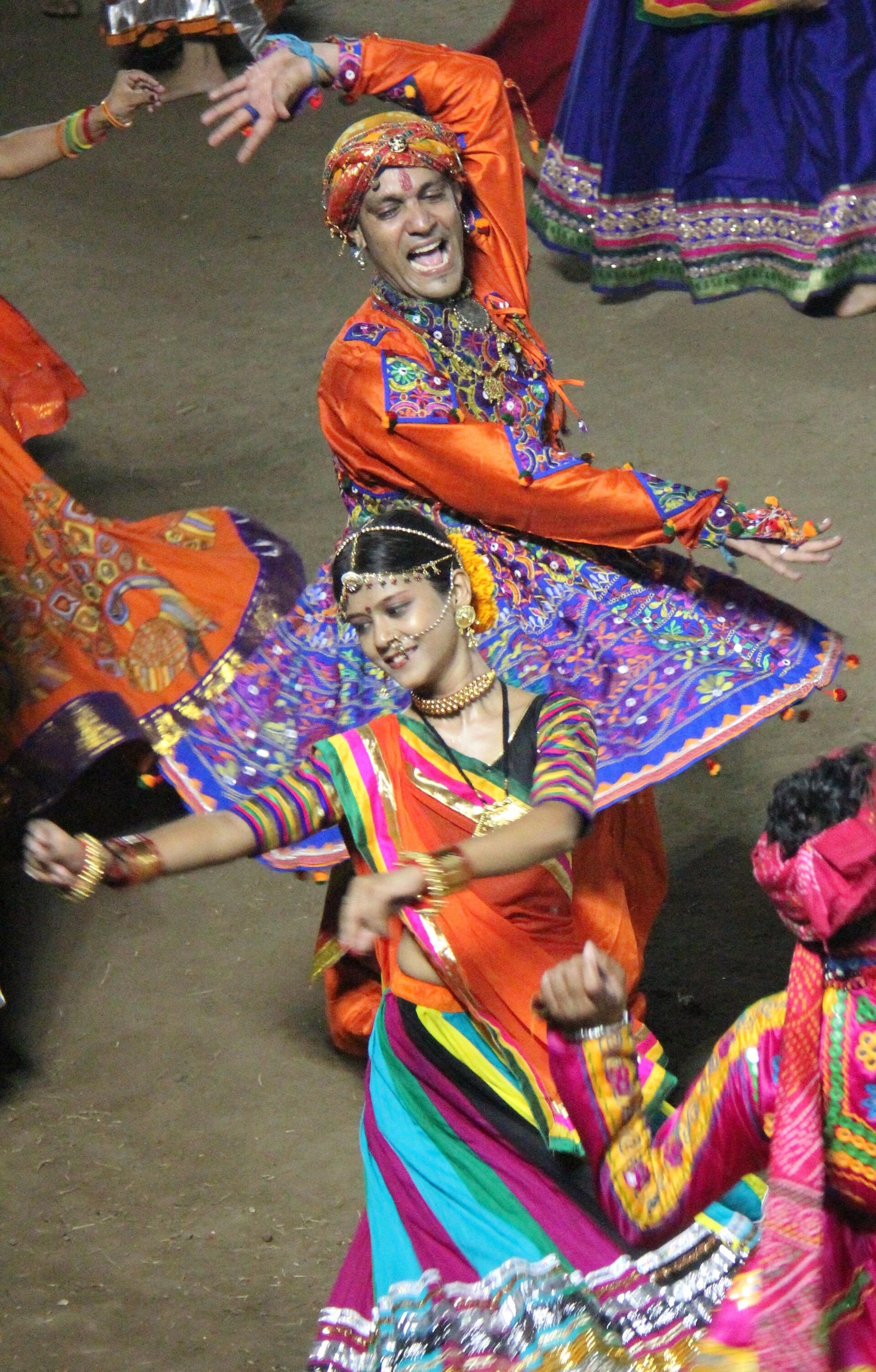
Garba is the circle dance, performed around a central lamp or shrine to the goddess, and it is participatory — the ring simply grows as people join.
Raas is danced with paired sticks, in facing lines or circles, and the rhythm is carried by the sticks striking as much as by the drum.
These are not seasonal set-pieces. Weddings, village fairs and temple festivals keep them going right through the year.
Dandiya-raas is danced with a pair of sticks each, partners moving through the figures and striking on the beat.
Garba circles anticlockwise around a lamp or shrine, building speed as the night goes on.
The dayro is an evening of Kathiyawadi song and storytelling, and a good singer can hold a crowd for hours.
The dhol sets everything. The dance follows the drummer, not the other way round.
Chaniya choli and kediyu in mirror-work and bandhani are worn for the big nights, and the costume is half the spectacle.
During Navratri whole towns turn out, with grounds and streets given over to nine nights of dancing.
THE DANCERaas and garba danced in concentric rings, the outer circles moving slower than the inner.
THE SONGThe dayro — Kathiyawadi voices, verse and story, performed through the night.
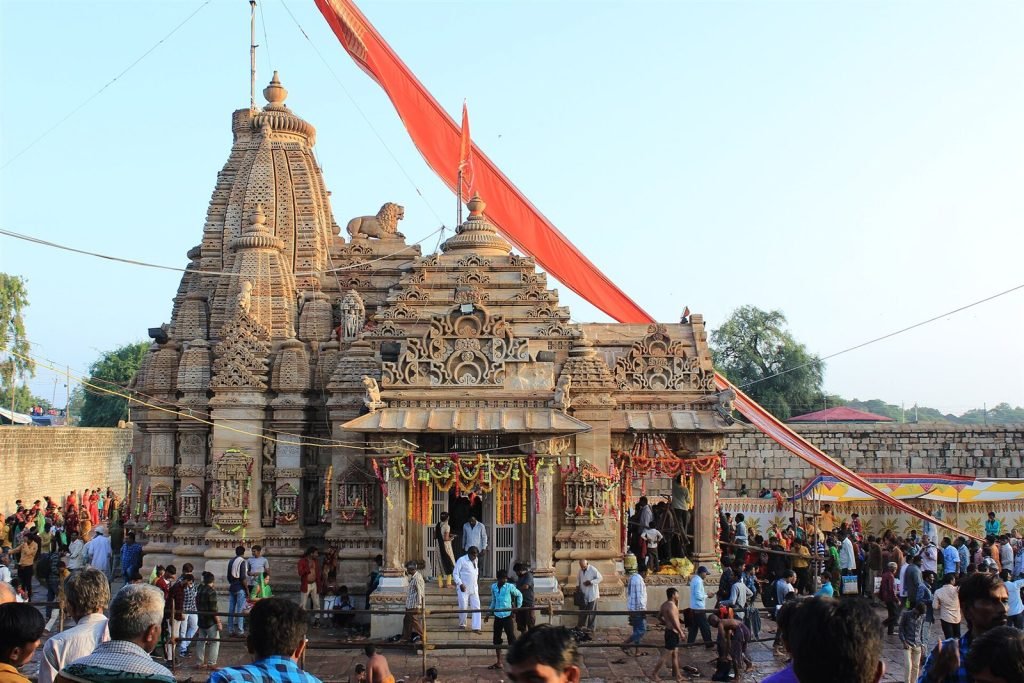
Find a dayro at a village fair or wedding, where the form still happens for its own audience.
Listen to the dhol first. Once you have the beat, the structure of the dance becomes obvious.
Watch raas properly — the stick work is more technical than it looks, and the good dancers are very good.
Join the garba circle. It is participatory by design and beginners are pulled in rather than tolerated.
Look at the costume — mirror-work chaniya choli and kediyu, much of it made locally in bandhani.
Come during Navratri in September or October for the peak, when the whole district dances for nine nights.
Saurashtra’s folk culture is famously warm and expressive. The dayro, in particular, is a treasured form — a folk singer with a harmonium and a knack for storytelling can hold a village spellbound past midnight, weaving devotion, humour and history. Together with raas-garba, it makes Junagadh’s nights ring with a music that belongs to everyone.
Planning more of the area? Our Junagadh guide covers the whole district.
Navratri in September or October is the peak — nine nights of continuous garba and raas across the district.
The winter wedding season keeps dayro and folk performance going through the cooler months.
Village melas run through much of the year, and they are where the traditions live outside festival season.
⏰ Folk dance and dayro run year-round at fairs and weddings, but peak spectacularly during Navratri (Sep–Oct).
Rajkot / Keshod.
Junagadh Junction.
Across the district.
MAHA SHIVRATRI
Bhavnath Mela
Sadhus, naga ascetics and all-night bhajans at Girnar’s foot. Explore →
KARTIK
Girnar Parikrama
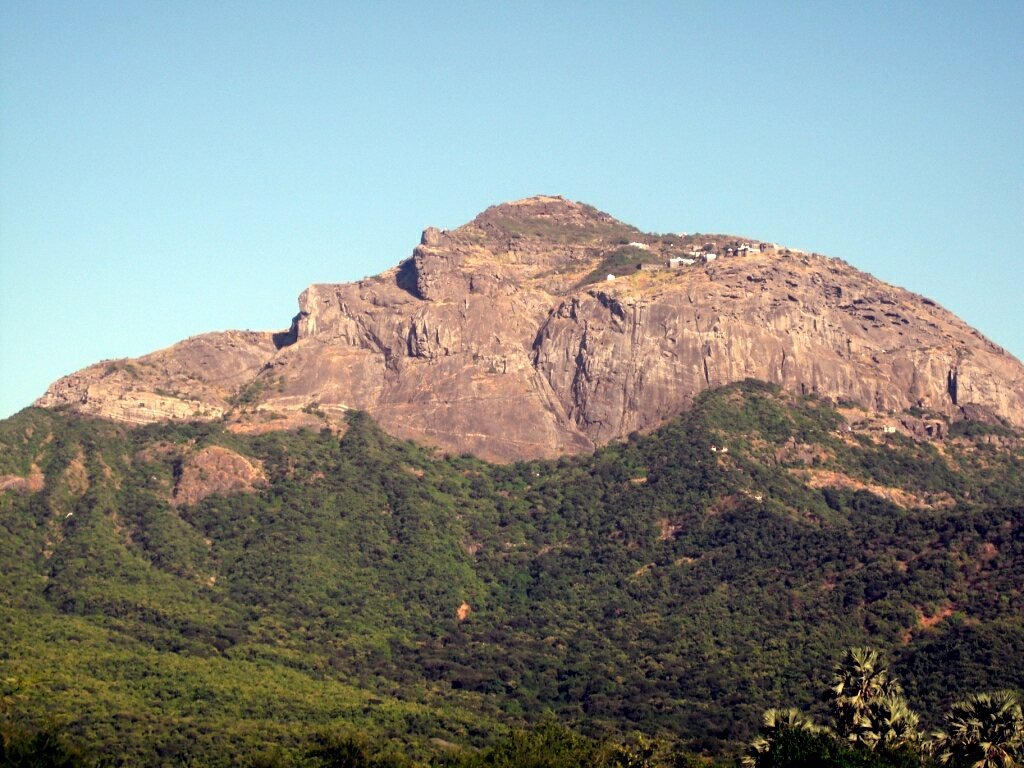
Once a year in Kartik, tens of thousands walk the Lili Parikrama — a 36-kilometre circuit through the forests around Mount Girnar, a moving river of pilgrims, fires and folk devotion. Explore →
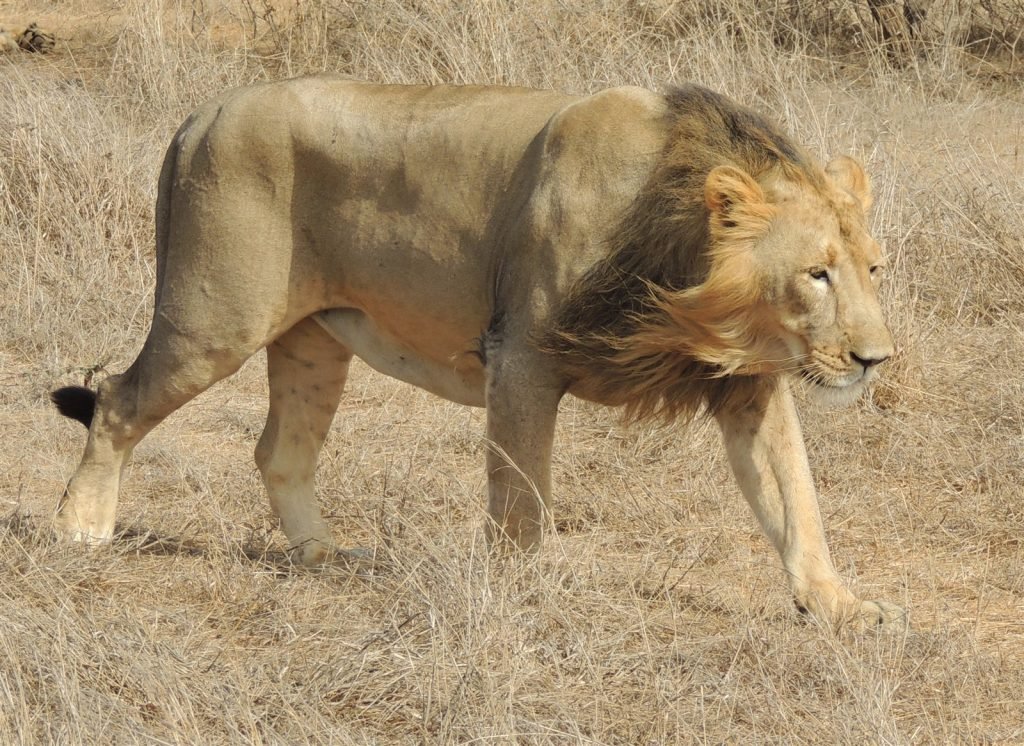
WILD
Lion Country
Junagadh is the old gateway to lion country — the princely city whose Nawab first shielded the last Asiatic lions, and the doorstep to the Gir forest where they still roam. Explore →
SUMMER
Kesar Season
Each summer the orchards around Junagadh and Talala turn golden with Gir Kesar — the saffron-hued “queen of mangoes,” a GI-tagged fruit whose fragrance defines the season. Explore →
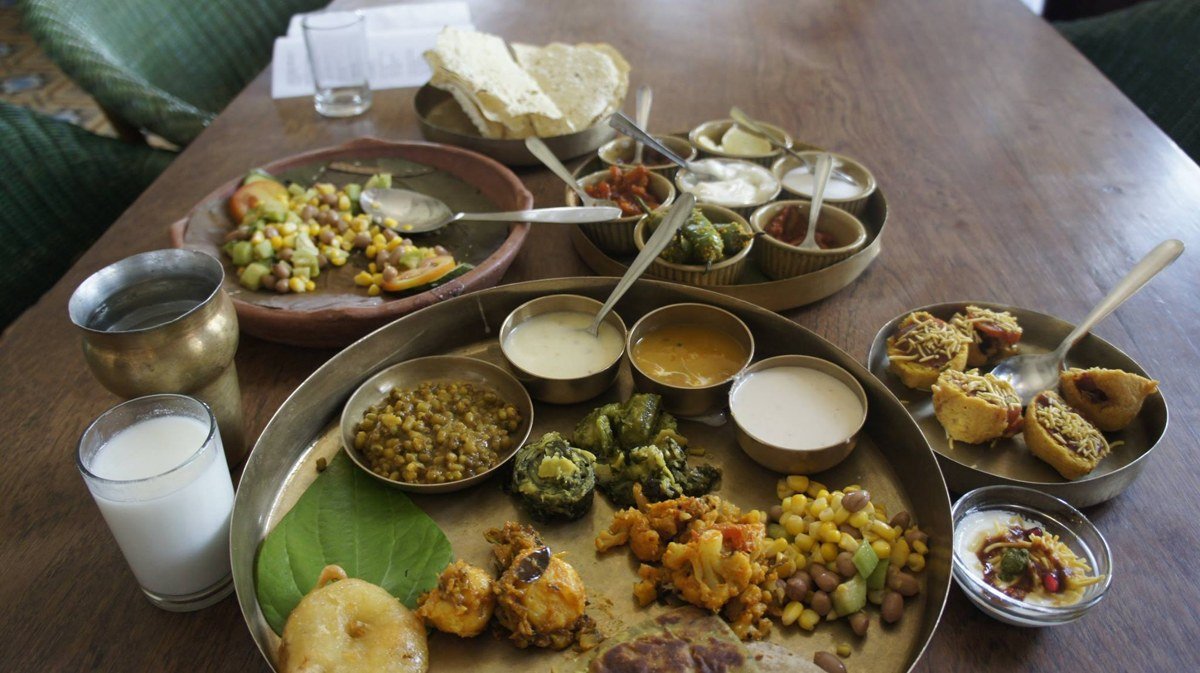
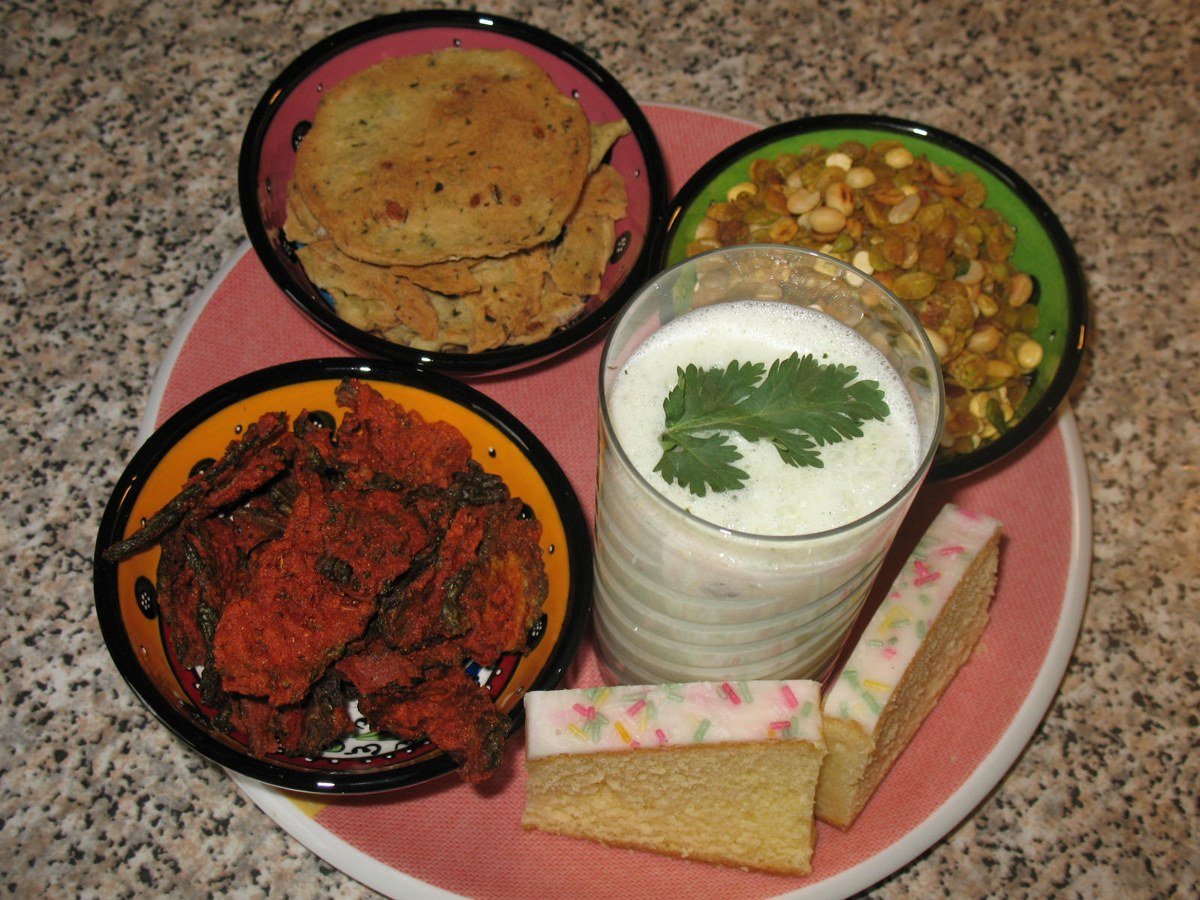
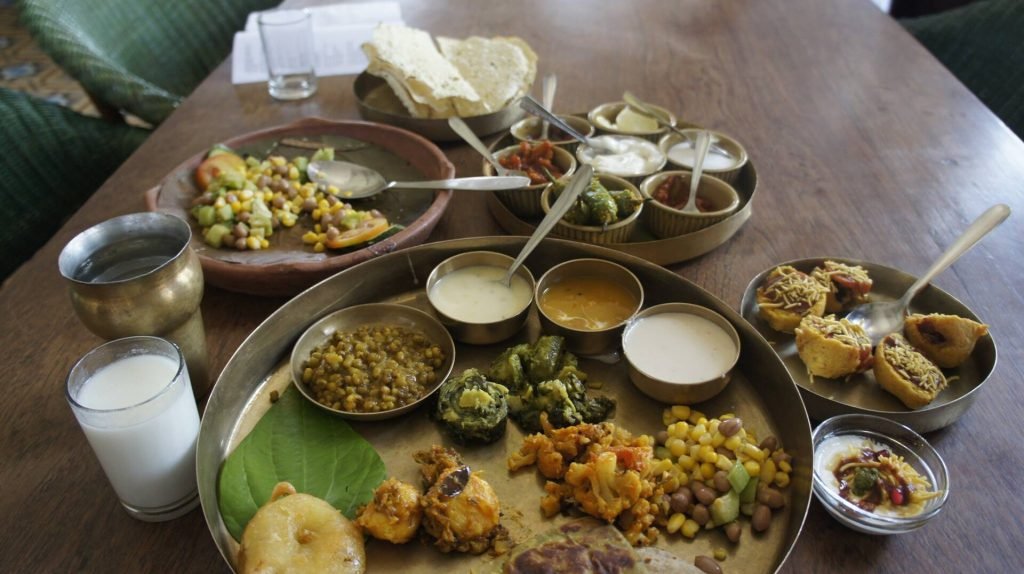
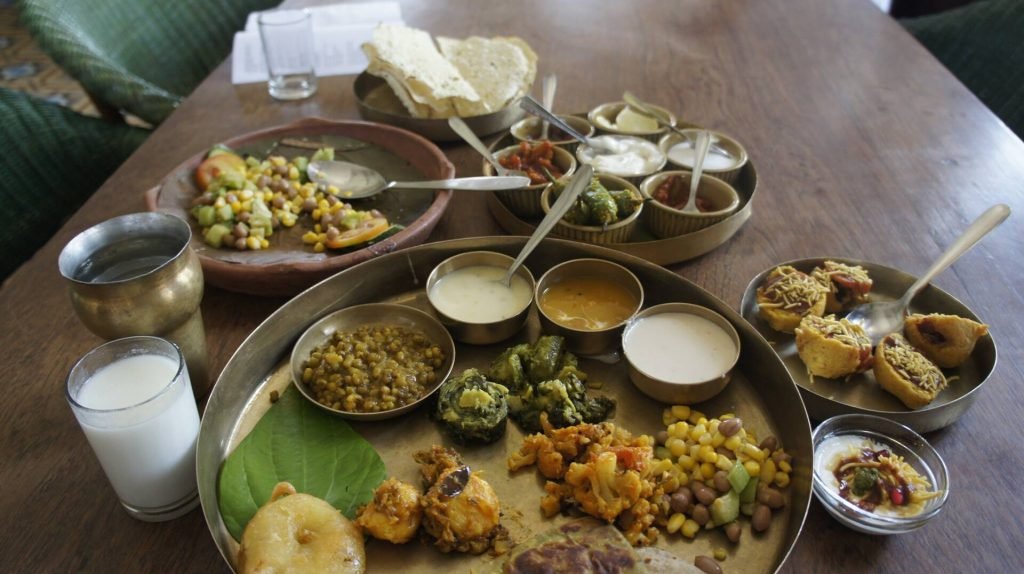
THALISpicy and rustic.
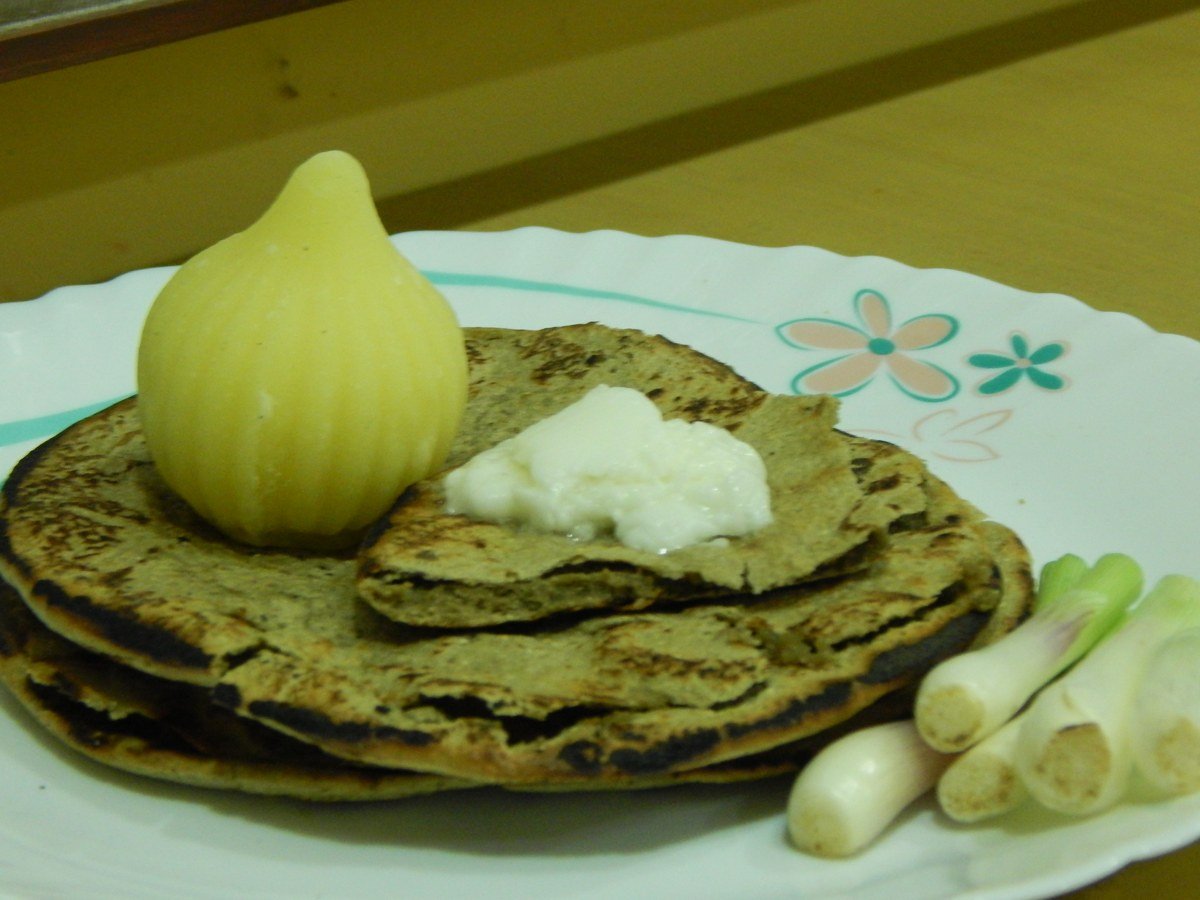
ROTLOWith white butter.
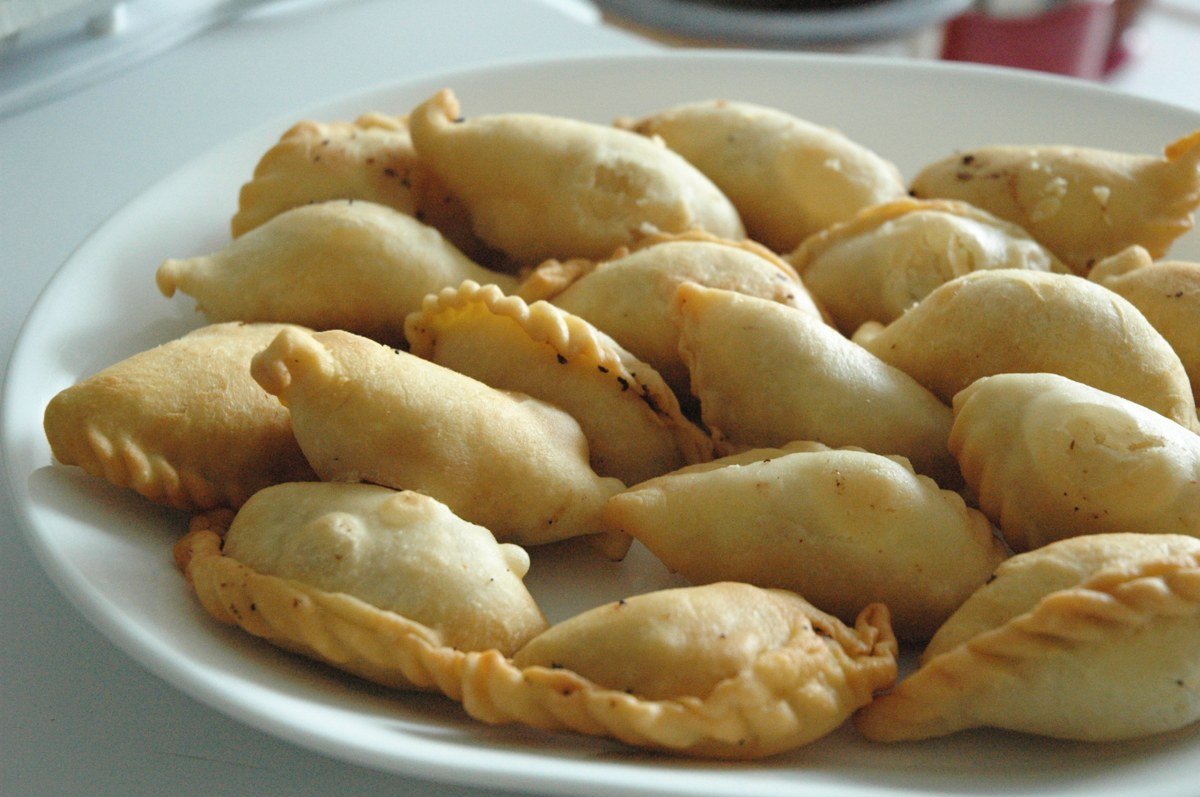
GHUGHRASweet parcels.
CHAASSpiced buttermilk.
A Gujarati folk dance performed with pairs of decorated sticks struck in rhythm, often in circles.
An evening of Kathiyawadi folk song and storytelling led by folk singers, hugely popular across Saurashtra.
During Navratri (September–October), though it features at fairs and weddings all year.
Yes — garba and raas are welcoming circle dances that anyone can learn and join.
The dhol drum sets the beat, often with harmonium and folk singers for the dayro.
At Navratri grounds, community events, fairs and weddings across the district.
HERITAGEAn ancient holy town with a fine museum
Lakeside temples in Dahod

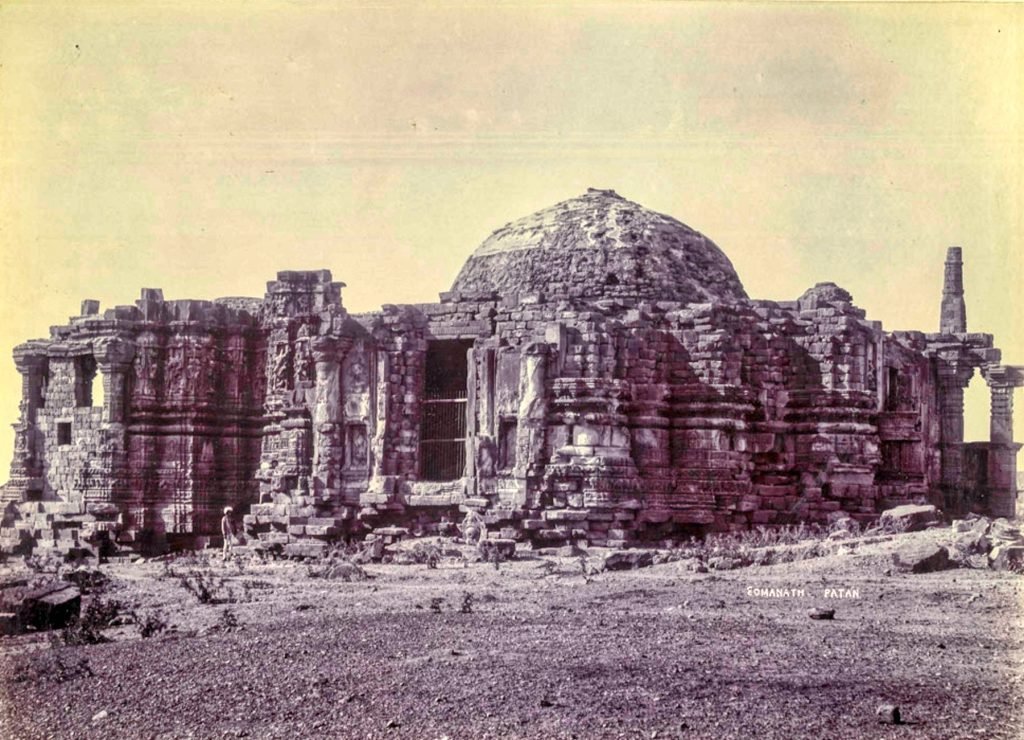
An old and revered Shiva temple
WILDLIFEA refuge for the Indian sloth bear

The Polo Forest Ruins are a group of old temples and stepwells hidden within the forested…
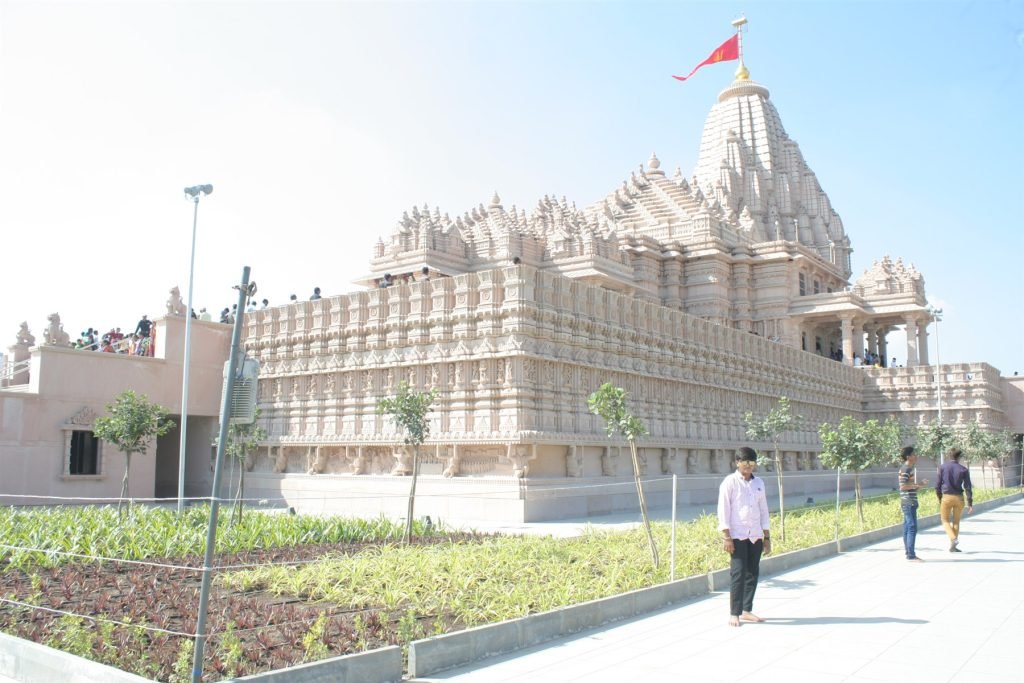
A vast, gleaming modern temple to Khodiyar Mata at Kagvad — Khodaldham, the grand spiritual seat…
WHERE TO STAY
Compare live prices across the big booking sites and reserve in a few taps. Booking happens securely on the partner's site — we may earn a small commission at no extra cost to you.
Book directly on our partner sites — tap a provider to see live Gujarat hotels & prices:
SHOP THE REGION
Hand-picked crafts and trip gear, available on Amazon.
Published 24 June 2026 · Updated 3 July 2026
We’re an independent group of writers and travellers documenting every corner of Gujarat — one place, plate and festival at a time.
Search Gujarat Explorer
Find places, food, festivals and travel guides across Gujarat
Press Enter to search — or Esc to close
Plan Your Trip
Gujarat Explorer is an independent travel guide. We’re happy to help you shape an itinerary and point you to the right places, stays and experiences across Gujarat.
Book a Cab