Monsoon
Roughly late June to September
Best regions
The Dangs, Saputara, Polo Forest, Junagadh
Closed
Gir and most sanctuaries; the white Rann floods
Sweet spot
Late August to early October
Almost everything written about travel in Gujarat assumes winter, and with good reason: the white Rann only exists in the cool months, the wildlife parks run from October, the coast is at its best from November, and the heat from March onwards is punishing. The monsoon, from roughly late June to September, is the season most itineraries avoid entirely.
That is broadly right and specifically wrong. There is one region — the forested hills of the south-east — that is at its absolute best in the rains and dull for the rest of the year, and several other places that are transformed by them. There are also things that close outright. This guide sorts one from the other: where to go in the monsoon, what will be shut, and how to plan around the rain rather than pretending it is not happening.
What the monsoon is good for
The Dangs, above all. Gujarat's far south-east, where the Western Ghats push into the state, is the wettest district and it inverts the whole state's calendar: from August to October it is green, misty, cool and running with water, and its two significant waterfalls — Girmal, the tallest in Gujarat at around thirty metres, and the wider Gira near Waghai — only exist in this window. Saputara, the state's one developed hill station, is at its most popular now, and Don Hill and the Adivasi homestays around it are at their best.
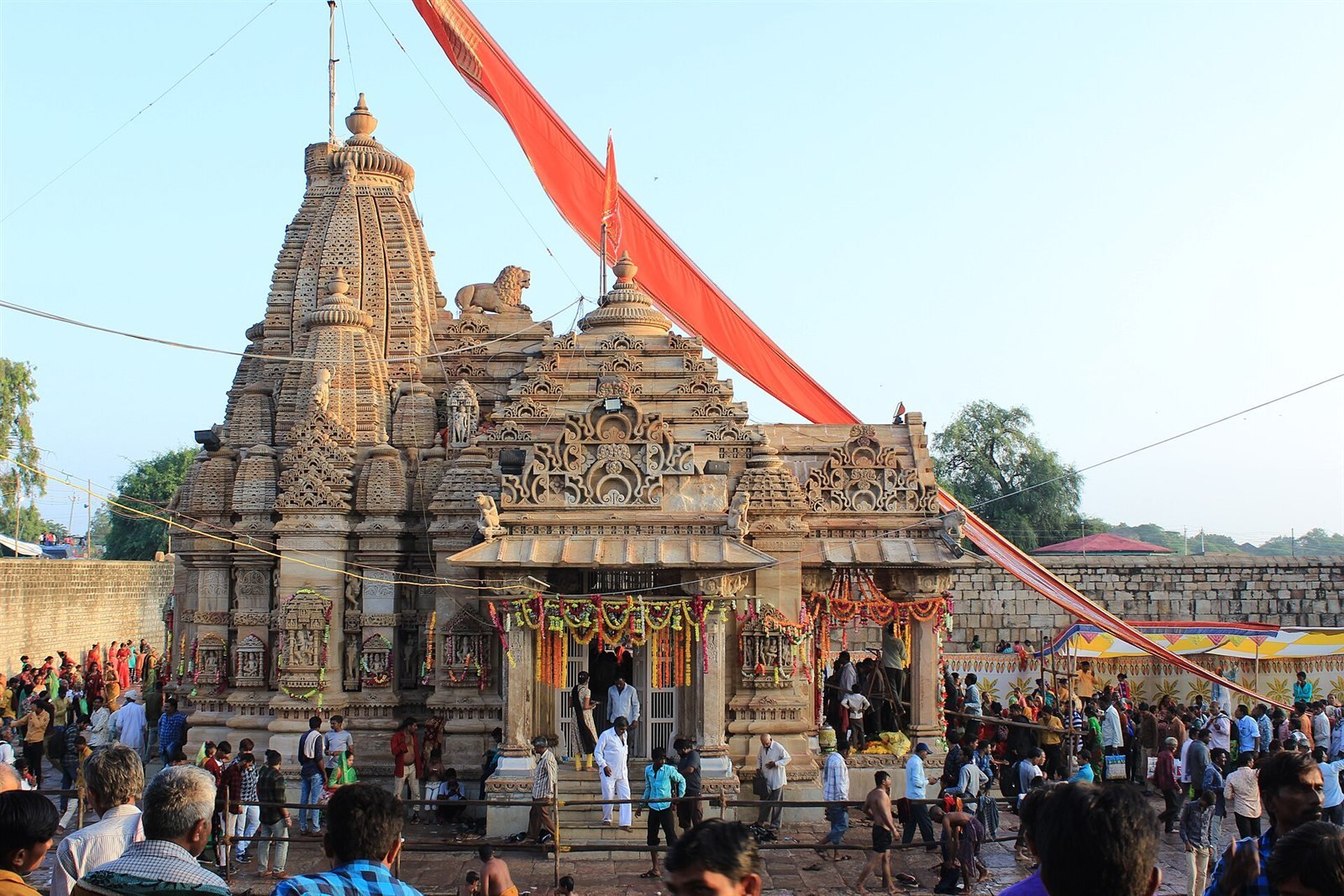
Beyond that: the Polo Forest in Sabarkantha, where ruined tenth-to-fifteenth-century temples stand in teak woodland along a river, is genuinely lovely in the rains and is the standard monsoon weekend from Ahmedabad. Zarwani falls in the Shoolpaneshwar sanctuary near the Statue of Unity runs hard. Junagadh and Girnar turn green, and the climb is cooler. Champaner's ruins are atmospheric under cloud. Wilson Hills above Dharampur gets its mist and waterfalls. And the cities — Ahmedabad's old town, Vadodara, Surat — are perfectly workable, with the added benefit of low season pricing.
For four months a year, one corner of Gujarat is the best place in the state to be.
Planning a monsoon trip
- Go to the Dangs, not to KutchThis is the single decision that determines whether a monsoon trip works. The southern hills are the monsoon destination; the western deserts and coast are not.
- Aim for late August to early OctoberEarly monsoon means the worst roads and the least reliable access. By late August the waterfalls are running and by September the tracks are firming up. October keeps much of the green with less rain.
- Accept that Gir and the sanctuaries are shutGir and most Gujarat wildlife parks close for the monsoon, roughly mid-June to mid-October, for breeding and because tracks become impassable. Check dates; do not plan a safari trip in this window.
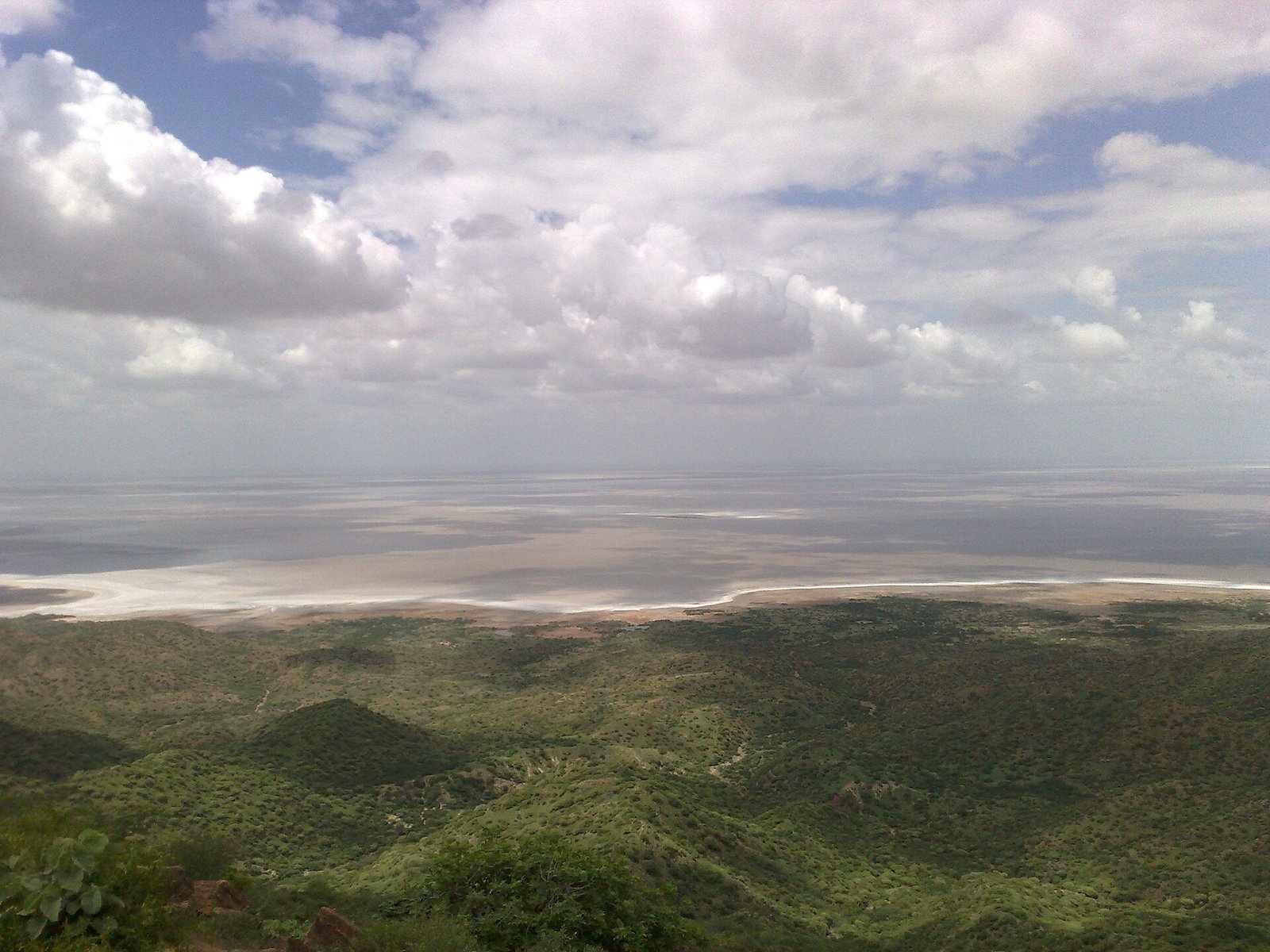
- Forget the white Rann entirelyThe Great Rann floods every monsoon. There is no salt desert at Dhordo in August — it is a shallow inland sea, and the tent city does not operate.
- Treat waterfalls with real cautionDrownings occur every monsoon across this region. Stay behind barriers, never enter the flow or cross above a fall, and obey local restrictions.
- Build in slack for the roadsStanding water on secondary roads, occasional landslips on hill routes, and slower going everywhere. Do not plan tight connections or after-dark arrivals in rural areas.
Getting around in the rains
Trains are the most reliable option in the monsoon and the main Mumbai–Delhi corridor through Vadodara, Bharuch, Surat, Navsari, Valsad and Vapi serves the whole southern half of the state well — which is convenient, because that is where you should be going. Bilimora, on the same line, is the railhead for the Dangs and the start of the hundred-year-old narrow-gauge branch up to Waghai, which is at its most beautiful in the rains if it is running.
Within the hills you need a vehicle, and it needs to be driven with care. Dang and Dharampur roads are narrow, steep in places and subject to washouts and slips after heavy rain; interior forest tracks may be impassable. Check conditions locally rather than trusting a map, avoid driving hill routes after dark, and allow far more time than the distances suggest. Flights and the main highways are generally unaffected except in extreme events.
Where to stay
Saputara has the widest choice for the southern hills — a Gujarat Tourism hotel plus a substantial range of private hotels and resorts — and it is the practical base. Book well ahead, because monsoon weekends here are the busiest tourism period in south Gujarat, with visitors arriving from Surat, Ahmedabad, Vadodara and Nashik. Midweek is dramatically quieter.
For atmosphere over comfort: Adivasi homestays and eco-camps around Don Hill, the forest department campsite at Zarwani in Narmada district, and campsites near the Polo Forest. All are simple, all are better in the rain than in the dry, and all need booking ahead. Elsewhere, the cities offer low-season rates on good hotels, which makes a monsoon trip combining Ahmedabad, Vadodara and the southern hills unusually good value.
When exactly to come
Late August to early October is the window, and September is the best single month in most years. By then the monsoon is well established, the waterfalls and streams are at or near full flow, the forest is green, and the roads and tracks have begun to firm up after the worst of the early-season rain. October retains much of the green with declining rainfall and is the safest choice for anyone nervous about washouts.
July and early August are the heaviest rain and the least reliable for access, with restricted approaches to some falls and the worst road conditions — atmospheric if you do not mind being wet and stuck, frustrating otherwise. And note one monsoon fixture worth planning around either way: Bhadarvi Poonam at Ambaji, usually in late August or September, is a mela drawing pilgrim numbers in the millions with enormous walking sanghs along the highways of north Gujarat.
Practical tips
- Point the whole trip at the south-east: the Dangs, Saputara, Don Hill, Wilson Hills, Polo Forest and Zarwani.
- Check sanctuary closure dates before booking anything wildlife-related — Gir and most parks are shut in the monsoon.
- Never enter the flow at a waterfall and obey barriers; this is the season's one real danger.
- Travel midweek to avoid the heavy monsoon weekend traffic to Saputara.
- Use trains for the long hops, allow generous time on hill roads, and avoid rural driving after dark.
Frequently asked questions
Is the monsoon a good time to visit Gujarat?
For one region, yes — the forested hills of the south-east, including the Dangs, Saputara and the waterfalls, are at their best from August to October. For Kutch, the Rann and the wildlife parks, no.
Can you see the white Rann in the monsoon?
No. The Great Rann floods every monsoon and becomes a shallow inland sea; the salt crust only forms from about November.
Is Gir open during the monsoon?
No. Gir and most Gujarat sanctuaries close for the monsoon, roughly mid-June to mid-October. Confirm current dates before planning.
When do Gujarat's waterfalls run?
Roughly August to October, with September usually the peak. Girmal, Gira and Zarwani all depend entirely on monsoon rainfall.
Which is the best month to visit Gujarat in the monsoon?
September in most years — full water, green forest and drying tracks. October is the safer choice for road conditions.
A monsoon trip to Gujarat works if you go to the right third of the state. Point everything at the south-east — the Dangs and its waterfalls, Saputara, Don Hill, Wilson Hills, the Polo Forest, Zarwani — travel in September, use the trains for the long hops, treat the water with real respect, and enjoy low-season rates in the cities. Point it at Kutch or the wildlife parks and you will find a flooded desert and locked gates.