Best time
November to February
From Valsad
About 5 km, 15 minutes
Good for
Family beach days, temples, sunsets
Nearest base
Valsad / Tithal
Tithal is the beach south Gujarat actually uses. Five kilometres from Valsad town on the Arabian Sea, it has the same distinctive dark grey-black sand as Dumas further north, but a gentler, shallower, calmer shoreline, a proper strip of hotels and resorts, two well-known temples right on the front, and an established holiday atmosphere. For families from Surat, Vapi and Mumbai it is a standard weekend destination.
It is not a spectacular beach and it is not a swimming-and-snorkelling destination in the way that Shivrajpur up in Saurashtra is. What it is, is easy: close to a main-line railway station, comfortable to stay at, safe enough for paddling and playing on the sand, with camel rides and food stalls and a good sunset. This guide covers the season, the practicalities and what else is nearby.
Why Tithal works
For accessibility and comfort. Valsad is on the main Mumbai–Delhi railway line with frequent expresses, which puts Tithal within about four hours of Mumbai and ninety minutes of Surat, and there is a genuine range of accommodation from simple guesthouses to comfortable resorts right by the sand. That combination — good rail access plus real hotels plus a usable beach — is rarer in Gujarat than it should be.
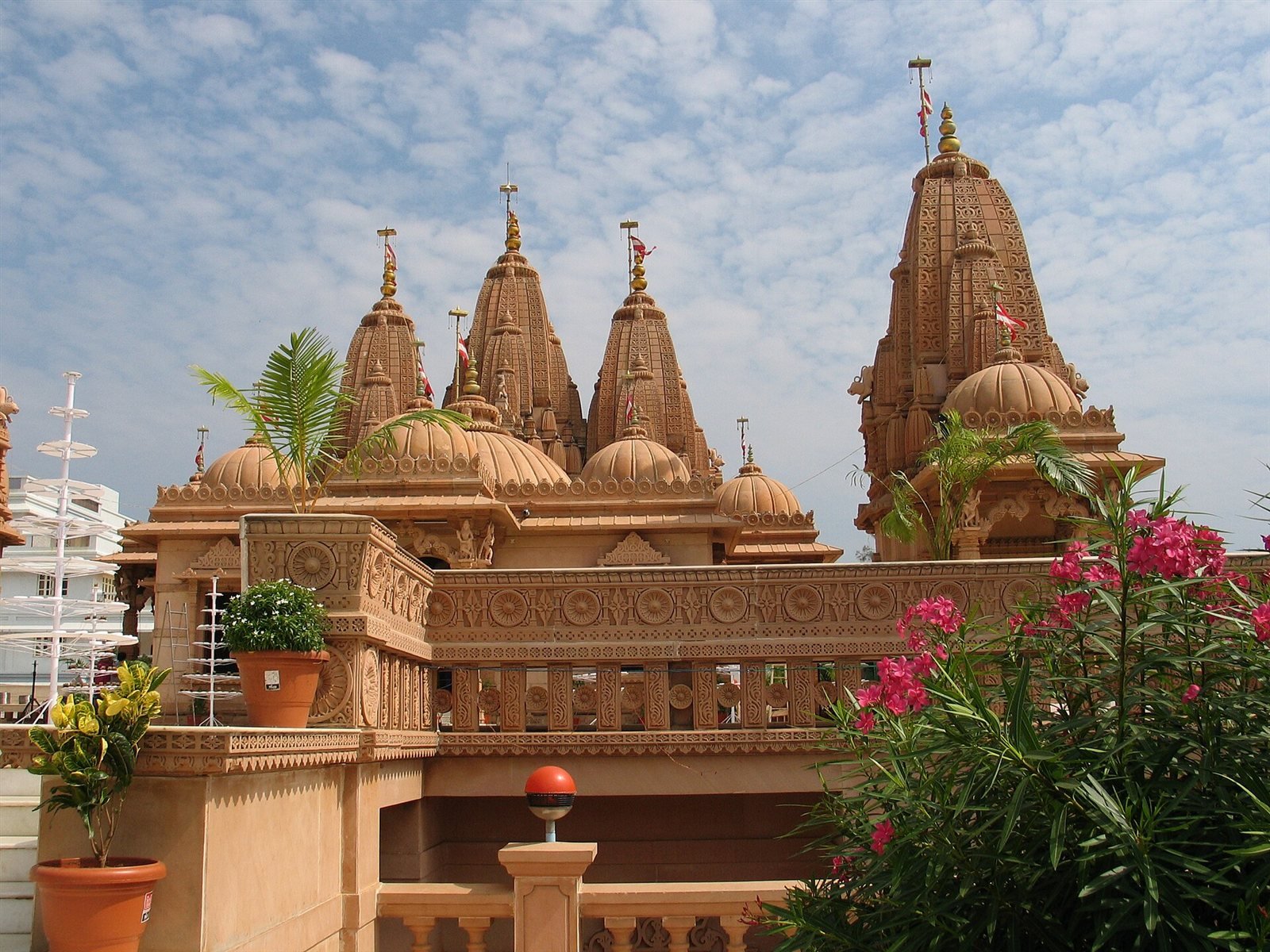
And for the two temples on the front, which give Tithal a character beyond sand. The Sai Baba temple and the Swaminarayan temple both sit essentially on the beach, and both draw a steady flow of visitors, which means the beachfront has a mixed devotional and holiday atmosphere rather than a purely recreational one. The dark sand, the shallow water, the long tidal flats and the big south Gujarat sunsets do the rest.
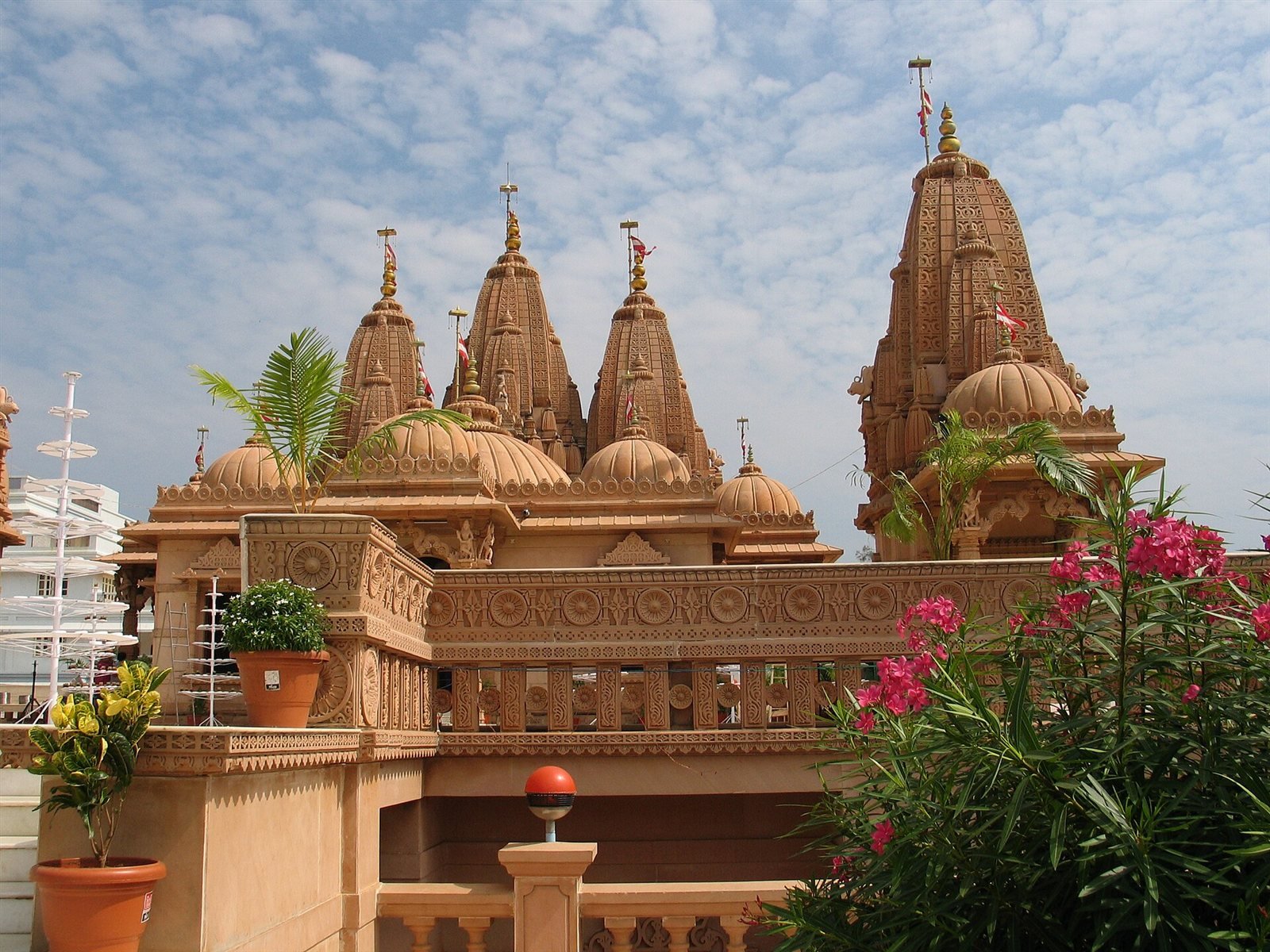
Shallow, calm and dark-sanded — the most usable beach in south Gujarat.
How to spend a day at Tithal
- Come for the evening, or a full day in winterLate afternoon into sunset is the best window. In the cool months a full day works; outside them the middle of the day is uncomfortable.
- Paddle rather than swimThe water is shallow and generally calm, which makes it fine for wading and for children under supervision, but the tidal range is large and there is limited lifeguarding. Do not go far out.
- Visit the two beachfront templesThe Sai Baba and Swaminarayan temples are both right by the sand and both worth a short visit; behave as at any active shrine.
- Eat at the stallsBhajiya, corn, chaat, ice cream and tea along the front, at their best in the evening crowd.
- Take a camel or horse ride if you have childrenStandard beach fare here, and part of why Tithal works as a family destination.
- Add a Valsad and Dharampur dayValsad town, the mango country around it in season, and Wilson Hills at Dharampur inland make a good second day.
How to get there
Valsad is the gateway and it is very well connected: a station on the main Mumbai–Delhi railway line with frequent express services, roughly 200 km from Mumbai and 90 km from Surat, and on the national highway. Tithal is about 5 km from Valsad station, an easy fifteen-minute auto-rickshaw or taxi ride.
The nearest airports are Surat, about 90 km north, and Mumbai for international arrivals. Because the rail access is so good, Tithal is one of the few Gujarat beaches you can reach comfortably without a car — take a train to Valsad and a rickshaw to the front. A car is useful only if you intend to explore Dharampur, Wilson Hills and the surrounding district.
Where to stay
Tithal has a proper strip of accommodation along and near the beachfront: Gujarat Tourism has a property here, and there are numerous private hotels and resorts across the budget and mid-range, with a few more comfortable options. Staying on the front is the point — it lets you be on the sand at sunrise and sunset without any travel.
Valsad town, 5 km inland, has cheaper and more basic hotels and is a reasonable fallback when the beach strip is full. Book ahead for weekends, Diwali, Christmas and New Year, and the Gujarati school holidays, when Tithal fills with families from Surat and Mumbai. Midweek outside those periods it is quiet and easy.
Best time to visit
November to February. South Gujarat's winter is warm, dry and comfortable, the sea is calm, and the evenings on the front are pleasant. December and January are the busiest with holiday traffic, so a midweek visit in November or February gives you the same weather with more space.
March to June is hot and increasingly humid, and the beach is only usable early and late in the day. The monsoon, June to September, brings very heavy rain to this coast — Valsad district is among the wettest parts of Gujarat — with rough seas and an unappealing beach. The inland hills at Dharampur and the mango orchards are at their best in the rains, so a monsoon trip to the district can still be worthwhile even if Tithal itself is not.
Practical tips
- Take a train to Valsad and a rickshaw to the beach — this is one of Gujarat's few genuinely car-free beach trips.
- Paddle, supervise children closely and do not go far out; the tidal range is large and lifeguarding is limited.
- Stay on the beachfront rather than in Valsad town if you can, and book ahead for weekends and holidays.
- Visit the two beachfront temples, and eat at the evening stalls rather than only at your hotel.
- Add Wilson Hills at Dharampur inland, and come in May if you want Valsad's mangoes at their peak.
Frequently asked questions
Where is Tithal beach?
About 5 km from Valsad town in south Gujarat, on the Arabian Sea, roughly 90 km south of Surat.
Why is Tithal's sand black?
The dark grey-black colour comes from local sediment and geology, the same phenomenon as at Dumas beach near Surat.
Can you swim at Tithal beach?
The water is shallow and generally calm, making it suitable for wading and paddling, but the tidal range is large and lifeguarding is limited — do not go far out.
How do I get to Tithal from Mumbai?
Take a train to Valsad on the main Mumbai–Delhi line, roughly 200 km, then a fifteen-minute rickshaw to the beach.
When is the best time to visit Tithal?
November to February. Avoid the monsoon from June to September, when this is one of the wettest parts of Gujarat.
Tithal is the most straightforward beach trip in Gujarat: a train to Valsad, a rickshaw to the front, a hotel on the sand, two temples by the water, a line of food stalls and a big flat sunset over dark grey sand. Come between November and February, paddle rather than swim, and give the second day to Wilson Hills and the mango country inland.