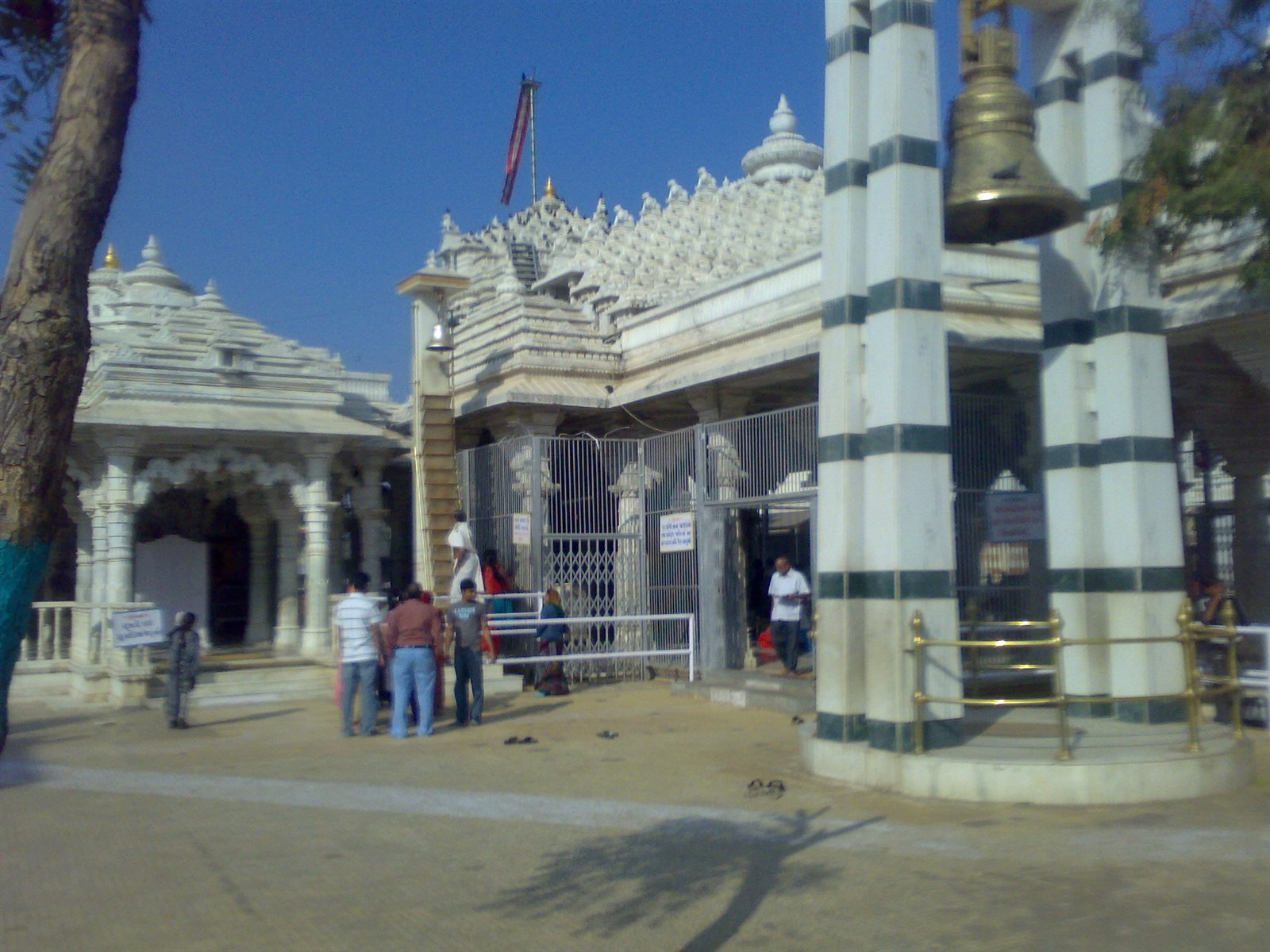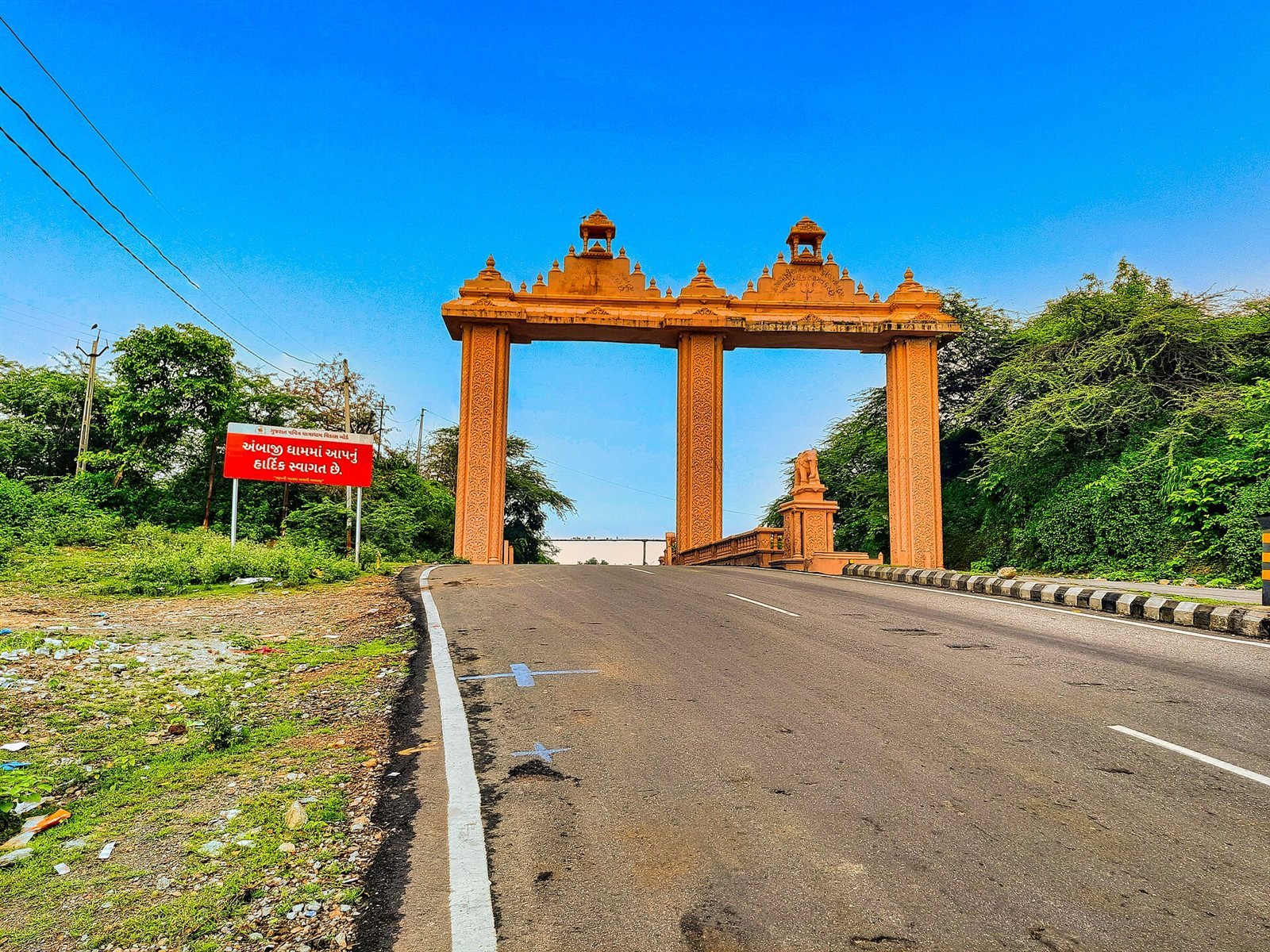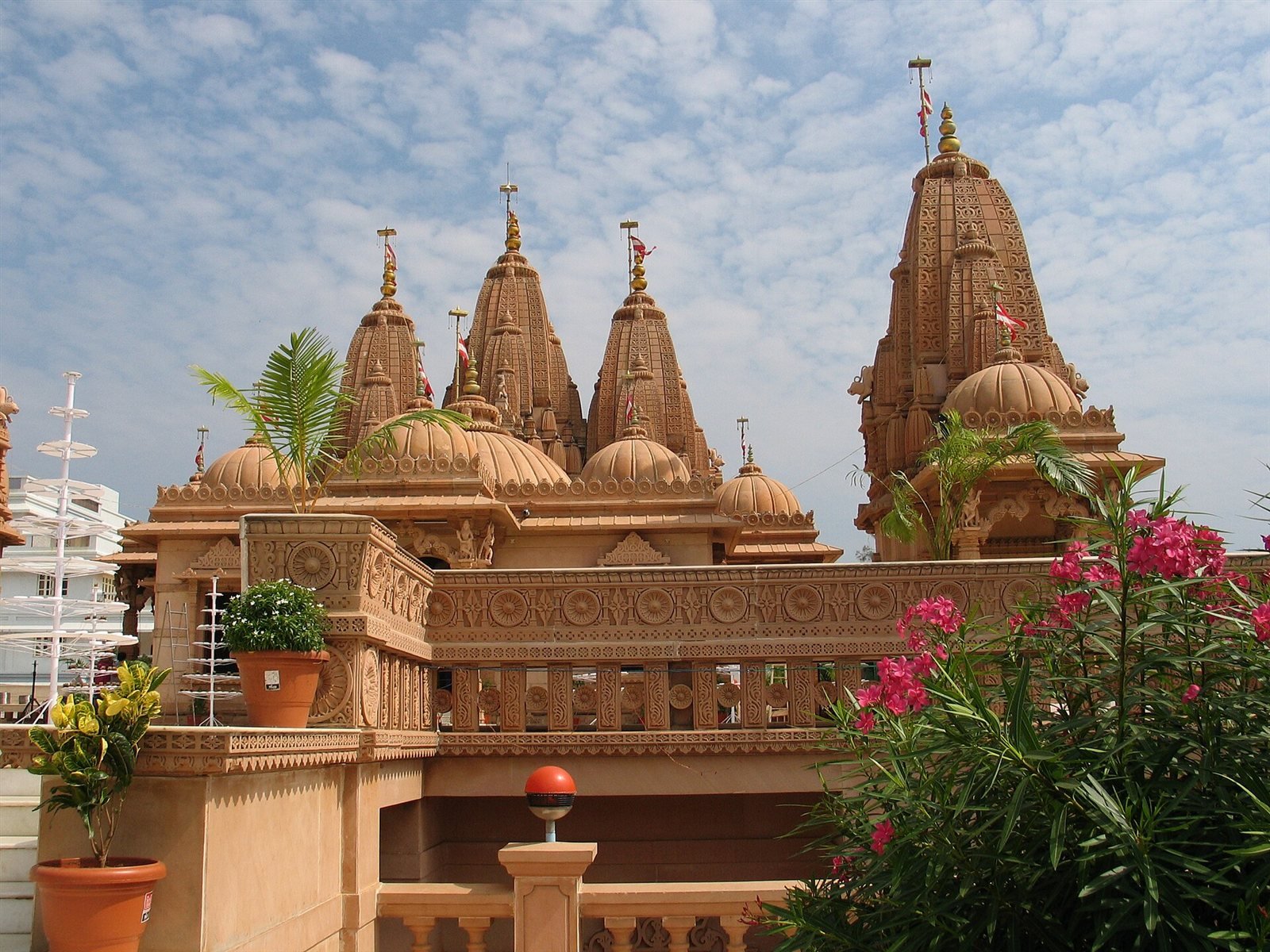
Champaner-Pavagadh receives several hundred thousand visitors a year. They come for the ruined sixteenth-century capital of the Gujarat sultanate on the plain, and for the Kalika Mata temple on the hill above it, and on a festival weekend the ropeway queue is a serious undertaking. Twenty-five kilometres away, across a low range of hills, there is a hundred and thirty square kilometres of teak forest with two reservoirs in it, and on a weekday morning you can drive its roads for an hour without passing another vehicle.
Jambughoda Wildlife Sanctuary is not a big-game destination and it would be dishonest to sell it as one. It holds leopard, sloth bear, striped hyena, jackal, jungle cat, four-horned antelope, nilgai and barking deer, and any sighting of the interesting ones is a matter of genuine luck. What it reliably delivers is shade, birdsong, quiet forest roads and water — which in central Gujarat, and specifically alongside one of India's busiest heritage sites, is worth a great deal.
A forest in the middle of Gujarat
The sanctuary covers dry deciduous forest across low hills in Panchmahal district, dominated by teak with bamboo, and it was notified in 1990. It is not a wilderness in the strict sense — there are villages in and around it, roads through it, and a long history of human use — but it is a substantial, continuous, genuinely wooded landscape in a part of the state where most land is under cultivation. That alone makes it unusual.
Two reservoirs, Kada and Targol, sit within the sanctuary and are the focus of much of the activity. In the dry season they concentrate animals and birds, and their margins are the best place to look for tracks and for movement at dawn and dusk. The forest roads that link them are the practical way to experience the place: driven or, where permitted, walked slowly, with frequent stops to listen.
The birding is the reliable pleasure. Teak forest with water in it produces woodpeckers, drongos, orioles, treepies, minivets, paradise flycatchers, owls and a decent list of raptors, with waterbirds on the reservoirs. For anyone who has spent a fortnight in Gujarat looking at open salt flats, grassland and wetland, an afternoon of canopy birding is a welcome change of register.
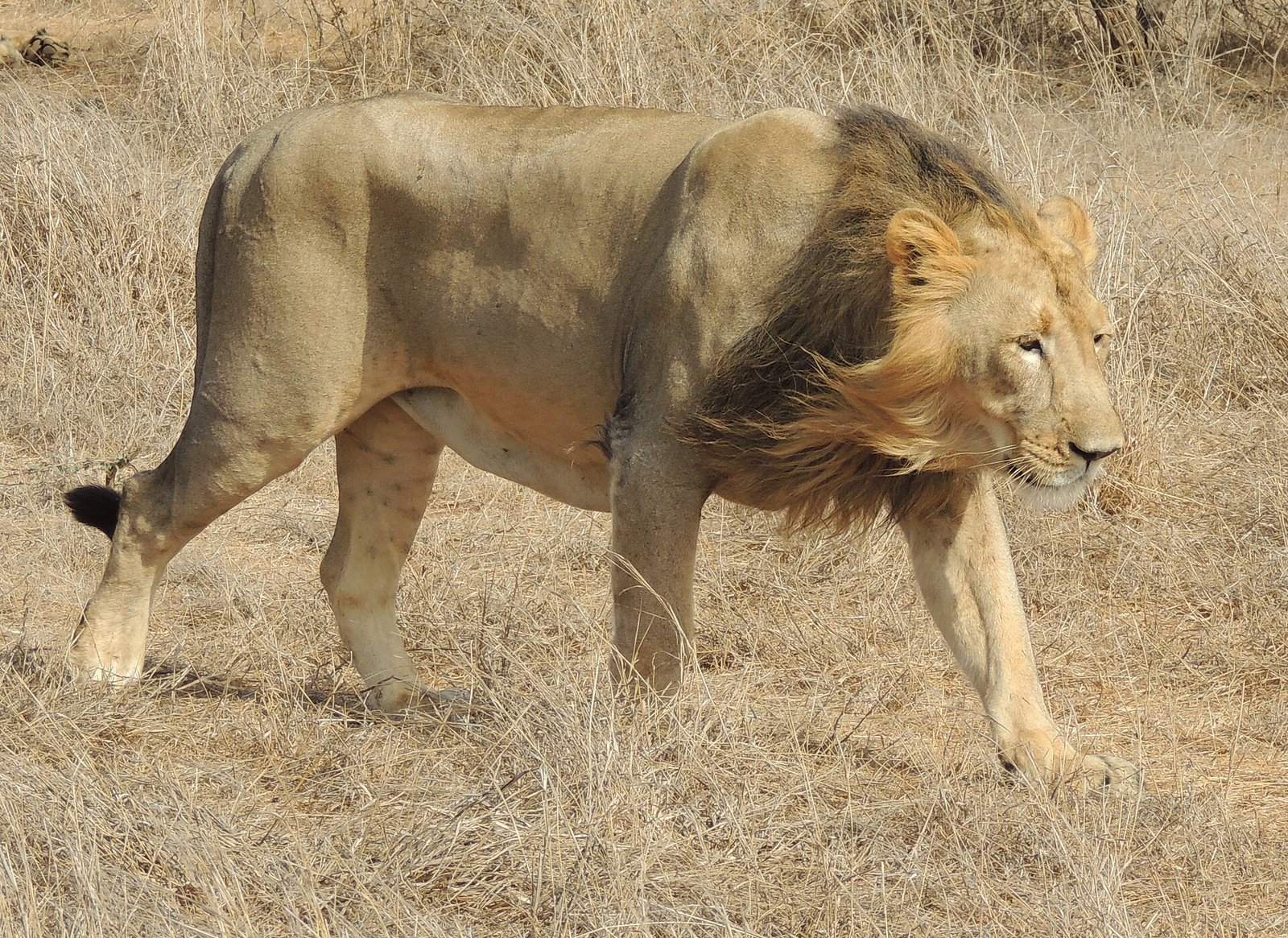
Twenty-five kilometres from a World Heritage Site, and nobody comes.
The contrast, which is the real reason to come
The strongest argument for Jambughoda is what it sits next to. Champaner-Pavagadh is magnificent and it is also crowded, hot and heavily organised — a UNESCO archaeological park with mosques, stepwells and gateways spread across a plain, plus a major Shakti pilgrimage site on an eight-hundred-metre hill served by a ropeway that shifts very large numbers of people. It is a demanding day.
Do the mosques and the hill in the morning, then drive twenty minutes into a hundred and thirty square kilometres where the loudest thing is a woodpecker
Jambughoda is the antidote, and it is twenty minutes away. The obvious itinerary does Champaner's monuments in the cool of the morning and Pavagadh by ropeway before the queues build, then retreats into the forest for the afternoon and, if you have booked accommodation, for dawn the following day. That sequence turns a hot, crowded, tick-box heritage visit into a properly varied two days, and almost nobody does it.
There is a cultural dimension too. The villages in and around the sanctuary are largely Adivasi — Rathwa and Naik communities among others — and this is the western edge of the belt that produces Pithora ritual wall painting, which has its heartland further east around Chhota Udaipur. Weekly markets in the area are worth asking about, with the same courtesies that apply anywhere: ask before photographing people, and buy something.
How a visit works, and what to expect
There is no safari operation here in the Gir or Velavadar sense: no jeep fleet, no fixed circuits, no timetabled slots. Access, timings and any guided arrangements are handled by the Gujarat forest department locally, and what is permitted — particularly walking access — varies, so the first step is to enquire rather than assume. A local forest guide is worth engaging and makes a substantial difference to both the wildlife and the birding.
Accommodation is limited: forest department rest houses within and around the sanctuary, which need booking in advance through the department, plus a small number of private resorts and heritage-style stays in the Jambughoda area, including a property associated with the former royal family. Options fill at weekends when Vadodara families come out. Staying locally is what buys you dawn and dusk, which are the only hours with any real chance of mammals.
Getting there and the wider route
Jambughoda lies roughly 70 km east of Vadodara, about two hours by road via Halol, with Champaner-Pavagadh around 25 km away. Vadodara is the gateway — an airport with domestic flights, a major station on the Mumbai–Delhi line, and considerable attractions of its own in Laxmi Vilas Palace, the museums and the food. Godhra is the nearest significant railhead to the east.
November to March is the season for comfortable conditions and better sightings, with February and March offering thinner cover as the teak drops its leaves. September and October, just after the monsoon, are the most beautiful — green forest, running streams — at the cost of dense undergrowth and harder wildlife viewing. April to June is hot, though waterholes concentrate animals very early in the day. Push east from here and you reach Chhota Udaipur's Pithora country and tribal markets; south and you are heading for Rajpipla, Garudeshwar and the Statue of Unity.
Why a forest like this matters here
Gujarat's protected areas are dominated by dry and open habitats — the salt flats of the two Ranns, the Bhal grasslands, the thorn scrub of Kutch, the dry teak of Gir. Genuinely wooded, reasonably moist, hill-and-valley forest is scarce, and most of what survives sits in a broken chain running down the eastern edge of the state: Jambughoda, the Ratanmahal hills in Dahod, Shoolpaneshwar along the Narmada, Purna and Vansda in the far south. These are the western outliers of the great central Indian forest belt, and they hold species that the rest of Gujarat does not.
That makes Jambughoda more interesting than its modest size and sighting rate suggest. It is a corridor as much as a destination — a link in a chain that leopard, sloth bear and hyena move along, and that connects Gujarat's wildlife to Madhya Pradesh's. It is also under real pressure, hemmed in by cultivation, quarrying and roads, with the usual difficulties of a small protected area serving both conservation and the villages inside it. Visiting it, quietly and with a local guide, is a modest vote for its continued existence.
If you go
- Set expectations correctly: this is a forest-and-birding destination, not a reliable big-mammal park.
- Do Champaner and Pavagadh in the morning and retreat into the forest for the afternoon — that contrast is the whole point.
- Book forest rest houses in advance through the forest department; weekend availability is poor.
- Take a local forest guide, and confirm what walking access is currently permitted rather than assuming.
- Come November to March for sightings, or September and October for the forest at its greenest.
Jambughoda is the half of a Champaner trip that nobody plans. A hundred and thirty square kilometres of teak forest with two reservoirs, leopards and sloth bears you will probably not see, a bird list you certainly will, and empty forest roads twenty minutes from one of the busiest heritage sites in western India. Do the monuments and the hill at dawn, then disappear into the trees for the rest of the day. Stay the night if you want any chance with the mammals.