
A city of learning
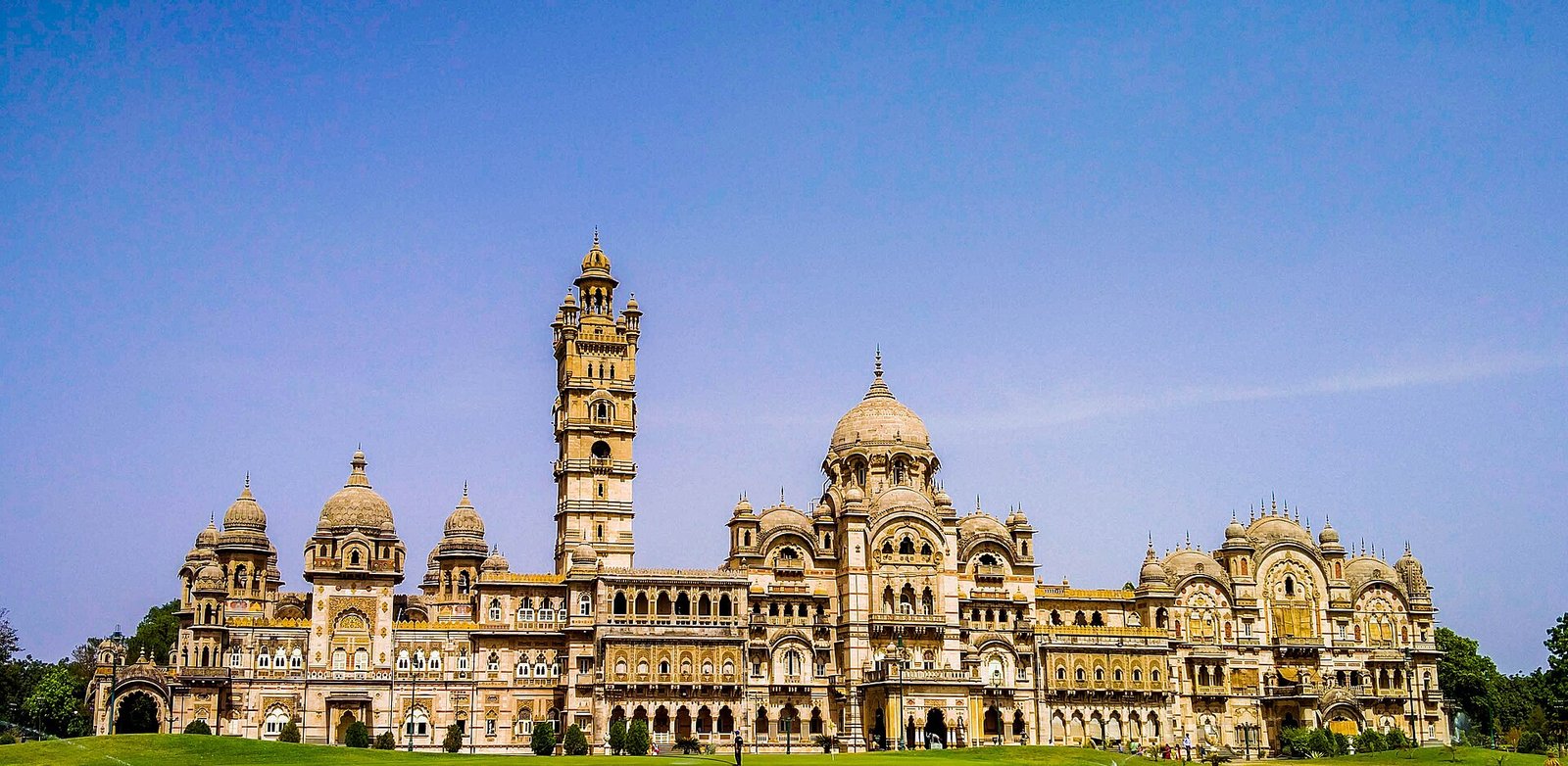
The Maharaja Sayajirao University of Baroda (MSU) is one of India’s leading universities, grown from the Baroda College founded in the 19th century by the visionary Maharaja Sayajirao Gaekwad III. Its architectural showpiece is the Faculty of Arts building, crowned by an enormous Indo-Saracenic dome — among the largest such domes in India — that has become a beloved emblem of the city.
The university is especially renowned for its Faculty of Fine Arts, a powerhouse of modern Indian art, as well as its science, technology and humanities faculties. The handsome, tree-lined campus reflects the educational ideals of the Gaekwads. (A working campus; admire the dome from outside. )
Baroda College, and the dome that followed
The campus dome.
Baroda College was founded in 1881 under Maharaja Sayajirao Gaekwad III, whose programme of compulsory primary education and public institutions made the princely state an outlier in British India.
It became a full university in 1949 and was named for Sayajirao, retaining the Gaekwad-era campus at its centre.
The Faculty of Arts building carries an enormous Indo-Saracenic dome — among the largest in India — designed by Robert Chisholm, and it has become the emblem of the city.
The Faculty of Fine Arts, founded in 1950, became one of the defining centres of modern Indian art, shaping several generations of the country's painters and sculptors.
Reasons to make the time
The great dome
The domed Faculty of Arts building is the university's showpiece and one of the finest pieces of Indo-Saracenic architecture in western India.
Fine Arts
The Fine Arts faculty is the university's international reputation — the Baroda Group and the artists who followed came out of this department.
Leading university
Beyond the arts it is a large general university, with science, technology, medicine and commerce faculties across the campus.
Sayajirao legacy
Sayajirao III built libraries, museums and schools as deliberate state policy; the university is the largest surviving piece of that programme.
Tree-lined campus
The campus is green and tree-lined, laid out with the same civic ambition as the rest of Gaekwad Vadodara.
City emblem
The dome is visible from well outside the campus and is the building most people picture when they think of Vadodara.
How to spend an hour or two
See the Arts dome
A great landmark.
Admire the architecture
Indo-Saracenic.
Sense the campus
Tree-lined grounds.
Learn the Fine Arts legacy
Modern Indian art.
Photograph the dome
A city emblem.
Pair with the city
Central Vadodara.
A great dome of learning
The Maharaja Sayajirao University grew from Sayajirao III’s Baroda College. Its Faculty of Arts is crowned by one of the largest Indo-Saracenic domes in India — a beloved city emblem — and its Fine Arts faculty is a powerhouse of modern Indian art. A handsome, tree-lined seat of learning. (Admire the dome from outside. )
This is one of many places worth seeing here — the full guide to Vadodara has the rest.
Among India’s largest domes
Renowned Faculty of Fine Arts
Rooted in Sayajirao’s college
A handsome heritage campus
When to go
Cool and pleasant — the ideal season.
Green and atmospheric after rain.
Hot and dry — start early.
⏰ Visit in the cooler months and combine it with Vadodara's palaces and gardens nearby.
Timings & entry
- Open in daytime hours
- Best in the cool season
- An easy Vadodara stop
- Pair with nearby sights
- A functioning university
- Admire the dome from outside
- Be respectful of students
- Best by daylight
Getting there
By Air
Vadodara airport (~9 km).
By Rail
Vadodara Junction.
By Road
In/around Vadodara.
At MS University
DOME & LEARNING
A great domed campus
What to shoot
The Arts dome.
Setting
Tree-lined campus.
Context
The Fine Arts legacy.
Best light
Dome at golden hour.
Know before you go
More to see close by

EME Temple
A unique geodesic, aluminium-clad Shiva temple
Garba Nights
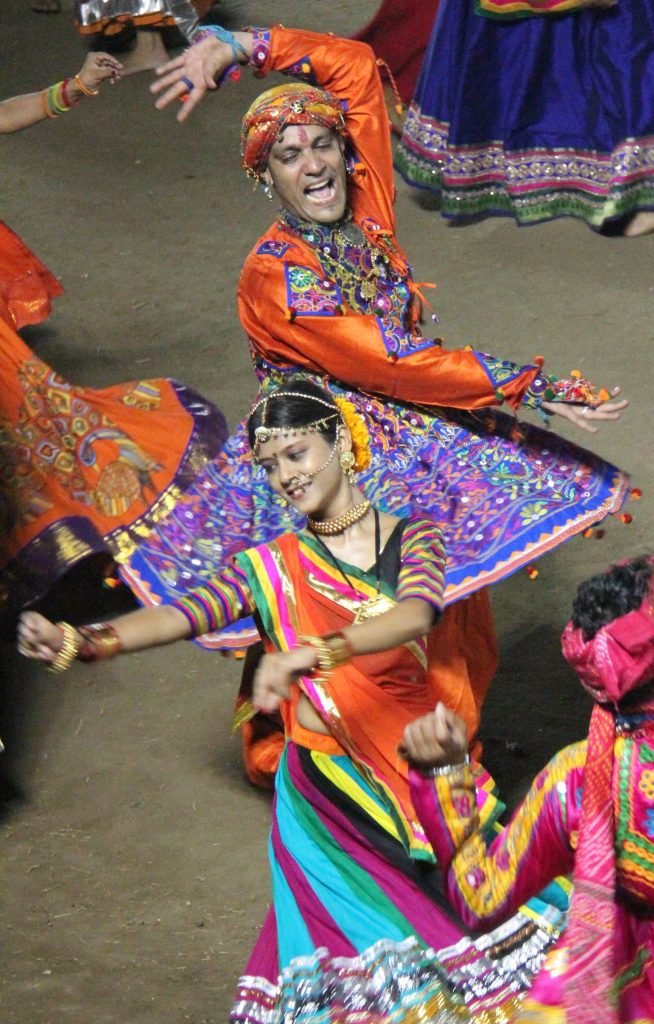
Nine autumn nights when Vadodara becomes the largest participatory dance floor in the world, from the…
 LAKE
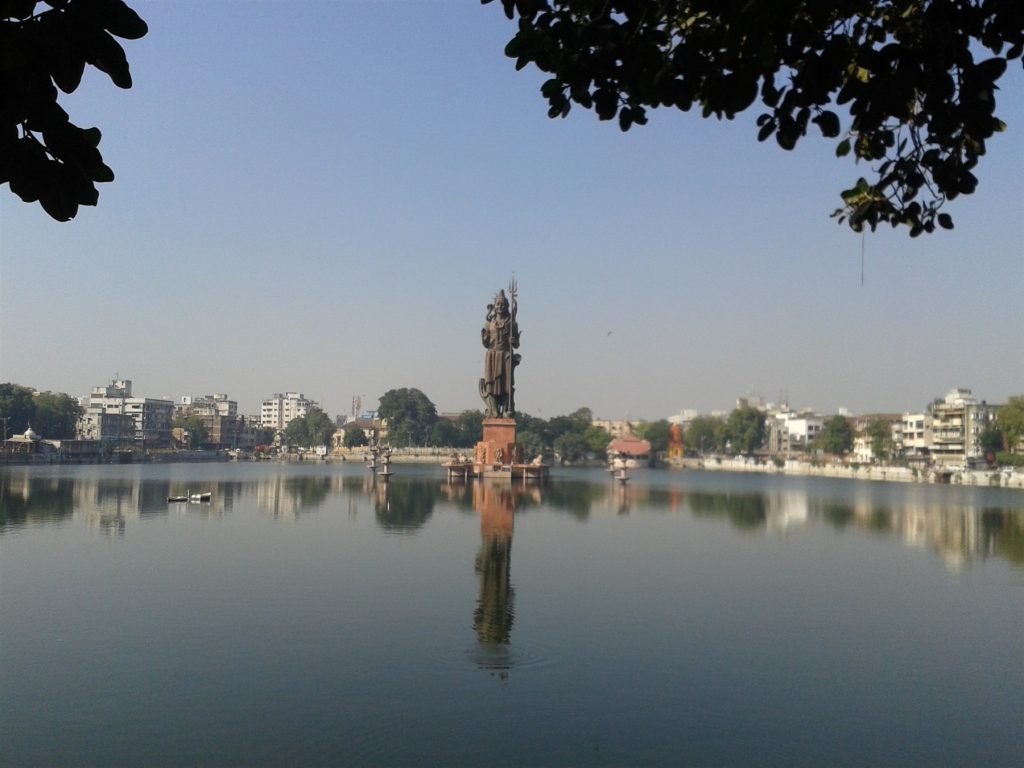
LAKESursagar Lake
A city lake crowned by a towering Shiva statue
 NATURE
Ajwa-Nimeta Gardens
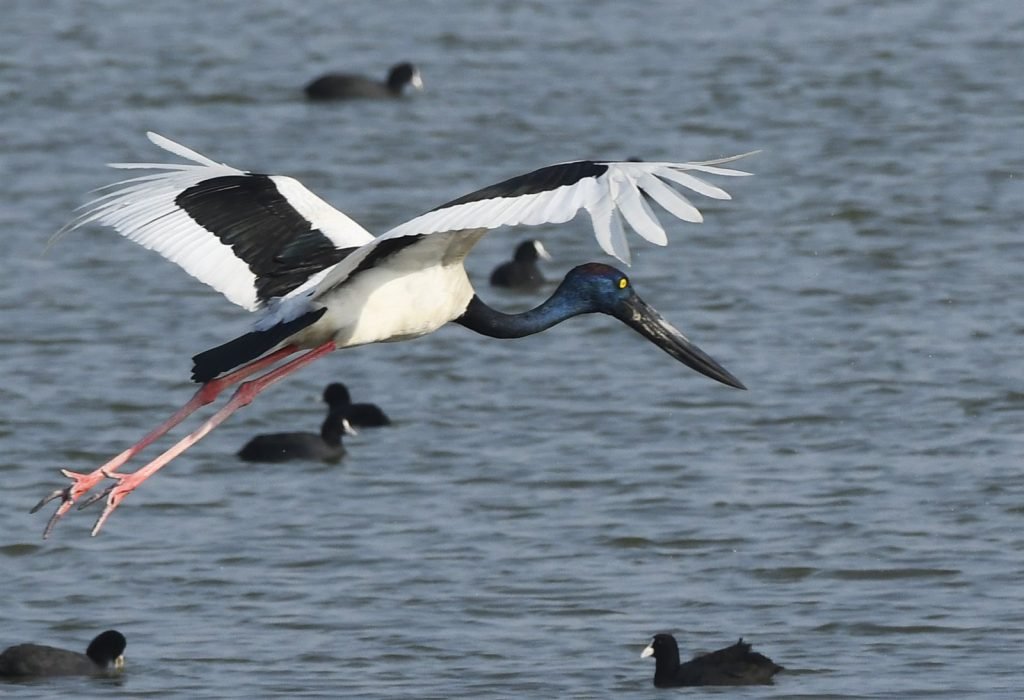
Musical fountains & lakeside greenery
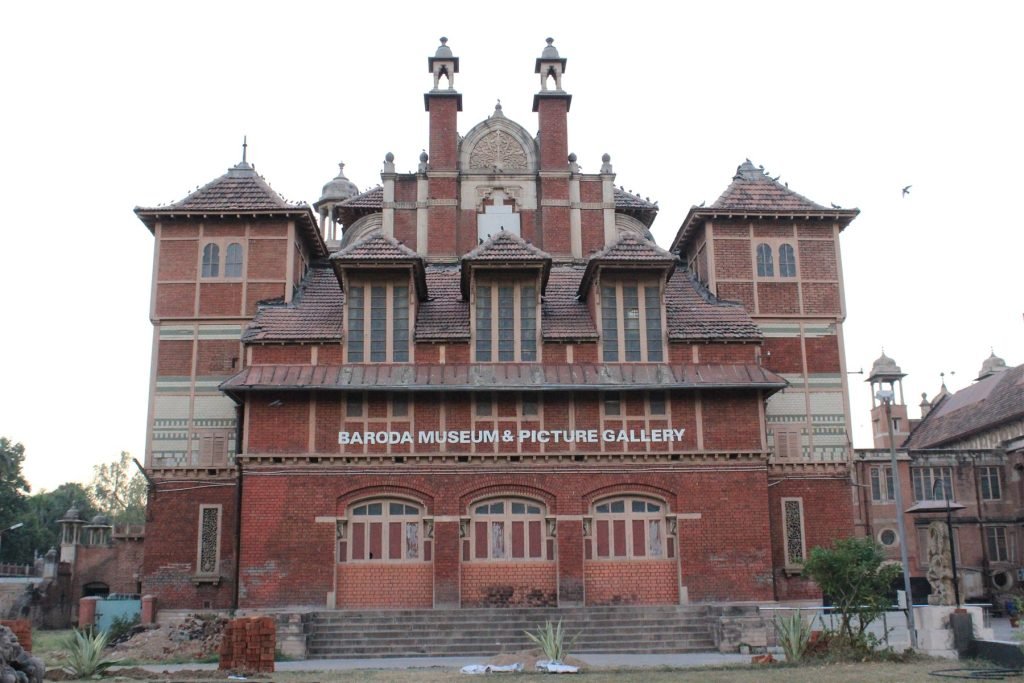 GALLERY
Baroda Museum
Art & picture gallery in Sayaji Baug
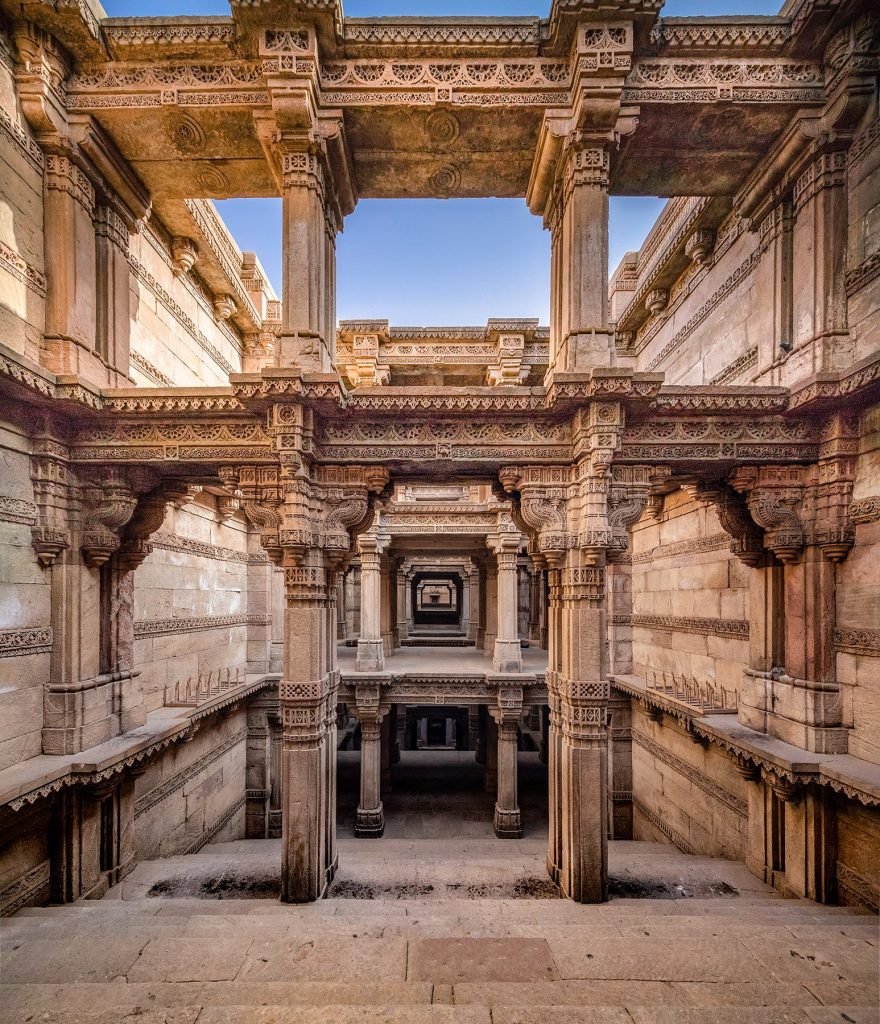 STEPWELL
Navlakhi Vav
A grand stepwell within the palace grounds
Where to eat near MS University
Gujarati Thali
Sweet-savoury full meals.
Sev usal
Baroda's spicy snack.
Lilo chevdo
Famous Baroda street food.
Foodie city
Famous for sev usal, lilo chevdo & farsan.
MS University FAQ
What is MS University?
The Maharaja Sayajirao University of Baroda (MSU) is one of India's leading universities, grown from the Baroda College founded in the 19th century by the visionary Maharaja Sayajirao Gaekwad III. Its architectural showpiece is the Faculty of Arts building, crowned by an enormous Indo-Saracenic dome — among the largest such domes in India — that has become a beloved emblem of the city.
Where is it?
Vadodara.
Is there an entry fee?
A working campus.
When should I visit?
October to March, in the cooler season.
What's nearby?
Vadodara's palaces, gardens and Champaner.
How long does it take?
About 30 minutes.
Related places across Gujarat

Champaner Ruins
The Champaner ruins mark the site of a once-thriving medieval city that served as a regional…
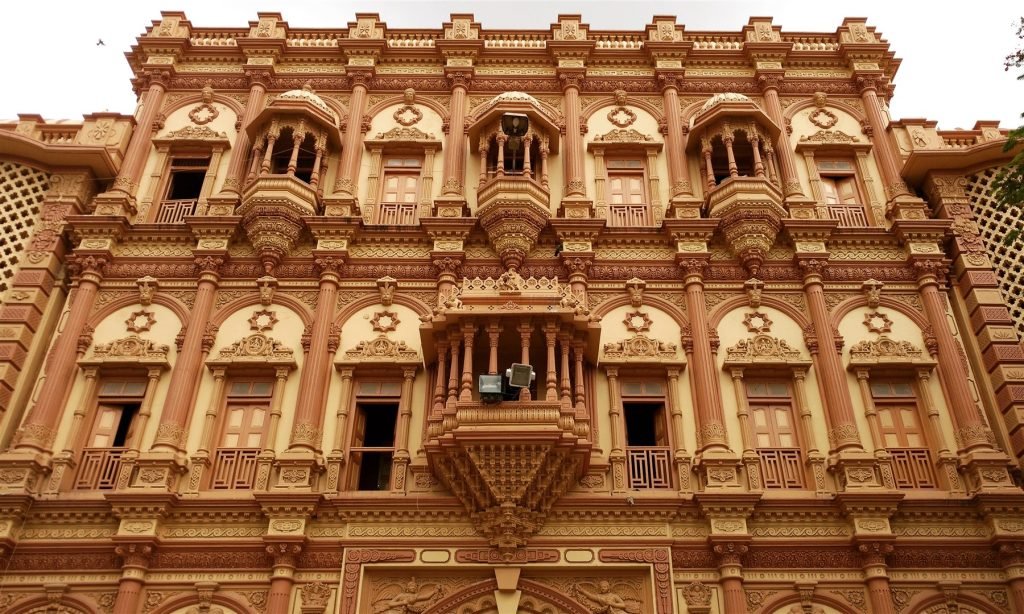
BAPS Salangpur Mandir
A grand BAPS Swaminarayan mandir at Salangpur — a serene marble-and-stone complex of carved shrines, gardens…
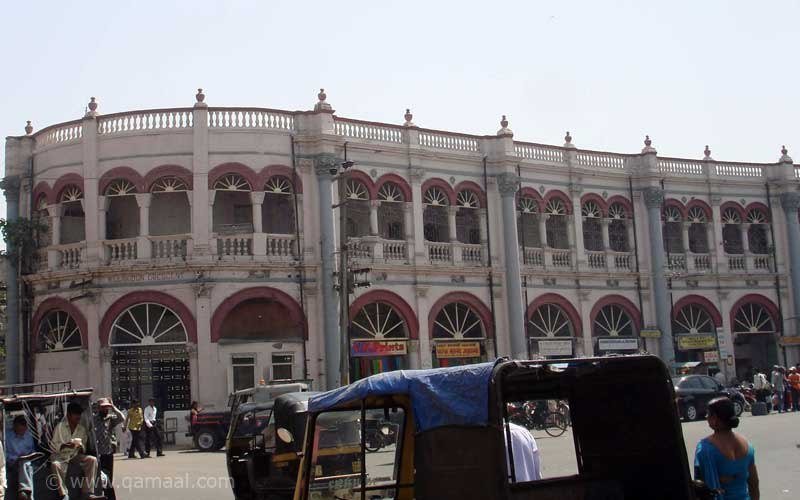 OLD CITY
Darbargadh
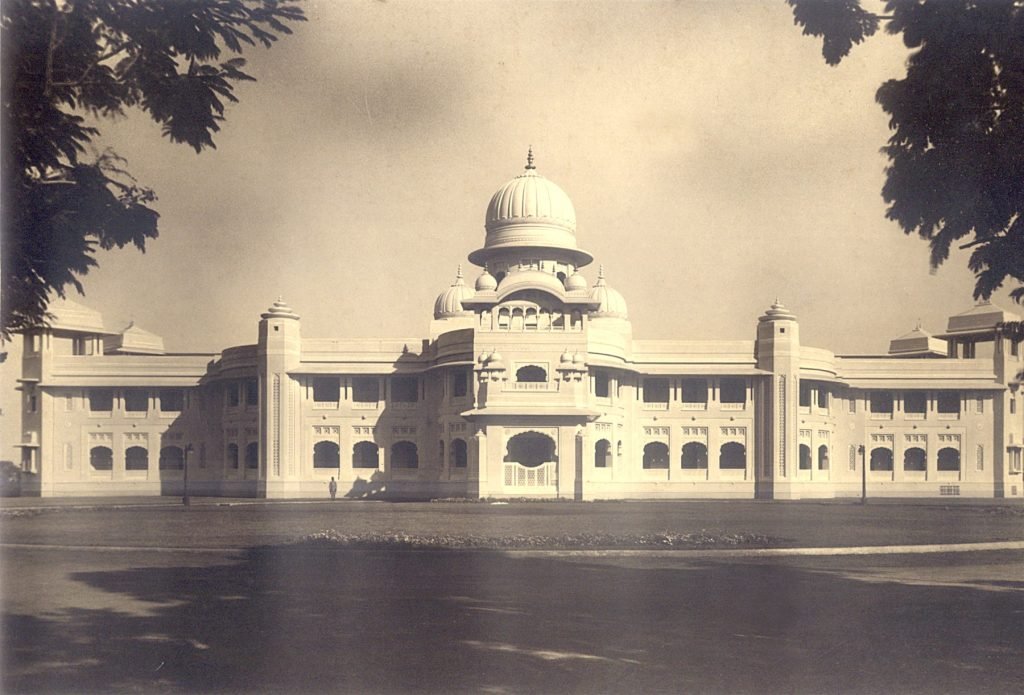
The royal quarter & Willingdon Crescent
 HERITAGE
Rajpipla Palaces
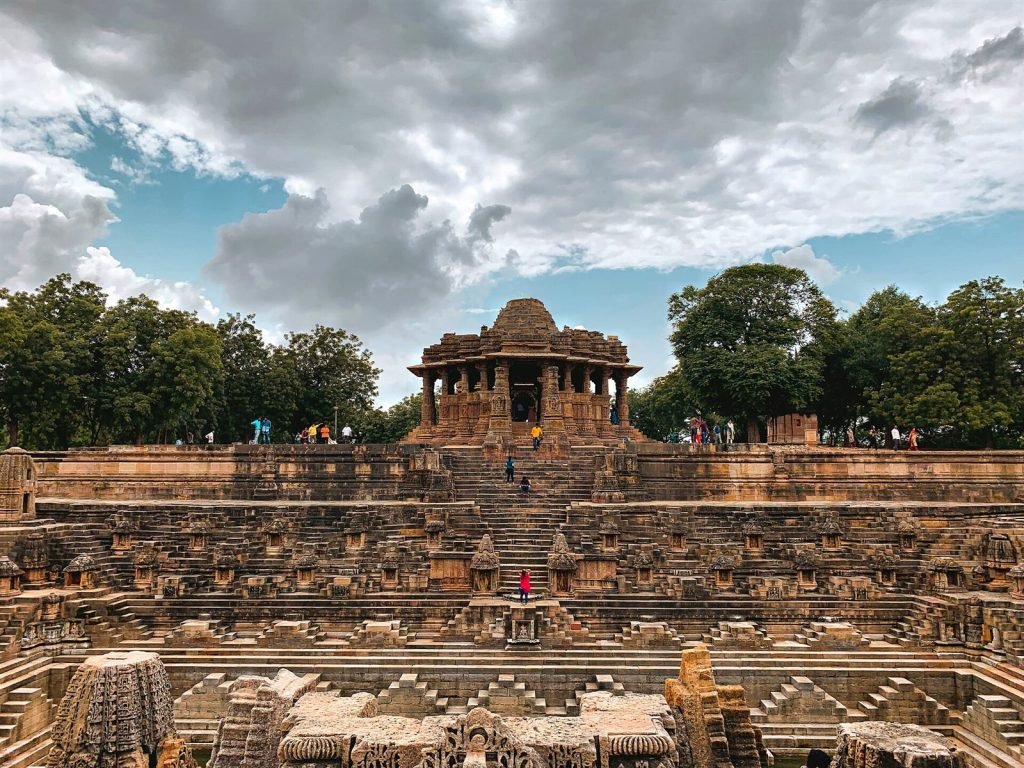
The old royal town & its grand palaces
Siddhnath Mahadev
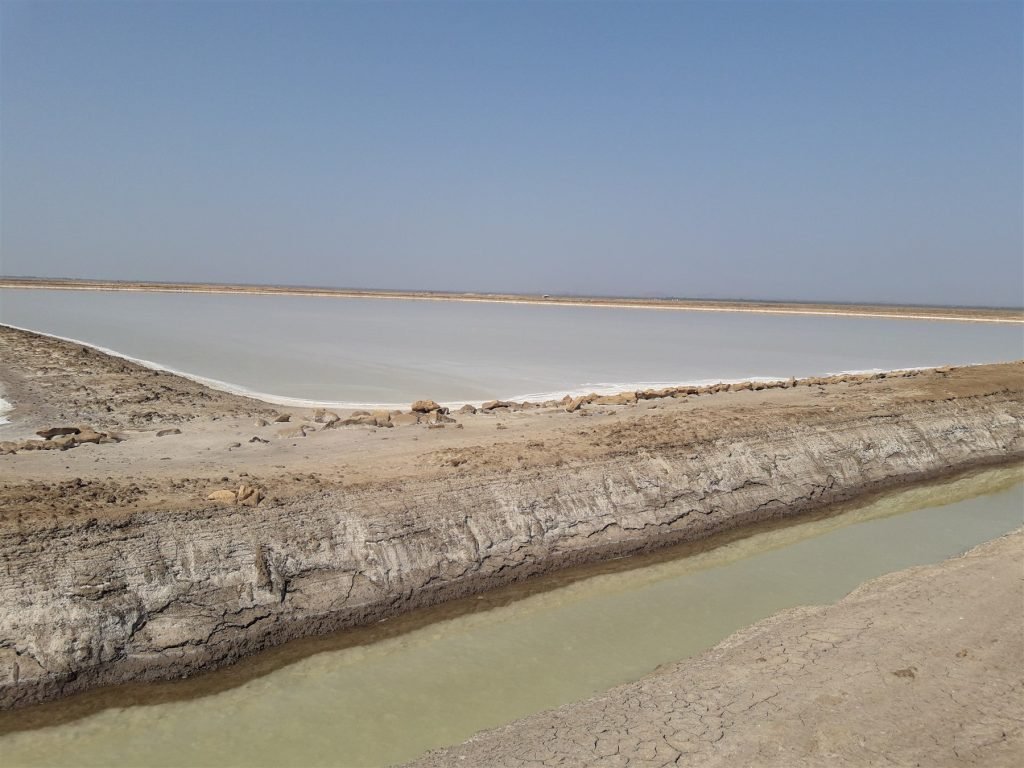
An old lakeside Shiva temple
 FORT & COAST
Jafrabad
An old fort guarding a fishing coast
WHERE TO STAY
Find your stay in Gujarat
Compare live prices across the big booking sites and reserve in a few taps. Booking happens securely on the partner's site — we may earn a small commission at no extra cost to you.
Book directly on our partner sites — tap a provider to see live Gujarat hotels & prices:
SHOP THE REGION
Bring home Gujarat — & travel essentials
Hand-picked crafts and trip gear, available on Amazon.
Published 24 June 2026 · Updated 24 August 2026
We’re an independent group of writers and travellers documenting every corner of Gujarat — one place, plate and festival at a time.