Home › Destinations › Garba Nights
✦ DESTINATION◐ Colour & motion (Oct)
Discover Garba Nights — what to see, the best time to visit and nearby places worth pairing it with.
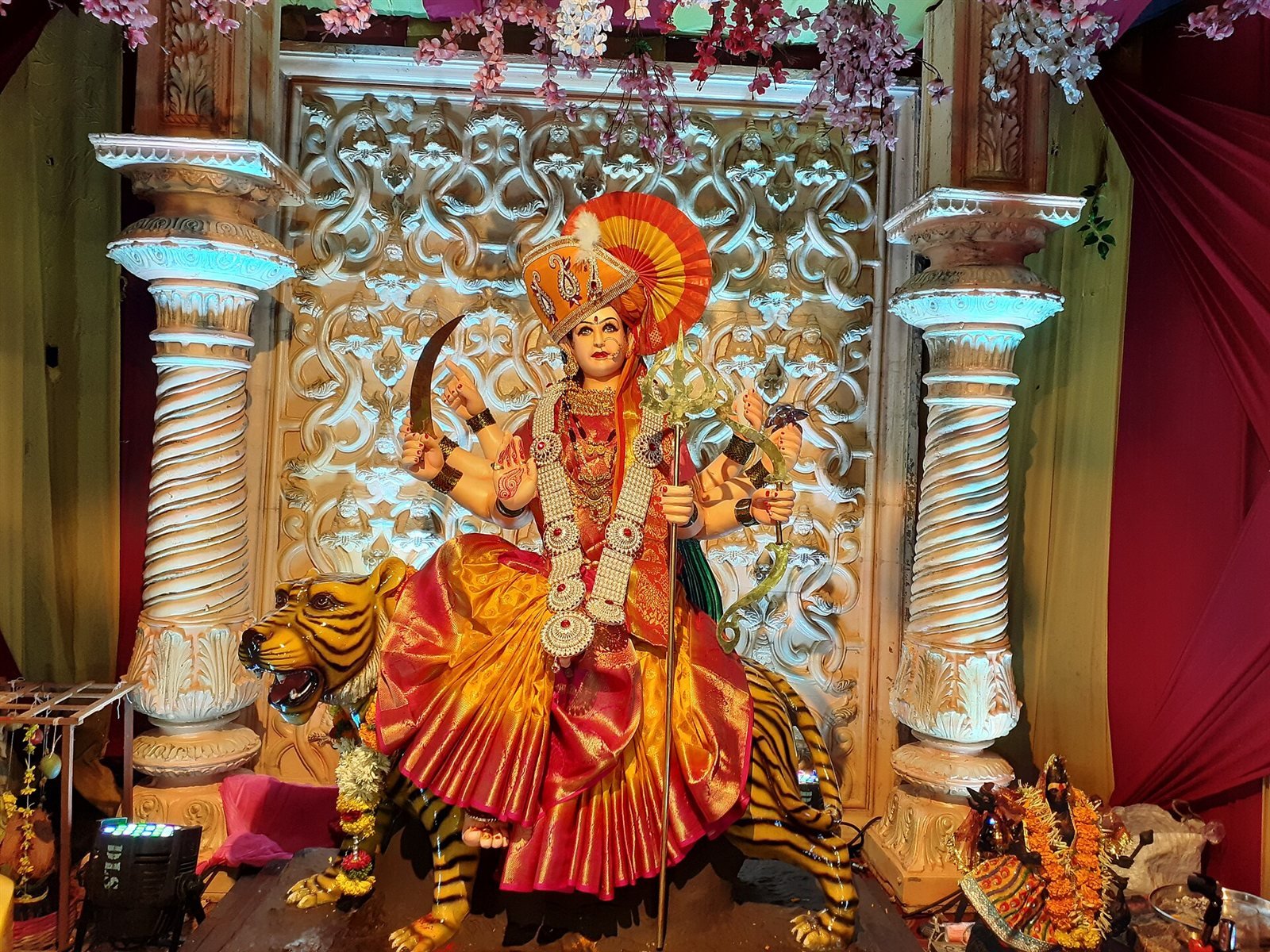
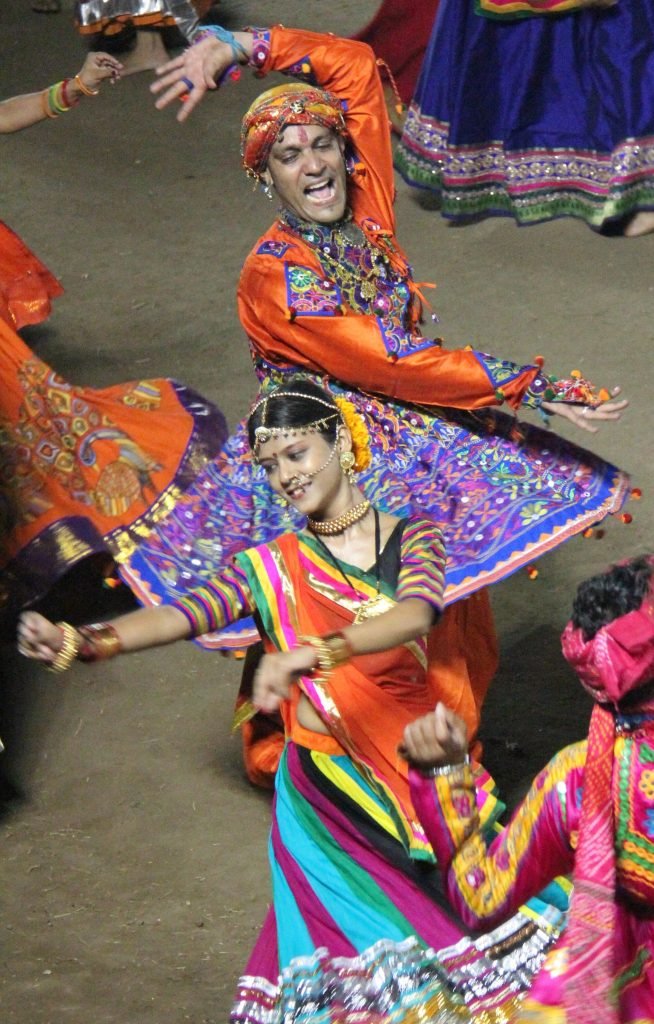
For nine nights each autumn, Vadodara turns into what is probably the largest participatory dance event in the world. Garba is not a performance staged for an audience — it is a circle dance that everyone joins, moving anticlockwise around a central shrine to the goddess, and during Navratri the city sustains it from about ten at night until well past three in the morning.
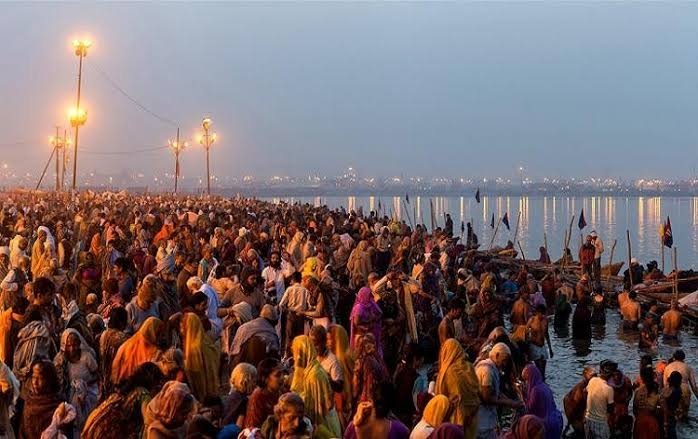
Vadodara’s reputation rests on its style and its scale. The city is known for a fast, precise, tightly synchronised garba, and for the huge organised grounds — the United Way of Baroda event at Navlakhi and the Gujarat Club ground among them — where tens of thousands of dancers move in concentric rings to a live orchestra. Dancers rehearse for weeks beforehand, and the standard on the floor is genuinely high.
Alongside the big commercial grounds, almost every housing society, pol and neighbourhood in the old city runs its own sheri garba — street garba — which is free, unticketed and considerably easier for a visitor to join. Many people consider these the better experience: smaller circles, older songs, and no dress code beyond making an effort.
Vadodara is on the Delhi–Mumbai main line with frequent trains from Ahmedabad (about 90 minutes) and Surat, and has its own airport with domestic connections. The large ticketed grounds are spread around the city and are best reached by auto or cab; the neighbourhood garbas are wherever you happen to be staying, which is part of their appeal.
Vadodara Airport (BDQ) has domestic flights to major Indian cities.
Vadodara Junction is a major stop on the Mumbai–Delhi line, with Vande Bharat services.
On NH-48 & the expressway — Ahmedabad ~110 km, Surat ~150 km.
Navratri falls in September or October — the dates follow the lunar calendar and shift each year, so check before booking. Hotels fill months ahead and rates rise sharply for those nine nights. Note that the dancing starts late: arriving before 10pm generally means waiting around, and the floor is at its best after midnight.
Pair a Navratri visit with Laxmi Vilas Palace, the Sayaji Baug museum and the old-city pols by day, and with Champaner-Pavagadh, an hour east, as a day trip.
Our Vadodara travel guide maps out the other places worth your time here.
WHERE TO STAY
Compare live prices across the big booking sites and reserve in a few taps. Booking happens securely on the partner's site — we may earn a small commission at no extra cost to you.
Book directly on our partner sites — tap a provider to see live Gujarat hotels & prices:
SHOP THE REGION
Hand-picked crafts and trip gear, available on Amazon.
Published 24 June 2026
Vadodara's garba splits into two worlds, and the choice shapes the night. The great commercial grounds — the United Way garba above all, which draws tens of thousands of dancers a night and holds a genuine claim to being the world's largest — run to live orchestras, vast concentric circles and serious dress. Passes sell out weeks ahead, season passes go earliest, and the atmosphere is electric precisely because everyone came to dance hard.
The sheri garba of the neighbourhoods is the other world: a shrine at the end of a street, a sound system or live singers, and circles anyone may join. No tickets, older songs, all generations in one ring. Visitors who want to actually learn the steps do better here — the circles are slower, and someone will always pull a newcomer in.
Nothing starts early. The grounds open around nine, dancing builds from ten, and the peak runs midnight to two — with aarti breaks marking the worship that the dance is. Dress matters at the big grounds: chaniya choli and kediyu are the norm, rentable across the city in Navratri week, and half the spectacle. Comfortable footwear is non-negotiable; four hours of garba is athletic by any definition.
The steps reward a little preparation. The basic three-claps garba loop can be learned in an evening — classes run across the city in the weeks before Navratri — and dodhiyu and hinch follow from it. Raas, with sticks, is its own pleasure and easier than it looks.
Navratri falls in September–October by the lunar calendar. Book accommodation early — the city fills — and book big-ground passes as soon as they release. Travel between grounds is slow after midnight; pick one venue per night rather than touring. Water, and eating before ten, keep the night alive.
Security at the commercial grounds is real (bags checked, entry gated), the sheri circles are open streets — normal city sense applies. And the aarti is worship: dance stops, respect follows.
Beyond the nine nights, Vadodara's garba culture warms up weeks early with classes and society rehearsals, and the sharad purnima full moon after Navratri often carries one last night of dancing. Pair the nights with the city's days — Laxmi Vilas, the museum, Sayaji Baug — and sleep when October ends.
We’re an independent group of writers and travellers documenting every corner of Gujarat — one place, plate and festival at a time.
Search Gujarat Explorer
Find places, food, festivals and travel guides across Gujarat
Press Enter to search — or Esc to close
Plan Your Trip
Gujarat Explorer is an independent travel guide. We’re happy to help you shape an itinerary and point you to the right places, stays and experiences across Gujarat.
Book a Cab