Home › Anand › Khambhat (Cambay)
HERITAGE · AGATE · ANCIENT PORTThe agate city — Khambhat (ancient Cambay), an old port-city on the Gulf of Khambhat, once one of the wealthiest trading ports on the Indian Ocean and still famous for its agate stonework.
Khambhat — the ancient Cambay — was one of the great ports of the medieval Indian Ocean world, thriving from the 9th to the 16th centuries as a conduit for silk, spices, agate and carnelian, visited by Arab, Persian, Chinese and European traders and noted by Marco Polo.
The city’s silting harbour eventually ended its maritime pre-eminence, but Khambhat’s craftsmen have continued for centuries to work the beautiful agate and carnelian stones washed in from the Narmada estuary, producing the famous Khambhat gem-polishing tradition.
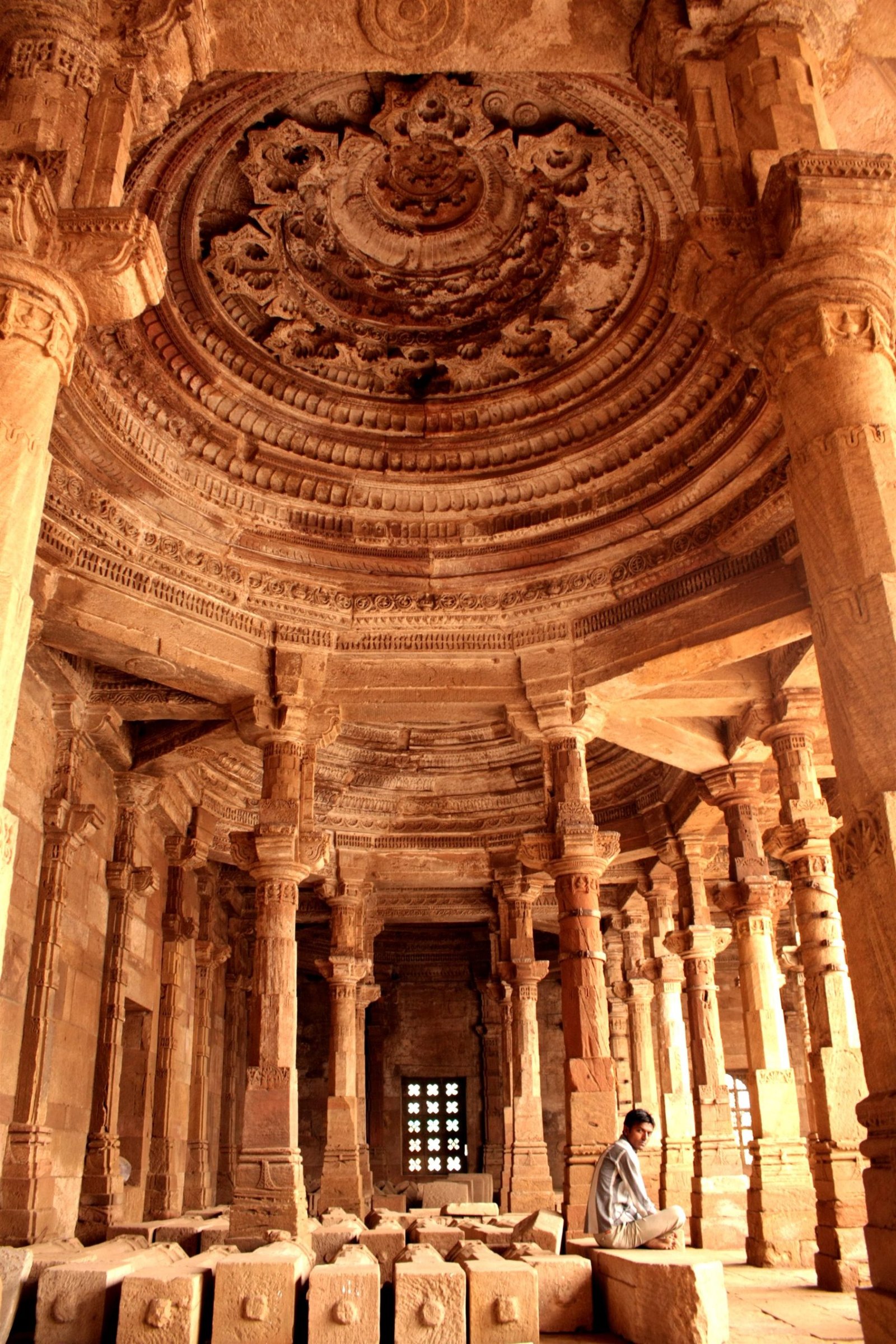
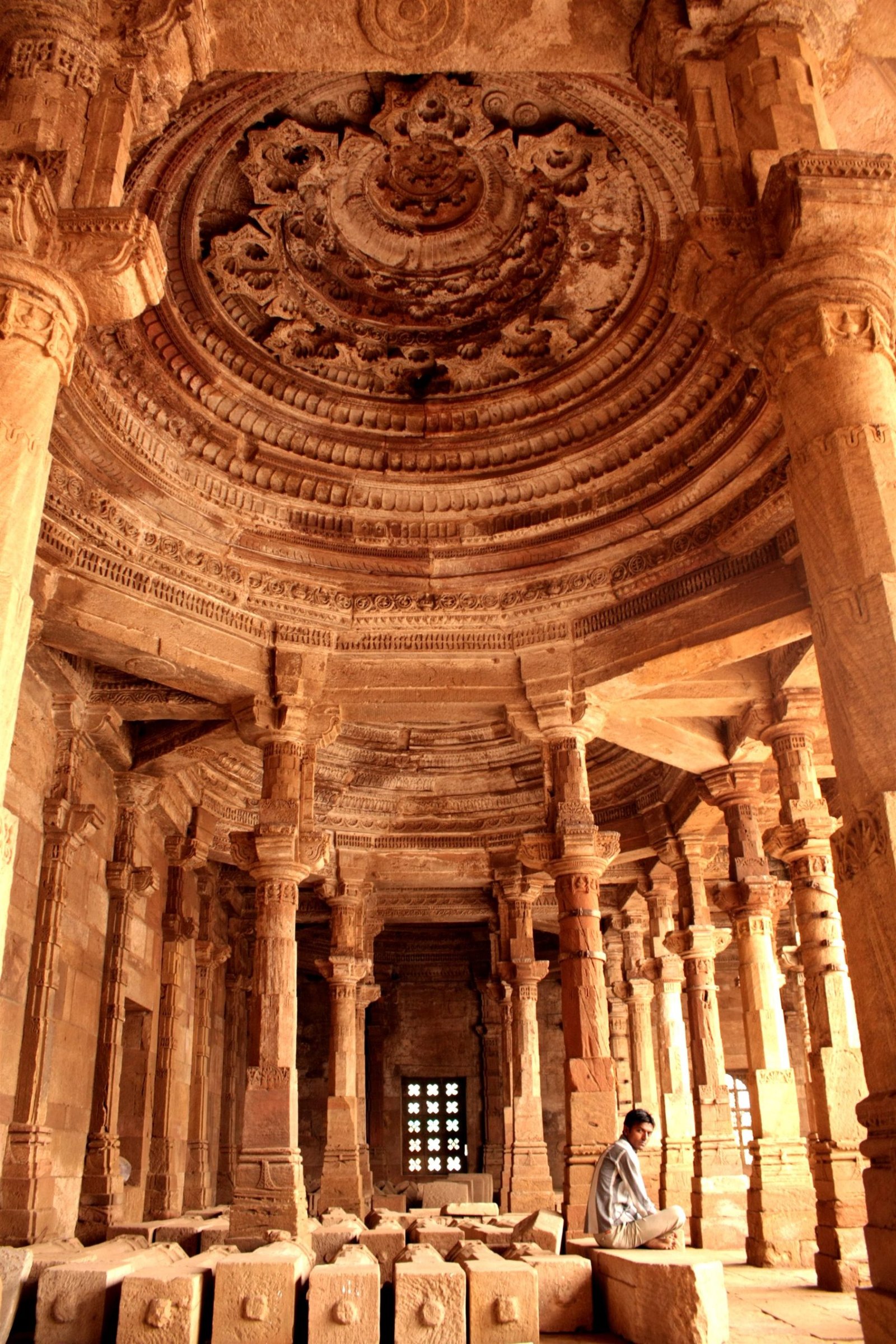
The old city retains its historic mosques (some with repurposed temple columns reflecting the layered history) and the centuries-old craft workshops that still cut, polish and bead the brilliant stones. A city of ancient trade and living craft.
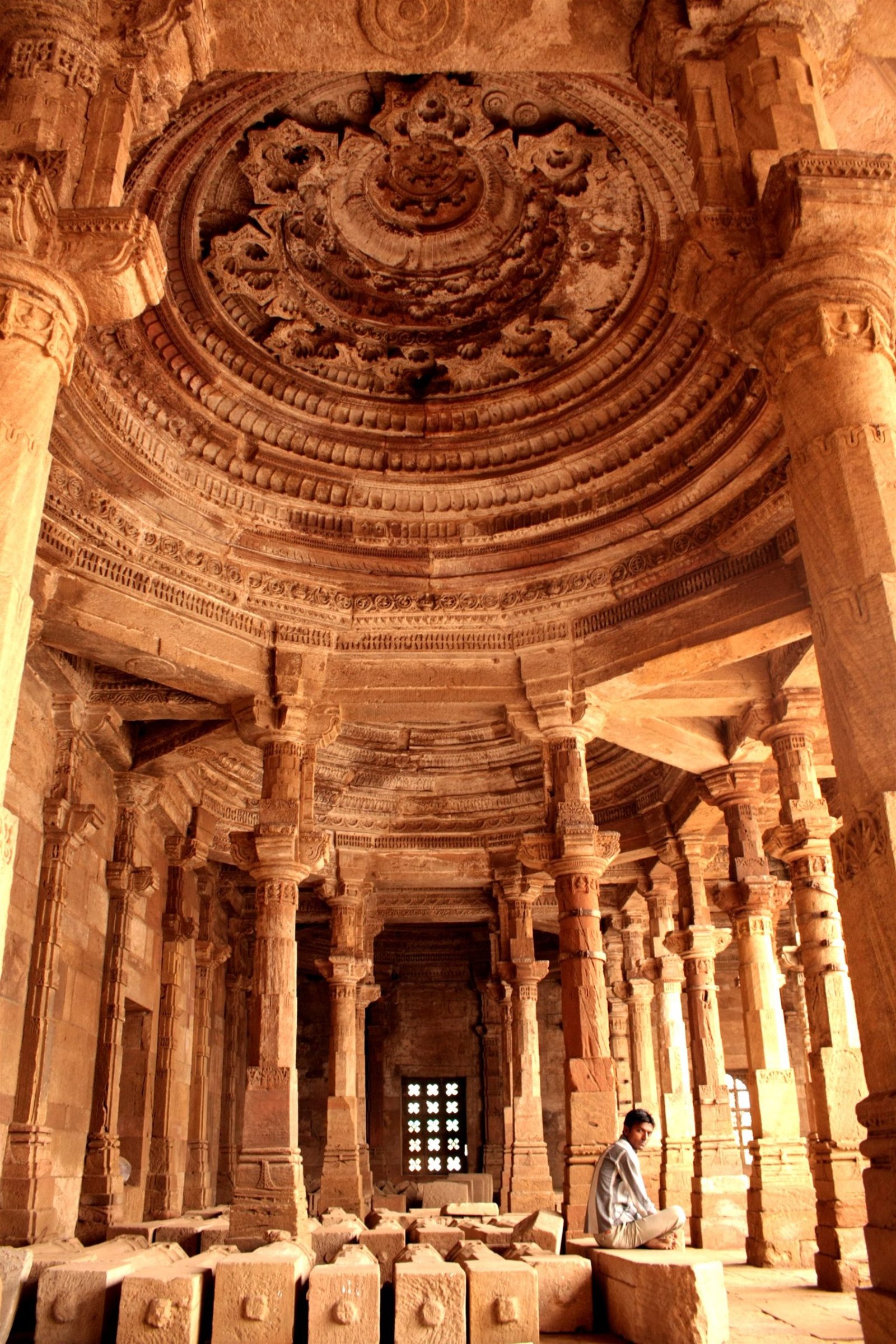
The Jami Masjid interior, Khambhat.
Carved pillars of the Jami Masjid.
9th–16th centuries.
Noted its wealth.
A gem-city.
And trade moved on.
A living tradition.
Medieval heritage.
Marco Polo's city.
Watch craftsmen work.
Lanes & monuments.
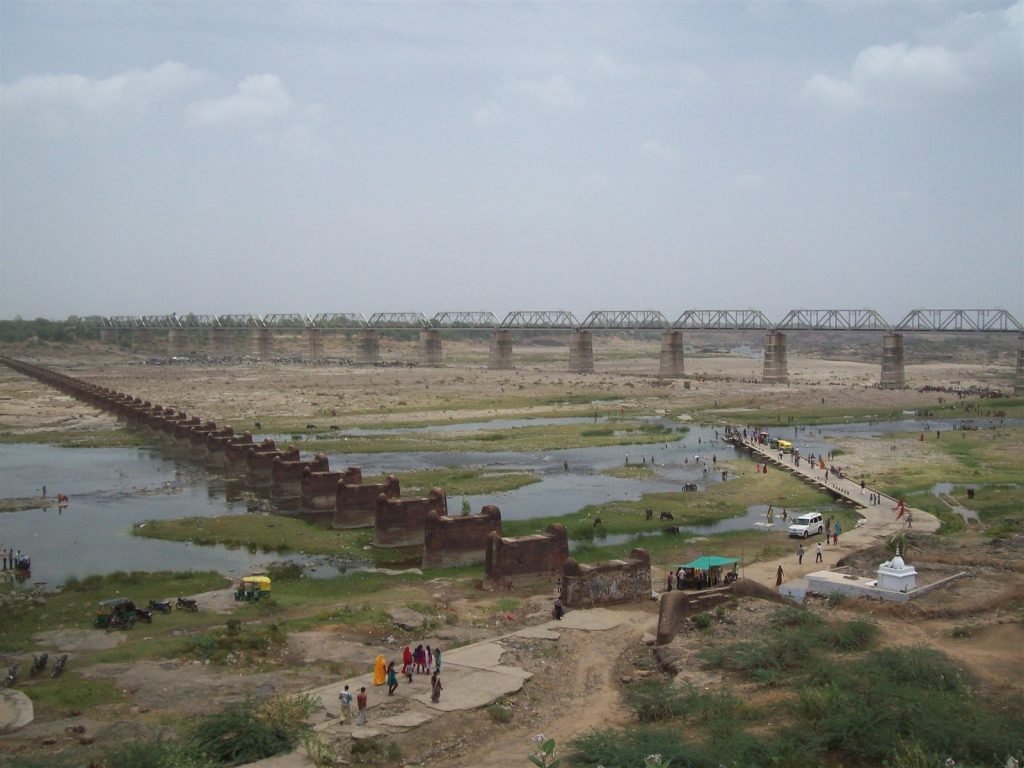
The estuary.
Khambhat's great mosque.
A living tradition.
Carved pillars.
Agate & carnelian.
Lanes & markets.
Marco Polo's port.
From craftsmen.
The ancient harbour.
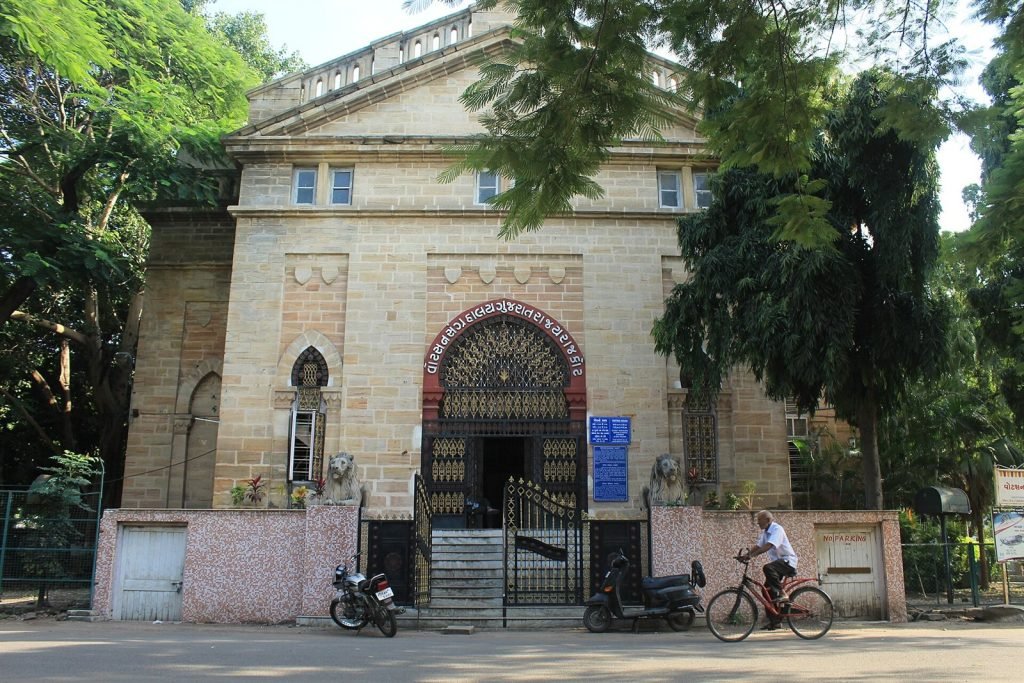
Jami Masjid, Khambhat.
Khambhat (ancient Cambay) was one of the great medieval Indian Ocean ports, noted by Marco Polo, thriving on trade in silk, spices and agate until its harbour silted in the 16th century.
Its craftsmen still work the brilliant agate and carnelian stones, and its old mosques (with repurposed temple columns) reflect its layered, cosmopolitan history. A city of ancient trade and living craft.
Ancient port noted by Marco Polo
Thrived 9th–16th centuries
Living agate & carnelian craft
Old mosques with temple columns
Cool and pleasant — the ideal season.
Lush but humid.
Hot and dry — start early.
⏰ Visit in the cool months; the Charotar plain is loveliest in winter, and the dairy tour is best on a weekday.
Ahmedabad airport (~70 km).
Anand Junction.
NH-48 / Anand.
STONE & CITY
The mosque.
Agate gems.
Old city.
Morning.
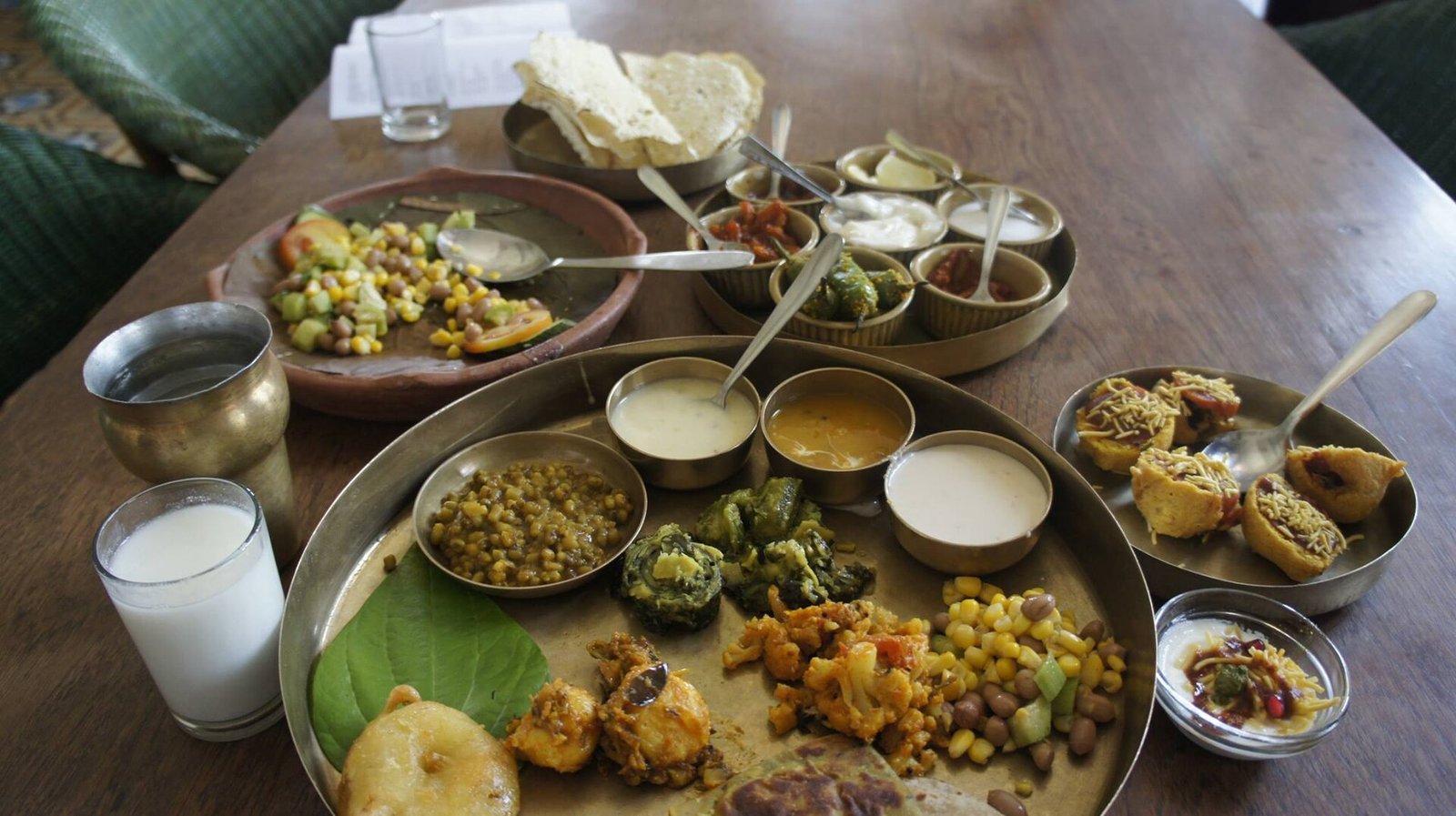
Hearty Charotar meals.
Steamed snacks.
Street food in the city.
Famous for fresh milk sweets — shrikhand, basundi, doodh pak.
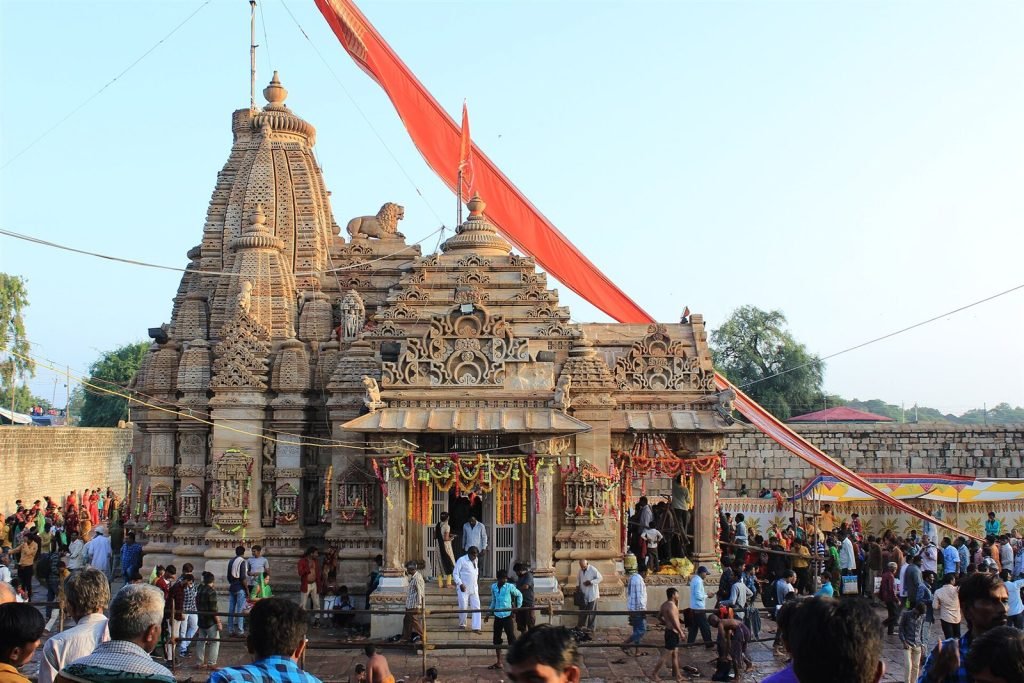
Khambhat — the ancient Cambay — was one of the great ports of the medieval Indian Ocean world, thriving from the 9th to the 16th centuries as a conduit for silk, spices, agate and carnelian, visited by Arab, Persian, Chinese and European traders and noted by Marco Polo. The city's silting harbour eventually ended its maritime pre-eminence, but Khambhat's craftsmen have continued for centuries to work the beautiful agate and carnelian stones washed in from the Narmada estuary, producing the famous Khambhat gem-polishing tradition.
Khambhat, Anand.
Free.
October to March, the cool season.
The Amul dairy, Vallabh Vidyanagar, Karamsad and Borsad.
Half a day.
The city's famous black-sand seaside escape
Flamingos, cranes & gazelle at the Rann's edge
A Shiva temple on the Narmada's banks
Dark volcanic sand, palms and Arabian Sea breezes
A popular modern shrine by the Tapi
A vibrant community temple in the city
WHERE TO STAY
Compare live prices across the big booking sites and reserve in a few taps. Booking happens securely on the partner's site — we may earn a small commission at no extra cost to you.
SHOP THE REGION
Hand-picked crafts and trip gear, available on Amazon.