On the edge of Rajkot, the Aji Dam holds back the waters of the Aji river that runs through the city, creating a broad reservoir that is a favourite local spot for a relaxed outing. Together with the nearby Lalpari and Randarda lakes, set within a green belt, it forms a chain of waters that soften the city with greenery and birdsong.
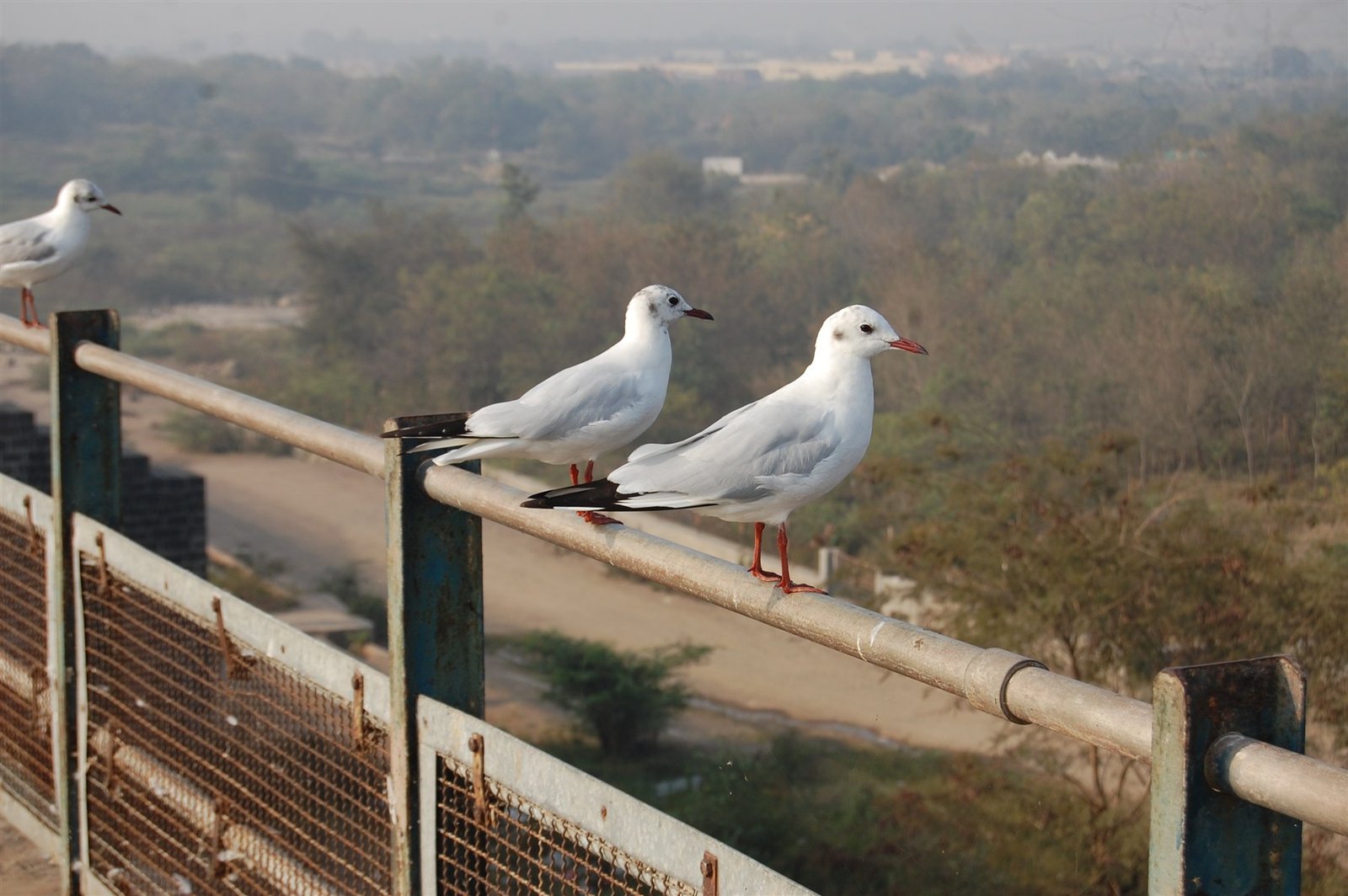
The lakeside gardens are popular for evening walks and family visits, and the wetlands draw a good variety of resident and migratory waterbirds — ducks, herons, flamingos in season and more — making the area a pleasant low-key birding spot.
With breezy open water, shady paths and sunset reflections, the Aji Dam and its sister lakes offer an easy, refreshing contrast to the bustle of Rajkot — and a reminder of the gentle natural surroundings of the Saurashtra capital.
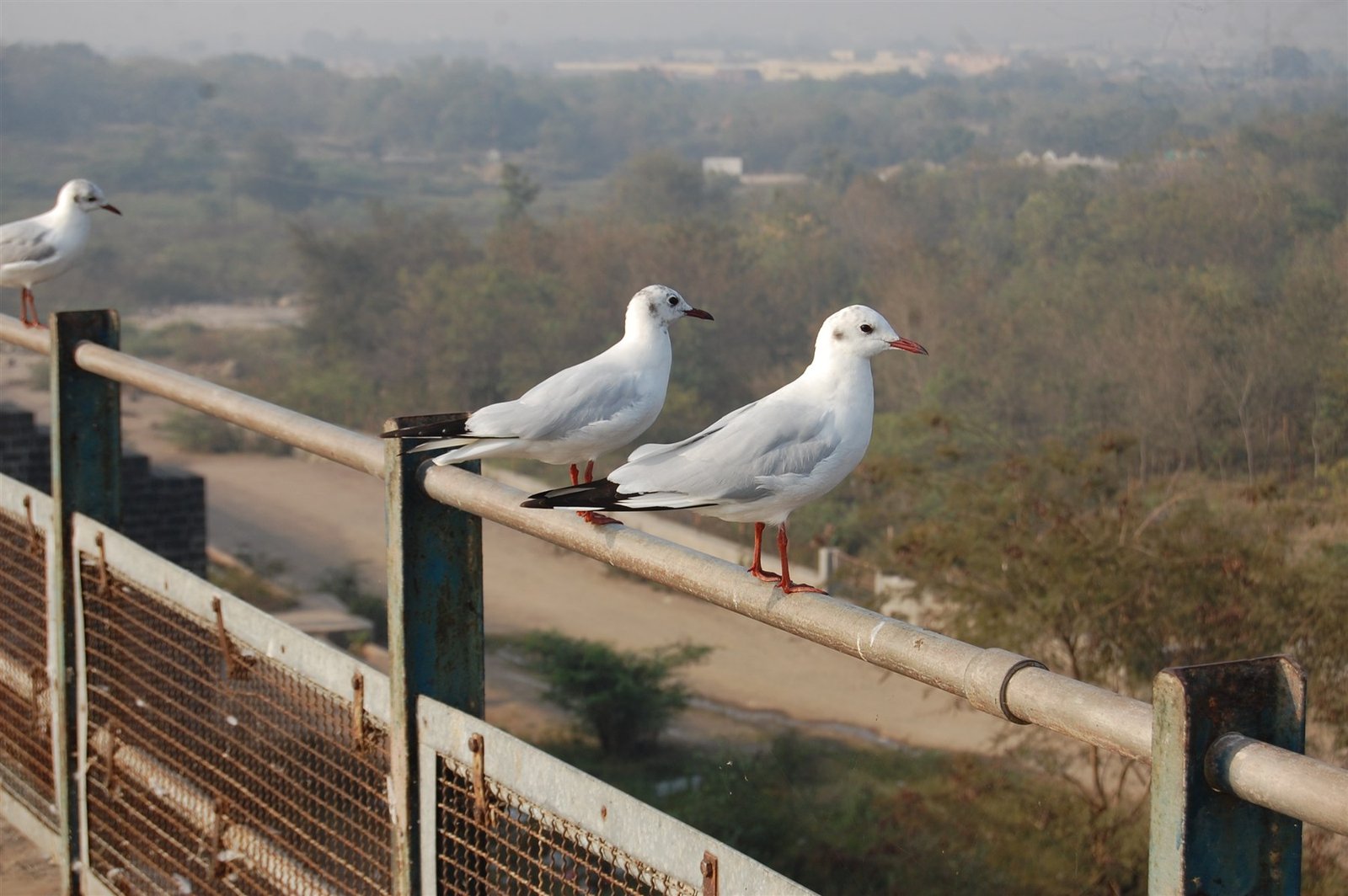
Birds by the Aji waters.
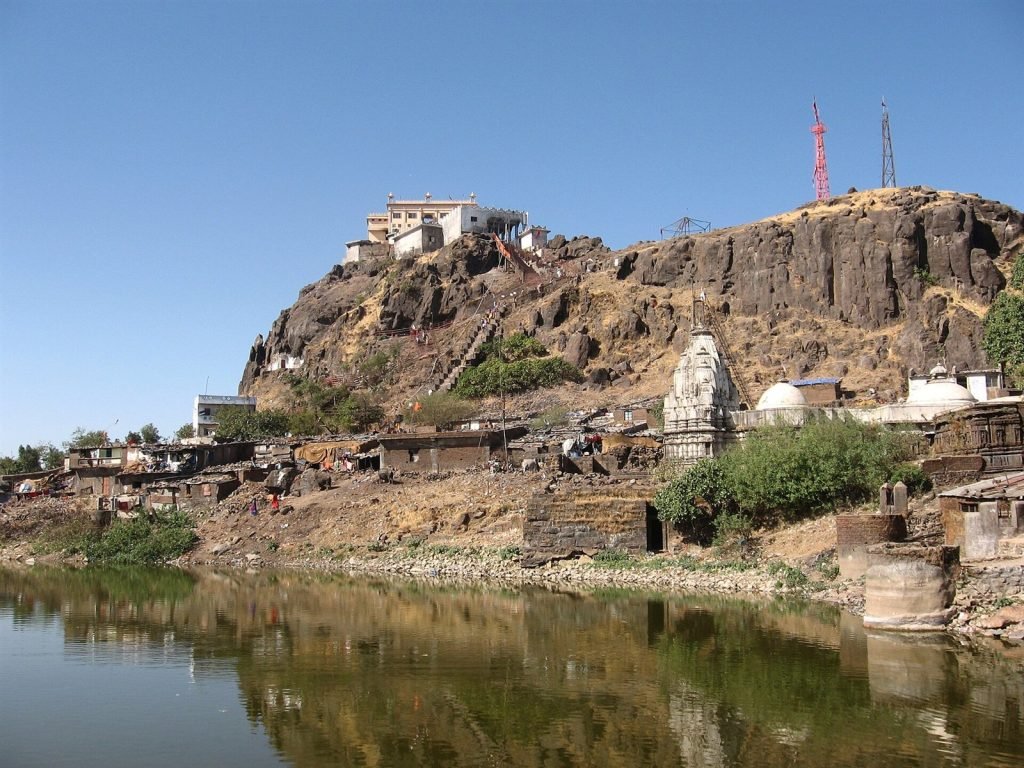
The Aji reservoir and green belt.
The Aji rises in the Saurashtra uplands and runs through Rajkot, which grew along its banks before spreading well beyond them.
It was dammed on the city's edge to secure a water supply, creating the broad reservoir that carries the dam's name.
Lalpari and Randarda lakes sit close by within the same green belt, so the three waters function as one wetland system.
The chain became Rajkot's outdoor space — used for walking and picnics, and quietly one of the better urban birding spots in Saurashtra.
The reservoir is wide and open, and the breeze off it is the reason the city comes out here in the evening.
Lalpari and Randarda lakes lie within the same belt and are usually visited on the same trip.
Ducks, herons, egrets and — in winter — flamingos work the shallows, which is unexpected this close to a city.
Paths and open ground around the water make it Rajkot's default spot for a walk or a picnic.
On still mornings the water holds the reflection of the far bank and the birds on it.
It sits on the city's edge, so it is an easy outing rather than an expedition.
THE WATERSThe Aji reservoir on the edge of Rajkot, holding the city's river.
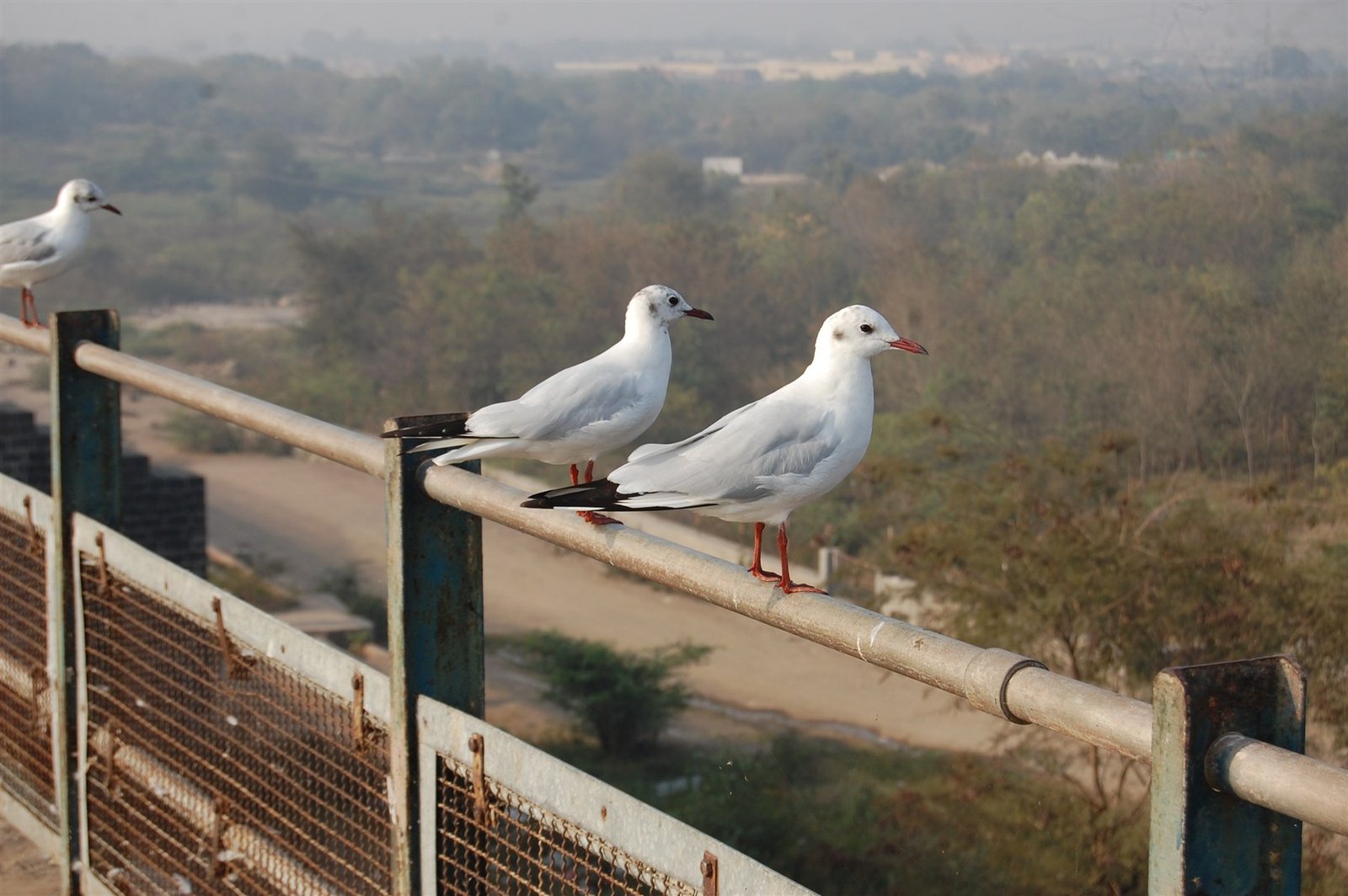
THE BIRDSWetland birding across the three lakes, resident species and winter migrants.
Walk the lakeside paths, which is what the city uses the reservoir for.
Bring binoculars for the wetlands — the birding is the real reason to come rather than the dam itself.
Take in Lalpari and Randarda too; the three waters together make a proper morning.
Come at dawn or in the last hour of light, when the birds are active and the water is still.
Visit between November and February for the migratory species, including flamingos in some years.
Combine it with Rajkot's museums and the Gandhi sites in town.
The Aji waters and gardens.
The Aji Dam impounds the Aji river to form a broad reservoir on Rajkot’s edge, while the nearby Lalpari and Randarda lakes — set in a planted green belt — complete a chain of waters and wetlands around the city.
The appeal is recreational and natural rather than architectural: open water, lakeside gardens and a variety of waterbirds, offering city-dwellers and visitors an easy, refreshing escape into greenery and birdsong.
See what else is nearby in our guide to Rajkot.
Aji river reservoir
Lalpari & Randarda lakes
Lakeside gardens & paths
Wetland birdlife
November to February is the best window — comfortable weather and the peak of the migratory bird season.
The monsoon fills the reservoir and greens the belt, though the paths turn muddy.
April to June is hot and the water drops; walk at dawn or not at all.
⏰ Visit at dawn or dusk in winter for the birds and the light; carry binoculars for migratory waterfowl.
Rajkot airport is nearby.
Rajkot is the railhead.
On the edge of Rajkot city.
WATER & WING
Waterbirds at the wetlands.
The broad reservoir.
Sunset over the water.
Lakeside gardens.
The glittering goldsmiths’ jewellery lane

QUIRKYOver 1,500 dolls from across the world
NATURE SANCTUARYA 19th-century fort turned nature sanctuary.
A vibrant community temple in the city
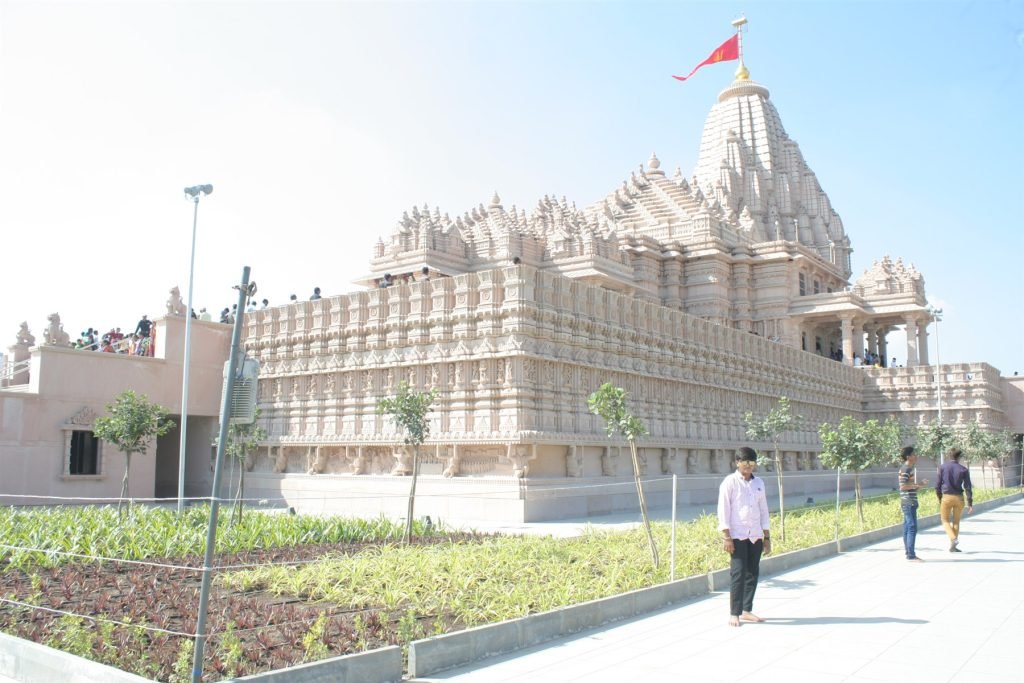
A vast, gleaming modern temple to Khodiyar Mata at Kagvad — Khodaldham, the grand spiritual seat…
Peaceful shrines by the bird lake
THALIRotla, kadhi, shaak and ghee-rich fare.

GANTHIYASaurashtra's fried snacks.
STREETRajkot's lively street food.
Rajkot's famous penda sweets & chikki.
A reservoir on the Aji river at the edge of Rajkot, a popular lakeside outing.
Nearby lakes that, with Aji, form a green belt and birding area.
Ducks, herons and, in season, flamingos and other migratory waterbirds.
No, it's free.
October to March, at dawn or dusk for the birds.
On the edge of Rajkot city.
Yes — lakeside gardens make it an easy outing.
Binoculars and water.
RURALPonds, banyans and the rhythm of the seasons
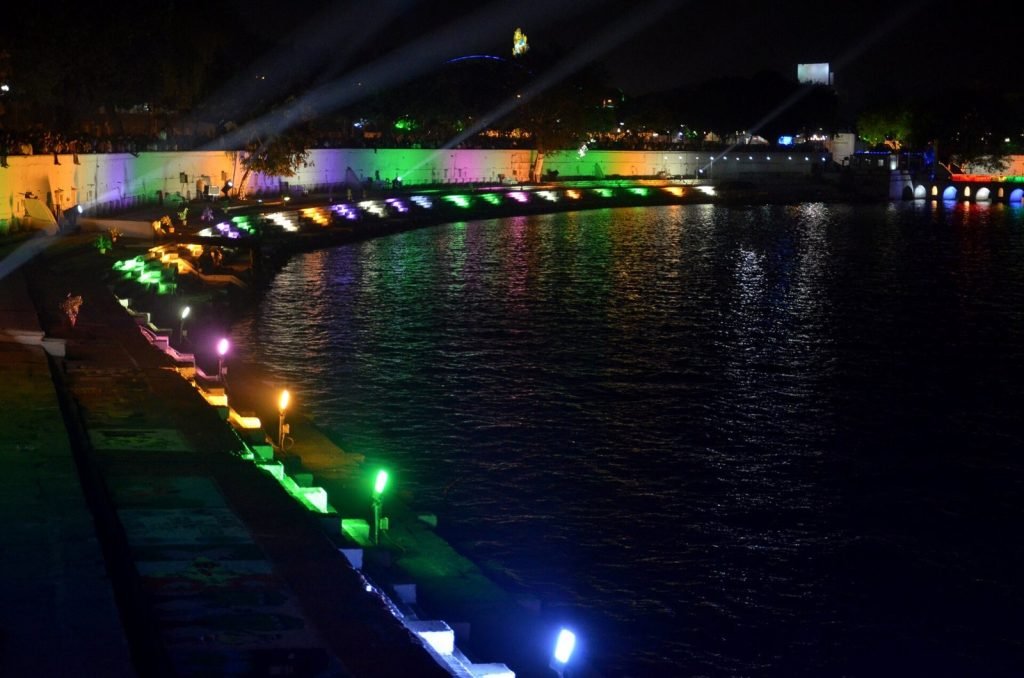
FAMILYLakefront with zoo, toy train & balloon
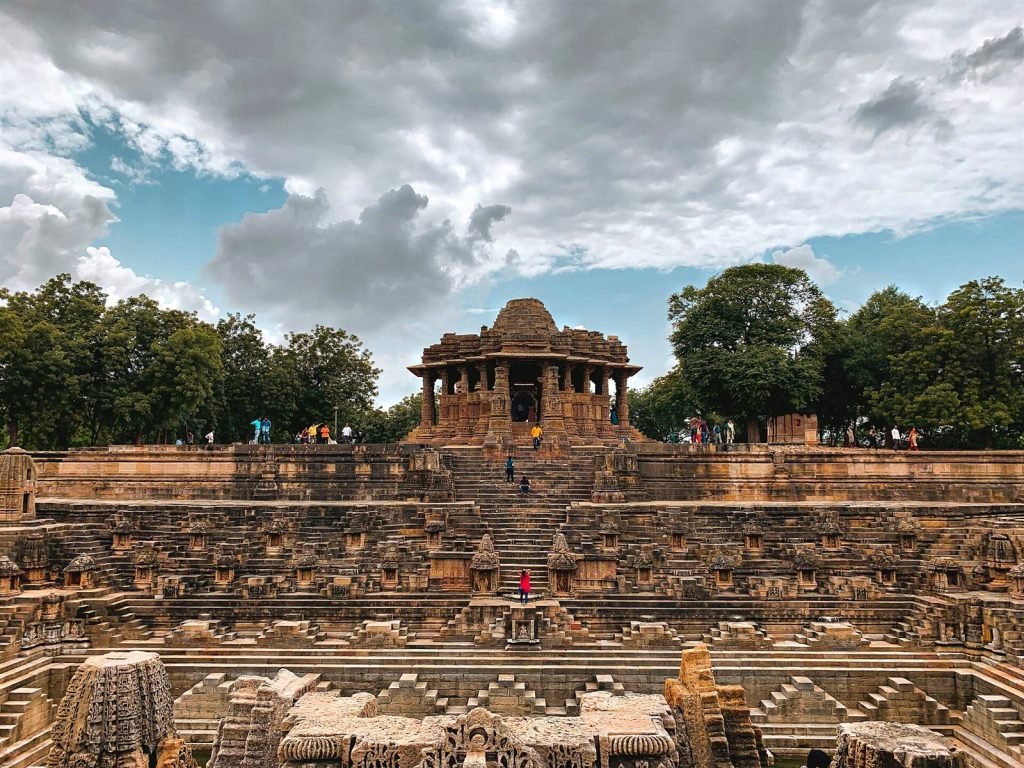
◐ The January light show
Hilltop Jain shrines above the town
PILGRIMShukleshwar Mahadev on the riverbank
A thousand years of grinding stone — the agate workshops of Khambhat, where craftsmen still use…
WHERE TO STAY
Compare live prices across the big booking sites and reserve in a few taps. Booking happens securely on the partner's site — we may earn a small commission at no extra cost to you.
Book directly on our partner sites — tap a provider to see live Gujarat hotels & prices:
SHOP THE REGION
Hand-picked crafts and trip gear, available on Amazon.
Published 24 June 2026 · Updated 24 August 2026
We’re an independent group of writers and travellers documenting every corner of Gujarat — one place, plate and festival at a time.
Search Gujarat Explorer
Find places, food, festivals and travel guides across Gujarat
Press Enter to search — or Esc to close
Plan Your Trip
Gujarat Explorer is an independent travel guide. We’re happy to help you shape an itinerary and point you to the right places, stays and experiences across Gujarat.
Book a Cab