The river that names the district — the Tapi, one of India's great westward-flowing rivers, threads through the forested country of Tapi district, its banks and ghats offering scenic riverside landscapes and the sacred presence of one of the peninsula's holy rivers.
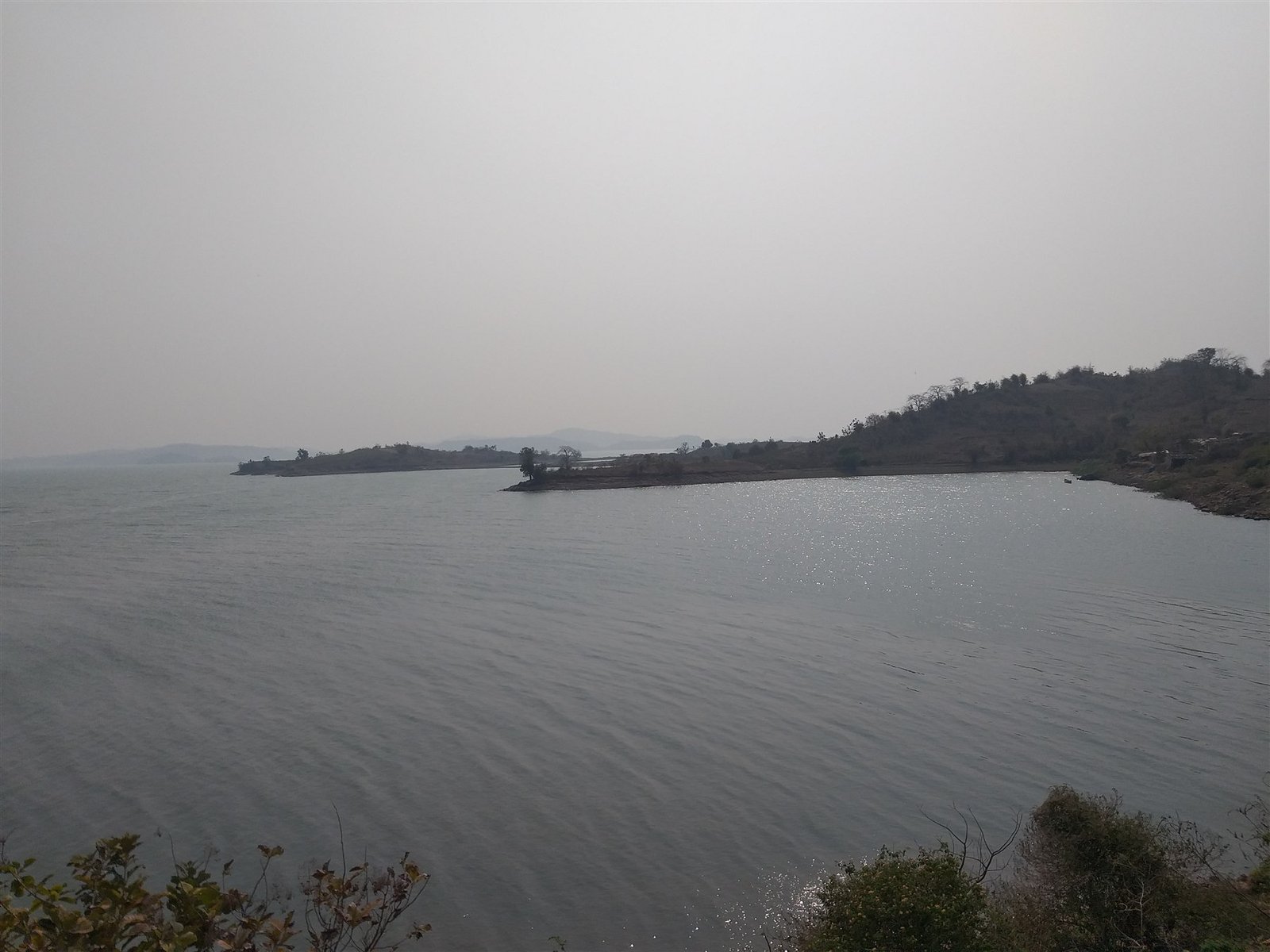
The Tapi (Tapti) is one of the major rivers of peninsular India — one of only a few that flow westward to the Arabian Sea — and it is the defining feature of Tapi district, which takes its name from the river. Rising in the highlands of Madhya Pradesh, the Tapi flows through Maharashtra and Gujarat before reaching the sea at Surat.
Through Tapi district, the river runs in its forested middle course, gathered by the Ukai Dam into the vast Vallabh Sagar reservoir and diverted by weirs for irrigation, before continuing its journey to the plains. The Tapi is also a sacred river — Tapti is, in Hindu tradition, regarded as a daughter of the sun god Surya, and the river is venerated along its course with ghats, riverside shrines and bathing places.
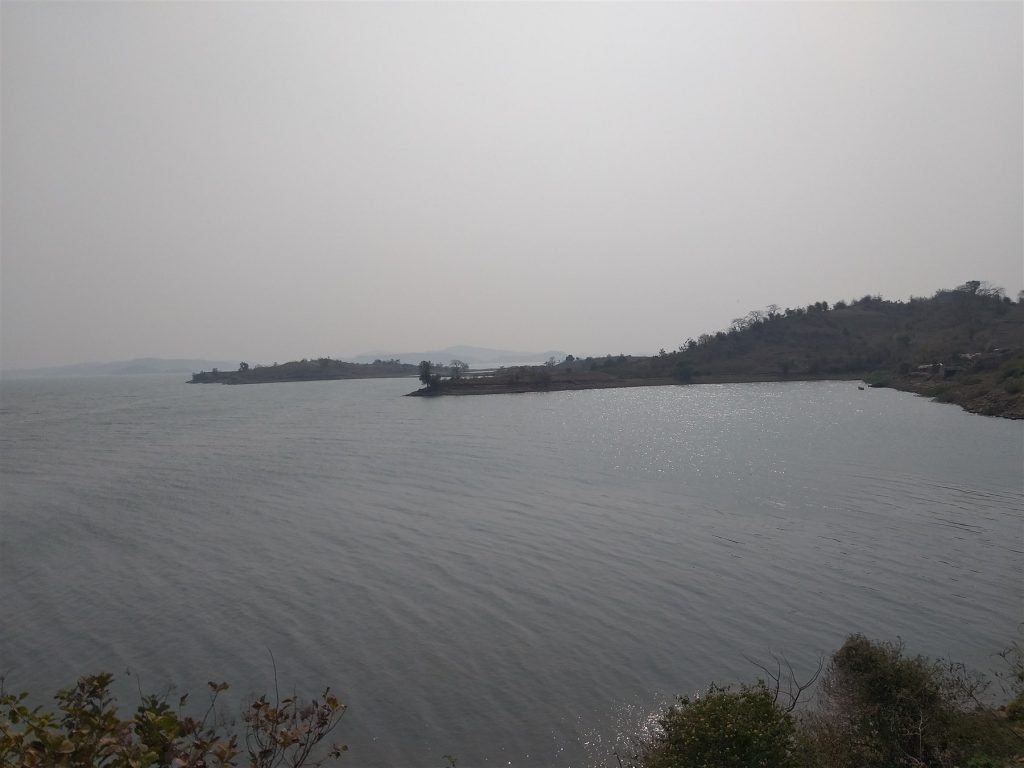
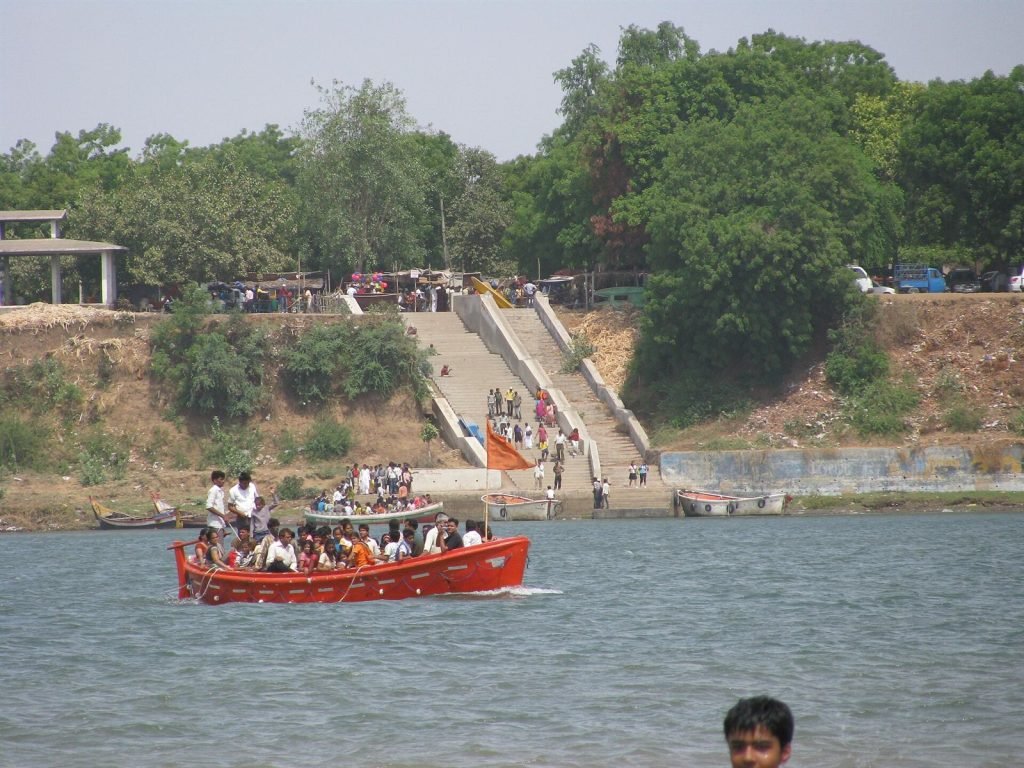
The riverbanks support agriculture, fishing and the everyday life of the riverside communities. For the visitor, the Tapi riverfront in the district offers scenic riverside landscapes — the wide river, the forested and agricultural banks, the ghats and shrines, and the great reservoir — best appreciated after the monsoon when the river runs full.
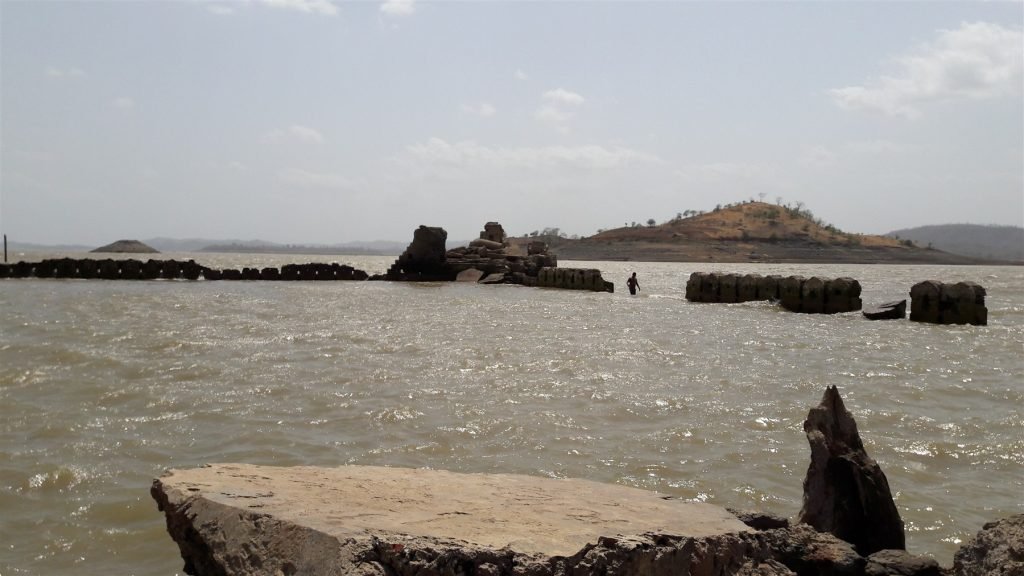
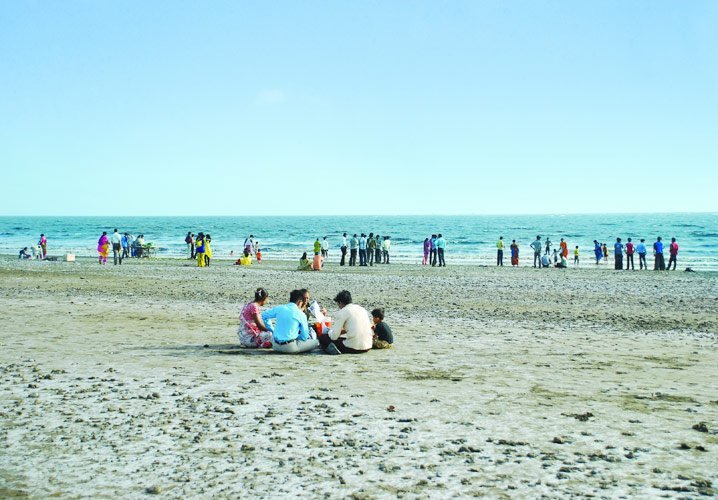
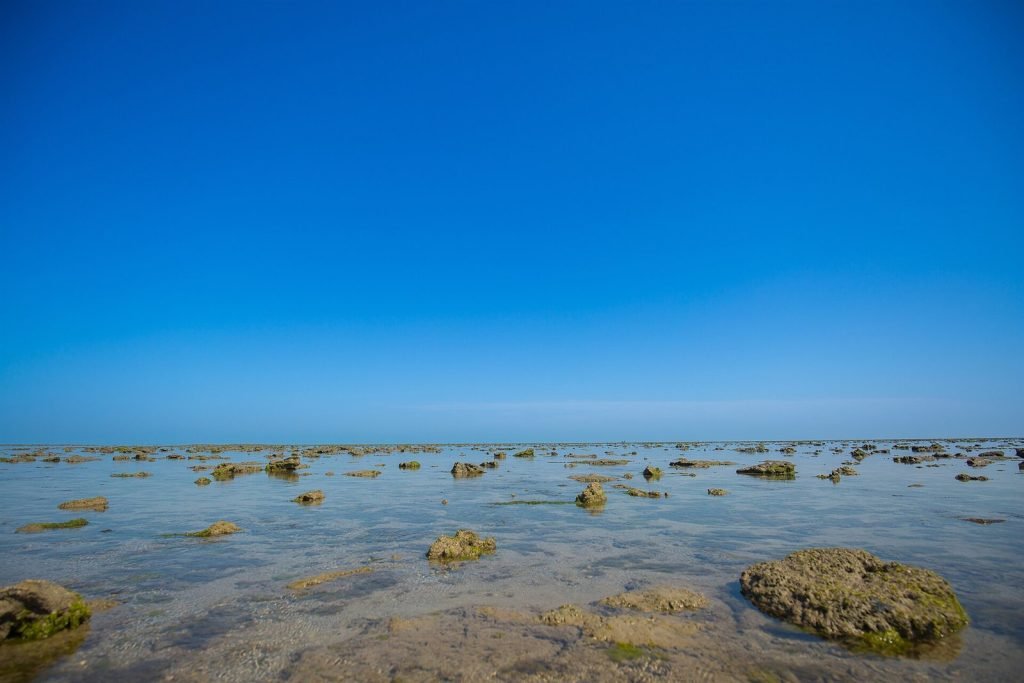
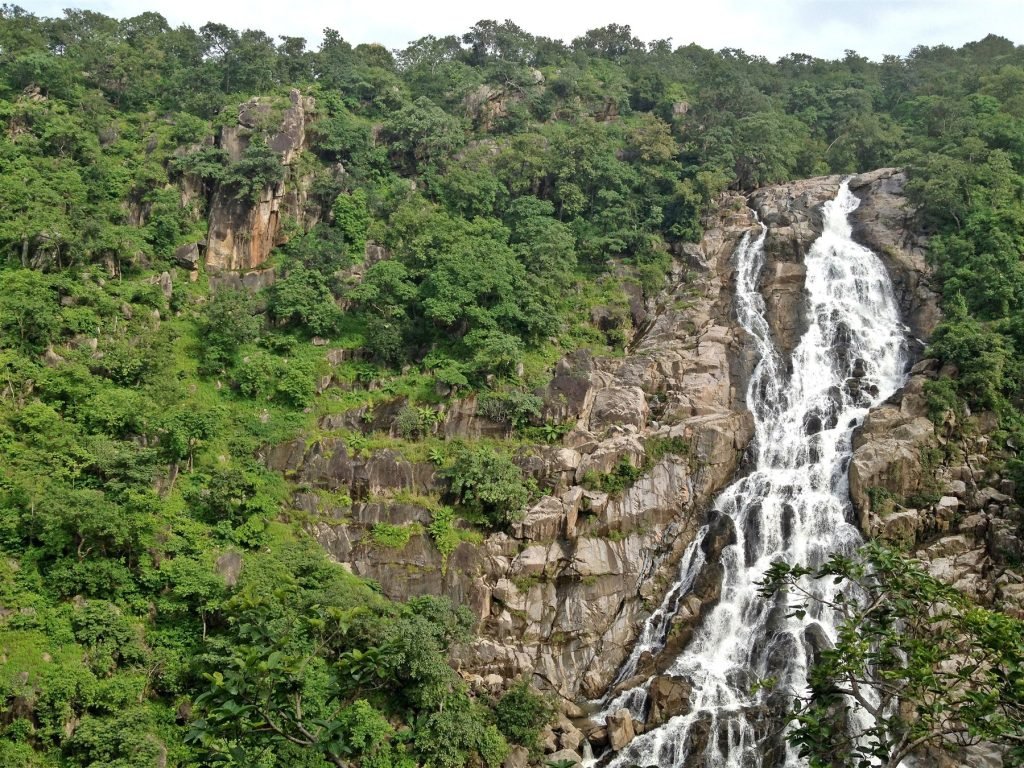
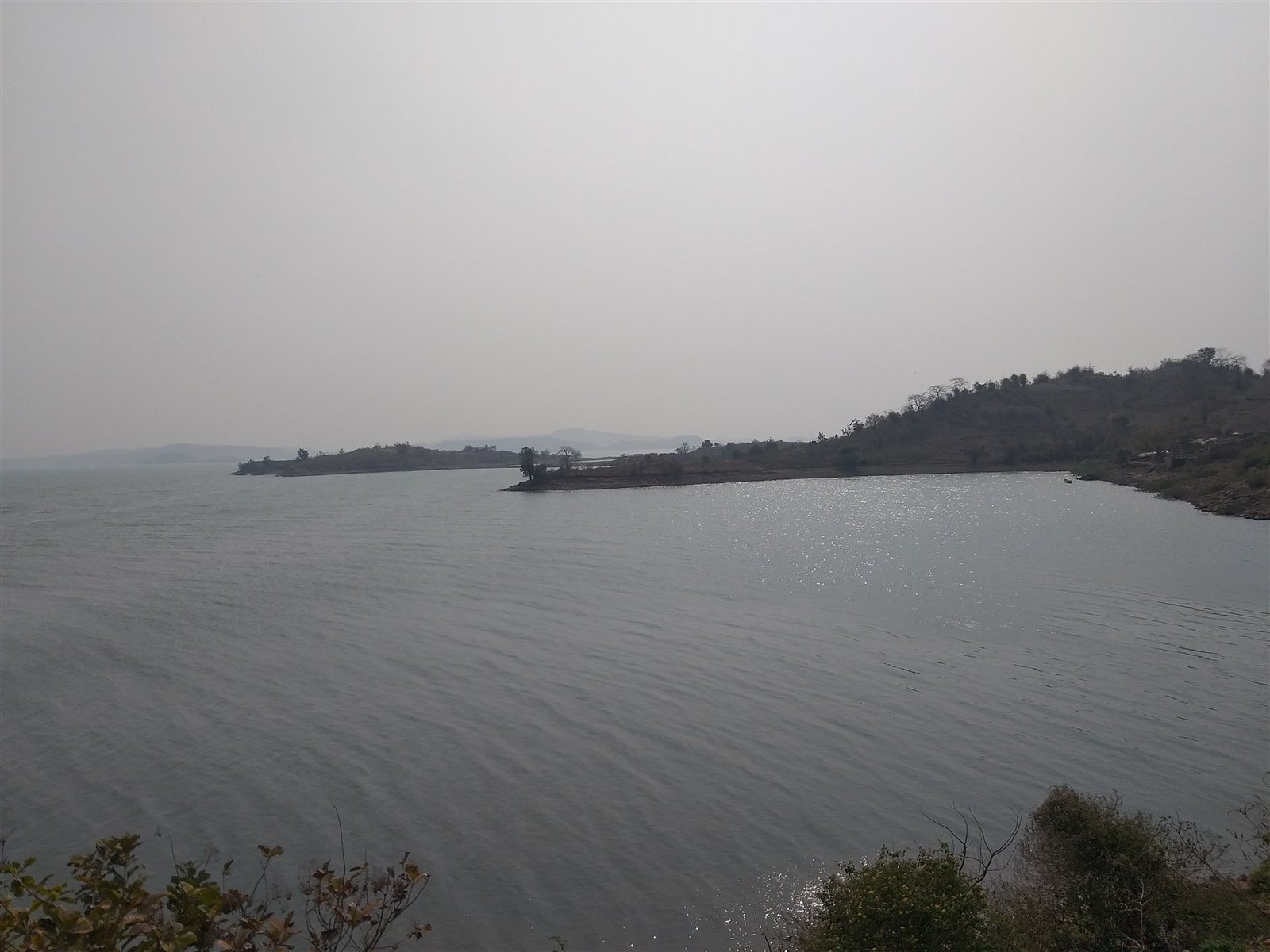
Tapi river shore. Source: Wikimedia Commons.
Tapi river. Wikimedia Commons.
From Madhya Pradesh to Surat, the Tapi travels across three states before reaching the Arabian Sea.
One of the rare major Indian rivers to flow westward rather than to the Bay of Bengal.
The river gives its name to Tapi district, whose life is shaped by its course.
A sacred, scenic river — venerated with ghats and shrines and gathered by Ukai into Vallabh Sagar.
A great river — one of peninsular India's major westward-flowing rivers.
Venerated as Tapti, a daughter of the sun god Surya.
Scenic banks, wide water and open riverside landscapes.
Riverside shrines and bathing places along the holy river.
Farms and fishing that sustain the communities along the banks.
The river that names Tapi district and defines its country.
Wide and sacred — the district's defining river.
Forest and farms along the wide, scenic banks.
Ghats and shrines where the holy Tapti is venerated.
The vast reservoir gathered from the river's middle course.
The forested middle course of the river through the district.
The sacred story of Tapti, born of the sun god.
Take in the wide, flowing Tapi where it runs through the forested heart of the district.
Find riverside devotion at the ghats and shrines along the holy river.
Explore the forest and farms that line the river's course.
Discover the story of Tapti, revered as a daughter of the sun god Surya.
Come when the river runs fullest and the landscape is at its greenest.
Pair the riverfront with the great reservoir gathered by the Ukai Dam.
Tapi river. Wikimedia Commons.
The Tapi is one of peninsular India’s major rivers and one of the few to flow westward to the sea, rising in Madhya Pradesh and reaching the Arabian Sea at Surat. Through Tapi district it runs in its forested middle course, gathered by Ukai into Vallabh Sagar.
A sacred river — Tapti, daughter of the sun god Surya — it is venerated with ghats and shrines, and gives the district its name. A great sacred river; scenic riverside points and ghats; best after the monsoon and in winter.
The Tapi — a major westward-flowing river
Gives Tapi district its name
Sacred as Tapti, daughter of Surya the sun god
Scenic riverfront, ghats and the Ukai reservoir
Cool and clear — ideal. Comfortable all day and perfect for unhurried riverside wandering.
Forests, falls and full water. The river and the landscape come to life.
Hot; early morning best. Still doable if you come right at dawn.
⏰ Winter is ideal; the monsoon brings the Tapi, the forests and the falls to life.
Surat airport is the nearest, roughly 70 km away, with flights from major Indian cities.
Vyara and Songadh stations serve the district and sit close to the river.
Reach the riverfront easily from Surat via the national highway and district roads.
POST-MONSOON FRIENDLY
Come at dawn or in the late afternoon when low sun rakes across the water and the banks.
The wide river, the forested and farmed banks, the ghats and shrines, and the great reservoir.
Keep the ghats and riverside shrines calm; ask before photographing people at worship.
A standard zoom suits the riverfront; go wide for the sweeping river and reservoir views.
Comfort home cooking — an unlimited plate of dals, sabzis, rotla and sweets.
Rice and forest produce, the everyday cooking of the district's Adivasi villages.
The millet staple — hearty flatbread of the forested uplands.
Alongside Gujarati thalis, look for tribal rice dishes, nagli rotla and forest honey from Adivasi villages.
After the Tapi (Tapti) river that runs through it.
Yes — Tapti is venerated as a daughter of the sun god Surya.
It is one of the few major Indian rivers to flow westward.
From Madhya Pradesh to the Arabian Sea at Surat.
After the monsoon, when the river runs full.
Ghats, shrines, the Ukai reservoir and riverside life.
A hall mapping India's saints & geography
A long, clean beach near Diu
A forest-edge town near eastern Gir
An ancient sun temple at Prabhas Patan
A clean, certified beach near Dwarka
WHERE TO STAY
Compare live prices across the big booking sites and reserve in a few taps. Booking happens securely on the partner's site — we may earn a small commission at no extra cost to you.
Book directly on our partner sites — tap a provider to see live Gujarat hotels & prices:
SHOP THE REGION
Hand-picked crafts and trip gear, available on Amazon.
Search Gujarat Explorer
Find places, food, festivals and travel guides across Gujarat
Press Enter to search — or Esc to close
Plan Your Trip
Gujarat Explorer is an independent travel guide. We’re happy to help you shape an itinerary and point you to the right places, stays and experiences across Gujarat.
Book a Cab