
Mausolea of the merchants
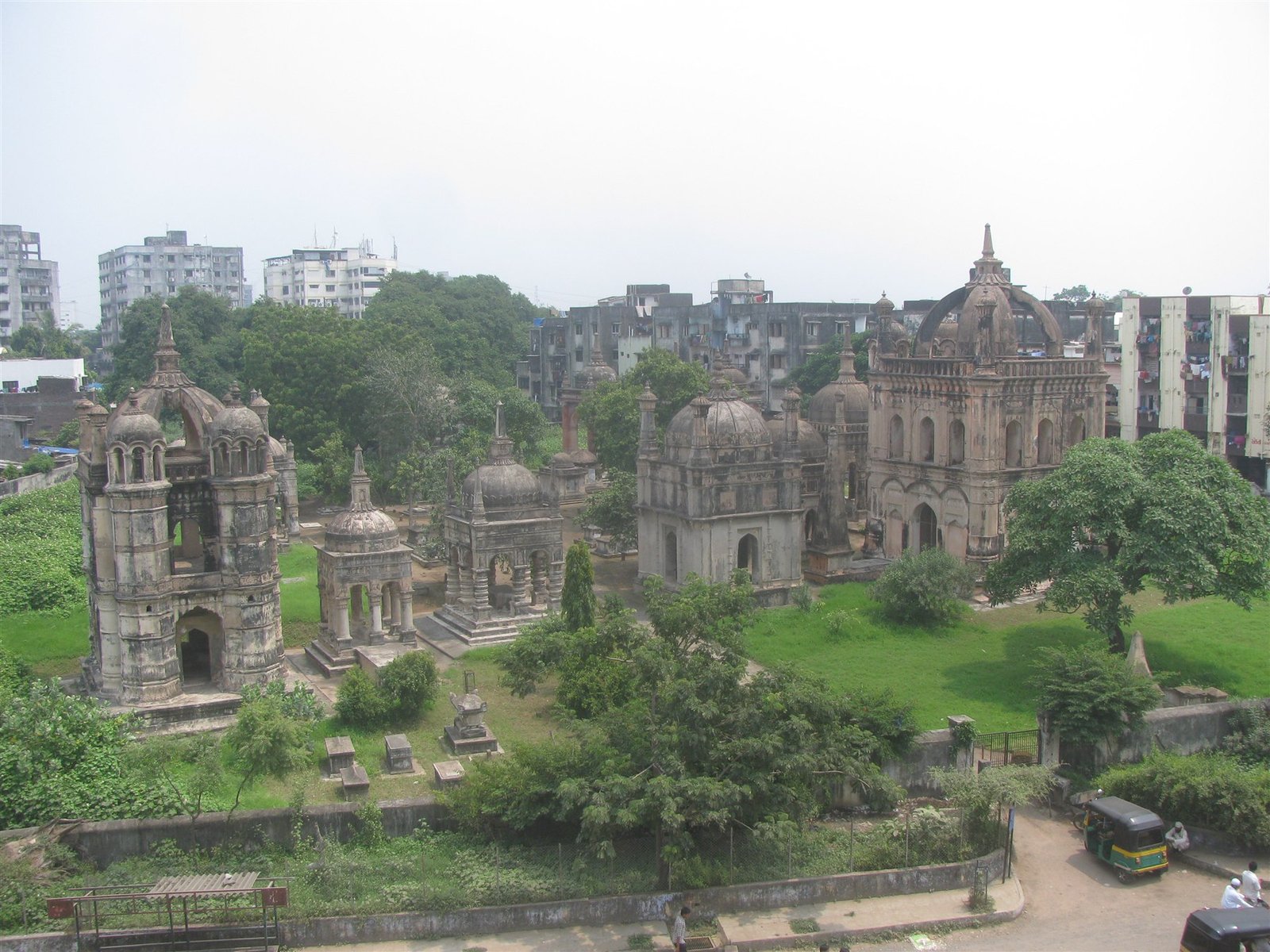
Among Surat’s most remarkable and atmospheric heritage sites are the old English and Dutch cemeteries, where the European merchants who made the city one of the world’s great ports lie buried beneath extraordinary monuments. The grandest is the towering domed Dutch tomb of Baron Adriaan van Reede — a vast double-storeyed mausoleum that rivals a small temple in scale — while the English cemetery holds the imposing tomb of Sir George Oxenden, an early East India Company president, and others.
Built in the 17th and 18th centuries in a fascinating fusion of European and Indian styles, these mausolea are a unique record of the cosmopolitan, dangerous and lucrative world of early-modern maritime trade. Quiet, evocative and unlike anything else in the city. (Heritage cemeteries; respectful visiting; free.)
The great Dutch tomb, Surat.
Merchants who died far from home
The English cemetery, Surat.
In Surat's great-port century, when the city was India's richest harbour, its European merchants were buried beneath monuments of astonishing grandeur.
Baron Adriaan van Reede's tomb of 1691 is the culmination — a towering double-storeyed domed mausoleum with galleries and cupolas, grander than most palaces of its day.
In the English cemetery stands the imposing tomb of Sir George Oxenden, an early president of the East India Company's Surat factory, alongside ranks of lesser monuments.
Together they form a fascinating fusion — European memorial ambitions carried out by Gujarati builders in domes, chhatris and carved stone.
Reasons to make the time
Grand mausolea
The tombs are built at temple scale — domes, colonnades and stairways for merchants.
Dutch & English
Two cemeteries survive — English and Dutch — a short distance apart.
Indo-European
European forms carried out by Indian builders make a genuine fusion style.
Merchant history
These were the traders of Surat's great-port century, buried grandly.
Atmospheric
The grounds are quiet, overgrown in corners, and deeply evocative.
Unique
Nothing else in modern Surat looks or feels like them.
What to look for inside
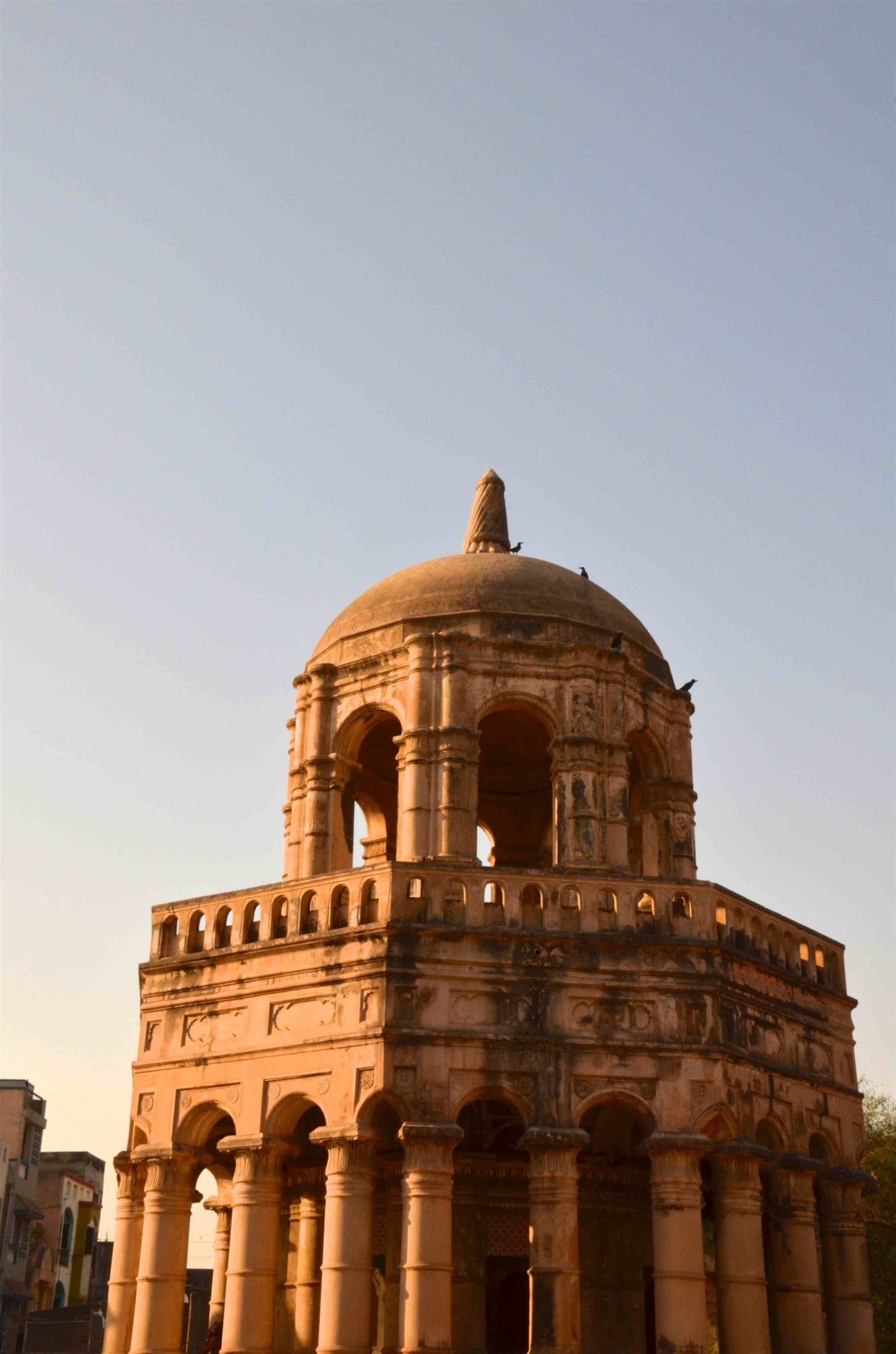 DUTCH TOMB
Van Reede
A vast mausoleum.
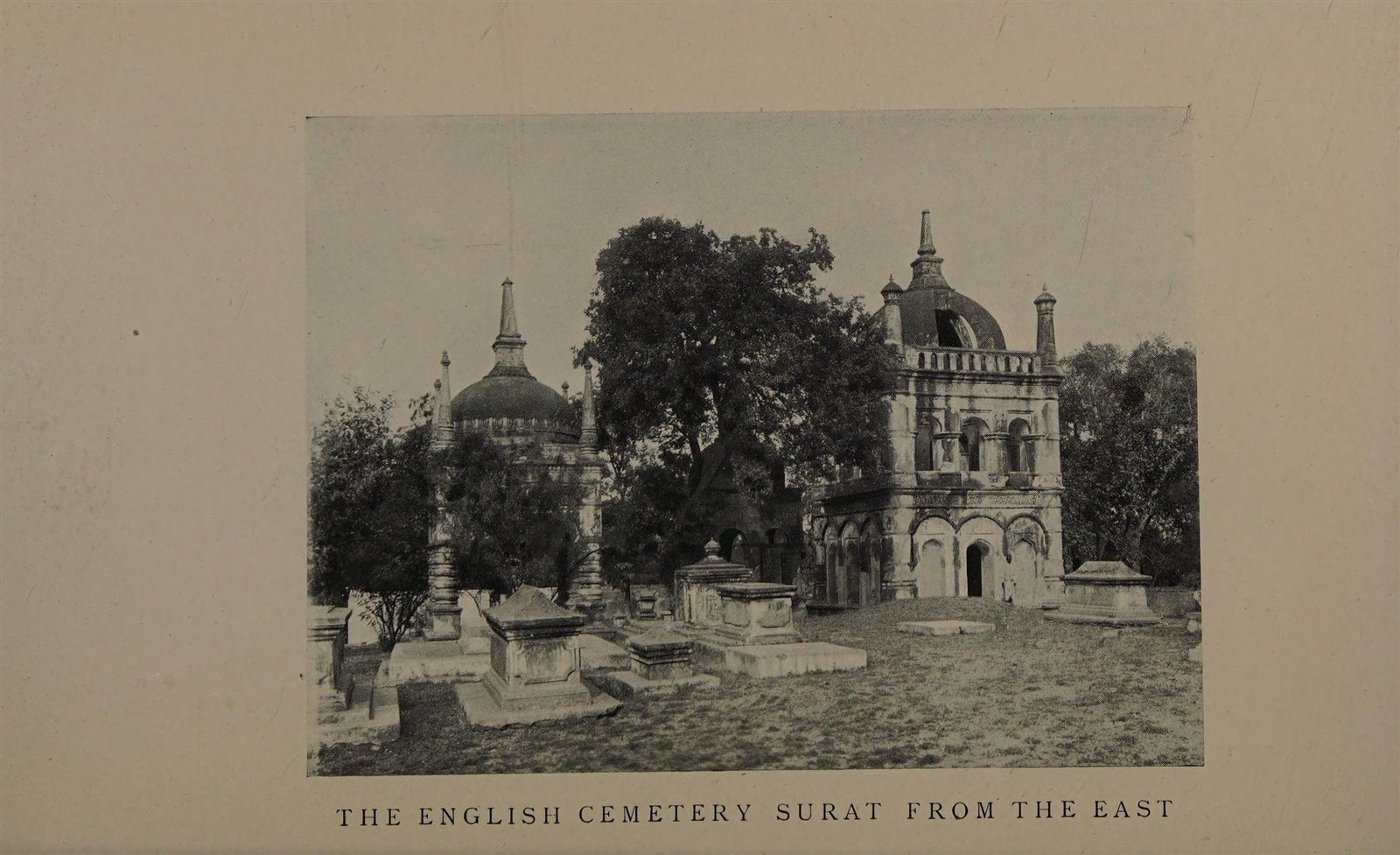 ENGLISH TOMBS
The cemetery
Oxenden & others.
How to spend an hour or two
See the great Dutch tomb
Start at van Reede's mausoleum, the vast double-storeyed Dutch tomb.
Find the English tombs
Find Oxenden's monument among the English graves.
Study the fusion styles
Read the fusion — European plans, Indian domes and detail.
Learn the merchant history
Think of the port these traders worked; Surat was then India's greatest.
Sense the era
Take the cemeteries as documents of early-modern trade.
Photograph the domes
Photograph the monuments in the soft morning light.
Colonial mausolea, Surat.
Tombs of a trading age
Surat’s English and Dutch cemeteries hold extraordinary 17th–18th-century mausolea of the European merchants who traded here — the towering domed Dutch tomb of Baron van Reede and the English tomb of Sir George Oxenden among them — in a striking fusion of European and Indian styles. A unique record of early-modern maritime trade.
It sits within Surat district — browse more places to visit in Surat.
Grand domed mausolea
Dutch & English cemeteries
17th–18th-century tombs
Indo-European fusion styles
When to go
October to March is the pleasant season for Surat's outdoor heritage.
The monsoon leaves the grounds green and atmospheric.
April to June is hot and humid; go at opening time.
⏰ Visit in the cooler months; combine it with Surat's other riverfront and old-city sights.
Timings & entry
- Open in daytime hours
- Best in the cool season
- An easy Surat stop
- Pair with nearby sights
- Free to visit
- Respectful visiting
- Combine with the Dutch Garden
- Atmospheric & quiet
Getting there
By Air
Surat airport (~15 km).
By Rail
Surat railway station.
By Road
In/around Surat.
At English & Dutch Tombs
STONE & MEMORY
Monuments of a merchant age
What to shoot
The great Dutch tomb of van Reede.
Detail
Carved mausolea among the trees.
Context
The cemetery grounds themselves.
Best light
Morning light through the monuments.
Know before you go
More to see close by
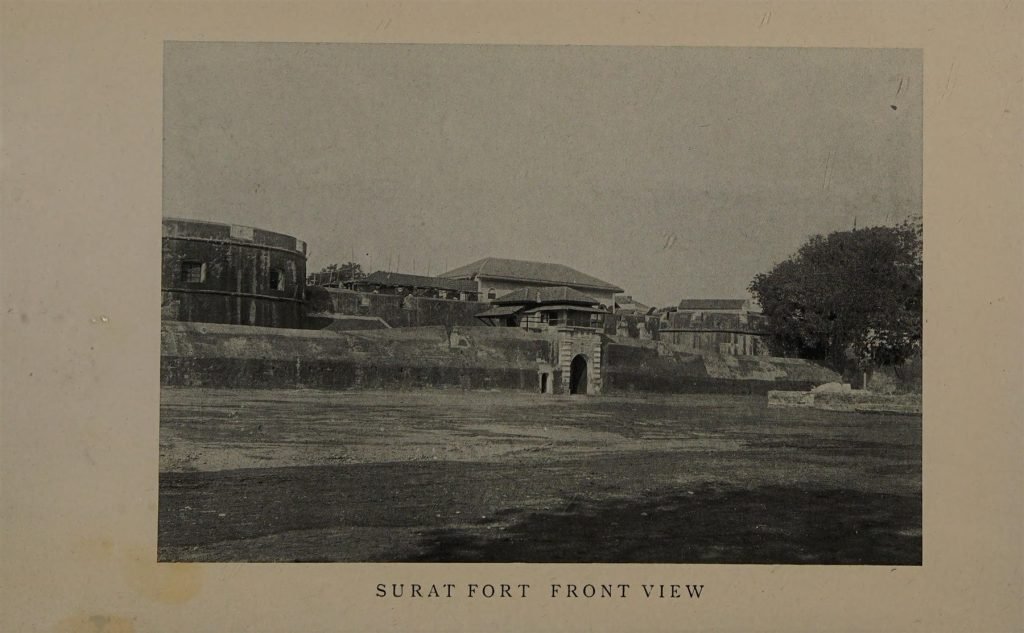 HERITAGE
Surat Castle
A 16th-century riverside fort by the Tapi
 OLD CITY
Surat Old City
Bazaars, havelis & the textile quarters
Chintamani Jain Temple
Centuries-old temple with fine wood carving
 SEAFOOD
Dumas Food Street
Famous bhajiya, locho and sea breeze
Dutch & Armenian Churches
Relics of Surat’s trading-port era
 SEASIDE
Suvali Beach
A quieter stretch of the southern coast
Where to eat near English & Dutch Tombs
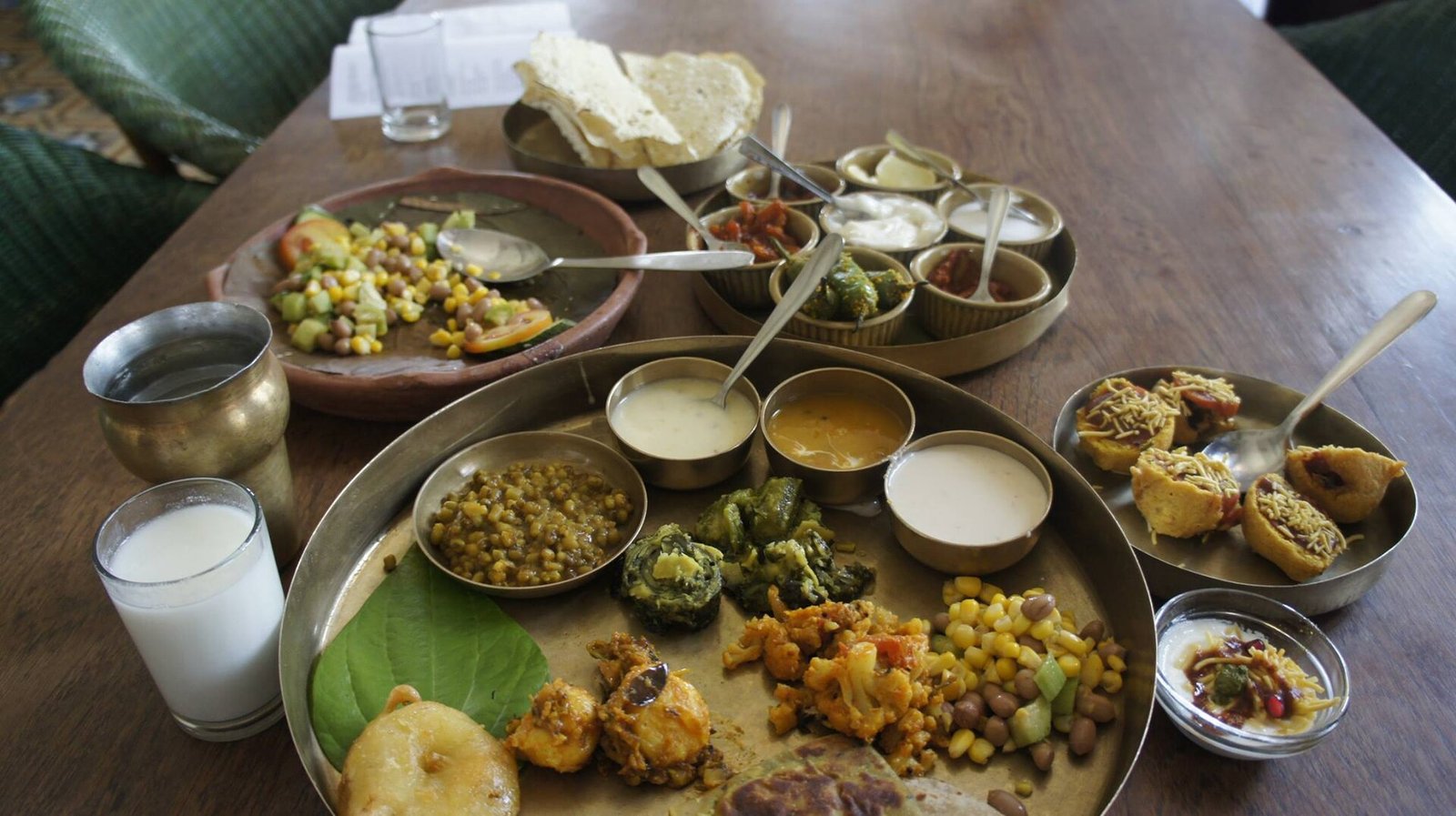 THALI
THALISurti meals
Sweet-savoury thalis.
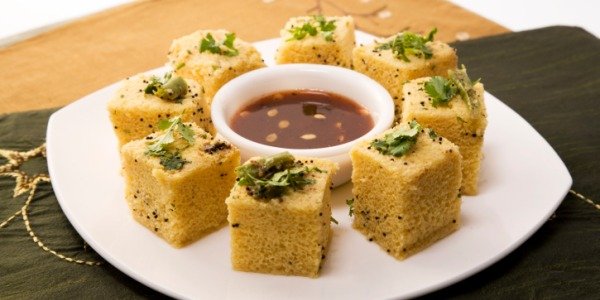 LOCHO
LOCHOLocho & khaman
Surat's soft farsan.
 STREET
Surti street food
Ghari, undhiyu & more.
Foodie city
Famous for locho, undhiyu, ghari & ponk.
English & Dutch Tombs FAQ
What is English & Dutch Tombs?
The old English and Dutch cemeteries of Surat, where the European traders of the city's great-port era lie beneath astonishing temple-scale mausolea — among the most evocative and least-visited colonial-era monuments in India. Van Reede's vast domed tomb of 1691 and Oxenden's monument are the centrepieces, and the fusion of European memorial form with Gujarati building craft makes the grounds unlike anywhere else in the state.
Where is it?
In Surat, in the Katargam area north of the old city, a short auto ride from the castle-fort and the riverfront.
Is there an entry fee?
Free — the grounds are open through the day, and a caretaker will often walk visitors around for a small consideration.
When should I visit?
October to March, the cool dry season, and in the morning, when the light is soft on the stone and the grounds are at their quietest.
What's nearby?
Surat's castle-fort on the Tapi, the old city and its legendary food streets, the Dutch Garden nearby, and the riverfront promenade.
How long does it take?
About an hour covers both cemeteries at an unhurried pace, and photographers will happily take longer.
Related places across Gujarat
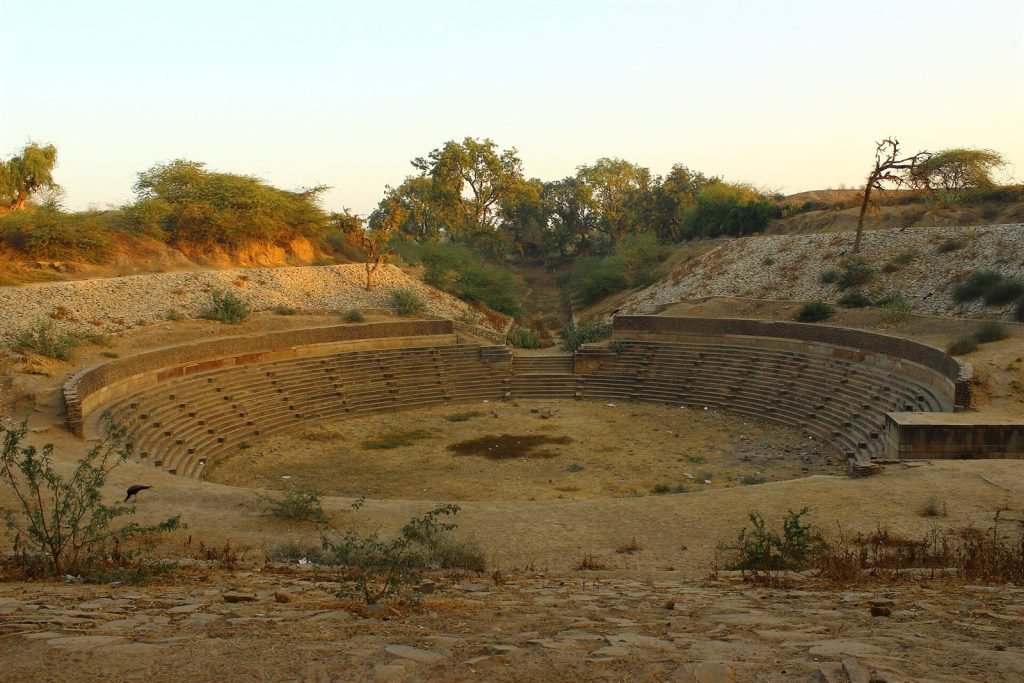
Tankara Dayanand
Birthplace of Maharshi Dayanand Saraswati
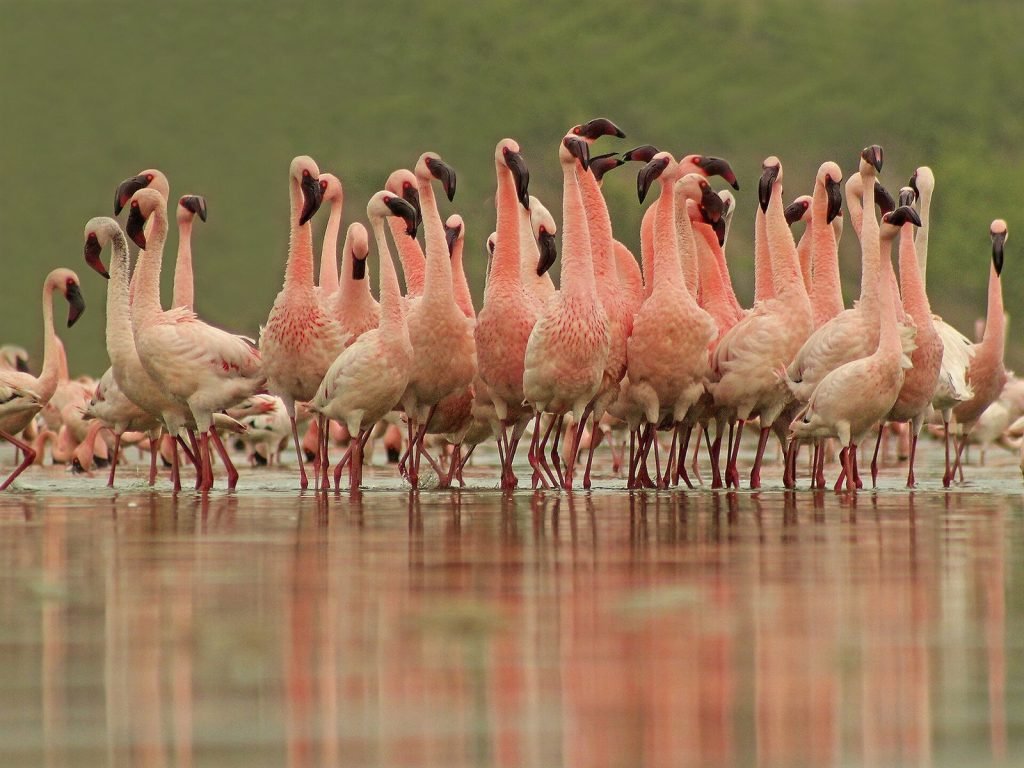 BIRDS
BIRDSPorbandar Bird Sanctuary
A central wetland alive with migratory birds

Swaminarayan Temple, Anand
The white marble of the Akshar tradition — Swaminarayan Temple in Anand, of the BAPS tradition,…

Narmada Ghats
Riverside worship near the backwaters
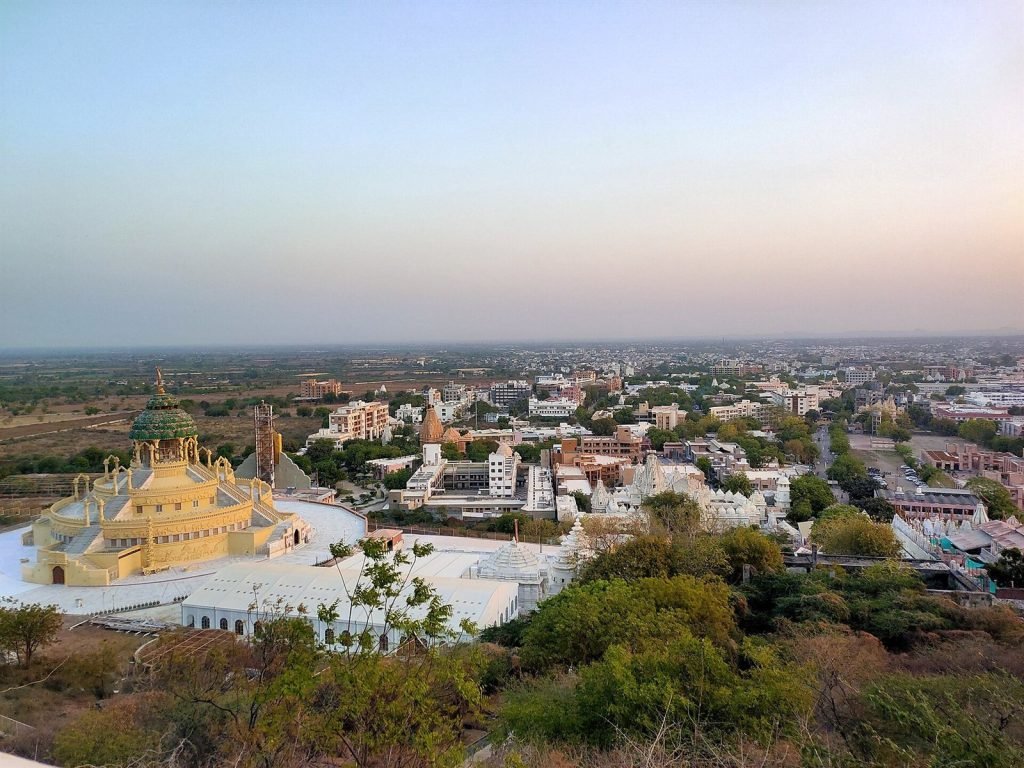
Shatrunjaya Summit
◐ Dawn · the temple-city
 6
6Guhai Backwaters
A peaceful birding spot off the map
WHERE TO STAY
Find your stay in Gujarat
Compare live prices across the big booking sites and reserve in a few taps. Booking happens securely on the partner's site — we may earn a small commission at no extra cost to you.
Book directly on our partner sites — tap a provider to see live Gujarat hotels & prices:
SHOP THE REGION
Bring home Gujarat — & travel essentials
Hand-picked crafts and trip gear, available on Amazon.
Published 24 June 2026 · Updated 24 August 2026
We’re an independent group of writers and travellers documenting every corner of Gujarat — one place, plate and festival at a time.