
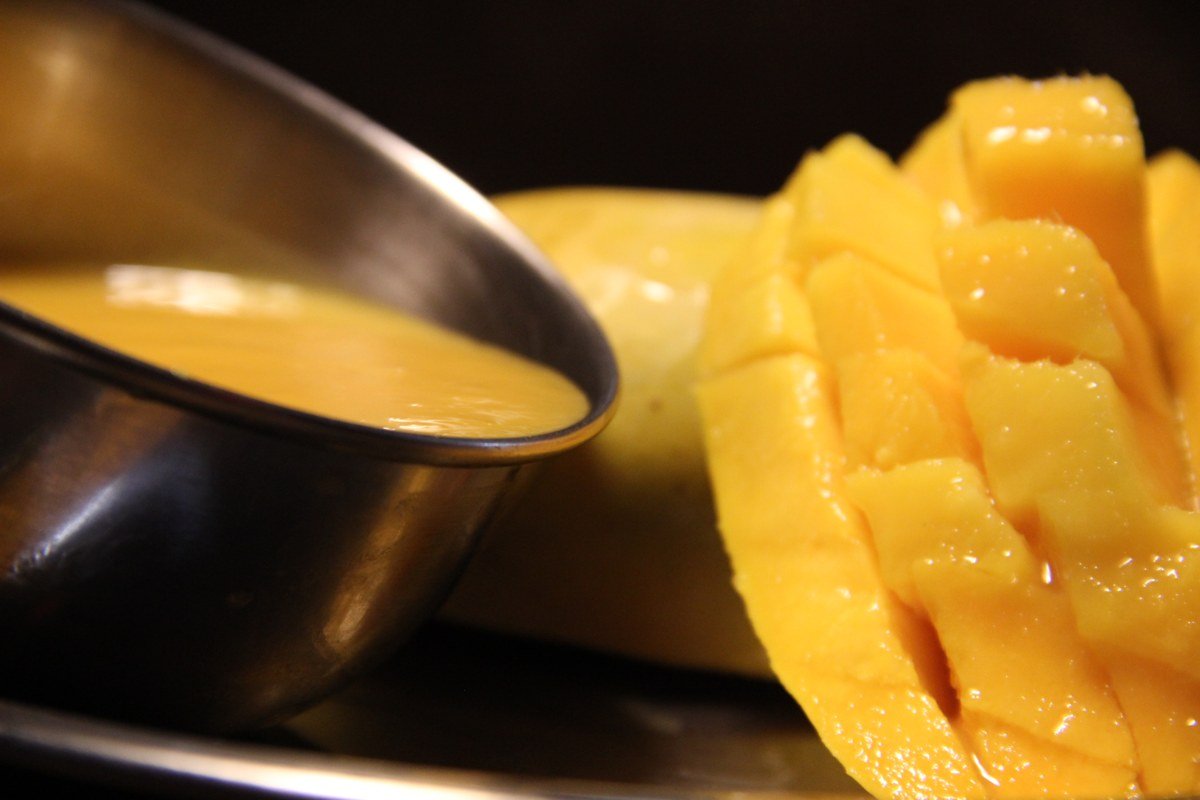
About Aamras
Aamras is simply the pulp of ripe mangoes — often the prized Kesar or Alphonso — squeezed or blended smooth, sometimes loosened with a little milk and lightly spiced with cardamom or dry ginger. Thick, golden and intensely fragrant, it needs almost nothing else.
It’s the defining treat of the Gujarati summer: eaten with hot puri (aamras-puri), poured over rice with ghee, or simply spooned from a bowl. When Kesar mangoes from Gir and Kutch arrive, aamras becomes a daily ritual.
Aamras is less a recipe than a ritual. Ripe mangoes are squeezed and pulped by hand — many households insist that a blender bruises the fruit and dulls the flavour — then passed through a sieve to remove fibre and chilled until the meal. The only additions permitted by tradition are a little milk or sugar to loosen and balance an underripe batch, and a pinch of cardamom, dry ginger or saffron.
The variety matters more than anything a cook can do. Gujarat’s own Kesar mango, grown in the orchards around Talala and Junagadh in the shadow of Girnar, carries a geographical-indication tag and is prized for its saffron-coloured pulp and intense aroma; Alphonso from the coast further south is its principal rival. Aamras made from either, eaten with hot puri on a hot afternoon, is the plainest argument for Gujarati summer cooking.
The story
Gujarat’s Kesar mango — grown around Gir and Kutch — is among India’s finest, and aamras is the simplest, most loving way to enjoy it. For a few summer months, aamras-puri appears on tables across the state.
Key ingredients
How it's made
Choose ripe mangoes
Sweet, fragrant Kesar or Alphonso are best.
Extract the pulp
Mangoes are squeezed or blended into a smooth pulp.
Adjust
Loosened with a little milk and a touch of cardamom if liked.
Serve
Chilled, with hot puri or over rice with ghee.
How it tastes
Aamras is pure mango, sweet and fragrant, with the particular honeyed depth of the Kesar and Alphonso varieties that Gujarat and the neighbouring coast produce. A little sugar may be added if the fruit is not fully ripe, and a pinch of cardamom or dry ginger is traditional in some households, but the best aamras tastes of nothing but the fruit, served cold and thick enough to coat a puri.
Where to eat it
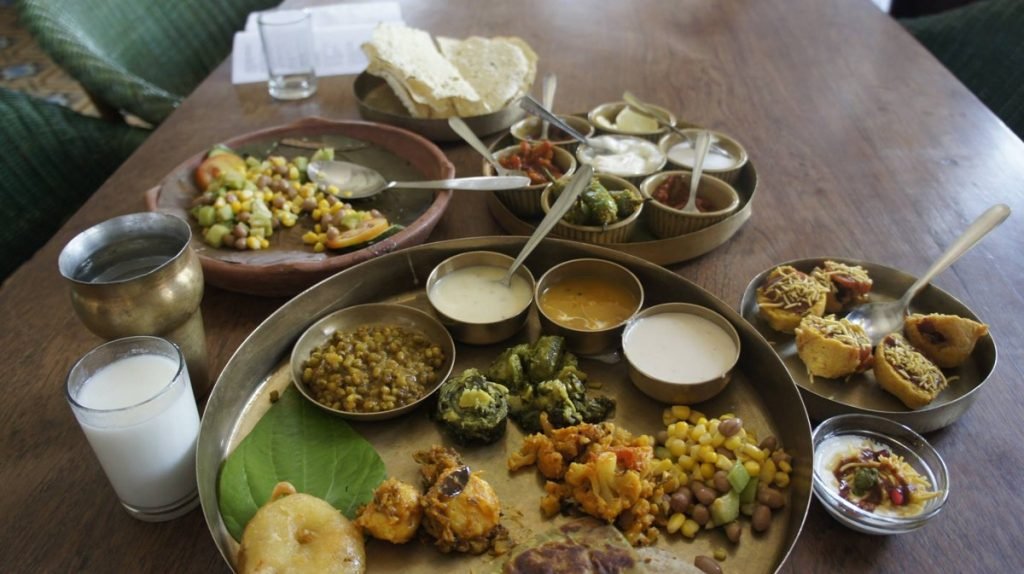
Aamras is a home preparation and a seasonal restaurant special rather than a shop-bought item, though tinned and chilled versions are sold everywhere through the summer. Gujarati thali restaurants across the state add it to the standard thali from April onward, and the Girnar and Talala belt of Saurashtra, which grows the celebrated Kesar mango, is the place to eat it at its source.
Worth seeking out
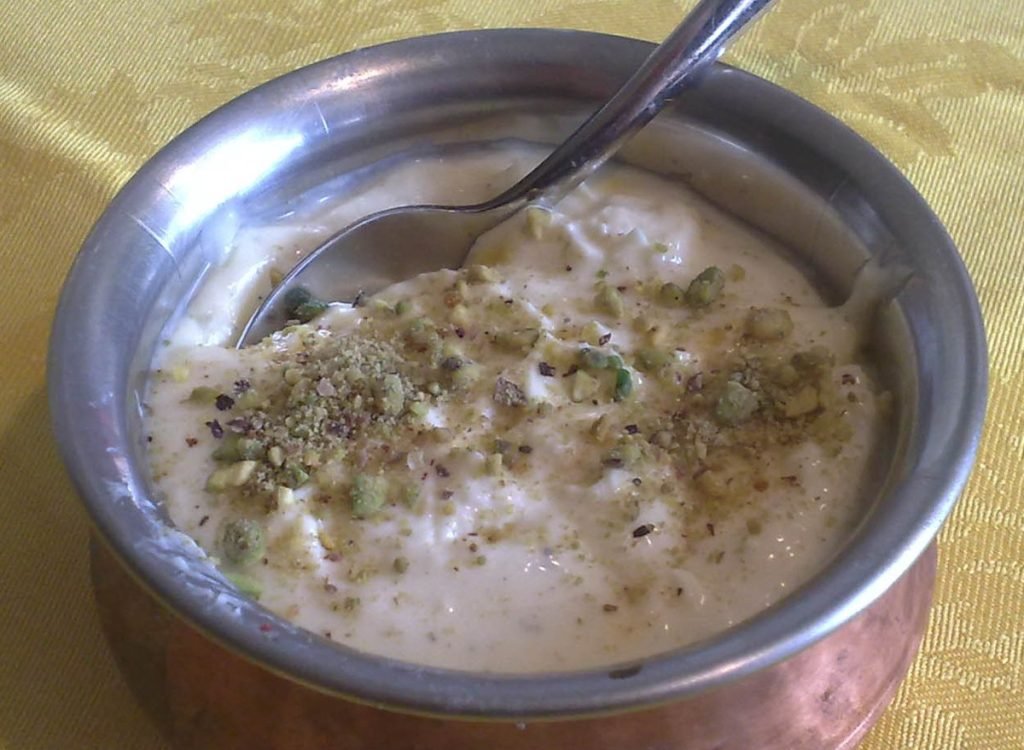
Kesar Aamras
From Gujarat's prized Kesar mango.
Alphonso Aamras
From the rich Alphonso (hapus).
Aamras with milk
Lightened with a little milk.
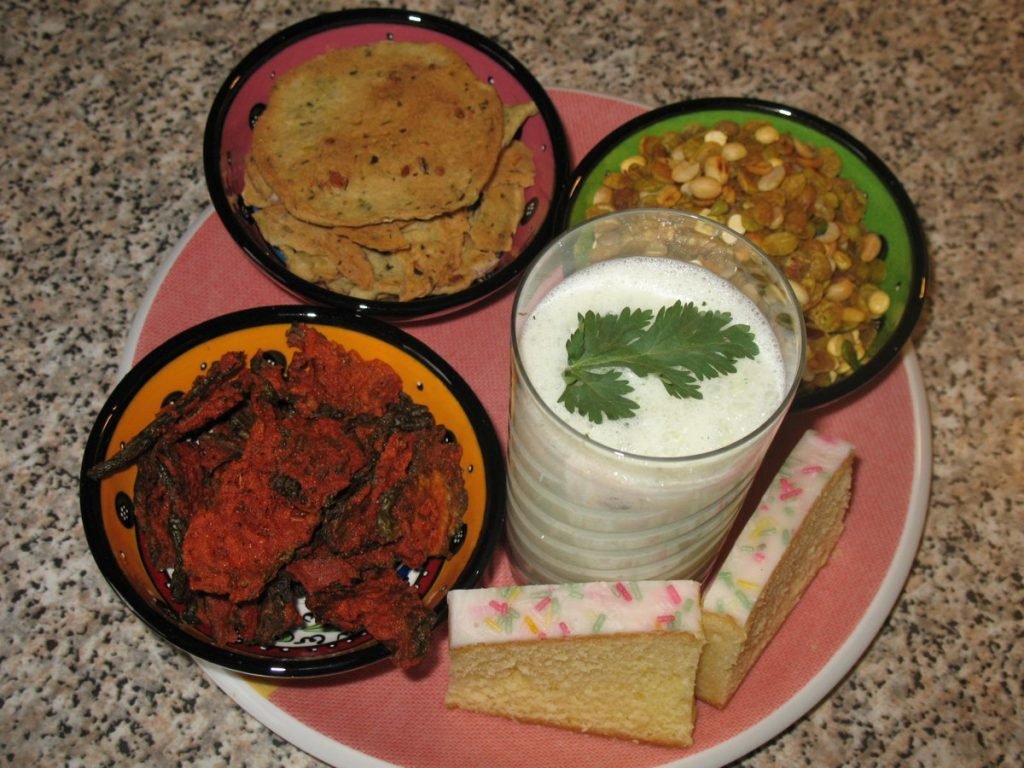
Pairs well with
On the table
Aamras is strictly a summer dish, appearing when the first ripe mangoes reach the market around April and disappearing when the monsoon arrives. It is eaten as part of the meal rather than as a dessert, poured generously over puri or eaten with rotli and a spoonful of ghee, and for many Gujarati families it is the thing that defines the season.
Foodie tips
Good to know
What is aamras?
Smooth pulp of ripe mangoes, sometimes lightly sweetened or spiced with cardamom, eaten as a sweet dish or with puri.
Which mangoes are used for aamras?
In Gujarat, the prized Kesar mango (from Gir and Kutch) is the favourite; Alphonso is also popular.
What is aamras-puri?
The classic Gujarati summer meal of fresh aamras scooped up with hot, puffy fried puris.
When is aamras available?
Only in the summer mango season (roughly April to June), which makes it a seasonal treat.

WHERE TO STAY
Find your stay in Gujarat
Compare live prices across the big booking sites and reserve in a few taps. Booking happens securely on the partner's site — we may earn a small commission at no extra cost to you.
Book directly on our partner sites — tap a provider to see live Gujarat hotels & prices:
SHOP THE REGION
Bring home Gujarat — & travel essentials
Hand-picked crafts and trip gear, available on Amazon.