
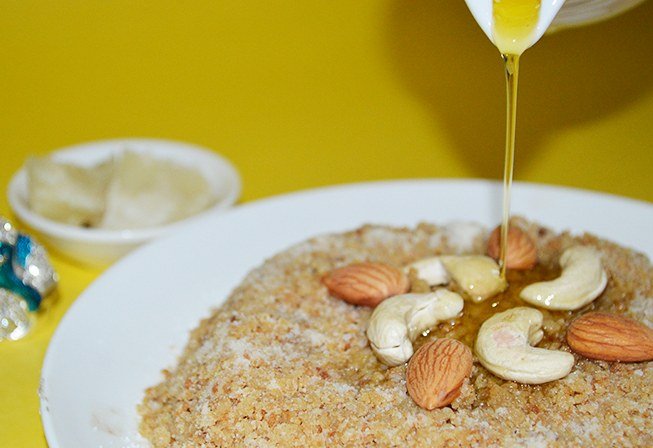
About Lapsi
Lapsi (fada lapsi) is made from broken or cracked wheat roasted in ghee until fragrant, then cooked with water or milk and sweetened with jaggery or sugar, finished with cardamom and plenty of nuts. The grains stay separate and chewy, glossy with ghee.
More than a dessert, lapsi is auspicious: it’s cooked to mark beginnings and good news — moving into a new home, weddings, festivals and religious occasions — making it one of the most symbolically loved Gujarati sweets.
Lapsi is made from fada, coarsely cracked whole wheat, which is roasted in a generous quantity of ghee over a low flame until it darkens and smells strongly nutty. This step decides the dish: an under-roasted lapsi tastes raw and pasty, while a properly roasted one keeps its grains distinct however much liquid it later absorbs.
Hot water is then added and the wheat left to swell and soften, covered, until fully cooked through. Jaggery goes in only at the end and off the heat, since boiling it hard turns the dish sticky and dulls its flavour, and it is stirred until dissolved. Cardamom, nutmeg, almonds and charoli finish the pot.
The dish’s ceremonial weight comes from its ingredients rather than its complexity. Wheat, ghee and jaggery are the three foods traditionally considered both nourishing and auspicious in Gujarati households, and a dish combining all three is what gets cooked when something is being marked. It is served warm, often with a further spoonful of ghee poured over each portion.
The story
Cracked-wheat sweets are ancient, and in Gujarat lapsi took on deep ceremonial meaning as a dish of good omen. Cooking lapsi is a way of inviting prosperity, so it appears at almost every happy milestone.
Key ingredients
How it's made
Roast the wheat
Broken wheat is roasted in ghee until golden and aromatic.
Cook
Water or milk is added and simmered until the grains soften.
Sweeten
Jaggery or sugar is stirred in with cardamom.
Finish
Loaded with ghee-fried nuts and raisins; served warm.
How it tastes
Lapsi is warm, nutty and moderately sweet, with the distinct toasted aroma of cracked wheat roasted in ghee and the deep, faintly smoky sweetness of jaggery behind it. The grains stay separate and slightly chewy rather than dissolving into porridge, cardamom scents the whole dish, and almonds and charoli give occasional crunch against the softness.
Where to eat it
Lapsi is overwhelmingly a home and community-kitchen dish rather than a shop item, made in large pots for weddings, religious gatherings and family occasions. Temple kitchens and community feasts across Gujarat and Rajasthan serve it regularly, and it is one of the standard sweets at a traditional Gujarati wedding lunch.
Two variations are worth knowing. Sukhdi and lapsi are often confused because both combine wheat, ghee and jaggery, but sukhdi uses fine flour and sets solid while lapsi uses cracked grain and stays loose. Some households also make a savoury lapsi, seasoned with salt and spices instead of jaggery, which is eaten as a main dish rather than a sweet and is common in parts of north Gujarat and Rajasthan.
Worth seeking out
Fada Lapsi
The classic broken-wheat version.
Lapsi with milk
Cooked in milk for extra richness.
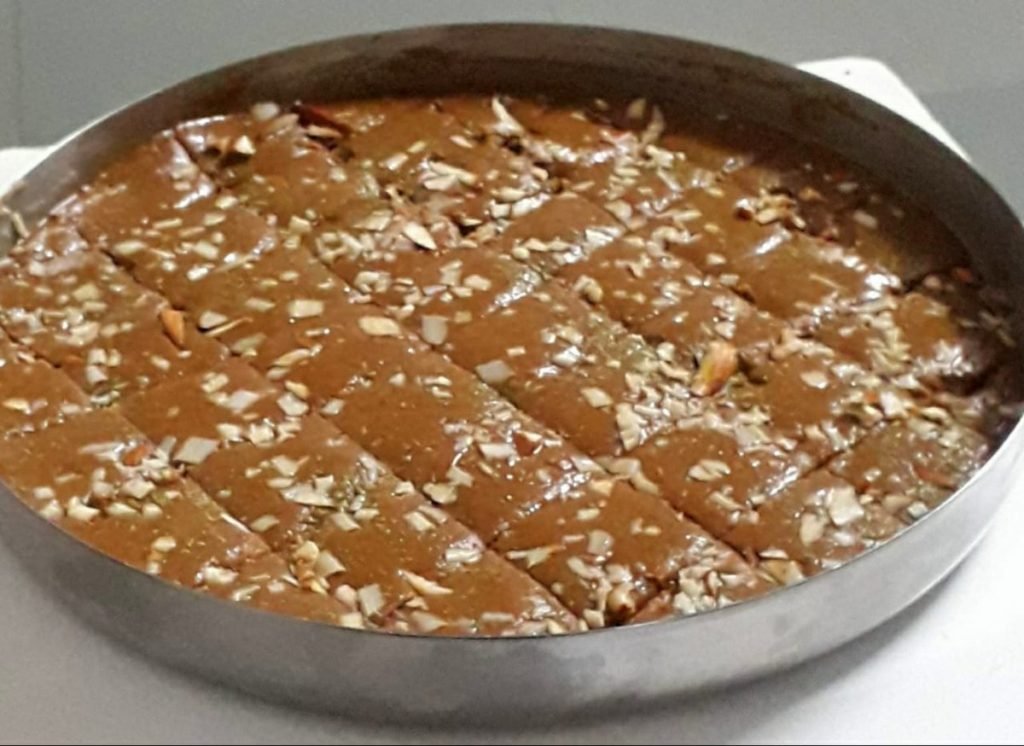
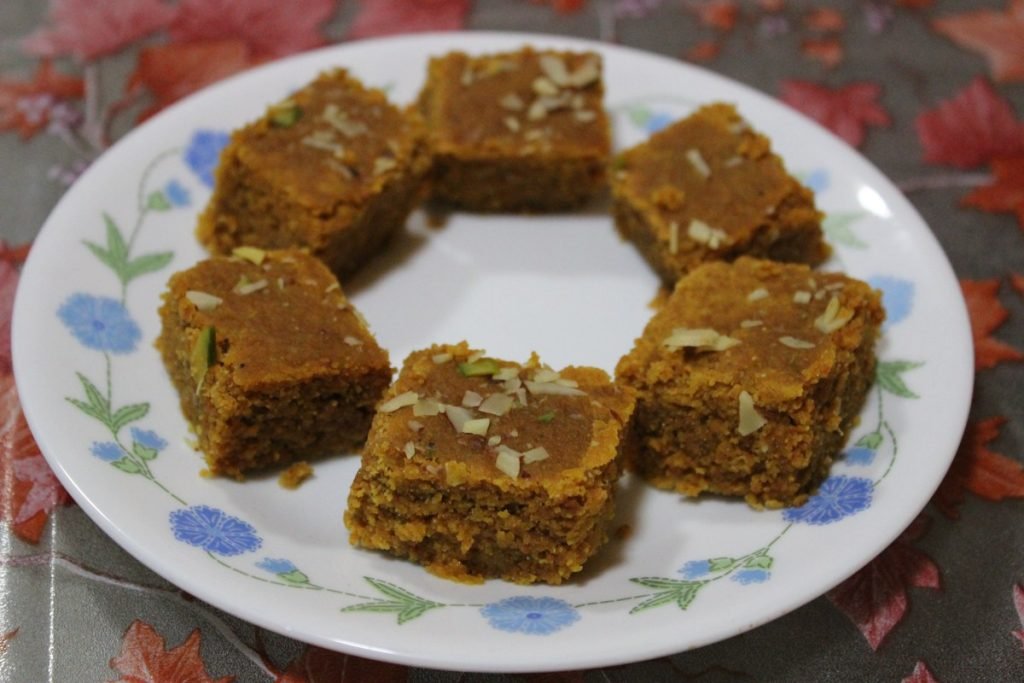
Sukhdi
A related wheat-and-jaggery fudge.
Pairs well with
On the table
Lapsi carries a strong auspicious association and is made to mark beginnings — a wedding, a housewarming, a new business, a child’s first day at school, or the return of someone from a long journey. It is also winter food, when ghee and jaggery are considered warming, and a common offering at religious ceremonies.
Foodie tips
Good to know
What is lapsi?
A Gujarati sweet of broken (cracked) wheat roasted in ghee and cooked with jaggery or sugar, cardamom and nuts.
Why is lapsi considered auspicious?
It's traditionally cooked to mark new beginnings and happy occasions — housewarmings, weddings and festivals — as a symbol of good fortune.
What is fada lapsi?
'Fada' means broken wheat; fada lapsi is the standard name for this cracked-wheat sweet.
What is lapsi served with?
Often warm on its own, or traditionally alongside kadhi and khichdi at celebratory meals.

WHERE TO STAY
Find your stay in Gujarat
Compare live prices across the big booking sites and reserve in a few taps. Booking happens securely on the partner's site — we may earn a small commission at no extra cost to you.
Book directly on our partner sites — tap a provider to see live Gujarat hotels & prices:
SHOP THE REGION
Bring home Gujarat — & travel essentials
Hand-picked crafts and trip gear, available on Amazon.