Home › Botad Festivals › Annakut
FOOD OFFERING · NEW YEAR · TEMPLESA mountain of food for the divine — Annakut, the day after Diwali, sees Botad's temples pile vast, beautiful arrays of food before the deities in thanksgiving, a feast for the eyes and the soul.
Annakut — literally “a mountain of food” — is one of the most visually spectacular of Hindu festivals, observed on the day after Diwali (the Gujarati New Year, Bestu Varas), and celebrated with great devotion in Botad’s temples, especially those of the Swaminarayan tradition. On this day, devotees prepare an enormous variety of vegetarian dishes — sweets, savouries, farsan, rice, breads, fruits and more, sometimes hundreds of items — and arrange them in elaborate, beautiful displays before the temple deities as an offering of thanksgiving and abundance at the start of the new year. The deities are believed to “partake” of the offering, which is then distributed to devotees as prasad. The sheer scale, artistry and colour of the food arrangements — pyramids and tableaux of dishes — make Annakut a feast for the eyes, expressing gratitude, devotion and the spirit of sharing. In the Swaminarayan temples of Gadhada, Salangpur and across Botad, Annakut is observed with particular grandeur. For the visitor, Annakut offers a stunning sight of devotional artistry and abundance — best seen at a major temple on the day after Diwali. (The grand food-offering festival on the day after Diwali; spectacular displays at temples; offered then shared as prasad.)
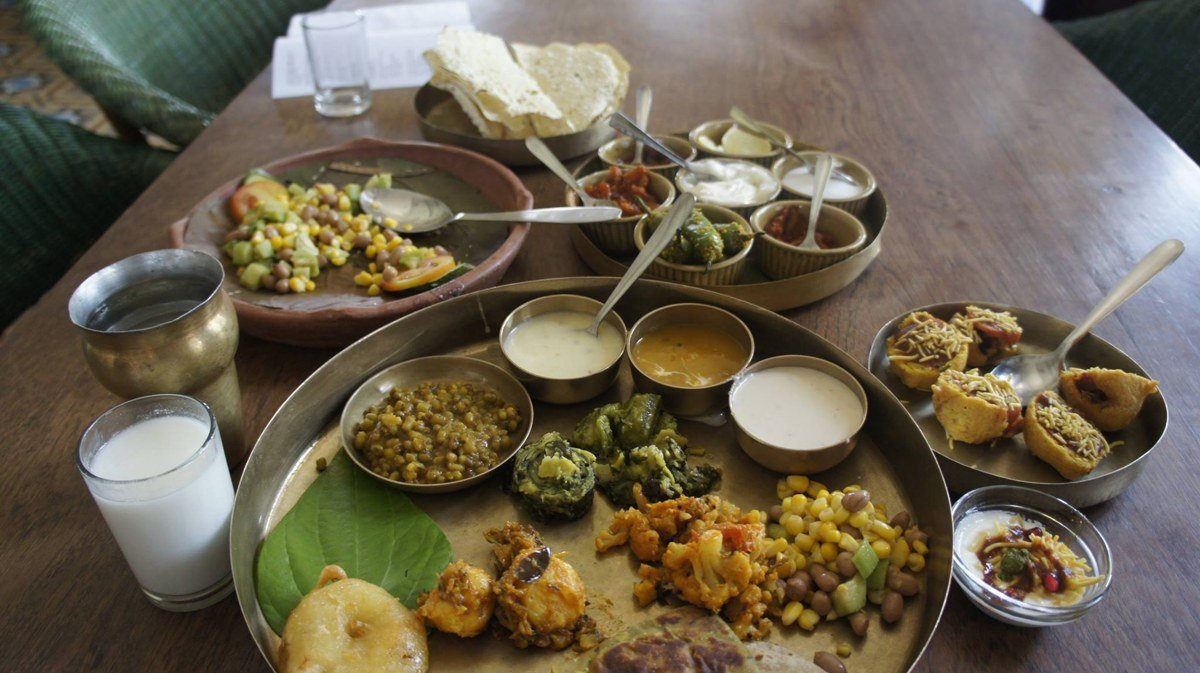
Annakut offering. Source: Wikimedia Commons.
Annakut. Wikimedia Commons.
Annakut falls on the day after Diwali, which in Gujarat is Bestu Varas — the first day of the new year.
The name means a mountain of food, and it is meant literally: hundreds of dishes are built up in tiers before the deity.
The offering is an act of thanksgiving for the year's harvest and abundance, not a request for anything.
In Botad district the Swaminarayan temples observe it on a grand scale, and Gadhada is the centre of that tradition.
Hundreds of separate dishes are prepared — sweets, farsan, rice, dals, vegetables and breads — and arranged as a single display.
The arrangement is an art in itself, built in symmetrical tiers, and volunteers work through the night to construct it.
The spirit is gratitude and abundance: everything the year produced, offered back before anyone eats any of it.
It coincides with Bestu Varas, the Gujarati New Year, so the temple visit is also the first act of the year for many families.
Gadhada in Botad district holds one of the six temples built by Swaminarayan himself, and observes the day accordingly.
Everything offered is afterwards distributed as prasad, so the whole mountain is eventually shared out.
THE OFFERINGA mountain of food offered before the deity on the Gujarati New Year.
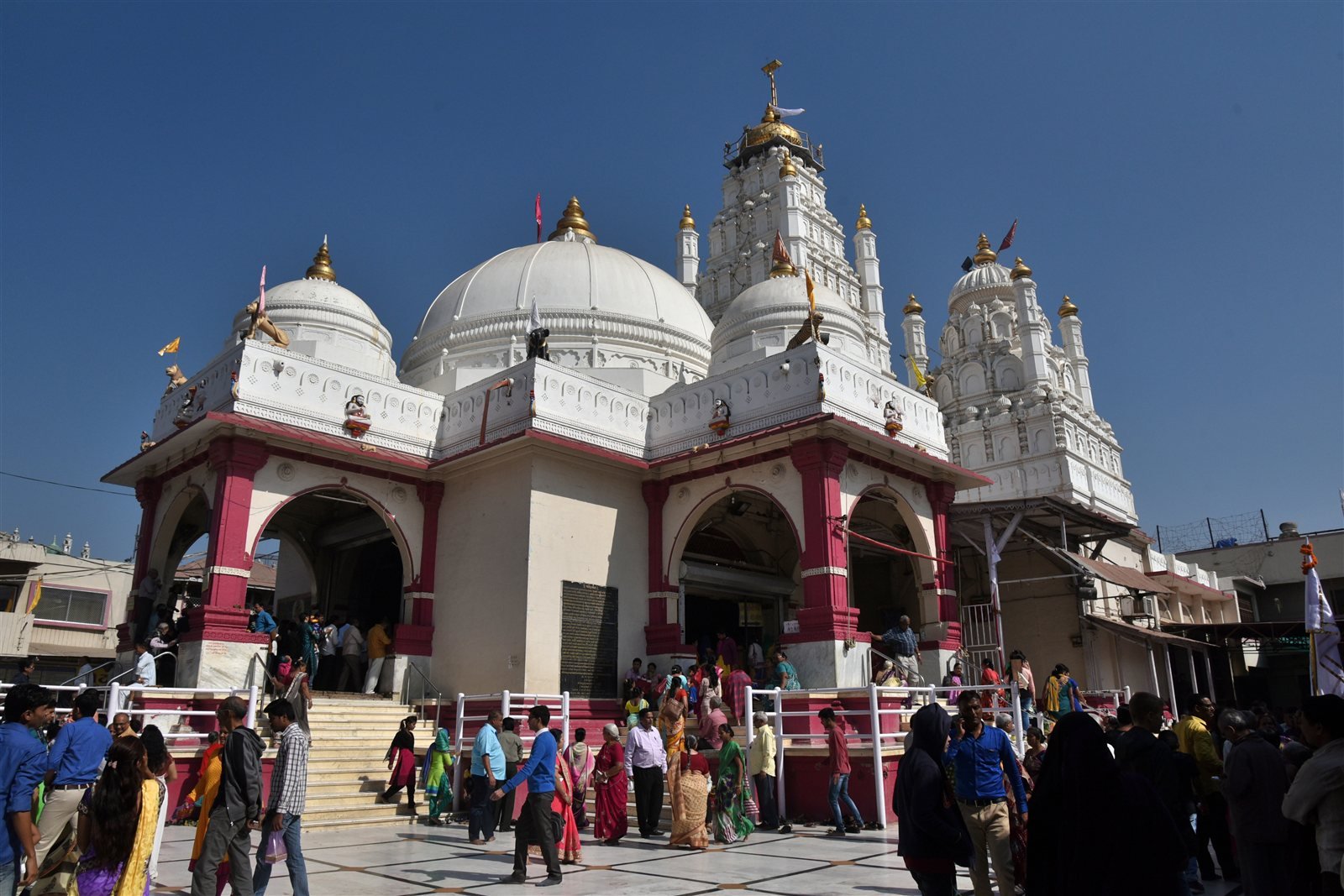
THE TEMPLESThe Swaminarayan shrines of the district, Gadhada foremost among them.
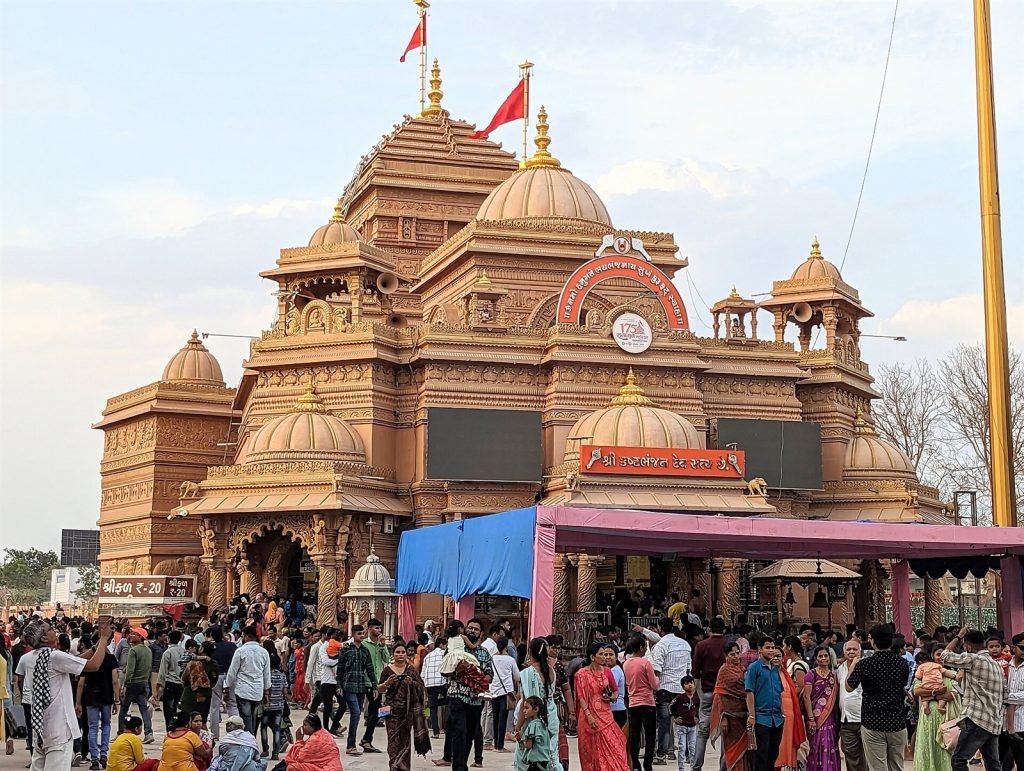
See the display itself, built in tiers and running to hundreds of separate dishes.
Look at how it is arranged — the symmetry and composition are deliberate and take a night's work.
Come on the day after Diwali, which is when it happens and the only day it is up.
Stay for the distribution, when the offering is shared out among everyone present as prasad.
Take in the thanksgiving behind it; this is a harvest offering rather than a petition.
Go to a major temple for the fullest version — Gadhada and the district's larger shrines do it on scale.
Annakut. Wikimedia Commons.
Annakut (‘mountain of food’), on the day after Diwali (Gujarati New Year), sees temples — especially Swaminarayan ones across Botad — pile vast, beautiful arrays of vegetarian dishes (sometimes hundreds) before the deities in thanksgiving and abundance. The offering is then shared as prasad. The scale, artistry and colour make it a stunning feast for the eyes. (The grand food-offering festival on the day after Diwali; spectacular displays at temples; offered then shared as prasad.)
It sits within Botad district — browse more places to visit in Botad.
A grand food-offering on the day after Diwali
Hundreds of dishes arrayed before the deities
Spectacular in Botad’s Swaminarayan temples
Offered in thanksgiving, then shared as prasad
Annakut is a single day — the one after Diwali — falling in October or November with the lunar calendar.
It coincides with Bestu Varas, the Gujarati New Year, so the whole region is in celebration around it.
The weather at that point in the year is at its best across Saurashtra, which makes travelling to it easy.
⏰ On the day after Diwali (Gujarati New Year); see it at a major temple.
Bhavnagar (~85 km).
Botad Junction.
From Ahmedabad/Bhavnagar.
HANUMAN JAYANTI
Salangpur Utsav
Lakhs of devotees throng Kashtabhanjan Dev. Explore →
FESTIVAL
Swaminarayan Jayanti
The birthday of the saint — Swaminarayan Jayanti is celebrated with deep devotion across Botad, the Swaminarayan heartland, above all at holy Gadhada where Bhagwan Swaminarayan made his home. Explore →
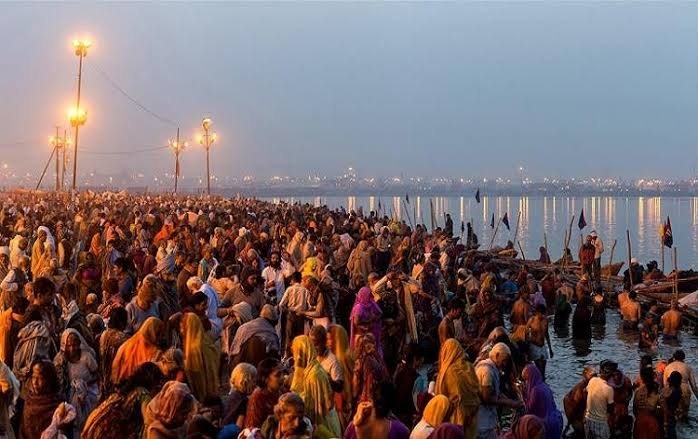
FOLK
Dayro & Bhajan
Nights of song and soul — the dayro and bhajan gatherings of Botad fill village nights with folk storytelling and devotional song, the living oral culture of saint-land Saurashtra. Explore →
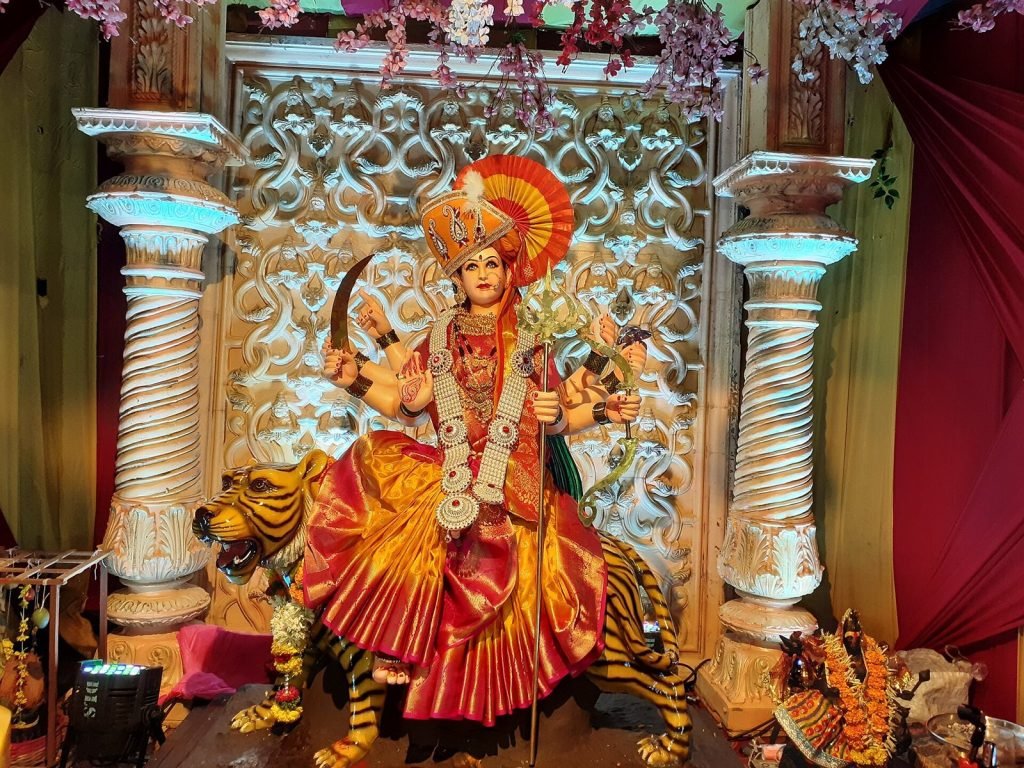
SEP – OCT
Navratri
Nine nights of garba Explore →
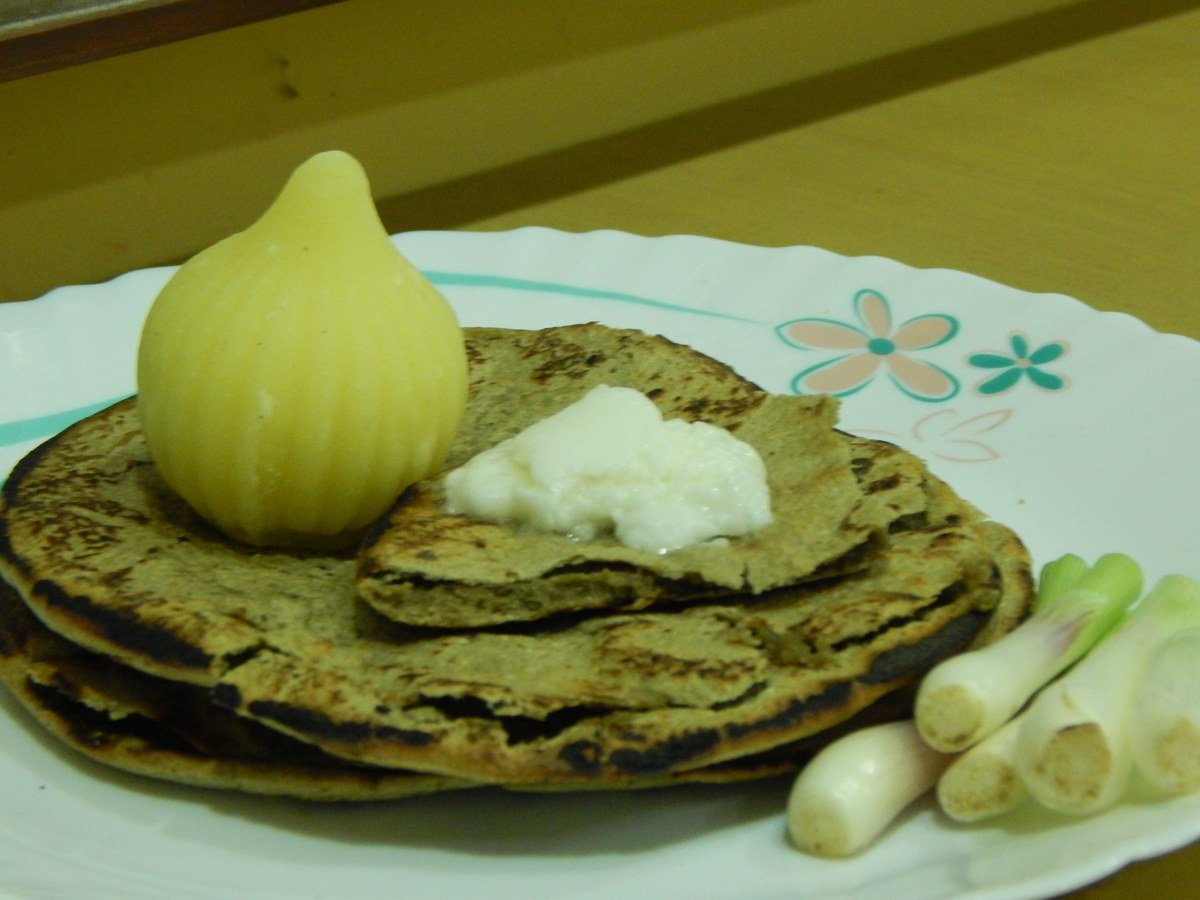
ROTLAWith ghee & jaggery.
SHAAKSaurashtra curry.
PRASADAt the shrines.
CHAASSpiced buttermilk.
A grand food offering made to the deities on the day after Diwali. Hundreds of dishes are prepared and arranged in tiers before the shrine, then distributed to everyone present as prasad.
Literally 'a mountain of food' — ann meaning food and kut a heap or mountain. The name describes exactly what is built.
On the day after Diwali, which in Gujarat is Bestu Varas, the first day of the new year. That falls in October or November depending on the lunar calendar.
Botad district's Swaminarayan temples observe it on a large scale, and Gadhada — which holds one of the six temples built by Swaminarayan himself — is the focus.
It is offered before the deity first, and afterwards shared out among the devotees as prasad. Nothing is wasted; the entire display is eventually eaten.
For the artistry and the sheer scale of it. Hundreds of dishes arranged into a single composed display is a genuinely remarkable thing to stand in front of, and it is up for one day only.
ORIGINThe spiced potato bun was born here in Mandvi
HERITAGEStone havelis & the historic harbour

Riverside ghats for the evening aarti
TEMPLEA revered Shiva shrine of the region
CRAFTWatch double-ikat silk woven by master families
RESERVOIRA serene dam-lake beside Shamlaji
WHERE TO STAY
Compare live prices across the big booking sites and reserve in a few taps. Booking happens securely on the partner's site — we may earn a small commission at no extra cost to you.
Book directly on our partner sites — tap a provider to see live Gujarat hotels & prices:
SHOP THE REGION
Hand-picked crafts and trip gear, available on Amazon.
Published 24 June 2026 · Updated 3 July 2026
We’re an independent group of writers and travellers documenting every corner of Gujarat — one place, plate and festival at a time.
Search Gujarat Explorer
Find places, food, festivals and travel guides across Gujarat
Press Enter to search — or Esc to close
Plan Your Trip
Gujarat Explorer is an independent travel guide. We’re happy to help you shape an itinerary and point you to the right places, stays and experiences across Gujarat.
Book a Cab