Home › Porbandar Festivals › Fishing Culture
COAST · FISHERFOLK · ARABIAN SEALife in Porbandar turns on the sea — harbours crowded with wooden boats, the daily catch coming ashore, and fishing communities whose rhythms are set by the tides of the Arabian Sea.
For the fishing communities of Porbandar, the Arabian Sea is a livelihood and a way of life. Wooden boats crowd the harbour, setting out with the tides and returning with the day’s catch, which is sorted, sold and dried along the shore. The work is hard and seasonal, paused during the monsoon breeding ban, and the whole coast — its jetties, nets and boatyards — hums with the everyday culture of the sea.
The community behind the boats is the Kharva — Porbandar’s hereditary seafaring caste, whose men crewed the dhows that traded to Arabia and Africa in the princely port’s heyday and whose families now run the fishing fleet. Their neighbourhoods back the harbour creek, their shrines bless the departures, and their year pivots on the monsoon fishing ban, when the fleet hauls out for repairs and the boatyards take over the shore with caulking and paint.
For a traveller the culture is best read at the harbour’s own hours: the creek at dawn when the night boats land and the auction runs loud and fast, mid-morning for net-mending and the drying yards’ silver rows, late afternoon as the tide-timed departures thread the channel. Ask before photographing the auction floors, buy the day’s catch cooked at the shore stalls, and pair the harbour with Porbandar’s Gandhi circuit for a town day of two entirely different Gujarats. September’s ban-lifting sees the fleet leave together — the year’s great spectacle.
Porbandar's fishing families have worked this coast for generations.
Their wooden boats, painted bright, crowd the harbour creek.
The catch lands each dawn and moves straight to auction and drying yards.
The whole shore — jetties, nets, boatyards — carries the culture of the sea.
Hundreds of trawlers and hodis crowd the harbour between trips.
Dawn landings turn the quays into a fish market within minutes.
Net-mending, salting and drying fill the shore through the day.
The Kharva community carries the seafaring tradition.
Boats set out with the tides, some for days on the banks.
The catch goes from deck to plate along this coast.
THE HARBOURWooden hulls painted bright, packed gunwale to gunwale.
THE PEOPLELife by the sea.
Rows of boats.
The catch comes in.
Fish sold fresh.
Wooden and bright.
Fresh from the sea.
Over the water.
Fishing shapes not just the economy but the culture of coastal Porbandar. Generations of families have gone to sea, and their traditions — the design of the boats, the mending of nets, the festivals that bless the fleet — are woven into daily life. For a visitor, an early morning at the harbour, watching the boats return laden and the shore come alive, is one of the most authentic coastal experiences in Gujarat.
It sits within Porbandar district — browse more places to visit in Porbandar.
Boats at sea.
Pleasant coast.
Fishing ban on.
⏰ Fishing runs roughly August to May, pausing for the monsoon breeding ban; visit the harbour early in the day to see the catch come ashore.
Porbandar airport.
Porbandar station.
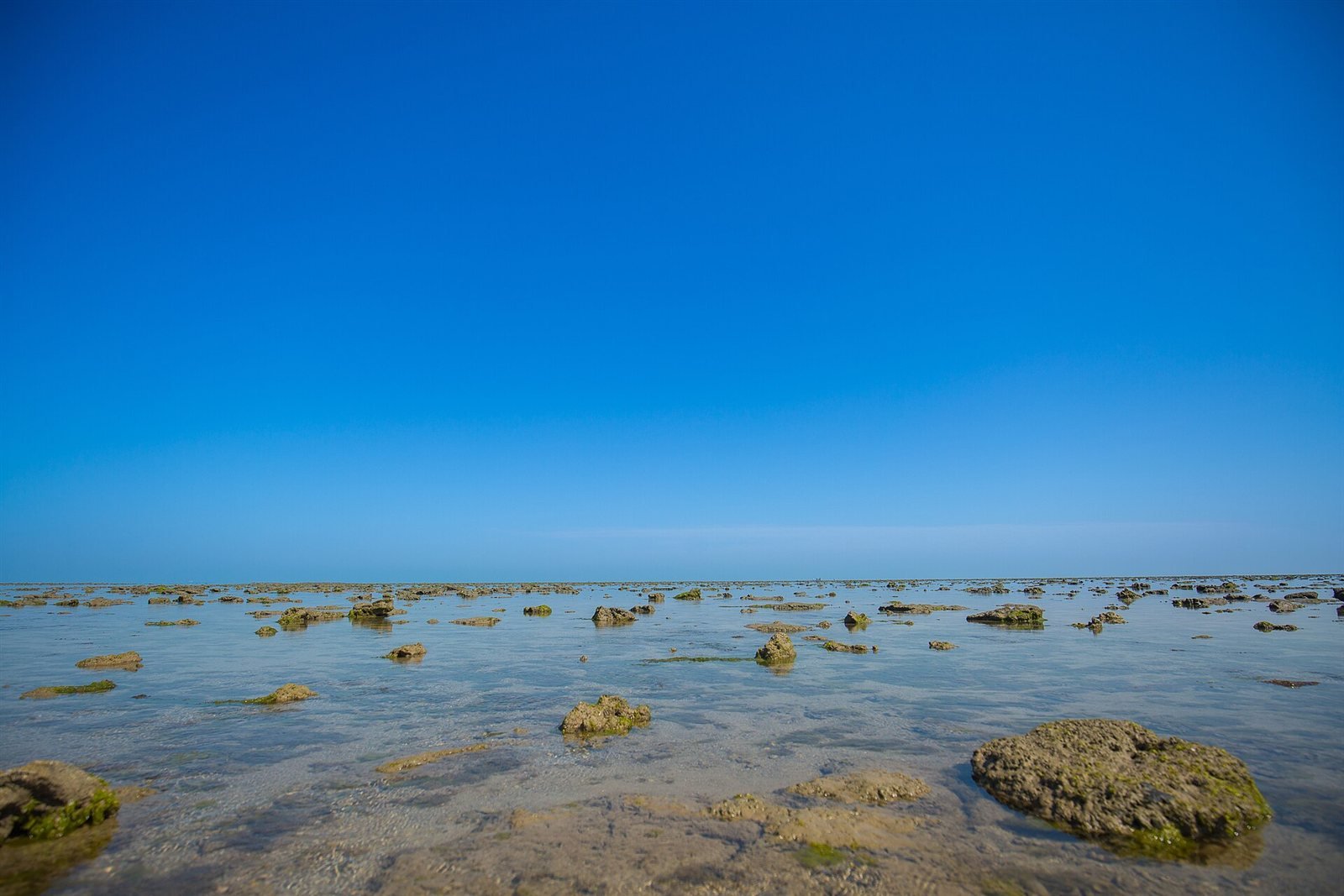
Harbour and coast.
MARCH–APR
Madhavpur Mela
A vibrant fair marking Krishna & Rukmini’s wedding. Explore →
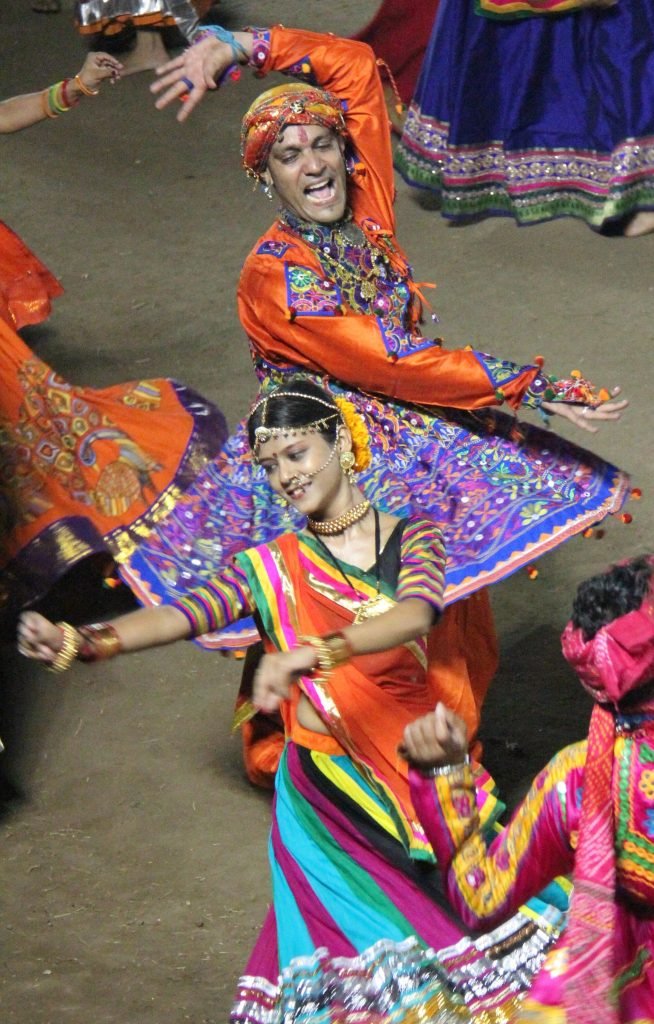
2 OCT
Gandhi Jayanti
Porbandar is the birthplace of Mahatma Gandhi. On 2 October his hometown honours him with prayers and tributes at Kirti Mandir, the memorial beside the haveli where he was born. Explore →
HERITAGE
Maritime Trade
Porbandar is an old Arabian Sea port with centuries of seafaring — its sailors traded across to Africa and the Gulf, and in legend the town of Sudamapuri was home to Sudama, Krishna’s boyhood friend. Explore →
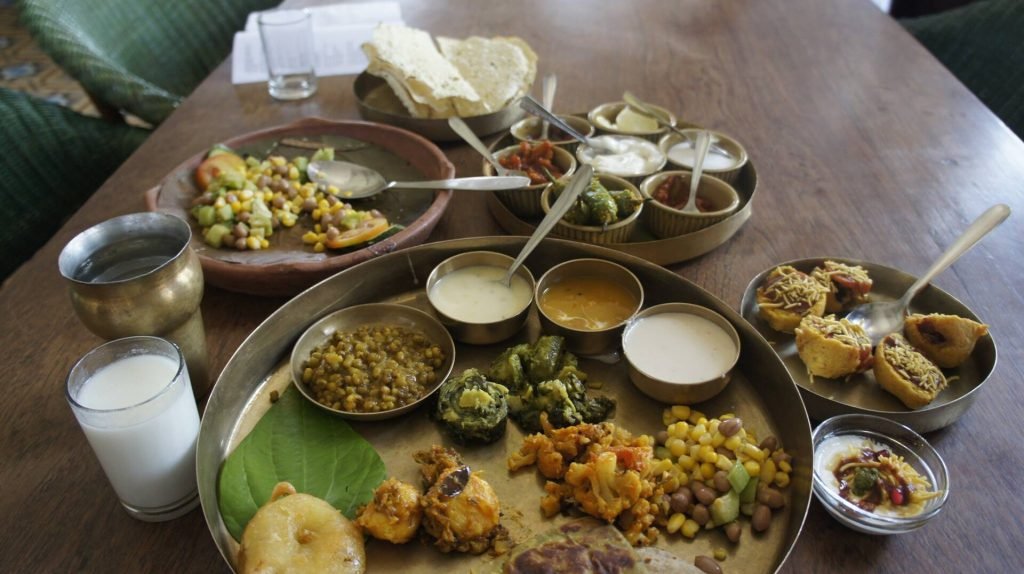
FOOD
Khaja Tradition
Porbandar’s best-loved sweet is Khaja — a crisp, flaky, deep-fried delicacy of paper-thin layers, a local specialty that travellers carry home by the boxful as a gift. Explore →
SEAFOODFresh from the sea.
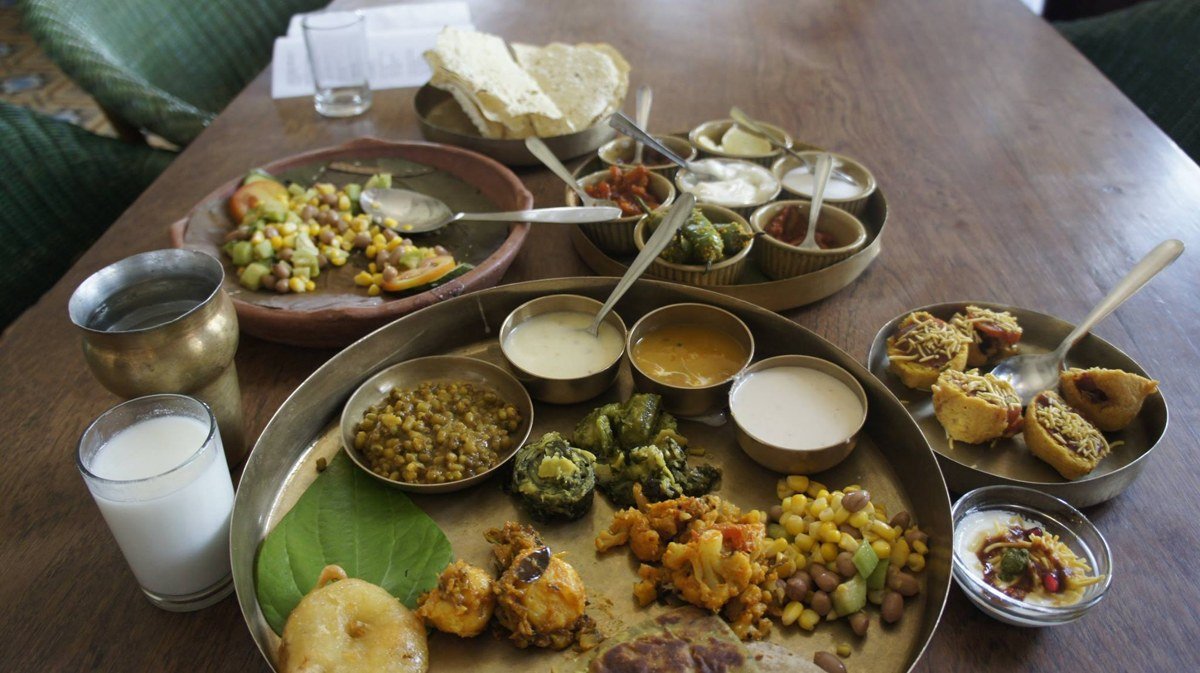
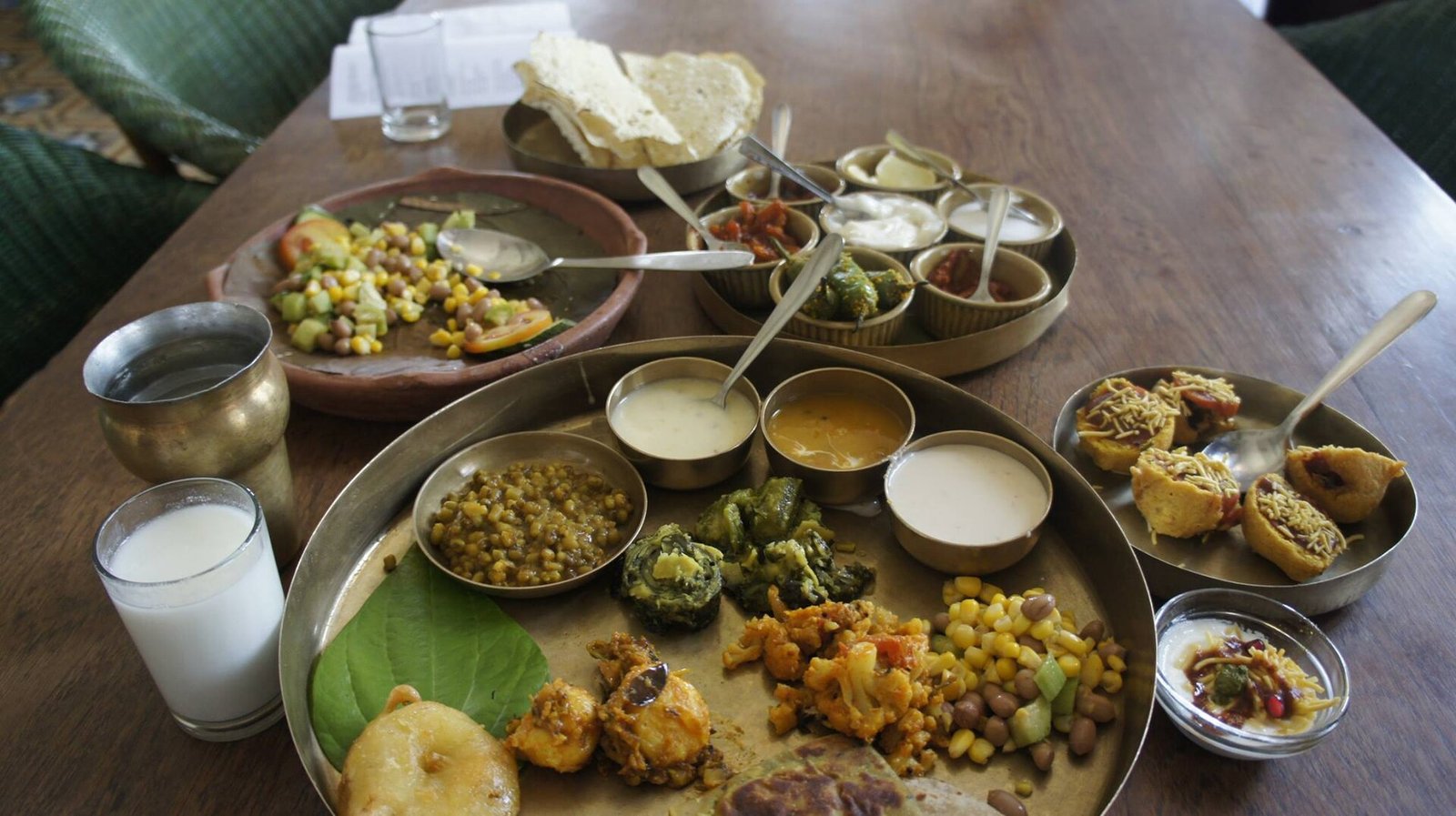
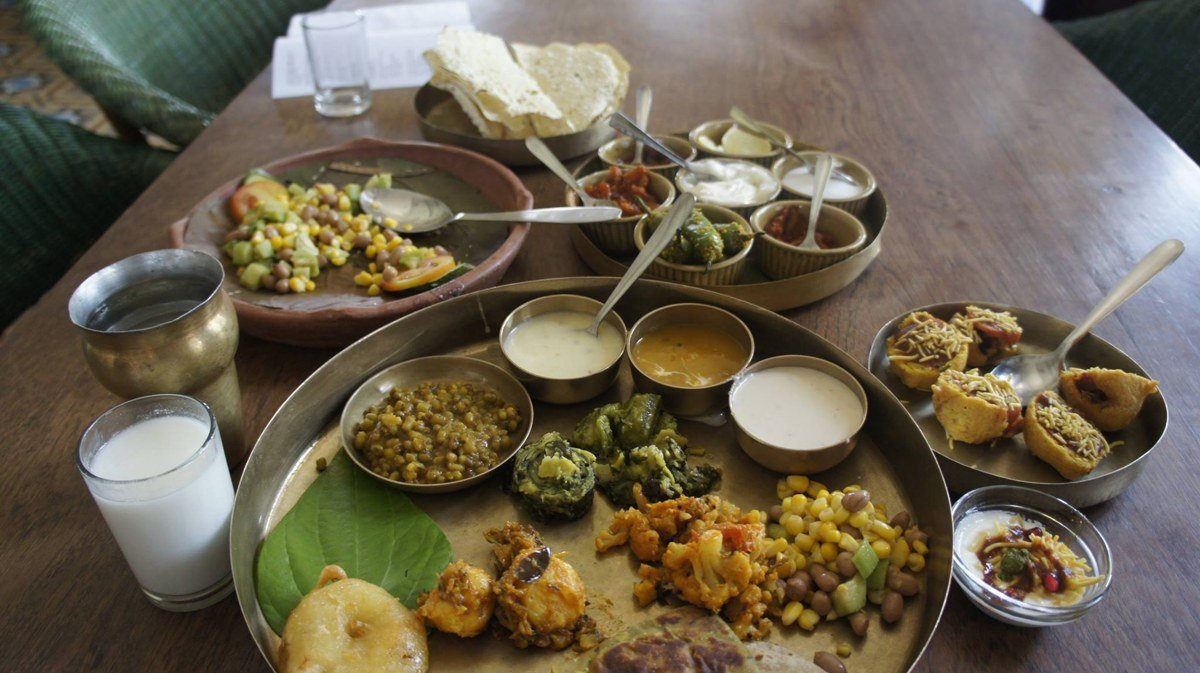
THALIA hearty spread.
SWEETCrisp and flaky.
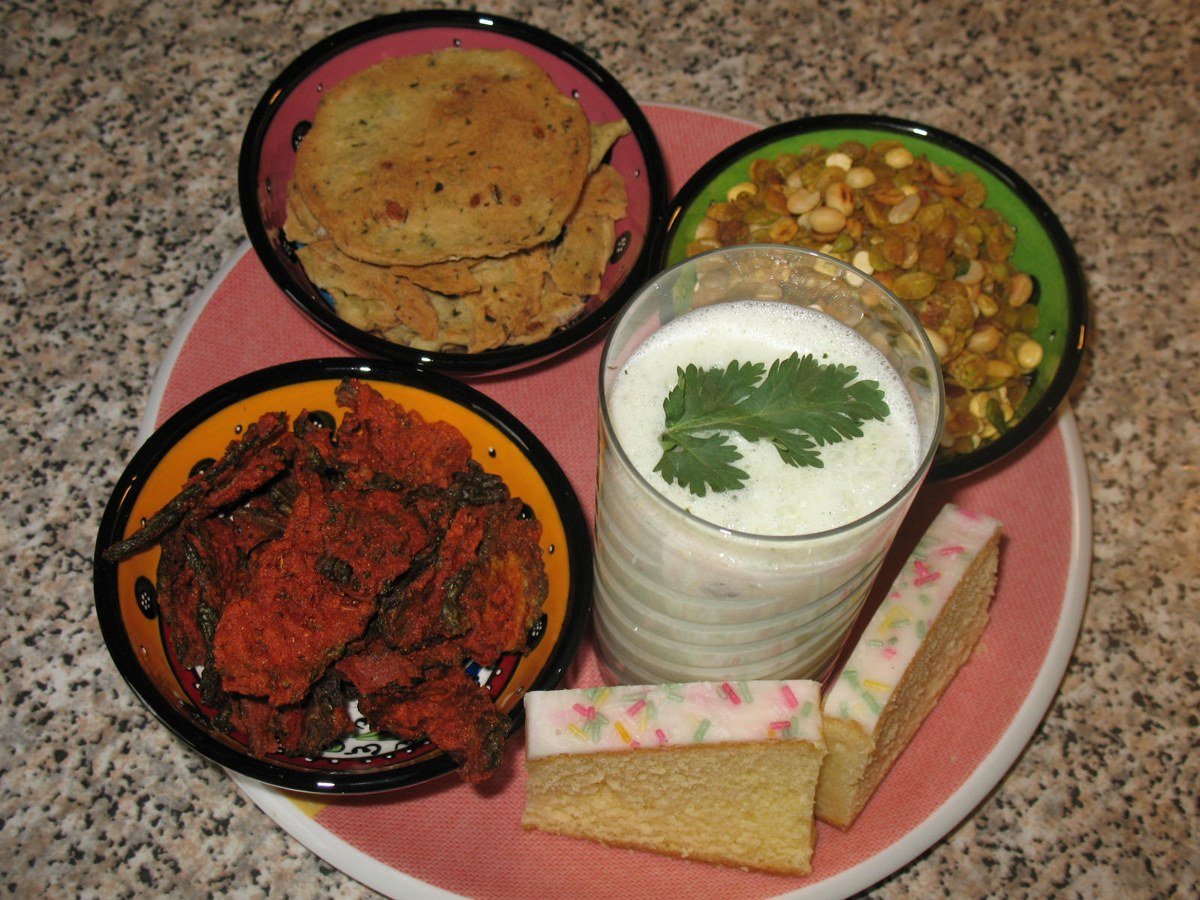
CHAASSpiced buttermilk.
The coastal life of its fishing communities — wooden boats, the daily catch and traditions built around the sea.
Wooden fishing boats that crowd the harbour and set out with the tides onto the Arabian Sea.
Roughly August to May; fishing pauses during the monsoon breeding ban around June and July.
Yes — the fishing harbour is a lively place, best seen early when the boats return with the catch.
Yes — coastal Porbandar offers fresh seafood landed straight from the sea.
The cooler months from November to February are the most pleasant along the coast.

Exquisite 1848 marble Jain temple
PALACEA regal heritage retreat near Palanpur
FAIRKrishna-Rukmini’s celebrated spring wedding fair

A colossal new icon of Botad — the ‘King of Salangpur’, a giant statue of Hanuman…
A central landmark temple of Rajkot

◐ The January light show
WHERE TO STAY
Compare live prices across the big booking sites and reserve in a few taps. Booking happens securely on the partner's site — we may earn a small commission at no extra cost to you.
Book directly on our partner sites — tap a provider to see live Gujarat hotels & prices:
SHOP THE REGION
Hand-picked crafts and trip gear, available on Amazon.
Published 24 June 2026 · Updated 3 July 2026
We’re an independent group of writers and travellers documenting every corner of Gujarat — one place, plate and festival at a time.
Search Gujarat Explorer
Find places, food, festivals and travel guides across Gujarat
Press Enter to search — or Esc to close
Plan Your Trip
Gujarat Explorer is an independent travel guide. We’re happy to help you shape an itinerary and point you to the right places, stays and experiences across Gujarat.
Book a Cab