Home › Devbhumi Dwarka Festivals › Fishing Life
OKHA COAST · FISHERFOLK · SEA CULTURELife by the Arabian Sea — beyond the temples, the Dwarka–Okha coast is a world of fishing harbours, boats and the hardy fisherfolk whose sea-bound culture shapes the everyday life of the coast.
Beyond its great temples, Devbhumi Dwarka is a land of the sea — and the fishing life of the Okha–Dwarka coast is a vivid, working culture that shapes the everyday rhythm of this western edge of India. Along this coast, where the Gulf of Kutch meets the open Arabian Sea, fishing harbours like Okha bustle with boats, nets and the daily drama of the catch. The fisherfolk — hardy communities bound to the sea — set out in their boats, return to land and sell the catch, mend nets and live by the tides and the seasons (the monsoon fishing ban, the festivals of the sea). The coast is also rich in marine life, with the nearby Gulf of Kutch Marine National Park, and dotted with lighthouses, jetties and the comings and goings of coastal trade. This sea-bound life — less visited than the temples but equally part of the district’s character — offers an authentic glimpse of coastal Gujarat, the working counterpart to the pilgrim city. For the visitor, the fishing life of the Dwarka coast is a characterful experience — best glimpsed at the Okha harbour and along the shore, with respect for the working community. (The fishing culture of the Dwarka–Okha coast; harbours, boats and fisherfolk; an authentic side of the district.)
Okha coast, Devbhumi Dwarka. Source: Wikimedia Commons.
Okha coast. Wikimedia Commons.
This is the corner where the Gulf of Kutch opens into the Arabian Sea, and the mixing of the two makes the water unusually productive.
Okha is the major harbour on this coast, with smaller landing points strung along the shore either side of it.
Everything runs to the tide and the season — when boats go out, when they come in, when the nets are worked.
It is a working sea culture, and it sits directly alongside one of the busiest pilgrimage circuits in India.
The Okha fleet runs from small open boats to substantial trawlers, and the harbour is full of them between trips.
The landing is the daily drama — boats in, catch sorted on the quay, sold and gone within the hour.
Okha harbour is busy, loud and entirely unselfconscious, which is exactly what makes it worth an hour.
Beyond the gulf mouth the open Arabian Sea begins, and the bigger boats work several days out on it.
The Gulf of Kutch Marine National Park lies along this coast — India's first marine national park, with coral and mangrove.
The Kharva and Koli fishing communities have worked this coast for generations, and the boats are family-owned.
THE COASTThe main fishing port on the Dwarka coast, and the best place to watch the fleet.
THE SEAA working sea alongside one of India's busiest pilgrimage circuits.
Go down to Okha harbour and look at the fleet, which is the most direct way to see this side of the district.
Time it for the landing, when the boats come in and the catch is sorted and sold on the quay.
Look at the boats and nets themselves; the gear tells you what is being fished and how far out.
Take in the Marine National Park along this coast, with its coral reefs, mangrove and islands.
Talk to people if you can. The fishing communities here are generally happy to explain what they are doing.
Ask before photographing anyone at work, and stay clear of the nets and the winches.
Okha coast. Wikimedia Commons.
Beyond its temples, the Dwarka–Okha coast is a working sea world — fishing harbours like Okha bustling with boats, nets and the daily catch, and hardy fisherfolk living by the tides and seasons. The coast, where the Gulf of Kutch meets the Arabian Sea, is rich in marine life (the Marine National Park nearby) and dotted with lighthouses and jetties — an authentic counterpart to the pilgrim city. (The fishing culture of the Dwarka–Okha coast; harbours, boats and fisherfolk; an authentic side of the district.)
Planning more of the area? Our Devbhumi Dwarka guide covers the whole district.
The fishing culture of the Okha–Dwarka coast
Harbours bustling with boats and the daily catch
Hardy fisherfolk living by the tides and seasons
Near the Gulf of Kutch Marine National Park
November to February is the best season — calm sea, full activity in the harbour and comfortable weather on the quay.
There is a monsoon fishing ban of roughly two months in June and July, when the fleet is in and the harbour is quiet.
March to May is warm but workable, and the sea breeze on the harbour front takes the edge off it.
⏰ Best in the cool season; note the monsoon fishing ban (roughly Jun–Jul).
Jamnagar (~130 km).
Dwarka station.
On the coastal NH.
AUGUST
Krishna Janmashtami
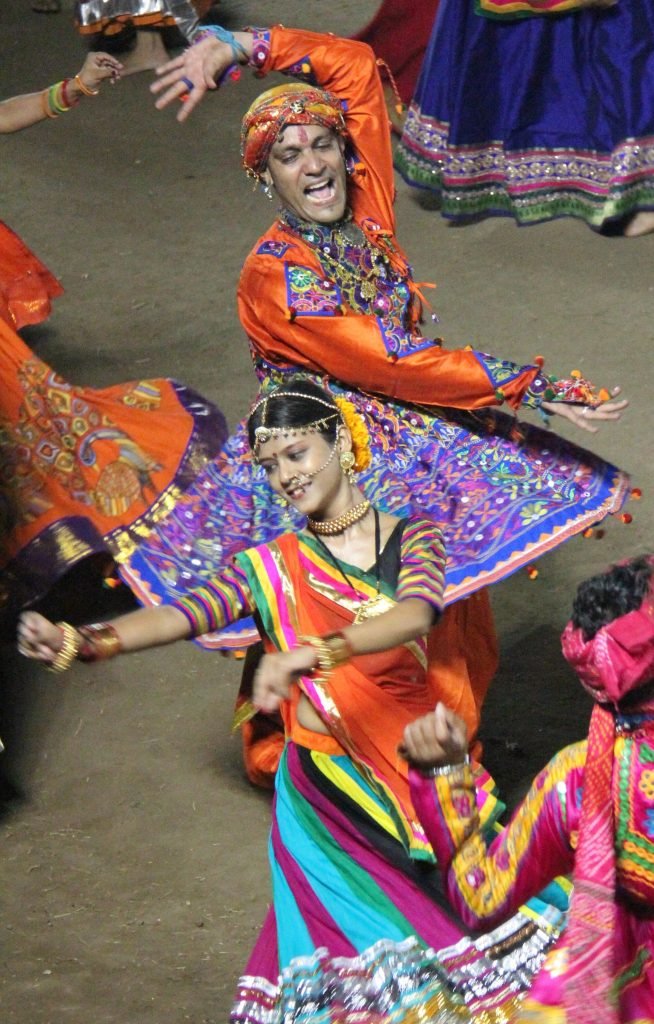
Dwarka’s biggest festival — the whole town celebrates Krishna’s birth. Explore →
DAILY
Flag & Aarti
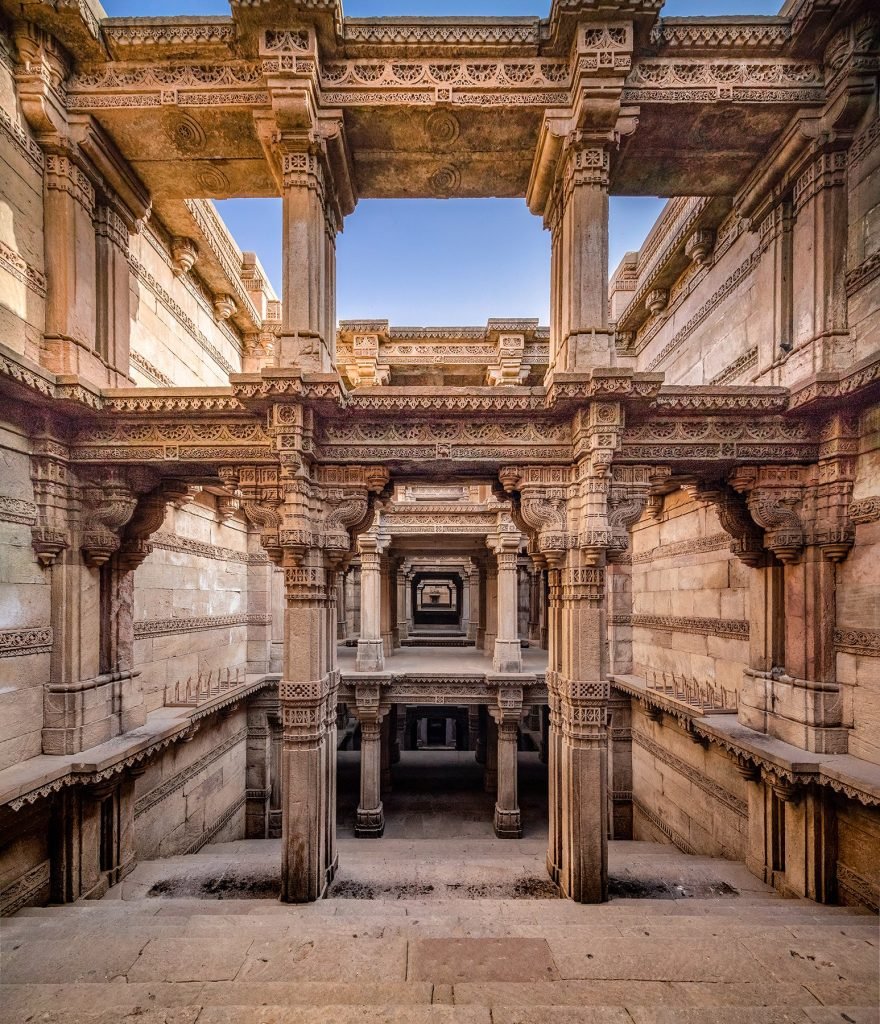
The flag that flies for Krishna — at Dwarkadhish, the great temple flag (dhwaja) is ceremonially changed several times each day, a unique, moving ritual that, with the aartis, is the heartbeat of the temple. Explore →
FULL MOON
Sharad Purnima
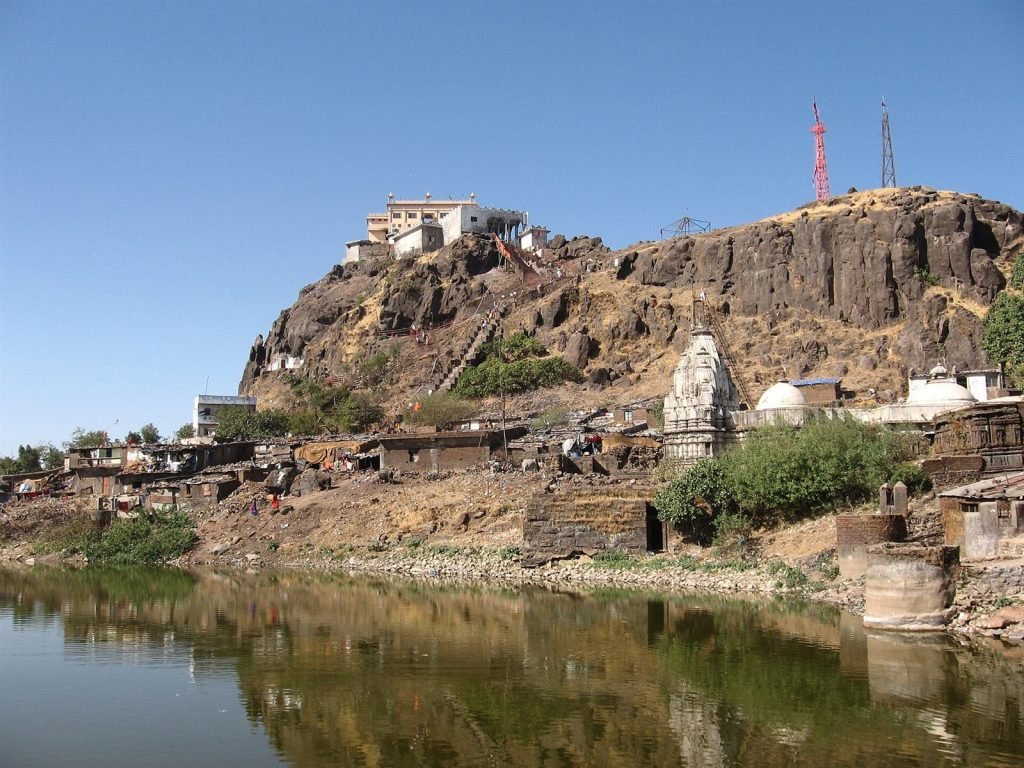
The full moon of Krishna’s dance — Sharad Purnima, the luminous autumn full moon associated with Krishna’s raas-leela, is celebrated at Dwarka with devotion, song and the cool moonlit beauty of the sacred coast. Explore →
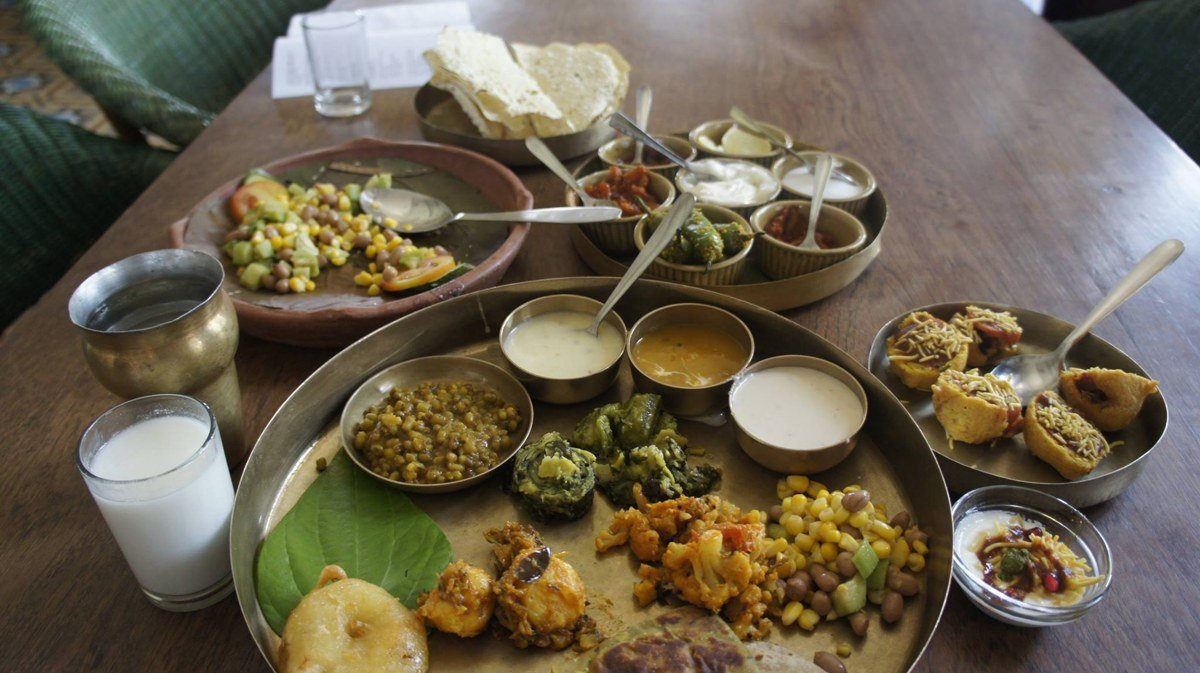
THALIPure-veg temple food.
PRASADAt Dwarkadhish.
SEAFOODOn the fishing coast.
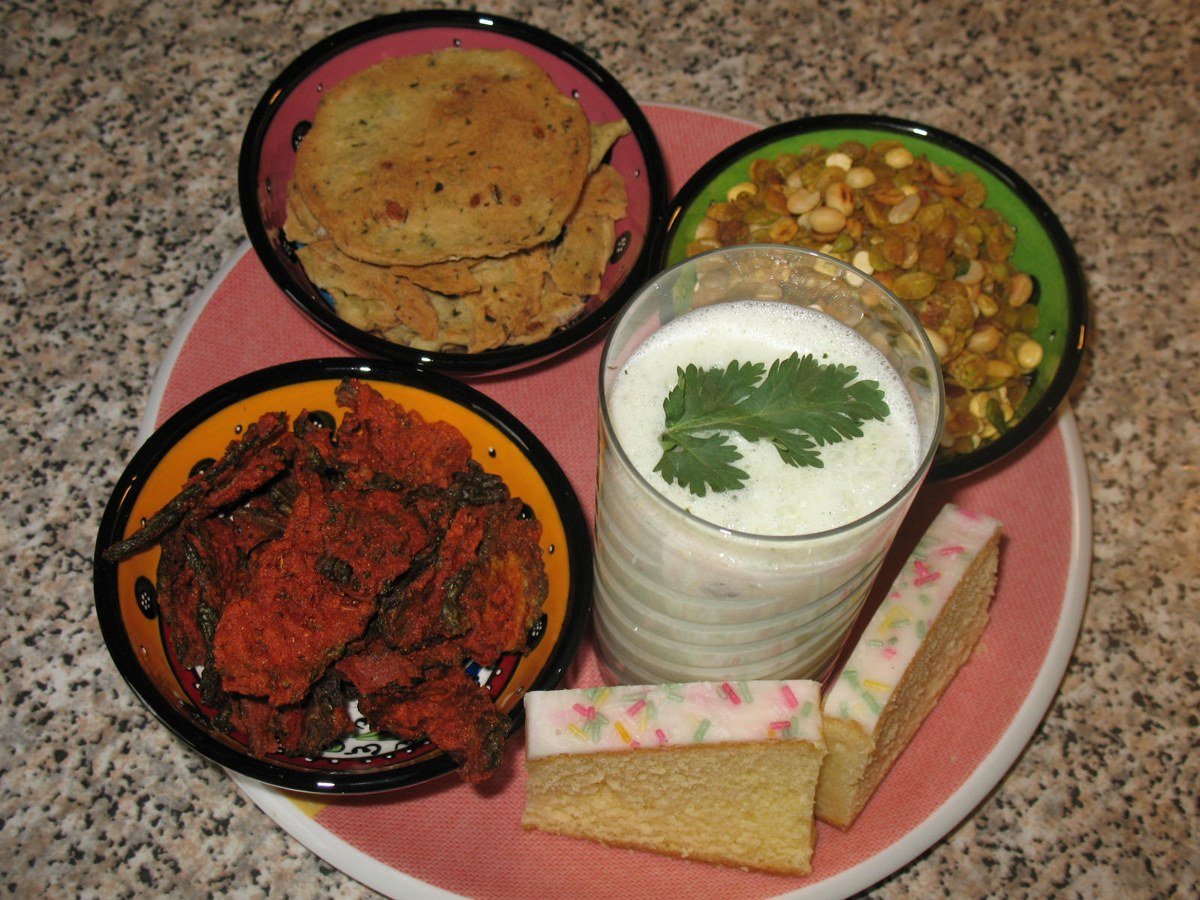
CHAASSpiced buttermilk.
The working sea culture of the Okha and Dwarka coast — the harbours, the boats, the landings and the fishing communities who have made their living here for generations.
At Okha harbour above all, which is the main port on this coast, and at the smaller landing points along the shore either side of it.
Because it is where the Gulf of Kutch meets the open Arabian Sea. That mixing makes the water unusually rich, which is why the fishery here has always supported so many families.
Yes. The Gulf of Kutch Marine National Park runs along this coast — India's first marine national park, protecting coral reef, mangrove and a chain of small islands.
November to February. Note the monsoon fishing ban of roughly two months in June and July, when the boats stay in and there is far less to see.
Because it shows you the working half of a district most visitors only see as a pilgrimage circuit. Twenty minutes at Okha harbour gives you a completely different picture of this coast.
PALACEThe 18th-century ‘Hall of Mirrors’
SACREDOne of Hinduism’s five holy lakes, by Koteshwar
RANN EDGEWhere Saurashtra meets the Little Rann

A grand BAPS Swaminarayan mandir at Salangpur — a serene marble-and-stone complex of carved shrines, gardens…
RIVERThe broad, sacred river of the district
Sacred groves of the Rathwa people
WHERE TO STAY
Compare live prices across the big booking sites and reserve in a few taps. Booking happens securely on the partner's site — we may earn a small commission at no extra cost to you.
Book directly on our partner sites — tap a provider to see live Gujarat hotels & prices:
SHOP THE REGION
Hand-picked crafts and trip gear, available on Amazon.
Published 24 June 2026 · Updated 3 July 2026
We’re an independent group of writers and travellers documenting every corner of Gujarat — one place, plate and festival at a time.
Search Gujarat Explorer
Find places, food, festivals and travel guides across Gujarat
Press Enter to search — or Esc to close
Plan Your Trip
Gujarat Explorer is an independent travel guide. We’re happy to help you shape an itinerary and point you to the right places, stays and experiences across Gujarat.
Book a Cab