Home › Amreli Festivals › Maldhari Life
PASTORALISTS · GIR · LIVING CULTUREHerders who live beside lions — the Maldharis of the Gir forest follow a centuries-old pastoral way of life, sharing the wild landscape with Asiatic lions in one of the world's most remarkable human-wildlife bonds.
The Maldharis are the traditional pastoralist herders of the Gir forest — a people whose centuries-old way of life is woven into one of the world’s great conservation stories, for they share the forest with the last wild Asiatic lions. Living in small forest settlements called nesses, the Maldharis keep cattle and buffalo (their famous Gir cows are prized across India) and live by dairy, moving with their herds through the forest. Remarkably, they coexist with the lions — losses of livestock do occur, yet the community has historically tolerated and even revered the great cats, and this coexistence is widely credited as part of why the Asiatic lion survived in Gir alone. The Maldhari way of life — the nesses, the herds, the deep knowledge of the forest, the distinctive dress and customs — is a living culture of great interest, though one to be approached with sensitivity and respect (and through proper channels, as much of Gir is protected). For the visitor, an awareness of Maldhari life deepens any trip to the Gir country — best understood through guided, respectful experiences that honour both the people and the forest. (A living pastoral culture of the Gir forest; experience respectfully and through proper guides; much of Gir is protected.)
The coexistence is the remarkable part. Maldharis lose cattle to lions every year and treat it, within limits, as the forest’s rent — compensation schemes soften the arithmetic, but the underlying attitude is older: the lion is the forest’s other householder, respected rather than hated, and generations of mutual habituation mean herders walk paths a visitor may only drive. Conservationists have debated resettlement for decades, and many nesses have moved out over the years; those remaining are part of Gir’s fabric, their grazing and the lions’ prey base entangled in ways science is still mapping.
Travellers meet the culture respectfully at the forest’s edge: dairy stops selling the famous ghee and mawa, ness visits arranged through reputable Sasan operators rather than freelance detours, and the Maldhari presence woven through every safari — a herder swaying past on a buffalo’s back while the Gypsy waits is the picture of Gir working as designed. Buy the dairy, ask before photographs, and let the nesses’ privacy set the terms.
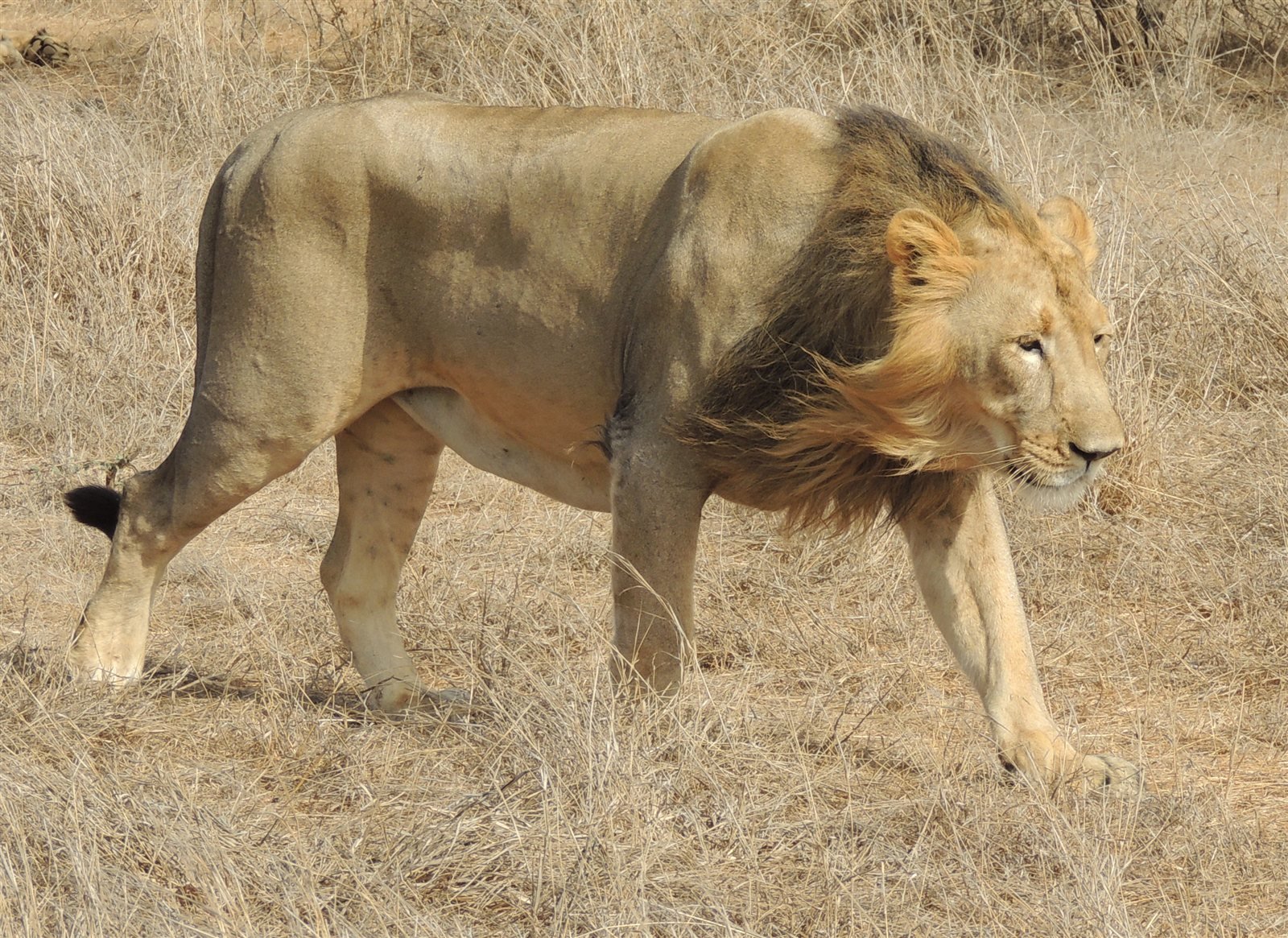
Gir forest, Amreli. Source: Wikimedia Commons.
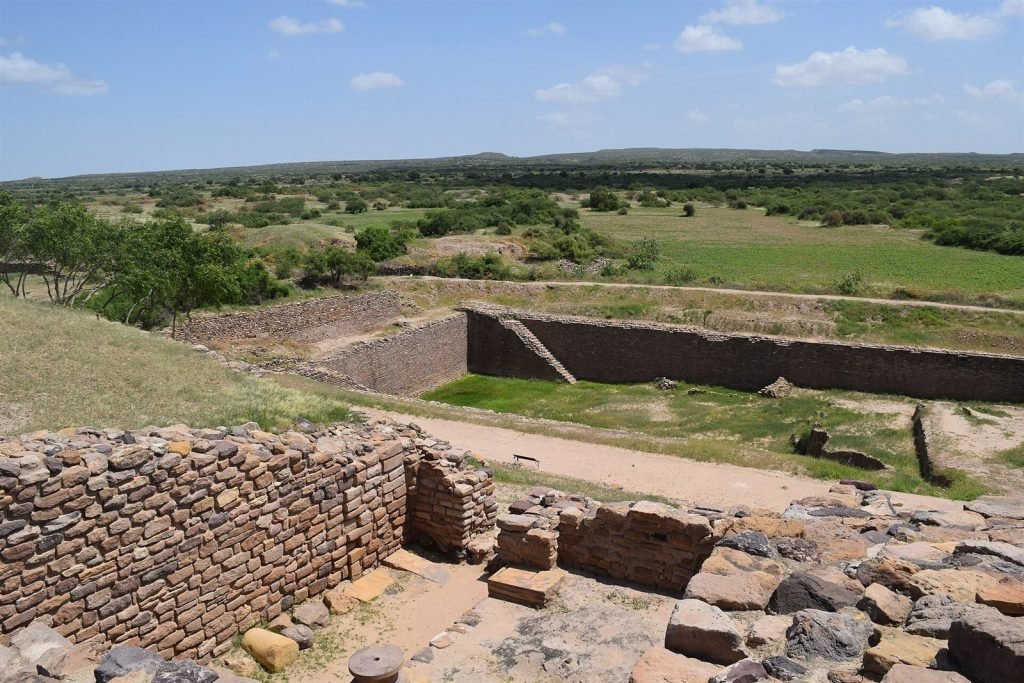
Gir, Amreli. Wikimedia Commons.
Maldhari families have herded in Gir for centuries, faith and forest interwoven.
Their nesses — thorn-fenced hamlets — sit scattered through the sanctuary.
Herders and lions negotiate the same paths in a truce found almost nowhere else.
The culture continues today, adapting inside the protected forest.
Gir cows and Jafarabadi buffaloes are prized across India.
Losses to lions are absorbed with striking equanimity.
Nesses cluster homes, cattle pens and a shrine within thorns.
Ghee and mawa from the forest herds command premiums.
Herders read the forest's moods better than any tracker.
Gir's story is people and predators sharing one home.
THE PEOPLEThe herders who share the lion forest.
THE FORESTLion country.
The forest herders.
People & lions.
Prized dairy breed.
Sensitively.
Proper channels.
The lion forest.
Gir, Amreli. Wikimedia Commons.
The Maldharis are the traditional pastoralist herders of the Gir forest, living in settlements called nesses, keeping the prized Gir cattle, and famously coexisting with the last wild Asiatic lions — a tolerance widely credited with helping the lion survive in Gir alone. Their way of life is a living culture, to be approached with respect and through proper channels. (A living pastoral culture of the Gir forest; experience respectfully and through proper guides; much of Gir is protected.)
More places to visit across the district are gathered in our Amreli travel guide.
Traditional pastoralist herders of the Gir forest
Live in forest settlements called nesses
Keep the prized Gir cattle breed
Famously coexist with the Asiatic lions
Cool and clear — ideal.
Fairs & melas.
Hot; go early.
⏰ Best in the cooler months; experience respectfully through proper guides.
Rajkot / Diu.
Amreli / Savarkundla.
From Rajkot / Bhavnagar.
LITERARY
Kalapi Legacy
The poet-prince of Lathi — Amreli’s town of Lathi was home to Kalapi, one of the best-loved poets in the Gujarati language, whose romantic verse still echoes through the region’s literary life. Explore →
AUG
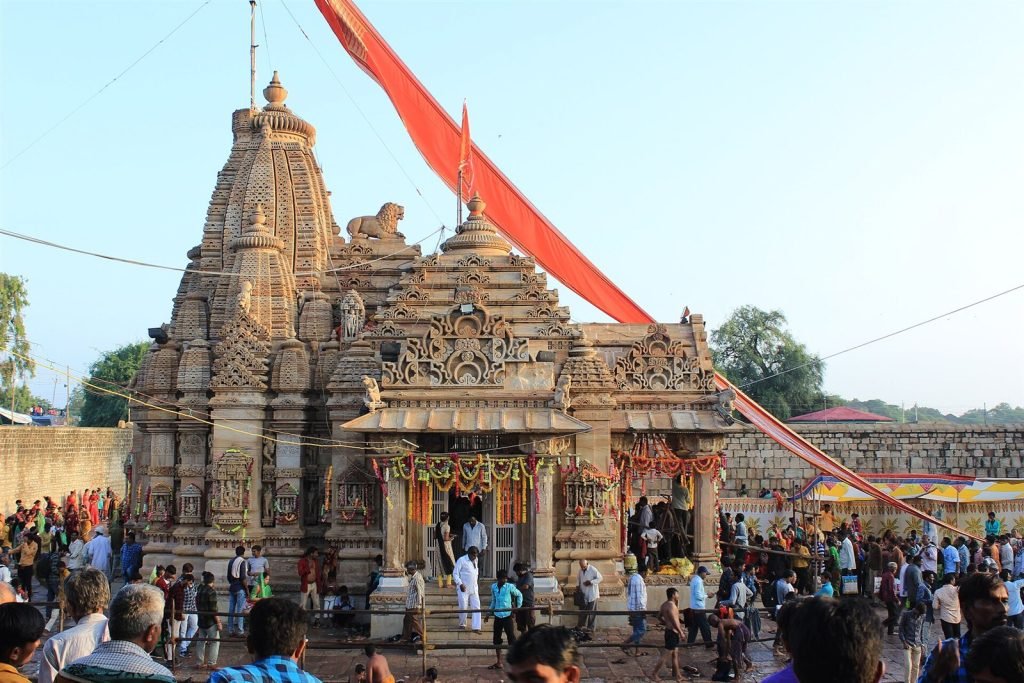
Janmashtami
Krishna’s birth, Dwarka Explore →
CRAFT
Savarkundla Scales
The town that weighs India — Savarkundla in Amreli is famed across the country as a great centre for making weighing scales and balances, a remarkable craft-industry heritage. Explore →
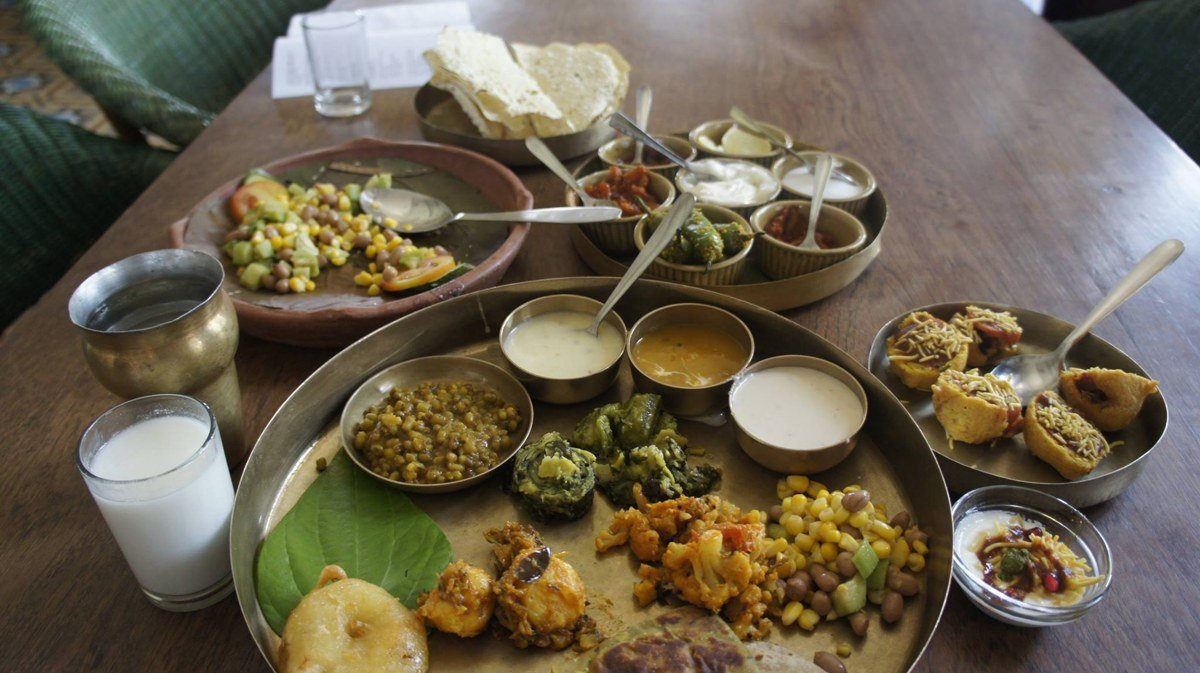
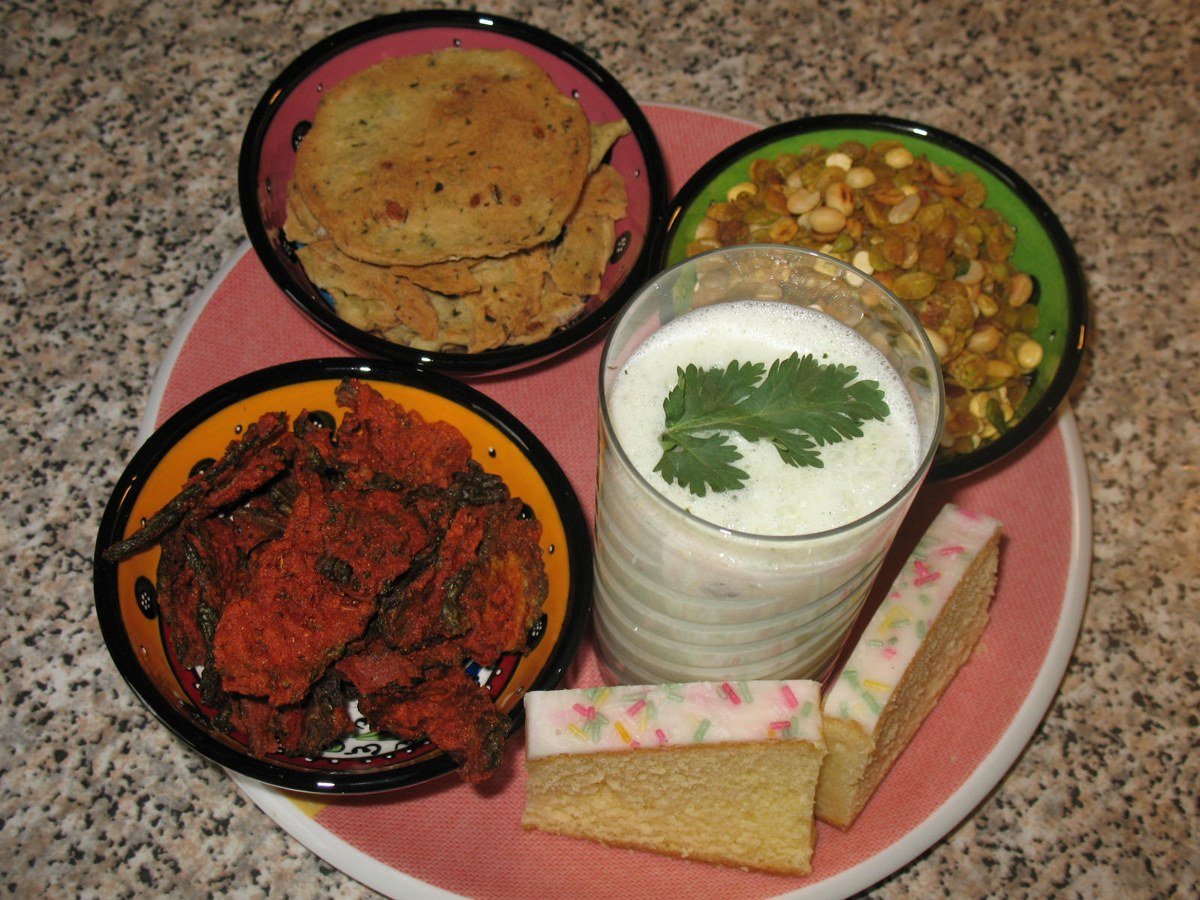
GANTHIAAmreli's famed snack.
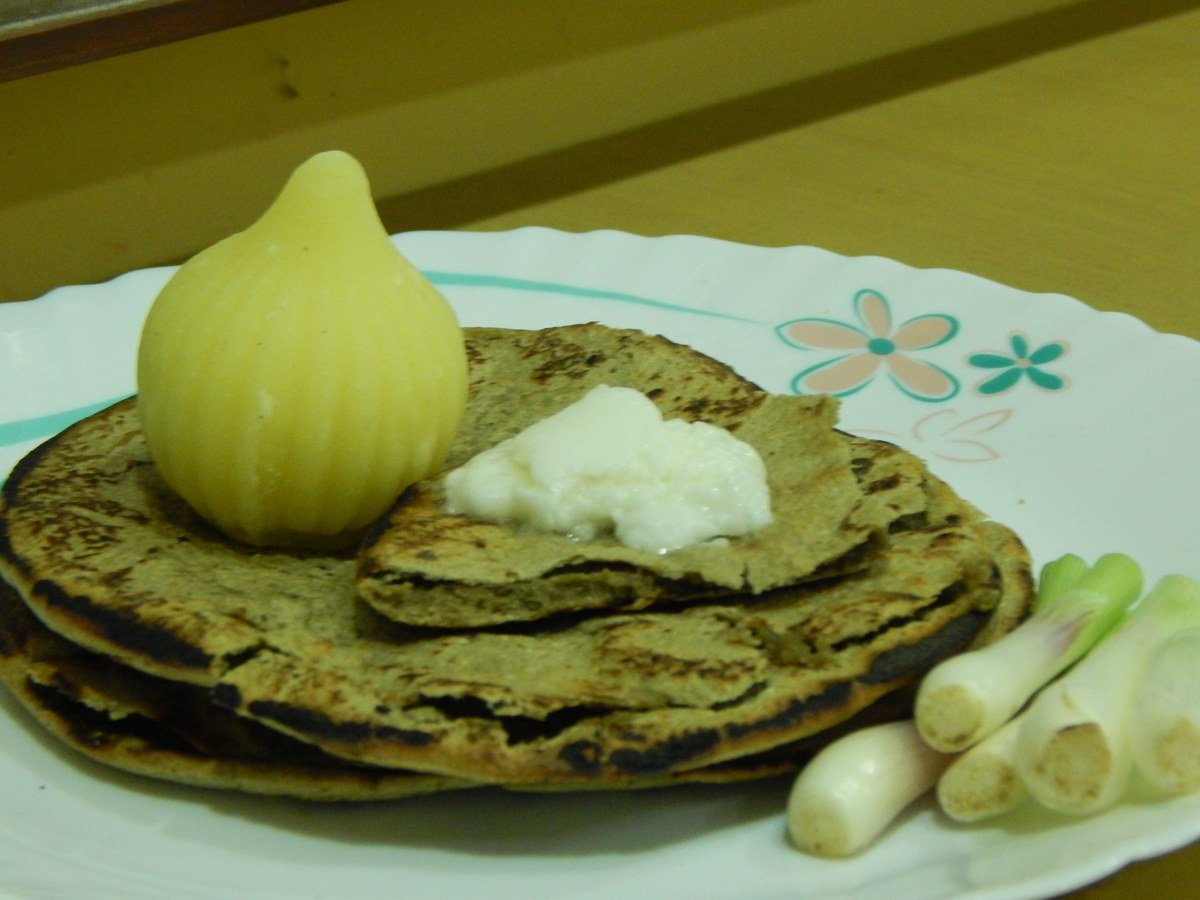
ROTLAWith ghee & jaggery.
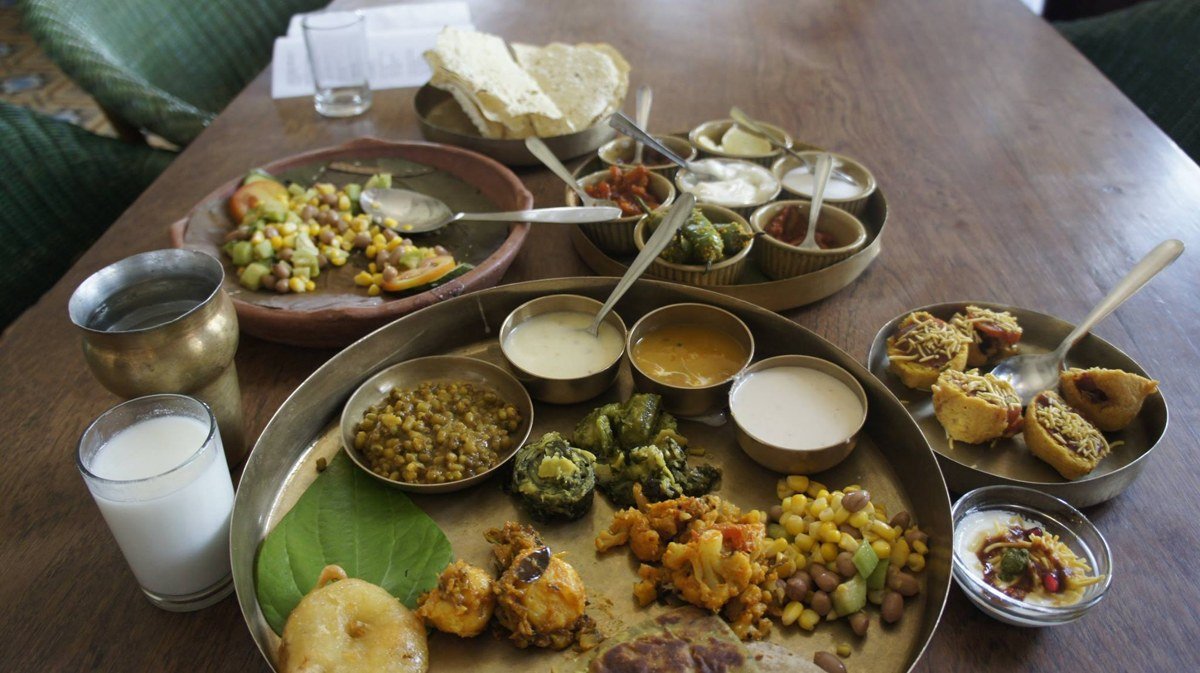
THALISpicy & rustic.
CHAASSpiced buttermilk.
The traditional pastoralist herders of the Gir forest.
A small forest settlement where Maldhari families live.
Yes — they famously coexist with the Asiatic lions of Gir.
The prized Gir breed, valued for dairy across India.
Respectfully, through proper guides; much of Gir is protected.
Their tolerance helped the Asiatic lion survive in Gir alone.

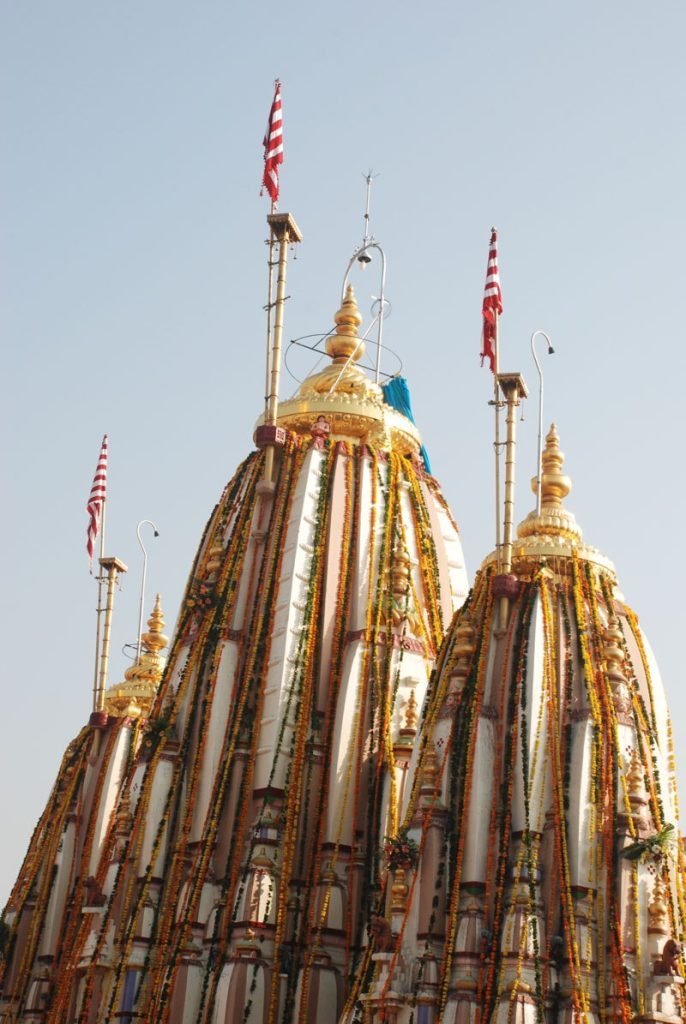
A principal Swaminarayan dham temple
The tallest waterfall in Gujarat
GARDENWestern India’s largest park, with a zoo & museum
A hall mapping India’s saints & sages
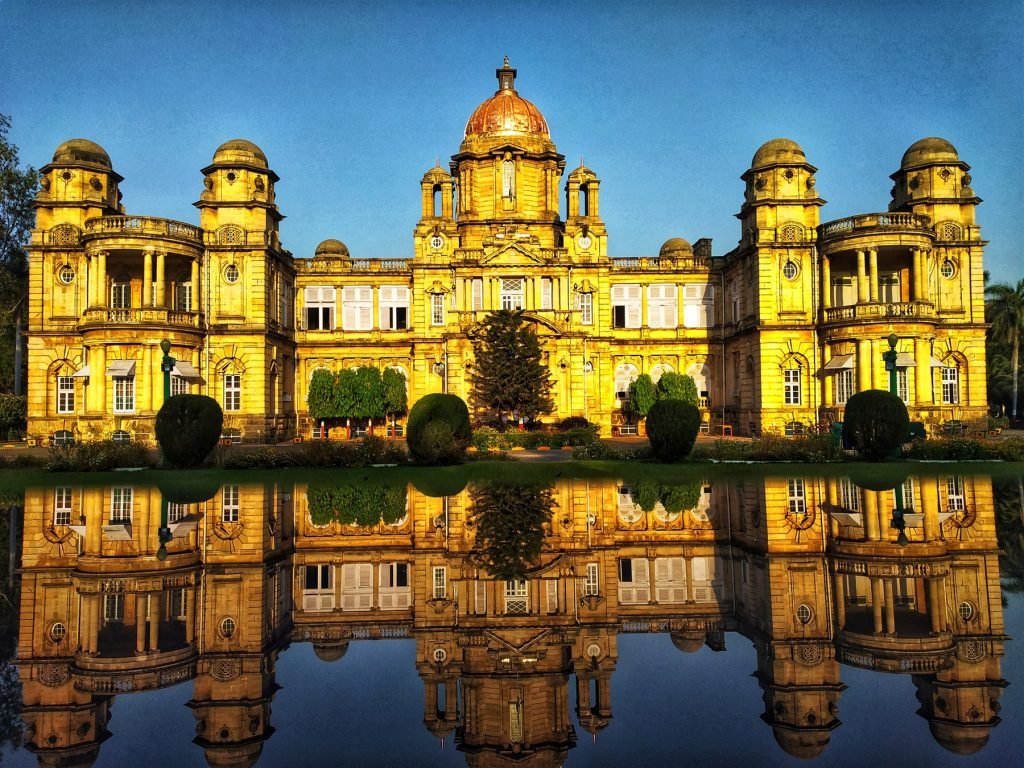
PALACEA grand European-style royal palace
JYOTIRLINGAOne of the twelve sacred Shiva Jyotirlingas
WHERE TO STAY
Compare live prices across the big booking sites and reserve in a few taps. Booking happens securely on the partner's site — we may earn a small commission at no extra cost to you.
Book directly on our partner sites — tap a provider to see live Gujarat hotels & prices:
SHOP THE REGION
Hand-picked crafts and trip gear, available on Amazon.
Published 24 June 2026 · Updated 3 July 2026
We’re an independent group of writers and travellers documenting every corner of Gujarat — one place, plate and festival at a time.
Search Gujarat Explorer
Find places, food, festivals and travel guides across Gujarat
Press Enter to search — or Esc to close
Plan Your Trip
Gujarat Explorer is an independent travel guide. We’re happy to help you shape an itinerary and point you to the right places, stays and experiences across Gujarat.
Book a Cab