
A shrine of deep antiquity
Tucked into the countryside near Porbandar, the Bileshwar Mahadev temple is a shrine of remarkable antiquity — counted among the oldest surviving temples in Gujarat, with origins traced to the early-medieval period (Often cited as around the 6th–10th centuries). Dedicated to Shiva, the modest stone temple has weathered more than a millennium.
Though restored and added to over the ages, its ancient core and early architectural features make it precious to historians and pilgrims alike. Set in a quiet rural landscape, it sees a steady flow of local devotees, especially on Mondays and at Maha Shivratri.
For travellers drawn to deep history and living faith off the tourist trail, Bileshwar is a quietly extraordinary stop — a reminder of how far back Gujarat’s temple tradition reaches.
Early-medieval stone that outlasted its kingdom
Early stone architecture.
The temple's origins are traced to the early-medieval centuries — dating often cited between the sixth and tenth.
Its stone core has survived more than a millennium of weather, worship and rebuilding around it.
Repairs and additions accrued across the ages, but the early shrine remains legible at the heart.
It continues as a living Shiva shrine — worshipped daily, not preserved behind a rope.
Reasons to make the time
Ancient temple
Very few temples in Gujarat survive from this early a period; this is one of the handful.
Shiva shrine
It is a revered Mahadev shrine for the surrounding villages, with steady local pilgrimage.
Early architecture
The early stonework — plain, massive and pre-Solanki — is what architectural visitors come for.
Rural calm
The countryside setting is quiet farmland, and the peace is part of the temple's character.
Shivratri
Maha Shivratri and the Mondays of Shravan bring the devotional peaks.
Off the trail
Almost nobody visits from outside the district, which makes it a genuine quiet find.
What to look for inside
The ancient temple
The early stone Shiva shrine, over a thousand years old.
Old stonework
Early-medieval architectural features, rare in Gujarat.
How to spend an hour or two
Take darshan
Take darshan at the ancient shrine, which remains a working Shiva temple first.
Note the age
Look closely at the early stonework — massive, plain and quite unlike later Solanki ornament.
Visit on Monday
Come on a Monday if you want the temple with its congregation.
See Shivratri
Come at Maha Shivratri for the year's devotional peak.
Enjoy the calm
Sit in the rural quiet a while; the setting is half the visit.
Reflect on history
Register the age of what you are standing in — a millennium of continuous worship.
Early stone, simply built
Bileshwar Mahadev is a modest early-medieval stone temple built around the Shiva lingam in its sanctum. Its value lies in its age and its early architectural features — simple, sturdy stonework from a formative era of Gujarat’s temple-building, long predating the ornate medieval temples that came later.
Restored and maintained over the centuries, it remains a working shrine rather than a museum piece, its ancient stones smoothed by generations of worship.
Planning more of the area? Our Porbandar guide covers the whole district.
For more in the same vein, see temples across Gujarat.
Early-medieval origins
Ancient stone sanctum
Simple early architecture
A living Shiva shrine
When to go
November to February is the pleasant season on the Porbandar side.
The monsoon greens the countryside and Shravan brings the temple's busiest weeks.
April to June is hot; visit in the early morning or after sunset.
⏰ Visit on a Monday or at Maha Shivratri, in the cooler hours, to see the ancient shrine at its most devotional.
Timings & entry
- Open for darshan morning and evening
- Busiest on Mondays and at Shivratri
- Remove footwear; dress modestly
- Allow about 30 minutes
- No entry fee for darshan
- Treat the ancient stonework gently
- Be respectful during worship
- Combine it with other Porbandar sites
Getting there
By Air
Porbandar Airport is the nearest gateway.
By Rail
Porbandar, then road to Bileshwar.
By Road
In the countryside near Porbandar; reach by taxi.
At the temple
STONE & TIME
An ancient shrine in the countryside
What to shoot
The ancient stone shrine.
Detail
Early architectural features close up.
Be discreet
Respect worshippers and posted rules.
Best light
Soft morning or evening light on the stone.
Know before you go
More to see close by
 RUINS
RUINSMokarsagar Wetland
A vast forgotten stepwell in the Barda hills
 COAST
COASTMiyani
A windswept Harshad Mata shrine by the sea
 HERITAGE
Old Port & City
Stone havelis & the historic harbour
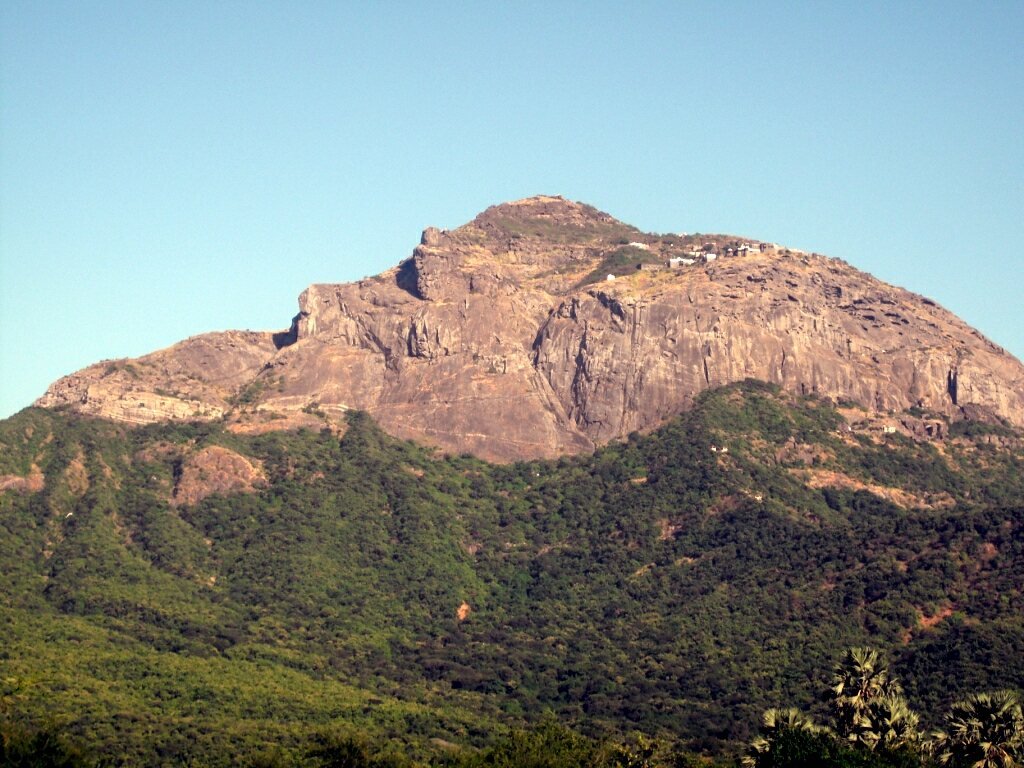
Harsiddhi Mata Temple
A clifftop goddess temple by the sea
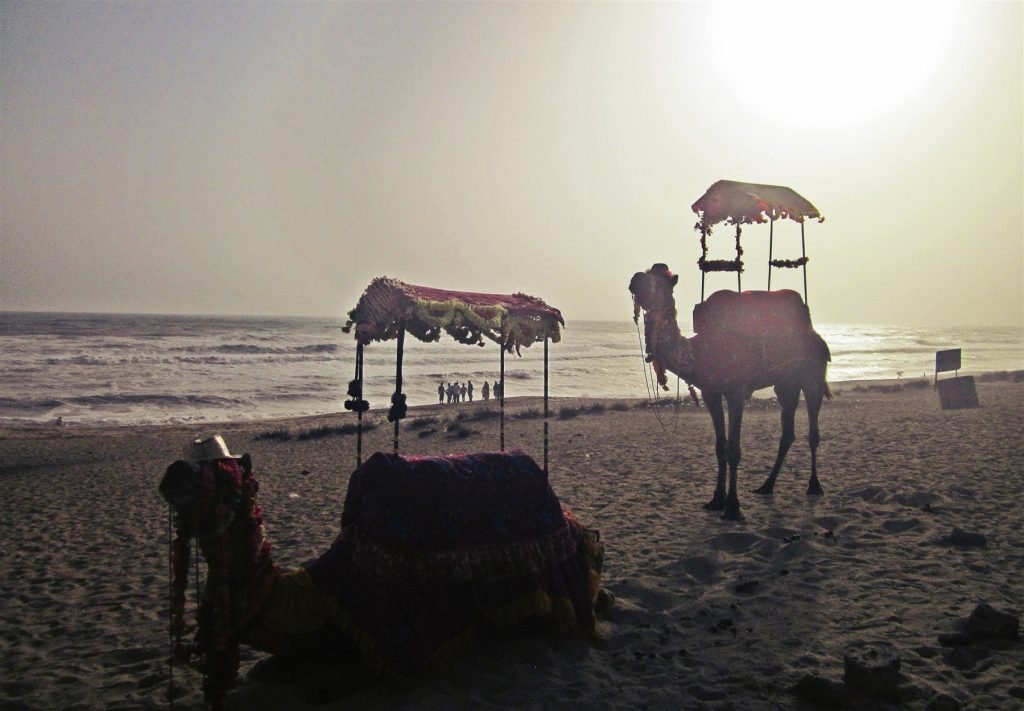 COAST
COASTMadhavpur Beach
A serene beach famed for its spring fair
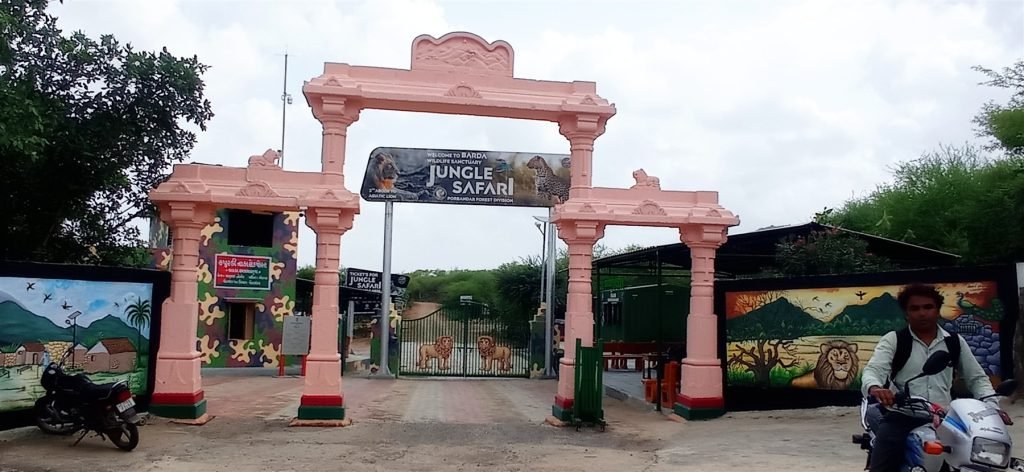 FOREST
Barda Wildlife Sanctuary
Leopard country with the Khambhala temple
Where to eat near Bileshwar Mahadev
Kathiawadi Thali
Rotla, kadhi, shaak and ghee-rich fare.
Ganthiya & fafda
Saurashtra's beloved farsan.
Khaja & sweets
Treats from the Sudamapuri bazaars.
Pure-veg town
Porbandar's food is largely vegetarian.
Bileshwar Mahadev FAQ
What is Bileshwar Mahadev?
An ancient Shiva temple near Porbandar, counted among the oldest surviving temples in Gujarat, and still in daily worship.
How old is it?
Its origins are traced to the early-medieval period — datings often cited between the sixth and tenth centuries — making its stone core more than a thousand years old.
What's special about it?
Its great antiquity and its rare early stone architecture, from before the Solanki style that shaped most of Gujarat's surviving temples.
Is there an entry fee?
No, darshan is free.
When is it busiest?
On Mondays, through the month of Shravan, and above all at Maha Shivratri.
Where is it?
In the countryside near Porbandar, reached by a short drive from the city.
What are the timings?
Morning and evening darshan, with the usual midday quiet between.
How long should I spend?
About thirty minutes at the shrine, within a Porbandar day that can also take in Kirti Mandir and the coast.
Related places across Gujarat
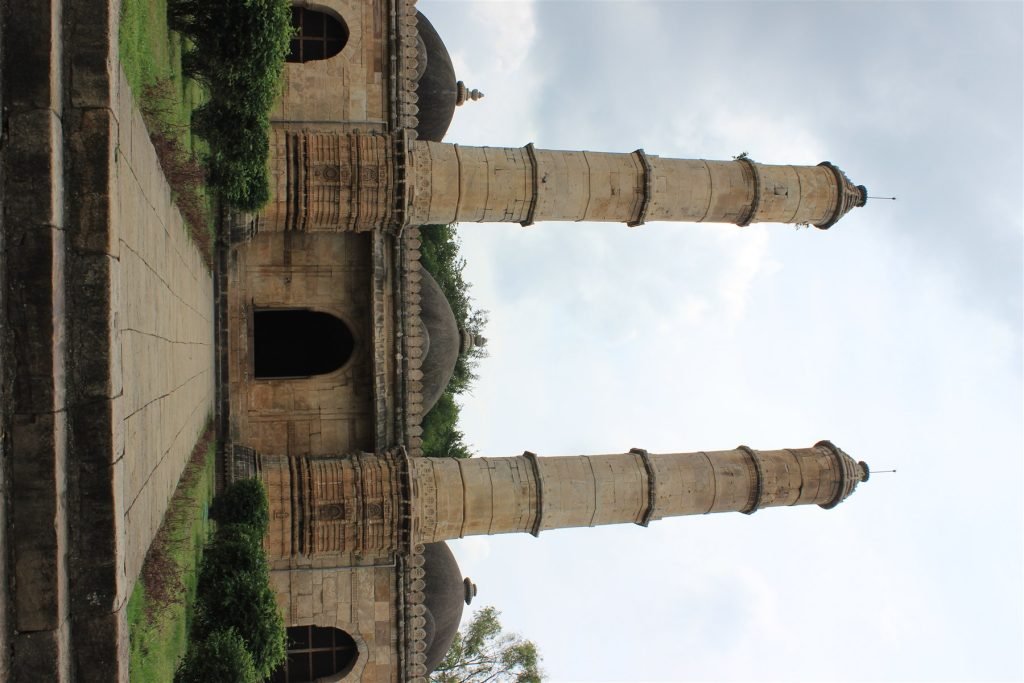 MONUMENT
Sahar ki Masjid
The royal mosque of the old citadel
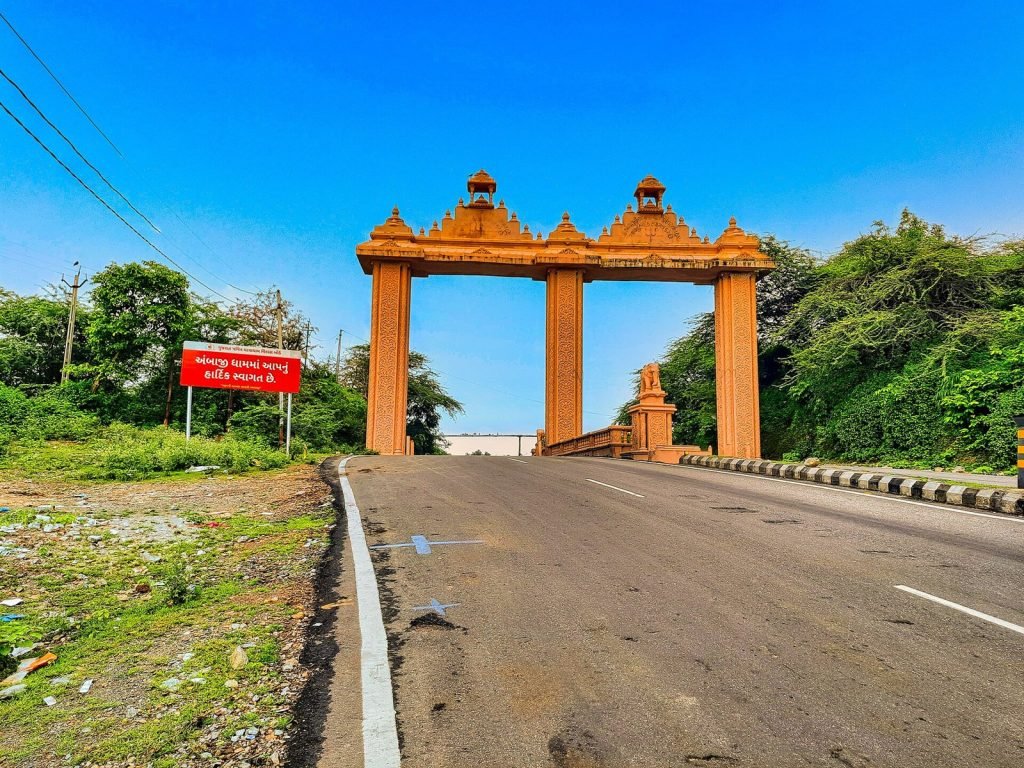
Hanuman Dandi
A 12th-century temple to Krishna’s queen

Champaner Ruins
The Champaner ruins mark the site of a once-thriving medieval city that served as a regional…

Swaminarayan Temple, Anand
The white marble of the Akshar tradition — Swaminarayan Temple in Anand, of the BAPS tradition,…
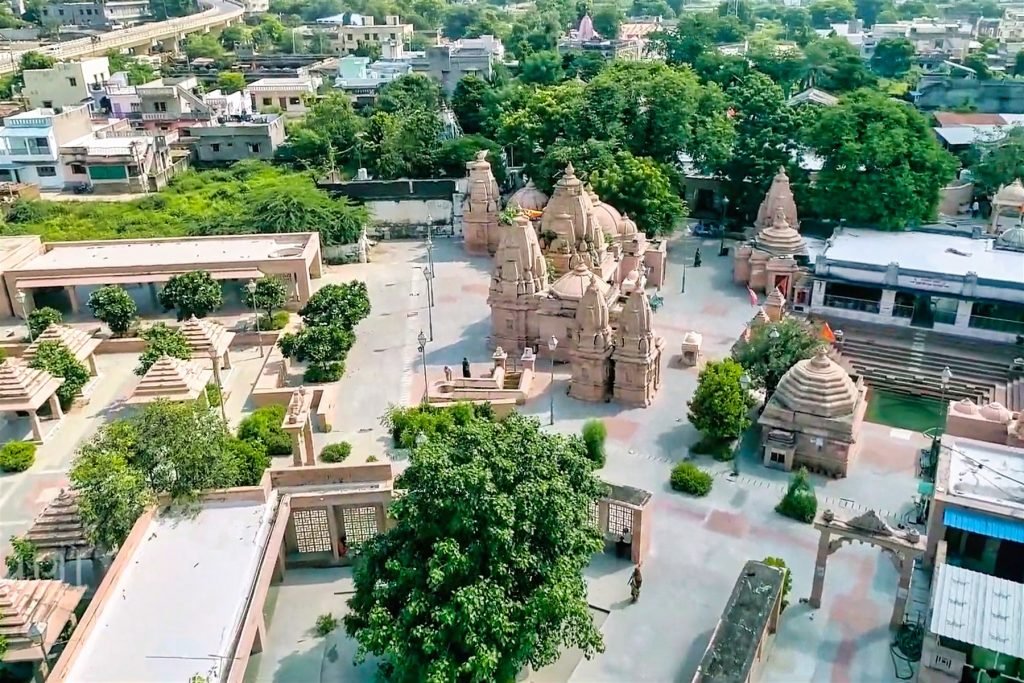 SACRED
Bindu Sarovar
A holy tank at Sidhpur (Matru Gaya)
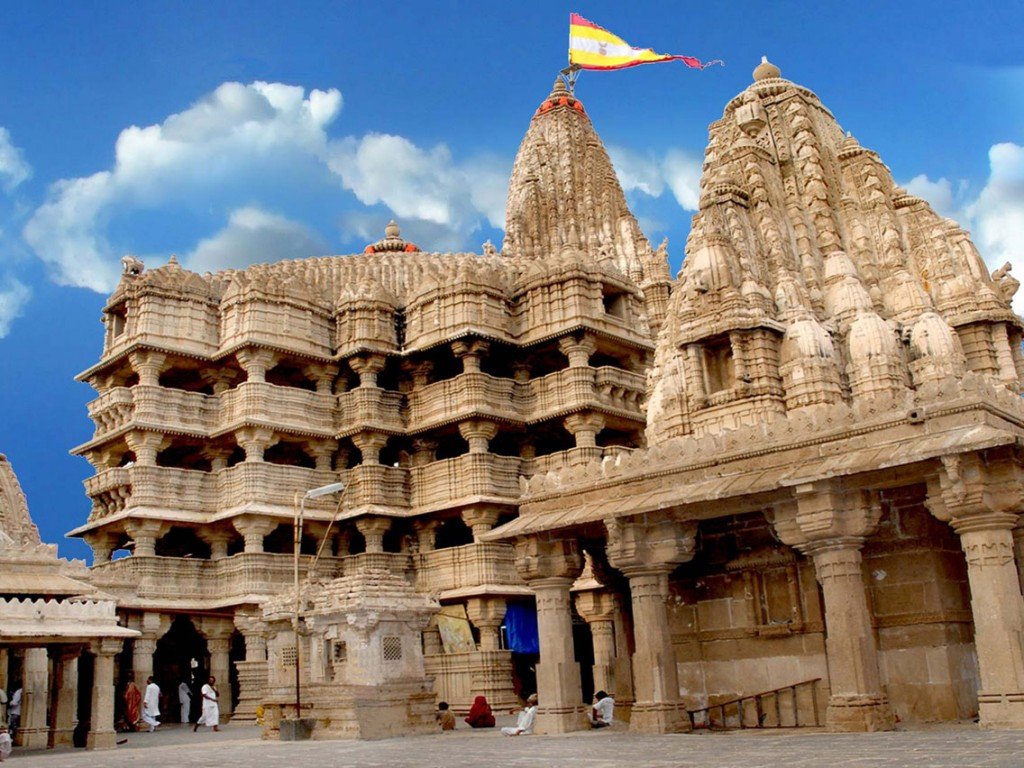
Dwarka Beach
Sacred coastline & sunset aarti.
WHERE TO STAY
Find your stay in Gujarat
Compare live prices across the big booking sites and reserve in a few taps. Booking happens securely on the partner's site — we may earn a small commission at no extra cost to you.
Book directly on our partner sites — tap a provider to see live Gujarat hotels & prices:
SHOP THE REGION
Bring home Gujarat — & travel essentials
Hand-picked crafts and trip gear, available on Amazon.
Published 24 June 2026 · Updated 24 August 2026
We’re an independent group of writers and travellers documenting every corner of Gujarat — one place, plate and festival at a time.