Home › Mehsana Festivals › Patola Weaving
CRAFT · DOUBLE IKAT · PATOLAPatola is North Gujarat’s crowning textile — a double-ikat silk so painstaking that each thread is dyed to pattern before weaving, producing a cloth identical on both sides and prized for centuries.
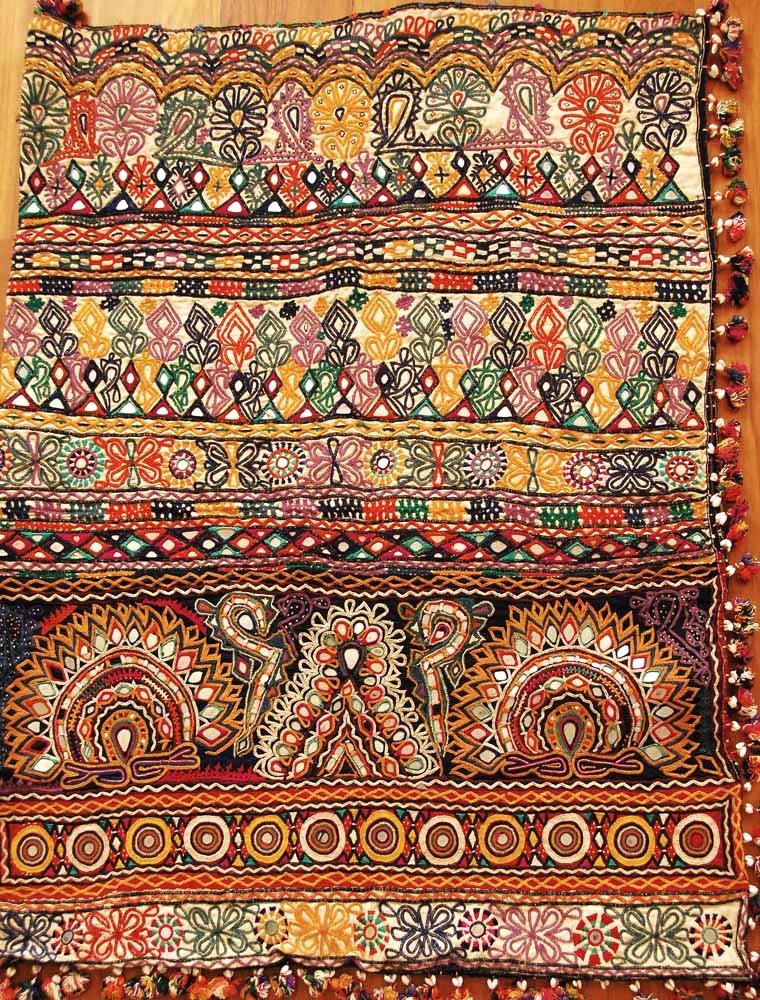
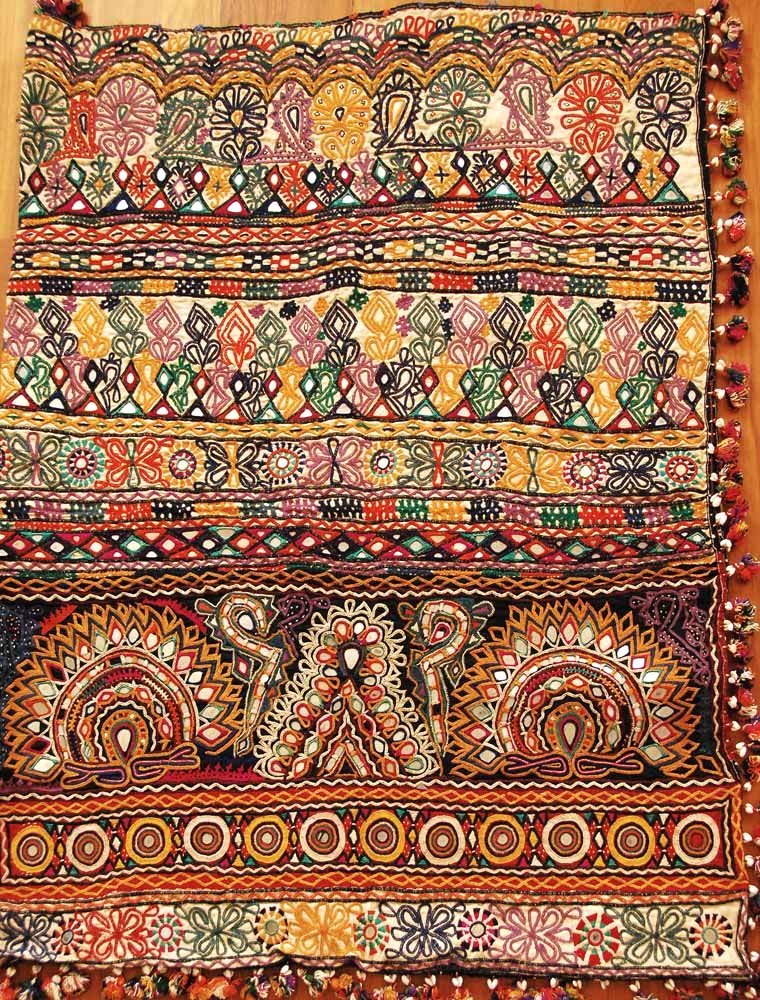
Patola is among India’s most extraordinary textiles. In the double-ikat technique, both the warp and the weft threads are tie-dyed to the exact pattern before a single strand is woven — so that the design emerges only as the threads meet on the loom, flawlessly aligned. The result is a silk of jewel-like colour, reversible and identical on both faces. A single Patola sari can take months, and the craft is guarded by a handful of master families of the Patan region.
What separates patola from every other ikat is the arithmetic of error: with both thread systems pre-dyed, a single misaligned crossing breaks the pattern visibly and permanently, so two weavers work each loom together, adjusting thread by thread against the design. The geometry — elephants, parrots, dancing figures, the pan and ratan chowk grids — is dictated by that discipline, and the result is a cloth that connoisseurs read the way others read hallmarks.
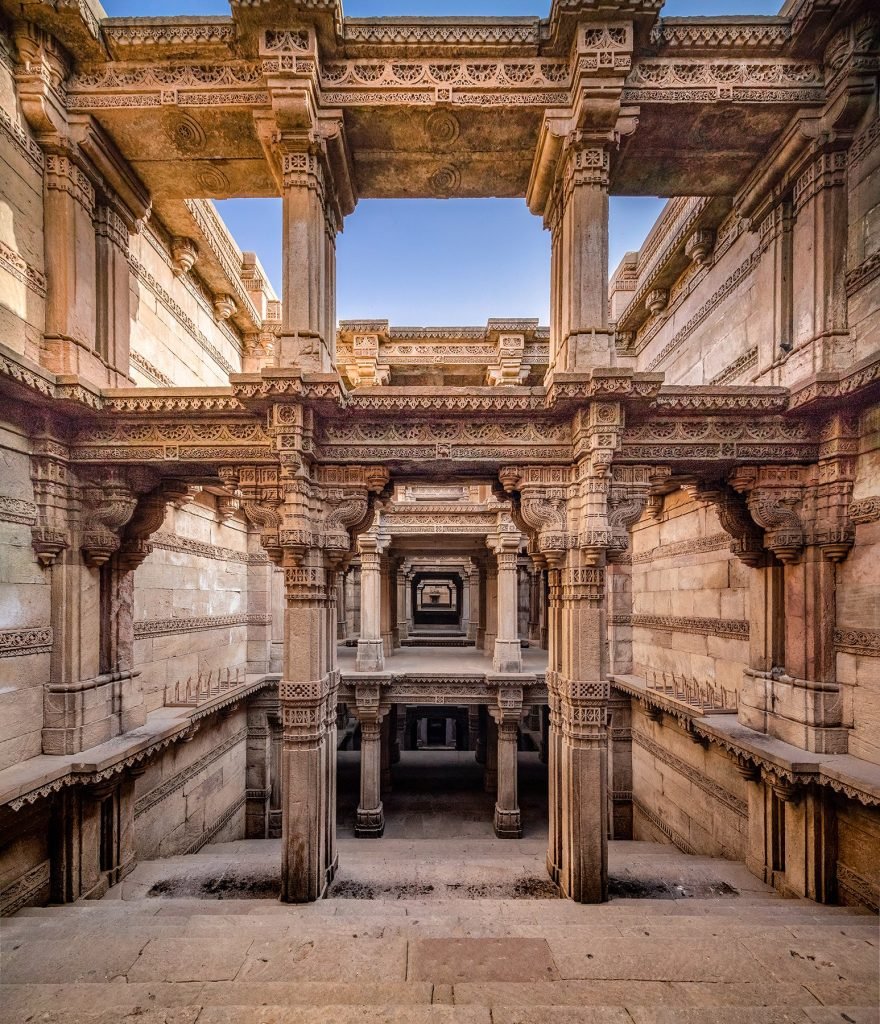
Seeing it made means Patan: the Salvi family’s Heritage House demonstrates the whole sequence from dye-tying to loom, and a workshop morning there pairs naturally with Rani ki Vav minutes away. Genuine patola is an heirloom purchase — priced in lakhs, ordered years ahead — but watching six inches of it grow under four hands explains every rupee.
The threads are patterned first — warp and weft tie-dyed to the finished design before any weaving begins.
At the loom, warp and weft must be matched crossing by crossing against that dyed pattern.
The design emerges thread by thread, a few centimetres in a working day.
Months later, one sari stands complete — identical on both faces.
Both threads carry the dyed pattern — the double in double ikat.
The finished cloth reads the same on both sides; there is no reverse.
The natural dyes run rich and fast, deepening with age.
Months of paired work go into every single sari.
The craft is closely guarded, passed within a handful of families.
Courts and collectors have prized patola for eight centuries.
THE CRAFTDouble-ikat silk.
THE LOOMThreads aligned.
See the looms at work in the Patan weaving houses.
Watch the pre-patterned threads going onto the frame.
Follow the alignment as warp meets weft on the pattern.
Grasp the timescale — months of work per sari.
Handle the finished cloth: reversible, fine and dense with colour.
Value it as the living treasure it is; few crafts anywhere compare.
Patola’s fame is old and wide: it was traded across the Indian Ocean for centuries, coveted from Southeast Asia to the Gulf, and worn as a mark of status at weddings and ceremonies. Its motifs — parrots, flowers, dancing figures, geometric grids — are woven into the region’s identity. That so demanding a craft survives at all is a tribute to the few master families who still practise it in North Gujarat.
More places to visit across the district are gathered in our Mehsana travel guide.
Best to tour workshops.
Weavers work daily.
Hot in the north.
⏰ Weaving houses welcome visitors year-round; the cool winter months are the most comfortable for a workshop tour.
Ahmedabad (~100 km).
Mehsana / Patan.
The Patan–Mehsana belt.
JANUARY
Modhera Dance Festival
Classical dance against the floodlit Sun Temple. Explore →
VADNAGAR
Tana-Riri Fest
Vadnagar honours two sisters of legend — Tana and Riri, said to have sung the raga that cured Tansen — with an annual classical-music festival in one of Gujarat’s oldest living towns. Explore →
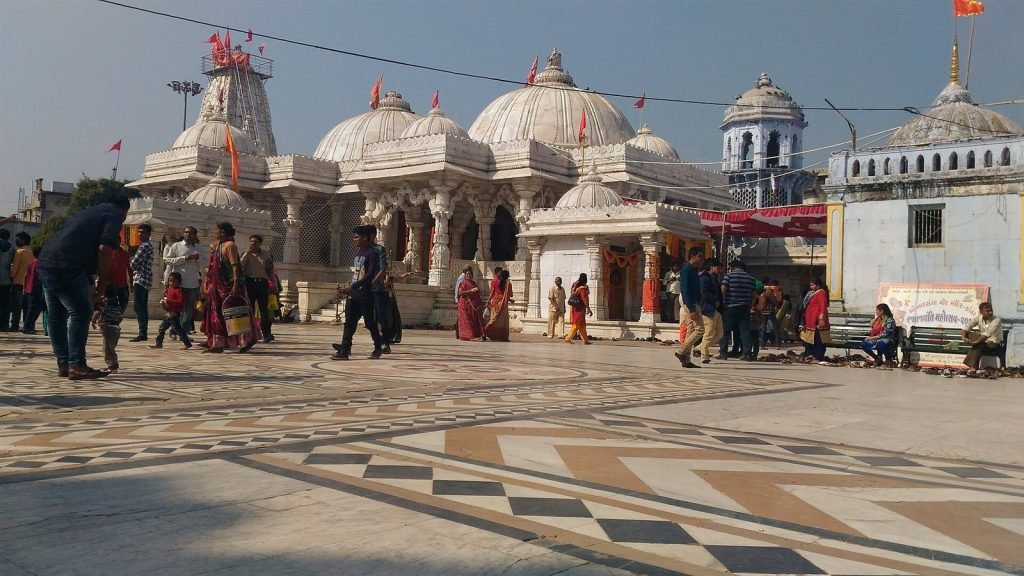
FAIR
Bahucharaji Mela
Bahucharaji is one of Gujarat’s three great Shakti shrines — a Mother-Goddess temple whose fairs draw vast crowds of devotees to honour Bahuchara Mata, borne on her cockerel. Explore →
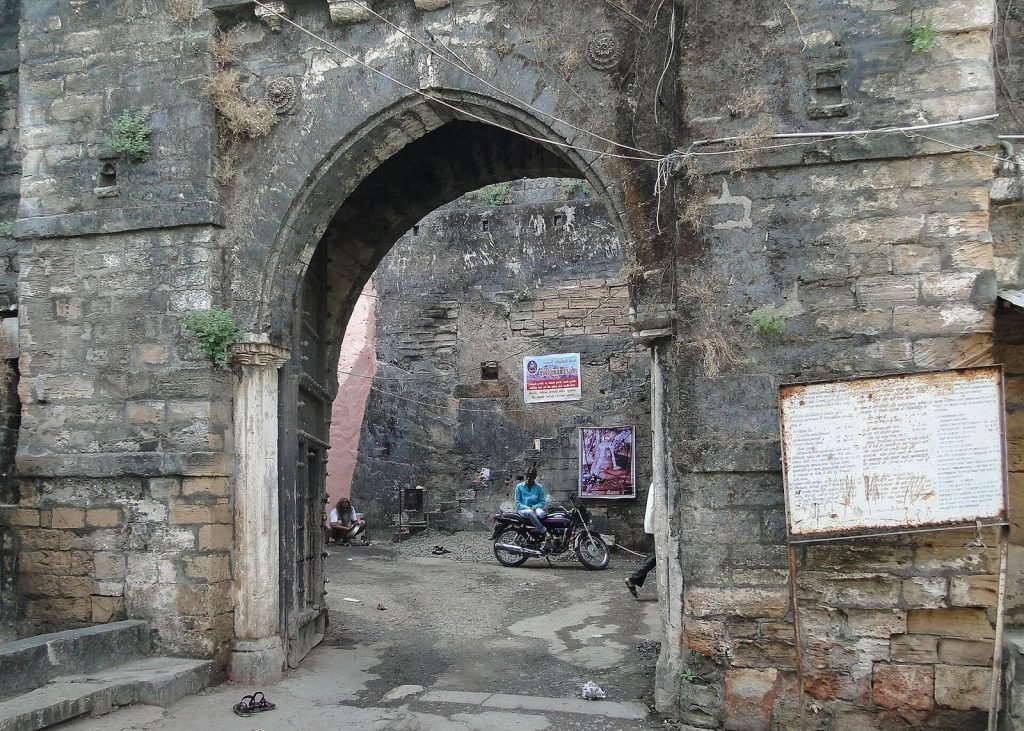
DAIRY
Cooperative Culture
Mehsana is milk country — home to one of Asia’s great dairy unions, where the cooperative model turned countless small farmers into the backbone of a white revolution. Explore →
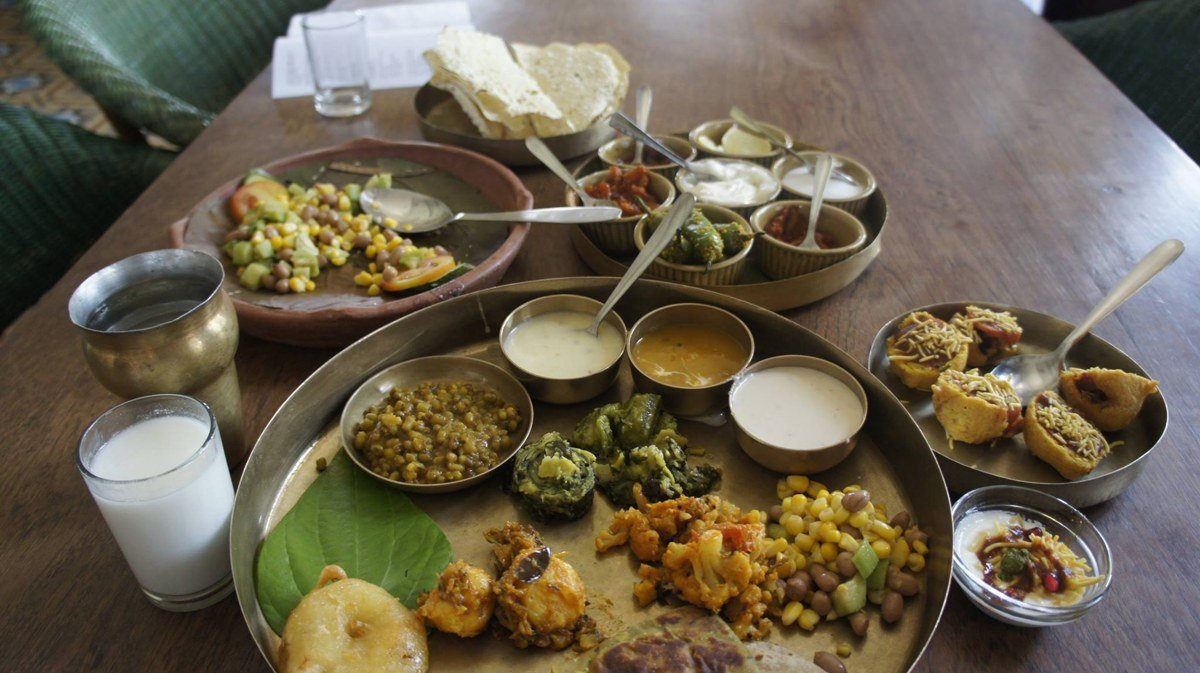
THALINorth Gujarat spread.
SWEETSBasundi & shrikhand.
FARSANSavoury snacks.
CHAASSpiced buttermilk.
A luxurious double-ikat silk textile from North Gujarat, famed for its precision and reversible design.
A technique in which both the warp and weft threads are tie-dyed to the pattern before weaving, so the design forms as they align on the loom.
It is extraordinarily painstaking — a single sari can take months — and produces a flawless, reversible cloth.
A handful of master weaving families of the Patan region who have preserved the craft over generations.
Yes — heritage weaving houses let visitors see the dyeing and weaving process.
In the Patan–Mehsana belt of North Gujarat.
WHERE TO STAY
Compare live prices across the big booking sites and reserve in a few taps. Booking happens securely on the partner's site — we may earn a small commission at no extra cost to you.
Book directly on our partner sites — tap a provider to see live Gujarat hotels & prices:
SHOP THE REGION
Hand-picked crafts and trip gear, available on Amazon.
Published 24 June 2026 · Updated 3 July 2026
We’re an independent group of writers and travellers documenting every corner of Gujarat — one place, plate and festival at a time.
Search Gujarat Explorer
Find places, food, festivals and travel guides across Gujarat
Press Enter to search — or Esc to close
Plan Your Trip
Gujarat Explorer is an independent travel guide. We’re happy to help you shape an itinerary and point you to the right places, stays and experiences across Gujarat.
Book a Cab