Home › Narmada Festivals › Tribal Fairs
FAIR · TRIBAL MELAS · NARMADAThrough the year the villages of Narmada gather at tribal fairs — melas of drum and dance, courtship and trade, where the district’s Adivasi communities come together in colour.
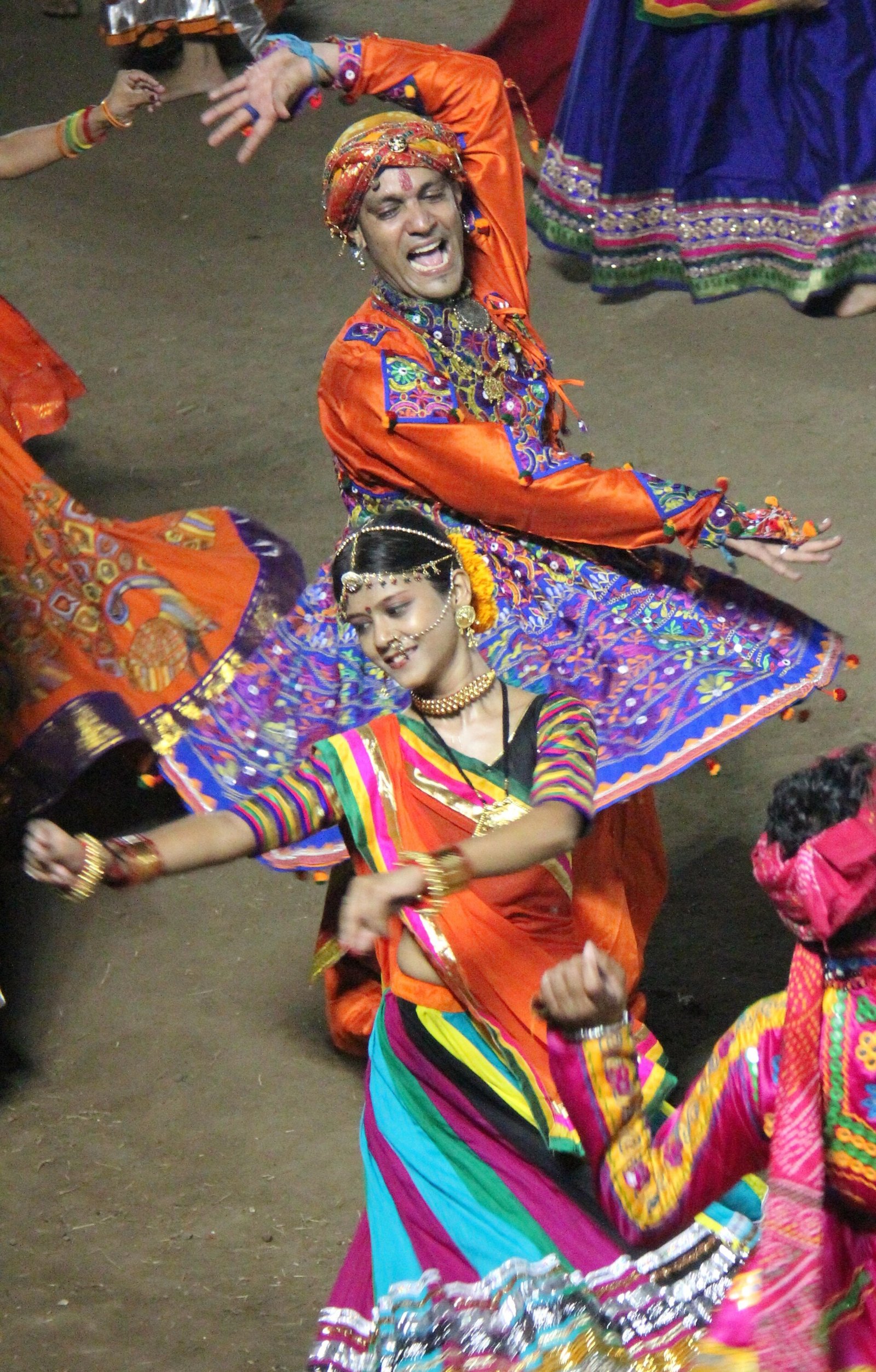
Tribal fairs are the great social occasions of Adivasi Narmada. Timed to festivals and the farming calendar — often clustering around Holi and the harvest — they draw whole villages to a common ground for days of drumming and dancing, trading of cattle and goods, and the meeting of families. For young people they are traditional occasions for courtship; for everyone, they are a joyous reaffirmation of community.
A fair is fixed to a festival or to the point in the farming year when work eases — most cluster around Holi in March and after the harvest.
Whole villages travel in together, many walking or coming by tractor-trailer, and camp on the fairground for the duration.
The days run on drumming and dance, cattle and goods changing hands, and stalls of silver, bangles and cloth.
For scattered Adivasi communities these fairs do real social work — marriages are arranged, disputes settled, and families separated by migration meet again.
The dhol drives everything. Dance forms wherever the drummers settle and moves across the ground as the night goes on.
Dress and silver ornament are worn at their fullest, and each community is recognisable by what it wears.
Cattle, goats, grain, tools and cloth are traded, and for many families the fair is the year's main market.
Villages that see each other rarely converge on one ground, which is the fair's oldest function.
Hand-cranked wheels, swings and simple stalls provide the entertainment, unchanged for generations.
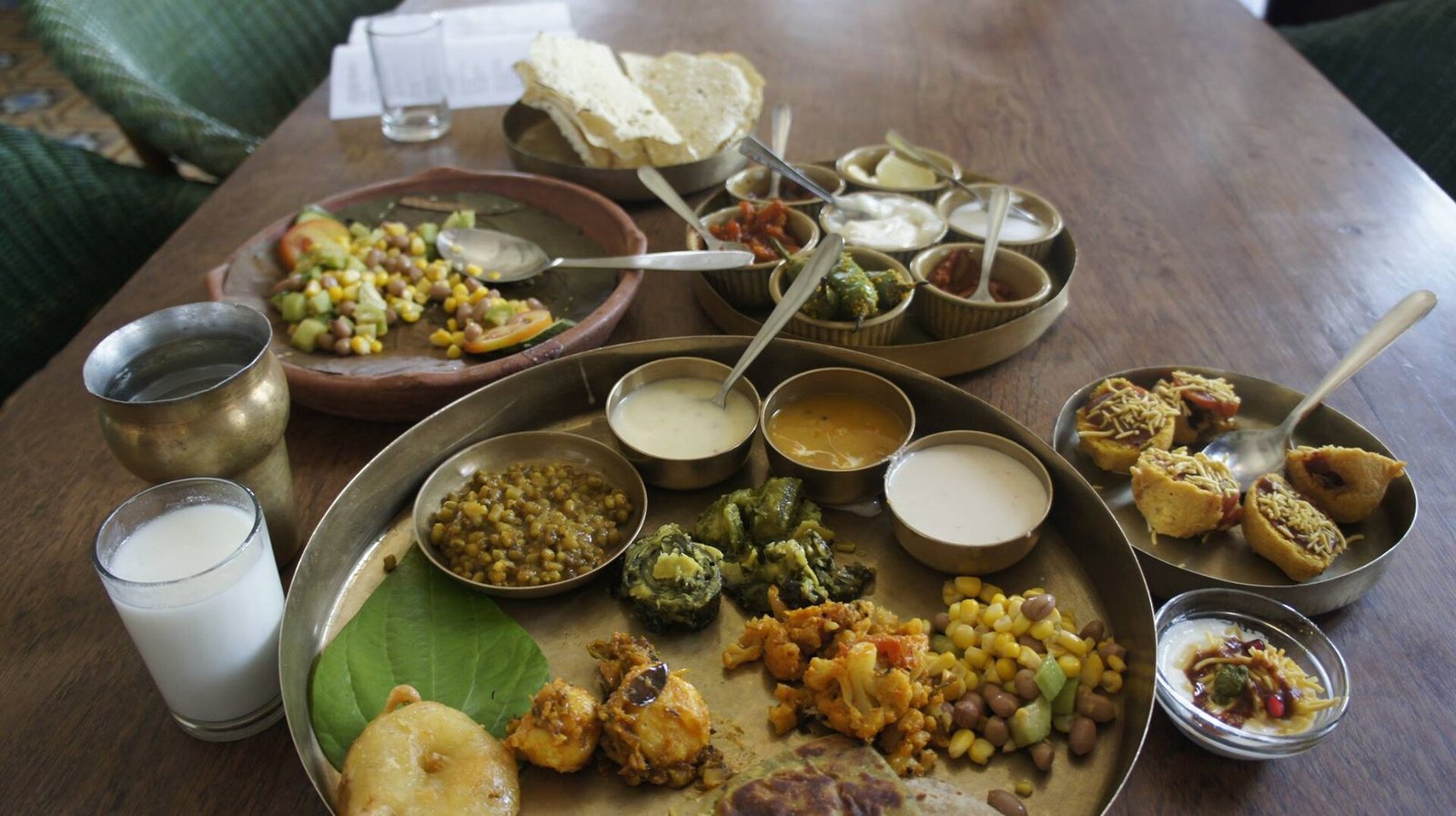
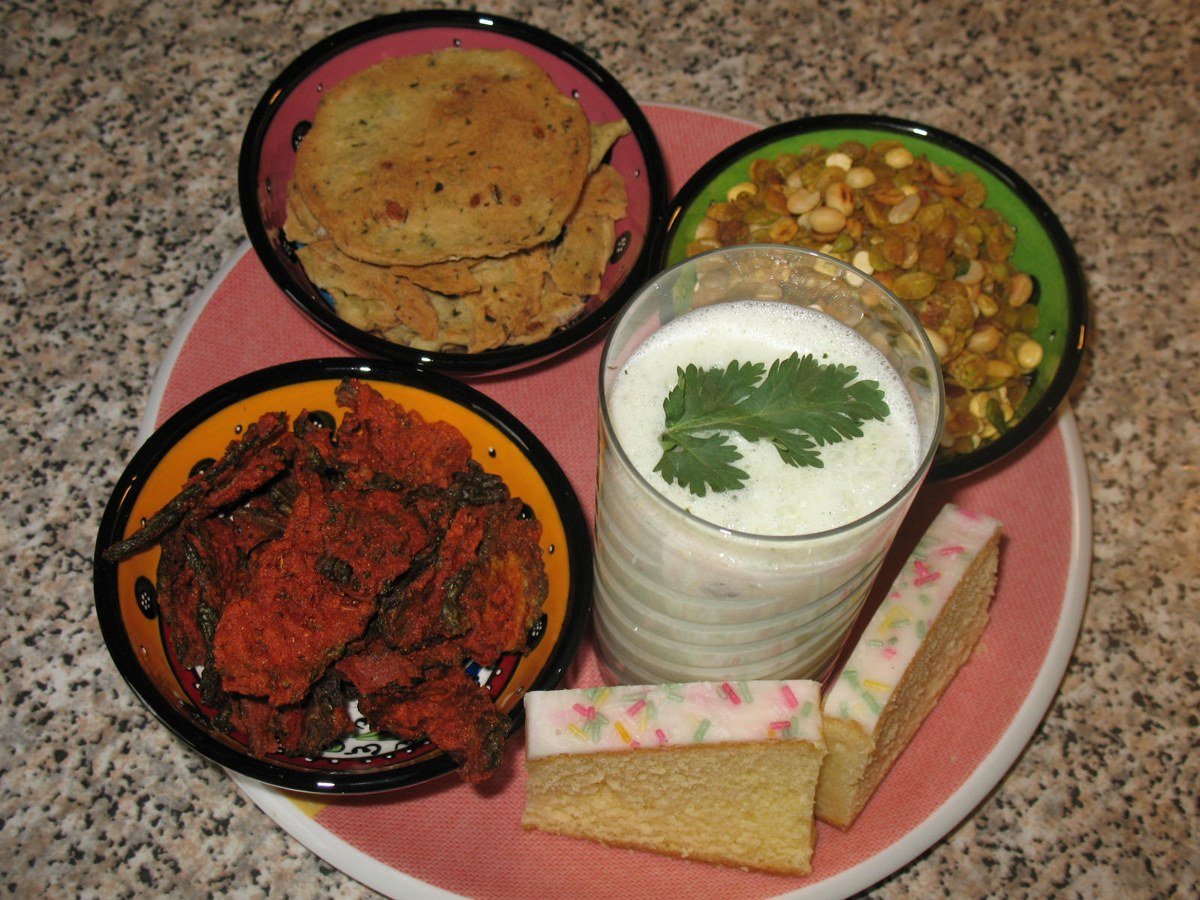
Food is cooked and eaten on the ground — makai rotlo, local snacks and endless tea.
THE FAIRDrumming, dance and colour across an open fairground over several days.
THE PEOPLEAdivasi communities of the Narmada district gathered in one place.
Go on a festival day — the fairs cluster around Holi and the post-harvest weeks rather than running to a fixed calendar.
Follow the drums to find the dancing, which forms and re-forms through the evening with no programme.
Look at the dress and silver, worn here at their fullest and distinct between communities.
Walk the trading rows, where cattle, grain and cloth change hands and the fair does its practical work.
Eat at the stalls — the food is simple, local and cooked on the spot.
Remember this is a community occasion, not an event staged for visitors. Ask before photographing anyone.
Like tribal fairs across eastern Gujarat, Narmada’s melas fuse the practical and the joyful: they are markets and marriage-markets, festivals and reunions all at once. They keep alive dances, songs and customs that belong to no stage but to the community itself, making them among the most authentic cultural experiences a traveller can share in the region.
For everything else the district holds, see our Narmada travel guide.
March around Holi is the peak of the fair season across Adivasi Narmada.
The post-harvest weeks from November bring a second cluster of fairs, when villages have time and money.
Fewer fairs run through the hot months of April to June, and the monsoon largely stops them.
⏰ Tribal fairs cluster around Holi (March) and the post-harvest season; time a visit to a festival week.
Vadodara (~90 km).
Kevadia / Vadodara.
Rajpipla / Kevadia.
31 OCTOBER
Ekta Diwas
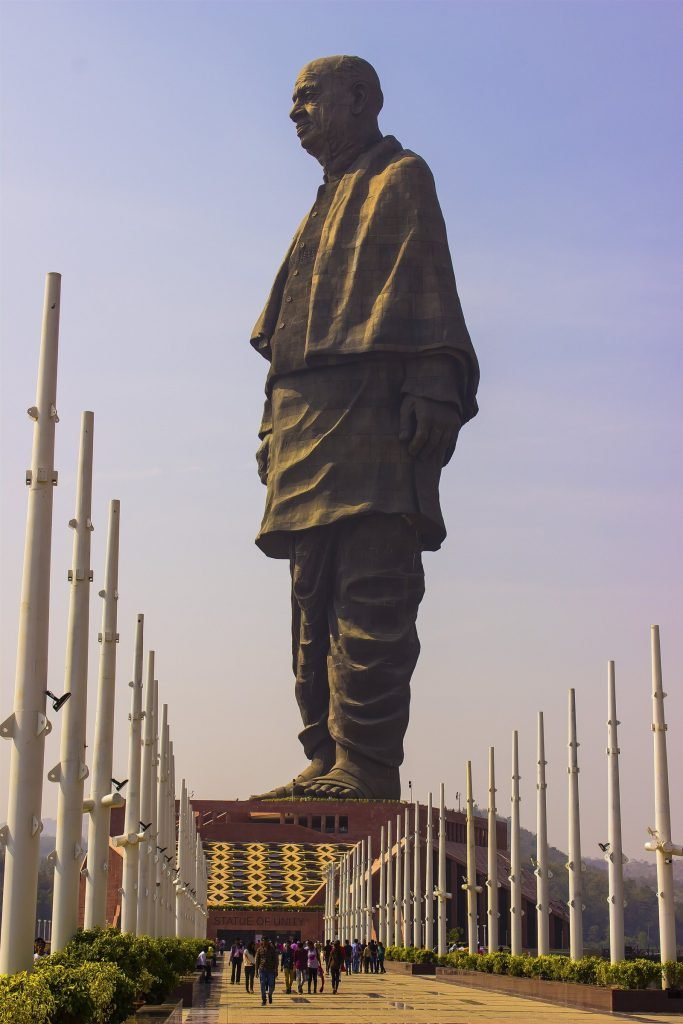
National Unity Day, marked grandly at the Statue of Unity. Explore →
TRIBAL
Adivasi Culture
The forested hills of Narmada are Adivasi country — home to tribal communities whose dance, music, dress and craft form one of Gujarat’s richest living cultures. Explore →
NIGHTLY
Laser Show
After dark, the Statue of Unity becomes a canvas — a nightly laser and light show throws Sardar Patel’s story across the colossus in colour, sound and beams against the night sky. Explore →
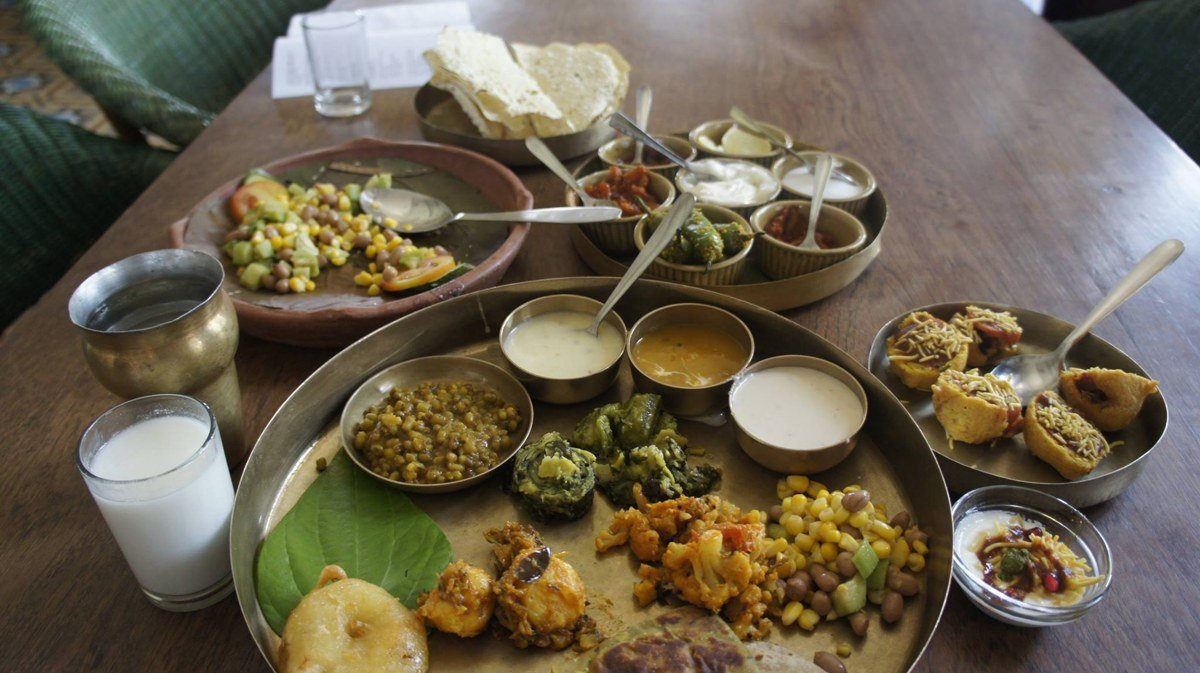
FAIRFrom the stalls.
TRIBALForest flavours.
ROTLOA hill staple.
CHAASSpiced buttermilk.
Village melas where the district’s Adivasi communities gather for drumming, dancing, trade and celebration.
Mostly around Holi and the post-harvest season, timed to festivals and the farming calendar.
Group dances, cattle and goods trading, courtship, fair rides and shared food.
They are central to Adivasi social life, keeping dances, songs and customs alive.
Across the villages of Narmada district, around Rajpipla and the forest hills.
Respectfully, as a guest at a community event; follow local cues.

A riverside temple near Somnath
A unique geodesic, aluminium-clad Shiva temple
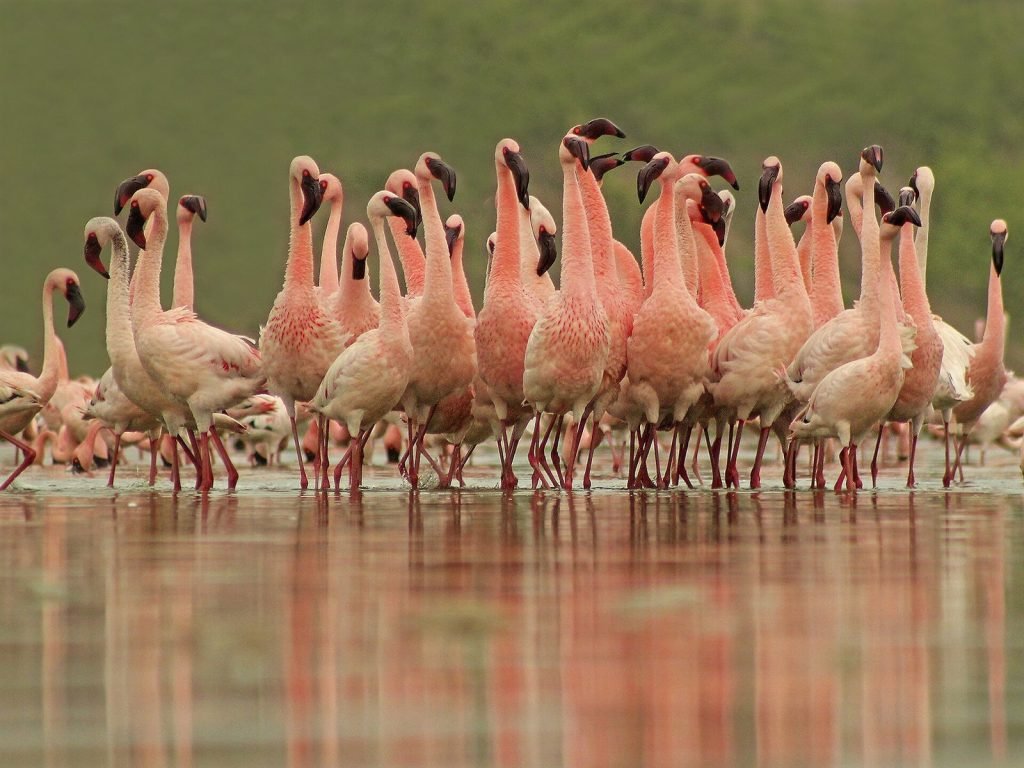
WETLANDFlamingos, cranes & gazelle at the Rann’s edge
Calm banks of the Vatrak river

The Idar Rockscape is the striking landscape of giant granite boulders and rocky hills that rises…
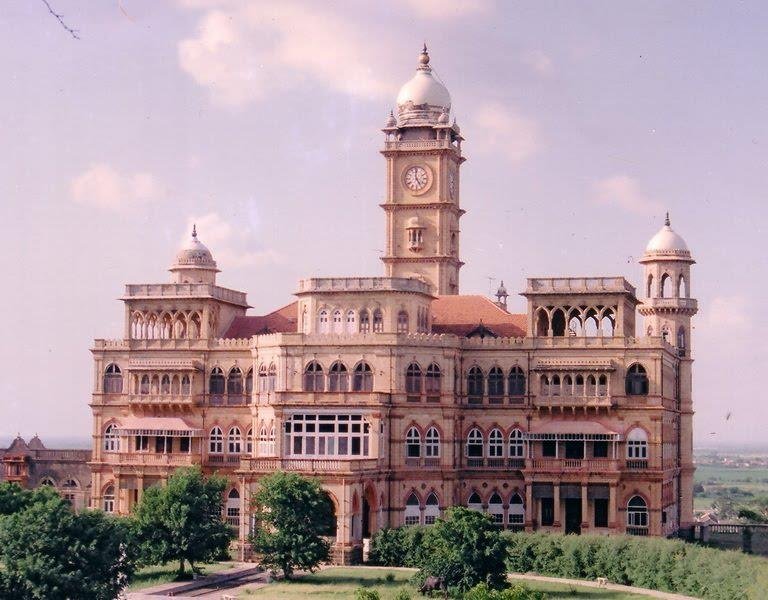
PALACEA hilltop fantasy of Indo-European design
WHERE TO STAY
Compare live prices across the big booking sites and reserve in a few taps. Booking happens securely on the partner's site — we may earn a small commission at no extra cost to you.
Book directly on our partner sites — tap a provider to see live Gujarat hotels & prices:
SHOP THE REGION
Hand-picked crafts and trip gear, available on Amazon.
Published 24 June 2026 · Updated 3 July 2026
We’re an independent group of writers and travellers documenting every corner of Gujarat — one place, plate and festival at a time.
Search Gujarat Explorer
Find places, food, festivals and travel guides across Gujarat
Press Enter to search — or Esc to close
Plan Your Trip
Gujarat Explorer is an independent travel guide. We’re happy to help you shape an itinerary and point you to the right places, stays and experiences across Gujarat.
Book a Cab